Medical Alert Bracelets Without a Medical Condition: Why You Still Need One
July 18, 2022

Every year in Australia, thousands of people are involved in accidents while exercising, commuting or enjoying outdoor hobbies. According to the Australian Institute of Health and Welfare, injury is the third leading cause of hospitalisation across all age groups. In those critical first minutes, paramedics and bystanders need to know who you are and who to contact — even if you have no medical condition at all.
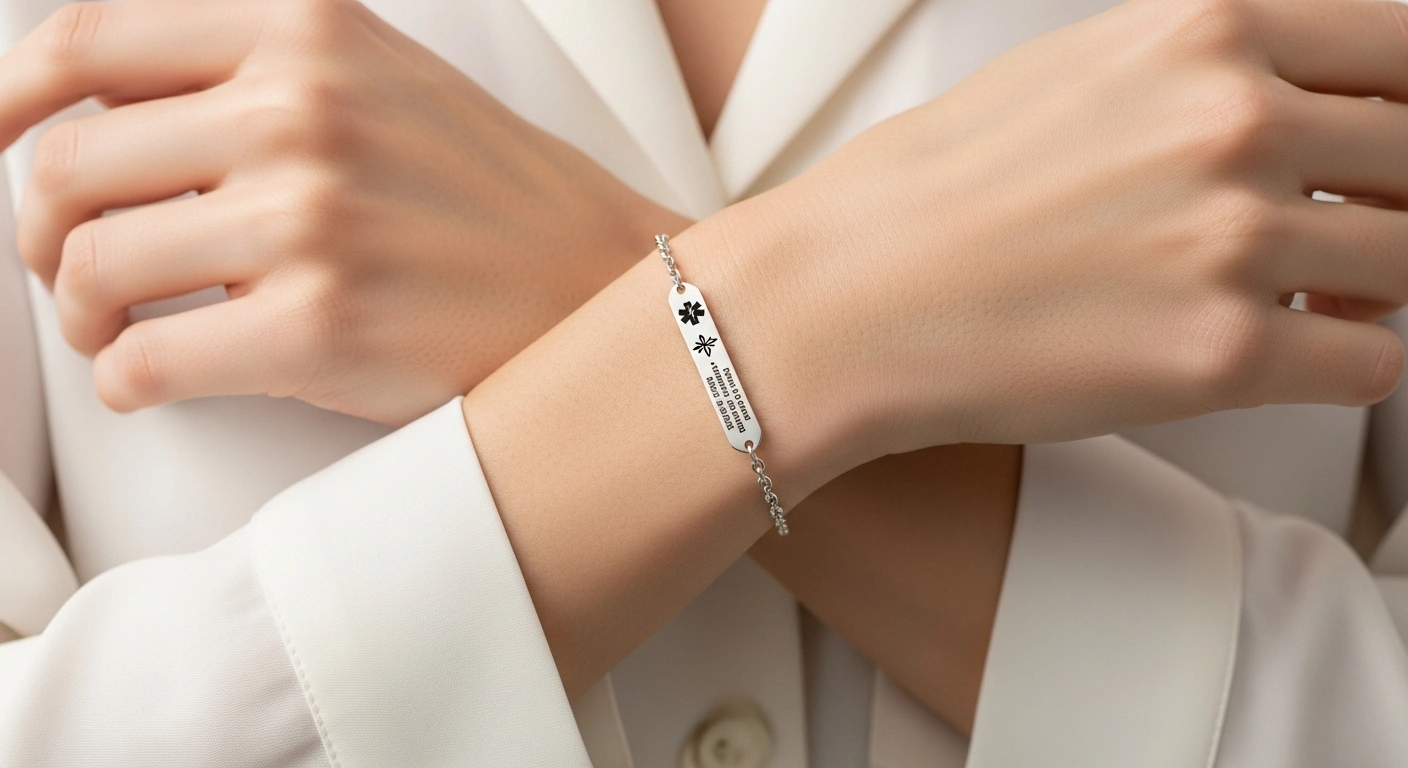
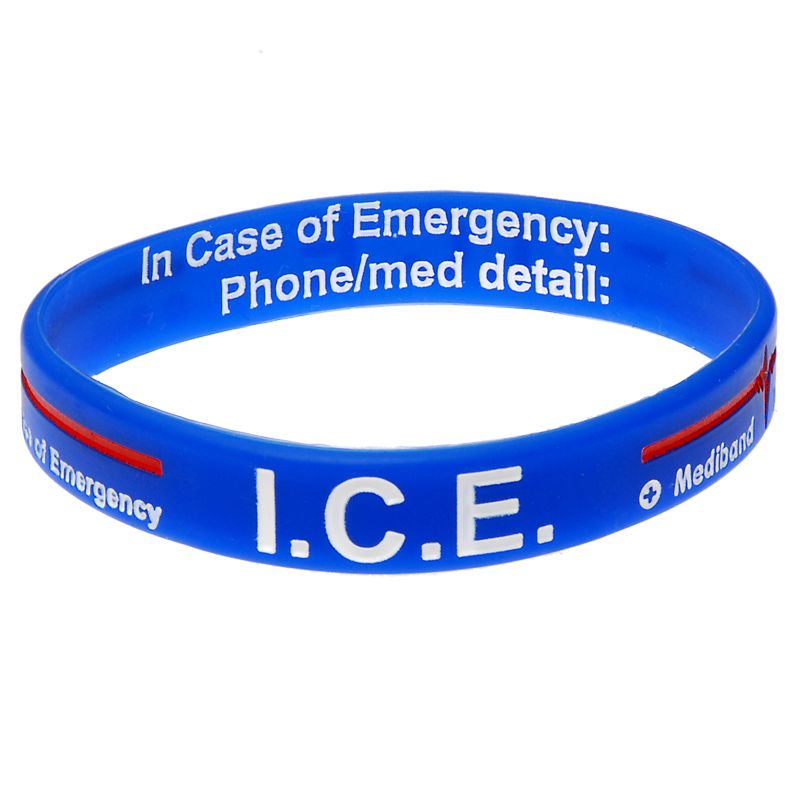
A medical alert bracelet is not just for people with chronic illnesses. An ICE (In Case of Emergency) bracelet carries your emergency contacts, blood type and any other details that could prove vital when you cannot speak for yourself. Whether you run, cycle, hike or simply commute every day, wearing one is a simple step that could save your life.
Why Wear a Medical Alert Bracelet If You Are Healthy?
Most people assume medical ID bracelets are reserved for those with diabetes, epilepsy or severe allergies. But emergencies do not discriminate. A sudden accident can leave anyone unconscious, disoriented or unable to communicate. Here is what a safety wristband tells first responders when you cannot:
- Your identity — full name and date of birth help hospitals locate your records faster
- Emergency contacts — your partner, parent or next of kin can be notified immediately
- Blood type — saves precious time if a transfusion is needed
- Organ donor status — ensures your wishes are known
- Language spoken — critical for tourists or multilingual Australians
Paramedics are trained to check the wrists and neck of an unresponsive patient within the first 30 seconds. A clearly engraved custom medical ID bracelet communicates all of this instantly.
When Do You Need an Emergency Contact Bracelet for Sports?
If you enjoy activities where help may not be immediately available, a sports safety wristband is essential. Consider these scenarios:
Solo Outdoor Activities
Bushwalking, trail running and mountain biking in remote areas all carry inherent risk. Mobile phone coverage in many Australian national parks is patchy at best. If you fall and lose consciousness, a passing hiker or ranger can read your wristband and call your emergency contact immediately.
Road Cycling and Running
Cyclists and runners who train on public roads face the risk of collisions with vehicles. The Transport Accident Commission reports hundreds of cyclist hospitalisations annually in Victoria alone. A durable silicone ICE wristband — lightweight, sweat-resistant and comfortable — provides the information paramedics need at the scene.
Water Sports
Swimming in open water, surfing, kayaking and stand-up paddleboarding all carry drowning risk. A waterproof silicone medical alert bracelet stays on your wrist even in the roughest conditions and tells lifeguards exactly who to call.
Shop Emergency & ICE Medical Alert Bracelets
Give first responders the information they need — even if you have no medical condition.

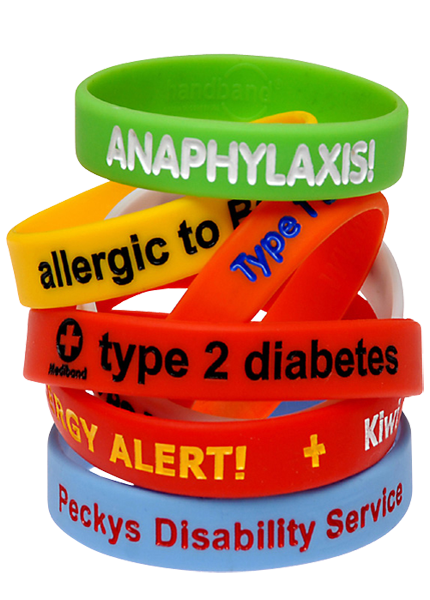
Medical Alert Bracelets for Everyday Commuters
Your daily commute — whether by car, train, bus or bicycle — is routine until it is not. Road accidents, train incidents and even slips on station platforms can happen without warning. Wearing an emergency contact bracelet means your family is contacted faster and hospital staff can access your details immediately.
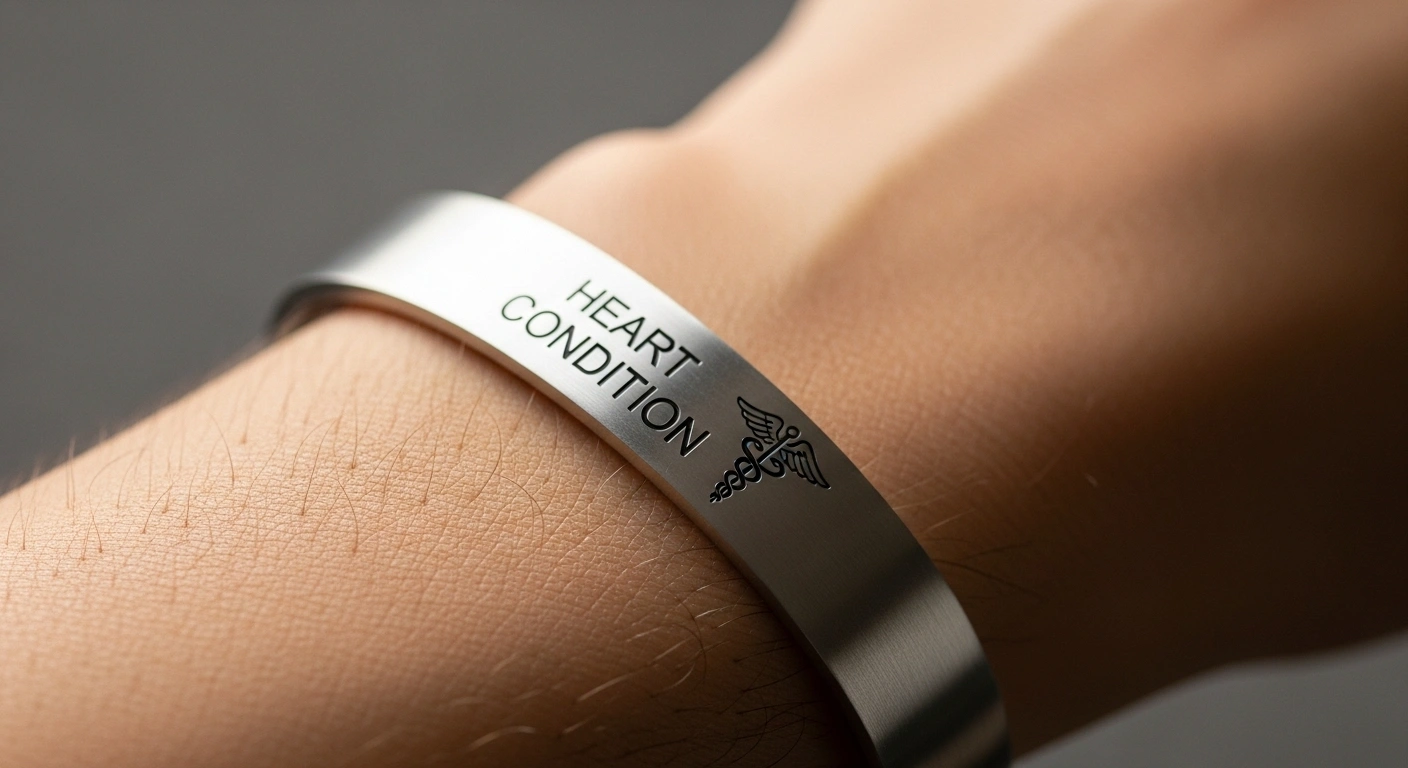
For commuters who prefer something discreet, a stainless steel medical alert bracelet looks like everyday jewellery while carrying all your critical information. It is scratch-resistant, waterproof and designed to last for years.
What to Include on Your Emergency ID Bracelet
Even without a medical condition, you can include important information on your bracelet:
Essential Information
- Full name
- Date of birth
- ICE contact name and phone number (at least one, ideally two)
- Blood type (if known)
Optional but Useful
- Any medication you take regularly (even over-the-counter like aspirin)
- Organ donor status
- Language preferences if English is not your first language
- Health insurance provider and member number
- Your GP's name and phone number
Choosing the Right Safety Wristband for Your Lifestyle
Mediband offers several styles to suit every lifestyle:
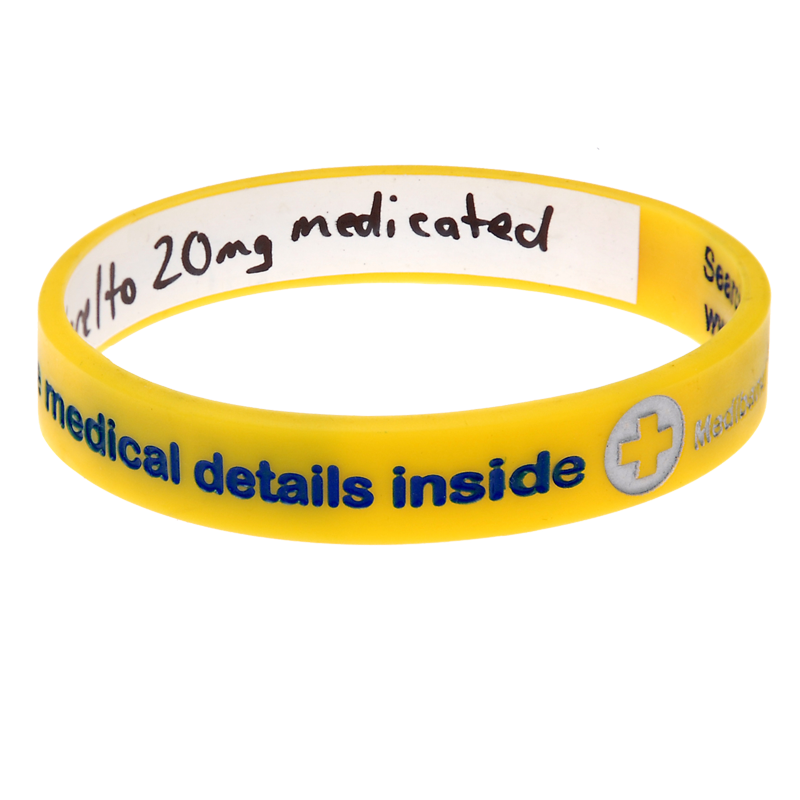
- Silicone wristbands — lightweight, waterproof, and ideal for sports and active lifestyles. Available in a range of colours with write-on or pre-printed options.
- Stainless steel bracelets — durable and stylish for everyday wear. Can be engraved with your personal details.
- Designer reversible bands — two-sided bracelets with a pattern on one side and medical information on the other.
The best medical alert bracelet is one you will actually wear every day. Choose a style that suits your wardrobe and activities, and you will never want to leave home without it.
Frequently Asked Questions
Can I wear a medical alert bracelet if I don't have a medical condition?
Absolutely. Medical alert bracelets are not limited to people with medical conditions. An ICE (In Case of Emergency) bracelet carries your emergency contacts, blood type and identity — vital information for paramedics if you are in an accident and cannot speak for yourself.
What is the difference between an ICE bracelet and a medical ID bracelet?
An ICE bracelet focuses on emergency contact information and personal identification, while a medical ID bracelet typically lists a specific medical condition, medications and allergies. Both types can be customised with any information you choose.
Are silicone medical alert bracelets waterproof?
Yes. Mediband silicone bracelets are fully waterproof and designed for active lifestyles including swimming, surfing and water sports. They are also hypoallergenic, sweat-resistant and durable enough for daily wear.
What should I engrave on a medical alert bracelet if I'm healthy?
Include your full name, date of birth, at least one emergency contact number, and your blood type if known. You can also add organ donor status, language preferences or your GP's details.

Share on Facebook

Share on X

Share on Pinterest
Comment(s)
Recent Posts
The Risk Of Not Wearing An Allergy Medical Alert Bracelet
March 23, 2026