Understanding Dementia: Symptoms, Support, and Why a Medical Alert Bracelet Is Essential
September 15, 2022
Dementia: A Growing Global Health Challenge
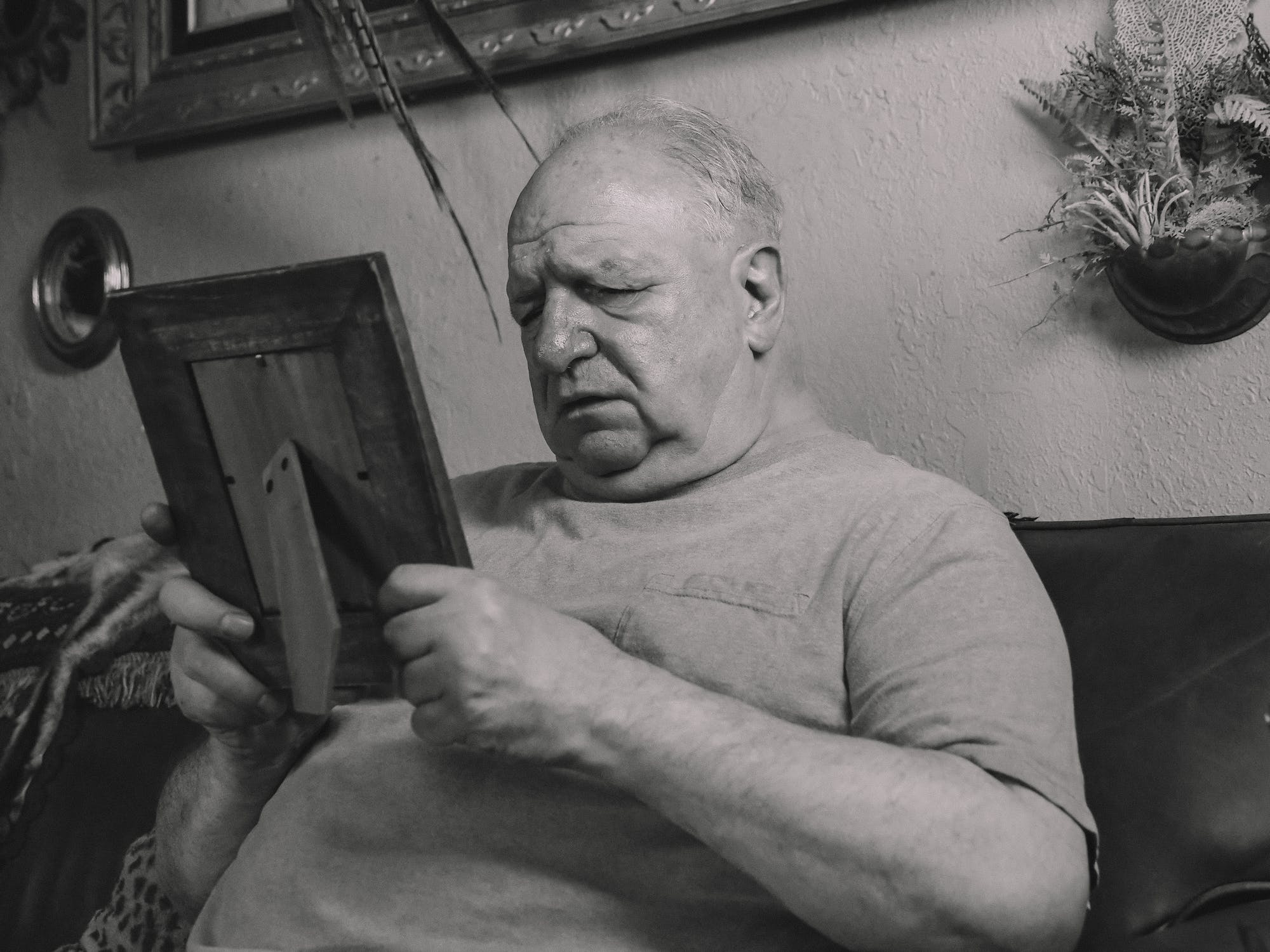
Dementia is not a single disease — it is an umbrella term for a group of conditions characterised by progressive decline in memory, thinking, behaviour, and the ability to perform everyday activities. Globally, approximately 55 million people live with dementia, and this number is projected to reach 139 million by 2050, according to the World Health Organization (2023). Nearly 10 million new cases are diagnosed every year — one every three seconds.
Understanding dementia — its causes, symptoms, and the challenges it presents — is essential not only for the people living with the condition but for their families, carers, and communities. This guide provides a comprehensive overview of dementia and explains why a medical alert bracelet is one of the most important safety measures for anyone affected by this condition.
Types of Dementia: Understanding the Differences
Alzheimer's Disease
Alzheimer's disease accounts for 60-70% of all dementia cases and is the most well-known form. It is caused by the abnormal build-up of proteins (amyloid plaques and tau tangles) in and around brain cells, leading to progressive brain cell death. Early symptoms typically include difficulty remembering recent events, while long-term memories often remain intact in the early stages.
Vascular Dementia
The second most common form, vascular dementia results from impaired blood flow to the brain — often following a stroke or series of mini-strokes (transient ischaemic attacks). Symptoms can appear suddenly after a stroke or develop gradually. Problems with planning, thinking speed, and concentration are often more prominent than memory loss in the early stages.
Lewy Body Dementia
Caused by abnormal protein deposits called Lewy bodies in the brain, this type of dementia shares symptoms with both Alzheimer's and Parkinson's disease. Distinctive features include visual hallucinations, fluctuating alertness, and movement problems similar to Parkinson's. It affects approximately 10-15% of people with dementia.
Frontotemporal Dementia
This less common form primarily affects the frontal and temporal lobes of the brain, which control personality, behaviour, and language. It tends to develop at a younger age than other dementias — often between 45 and 65. Personality changes, social behaviour problems, and language difficulties are typically the earliest symptoms, rather than memory loss.
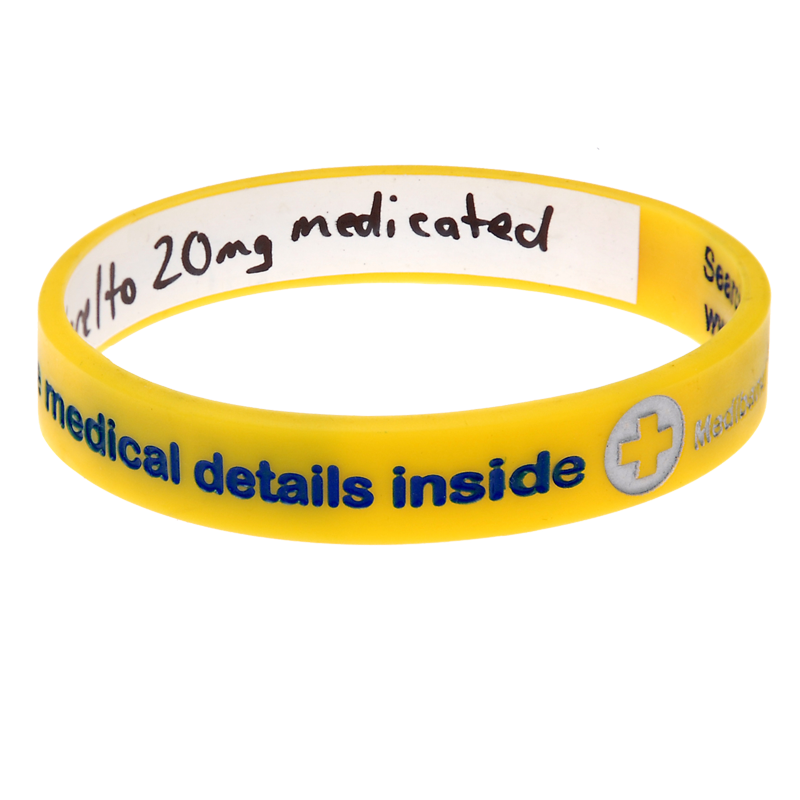
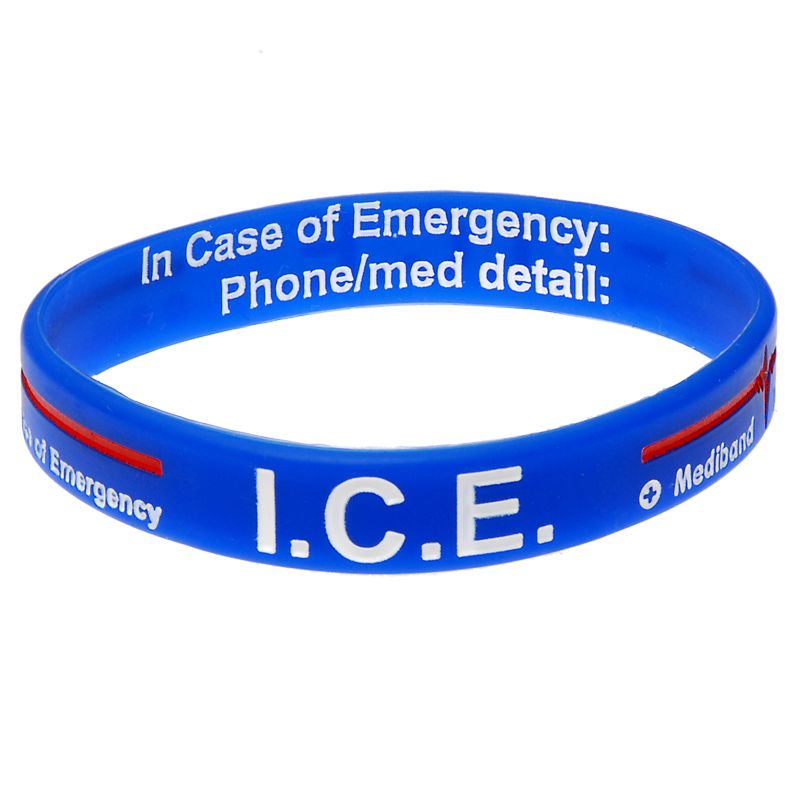
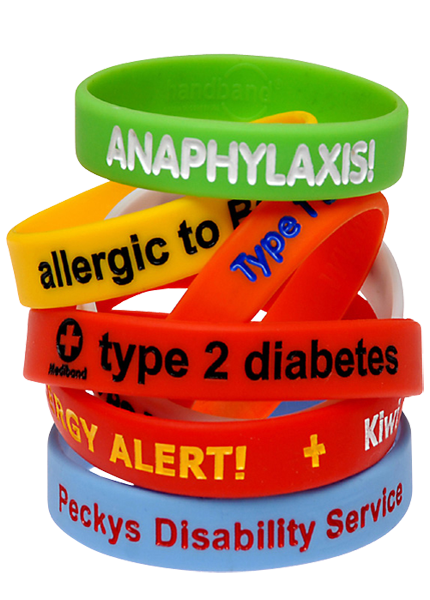
Dementia Medical Alert Bracelets
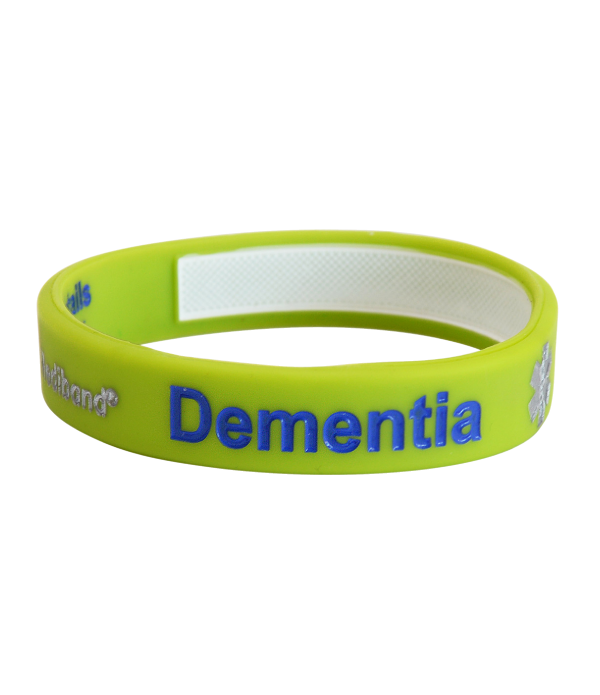
Help your loved one get home safely — essential identification for people living with dementia.

Recognising the Early Signs of Dementia
Early detection of dementia allows for better planning, access to treatments that may slow progression, and time to put safety measures in place. Common early warning signs include:
- Memory loss that disrupts daily life: Forgetting recently learned information, important dates, or repeatedly asking the same questions
- Difficulty planning or solving problems: Struggling to follow a recipe, manage finances, or keep track of monthly bills
- Confusion about time or place: Losing track of dates, seasons, or the passage of time; getting confused about where they are
- Trouble with visual and spatial relationships: Difficulty judging distances, reading, or recognising familiar faces
- Problems with words: Struggling to follow or join conversations, stopping mid-sentence, or calling things by the wrong name
- Misplacing items: Putting things in unusual places and being unable to retrace steps to find them
- Poor judgment: Making unusual decisions about money, personal hygiene, or social situations
- Withdrawal from activities: Pulling away from hobbies, social activities, or work projects they previously enjoyed
- Mood and personality changes: Becoming confused, suspicious, anxious, depressed, or easily upset
If you or someone you know is experiencing several of these symptoms, consult a doctor. Early assessment is crucial — some causes of cognitive decline are treatable and reversible, such as thyroid disorders, vitamin deficiencies, medication side effects, and depression.
The Wandering Risk: Why Dementia Patients Need Identification
Understanding Wandering Behaviour
Wandering is one of the most dangerous behaviours associated with dementia. The Alzheimer's Association reports that 6 in 10 people with dementia will wander at some point during the course of their illness. Wandering can happen at any stage but becomes more common as the condition progresses.
A person with dementia may wander because they:
- Are confused about their current location or believe they need to go somewhere from their past
- Are looking for something or someone (a deceased spouse, a childhood home)
- Feel restless, anxious, or agitated
- Are following a former routine (such as going to work)
- Are reacting to environmental stressors (noise, crowding, unfamiliar surroundings)
Critically, if a person with dementia who wanders is not found within 24 hours, up to half will suffer serious injury or death, according to the Alzheimer's Association. This statistic alone underscores the vital importance of identification.
How a Medical Alert Bracelet Protects People with Dementia
A dementia medical alert bracelet is one of the most effective tools for keeping a person with dementia safe. Here is how it helps:
- Immediate identification: If the person is found confused or disoriented, the bracelet identifies them and their condition immediately — even when they cannot communicate their own name or address
- Emergency contact information: Write-on bracelets allow you to include the carer's phone number and the person's name, so whoever finds them can contact the right people immediately
- Medication awareness: Many people with dementia take multiple medications. A medical ID alerts emergency teams to these medications, preventing dangerous interactions
- Faster reunification: Police and emergency services can quickly identify the person and their condition, significantly reducing the time they spend lost and at risk
- Cannot be removed or forgotten: Unlike cards or phone apps, a bracelet worn on the wrist is always present and always visible
Supporting a Loved One with Dementia
Caring for someone with dementia is one of the most challenging and emotionally demanding roles a person can take on. Dementia carers provide an estimated 1.6 billion hours of unpaid care annually in the United States alone (Alzheimer's Association, 2023). Here are key strategies for supporting your loved one:
- Create a safe environment: Remove tripping hazards, install locks on doors that lead outside, use nightlights, and secure sharp objects and cleaning chemicals
- Establish routines: Consistent daily schedules reduce confusion and anxiety. Familiar activities at predictable times provide comfort
- Communicate clearly: Use simple sentences, speak slowly, make eye contact, and allow plenty of time for responses. Avoid correcting or arguing
- Use identification: Ensure your loved one wears a medical alert bracelet at all times — especially one with their name, condition, and your contact number
- Look after yourself: Carer burnout is real and common. Seek respite care, join support groups, and do not hesitate to ask for help from friends, family, or professional services
Dementia changes lives — for those diagnosed and for everyone who loves them. But with understanding, appropriate safety measures, and the right support, people with dementia can continue to live with dignity, comfort, and protection. A medical alert bracelet is a small but powerful step towards ensuring their safety every day.
Frequently Asked Questions
What is dementia and how is it different from normal ageing?
Dementia is an umbrella term for progressive conditions that impair memory, thinking, and daily functioning beyond what is expected in normal ageing. While occasionally forgetting a name and remembering it later is normal, dementia involves persistent memory loss that disrupts daily life, difficulty solving problems, confusion about time and place, and personality changes that worsen over time.
What are the most common types of dementia?
Alzheimer's disease is the most common type, accounting for 60-70% of cases. Vascular dementia, caused by impaired blood flow to the brain, is the second most common. Lewy body dementia affects 10-15% of people with dementia and shares symptoms with Parkinson's disease. Frontotemporal dementia tends to develop earlier, typically between ages 45-65, affecting personality and language.
Why is wandering dangerous for people with dementia?
Six in ten people with dementia will wander at some point during their illness. They may become lost, confused, and unable to communicate who they are or where they live. If not found within 24 hours, up to half will suffer serious injury or death. A medical alert bracelet with the person's name, condition, and emergency contact helps ensure they are identified and returned home safely.
What information should a dementia medical alert bracelet include?
A dementia medical alert bracelet should include the person's name, the word 'Dementia' or their specific diagnosis, an emergency contact phone number, and any critical medications. Write-on bracelets allow carers to update details as needed. This information enables police, paramedics, or members of the public to identify and assist the person quickly when they cannot communicate.
How can I support a family member with dementia?
Create a safe home environment by removing hazards and securing exits. Establish consistent daily routines to reduce confusion. Communicate with simple sentences and patience. Ensure they wear a medical alert bracelet at all times. Equally important is looking after yourself as a carer — seek respite care, join support groups, and accept help to prevent burnout.

Share on Facebook

Share on X

Share on Pinterest
Comment(s)
Recent Posts

The Risk Of Not Wearing An Allergy Medical Alert Bracelet
March 23, 2026