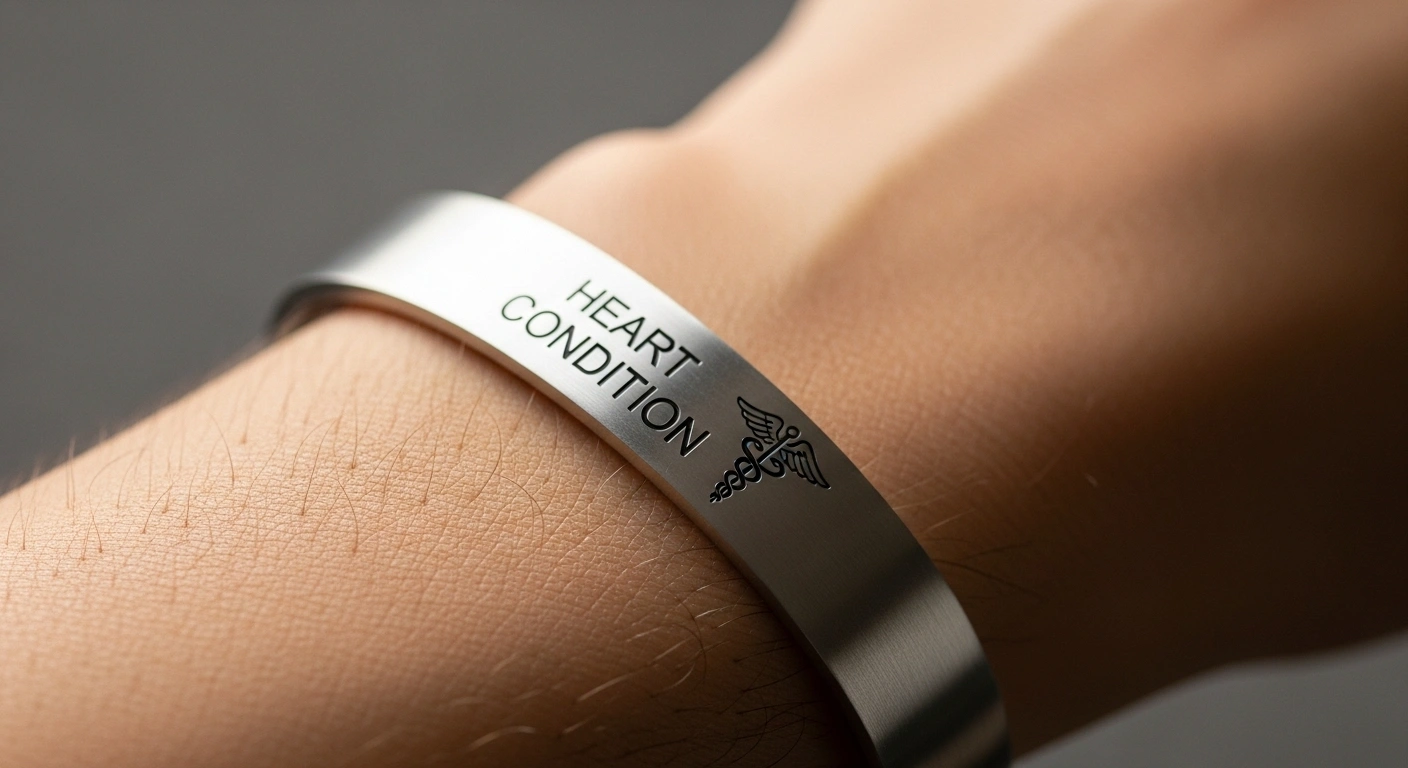
Peanut Allergy in Children: How Boiled Peanut Therapy Could Change Treatment
February 28, 2023

Nearly 3 in every 100 children have a peanut allergy, making it one of the most common and potentially life-threatening food allergies worldwide (RACGP, 2024). For parents, the constant vigilance required — reading every food label, briefing every teacher, preparing for every birthday party — can be exhausting.
But groundbreaking research from an Australian clinical trial is offering new hope. A year-long study has shown that oral immunotherapy using boiled peanuts could help children build tolerance to the very food that threatens their lives. In this comprehensive guide, we explore what this means for families, how peanut allergy works, and why wearing a peanut allergy medical alert bracelet remains one of the most important safety steps you can take.
What Is the Boiled Peanut Oral Immunotherapy Trial?
How the Trial Worked
The trial, published in Clinical and Experimental Allergy (Grzeskowiak et al., 2023), recruited 70 children with confirmed peanut allergies. Over several months, participants were given gradually increasing doses of boiled peanuts — which contain lower levels of allergenic proteins than raw or roasted peanuts — followed by roasted peanuts.
The Results
By the end of the trial, 80% of the children could eat 12 roasted peanuts daily without experiencing an allergic reaction. This is a remarkable outcome, though researchers stress that:
- All participants were closely supervised by medical professionals
- Parents should never attempt peanut exposure at home without medical guidance
- The results represent a promising treatment pathway, not a guaranteed cure
- Further research and larger clinical trials are needed
Why Boiled Peanuts?
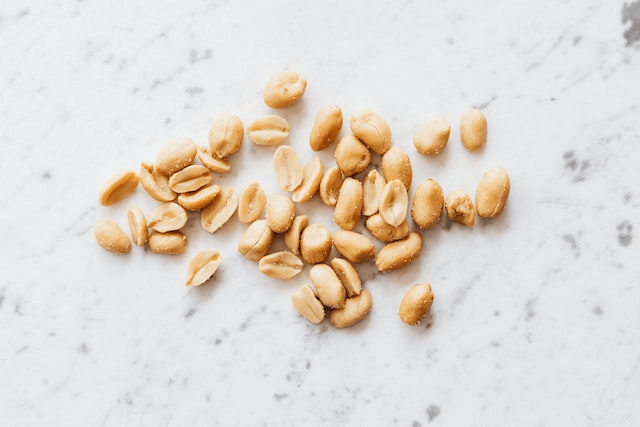
Boiling peanuts reduces the levels of key allergenic proteins (Ara h 1, Ara h 2, and Ara h 3) compared to roasting or eating them raw. This makes them a gentler starting point for oral immunotherapy, allowing the immune system to build tolerance gradually before progressing to roasted peanuts.
Understanding Peanut Allergy: Causes and Risk Factors
Peanut allergy occurs when the immune system mistakenly identifies proteins in peanuts as harmful, triggering a defensive response. According to the Australasian Society of Clinical Immunology and Allergy (ASCIA), peanut allergy is one of the most common causes of severe allergic reactions (anaphylaxis) in children.
Who Is Most at Risk?
- Children with eczema: Severe eczema in infancy is the strongest predictor of food allergy
- Family history: Children with a parent or sibling who has allergies are at higher risk
- Existing food allergies: Children allergic to egg or other foods may be more likely to develop peanut allergy
- Age: Most peanut allergies develop in early childhood, though adult-onset cases do occur
While some children outgrow their peanut allergy (approximately 20%), many carry it into adulthood. This makes early diagnosis, proper management, and wearing a medical alert bracelet for allergies essential.
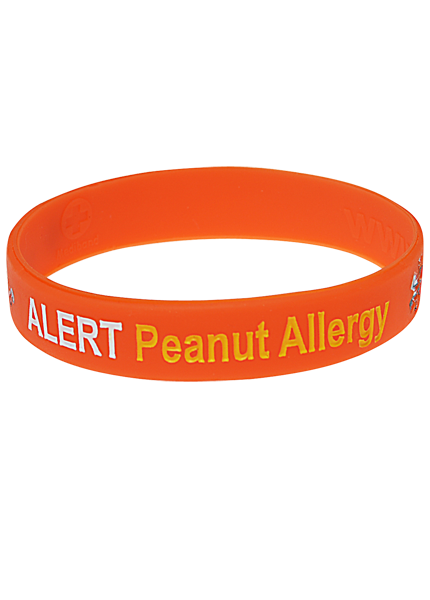
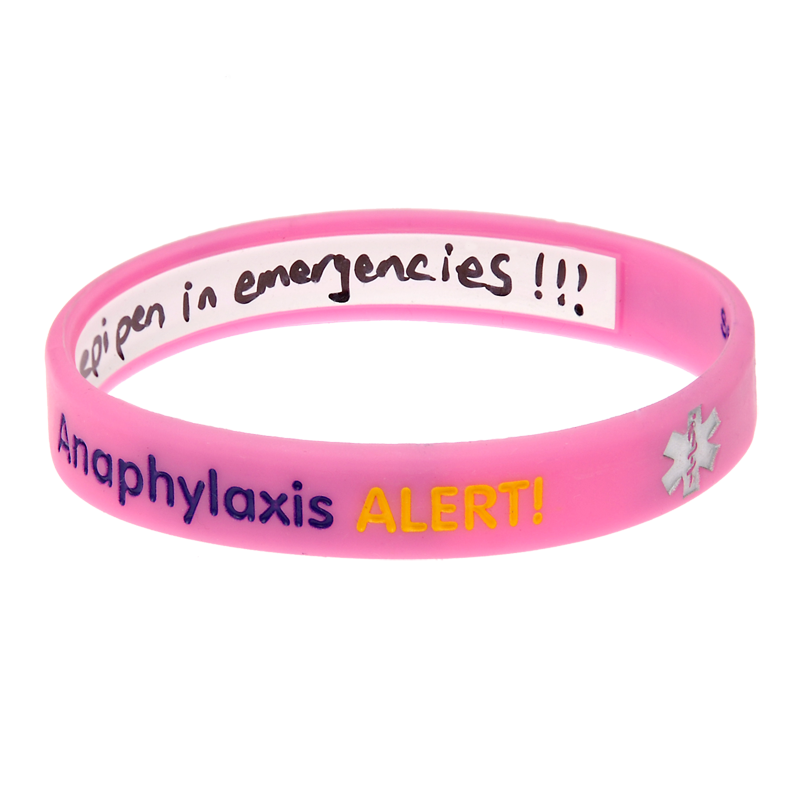
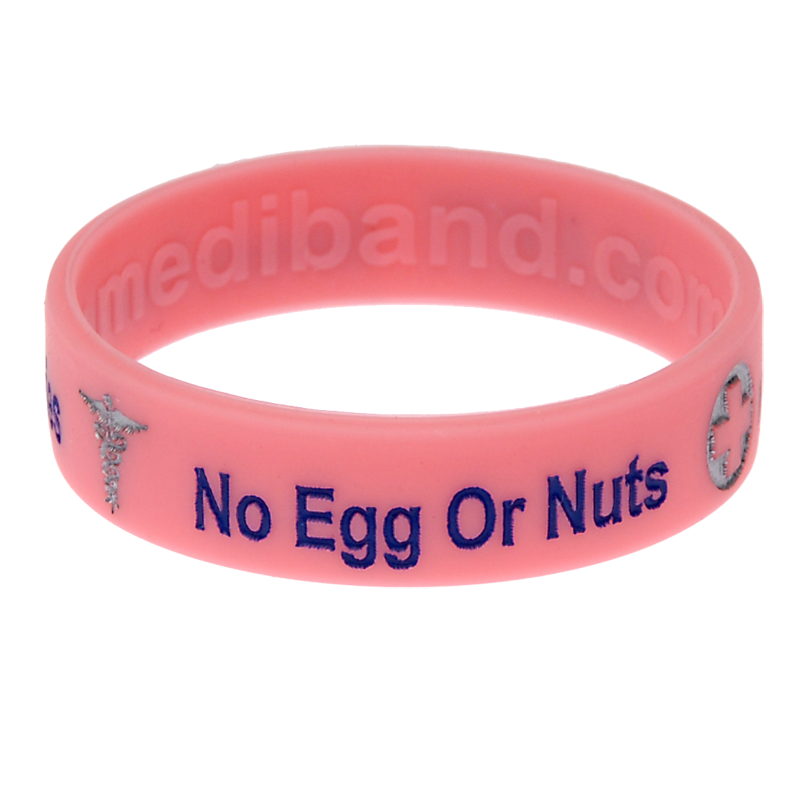
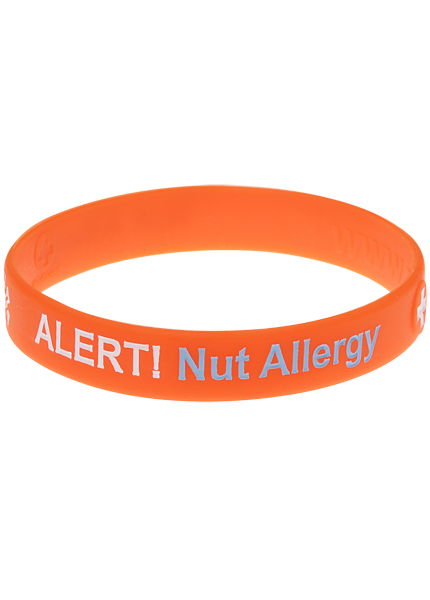
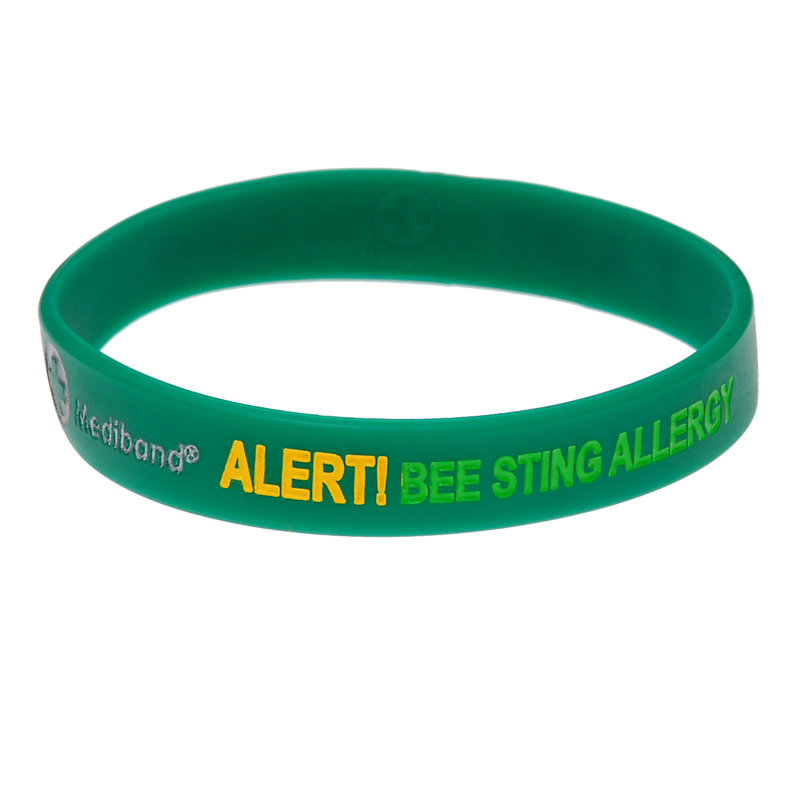
Shop Peanut & Nut Allergy Medical Alert Bracelets
Give emergency responders the information they need — protect your child with a visible medical ID.
Recognising Peanut Allergy Symptoms in Children
Peanut allergy symptoms can range from mild to life-threatening. Knowing what to look for could save your child's life.
Mild to Moderate Symptoms
- Hives (raised, itchy welts on the skin)
- Swelling of the face, lips, or eyes
- Tingling or itching in the mouth and throat
- Abdominal pain, vomiting, or diarrhoea
- Runny nose or sneezing
Severe Symptoms (Anaphylaxis)
Anaphylaxis is a medical emergency. According to ASCIA, symptoms include:
- Difficulty breathing, wheezing, or persistent coughing
- Swollen tongue or tight throat
- Difficulty talking or hoarse voice
- Dizziness or collapse
- Loss of consciousness
- In young children: becoming pale and floppy
If you suspect anaphylaxis, administer an adrenaline autoinjector (EpiPen or Anapen) immediately and call emergency services.
How to Manage Your Child's Peanut Allergy
While there is currently no cure for peanut allergy, effective management can dramatically reduce the risk of a severe reaction. Here are evidence-based strategies every parent should follow:
Read Every Food Label
In Australia, food manufacturers are required by law to declare peanuts and tree nuts on labels. Look for "may contain traces of peanuts" warnings as well. Teach older children to read labels themselves — it's a life skill they'll need.
Create an Anaphylaxis Action Plan
Work with your allergist to develop a personalised anaphylaxis action plan. Ensure copies are with your child's school, childcare centre, sports coaches, and family members. ASCIA provides free downloadable action plans on their website.
Always Carry an Adrenaline Autoinjector
If your child has been prescribed an EpiPen or Anapen, ensure they (and their carers) carry it at all times. Check the expiry date regularly and store it at room temperature — not in the car glove box or fridge.
Communicate with Schools and Carers
Inform teachers, childcare workers, and other parents about your child's allergy. Many schools now have nut-free policies, but it's important to reinforce the message. Pack your child's own food for parties and excursions.
Practise Kitchen Hygiene
Cross-contamination is a real risk. Use separate utensils and preparation surfaces. Wash hands thoroughly after handling peanut-containing foods. Be cautious with shared butter, jam, or condiment jars.
Why Every Child with a Peanut Allergy Needs a Medical Alert Bracelet
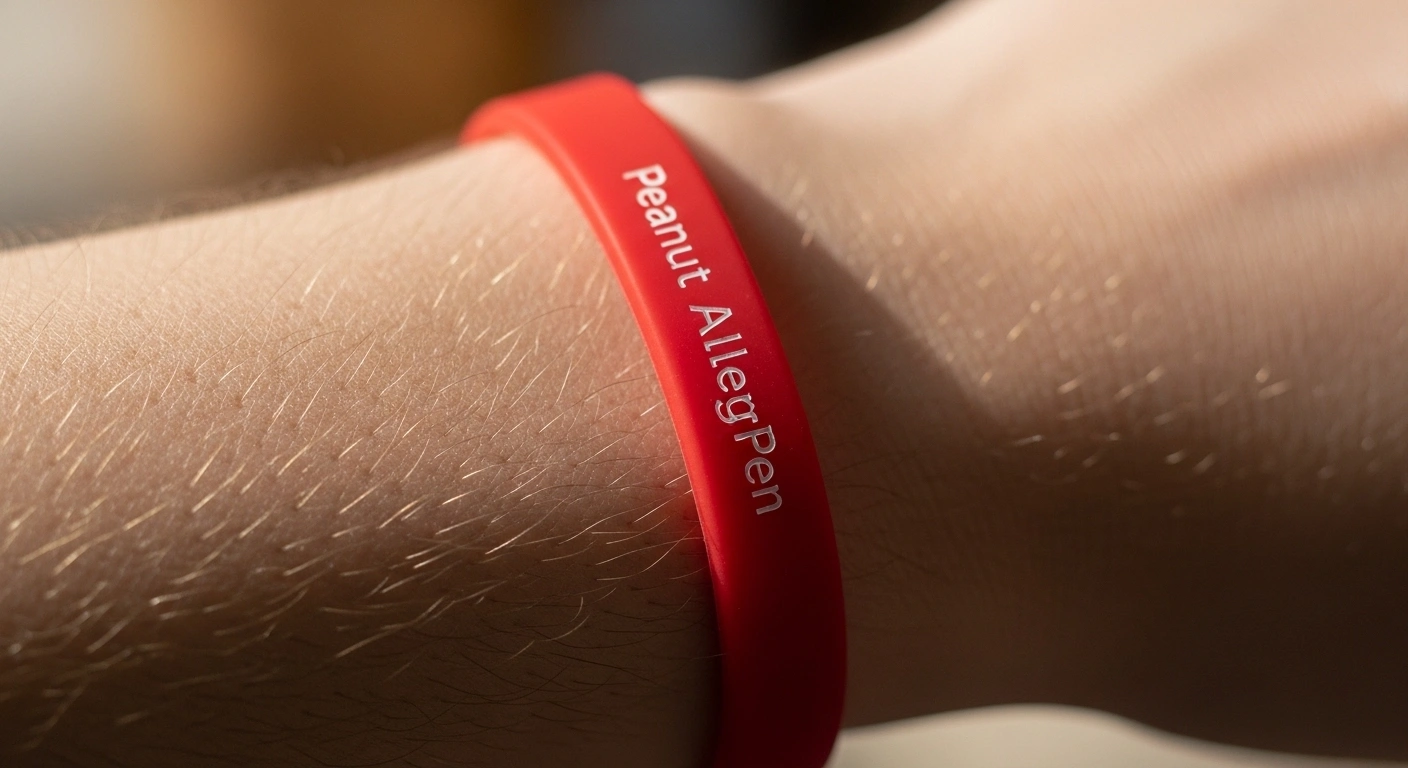
A medical alert bracelet is one of the simplest and most effective safety measures for a child with a peanut allergy. Here's why:
- First responders check for them: Paramedics and emergency medical technicians are trained to look for medical alert bracelets within the first 30 seconds of assessing a patient
- Children can't always communicate: During a severe reaction, your child may be unable to speak. A bracelet speaks for them
- Visible and always present: Unlike a card in a wallet or a phone app, a bracelet is immediately visible on the wrist
- Prevents wrong treatment: Knowing about the allergy helps medical staff avoid medications or treatments that could worsen the situation
Mediband's peanut allergy bracelets are made from durable, hypoallergenic silicone that's comfortable enough for children to wear all day. They're waterproof, easy to clean, and clearly printed with allergy information that emergency responders can read at a glance.
The Future of Peanut Allergy Treatment
The boiled peanut trial is part of a broader wave of research into food allergy treatments:
- Oral immunotherapy (OIT): Gradually introducing the allergen under medical supervision to build tolerance. The boiled peanut approach is a variation of this
- Epicutaneous immunotherapy (EPIT): Skin patches that deliver tiny amounts of peanut protein through the skin
- Early introduction guidelines: ASCIA now recommends introducing peanut-containing foods to infants around 6 months of age (unless they already have confirmed allergy) to help prevent allergies from developing
While these advances are promising, experts agree that until a proven cure is available, avoidance, preparedness, and wearing a medical alert bracelet remain the gold standard for managing peanut allergy safely.
Frequently Asked Questions
Can a child outgrow a peanut allergy?
Approximately 20% of children with a peanut allergy will outgrow it, usually by their teenage years. However, the majority carry the allergy into adulthood. Regular follow-up with an allergist can help determine whether your child's allergy has resolved through supervised oral food challenges.
What should I engrave on a child's peanut allergy bracelet?
Include the allergy (e.g. "Peanut Allergy — Anaphylaxis Risk"), whether they carry an EpiPen, and an emergency contact number. Keep the information concise so emergency responders can read it quickly. Mediband offers pre-printed peanut allergy bracelets that display this information clearly.
Is the boiled peanut treatment available to the public yet?
No. The boiled peanut oral immunotherapy is still in the research phase and is not yet available as a standard treatment. Parents should never attempt to expose their child to peanuts at home. Speak to your allergist about clinical trials that may be recruiting in your area.
What is the difference between a peanut allergy and a tree nut allergy?
Peanuts are legumes (related to beans and lentils), while tree nuts include almonds, cashews, walnuts, and hazelnuts. You can be allergic to one without being allergic to the other, though having a peanut allergy does increase your risk of developing a tree nut allergy. Your allergist can test for both.
How do I know if my child needs an EpiPen?
If your child has been diagnosed with a peanut allergy and is assessed as being at risk of anaphylaxis, your doctor will prescribe an adrenaline autoinjector (EpiPen or Anapen). Always carry two autoinjectors and ensure anyone caring for your child knows how to use them.

Share on Facebook

Share on X

Share on Pinterest
Comment(s)
Recent Posts

The Risk Of Not Wearing An Allergy Medical Alert Bracelet
March 23, 2026