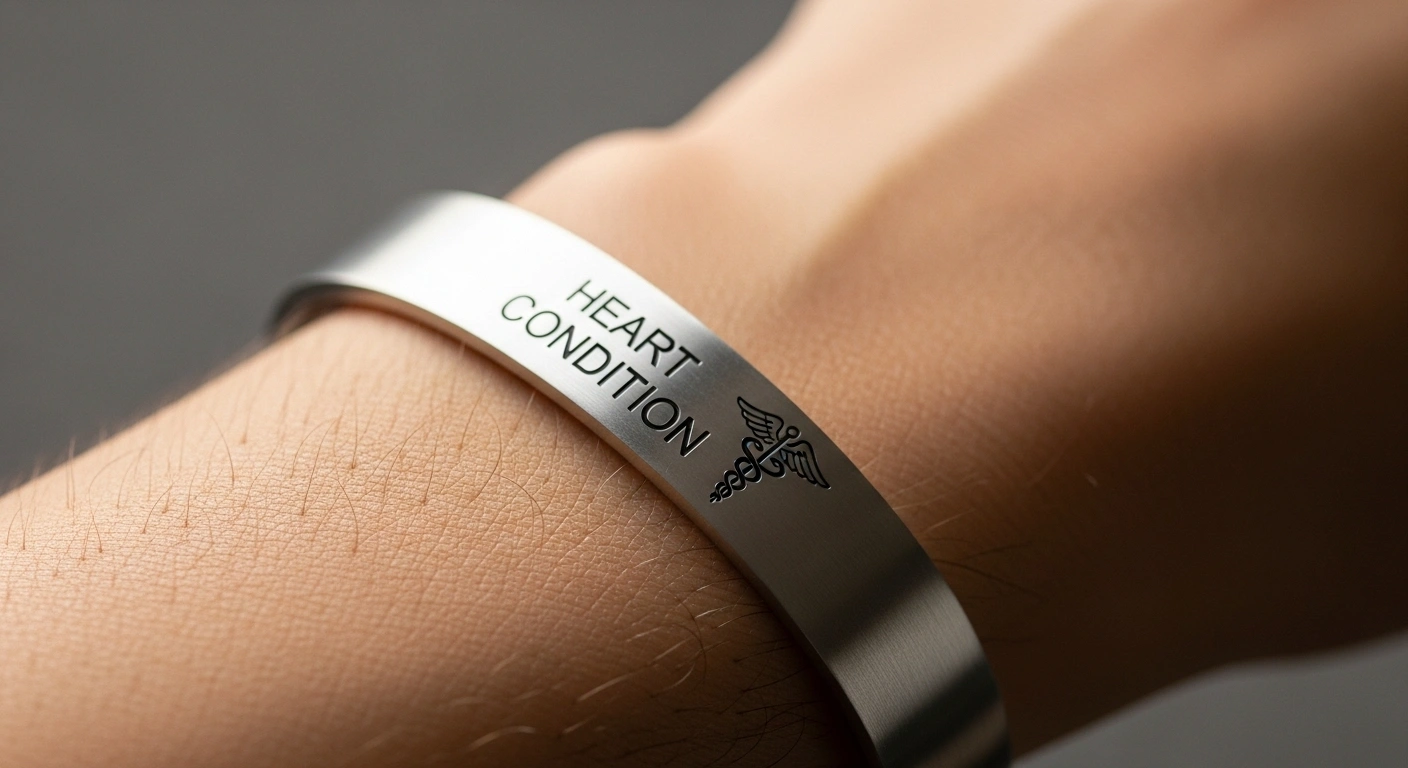
Travelling with a Medical Condition: Essential Safety Tips for Every Trip
January 24, 2022

The thought of travelling when you have a medical condition can be daunting — but it shouldn’t be a reason to stay home. Millions of people with chronic illnesses, disabilities, and complex medical needs travel safely every year. According to the Global Wellness Institute, medical tourism and health-conscious travel is one of the fastest-growing segments of the travel industry, with growing infrastructure to support travellers with health needs. The key is preparation: knowing your condition, planning for contingencies, and making sure you and the people around you can access your critical health information in an emergency.
This guide covers the essential steps for travelling safely with a medical condition — from pre-trip planning and medication management to the critical role of medical identification when you’re far from home.
Before You Go: Pre-Trip Medical Preparation
Thorough preparation before departure is what separates a stressful trip from a confident one. Here’s what to address in the weeks before travel.
Get Medical Clearance
Visit your GP or specialist before booking any significant trip, particularly if your condition has changed recently, if you’re planning long-haul flights, or if you’re visiting a destination with limited medical infrastructure. Ask specifically about: fitness to fly, any vaccinations required or contraindicated, altitude considerations if relevant, and any condition-specific travel risks.
Review Your Travel Insurance
Standard travel insurance typically excludes pre-existing medical conditions unless you purchase a policy that explicitly covers them. Shop around for specialist providers. Be honest and thorough when declaring your conditions — failure to disclose can void your entire policy, not just the medical portion. Check that medical evacuation and repatriation are included.
Research Medical Facilities at Your Destination
Know where the nearest hospital or clinic is to where you’re staying. Save the contact numbers in your phone. If you have a complex condition, consider whether your destination has specialists who could see you if needed. International health advocacy organisations like IAMAT (International Association for Medical Assistance to Travellers) maintain directories of vetted doctors worldwide.
Managing Medications When Travelling
Medications are often the most complex part of travel planning for people with medical conditions. A 2022 survey by the European Patients Forum found that nearly 40% of travellers with chronic conditions had experienced problems with medications while abroad — including lost luggage, customs complications, or running out of supply.
Packing Medications Safely
- Always carry medications in your hand luggage, not in checked baggage that could be lost or delayed
- Pack more than you need: Aim for at least a week’s extra supply for every two weeks of travel
- Keep medications in original packaging with pharmacy labels to ease customs checks
- Carry a letter from your doctor listing all medications, doses, and diagnoses — particularly for controlled substances or injectables
- Research your destination’s rules: Some medications legal in your home country are controlled or prohibited elsewhere
Refrigerated Medications
If you take insulin or other medications requiring refrigeration, invest in a quality medical travel cooler. Notify your airline in advance and carry documentation. Most hotels can provide in-room refrigerators on request.
Medical ID for Travellers — Never Leave Home Without It
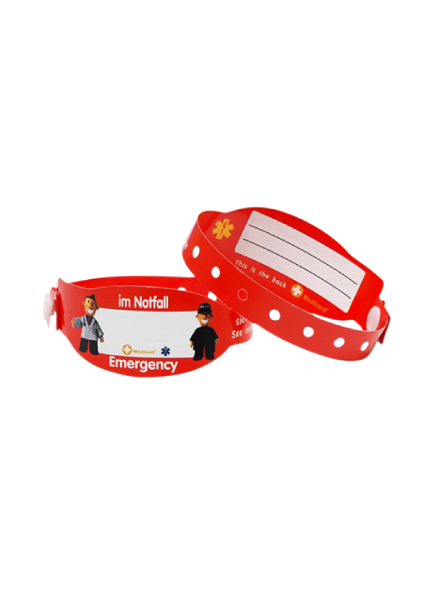
When you can't speak the language or are unable to communicate, a medical alert bracelet speaks for you.
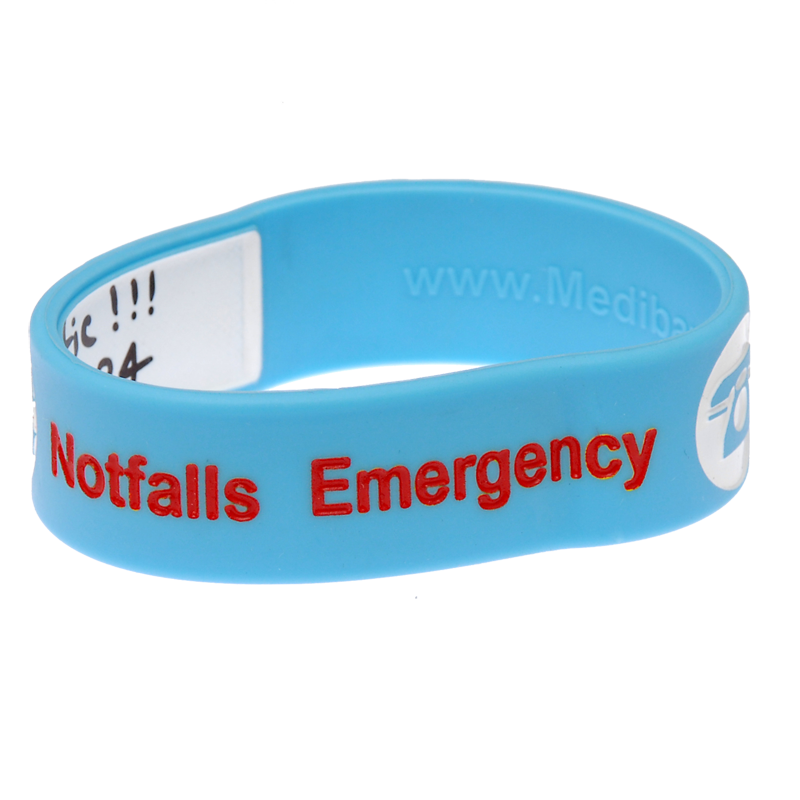
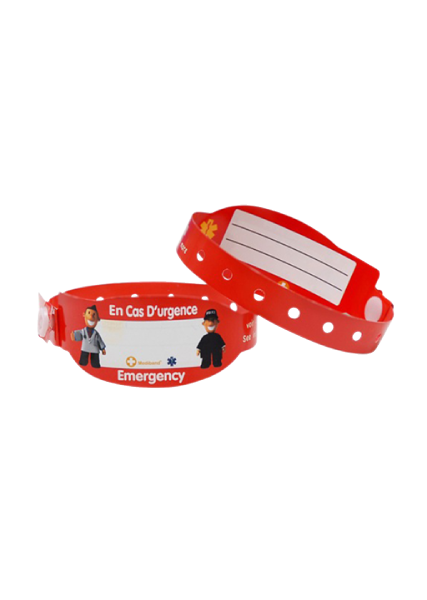
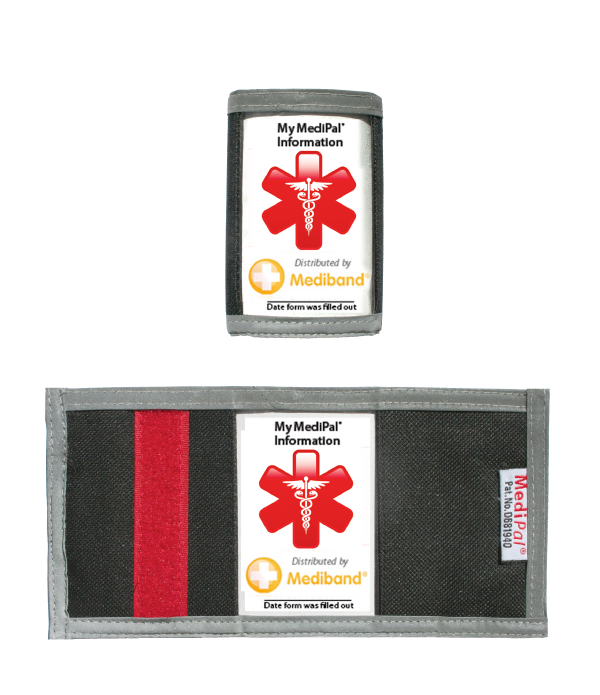
Why a Medical Alert Bracelet Is Non-Negotiable When Travelling
When you travel, especially internationally, you are away from your usual support network. Your regular doctor doesn’t know you. Local paramedics don’t know your history. If you have a medical event while abroad, you may be unable to communicate your needs — especially if there’s a language barrier, you’re unconscious, or you’re in shock.
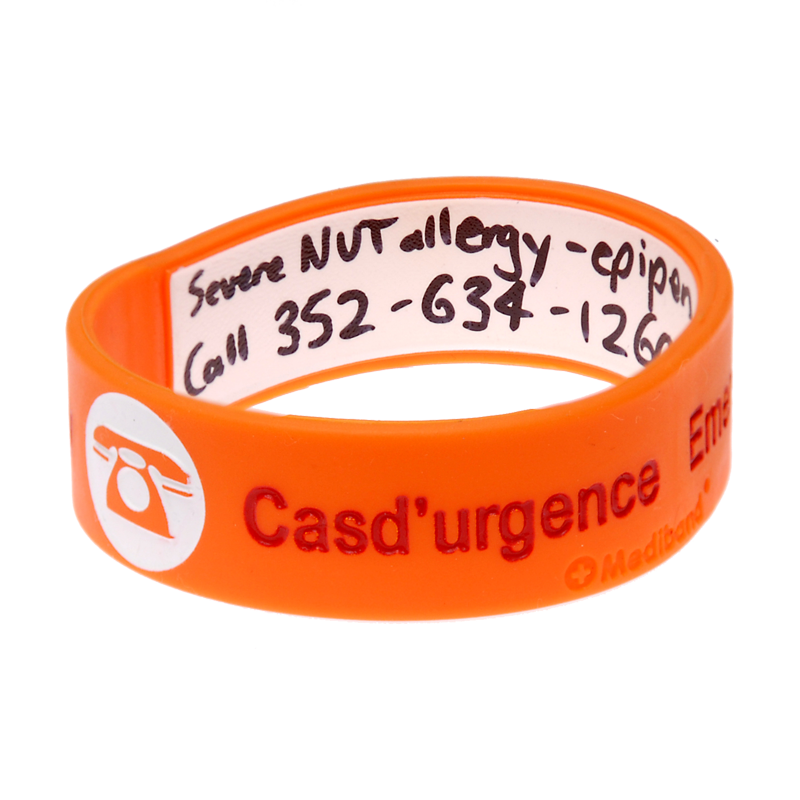
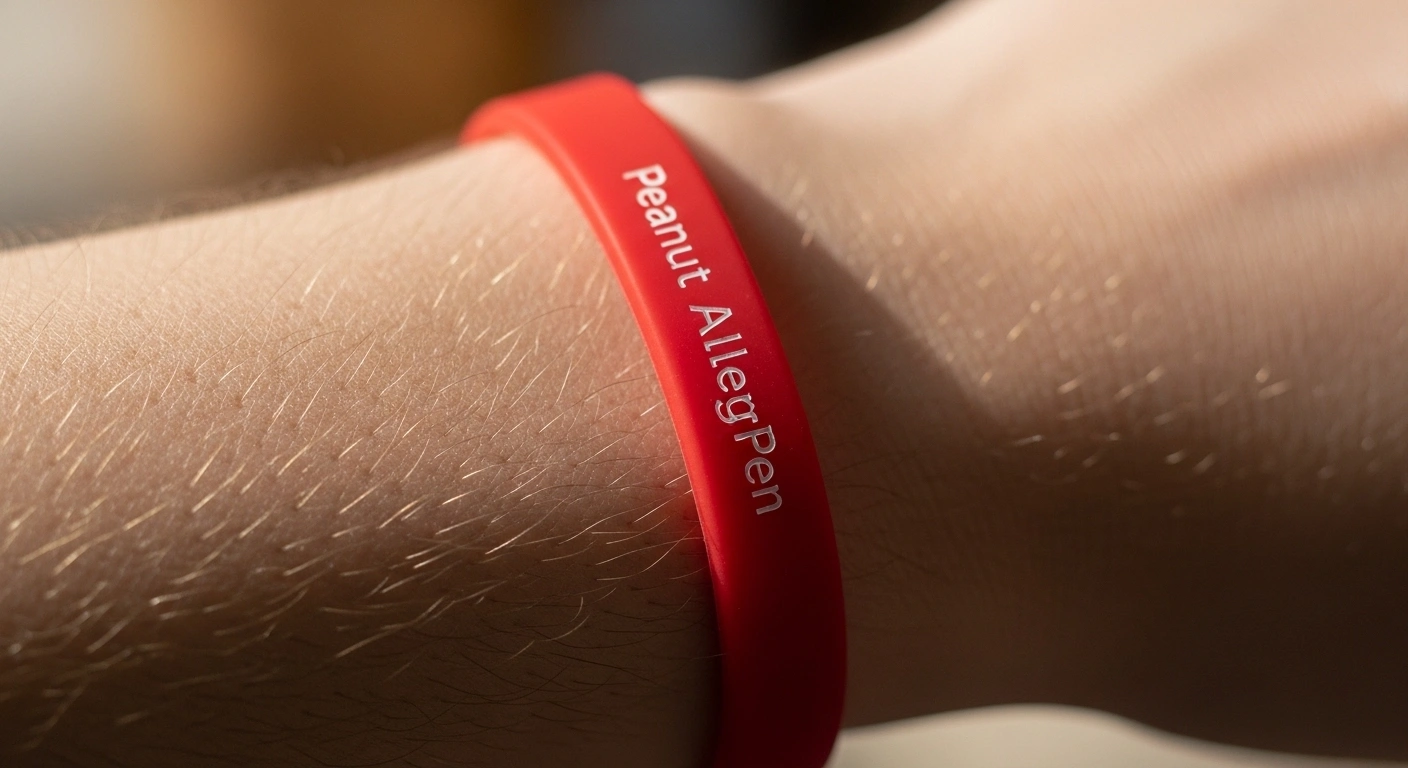
A medical alert bracelet is the one piece of medical equipment that works even when everything else fails. It tells first responders your critical medical information within seconds: your condition, key medications, allergies, and emergency contact details. Emergency responders are trained to look for medical ID within the first 60 seconds of attending to a patient.
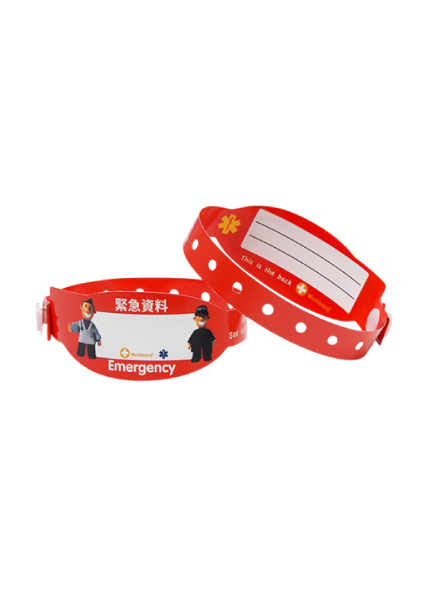
For children travelling with medical conditions, a kids’ medical ID bracelet is especially important — they may not be able to communicate their needs clearly, particularly if frightened or in pain. Multilingual travel wristbands are available for families travelling to non-English-speaking countries.
Flying with a Medical Condition: What You Need to Know
Air travel presents specific considerations for people with medical conditions. The cabin environment at cruising altitude is pressurised to approximately the equivalent of 6,000 to 8,000 feet above sea level. This reduced air pressure means slightly lower blood oxygen levels, which can affect people with heart conditions, respiratory conditions, or severe anaemia.
- Notify your airline: Most airlines have a medical assistance desk. Notify them of your needs when booking and again 48 hours before travel.
- Request a Medical Information Form (MEDIF): For complex conditions, airlines may require this form completed by your doctor before you can fly.
- Request assistance at the airport: Airports provide wheelchair assistance, priority boarding, and other accommodations — book these in advance.
- Stay hydrated: Cabin air is very dry. People with kidney conditions, diabetes, or on diuretics should be especially attentive to fluid intake.
- Move regularly: Deep vein thrombosis (DVT) is a risk on long-haul flights, especially for people with clotting disorders or recent surgery. Compression socks and regular movement are important.
Building a Travel Medical Kit
A well-prepared travel medical kit gives you confidence and covers common contingencies. Yours should include:
- All prescription medications (plus extra supply) in original packaging
- Doctor’s letter outlining your conditions and medications
- Copy of your most recent relevant medical records
- Medical alert bracelet detailing your key conditions
- Travel insurance policy documents and emergency contact number
- Emergency supply of key items (glucose tablets for diabetics, EpiPen for severe allergies, etc.)
- Basic first aid items appropriate to your needs
Keep this kit — or at minimum the medications and medical ID — in your carry-on at all times. Share the contents of your medical kit with your travel companions so they know where to find everything if needed.
For road trips, a MediPal seatbelt ID attaches to your seatbelt and presents your medical information prominently to first responders at the scene of a car accident — when every second counts.
Travelling Safely Really Is Possible — With the Right Preparation
Living with a medical condition doesn’t mean giving up the joy of travel. With careful planning, the right documentation, and the right medical identification, you can explore the world confidently. The World Travel and Tourism Council estimates that more than 1.5 billion international trips are made every year — millions of those by people managing chronic conditions.
Your preparation is your safety net. A medical alert bracelet is a simple, permanent, and always-on part of that net — the one thing you don’t need to think about or remember to activate. Browse the full range of medical alert bracelets at Mediband to find one that travels as comfortably as you do.
Frequently Asked Questions
Can I fly with a medical condition?
Yes, in most cases. Consult your GP or specialist before booking, particularly for long-haul flights or if your condition has recently changed. Notify your airline of your needs when booking — they can arrange assistance, priority boarding, and oxygen on board if required. Carry your medications in hand luggage along with a doctor's letter, and always wear your medical alert bracelet.
Do I need special travel insurance if I have a chronic illness?
Yes. Standard travel insurance policies typically exclude pre-existing medical conditions. You need a policy that explicitly covers your condition for medical emergencies abroad. Be completely transparent when declaring your health history — non-disclosure can void your entire policy. Look for policies that include medical evacuation and repatriation cover.
What should I put on my medical alert bracelet for travel?
Include your most critical medical conditions, key medications (especially those that affect emergency treatment), life-threatening allergies, and an emergency contact number. If travelling internationally, consider whether a multilingual medical ID or travel wristband is appropriate. Keep the information concise — first responders need to absorb it instantly.
How do I travel with injectable medications like insulin?
Always carry insulin and needles in your hand luggage, not checked baggage. Get a letter from your doctor confirming the medical necessity of injectables. Use a quality insulated medical travel cooler to maintain temperature. Notify your airline in advance, and research your destination's rules on importing injectables. Most hotels can provide refrigerator access on request.

Share on Facebook

Share on X

Share on Pinterest
Comment(s)
Recent Posts

The Risk Of Not Wearing An Allergy Medical Alert Bracelet
March 23, 2026