Medical Alert Bracelets for Travel: The Australian Traveller's Safety Guide (2025)
February 24, 2012

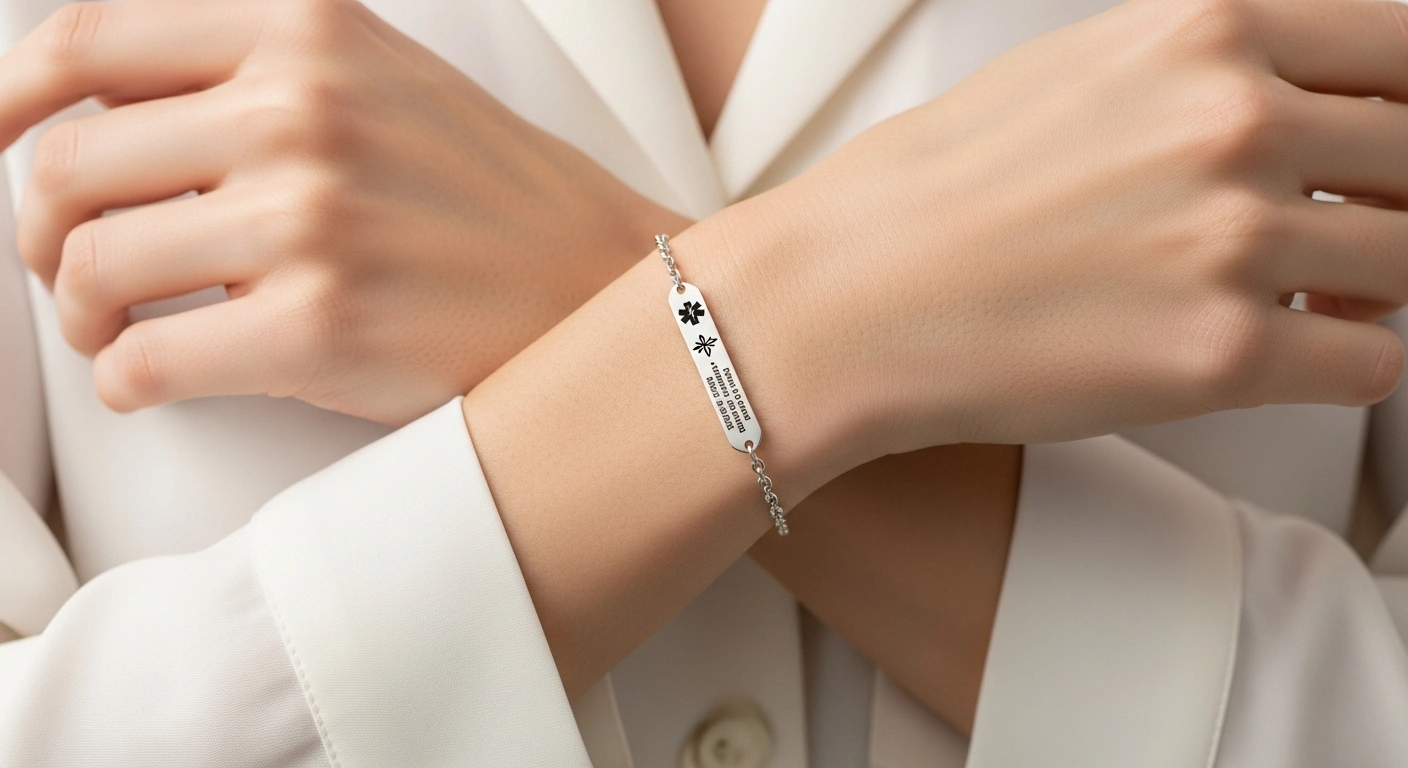
Every year, more than 11 million Australians travel overseas (Australian Bureau of Statistics, 2023). Whether you're heading to Bali for a week or backpacking through Europe for a year, travel introduces medical risks that don't exist at home — unfamiliar hospitals, language barriers, and emergency responders who know nothing about your medical history. A medical alert bracelet for travel is one of the simplest and most effective safety measures any Australian traveller can take.
This guide covers why travel makes medical ID essential, what to engrave, how to choose the right style, and our top picks for kids and adults heading overseas.
Why You Need a Medical Alert Bracelet When Travelling
At home, your GP knows your medical history. Your family knows about your allergies. Your local hospital may even have your records on file. When you're overseas, none of that applies. In a medical emergency, paramedics and emergency room staff may have seconds to make treatment decisions — with zero information about who you are.
When You Can't Communicate in an Emergency Abroad
Consider these scenarios every Australian traveller should be prepared for:
- You collapse from a diabetic episode in a Tokyo subway and cannot speak
- You have an anaphylactic reaction to shellfish at a Thai restaurant and lose consciousness before staff can understand your allergy
- You are in a road accident in Italy and are unconscious — medics administer penicillin, which you are severely allergic to
- Your child with epilepsy has a seizure at a resort pool and staff don't know what medication they take
In each of these situations, a clearly visible medical alert bracelet can prevent the wrong treatment being administered and help emergency responders act faster and more accurately.
Language Barriers and Medical Emergencies Overseas
Even in English-speaking countries, the stress of a medical emergency can make communication difficult. In non-English-speaking destinations, it can be near-impossible. Medically trained first responders worldwide are trained to check for medical alert jewellery — it is one of the first things paramedics look for during a patient assessment. A medical alert bracelet for travel communicates critical information without you needing to say a word.
As Featured in Travel Weekly: Mediband Medical Alert Bracelets
Mediband's medical alert bracelets were featured in Travel Weekly's "What's New, What's Hot" column as an essential travel gadget for Australians heading overseas:
"This product from Mediband could save your life if you have a medical condition, drug allergy or the like and you are unable to communicate with caregivers in a medical emergency at home or on the road. Combining stylish designs and practical information, these medical ID bracelets come in a variety of styles and colors… Most of the IDs feature the red Medical Alert symbol, are condition-specific or can be customized at no additional charge with engraved information about the medical condition of the wearer."
— Joe Rosen, Travel Weekly
That recognition still holds true today. Mediband's range has expanded significantly since 2012, now covering over 100 medical conditions with options for adults and children, in silicone, stainless steel, designer, and reversible write-on styles.

Shop Travel Medical Alert Bracelets
Don't travel without your medical ID — for adults and kids, in silicone and stainless steel.

What to Write on Your Travel Medical Alert Bracelet
Space on a medical alert bracelet is limited, so knowing what to include — and what to leave out — matters. The goal is to give emergency responders the most critical information as fast as possible.
Medical Conditions to List
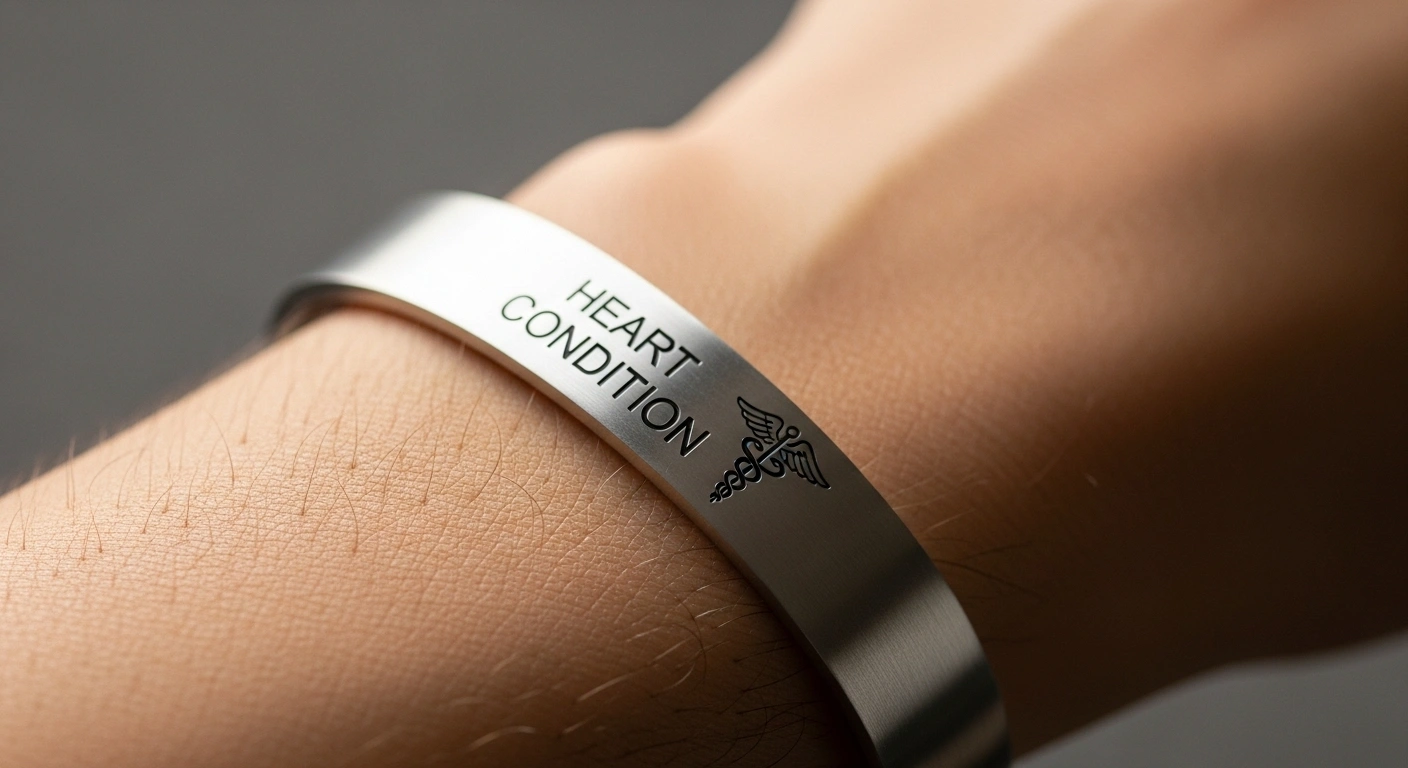
- Your primary diagnosis (e.g., Type 1 Diabetes, Epilepsy, Heart Condition, Asthma)
- If you have multiple conditions, prioritise the most life-threatening or the one most likely to affect emergency treatment
- For conditions like epilepsy, include "Do Not Restrain" if relevant to your care plan
- For cardiac conditions: include whether you have a pacemaker or implanted defibrillator (ICD)
Medication Allergies and Drug Intolerances
- List any drug allergies that could be triggered by standard emergency medications (e.g., PENICILLIN ALLERGY, ASPIRIN ALLERGY, MORPHINE ALLERGY)
- Include medications you take that could interact with emergency treatment (e.g., blood thinners — "ON WARFARIN")
- If you carry an EpiPen: engrave "CARRIES EPIPEN" so responders know to look for it
Emergency Contact Information
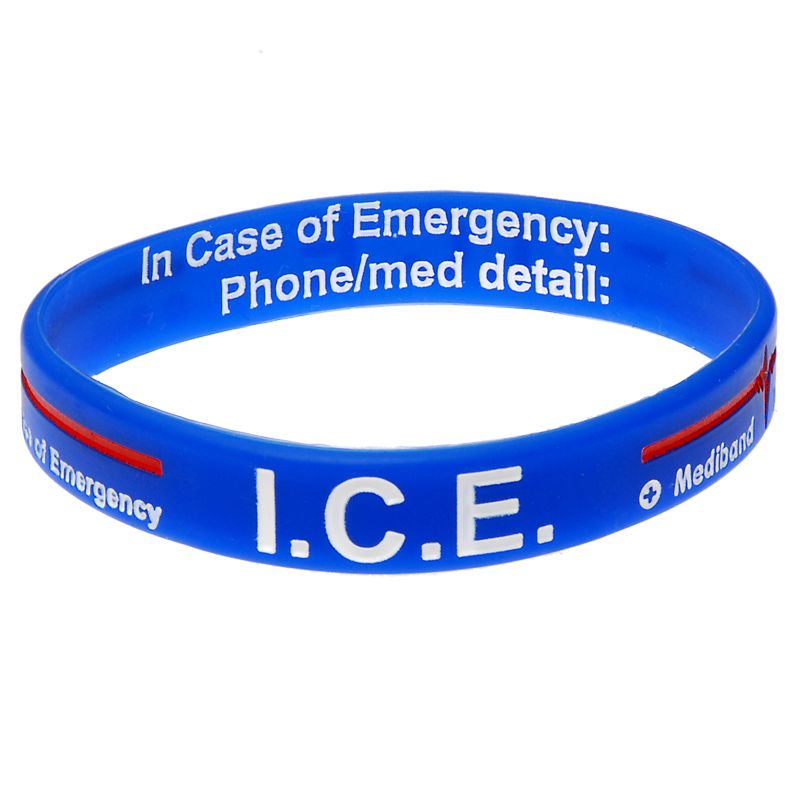
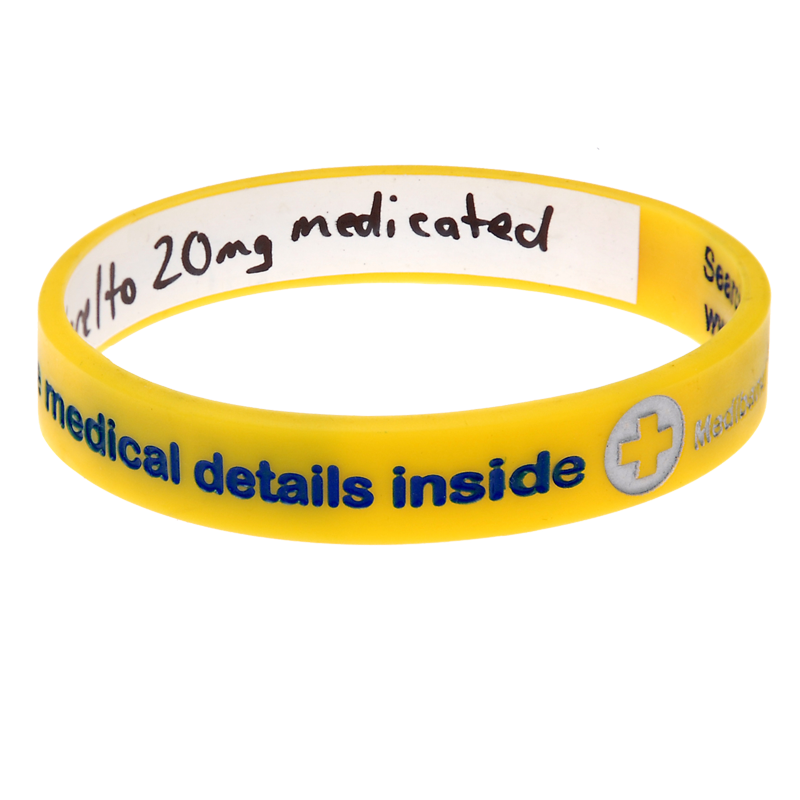
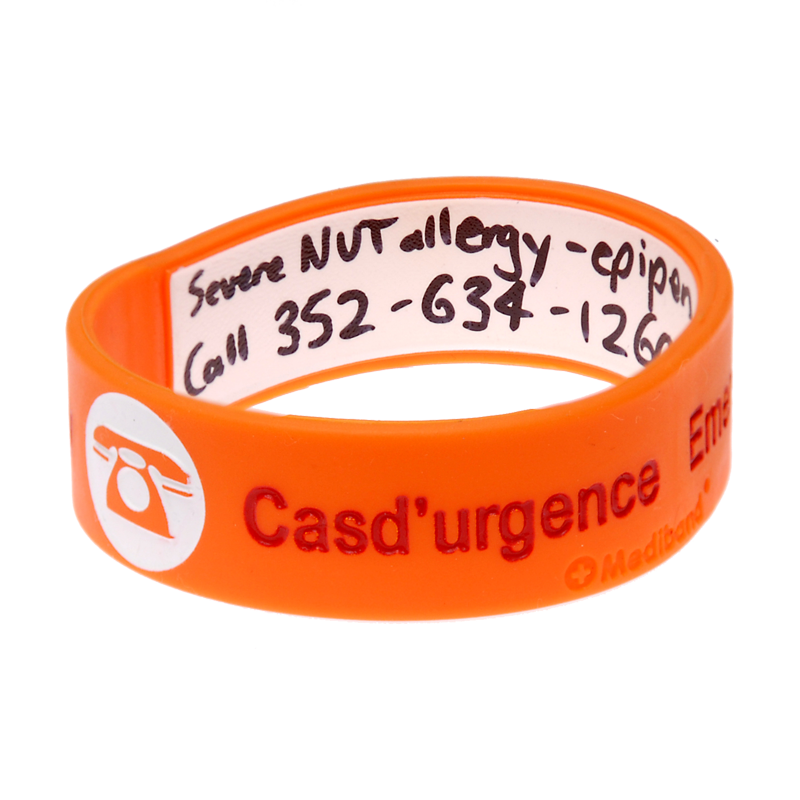
Mediband's reversible write-on bracelets allow you to write your emergency contact name and phone number on the reverse side. For international travel, include your home country's international dialling prefix. Some travellers also carry a medical alert wallet card alongside their bracelet — useful for including more detailed information like your blood type, GP's name, and travel insurance policy number.
Medical Alert Bracelets for Travelling with Kids
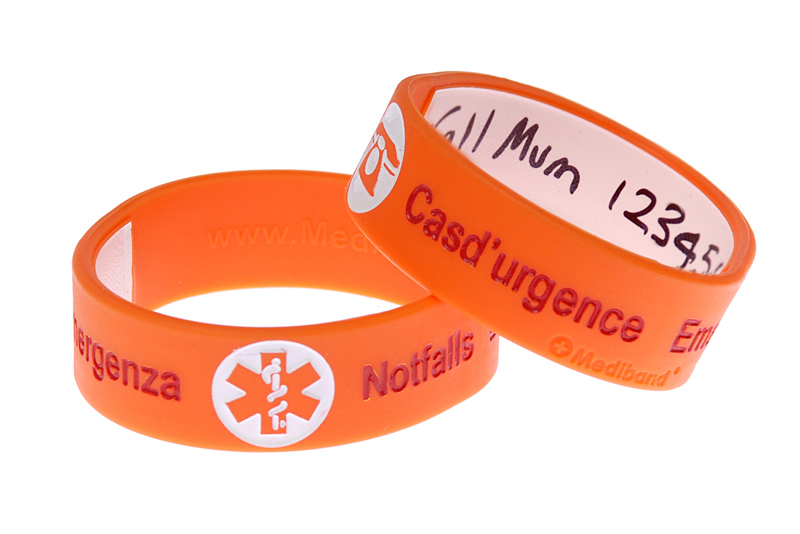
Children are particularly vulnerable when travelling — they can wander off in crowded places, have allergic reactions to unfamiliar foods, or be unable to communicate their medical needs to a stranger. Mediband's Kids Write-On Travel ID Bracelets are designed specifically for this purpose.
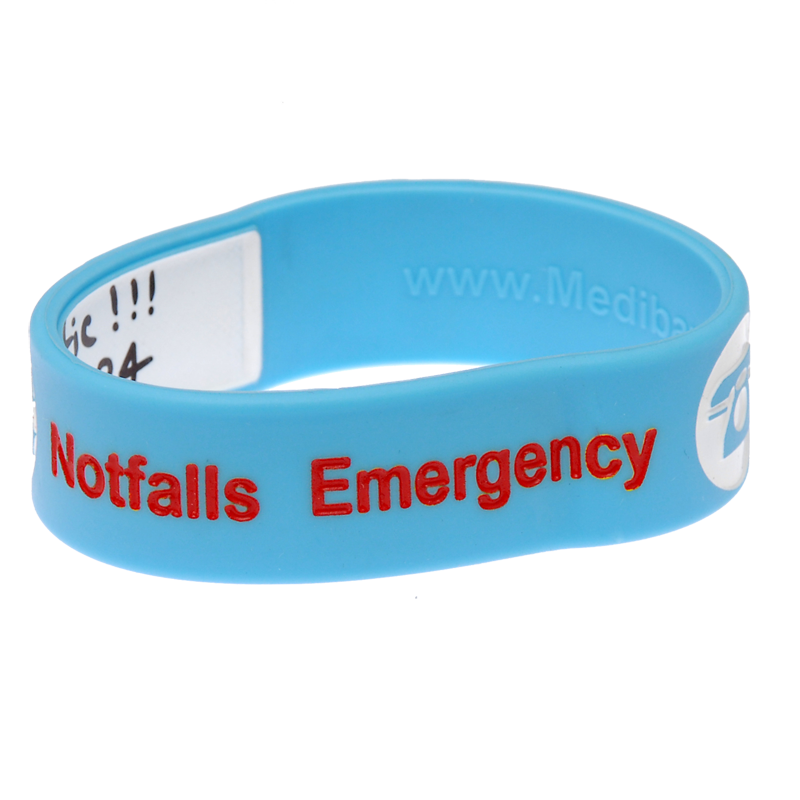
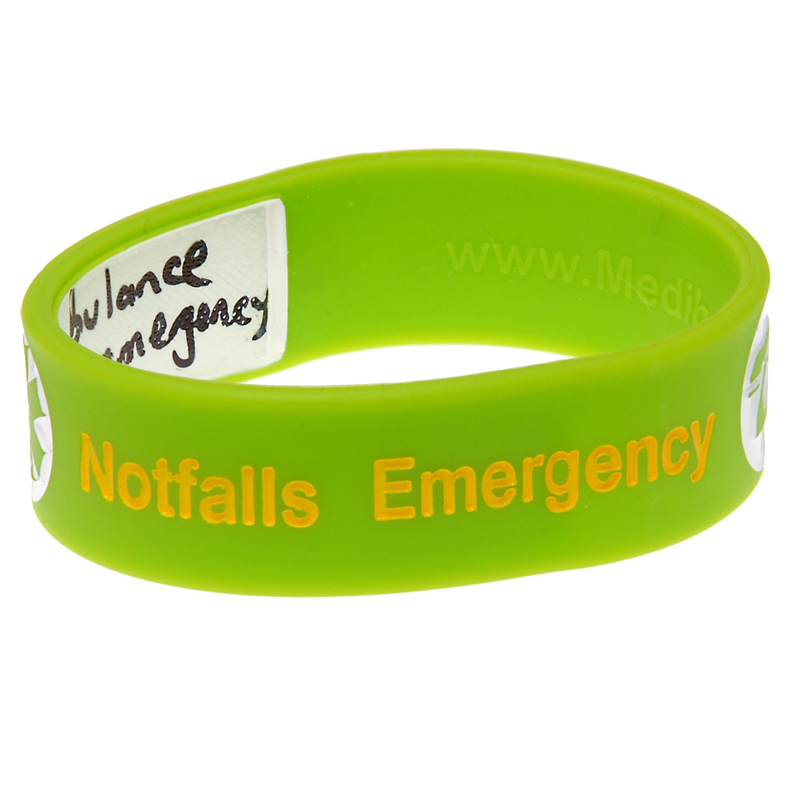
These bracelets let you write your child's name, your mobile number, and any medical conditions or allergies directly on the bracelet — no engraving needed, and the information can be updated for each trip. They come in six bright colours (orange, red, blue, green, rose, and purple) and are sized for children's wrists.
For children with known medical conditions like food allergies, asthma, or epilepsy, a Kids Travel ID Bracelet is essential — both as a safety device and as peace of mind for parents at busy airports, theme parks, and beach resorts.
Silicone vs Stainless Steel: Choosing the Right Travel Bracelet

Both silicone and stainless steel medical alert bracelets have their place in travel. Here's how to choose:
| Feature | Silicone Write-On | Stainless Steel Engraved |
|---|---|---|
| Durability | High — waterproof, flexible | Very high — scratch-resistant |
| Can be updated | Yes — use a permanent marker | No — engraving is permanent |
| Best for | Kids, active travel, beach trips | Long trips, business travel, formal wear |
| Visibility | High — bright colours available | Moderate — professional appearance |
| Water resistance | Fully waterproof | Splash-resistant |
For most Australian travellers, a silicone reversible write-on bracelet is the best all-round choice — it's comfortable, waterproof, customisable, and affordable enough to buy one per trip. If you prefer something more formal for business travel or want the information permanently engraved, the stainless steel range offers a premium option that looks great on and off the plane.
Before You Travel: Medical Safety Checklist for Australians
Before your next overseas trip, run through this checklist:
- Medical alert bracelet: wearing one that covers your most critical condition or allergy
- Medications: sufficient supply for the trip plus 2 weeks extra; in original labelled packaging for customs
- Travel insurance: policy covers your pre-existing condition and includes medical evacuation
- Anaphylaxis action plan: if you carry an EpiPen, your travel insurer and airline are aware
- Medical summary letter: written by your GP, listing your conditions, medications, and allergies in English
- Vaccine requirements: checked for your destination and up to date (Smartraveller.gov.au)
- Emergency contacts: written on your bracelet's reverse side and stored offline on your phone
- Kids' travel IDs: fitted and tested before departure
Smartraveller, Australia's official travel advisory service, recommends that travellers with medical conditions register their trip at smartraveller.gov.au and carry documentation of their condition and medications at all times.
Frequently Asked Questions: Medical Alert Bracelets for Travel
Do I need a medical alert bracelet for travel if I'm healthy?
If you have any diagnosed medical condition, drug allergy, or take regular medications, yes — a medical alert bracelet is strongly recommended for travel. Even travellers who consider themselves healthy can experience unexpected allergic reactions to unfamiliar foods, insect stings, or environmental triggers while abroad. A write-on ICE bracelet is a low-cost, zero-effort safety measure that takes seconds to put on.
Will emergency services overseas recognise an Australian medical alert bracelet?
Yes. Medically trained first responders in most countries are trained to look for medical alert jewellery during patient assessment. The international Medical Alert symbol (red cross or star of life) is recognised globally. Mediband bracelets use clear, simple English labels for conditions and allergies, which are understood by medical staff in most countries.
What should I write on my travel medical alert bracelet?
Include: your primary medical condition or drug allergy (the most life-threatening first), any medications you take that could interact with emergency treatment, and "CARRIES EPIPEN" if applicable. On the reverse side, write an emergency contact number with the international dialling prefix. Keep it brief — emergency responders need to read it in seconds.
Are Kids Travel ID Bracelets just for medical conditions?
No — Mediband's Kids Write-On Travel ID Bracelets are also useful as general identification for children at busy tourist attractions, airports, theme parks, and beaches. You can write your child's name and your mobile number on the bracelet so that staff or other adults can help a separated child contact you quickly, even if the child is too young or too distressed to remember your phone number.
Can I take medical alert bracelets through airport security?
Yes. Silicone bracelets pass through metal detectors without issue. Stainless steel bracelets may trigger a metal detector and can be removed briefly during screening, but security staff are familiar with medical jewellery. Keep your medical bracelet on or immediately accessible at all times during travel — do not pack it in checked luggage.

Share on Facebook

Share on X

Share on Pinterest
Comment(s)
Recent Posts
The Risk Of Not Wearing An Allergy Medical Alert Bracelet
March 23, 2026