Camping with a Medical Condition: Essential Safety Tips for Outdoor Adventures
December 08, 2020

Camping is one of the most rewarding outdoor experiences — but for people managing a medical condition, it requires careful planning. Being hours from the nearest hospital, in a location with no mobile signal, surrounded by allergens and insects, creates a very different risk profile to everyday life.
The good news: with the right preparation, most people with chronic health conditions can camp safely and confidently. According to the CDC, outdoor recreation is beneficial for physical and mental health — and a little planning dramatically reduces risk for those with medical needs.
Planning Your Trip with a Medical Condition
Research Medical Facilities
Before leaving, identify the nearest hospital or medical centre to your campsite. Download offline maps in case of connectivity issues. Share your itinerary and medical information with someone who will know to raise the alarm if you do not check in.
Notify Your Medical Team
Discuss your camping plans with your GP or specialist. Ask whether any modifications to your medication regime are needed for outdoor activity, altitude, or heat. Get written emergency advice for your specific condition.
Pack a Comprehensive Medical Kit
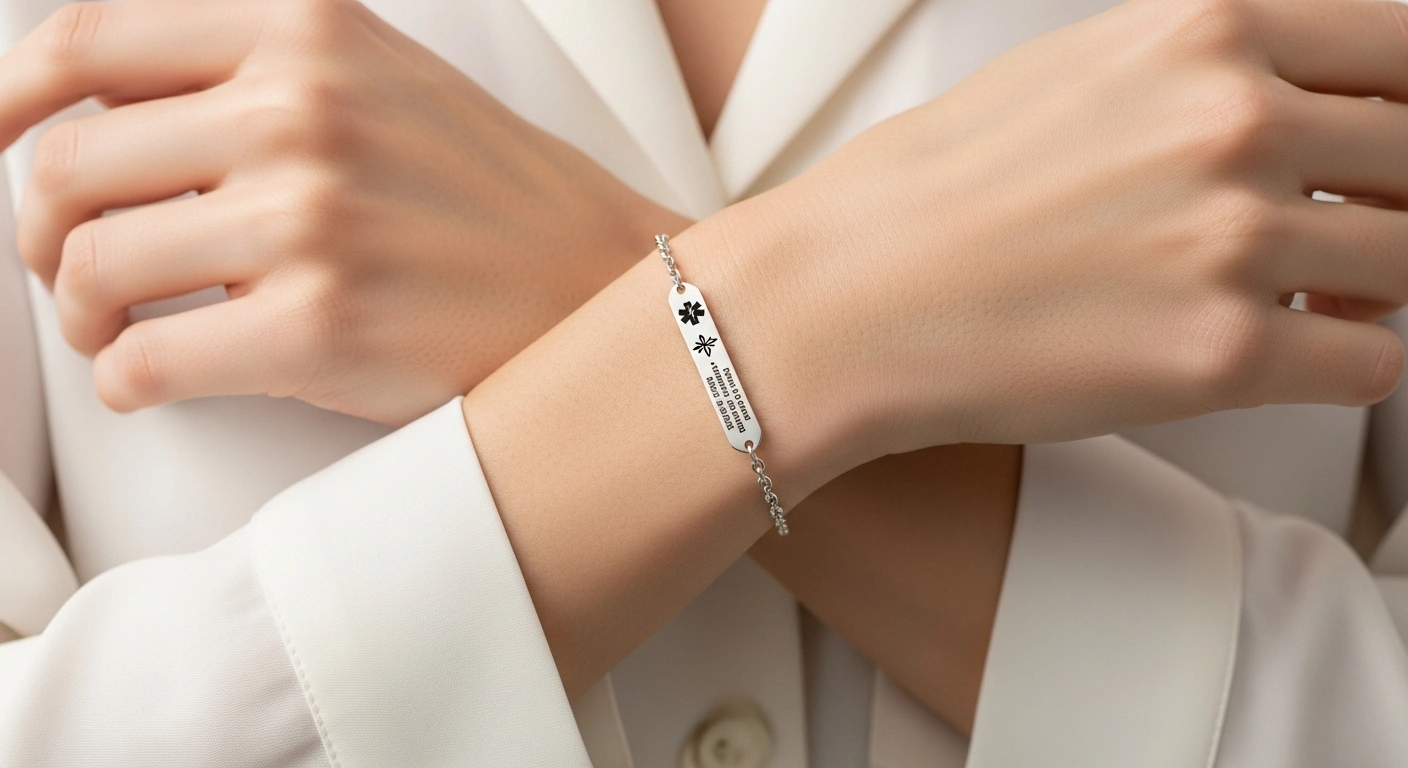
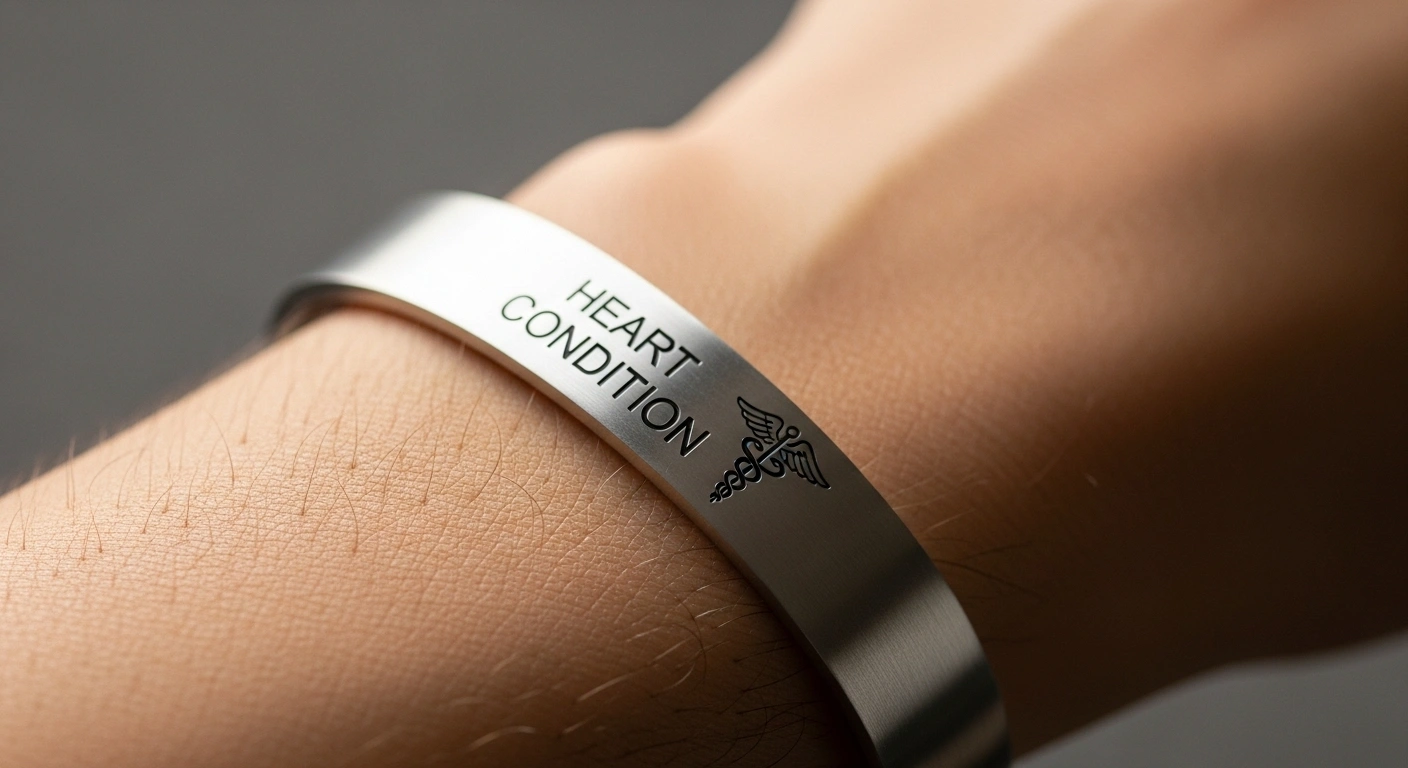
Your standard first aid kit needs to be expanded to include your prescription medications (plus extras), emergency medications appropriate to your condition, a waterproof copy of your medical history, and your medical alert bracelet and wallet card.
Allergy and Anaphylaxis Safety Outdoors
The outdoors introduces allergy risks that are much harder to control than at home. Insects, plants, pollen, and food prepared in shared environments all present potential triggers. For those with severe allergies, outdoor adventures require additional vigilance.
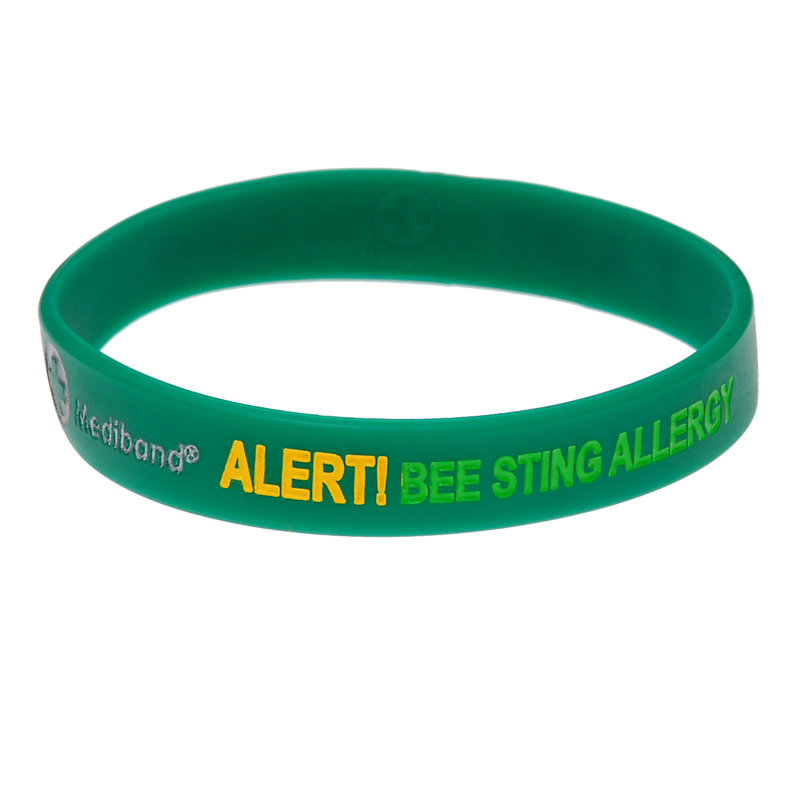
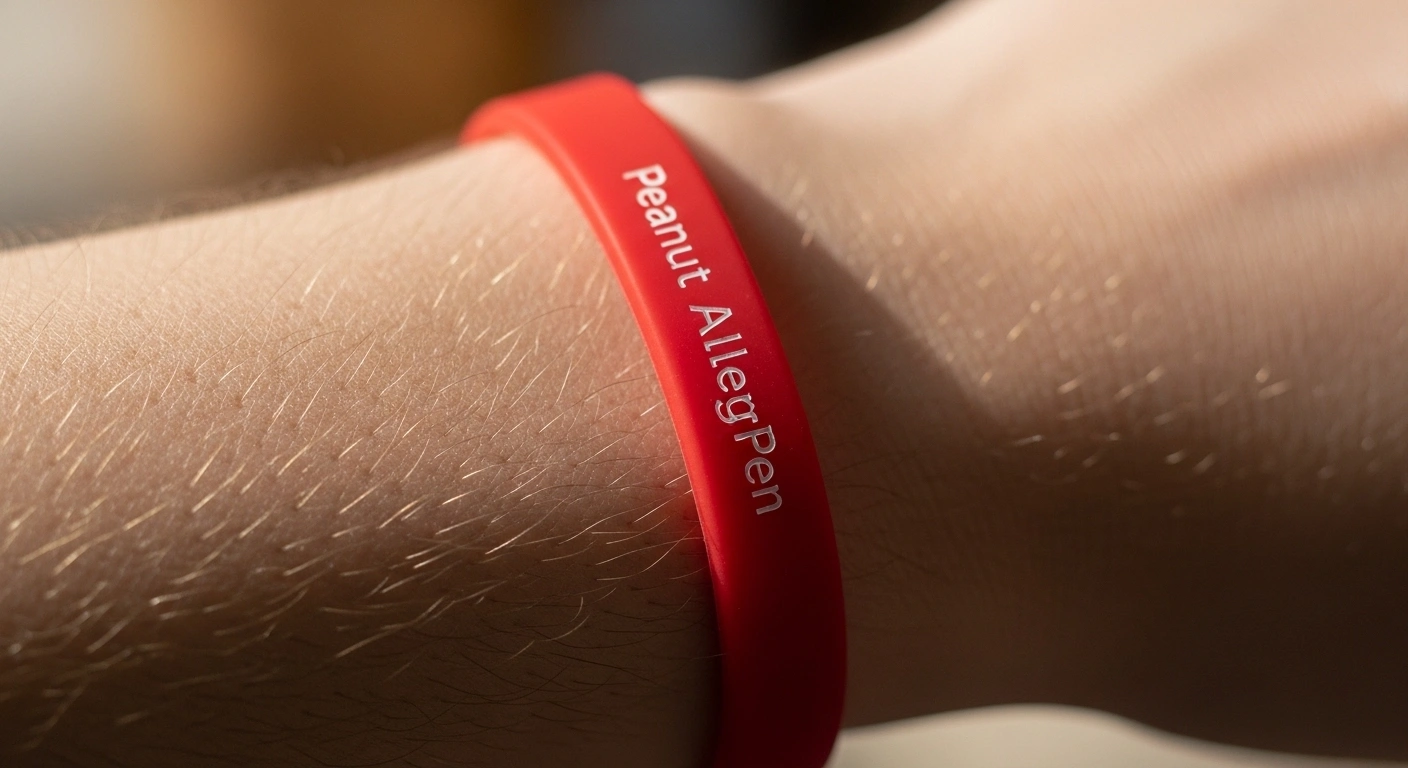
Always carry a minimum of two doses of your EpiPen — one on your person at all times. A Use EpiPen in Emergency bracelet ensures that any bystander or first responder knows exactly what to do if you suffer anaphylaxis. A bee sting allergy bracelet is particularly important for hikers, campers, and those spending time in environments with high bee and wasp activity. An anaphylaxis alert bracelet provides a clear, immediate warning that can prompt life-saving intervention.
Asthma and Respiratory Conditions in Outdoor Settings
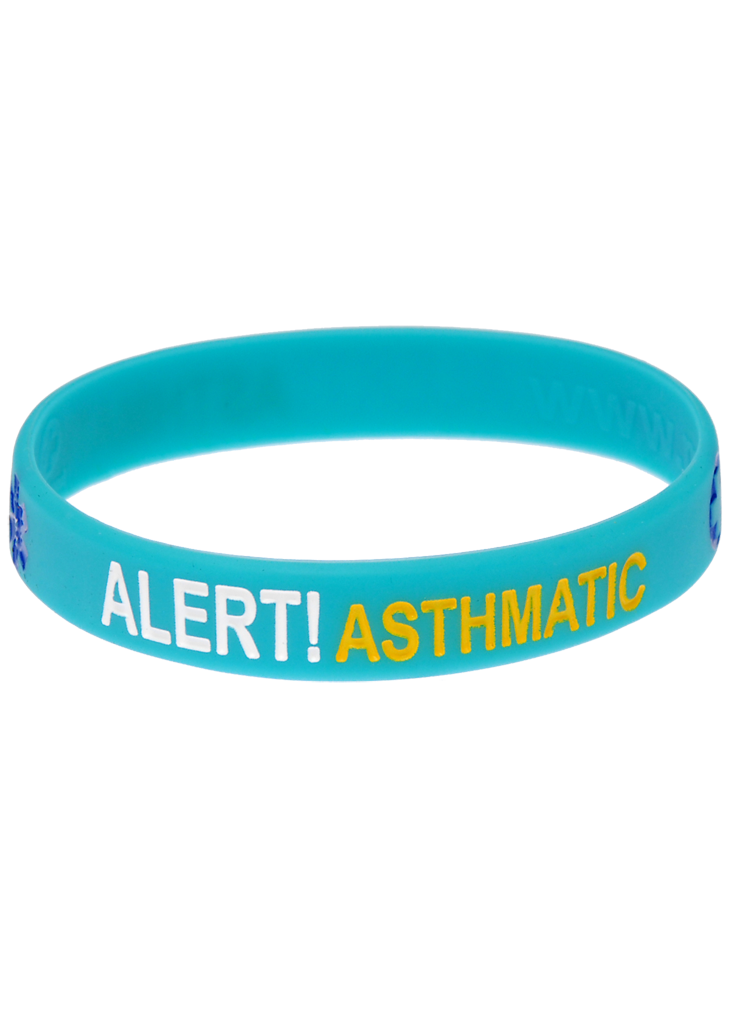
Campfire smoke, pollen, cold air, and high altitude can all trigger asthma. An asthmatic alert bracelet ensures any first responder — or fellow camper assisting in an emergency — immediately knows to prioritise your airways.
Always carry your rescue inhaler on your person, not in your tent or pack. In cold conditions, keep it inside your clothing — cold temperatures reduce inhaler effectiveness. Consider a spacer for improved medication delivery if physical exertion increases your asthma risk.
Diabetes Management While Camping
Physical activity affects blood glucose levels, and camping typically involves more exercise than usual. Monitor glucose more frequently than at home. Carry fast-acting glucose sources at all times — glucose tablets, fruit juice, or sweets. Store insulin safely: avoid direct sunlight and extreme heat, and use an insulated case.
A diabetes alert bracelet is essential — if you have a hypoglycaemic episode, bystanders and any responding emergency personnel need to know the cause of your altered consciousness immediately.
Emergency Communication in Remote Areas
ICE Bracelet and Emergency Contacts
In a remote location, an ICE (In Case of Emergency) bracelet with a clearly written emergency contact number is invaluable. Even without mobile signal, fellow campers or rescue services can note the contact and relay it when connectivity is restored.
Personal Locator Beacons
For remote camping, a personal locator beacon (PLB) is a wise investment for anyone with a serious medical condition. These devices transmit an emergency signal via satellite and can summon search and rescue assistance regardless of mobile coverage.
Telling Your Fellow Campers
Before the trip, brief your camping companions on your medical condition, how to recognise an emergency, where your medications are stored, and what to do — including the emergency contact number and when to call for help. This conversation could save your life.
Medical Alert Bracelets for Outdoor Adventures
Stay protected no matter how far from home you roam.

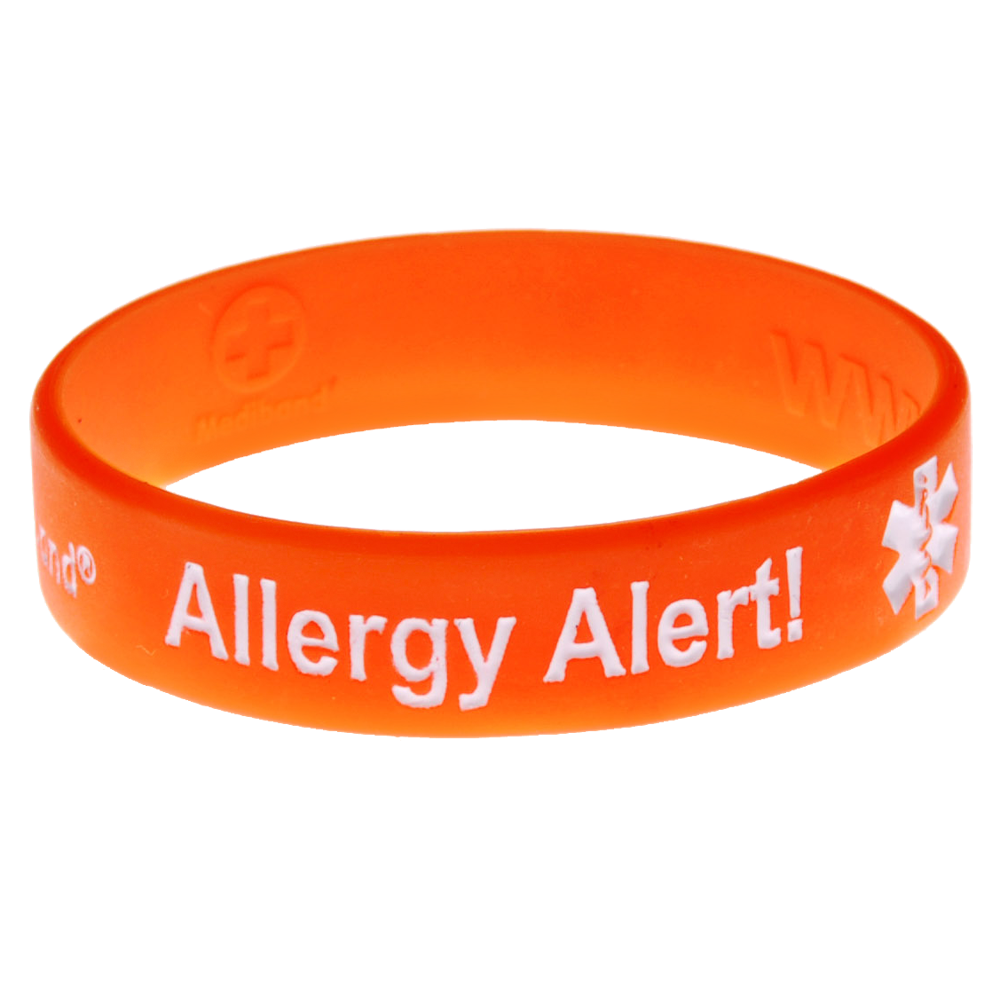
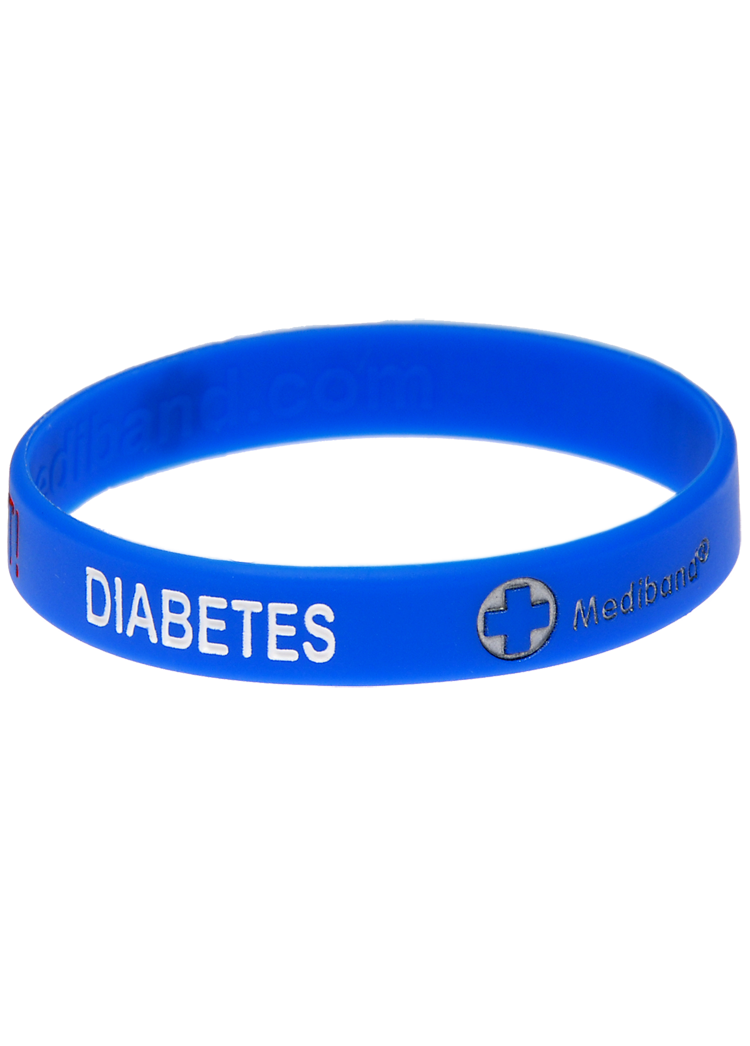
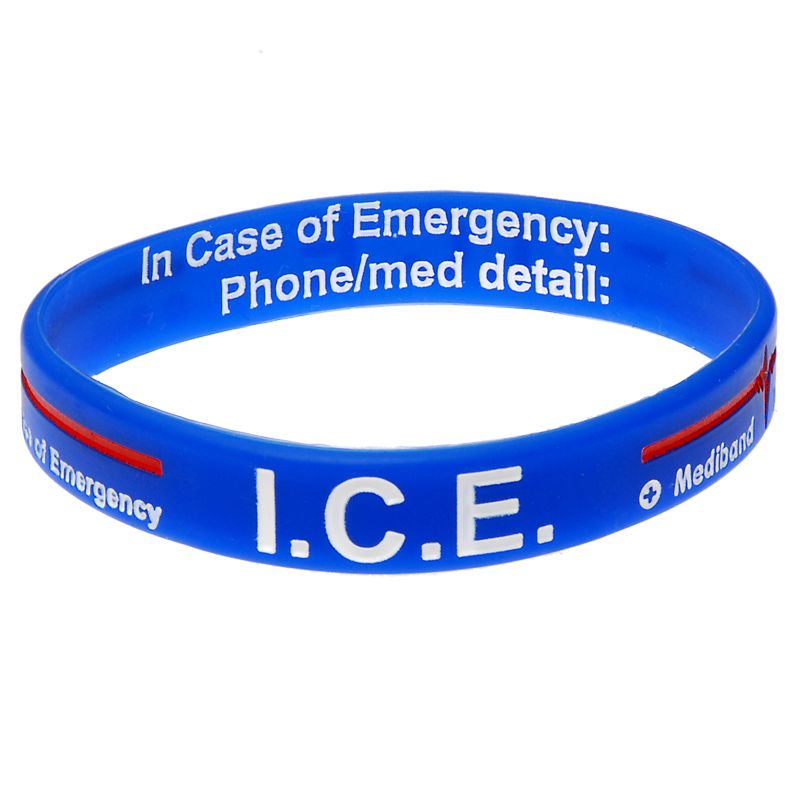
Camping with a medical condition is not just possible — with the right preparation, it can be one of the most liberating and enjoyable experiences you have. Prepare thoroughly, carry the right identification, brief your companions, and head outdoors with confidence. Nature is for everyone.
Frequently Asked Questions
Is it safe to go camping with a serious medical condition?
Yes, with the right preparation. Consult your medical team before the trip, research nearby medical facilities, carry sufficient medications and emergency supplies, wear medical alert identification, and brief your camping companions on your condition and emergency procedures.
What should people with severe allergies carry when camping?
Always carry at least two doses of your EpiPen on your person (not in your bag or tent). Wear an anaphylaxis or bee sting allergy medical alert bracelet. Carry antihistamines and a written allergy action plan. Brief all camping companions on what to do in an allergic emergency.
How do I manage my diabetes while camping?
Monitor blood glucose more frequently than usual — physical activity changes your requirements. Carry fast-acting glucose at all times. Store insulin safely in an insulated case away from direct sunlight. A diabetes medical alert bracelet ensures any bystander knows to check your glucose if you appear unwell.
What is an ICE bracelet and why is it important for camping?
An ICE (In Case of Emergency) bracelet displays an emergency contact number on your wrist. In a remote location where you may be unable to communicate, fellow campers or rescue services can contact your nominated person even without direct mobile signal. It provides a vital link to someone who knows your medical history.

Share on Facebook

Share on X

Share on Pinterest
Comment(s)
Recent Posts

The Risk Of Not Wearing An Allergy Medical Alert Bracelet
March 23, 2026