Pregnancy Tips Australia: How to Stay Healthy and Safe During Pregnancy
June 22, 2022

Pregnancy is one of the most transformative experiences of your life — exciting, overwhelming and full of change. According to the Australian Institute of Health and Welfare, around 300,000 babies are born in Australia each year. For every one of those pregnancies, staying healthy and prepared is the best thing you can do for yourself and your baby.
Whether this is your first pregnancy or your third, our guide covers the essential tips to help you feel confident, comfortable and safe throughout every trimester. We also explain why a pregnancy medical alert bracelet is a simple but powerful safety measure that every expectant mother should consider.
Why Is a Pregnancy Medical Alert Bracelet Important?
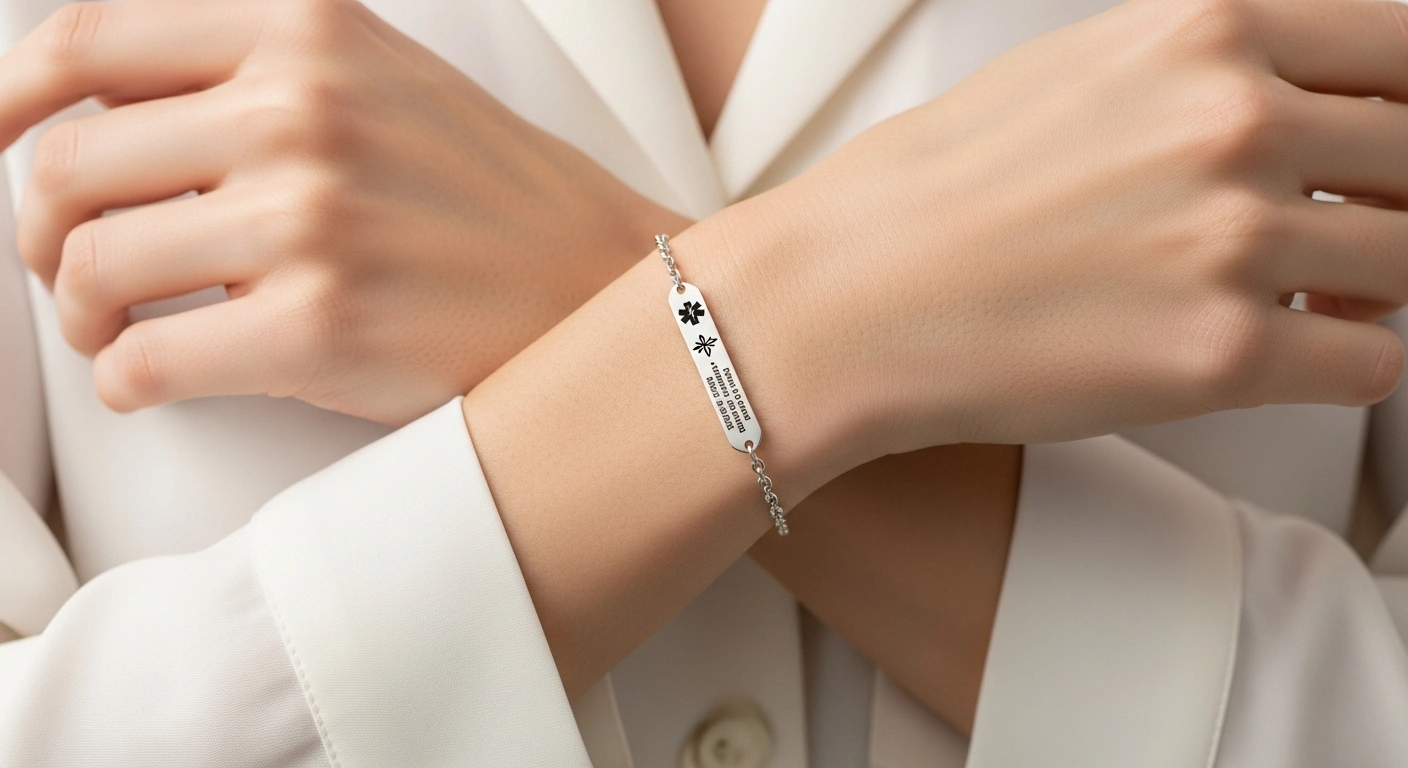
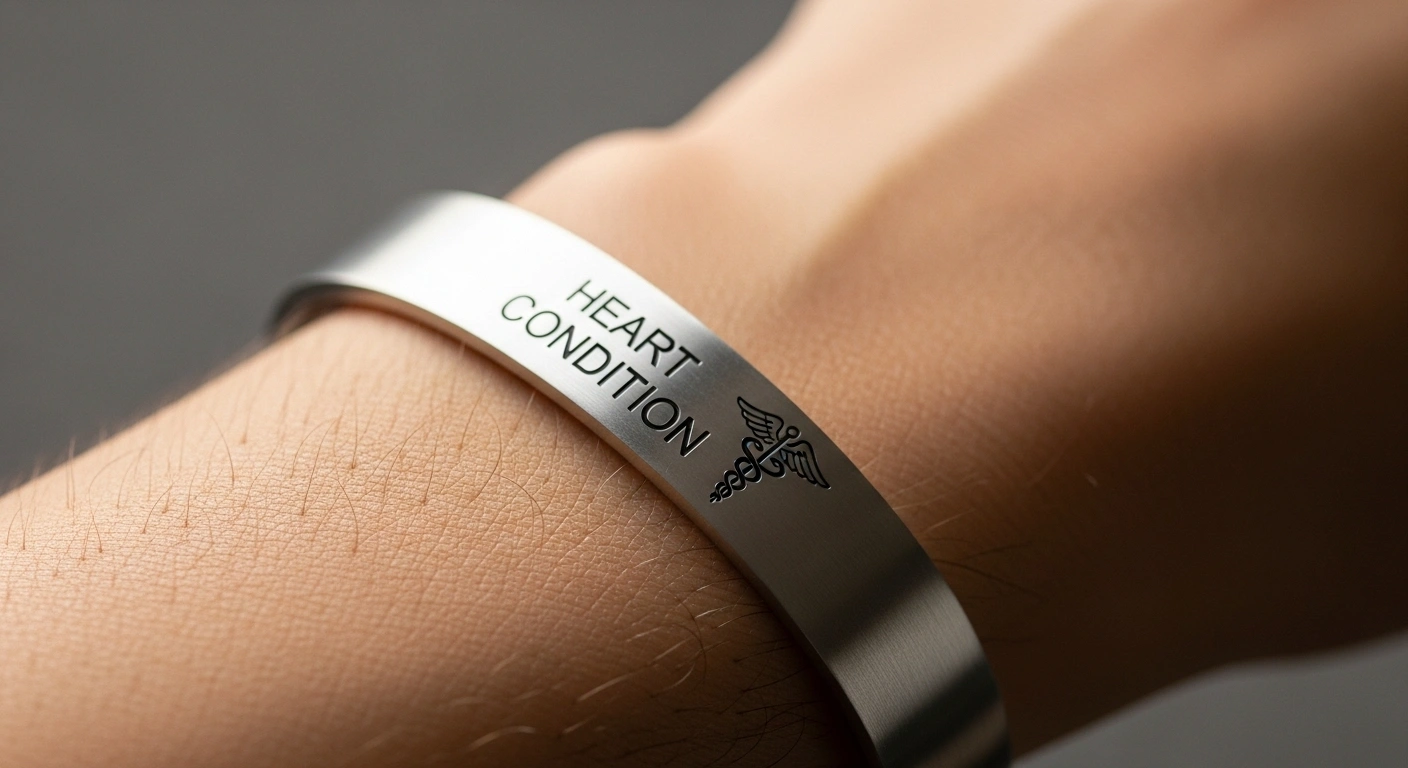
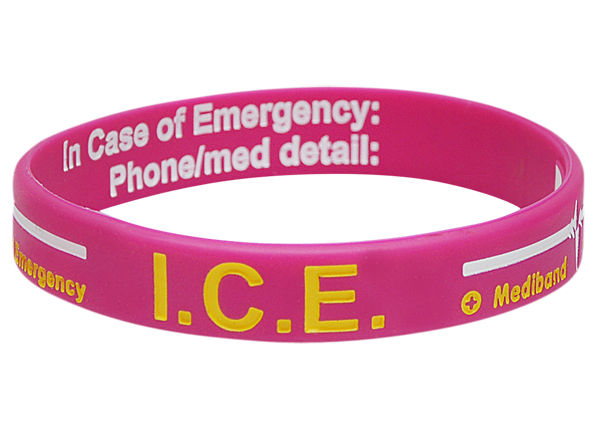
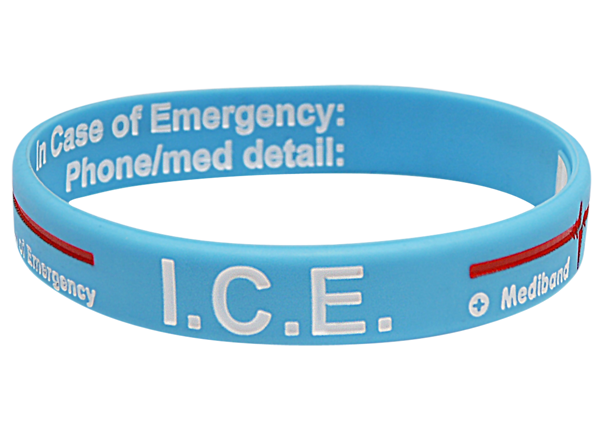
During pregnancy, your body goes through significant changes that can affect how you respond to medication, anaesthesia and emergency treatment. If you are in an accident or a medical emergency and cannot speak for yourself, a pregnancy bracelet immediately tells paramedics and hospital staff that you are pregnant — along with your due date, blood type and any complications.
This matters because:
- Certain medications are unsafe during pregnancy — paramedics need to know before administering any drugs
- X-rays and CT scans carry risks — emergency staff will choose alternative imaging if they know you are pregnant
- Gestational diabetes or pre-eclampsia — if you have pregnancy complications, your bracelet ensures they are treated correctly from the start
- Blood type matters — Rh-negative mothers require special treatment to protect their baby
Shop Pregnancy Medical Alert Bracelets
Keep you and your baby safe — give paramedics the information they need in an emergency.
Essential Pregnancy Health Tips for Every Trimester
Prioritise Rest and Quality Sleep
Growing a baby is exhausting work. Your body is producing more blood, your heart is pumping harder, and hormone changes can disrupt your sleep. Establish a consistent bedtime routine — go to bed and wake at the same time each day, keep your bedroom cool and dark, and avoid screens for at least 30 minutes before sleep.
As your pregnancy progresses, sleeping on your side (particularly the left side) improves blood flow to your baby. Use a pregnancy pillow for support and take short rest breaks during the day when you need them.
Stay Active with Safe Exercise
The Australian Department of Health recommends 150 to 300 minutes of moderate-intensity physical activity per week during pregnancy. Safe activities include:
- Walking — gentle on joints and easy to fit into your day
- Swimming — supports your weight and reduces swelling
- Prenatal yoga — improves flexibility, balance and breathing
- Stationary cycling — low-impact cardiovascular exercise
Always consult your doctor or midwife before starting any exercise program, and stop immediately if you experience pain, dizziness or shortness of breath.
Eat Well for Two (Not Double)
Pregnancy does not mean eating twice as much — it means eating twice as well. Focus on nutrient-dense foods including leafy greens, lean protein, whole grains and healthy fats. Key nutrients to prioritise include:
- Folate — essential for neural tube development (dark leafy greens, fortified cereals)
- Iron — your blood volume increases by up to 50% during pregnancy (red meat, legumes, spinach)
- Calcium — for your baby's bone development (dairy, fortified plant milks)
- Omega-3 fatty acids — for brain development (oily fish, walnuts, chia seeds)
Mental Health During Pregnancy
According to PANDA (Perinatal Anxiety & Depression Australia), up to 1 in 5 expectant mothers experience depression or anxiety during pregnancy. This is common and nothing to be ashamed of.
Take time for activities that help you relax — meditation, journaling, gentle walks in nature, or simply spending time with supportive friends and family. If you are feeling persistently low, anxious or overwhelmed, talk to your doctor or midwife. Help is available, and early support makes a significant difference.
Preparing for Emergencies During Pregnancy
No one plans for an emergency, but being prepared gives you peace of mind. In addition to wearing a pregnancy medical alert bracelet, you should:
- Keep your hospital bag packed from week 36 onwards
- Share your birth plan with your partner and support person
- Know the fastest route to your hospital or birth centre
- Keep your pregnancy health record (sometimes called a "yellow card") in your bag at all times
- Save your midwife's and hospital's phone numbers in your phone and your partner's phone
Frequently Asked Questions
Why should I wear a medical alert bracelet during pregnancy?
A pregnancy bracelet tells paramedics you are pregnant if you cannot speak in an emergency. This prevents them from giving you unsafe medications, performing harmful scans, or missing pregnancy complications that require immediate treatment.
What should I put on a pregnancy medical alert bracelet?
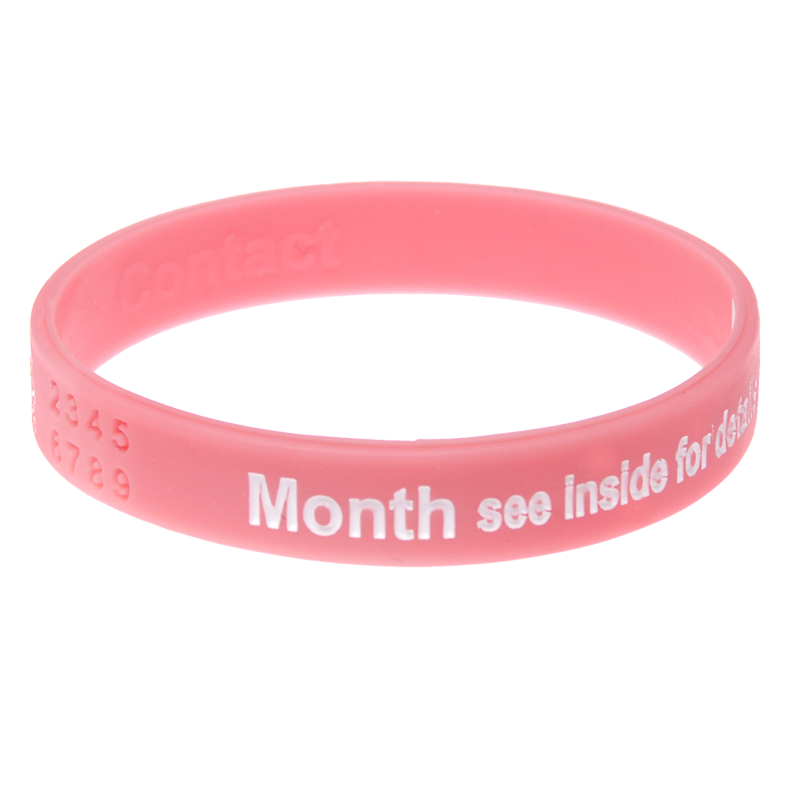
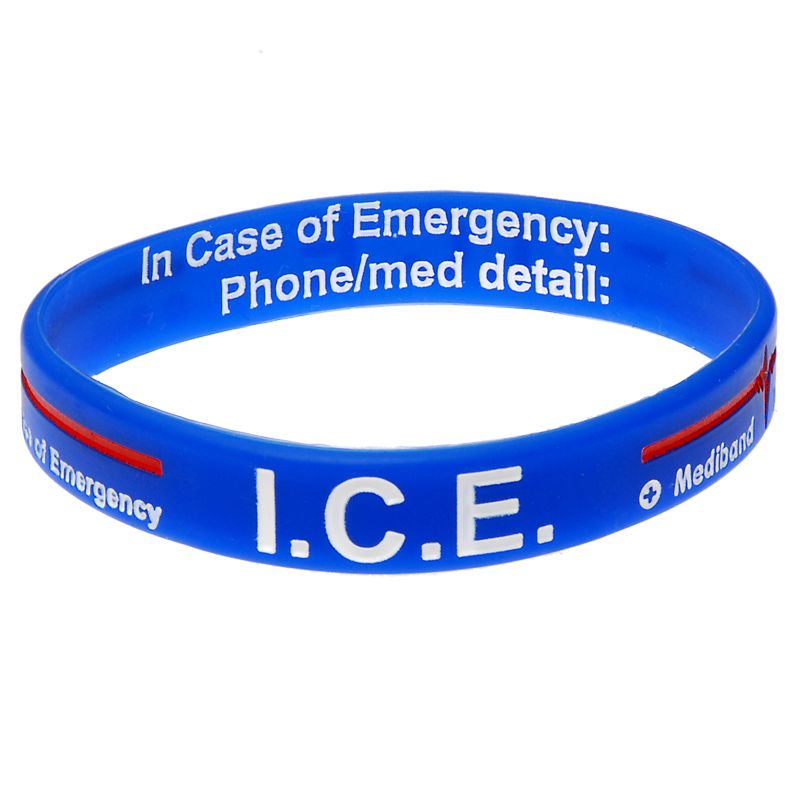
Include "Pregnant" with your due date, blood type, any pregnancy complications (such as gestational diabetes or pre-eclampsia), allergies, and an emergency contact number. Update it as your pregnancy progresses.
How much exercise is safe during pregnancy?
The Australian Department of Health recommends 150 to 300 minutes of moderate-intensity activity per week during pregnancy. Walking, swimming and prenatal yoga are excellent options. Always consult your healthcare provider before starting or changing your exercise routine.
Is it normal to feel anxious during pregnancy?
Yes. Up to 1 in 5 Australian women experience anxiety or depression during pregnancy. If feelings persist, speak to your midwife or doctor. Organisations like PANDA (1300 726 306) provide free support for expectant and new parents.

Share on Facebook

Share on X

Share on Pinterest
Comment(s)
Recent Posts

The Risk Of Not Wearing An Allergy Medical Alert Bracelet
March 23, 2026