
Living with Multiple Chronic Conditions: Practical Tips for Managing Comorbidities
October 29, 2021

Living with one chronic condition is challenging. Living with two, three, or more — a situation called multimorbidity or comorbidity — is exponentially more complex. According to the World Health Organization, more than 25% of adults worldwide live with two or more chronic conditions, and this proportion rises to over 65% in adults aged 65 and above. Multiple conditions mean multiple medications, multiple specialists, multiple sets of triggers to manage, and often contradictory advice from different healthcare providers.
This guide offers practical, evidence-based strategies for managing life with multiple chronic conditions — with dignity, safety, and as much quality of life as possible.
Understanding Multimorbidity: Why It’s Different from Managing a Single Condition
Multimorbidity is not simply the sum of individual conditions. When multiple diseases coexist, they interact — sometimes in ways that make each more difficult to manage. A classic example: diabetes and kidney disease interact significantly, as diabetic kidney damage requires adjustments to medications used for glycaemic control. Depression and chronic pain frequently coexist and amplify each other. Heart failure and chronic obstructive pulmonary disease (COPD) share overlapping symptoms that complicate diagnosis and treatment.
Most healthcare systems, however, are organised around single conditions — specialists see you for their area, prescribe for their area, and may be unaware of (or not factor in) your other conditions. This fragmentation is one of the biggest challenges for people with multiple conditions.
The Mental Load of Multiple Conditions
Beyond the physical, there is an enormous cognitive and emotional burden. Keeping track of medications, appointments, symptoms, and triggers across multiple conditions is mentally exhausting. A 2021 study in BMC Medicine found that people with three or more chronic conditions reported significantly higher rates of cognitive fatigue, anxiety, and depression than those with one or no conditions.
Acknowledging this mental load — and finding strategies to reduce it — is as important as managing the physical symptoms themselves.
Medication Management When You Have Multiple Conditions
Polypharmacy — taking multiple medications — is one of the most significant challenges for people with comorbidities. Drug interactions, side effects that mimic disease symptoms, and the sheer volume of pills to take daily can feel overwhelming. A 2022 analysis in The Lancet found that people with five or more conditions took an average of twelve prescribed medications daily.
Practical Medication Strategies
- Medication review: Ask your GP to conduct a comprehensive medication review at least annually. Some medications may be safely deprescribed or combined.
- Weekly pill organiser: A clearly labelled, day-by-day pill organiser dramatically reduces errors and cognitive load. Consider one with separate AM/PM compartments.
- Medication list: Keep an up-to-date written list of all medications, doses, and what they are prescribed for. Carry a copy with you and share it with every healthcare provider you see.
- Pharmacy check: Use a single pharmacy if possible, so pharmacists can flag potential drug interactions across all your prescriptions.
- Medication alarm: A phone alarm or smart medication dispenser ensures you don’t miss doses on your worst days.
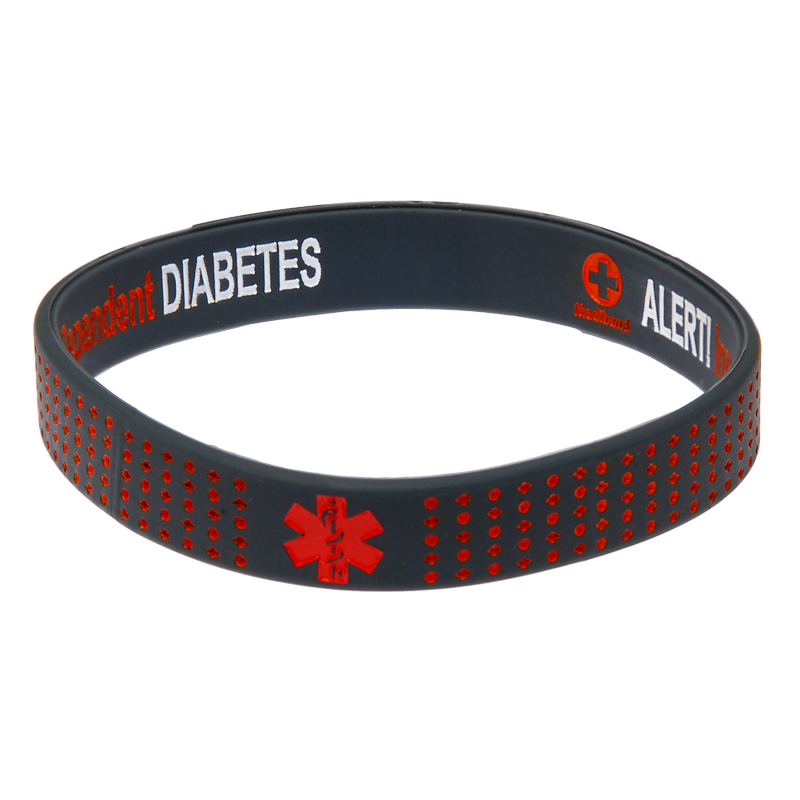
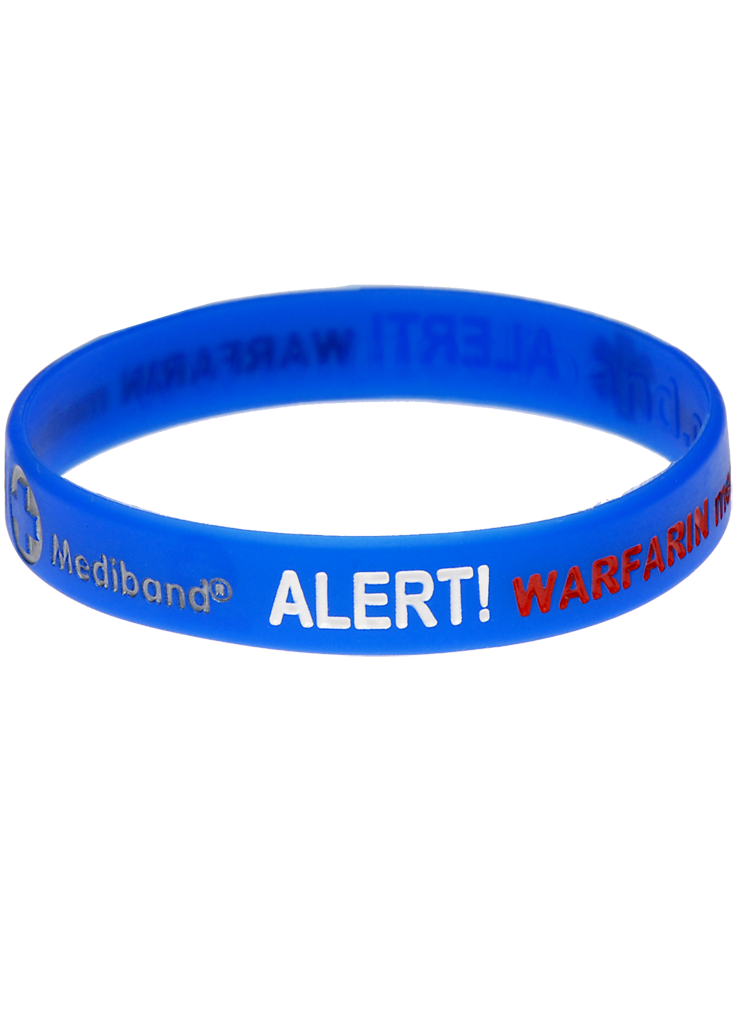
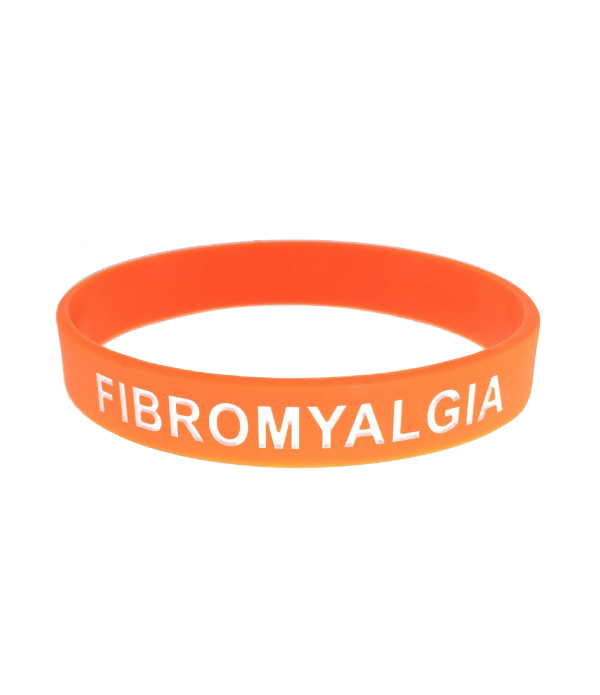
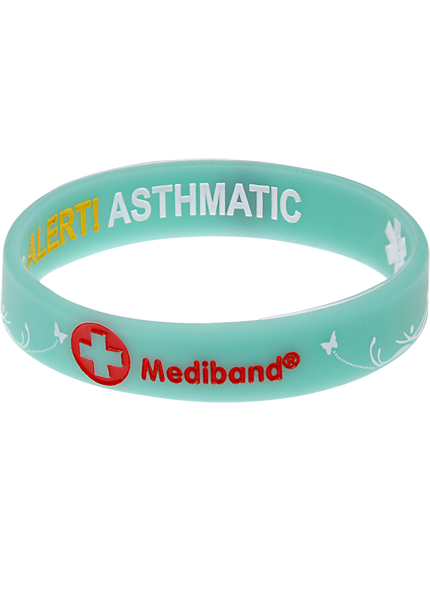
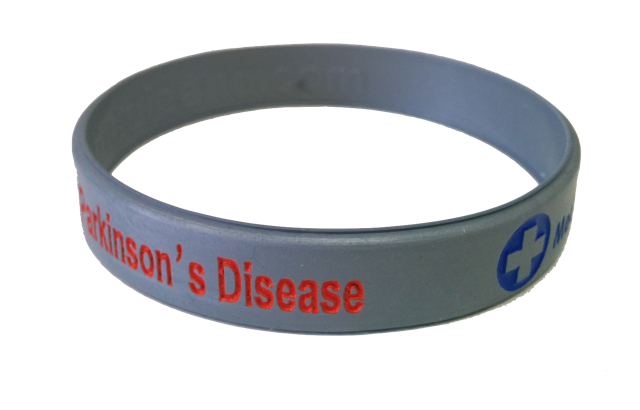
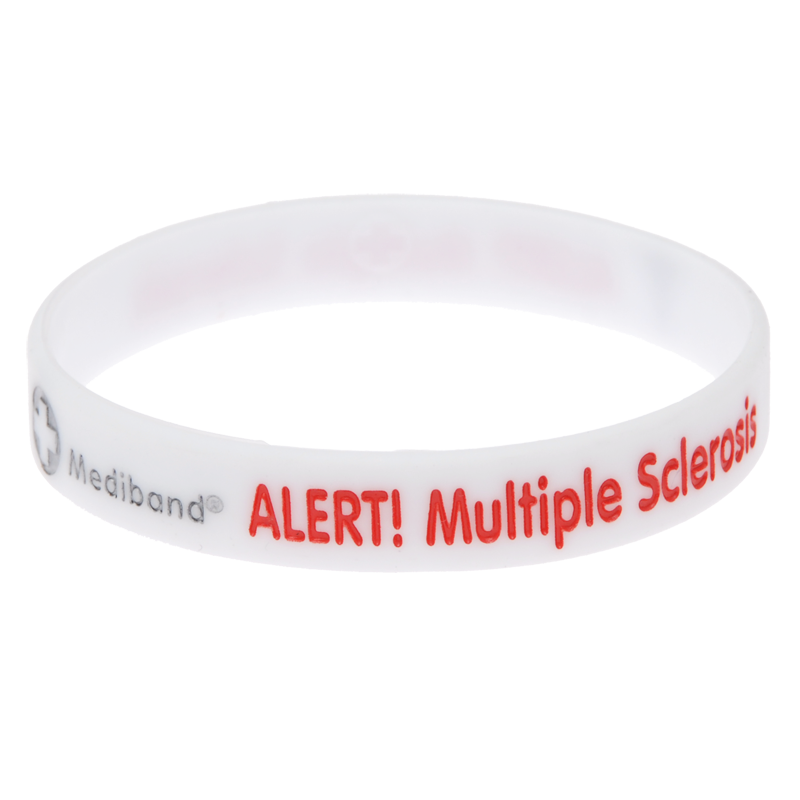
Medical Alert Bracelets for Multiple Conditions
Communicate all your critical conditions in one place — essential when your medical history is complex.
Coordinating Care Across Multiple Healthcare Providers
One of the most significant practical challenges in multimorbidity is that different specialists often don’t talk to each other. Your cardiologist may be unaware of your endocrinologist’s recent medication changes. Your GP may not have received notes from your most recent hospital admission.
Becoming your own care coordinator — while exhausting — is often necessary. Strategies that help:
- Keep a health folder: Maintain a physical or digital folder with your diagnosis history, current medication list, recent test results, and specialist letters.
- Bring your medication list to every appointment: Hand it to every healthcare provider you see, every time.
- Ask each specialist about interaction effects: Specifically ask “Does this medication or recommendation interact with my other conditions or medications?”
- Request coordination: In many health systems, you can request that your GP act as a care coordinator, receiving letters from all specialists and maintaining oversight of your overall health plan.
- Bring a support person: A trusted family member or friend can take notes, ask questions you might forget, and help you process information after the appointment.
Medical Alert Bracelets for Complex Medical Histories
For people with multiple conditions, a medical alert bracelet is not just helpful — it is essential. The more complex your medical history, the more critical it is that emergency responders have access to at least the most important elements of that history.
In an emergency, paramedics don’t need your full health folder — they need the most critical information within seconds. A medical alert bracelet communicates:
- Your most critical diagnoses (prioritise those that would affect emergency treatment)
- Key medications — especially anticoagulants, insulin, steroids, or immunosuppressants
- Life-threatening allergies
- Emergency contact details
If you have multiple conditions to communicate, consider a write-on bracelet that allows you to include more detail, or pair a specific-condition bracelet with a wallet medical ID card that provides more comprehensive information.
Managing Mental and Emotional Wellbeing with Multiple Conditions
The emotional experience of living with comorbidities is under-recognised in clinical settings. Grief about health, anxiety about the future, frustration with symptoms and limitations, and the isolation of an invisible illness can be as debilitating as the physical conditions themselves.
Evidence-based supports that can genuinely help:
- Psychological therapy: Cognitive Behavioural Therapy (CBT) has strong evidence for reducing depression and anxiety in people with chronic conditions.
- Peer support groups: Connecting with others who share similar experiences reduces isolation. Both in-person and online groups are valuable.
- Self-compassion practices: Research shows self-compassion — treating yourself with the same kindness you would offer a friend — reduces suffering and improves adaptive coping.
- Pacing: Learning to pace activities across the week rather than pushing on good days and crashing on bad days significantly improves functional capacity for people with fatigue-related conditions.
You are managing an extraordinary amount. That deserves acknowledgment, not just from those around you — but from yourself. Explore the full range of medical ID bracelets at Mediband to find the right solution for communicating your complex medical needs clearly and safely.
Frequently Asked Questions
What is multimorbidity and how is it different from having one chronic condition?
Multimorbidity means living with two or more chronic conditions simultaneously. It is fundamentally different from having a single condition because the conditions interact — changing how symptoms present, how medications work, and what treatments are appropriate. Most healthcare systems are designed around single conditions, making coordination of care more challenging and placing a higher burden on the individual to manage their own health across multiple providers.
What should I put on a medical alert bracelet if I have multiple conditions?
Prioritise the information that would most affect emergency treatment. This typically includes: the conditions most likely to be relevant in an emergency (such as diabetes, epilepsy, heart disease, or anticoagulant use), life-threatening allergies, and an emergency contact number. If you have many conditions, consider pairing a key-condition bracelet with a wallet medical ID card that provides more detailed information for first responders.
How do I manage multiple medications safely?
Use a clearly labelled weekly pill organiser with day and time compartments to reduce errors. Keep an up-to-date written medication list and share it with every healthcare provider you see. Use a single pharmacy where possible so pharmacists can flag drug interactions. Ask your GP for an annual medication review to assess whether all medications are still appropriate and whether any can be safely discontinued.
How do I coordinate care between multiple specialists?
Maintaining your own health folder — with diagnosis history, medication lists, recent test results, and specialist letters — is essential. Bring this information to every appointment. Ask your GP to act as care coordinator, receiving correspondence from all specialists. Specifically ask each specialist about interactions between their recommendations and your other conditions or medications.

Share on Facebook

Share on X

Share on Pinterest
Comment(s)
Recent Posts


The Risk Of Not Wearing An Allergy Medical Alert Bracelet
March 23, 2026