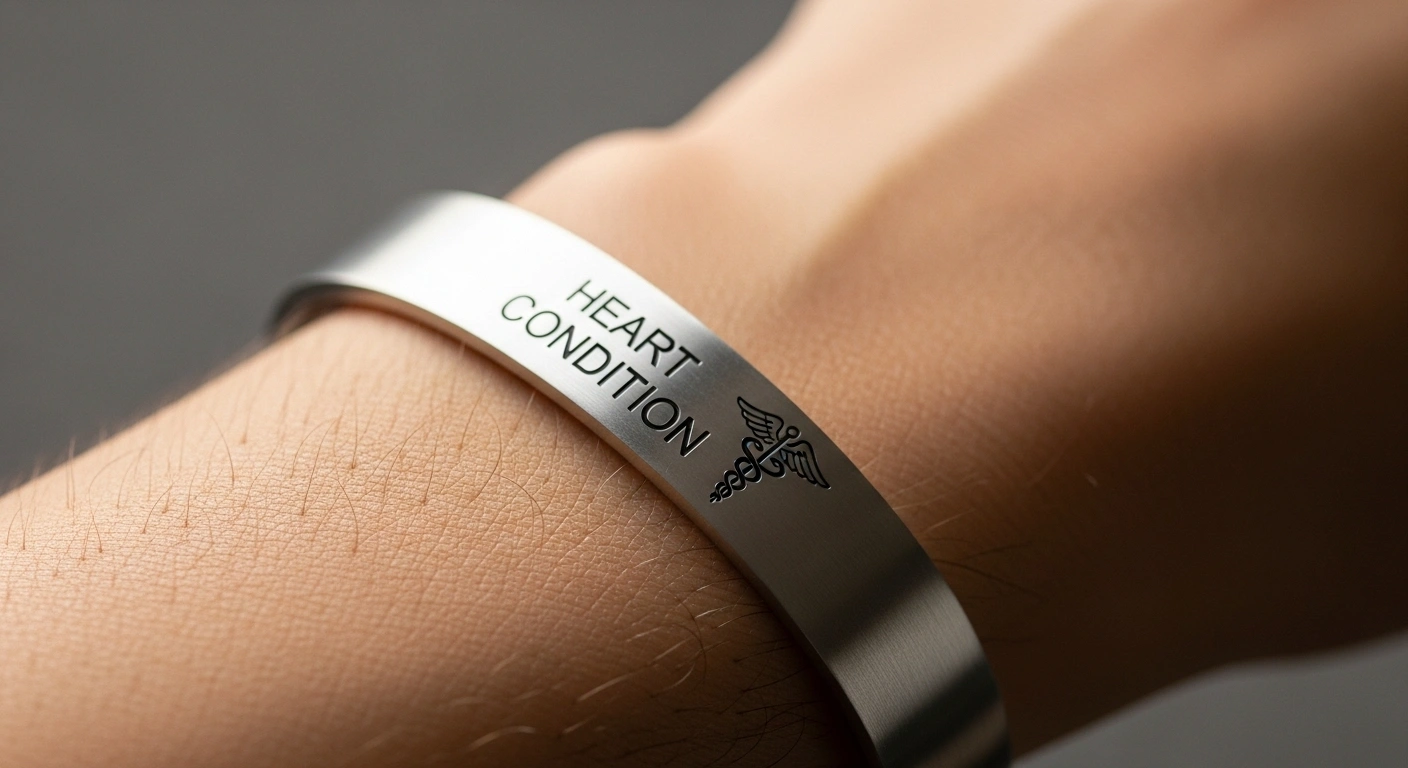
Caring for a Relative with Dementia: Practical Tips for Safety and Support
July 16, 2021

What to Expect When Caring for Someone with Dementia
Dementia is one of the most challenging conditions a family can face — not only for the person living with it, but for those who love and care for them. It is a progressive neurological syndrome that affects memory, thinking, behaviour, and the ability to perform everyday activities. Alzheimer's disease accounts for 60 to 70 percent of all dementia cases, but the syndrome has many other forms, including vascular dementia, Lewy body dementia, and frontotemporal dementia.
According to the World Health Organization, approximately 55 million people worldwide currently live with dementia, and this number is expected to rise to 78 million by 2030. Behind each of these statistics is a family navigating profound change — often without adequate preparation or support.
Caring for a relative with dementia is a journey that unfolds in stages. In the early stages, your relative may be largely independent but require reminders, emotional support, and help managing more complex tasks. In middle and later stages, care needs become more intensive, and safety becomes a primary concern. Understanding what to expect at each stage helps carers plan ahead and make decisions proactively rather than in crisis.
The Emotional Reality of Dementia Caring
Caring for someone with dementia is an act of love — and it is also one of the most emotionally demanding roles a person can take on. Grief is a constant companion, not just at the end of life but throughout the condition, as carers witness the gradual change in someone they have known for years or decades. This is sometimes called "ambiguous loss" — grieving a person who is still present but progressively less recognisable as themselves.
Carer burnout is a very real risk. Research published in the Journal of the American Geriatrics Society found that dementia carers report significantly higher rates of depression, anxiety, and physical health problems than non-carers. Acknowledging the emotional toll — and seeking support — is not weakness. It is a prerequisite for sustainable caring.
Building Your Caring Team
No one should care for a person with dementia alone. Building a caring team — even a small, informal one — distributes the load and reduces the risk of burnout. This might include other family members who take on specific responsibilities, a professional home carer who provides respite hours, a social worker or case manager who coordinates services, and a GP or specialist who manages the medical aspects of care.
Dementia organisations in most countries offer carer education programmes, helplines, and peer support groups. These resources exist precisely because the caring role is so demanding — use them.
Practical Safety Strategies for People with Dementia
As dementia progresses, safety becomes the most urgent practical concern. People with dementia may not recognise danger in the way they once did, may become confused about their surroundings, and may attempt activities that are no longer safe for them to do alone. Proactive safety planning prevents crises and protects your relative's dignity.
Falls Prevention
Falls are one of the leading causes of injury and hospitalisation for older people with dementia. The combination of cognitive impairment, reduced balance, medication side effects, and unfamiliar environments significantly increases falls risk. Practical falls prevention strategies include: removing trip hazards (rugs, clutter, loose cords), installing grab rails in bathrooms and stairways, ensuring adequate lighting throughout the home, reviewing medications for those that affect balance, and ensuring your relative wears appropriate footwear.
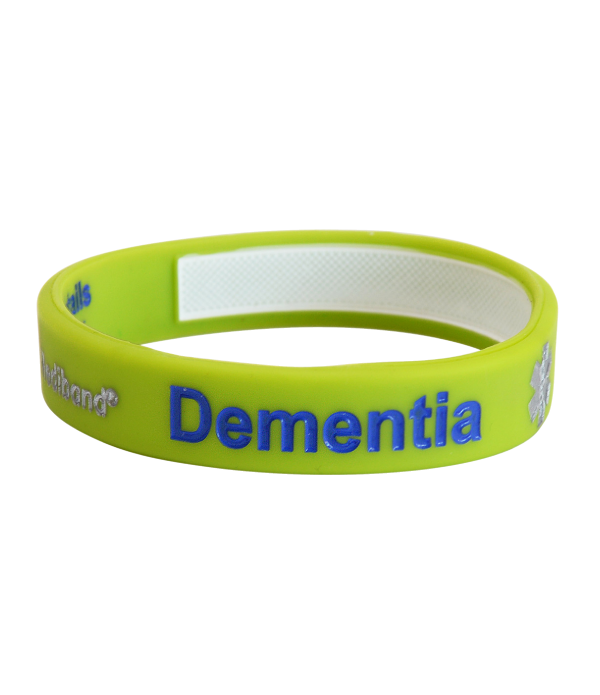
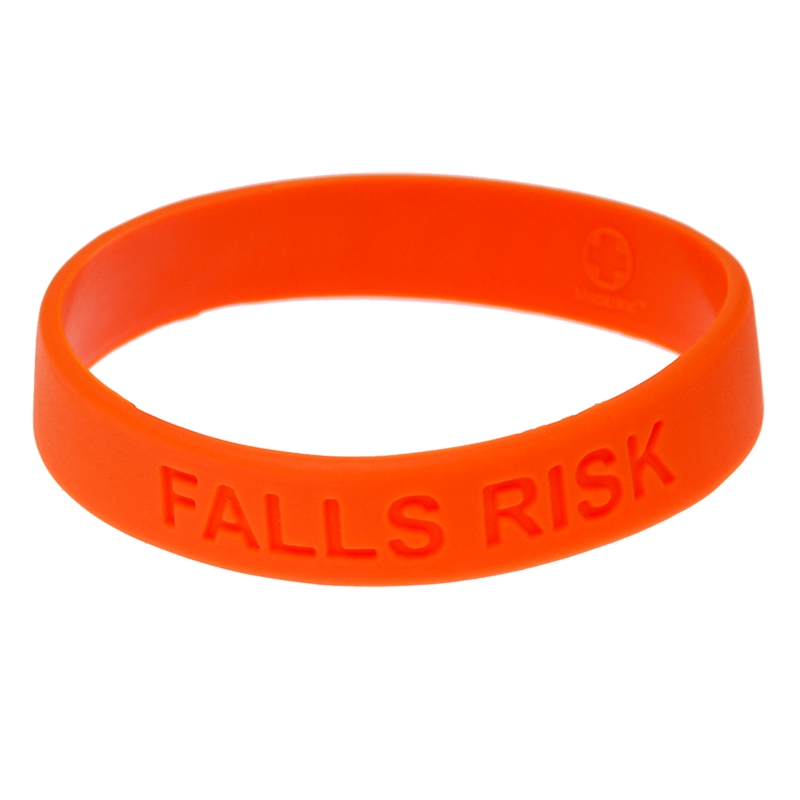
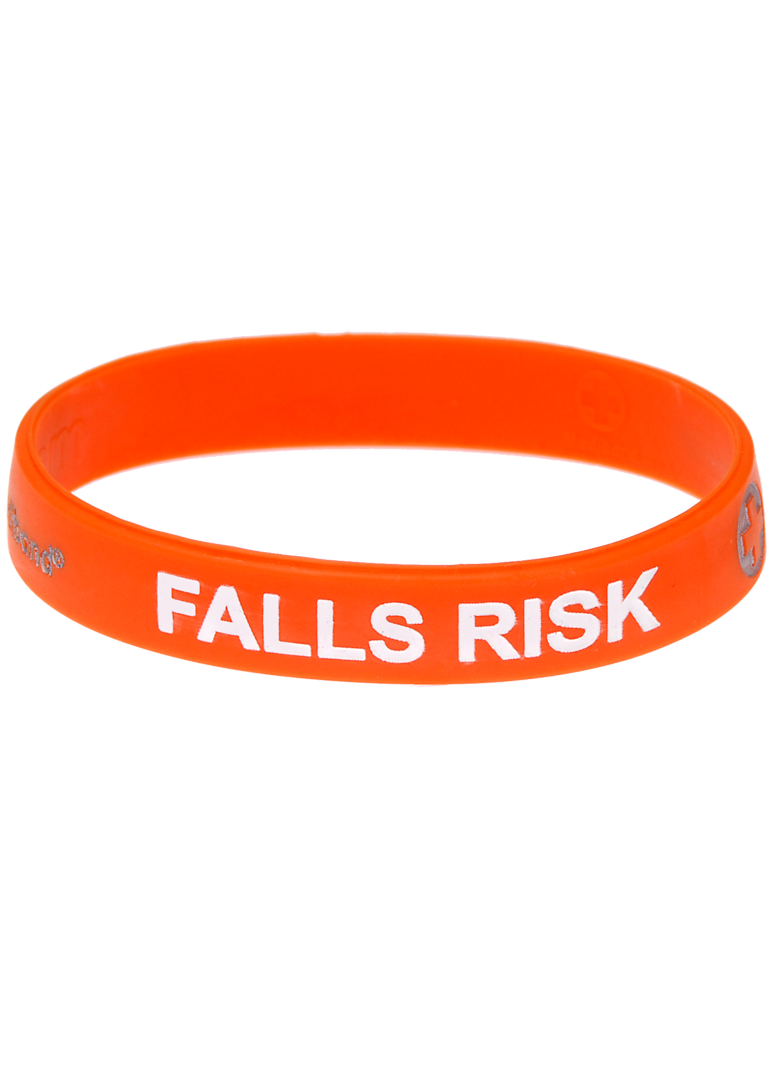
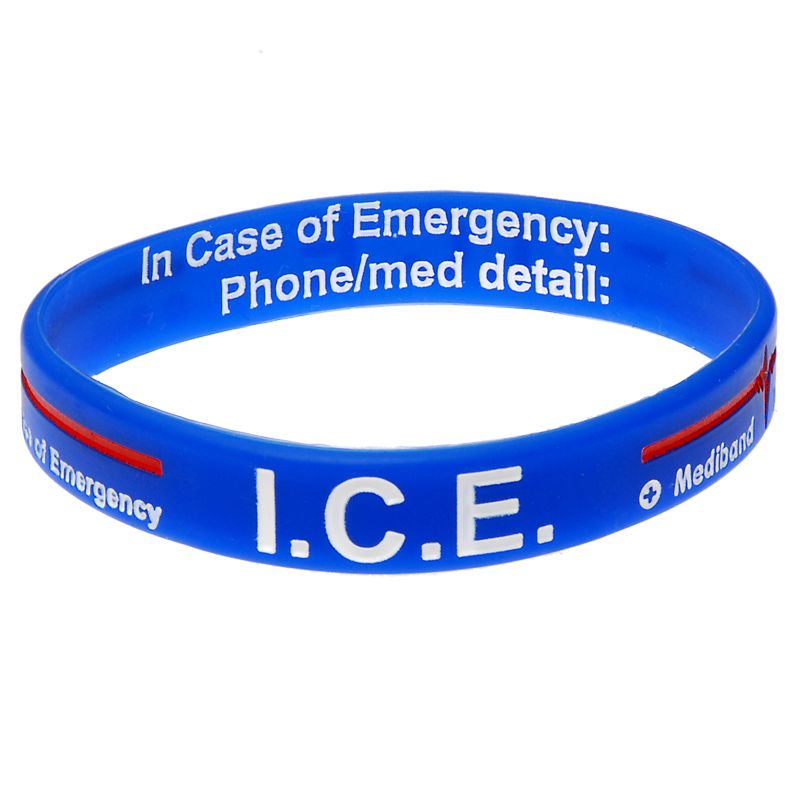
A medical alert bracelet that clearly identifies "Dementia — Falls Risk" can also be invaluable. If your relative is found after a fall and is confused or unable to communicate clearly, this information tells carers and emergency responders what they are dealing with immediately — avoiding dangerous assumptions and speeding up appropriate care.
Wandering Prevention and Response
Wandering — leaving the home or care environment and becoming lost or disoriented — is one of the most frightening dementia behaviours for families to manage. It can occur at any time, including at night, and a person with dementia who wanders may be unable to find their way home or communicate with strangers who try to help them.
Prevention strategies include: door alarms and keypad locks, GPS tracking devices worn or carried by the person, regular walking opportunities to reduce the urge to wander, and identification of times and triggers most associated with wandering in your relative (often late afternoon — sometimes called "sundowning").
Response planning is equally important. Have a recent photograph ready, know the nearest police station's non-emergency number, and consider registering with local dementia wandering registers if available in your area. A medical ID bracelet with the person's name and your phone number — clearly visible on the wrist — can dramatically reduce the time it takes to reunite a wandering person with their family.
Medical ID Products for Dementia Care
Help first responders act fast — identification that works even when words fail.
Communication Strategies That Preserve Dignity
Dementia changes the way a person communicates long before it affects their ability to feel emotions. Even in later stages, people with dementia retain emotional memory — they may not remember the content of a conversation, but they remember how it made them feel. This means that the quality and tone of your communication matters profoundly, even when the words themselves may not register.
Key communication principles include: approach from the front so you are in the person's visual field; speak slowly, clearly, and in short sentences; use their name; focus on one topic at a time; and never argue about facts or try to "correct" confabulations — it causes distress without benefit. When a person with dementia insists it is a year or decade that has passed, entering their reality gently is far kinder than challenging it.
Non-verbal communication — touch, eye contact, facial expression, and tone of voice — becomes increasingly important as verbal language declines. A calm, warm presence communicates safety and care even when words fail.
Managing Day-to-Day Activities and Maintaining Independence
A key goal of dementia care at every stage is to support the person to remain as independent as possible for as long as possible. This means adapting activities to current abilities rather than removing them entirely, and focusing on what the person can still do rather than what they can no longer do.
Occupational therapists who specialise in dementia can be invaluable here. They can assess your relative's functional abilities, suggest adaptations to the home environment and daily routines, and recommend assistive technology that supports independence. Ask for an occupational therapy referral through your relative's GP or specialist.
Meaningful activities — those that align with the person's lifelong interests and identity — also have significant wellbeing benefits. Music from a person's younger years can evoke memories and calm agitation even in advanced dementia. Reminiscence activities using photographs, familiar objects, or sensory experiences can provide enjoyment and connection. The key is to match the activity to current ability and to follow the person's lead.
For comprehensive guidance on medical identification and emergency planning for older adults, visit Mediband's medical ID bracelet range or browse our dedicated dementia alert bracelets.
Planning for the Future: Legal, Financial, and Care Decisions
Dementia is a progressive condition, which means there will come a time when the person living with it can no longer make their own decisions. Planning for this while the person still has capacity — while they can still participate in decisions about their own future — is one of the most important things families can do.
Key documents to organise include: a lasting power of attorney (or equivalent in your country) for both financial matters and health and welfare decisions; an advance care directive or living will that records the person's wishes regarding future medical treatment; and a will. These conversations can be difficult to initiate, but they are far less distressing than making these decisions without guidance in a crisis.
Many countries have specialist dementia advisors through organisations such as Alzheimer's Disease International (alz.co.uk internationally) who can provide free guidance on both practical caring and legal matters.
Emergency Planning and Medical ID for People with Dementia
Every person with dementia should have a medical identification system that works independently of their ability to communicate — because there will be moments, whether during wandering, a fall, or a medical emergency, when they cannot tell responders who they are or what they need.
A medical alert bracelet is the most reliable solution because it is worn on the body, is immediately visible to first responders and members of the public, and does not require the person to carry or remember anything. For a person with dementia, include: their name, the word "Dementia," your emergency contact number, and any critical medical information such as "Falls Risk" or specific medications.
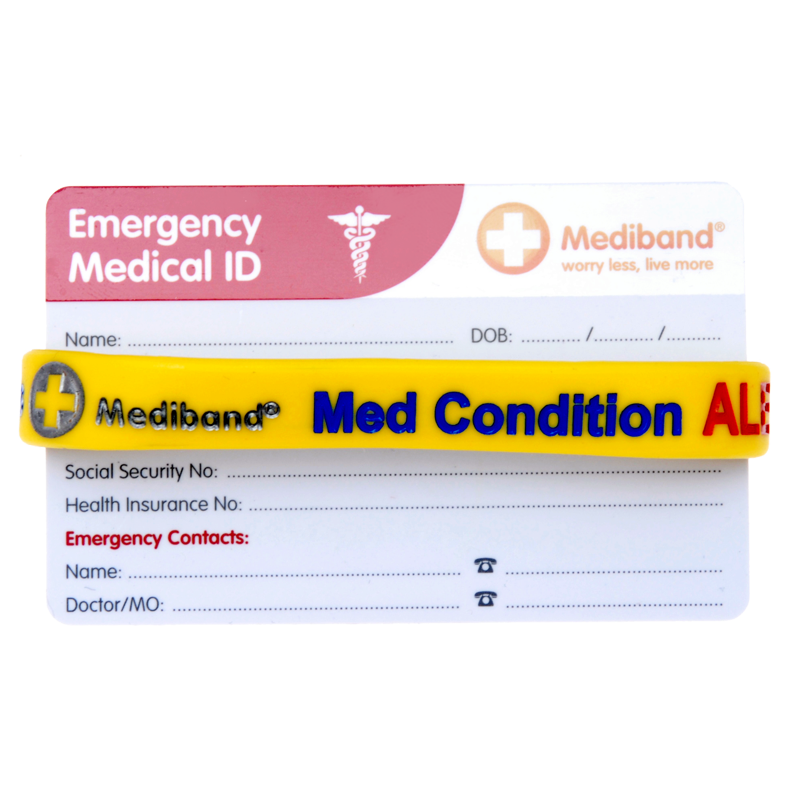
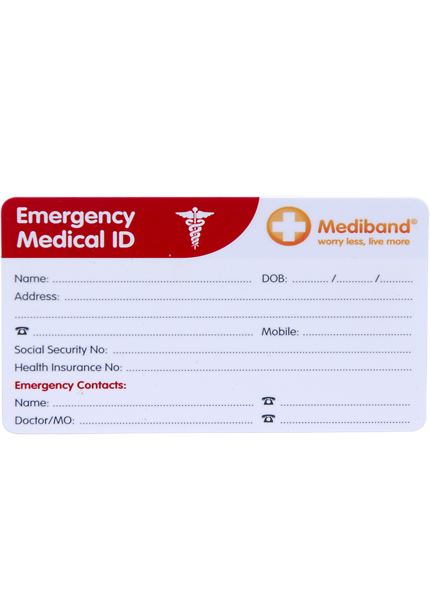
Consider combining a bracelet with a wallet card that carries more detailed information — GP contact details, medication list, care home or home address, and instructions for carers. Mediband's medical wallet cards are designed to carry this level of detail in a format that first responders will know to look for. Explore the full range of identification options to build a system that works for your relative's stage and lifestyle.
Frequently Asked Questions
How do I know when home care is no longer safe for someone with dementia?
Signs that home care is becoming unsafe include: frequent falls or near-misses, wandering that cannot be safely managed, inability to take medications safely, significant weight loss due to forgetting to eat, inability to manage personal hygiene, and severe carer burnout. These indicators suggest it may be time to consider additional in-home support or a transition to residential care. A geriatrician or dementia specialist can help assess the person's current level of need and guide decision-making.
What is the best way to respond when someone with dementia doesn't recognise me?
When a person with dementia fails to recognise a familiar face, it can be deeply painful. The most helpful approach is to gently introduce yourself without expressing hurt or trying to convince them who you are. Focus on the emotional connection rather than the factual recognition — warmth, calmness, and familiar activities often matter more than names. Avoid saying 'Don't you remember me?' as this can cause distress. Instead: 'I'm [name] — I've come to visit you. Can I sit with you for a while?'
How can a medical ID bracelet help someone with dementia?
A medical ID bracelet for someone with dementia serves two critical functions: identification and safety communication. If the person wanders and is found by a stranger or emergency responder, the bracelet provides their name and your contact number immediately. If they are involved in a medical emergency and cannot communicate, the bracelet alerts responders to the dementia diagnosis and any other critical health information such as falls risk or medication needs — guiding appropriate and safe care.
What are the key legal documents to arrange for a relative with dementia?
The most important documents are: a lasting power of attorney (or equivalent) covering both financial decisions and health and welfare; an advance care directive or living will specifying wishes for future medical treatment; and an up-to-date will. These should be arranged while the person still has sufficient mental capacity to participate. A solicitor experienced in elder law can guide this process. Many dementia organisations also offer free advice on navigating these steps.
How do I manage my own wellbeing while caring for someone with dementia?
Carer wellbeing is not a luxury — it directly affects the quality of care you can provide. Key strategies include: accepting respite care and never feeling guilty for taking breaks; joining a carer support group; maintaining at least one activity per week that is entirely for you; speaking with a GP about mental health support if you are experiencing symptoms of depression or anxiety; and being realistic about your limits. Dementia organisations in most countries offer free carer support services — use them proactively, not just in crisis.

Share on Facebook

Share on X

Share on Pinterest
Comment(s)
Recent Posts



The Risk Of Not Wearing An Allergy Medical Alert Bracelet
March 23, 2026