Valentine's Day Gift That Could Save a Life: Mediband Medical Alert Bracelets (2025)
February 14, 2012

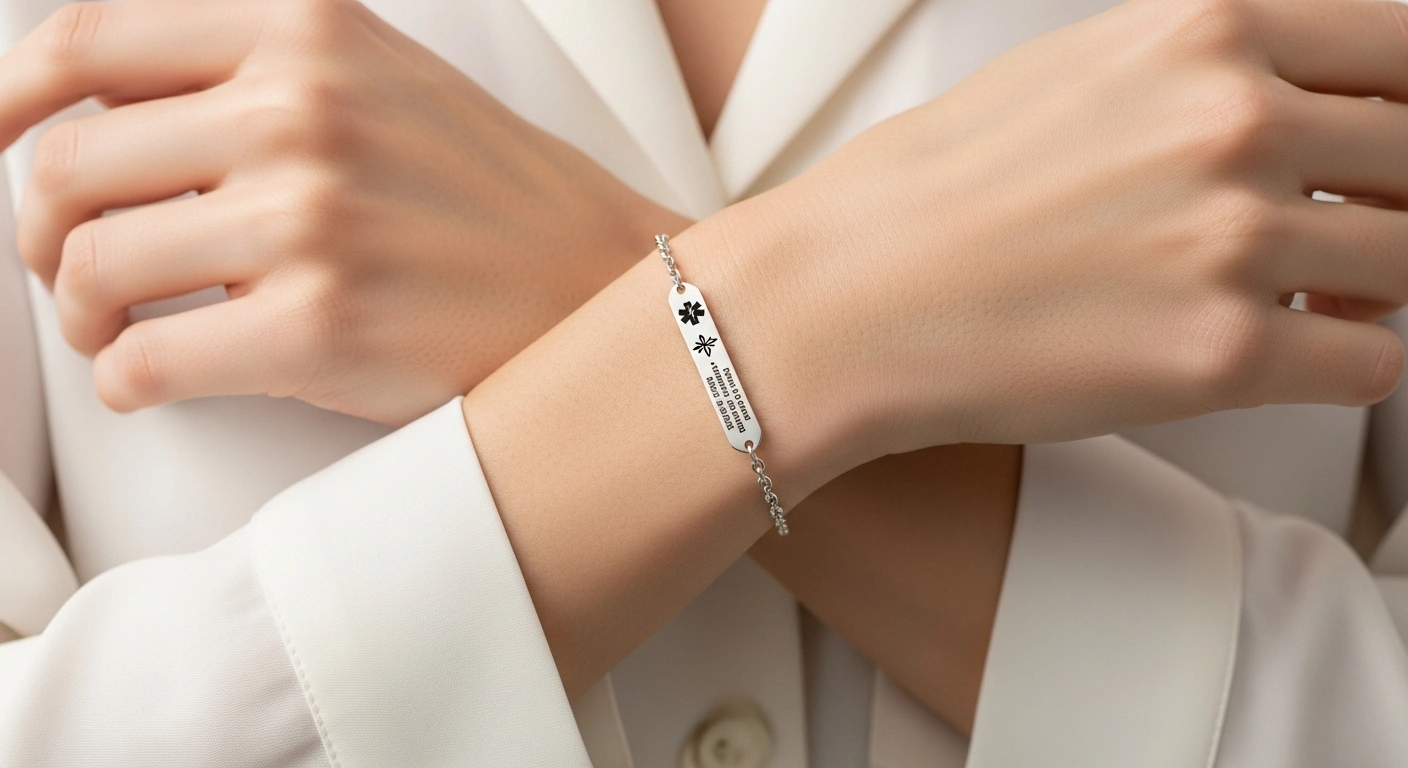
Valentine's Day is a chance to show someone you love them in a way that truly matters. While flowers fade and chocolates disappear, a Mediband medical alert bracelet is a gift that could one day save their life — and that's a love story worth telling.
If your partner, parent, child, or friend lives with a chronic condition — diabetes, epilepsy, a severe allergy, a heart condition, or any other medical issue — a medical alert bracelet is one of the most thoughtful and practical gifts you can give.

Why a Medical Alert Bracelet Makes the Perfect Valentine's Day Gift
Most Valentine's Day gifts are sentimental. A Mediband medical alert bracelet is both sentimental and genuinely useful. Here's why it stands out:
- It shows you care about their safety, not just today but every day. First responders are trained to look for medical ID jewellery in an emergency — a bracelet worn every day could be the difference between a fast, correct treatment and a dangerous mistake.
- It's personalised. You can engrave their name, condition, allergies, and emergency contact details — making it uniquely theirs.
- It's wearable jewellery, not a clinical device. Mediband's range includes designer stainless steel bracelets, silicone sports bands, and classic medical ID styles that people actually want to wear.
- It lasts. Unlike flowers or a box of chocolates, a quality medical ID bracelet can be worn for years — a daily reminder of your care.
Who Should Receive a Medical Alert Bracelet as a Valentine's Gift?
Anyone living with a medical condition that could affect emergency treatment is a candidate. Common conditions where a medical alert bracelet is strongly recommended include:
- Type 1 or Type 2 diabetes
- Epilepsy or seizure disorders
- Severe food allergies (peanuts, shellfish, tree nuts)
- Drug allergies (penicillin, aspirin, NSAIDs)
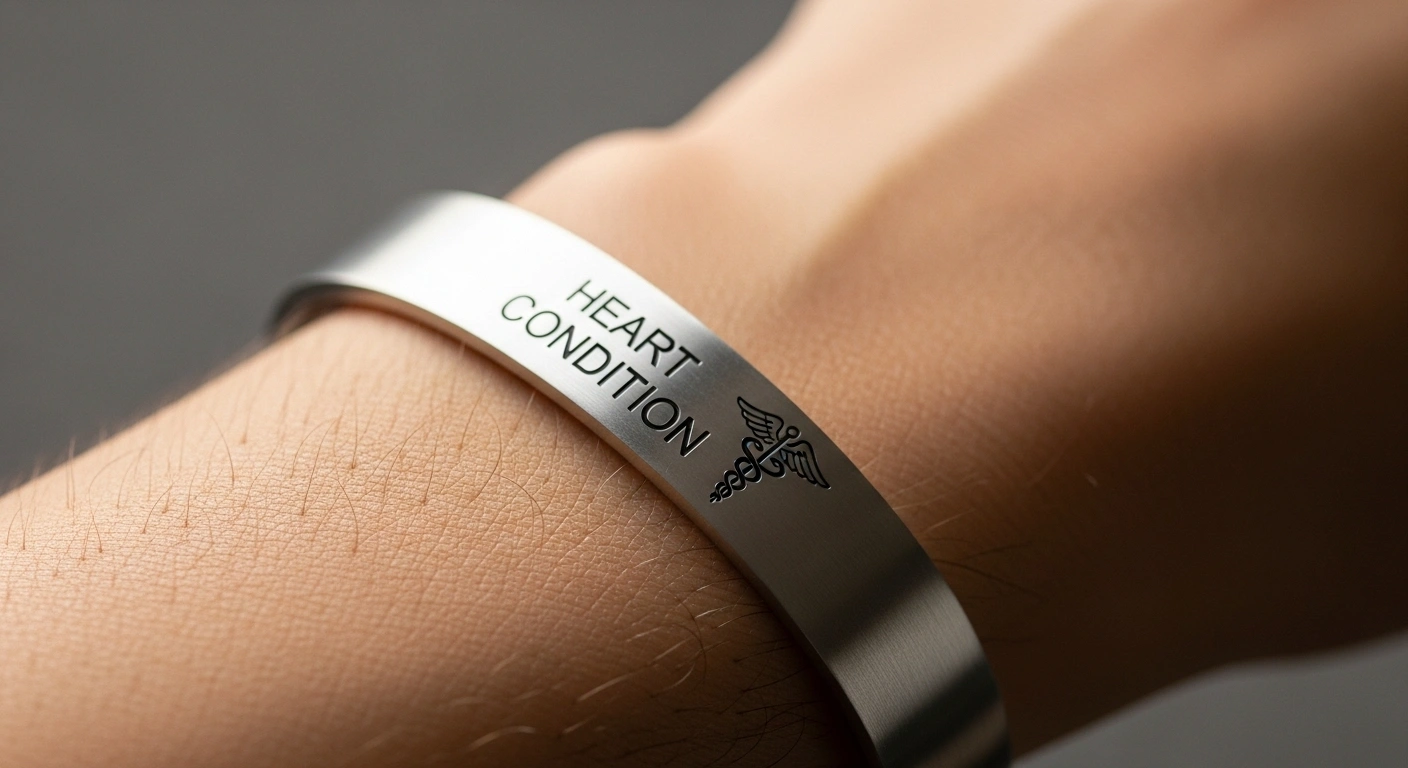
- Heart conditions or cardiac devices (pacemakers, stents)
- Asthma
- Blood thinners or anticoagulant medication
- Autism or communication difficulties
If someone you love has any of these conditions, a Mediband bracelet is a gift that says: "I want you to be safe, always."






Choosing the Right Mediband for Your Valentine
Mediband offers several styles to suit different preferences and lifestyles:
Silicone Medical Alert Bracelets
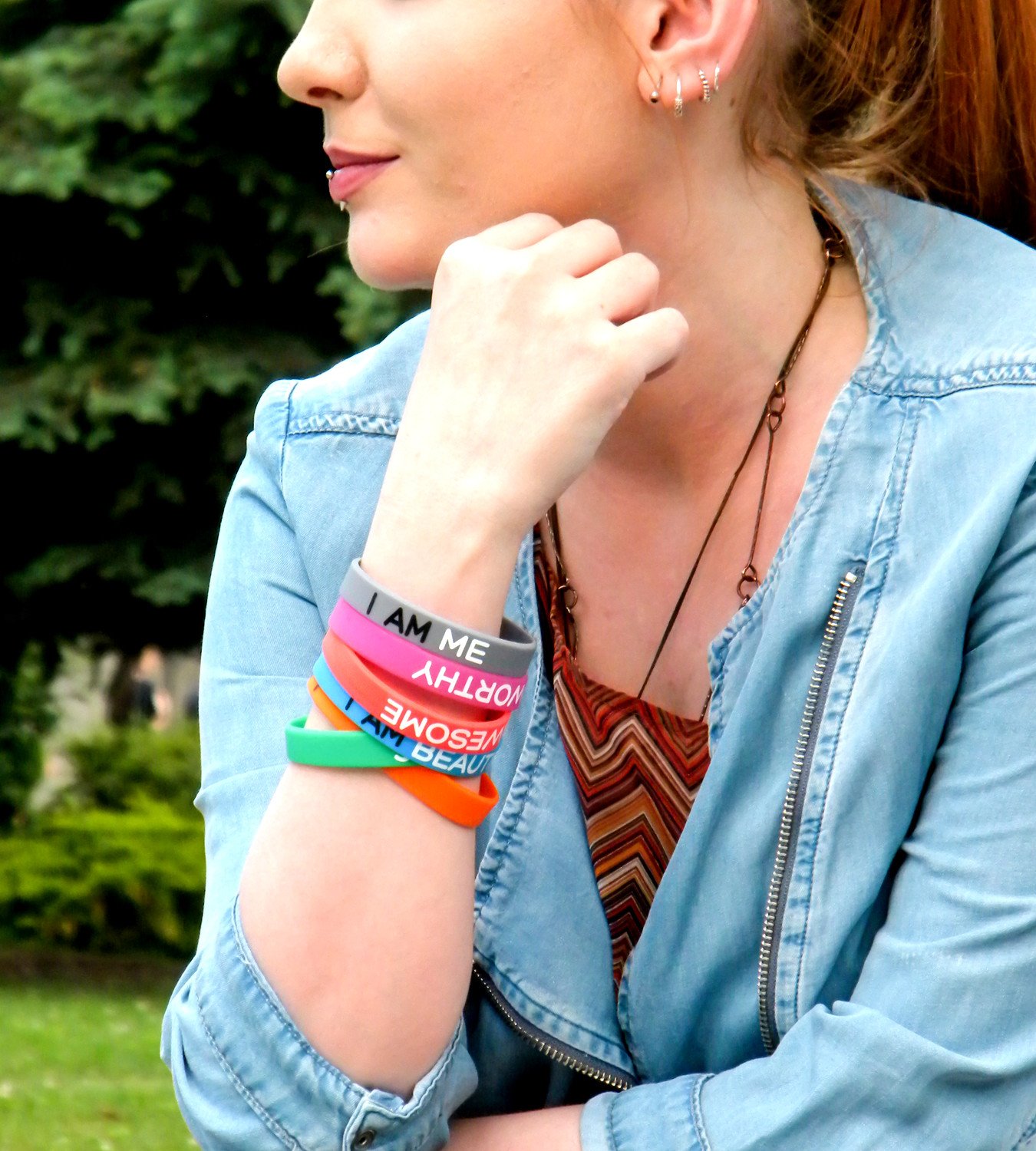
Soft, flexible, and waterproof — silicone Medibands are perfect for active wearers. They come in a range of colours and can be written on with a permanent marker or ordered pre-printed with a condition. They're ideal for children, sports lovers, or anyone who wants a lightweight everyday option.
Stainless Steel Medical ID Bracelets
For a more classic jewellery look, Mediband's stainless steel bracelets are polished, durable, and engraved with medical information. These are popular as Valentine's gifts because they look like jewellery — not a medical device — while still providing full emergency identification.
Designer and Printed Bands
Mediband's designer range features printed patterns and stylish designs that let wearers express their personality while staying protected. These are especially popular with teenagers and young adults who want something fashionable and functional.
What to Engrave on a Medical Alert Bracelet
If you're ordering a stainless steel engraved bracelet as a Valentine's gift, here's what to include:
- First name — so first responders can address them
- Primary medical condition — e.g. "Type 1 Diabetic", "Epilepsy", "Penicillin Allergy"
- Critical medication — especially if they take blood thinners, insulin, or heart medication
- Emergency contact number — a phone number for a family member or GP
- Doctor's name or hospital preference — optional but useful for complex cases
Keep it concise — emergency responders need to read it at a glance. The most important information goes first.
A Valentine's Gift That Lasts a Lifetime
According to the Heart Foundation of Australia, over 1.2 million Australians live with heart disease. The Diabetes Australia website reports that more than 1.5 million Australians have been diagnosed with diabetes. For many of these people, a medical alert bracelet is a critical piece of safety equipment.
This Valentine's Day, skip the generic gift cards and last-minute chocolates. Give something that says: "I love you, and I want you to be safe wherever life takes you." A Mediband medical alert bracelet is wearable, personalised, and potentially life-saving — there's no more meaningful gift than that.

Frequently Asked Questions
Is a medical alert bracelet a good Valentine's Day gift?
Yes — especially if your partner or loved one has a chronic condition. It's a thoughtful, practical, and potentially life-saving gift. Mediband bracelets come in designer styles that look like jewellery, so they're wearable every day.
Can I personalise a medical alert bracelet as a Valentine's gift?
Absolutely. Mediband's stainless steel bracelets can be engraved with the wearer's name, condition, allergies, and emergency contact number. Silicone write-on bands can also be personalised with a permanent marker.
What medical conditions are best suited to a medical alert bracelet?
Any condition that could affect emergency treatment: diabetes, epilepsy, severe allergies (food or drug), heart conditions, asthma, blood clotting disorders, or conditions that affect communication. If a paramedic treating an unconscious person would benefit from knowing about the condition — wear a bracelet.
How much does a Mediband medical alert bracelet cost?
Mediband offers options at a range of price points — from affordable silicone write-on bands to premium stainless steel engraved bracelets. All are designed and manufactured to medical ID standards and available for fast delivery across Australia.
Do paramedics check medical alert bracelets?
Yes. Australian paramedics and emergency first responders are trained to check for medical ID jewellery — including bracelets, necklaces, and wallet cards — when treating an unconscious or unresponsive patient. Wearing a medical alert bracelet ensures your critical health information is visible in an emergency.

Share on Facebook

Share on X

Share on Pinterest
Comment(s)
Recent Posts
The Risk Of Not Wearing An Allergy Medical Alert Bracelet
March 23, 2026