Why Medical Alert IDs Are Essential for People with Chronic Conditions
November 27, 2020

When a medical emergency strikes, seconds matter. First responders, paramedics, and emergency room staff are trained to look for critical health information on a patient who cannot speak for themselves. A medical alert ID is one of the most reliable ways to ensure that information is immediately available — yet millions of people living with chronic conditions still go without one.
This guide explains what a medical alert ID is, why it is considered an essential piece of safety equipment for anyone with a chronic health condition, and how to choose one that truly works when it counts.
What Is a Medical Alert ID?
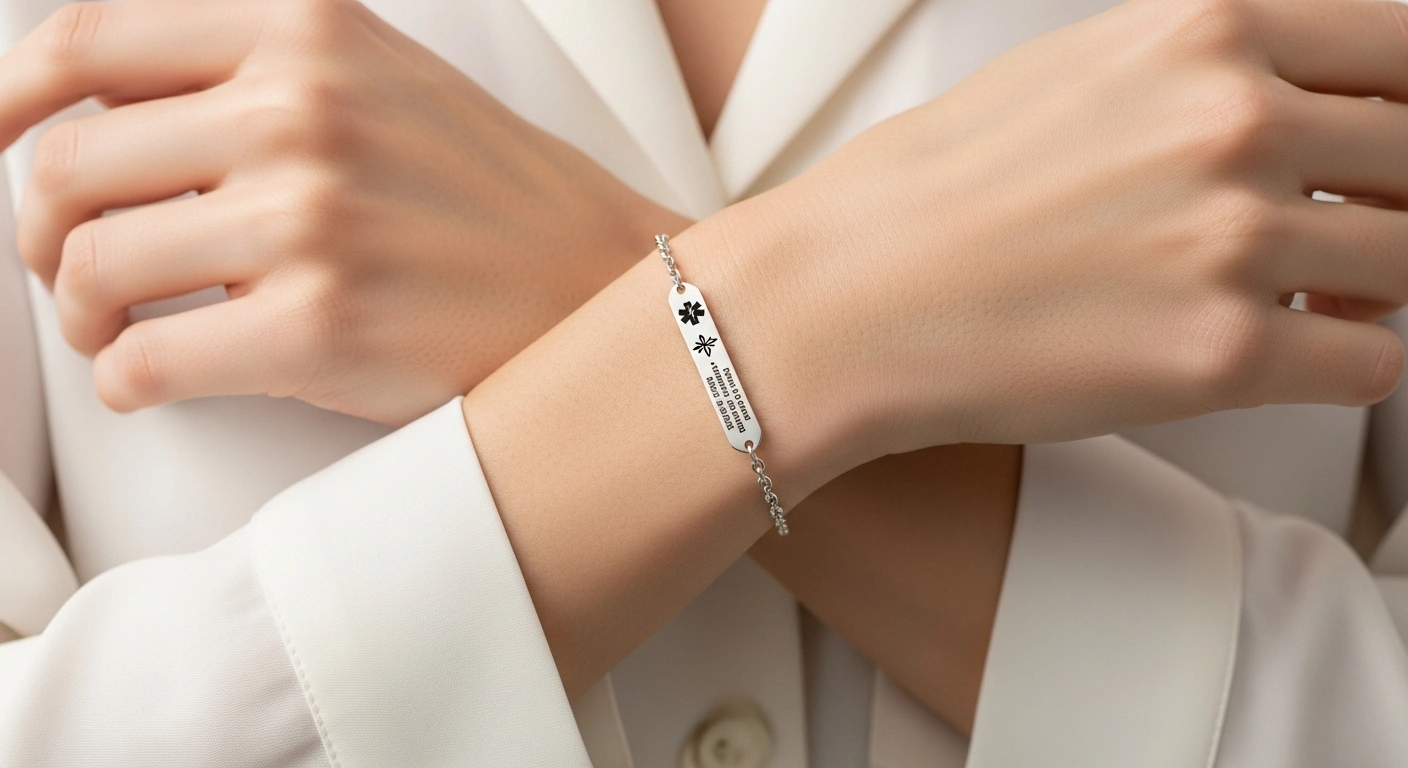
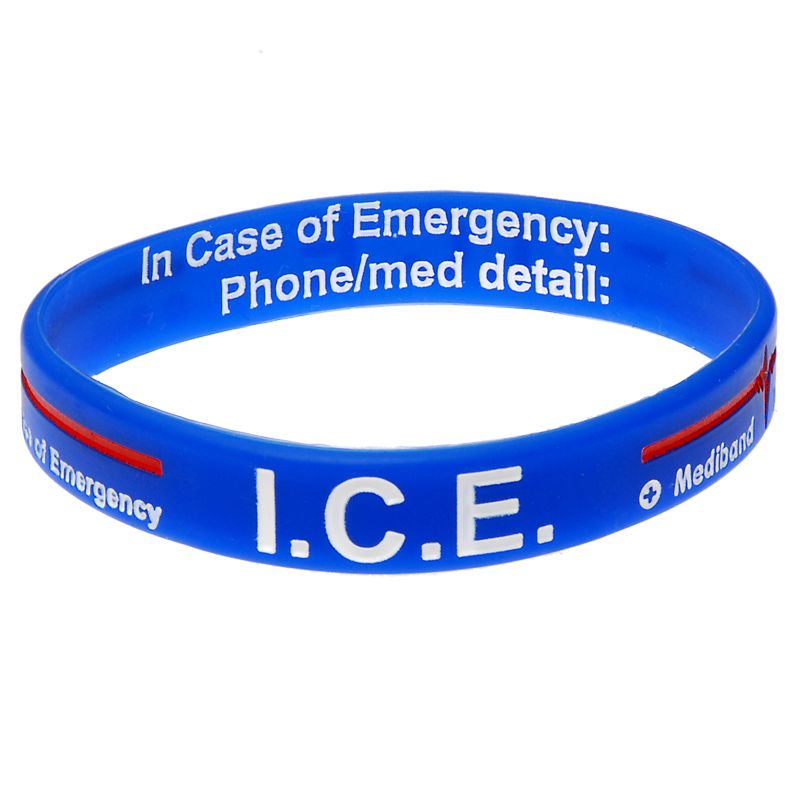
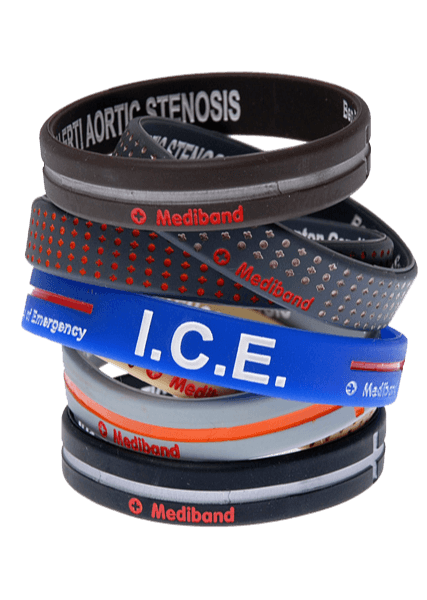
A medical alert ID is a wearable or portable form of identification that communicates critical health information. The most common form is a bracelet, but pendants, anklets, shoe tags, and wallet cards all serve a similar function. The information engraved or printed on a medical alert ID typically includes the wearer's primary medical condition, any medications or drug allergies, emergency contact details, and special instructions for first responders.
Medical alert IDs have been used in clinical and emergency settings for decades. The concept was pioneered in the 1950s when a physician recognised that his patients with adrenal insufficiency were dying in emergencies because responders did not know to administer corticosteroids. Today, the range of conditions for which medical alert IDs are recommended has expanded enormously.
According to the World Health Organization, noncommunicable diseases — including cardiovascular conditions, diabetes, respiratory diseases, and neurological disorders — account for approximately 74% of all deaths globally each year. The sheer scale of chronic illness worldwide makes medical alert IDs a public health tool, not just a personal accessory.
Why Chronic Conditions Make Medical Alert IDs Essential
People living with chronic conditions face a unique risk during emergencies: their underlying health status can change the entire course of emergency treatment. A standard medication that is safe for most patients could be dangerous or fatal for someone on anticoagulants, with severe allergies, or with a hormone disorder. Without visible identification, even highly trained paramedics may inadvertently cause harm.
Here are some of the most common scenarios where a medical alert ID directly affects patient outcomes:
Diabetes and Hypoglycaemia
A person experiencing a hypoglycaemic episode may appear confused, uncoordinated, or unconscious. Without a medical alert ID, these symptoms can be mistaken for intoxication or a psychiatric episode, delaying the glucose administration that could rapidly reverse the emergency. Research consistently shows that rapid identification of diabetes significantly improves pre-hospital care outcomes.
Epilepsy and Seizure Disorders
When someone has a seizure in a public place, bystanders and paramedics need to know immediately whether this is a known condition or a first-time event — because the response differs. A person with diagnosed epilepsy who has a typical seizure lasting under five minutes may not require hospitalisation, while a first seizure always warrants urgent investigation. A medical alert bracelet with epilepsy information guides this decision-making instantly.
Severe Allergies and Anaphylaxis
Anaphylaxis is a life-threatening allergic reaction that can escalate within minutes. Knowing a patient is allergic to penicillin, latex, or contrast dye before administering emergency treatment is critical. An allergy medical ID bracelet communicates this information without the patient needing to speak.
Blood Thinners and Clotting Disorders
Patients taking anticoagulants like warfarin or direct oral anticoagulants face significantly increased bleeding risk. If injured in an accident, this information must be communicated to emergency staff immediately so that clotting agents are not withheld and surgical procedures are approached with appropriate caution.
Heart Conditions and Implanted Devices
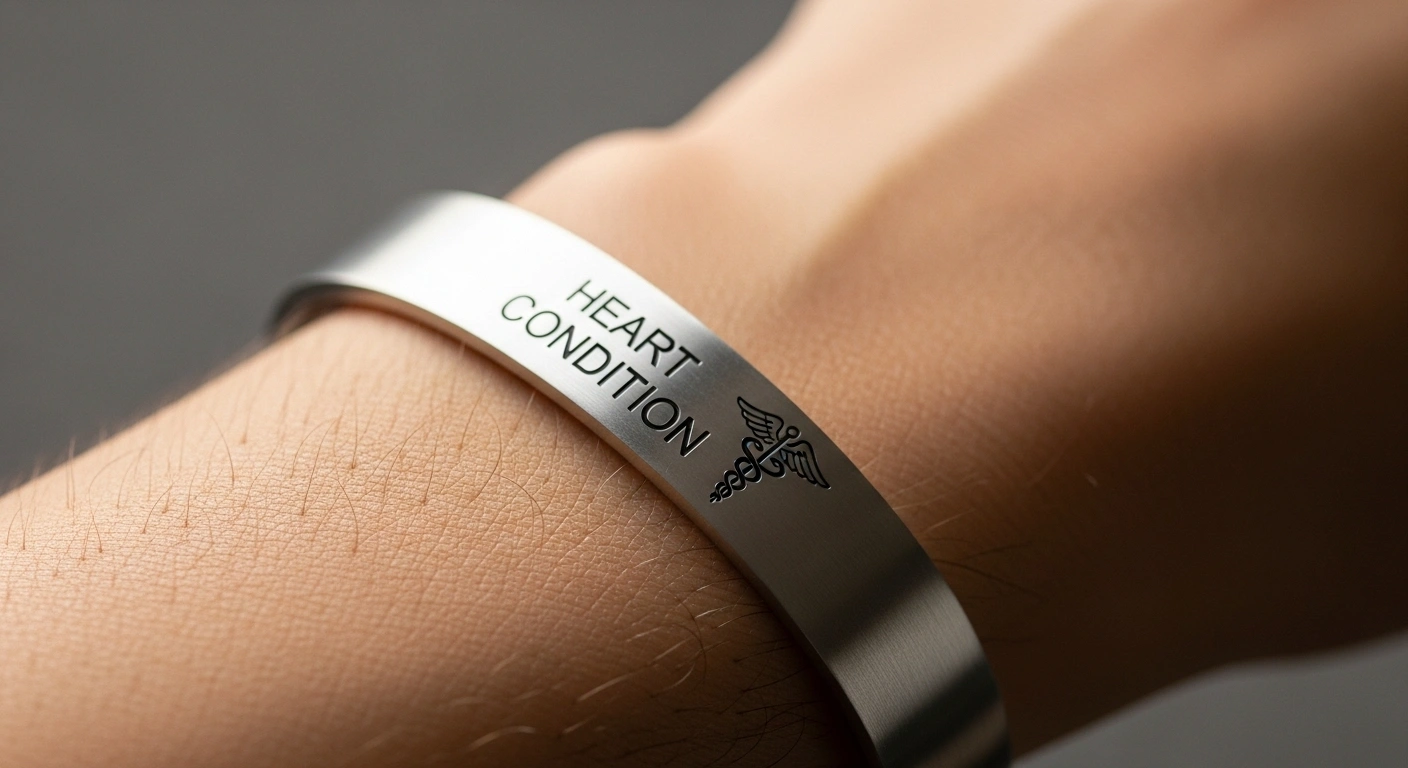
People with pacemakers, implantable defibrillators, or complex cardiac histories need their care team to know before certain diagnostic equipment or medications are used. A medical alert ID can flag the presence of a device and prompt the right questions before treatment begins.
What Information Should a Medical Alert ID Include?
The most effective medical alert IDs are clear, concise, and immediately readable. Overcrowding an ID with too much text can make it harder to use in an emergency. Recommended information includes:
- Primary condition: The most critical diagnosis (e.g. Epilepsy, Type 1 Diabetes, Anaphylaxis)
- Drug allergies: Any known medication or substance allergies
- Current medications: Particularly those that affect emergency treatment (e.g. warfarin, insulin)
- Emergency contact: A name and phone number of someone who can provide more detail
- Special instructions: For example, "Do not use latex gloves" or "Carries EpiPen"
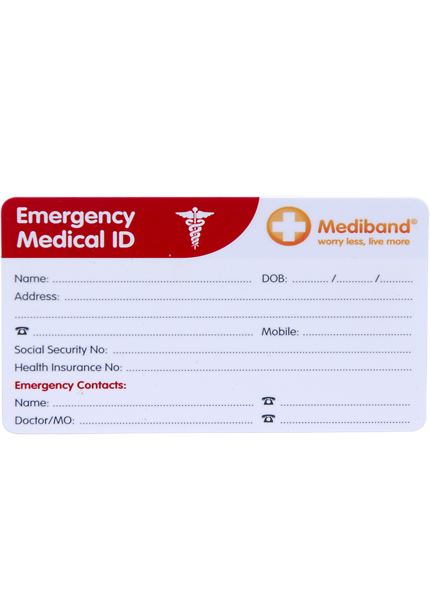
For conditions with variable detail — such as multiple allergies or a complex medication list — a medical wallet card works well as a companion to a bracelet, providing extended space for additional information.
The Difference Between Pre-Engraved and Write-On Medical Alert Bracelets
There are two primary categories of medical alert bracelets: those that come pre-engraved with a specific condition (such as "Epilepsy Alert" or "Diabetes Alert"), and those that allow the wearer to write in their own information. Each has advantages:
Pre-engraved bracelets are ideal for people with a single, well-defined primary condition. They offer professional, permanent identification that cannot smear or fade. Because the information is fixed, there is no ambiguity about what the bracelet says.
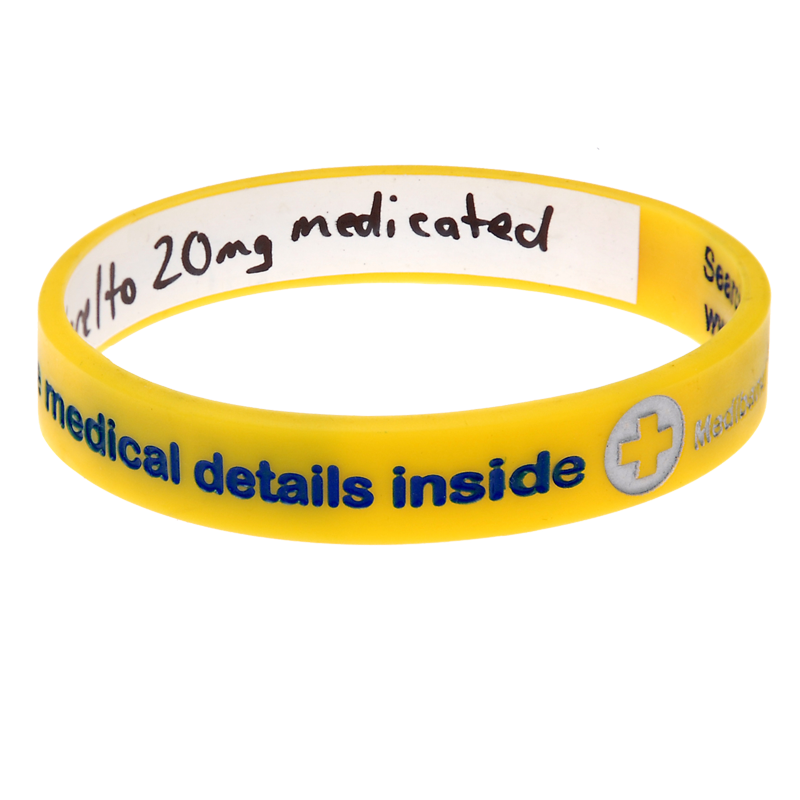
Write-on bracelets are more flexible, making them ideal for people with multiple conditions, changing medications, or those who want to update their information regularly without replacing the bracelet. The reversible write-on medical bracelet allows information on both sides, effectively doubling the available space.
Who Should Wear a Medical Alert ID?
Medical professionals, including the American Medical Association and emergency medicine specialists worldwide, recommend medical alert IDs for anyone with a condition that could affect emergency treatment. This includes:
- Type 1 and Type 2 diabetes
- Epilepsy and other seizure disorders
- Severe food, drug, or insect allergies
- Anaphylaxis with EpiPen prescription
- Anticoagulant therapy (warfarin, rivaroxaban, apixaban)
- Heart conditions and implanted cardiac devices
- Adrenal insufficiency / Addison's disease
- Asthma requiring specific rescue medications
- Autism spectrum disorder, dementia, or cognitive conditions
- Kidney disease requiring dialysis
A 2019 study published in the Journal of Emergency Medicine found that patients who wore medical identification experienced faster diagnosis times and fewer adverse medication events in emergency settings. The benefit is well documented — the barrier is simply awareness and habit.
Making Medical Alert IDs a Daily Habit
The most common reason people do not benefit from a medical alert ID they own is inconsistent wear. A bracelet in a bedside drawer provides no protection. The goal is to find an ID that is comfortable enough to wear consistently — during exercise, sleep, and everyday activities.
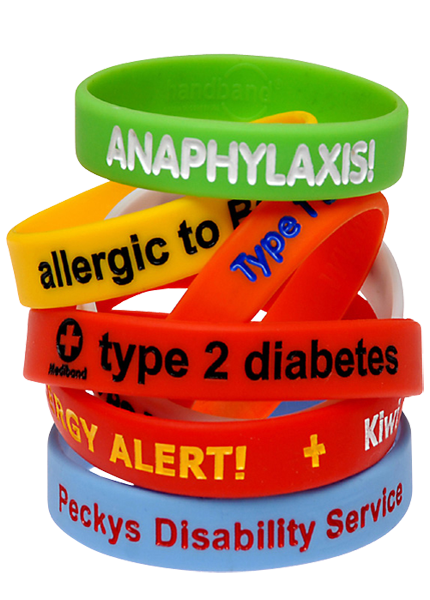
Silicone and rubber bracelets are lightweight, waterproof, and suitable for active wear. Stainless steel options like the classic stainless steel medical bracelet offer a durable, professional look suited to workplace and formal settings. Reversible designer options allow wearers to switch between designs while retaining the same medical information.
For children and older adults who may resist wearing a bracelet, wallet cards and pendant-style IDs can serve as practical alternatives. The important thing is that the information is with the person, accessible, and legible.
The Role of Medical Alert IDs in Broader Emergency Preparedness
A medical alert ID is one component of a broader emergency preparedness plan for people with chronic conditions. It works alongside:
- Carrying prescribed emergency medications (EpiPen, glucose gel, GTN spray)
- Keeping an updated emergency information card in a wallet or bag
- Sharing health information with trusted contacts, family members, and colleagues
- Registering with local emergency services where such programmes exist
Together, these measures create a safety net that significantly reduces the risk of misdiagnosis or delayed treatment during a medical emergency.
Medical Alert IDs for Chronic Conditions
Choose a bracelet designed for your condition — clear, durable, and worn every day.

Choosing the Right Medical Alert ID for Your Condition
There is no single best medical alert ID — the right choice depends on your condition, lifestyle, and personal preference. When selecting a medical alert ID, consider the following factors:
- Visibility: Bracelets are the most immediately visible to first responders. Choose a style that is unlikely to be covered by a sleeve or removed.
- Durability: The ID should withstand daily wear, water exposure, and physical activity.
- Legibility: Text should be large enough to read quickly. Pre-printed professional text is preferred over handwriting where possible.
- Comfort: A bracelet that is uncomfortable will not be worn consistently. Silicone and slim-profile designs work well for daily use.
Many people choose a combination approach: a bracelet for primary condition identification, paired with a medical wallet card for extended information including medication lists, doctor contacts, and treatment preferences.
Wearing a medical alert ID is a simple, low-cost action that can make a profound difference in the outcome of a health emergency. For anyone managing a chronic condition, it is not optional — it is essential.
Frequently Asked Questions
What should I put on my medical alert ID?
Include your primary condition, any drug allergies, key medications (especially those that affect emergency treatment), and an emergency contact number. Keep it concise — the most critical information should be visible at a glance. A companion wallet card can hold additional detail.
Are medical alert IDs recognised by emergency services?
Yes. Paramedics, emergency nurses, and hospital staff are trained to check for medical alert identification on patients who cannot communicate. Bracelets worn on the wrist are the most commonly checked location, which is why wrist-worn medical IDs are the most recommended format.
Can I wear a medical alert bracelet in water or during exercise?
Most medical alert bracelets are designed for everyday wear including water exposure. Silicone and stainless steel options are water-resistant and suitable for swimming and exercise. Always check the product specifications for your specific bracelet.
How often should I update the information on my medical alert ID?
Review your medical alert ID information annually, or whenever your diagnosis, medications, or emergency contacts change. Write-on bracelets make it easy to update details without replacing the bracelet. For pre-engraved bracelets, a new bracelet may be needed if your medical status changes significantly.

Share on Facebook

Share on X

Share on Pinterest
Comment(s)
Recent Posts
The Risk Of Not Wearing An Allergy Medical Alert Bracelet
March 23, 2026