The 8 Best Daily Stretches for Flexibility, Pain Relief, and Better Health
July 14, 2020

Why a Daily Stretching Routine Makes a Measurable Difference
Flexibility declines with age — a fact most people notice too late. By the age of 40, muscle mass and joint mobility both decrease measurably without active intervention. Research published in the Journal of Physical Activity and Health (2020) found that just 10 minutes of daily stretching significantly reduces pain, improves posture, and enhances physical performance in adults of all ages. For people managing chronic conditions that affect movement — arthritis, fibromyalgia, multiple sclerosis, or post-surgical recovery — consistent stretching can be genuinely life-changing.
Here are the eight best daily stretches, selected for safety, accessibility, and evidence of benefit across a wide range of fitness levels.
1. Neck Side Stretch
Sit or stand tall. Gently tilt your right ear toward your right shoulder until you feel a stretch down the left side of your neck. Hold for 20–30 seconds, then repeat on the other side. This relieves tension that accumulates from screen use and poor posture, and is safe for almost everyone including those with arthritis or nerve sensitivity.
2. Chest Opener
Stand in a doorway with arms bent at 90 degrees and resting on each side of the frame. Step one foot forward gently until you feel a stretch across the chest and front of the shoulders. Hold for 20–30 seconds. Poor posture causes the chest muscles to shorten over time, contributing to shoulder pain and breathing restriction — particularly relevant for people with asthma or COPD.
3. Child’s Pose
Kneel on the floor, sit back toward your heels, and stretch both arms forward on the floor. Allow your forehead to rest on the surface. Hold for 30–60 seconds while breathing slowly and deeply. This decompresses the lower spine, stretches the hips, and activates the parasympathetic nervous system — particularly helpful for reducing stress-related muscle tension.
4. Hip Flexor Lunge Stretch
Kneel on one knee with the other foot forward in a lunge position. Shift your weight forward gently until you feel a stretch in the front of the hip on the kneeling side. Hold 20–30 seconds and switch sides. Tight hip flexors from prolonged sitting contribute significantly to lower back pain — one of the most common chronic pain complaints globally.
5. Seated Hamstring Stretch
Sit on the floor with one leg straight and one bent. Reach toward the toes of your straight leg until you feel a stretch along the back of the thigh. Hold 20–30 seconds and switch sides. Tight hamstrings are a leading contributor to back pain and reduce the efficiency of everyday movements like climbing stairs or bending.
6. Spinal Twist
Lie on your back with arms out to the sides. Draw one knee toward your chest, then gently guide it across your body toward the floor on the opposite side. Keep both shoulders flat. Hold 20–30 seconds and switch sides. This mobilises the thoracic spine, reduces lower back stiffness, and can significantly relieve the back pain that accompanies many chronic conditions.
7. Standing Calf Stretch
Stand facing a wall with both hands on it for support. Step one foot back about half a metre. Keep the back leg straight and the heel flat on the floor. Lean into the wall until you feel a stretch in the calf. Hold 20–30 seconds and switch. For people with diabetes, regular calf stretching improves circulation in the lower legs — an area particularly prone to complications.
8. Shoulder Cross-Body Stretch
Extend one arm across your body at chest height. Use the opposite hand to gently press the arm toward your chest until you feel a stretch in the back of the shoulder. Hold 20–30 seconds and switch sides. This stretch is particularly useful for people with rotator cuff issues, post-mastectomy restriction, or upper back tension.
Important Safety Notes for People with Chronic Conditions
Stretching is low-risk, but a few precautions apply:
Before You Start
- Always stretch warm muscles, not cold ones — a 5-minute walk beforehand reduces injury risk significantly
- Avoid stretching into sharp pain — mild tension is normal, pain is not
- If you have osteoporosis, joint replacements, or a recent injury, consult your physiotherapist before adding new stretches
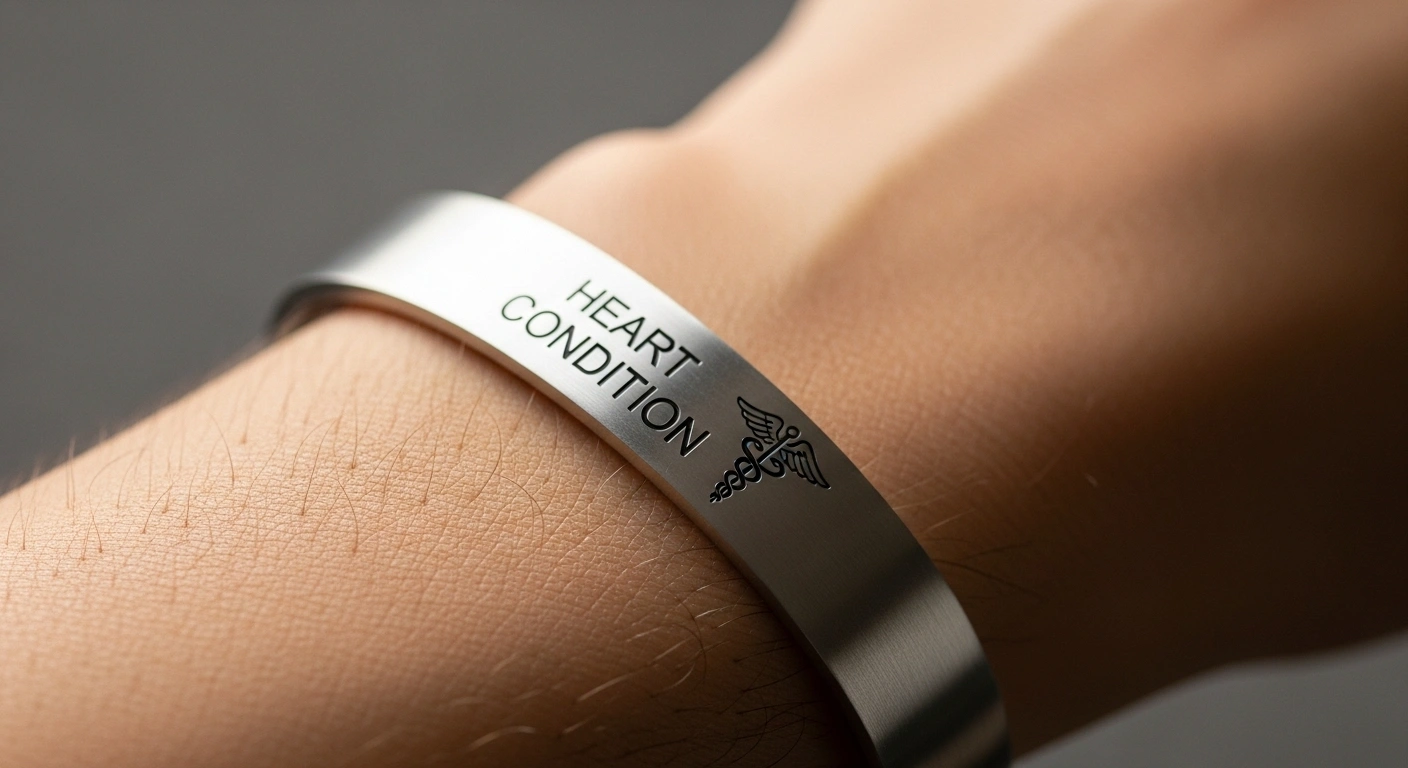
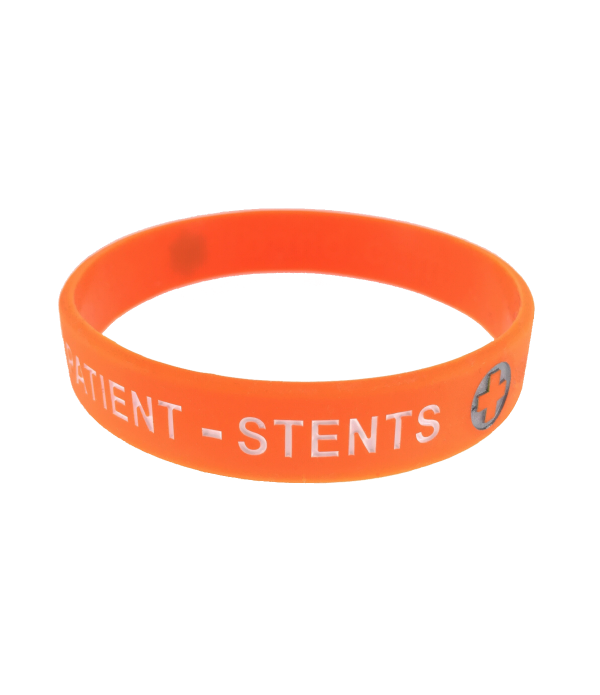
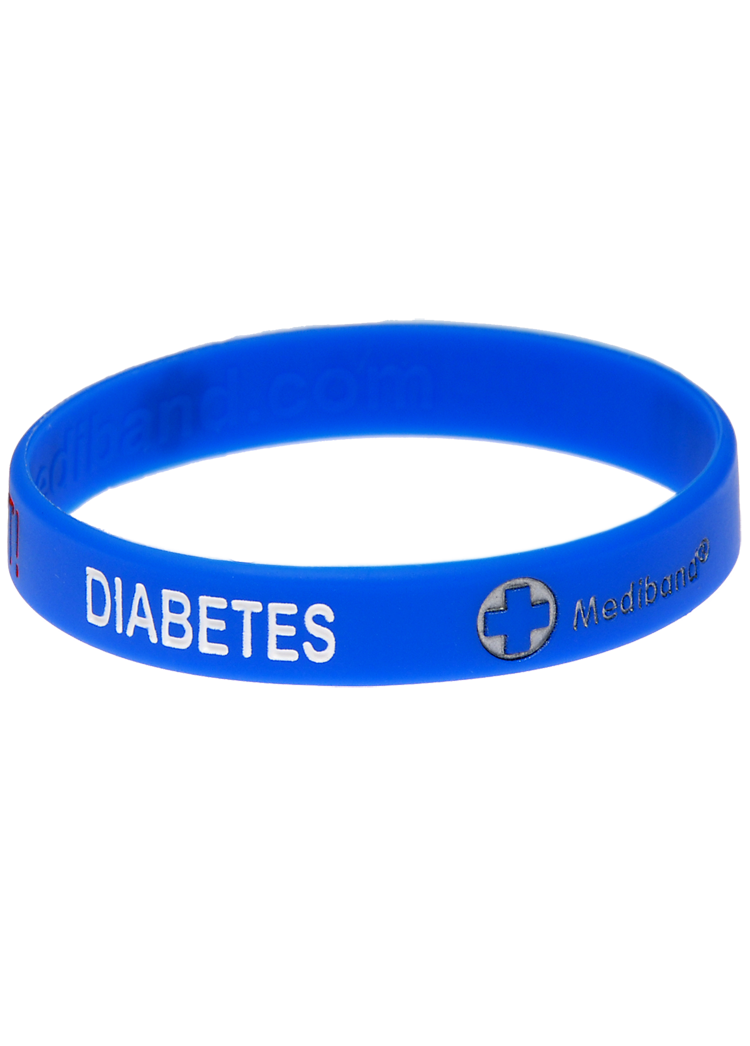
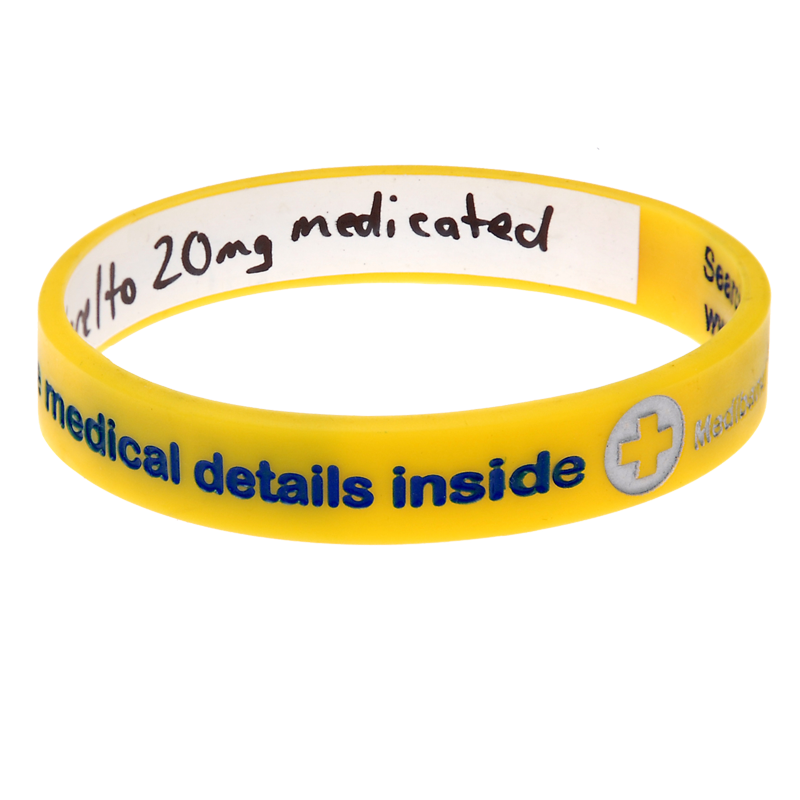
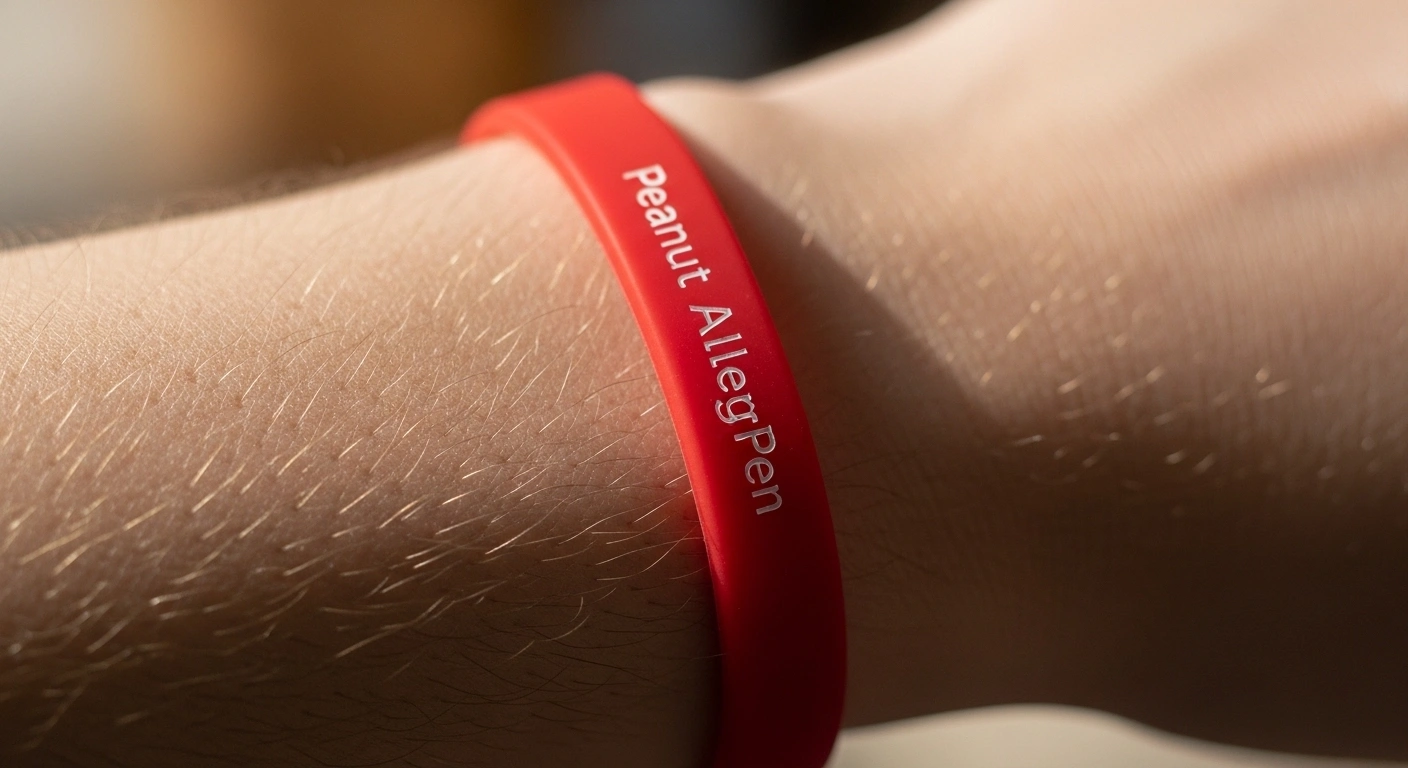
- Wear your medical alert bracelet during any exercise, including stretching, so that if a medical event occurs, bystanders and responders can act appropriately
A 10-minute daily routine covering all eight stretches above provides whole-body mobility work that compounds significantly over weeks and months. Consistency, not intensity, is the key.
Stay Safe During Exercise and Stretching
Your medical ID should be on your wrist every time you work out.



Move Better, Feel Better, Stay Safe
Eight stretches, ten minutes, every day. The cumulative benefit of consistent flexibility work — reduced pain, better posture, improved circulation, and lower injury risk — is one of the best returns on investment in health. Start today, track your progress over four weeks, and you will notice the difference.
And whenever you exercise, make sure your medical alert bracelet is on your wrist. It takes seconds to put on and can make all the difference in an emergency.
Frequently Asked Questions
When is the best time of day to stretch?
Stretching is most effective when muscles are warm, so after light activity or later in the day tends to be ideal. That said, any time is better than none. Morning stretching after a brief warm-up can reduce stiffness and improve mobility throughout the day, while evening stretching can help with muscle relaxation and sleep quality. Consistency matters more than timing.
Can stretching help with chronic pain conditions like fibromyalgia?
Yes, with modifications. Research in the Journal of Pain (2011) found that regular stretching and gentle yoga reduced fibromyalgia symptom severity in participants over eight weeks. The key is to start gently, avoid overstretching, and progress gradually. Working with a physiotherapist experienced in your condition ensures the programme is appropriately tailored.
Is it safe to stretch every day?
For most people, daily stretching is not only safe but beneficial. Unlike strength training, which requires recovery time between sessions, flexibility work generally does not cause the same muscle breakdown and repair cycle. Daily practice accelerates flexibility gains and prevents the stiffness that builds from inactivity. Listen to your body and reduce intensity on days when muscles feel particularly sore or fatigued.
How long before stretching improves flexibility noticeably?
Most people notice measurable improvement in flexibility within three to four weeks of daily stretching, with more significant changes occurring over eight to twelve weeks. Flexibility responds to consistent stimulus over time. A study in the International Journal of Sports Physical Therapy (2012) found that holding stretches for 30 seconds produced better results than shorter durations.

Share on Facebook

Share on X

Share on Pinterest
Comment(s)
Recent Posts


The Risk Of Not Wearing An Allergy Medical Alert Bracelet
March 23, 2026