5 Proven Ways to Stay Healthy in Australia (2025 Guide)
February 20, 2012


Chronic diseases — including heart disease, type 2 diabetes, cancer, and respiratory conditions — account for 9 in 10 deaths in Australia and cost the health system over $27 billion per year (Australian Institute of Health and Welfare, 2023). Yet most chronic diseases are largely preventable through five core lifestyle habits: eating well, exercising regularly, sleeping enough, not smoking, and drinking in moderation.
This guide breaks down exactly what each of these means for Australians in 2025 — with current guidelines, evidence-based tips, and practical steps you can take today. If you already live with a chronic condition, you'll also find guidance on staying safe while managing your health.
1. Eat Well: The Foundation of Good Health in Australia
A healthy diet is the single most effective thing most Australians can do to reduce their risk of chronic disease. The Australian Dietary Guidelines (National Health and Medical Research Council, 2013, updated 2023) recommend building your diet around five food groups: vegetables and legumes, fruit, grains and cereals (mostly wholegrain), lean meats and alternatives, and dairy or alternatives.
The Australian Guide to Healthy Eating
- Fill half your plate with vegetables — aim for 5 serves per day (1 serve = ½ cup cooked or 1 cup raw)
- Choose wholegrain carbohydrates — wholemeal bread, brown rice, oats, and legumes over refined white varieties
- Limit saturated and trans fats — replace butter and processed fats with olive oil, avocado, and nuts
- Reduce ultra-processed foods — packaged snacks, fast food, and sugary drinks should be occasional, not daily
- Stay hydrated — aim for 8 glasses of water per day; more in hot weather or during exercise
- Moderate red and processed meat — no more than 455g cooked red meat per week (Cancer Council Australia)
A diet high in vegetables, legumes, wholegrains, and lean protein is associated with a 30–40% lower risk of developing type 2 diabetes and cardiovascular disease (Australian Institute of Health and Welfare, 2022).
Managing Food Allergies and Dietary Restrictions
If you have a food allergy — to peanuts, tree nuts, dairy, eggs, wheat, seafood, or sesame — eating well becomes more complex. Australia has one of the highest food allergy rates in the world, with around 10% of infants developing a food allergy in their first year (Murdoch Children's Research Institute, 2023).
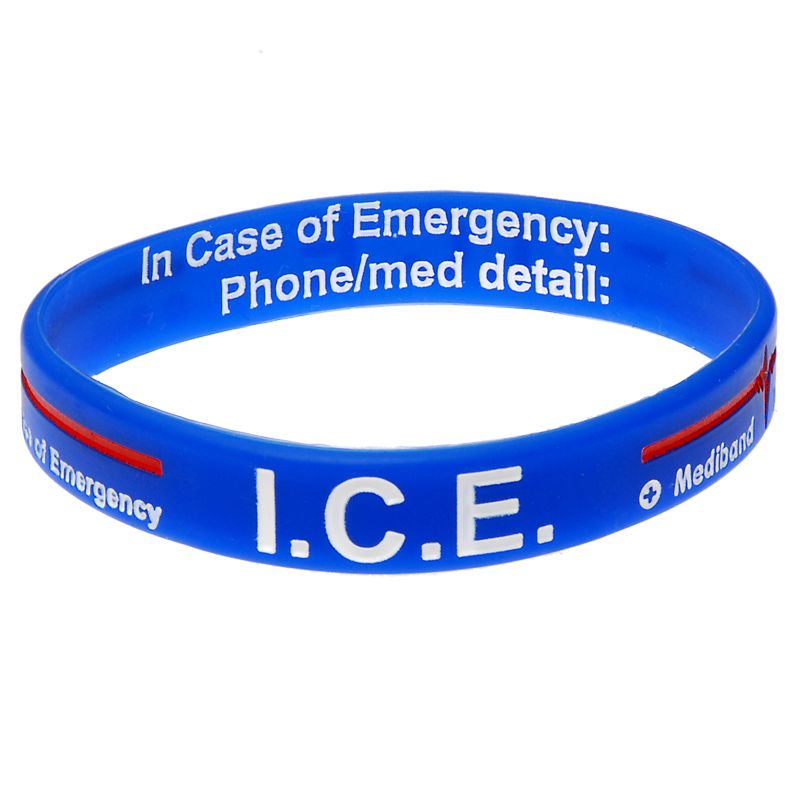
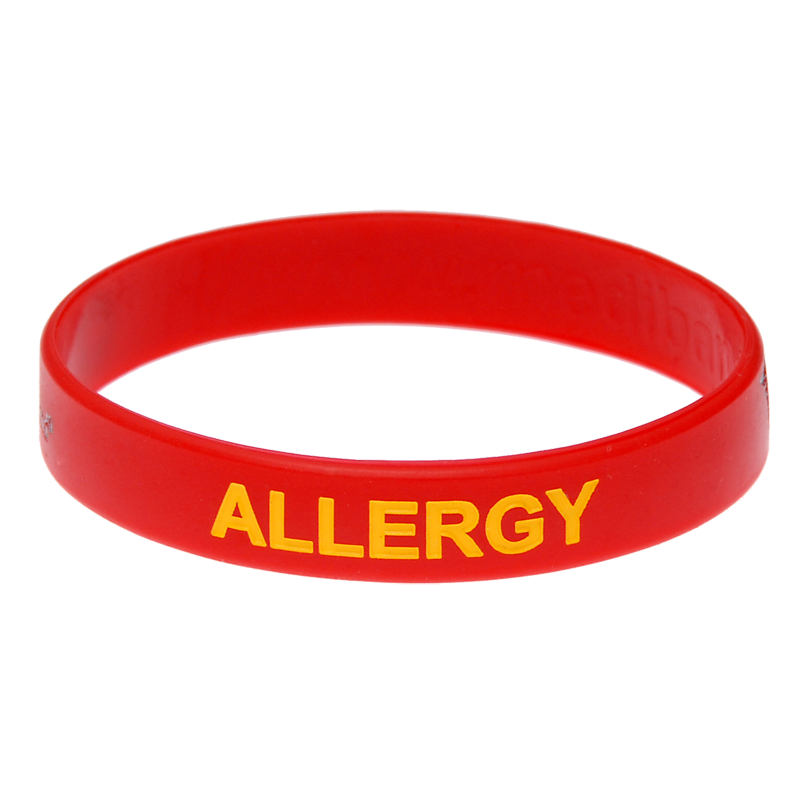
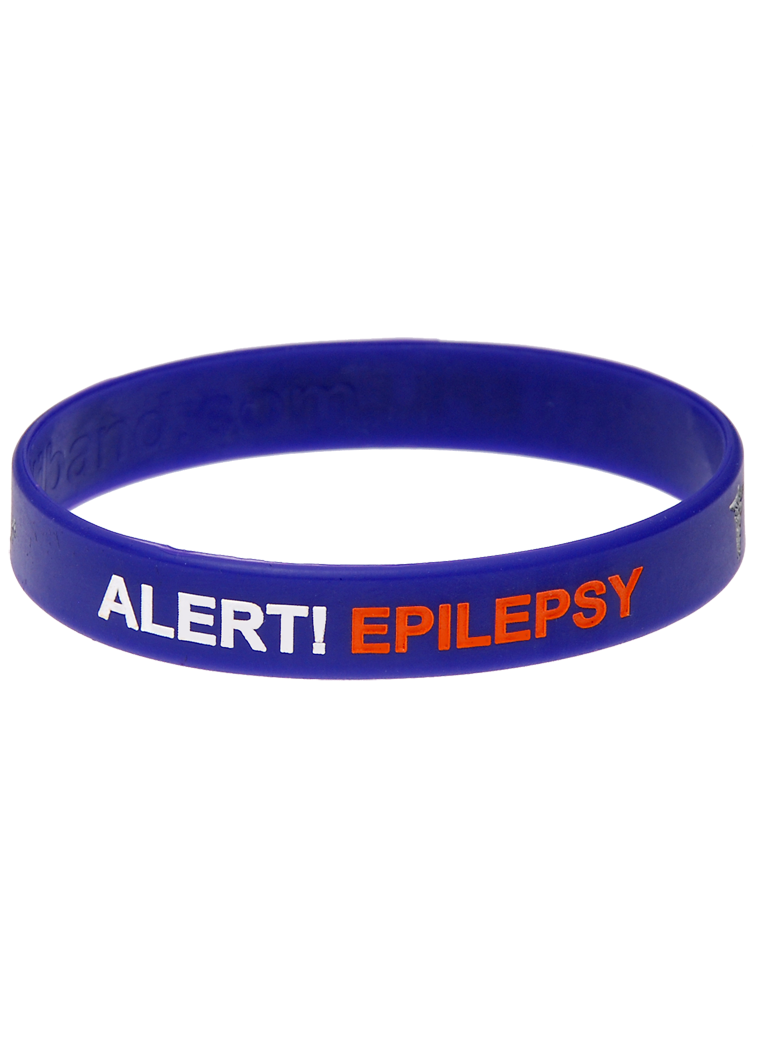
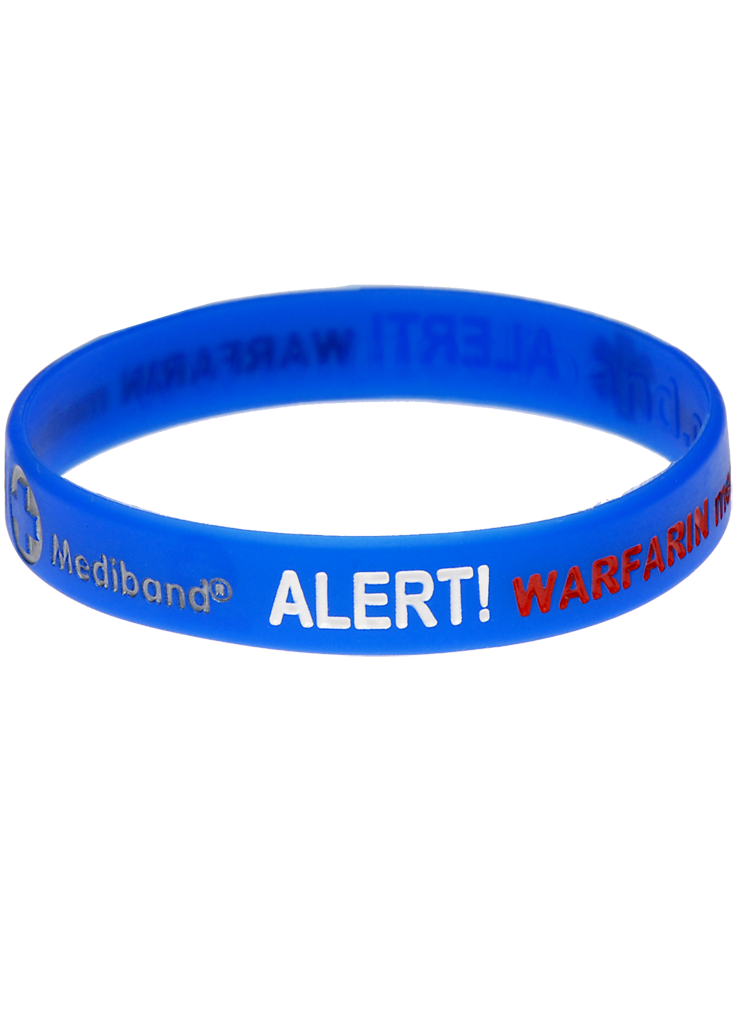
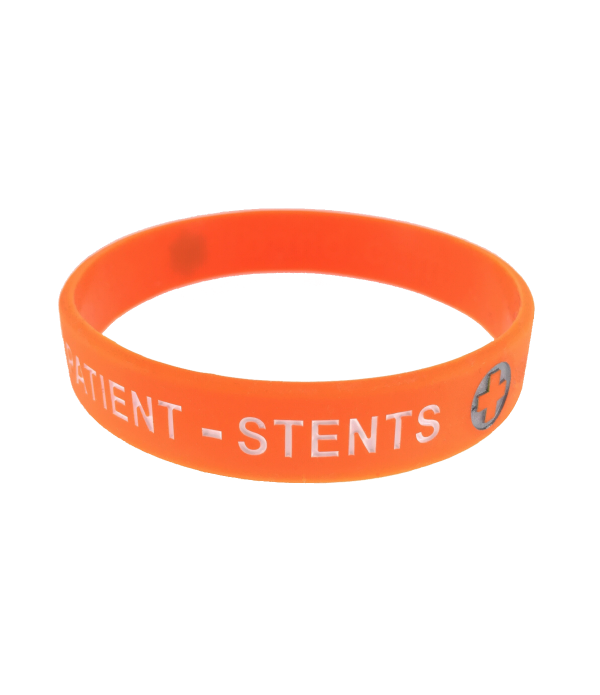
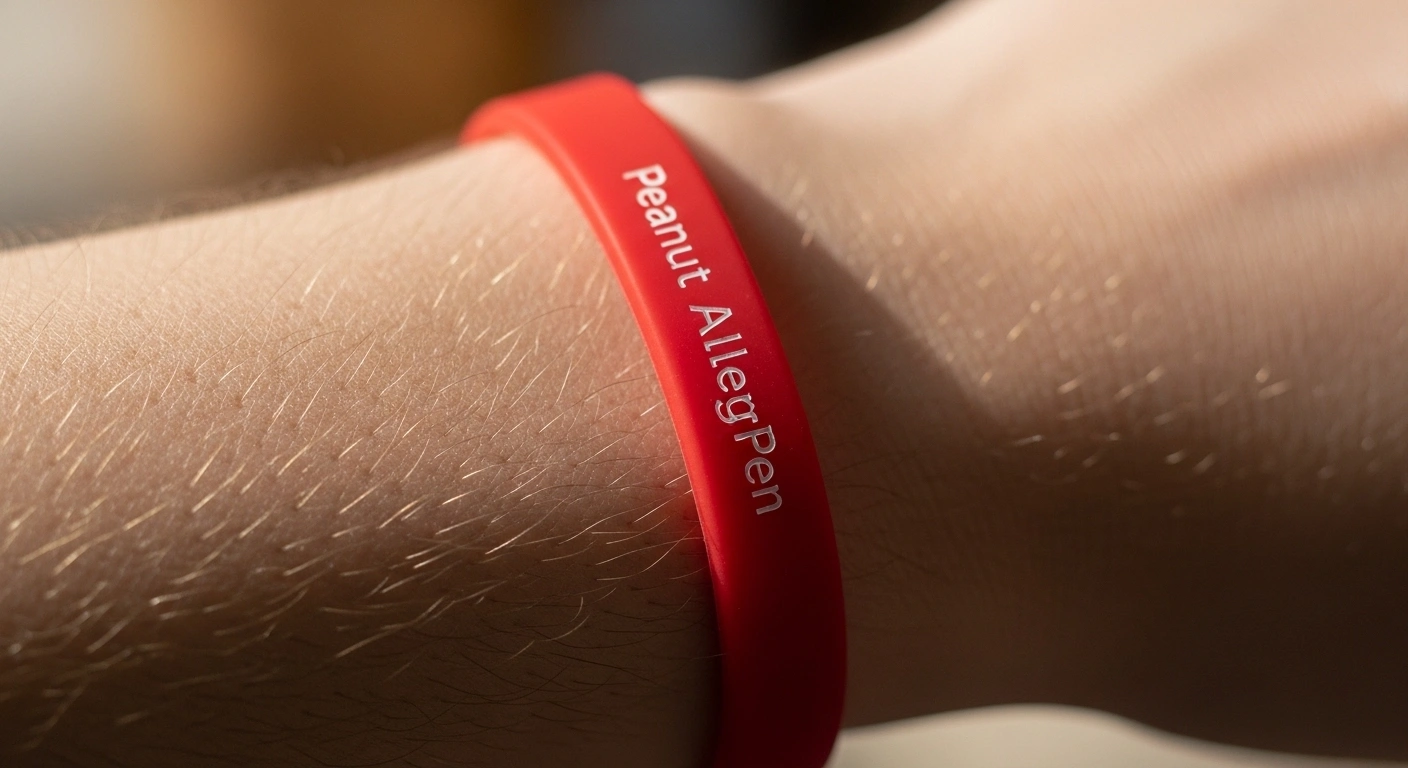
For people with severe food allergies, wearing a medical alert bracelet is as important as managing your diet. In an anaphylactic emergency — whether at a restaurant, at work, or at a social event — your medical alert bracelet communicates your allergy to paramedics and bystanders when you cannot speak for yourself.
Shop Medical Alert Bracelets for Chronic Conditions
Stay safe while staying healthy — a medical ID bracelet ensures emergency responders know your condition instantly.
2. Exercise Regularly: Australia's Physical Activity Guidelines
Physical inactivity is the fourth leading risk factor for death globally (World Health Organization). In Australia, only 1 in 2 adults meets the recommended physical activity guidelines (Australian Bureau of Statistics, 2022). Regular exercise reduces the risk of heart disease, type 2 diabetes, some cancers, depression, and dementia.
How Much Exercise Do Australians Need?
The Australian Physical Activity and Sedentary Behaviour Guidelines (Department of Health, 2021) recommend:
- Adults 18–64: at least 150–300 minutes of moderate-intensity physical activity per week (e.g., brisk walking, cycling, swimming), OR 75–150 minutes of vigorous-intensity activity, OR an equivalent combination
- Muscle-strengthening activities (e.g., weights, bodyweight exercises) at least 2 days per week
- Break up long periods of sitting — get up and move at least every 30 minutes
- Adults 65+: same activity targets, plus balance exercises to prevent falls
You don't need a gym membership. A 30-minute brisk walk five days a week fulfils the weekly target. Walking with a partner, joining a local Parkrun, or cycling to work are all effective options that cost nothing.
Staying Active with a Chronic Health Condition
If you have diabetes, heart disease, epilepsy, or another chronic condition, regular exercise is still strongly recommended — but requires additional precautions:
- Consult your GP or specialist before starting a new exercise program
- For diabetics: monitor blood glucose before and after exercise; carry fast-acting glucose (e.g., glucose tablets) and ensure your exercise partner knows your signs of hypoglycaemia
- For epileptics: swim only with a companion and consider a life jacket in open water; avoid exercising alone in high-risk environments (cliff edges, traffic)
- For cardiac patients: know your target heart rate range and stop exercising if you experience chest pain, shortness of breath, or dizziness
- Always wear your medical alert bracelet during exercise — if you collapse or become unresponsive, first aiders need to know your condition immediately

3. Get Enough Sleep: Why It's a Health Essential
Sleep is one of the most underrated pillars of good health. A lack of sleep is linked to weight gain, weakened immune function, increased risk of type 2 diabetes and cardiovascular disease, anxiety, and depression. Despite this, 1 in 3 Australians regularly gets insufficient sleep (Sleep Health Foundation, 2022).
How Much Sleep Do Australians Need?
- Adults (18–64): 7–9 hours per night
- Older adults (65+): 7–8 hours per night
- Teenagers (14–17): 8–10 hours per night
- School-age children (6–13): 9–11 hours per night
7 Evidence-Based Tips for Better Sleep in Australia
- Set a consistent sleep schedule — go to bed and wake up at the same time every day, including weekends
- Limit screens before bed — blue light from phones and tablets suppresses melatonin production; avoid screens for 30–60 minutes before sleep
- Keep your bedroom cool and dark — the ideal bedroom temperature for sleep is 18–20°C
- Avoid caffeine after 2pm — caffeine has a half-life of 5–6 hours and can delay sleep onset significantly
- Avoid alcohol close to bedtime — while alcohol may help you fall asleep, it reduces sleep quality and disrupts REM sleep
- Exercise regularly — physical activity improves sleep quality, but avoid vigorous exercise within 2 hours of bedtime
- Try relaxation techniques — progressive muscle relaxation, deep breathing, or meditation before bed can significantly reduce the time it takes to fall asleep
If you consistently struggle with sleep despite good sleep hygiene, speak with your GP. Conditions such as sleep apnoea — which affects an estimated 1 in 4 Australian adults (Lung Foundation Australia) — can severely disrupt sleep quality and have serious cardiovascular consequences if left untreated.
4. Don't Smoke: Australia's Biggest Preventable Health Risk
Tobacco smoking remains the leading preventable cause of death and disease in Australia, responsible for approximately 21,000 deaths per year (Australian Institute of Health and Welfare, 2023). Smoking causes or contributes to heart disease, stroke, at least 13 types of cancer, chronic obstructive pulmonary disease (COPD), and type 2 diabetes.
Cigarette smoke contains over 7,000 chemicals, at least 69 of which are known carcinogens — including benzene, formaldehyde, arsenic, and cadmium. It harms nearly every organ in the body.
The good news: Australia has some of the most effective tobacco control policies in the world, including plain packaging, high tobacco taxes, and Quitline (13 7848) — a free telephone counselling service for Australians who want to quit. Your GP can also prescribe Nicotine Replacement Therapy (patches, gum, lozenges) or medications like varenicline (Champix) that significantly improve quit rates.
If you smoke, quitting is the single most impactful health improvement you can make. Within 20 minutes of quitting, blood pressure and heart rate begin to drop. Within a year, your risk of coronary heart disease halves.
5. Drink Alcohol in Moderation: The NHMRC Guidelines
Alcohol is a factor in more than 5,500 Australian deaths and 157,000 hospitalisations each year (Australian Institute of Health and Welfare, 2023). The National Health and Medical Research Council (NHMRC) Australian Guidelines to Reduce Health Risks from Drinking Alcohol (2020) now recommend:
- To reduce the risk of alcohol-related harm, healthy adults should drink no more than 10 standard drinks per week and no more than 4 standard drinks on any single day
- For people under 18 or pregnant women: no alcohol is safe
- One Australian standard drink contains 10g of pure alcohol (e.g., one 285ml glass of mid-strength beer, 100ml of wine, or a 30ml shot of spirits)
Note that the 2020 NHMRC guidelines are more conservative than previous versions — older research suggesting a "safe" daily glass of wine has been superseded by updated evidence showing even moderate alcohol consumption increases cancer risk, particularly breast and bowel cancer.
Protecting Your Health with a Medical Alert Bracelet
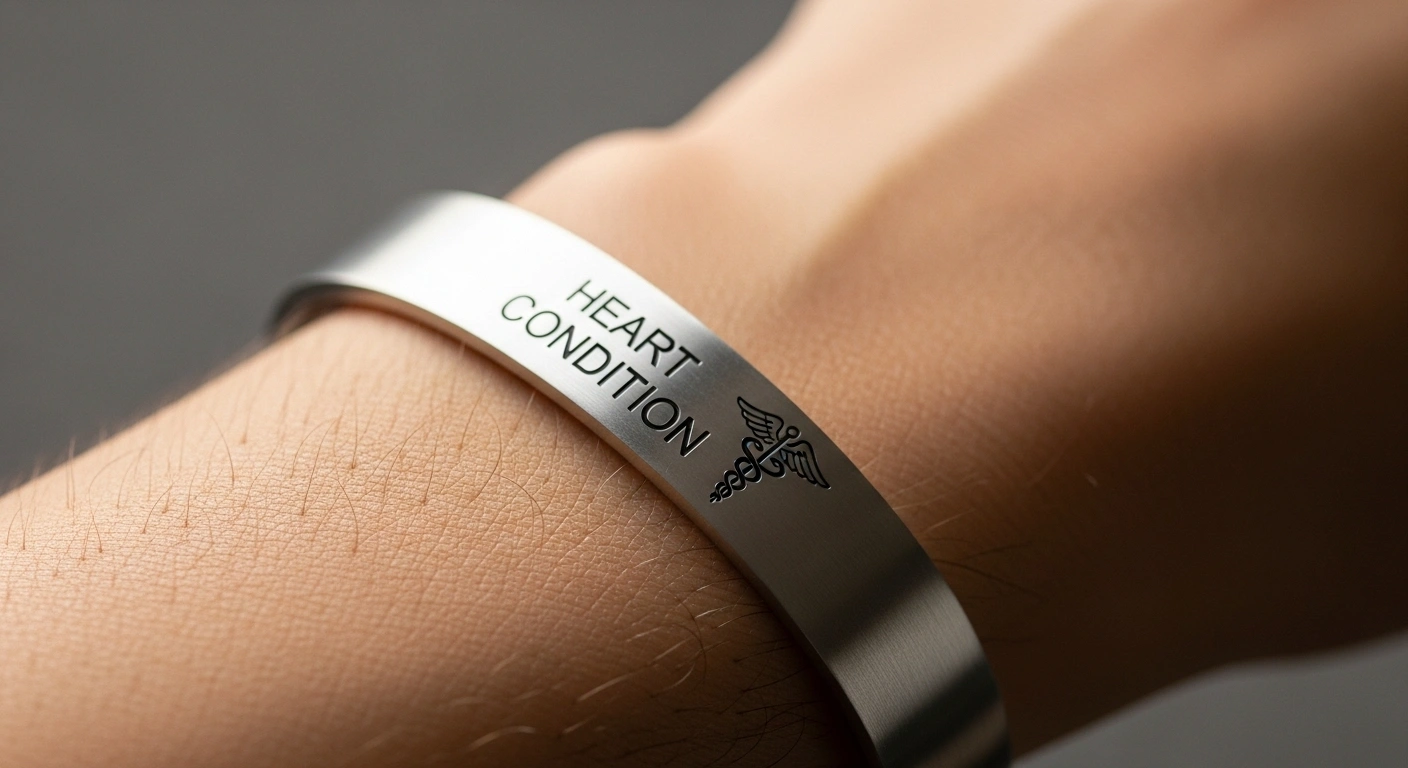
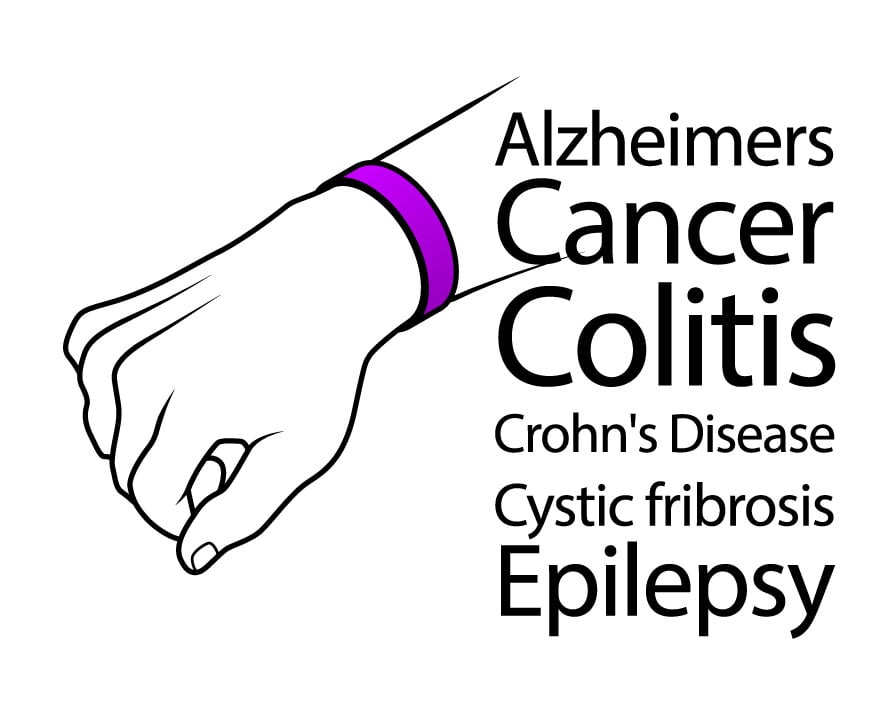
Following the five habits above will significantly reduce your risk of developing a chronic disease. But if you already live with a health condition — whether diabetes, heart disease, epilepsy, a food allergy, or a medication requirement — wearing a medical alert bracelet is an essential part of managing that condition safely.
In an emergency where you are unable to communicate — whether from a diabetic episode, a seizure, an allergic reaction, or an accident — your medical alert bracelet tells paramedics and emergency room staff:
- What your condition is
- What medications you take or are allergic to
- How to treat you safely
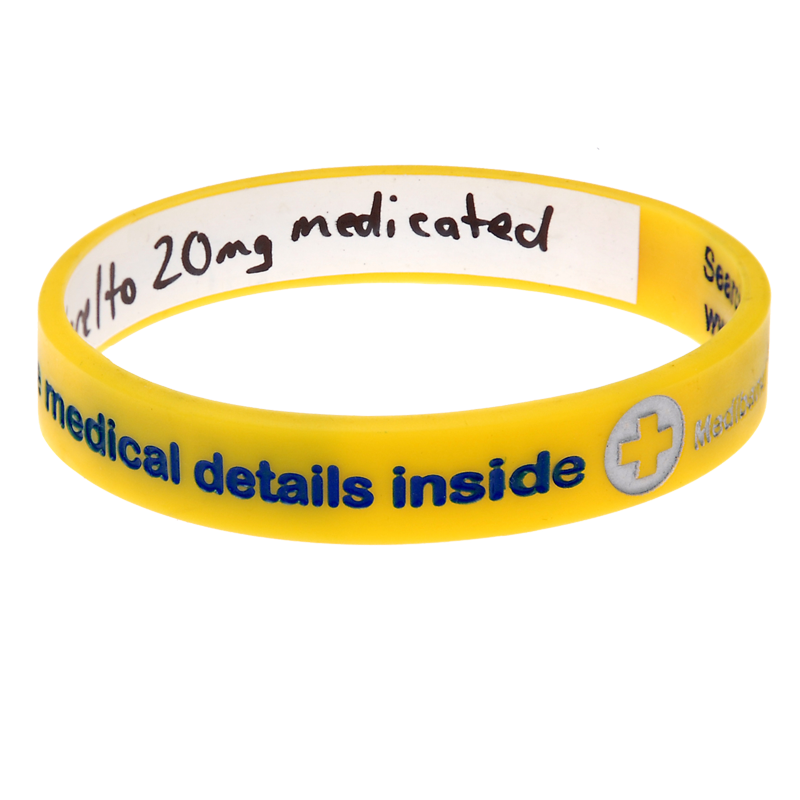
Mediband's range covers over 100 medical conditions in silicone, stainless steel, and designer styles — for adults and children. Bracelets are available in condition-specific prints (e.g., Diabetes, Epilepsy, Penicillin Allergy) and in reversible write-on styles where you can write your specific details yourself.

Frequently Asked Questions
What are the 5 most important things you can do to stay healthy?
The five most important evidence-based habits for staying healthy are: (1) eating a balanced diet rich in vegetables, wholegrains, and lean protein; (2) exercising for at least 150 minutes of moderate activity per week; (3) sleeping 7–9 hours per night; (4) not smoking; and (5) drinking alcohol within the NHMRC guidelines of no more than 10 standard drinks per week. Together, these habits reduce the risk of most chronic diseases including heart disease, type 2 diabetes, stroke, and many cancers.
How much exercise should Australians do each week?
The Australian Physical Activity Guidelines recommend that adults aged 18–64 do at least 150–300 minutes of moderate-intensity physical activity per week (such as brisk walking, cycling, or swimming), or 75–150 minutes of vigorous activity. Adults should also do muscle-strengthening activities at least twice a week. Breaking up long periods of sitting is also recommended — getting up and moving at least every 30 minutes.
How much sleep do adults need in Australia?
Adults aged 18–64 need 7–9 hours of sleep per night, according to Australian and international sleep guidelines. Older adults (65+) typically need 7–8 hours. Consistently sleeping less than 7 hours is associated with increased risk of obesity, heart disease, type 2 diabetes, and mental health conditions. If you regularly struggle to get enough sleep, speak with your GP — conditions like sleep apnoea may be a contributing factor.
Should people with chronic conditions wear a medical alert bracelet?
Yes. If you live with diabetes, epilepsy, a heart condition, a severe food or drug allergy, or any condition that could affect your emergency treatment, wearing a medical alert bracelet is strongly recommended. It ensures that paramedics, emergency room staff, and bystanders know your medical situation immediately — even if you are unconscious or unable to speak. Mediband offers condition-specific and write-on bracelets for adults and children in a wide range of styles.
What are the NHMRC guidelines for alcohol in Australia?
The 2020 NHMRC Australian guidelines recommend that healthy adults drink no more than 10 standard drinks per week and no more than 4 standard drinks on any single day to reduce the risk of alcohol-related harm. The guidelines also state that no amount of alcohol is safe for people under 18 or for pregnant women. One Australian standard drink contains 10 grams of pure alcohol.

Share on Facebook

Share on X

Share on Pinterest
Comment(s)
Recent Posts

The Risk Of Not Wearing An Allergy Medical Alert Bracelet
March 23, 2026