What to Do in a Medical Emergency: 5 Essential Steps (Australia)
February 28, 2012
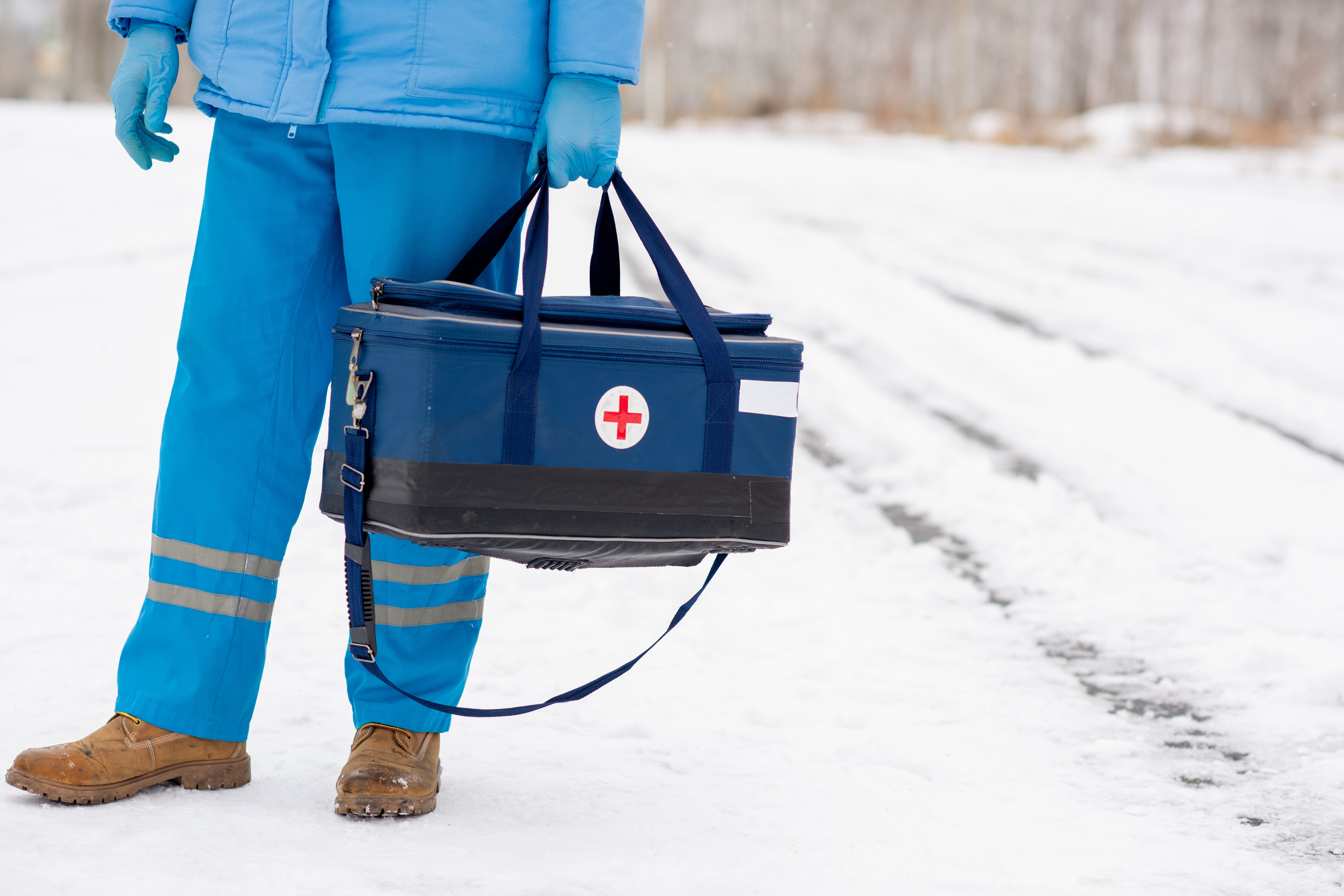
Every day, approximately 70 Australians suffer an out-of-hospital cardiac arrest — that is more than 26,000 per year (Australasian Resuscitation Outcomes Consortium, 2022). Without bystander action, only 7% survive. When a bystander performs CPR and uses a defibrillator before paramedics arrive, survival rates climb to 63% (Ambulance Victoria, 2025). With median ambulance response times exceeding 10 minutes in most Australian cities, the bystander at the scene is often the most important person in the room. Knowing what to do — and doing it quickly — can be the difference between life and death.
Why the First Few Minutes of a Medical Emergency Matter Most
Australian ambulance services respond to more than 4.5 million incidents per year, with nearly half classified as emergency priority (Productivity Commission, 2026). But even in metropolitan areas, paramedics take an average of 10 to 18 minutes to arrive at a Code 1 emergency. During that window, bystanders are the only help available.
Most people feel paralysed when they witness a medical emergency. The adrenaline response — while natural — can make you freeze. The five steps below give you a clear, simple framework that cuts through the panic and tells you exactly what to do, in the right order, from the moment something goes wrong.
Step 1 — Check for Danger and Assess the Scene
Your first instinct may be to rush to the person in distress. Resist it. If you become a second victim — by running into traffic, touching an electrical hazard, or entering an unsafe structure — you make the situation worse and delay help for everyone. Before you move, stop for five seconds and look.
Use the DRSABCD Framework
DRSABCD is the Australian standard emergency action sequence, taught by St John Ambulance, the Red Cross, and all major first aid providers:
- D — Danger: Is the scene safe for you, bystanders, and the patient?
- R — Response: Is the person conscious? Tap their shoulders and call their name loudly.
- S — Send for help: Call Triple Zero (000) or direct someone specific to call immediately.
- A — Airway: Is the airway clear? Tilt the head back gently and lift the chin.
- B — Breathing: Look, listen and feel for normal breathing for up to 10 seconds.
- C — CPR: If not breathing normally, begin cardiopulmonary resuscitation.
- D — Defibrillation: Attach an AED as soon as one is available.
Once you have confirmed the scene is safe, move to Step 2 without delay.
Step 2 — Call Triple Zero (000) Without Delay
Triple Zero (000) is Australia’s emergency number for ambulance, police, and fire. Call it as soon as you have confirmed the scene is safe — or direct a specific bystander to call while you begin first aid. Do not assume someone else has called. Point directly at a person and say: “You — call 000 now.”
What to Tell the 000 Operator
The operator will guide you through what to do. Be ready to provide:
- Your exact location — street number, street name, suburb, and any visible landmarks. This is the most critical piece of information you can give.
- What has happened and how many people need help
- Whether the person is conscious and breathing
- Any known medical conditions, medications, or allergies (check for a medical alert bracelet — see Step 4)
Keep the operator on the line. They can provide real-time instructions for CPR, bleeding control, and positioning, and they will guide responding paramedics directly to you.
Step 3 — Begin First Aid
Once 000 has been called, act on what you find. You do not need a first aid certificate to help — the operator will guide you, and doing something is almost always better than doing nothing.
If the Person Is Unconscious and Breathing
Place them in the recovery position: roll them gently onto their side, support the head, and bend the top knee forward to stabilise them. This keeps the airway open and prevents choking if they vomit. Stay with them and monitor their breathing until paramedics arrive.
If the Person Is Not Breathing — Begin CPR
Place the heel of your hand on the centre of the chest (lower half of the breastbone), place your other hand on top, and press down firmly and quickly: 30 compressions at a rate of 100–120 per minute, then 2 rescue breaths if you are trained and willing. If not comfortable with rescue breaths, compression-only CPR is effective and recommended. Continue until the person shows signs of life, an AED is attached, or paramedics take over.
Medical Alert Bracelets — Give Paramedics the Information They Need
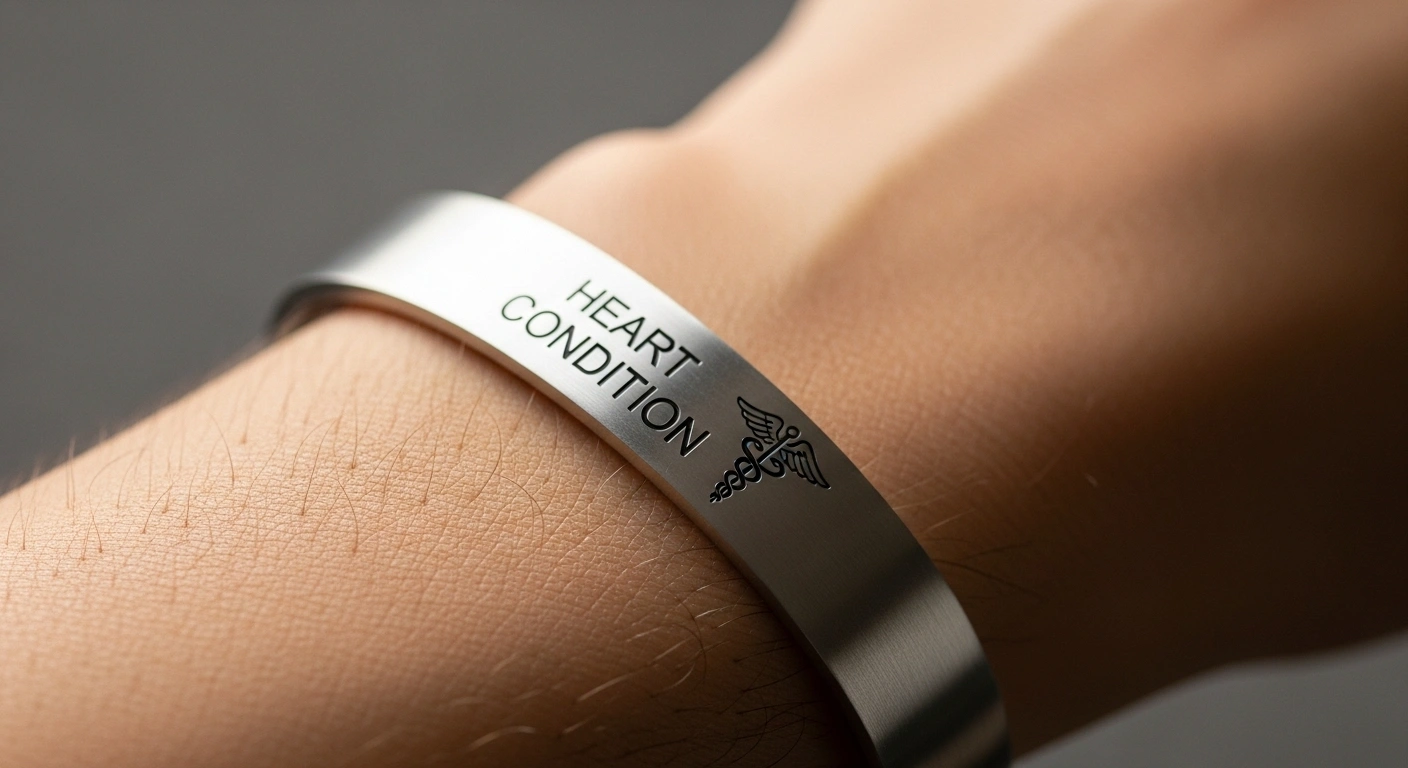
In an emergency, a medical ID communicates your condition instantly — even when you can’t speak.


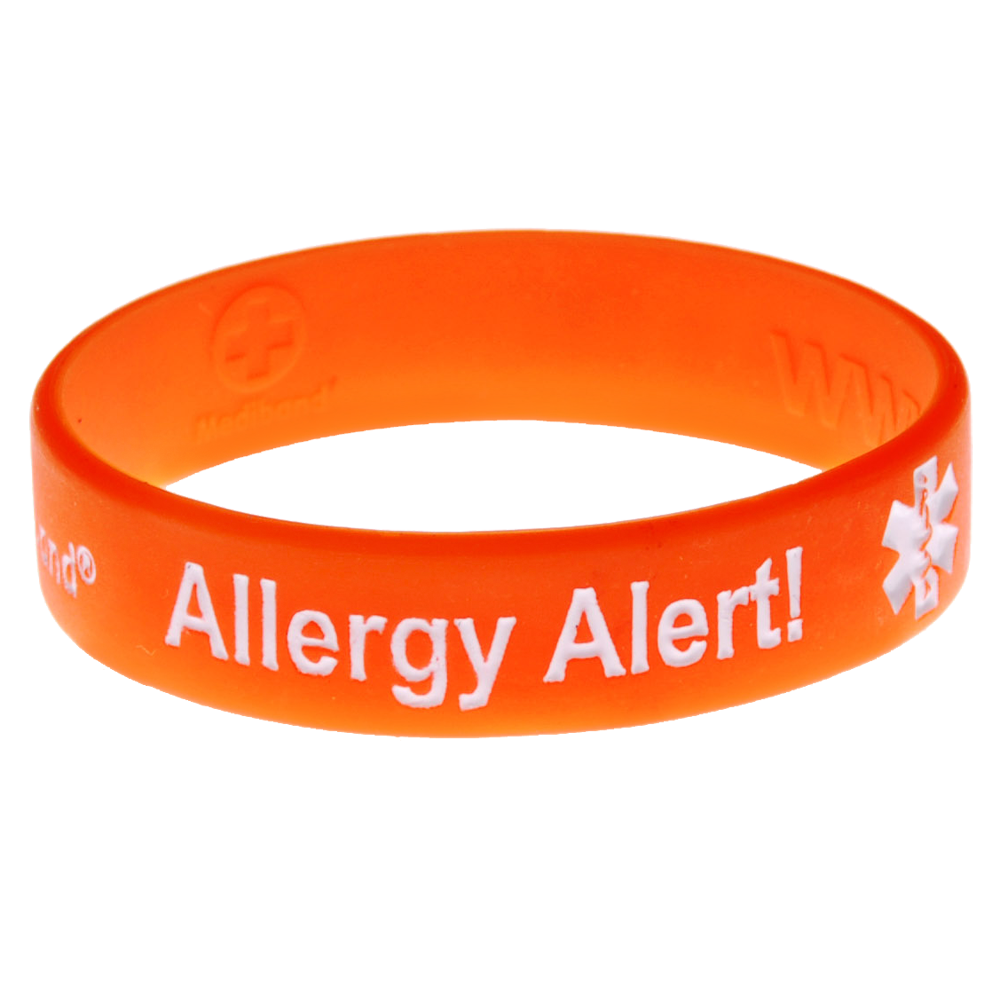
Step 4 — Check for a Medical Alert Bracelet or ID
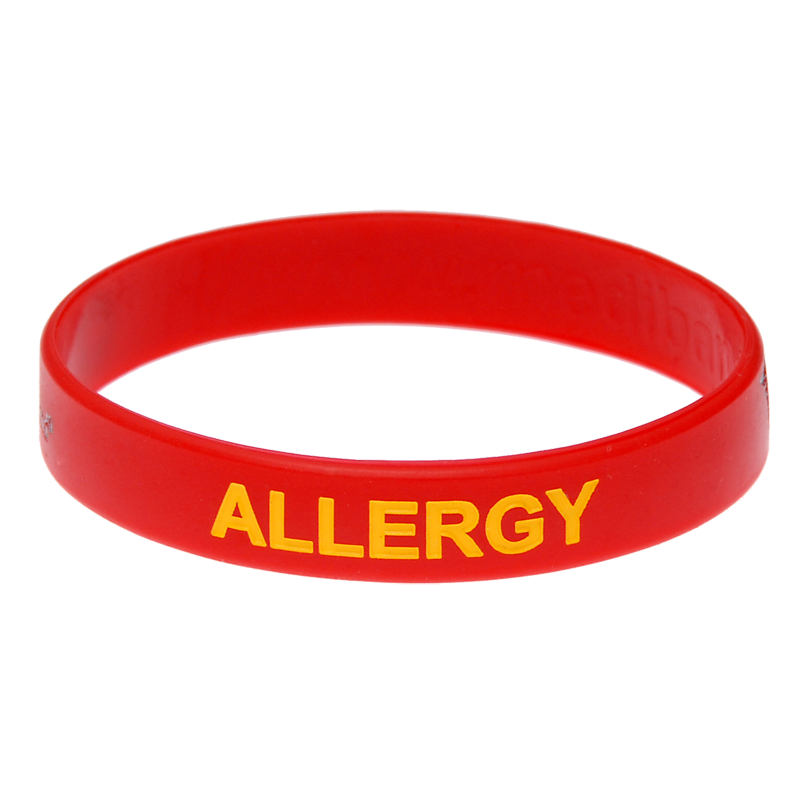
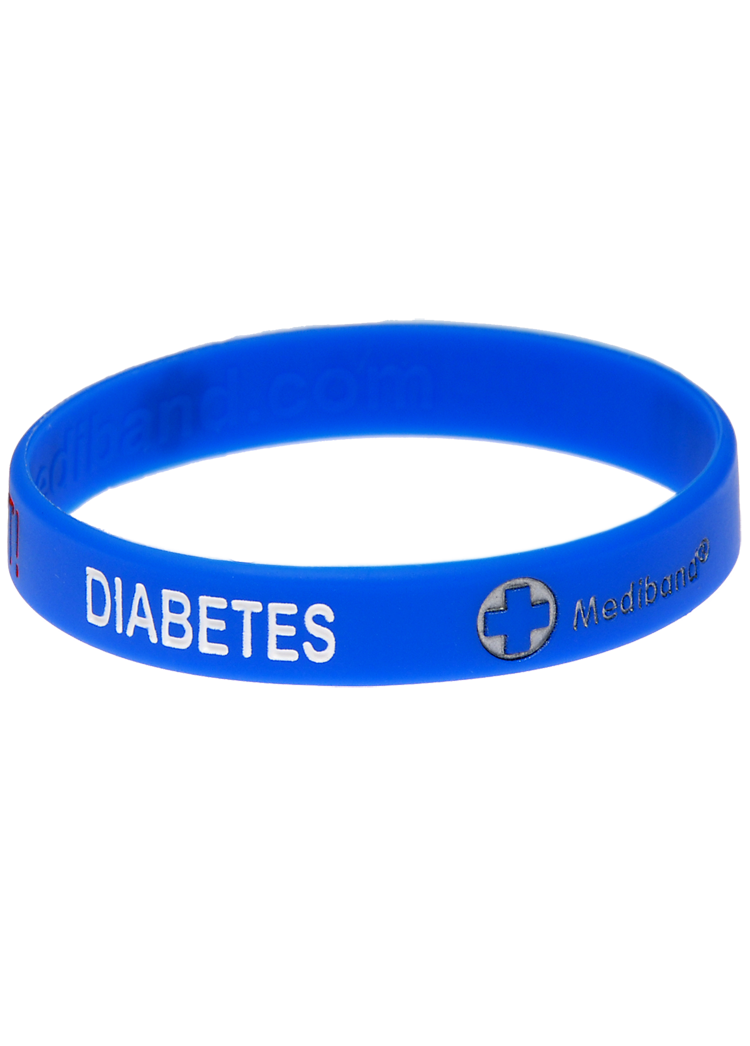
While waiting for paramedics or during your initial assessment, check the patient’s wrist for a medical alert bracelet. According to survey data cited by Universal Medical ID Australia, more than 95% of emergency medical professionals look for a medical ID when assessing a patient, and 87% agree that medical alert jewellery speeds up treatment decisions.
A medical alert bracelet can tell first responders critical information the patient cannot communicate themselves: a life-threatening allergy (such as penicillin or peanuts), a condition like diabetes or epilepsy that changes how they should be treated, whether they carry an EpiPen, and any medications that must be avoided. For patients with conditions like hypoglycaemia, anaphylaxis, or seizures, this information can prevent a dangerous and potentially fatal treatment error.
Relay what you find on the bracelet to the 000 operator and to paramedics when they arrive. It takes seconds and may directly save the person’s life.
Step 5 — Stay Calm, Stay on the Line, and Direct Others
Once first aid is underway and 000 has been called, your job is to maintain calm control of the scene until paramedics arrive. This is harder than it sounds — but it matters enormously. A panicking bystander creates confusion, delays action, and affects everyone around them.
Keep the 000 operator on the line. They can update you on the ambulance’s estimated arrival time, guide you through CPR compressions or bleeding control, and alert paramedics to details as they approach.
If other people are present, direct them to specific tasks. Do not shout “Somebody help!” — bystanders assume someone else will act. Instead, point directly at individuals: “You in the blue jacket — find a defibrillator.” “You — stand at the corner and flag the ambulance.” “You — keep people back and give us space.” Directed tasks get done; vague requests do not.
When paramedics arrive, give them a calm, fast handover: what happened, when it happened, what you found, what you did, and anything you read on a medical alert bracelet. Then step back and let them take over.
Frequently Asked Questions
When should I call Triple Zero (000) in Australia?
Call 000 any time someone’s life may be at risk: unconsciousness, chest pain, difficulty breathing, severe bleeding, suspected stroke, a major allergic reaction (anaphylaxis), or a serious injury. If you are unsure, call anyway — the operator will help you assess. For non-life-threatening situations, contact healthdirect on 1800 022 222 or your GP first.
What does DRSABCD stand for in first aid?
DRSABCD is the Australian emergency action sequence: Danger (check the scene is safe), Response (check if the person is conscious), Send for help (call 000), Airway (open and clear the airway), Breathing (check for normal breathing), CPR (start compressions if not breathing), and Defibrillation (attach an AED as soon as available). It is the standard taught by St John Ambulance and the Red Cross across Australia.
How can a medical alert bracelet help in a medical emergency?
More than 95% of emergency medical professionals check for a medical alert bracelet when assessing a patient. The bracelet communicates critical information — a known allergy, medical condition, required medication, or EpiPen carrier status — instantly and accurately, even when the patient is unconscious or unable to speak. This prevents misdiagnosis and dangerous treatment errors in the critical first minutes of care.
What is the survival rate for out-of-hospital cardiac arrest in Australia?
Nationally, only around 12% of patients treated by paramedics survive to hospital discharge (Aus-ROC, 2022). However, when a bystander performs CPR and uses a public AED before paramedics arrive, survival rates in Victoria reached 63% in 2024–25 (Ambulance Victoria). Without any bystander action, survival drops to just 7%. This gap demonstrates why knowing what to do matters so much.
What should I do if someone has a severe allergic reaction (anaphylaxis)?
Call 000 immediately — anaphylaxis can become life-threatening within minutes. If the person carries an EpiPen or Anapen and you are aware of it (or can see it on a medical alert bracelet), use it according to the instructions on the device. Lay the person flat with legs raised unless they are having trouble breathing. Stay on the line with the 000 operator, who will guide you through the response until paramedics arrive.

Share on Facebook

Share on X

Share on Pinterest
Comment(s)
Recent Posts

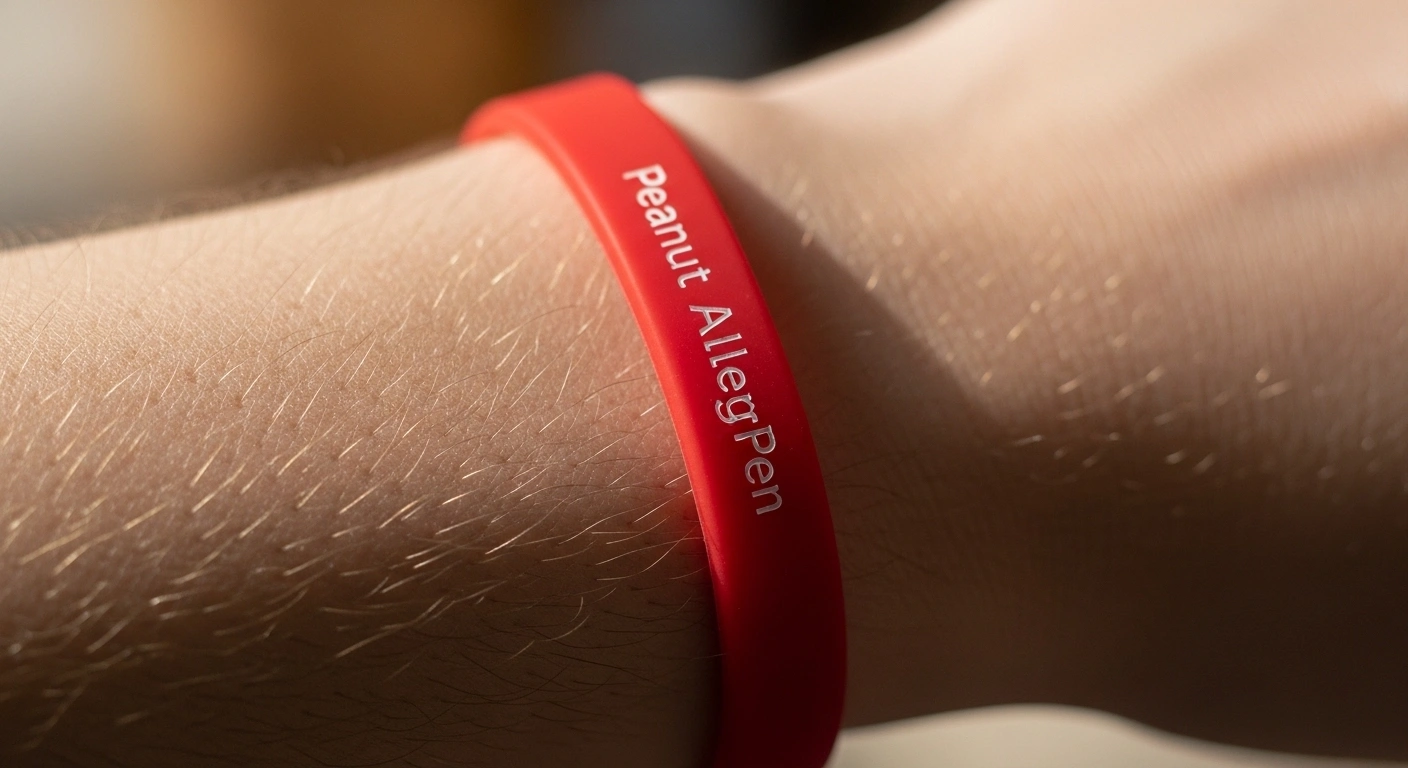
The Risk Of Not Wearing An Allergy Medical Alert Bracelet
March 23, 2026