Swollen Lymph Nodes: Causes, Symptoms, and When to See a Doctor
November 02, 2020

Swollen lymph nodes are one of the most commonly noticed physical symptoms — and one of the most commonly misunderstood. Found throughout the body but most easily felt in the neck, armpits, and groin, lymph nodes are small glands that play a central role in the immune system. When they enlarge, it is usually a sign that the body is responding to something — but what that something is varies enormously.
This guide explains what causes swollen lymph nodes, how to recognise when they might signal something more serious, and what role medical identification plays for people living with lymph-related conditions.
What Are Lymph Nodes and What Do They Do?
The lymphatic system is a network of vessels, tissues, and organs that runs throughout the entire body. It serves two major functions: transporting lymph (a fluid containing white blood cells, proteins, and waste products) back to the bloodstream, and acting as a filtration and immune surveillance system.
Lymph nodes are small, bean-shaped structures distributed along the lymphatic vessels. The body contains approximately 600 lymph nodes, clustered in regions including the neck (cervical), armpits (axillary), groin (inguinal), chest (mediastinal), and abdomen (mesenteric). Each node contains specialised immune cells — primarily lymphocytes and macrophages — that filter lymph fluid and mount immune responses to pathogens and abnormal cells.
When lymph nodes swell (a condition called lymphadenopathy), it indicates that the immune cells within them are actively responding to something — an infection, injury, inflammation, or less commonly, cancer cells.
Common Causes of Swollen Lymph Nodes
The vast majority of lymph node enlargements are benign and resolve without treatment. The most common causes include:
Infections
Bacterial, viral, and fungal infections are the most frequent cause of swollen lymph nodes worldwide. Upper respiratory infections — including the common cold, influenza, and strep throat — typically cause swollen nodes in the neck. Skin infections may cause swelling in the nearest lymph node cluster. Infectious mononucleosis (glandular fever) can cause widespread lymphadenopathy affecting the neck, armpits, and groin simultaneously, often accompanied by fatigue and fever.
The World Health Organization notes that lymphatic filariasis — a parasitic infection transmitted by mosquitoes — affects over 120 million people globally and is one of the leading infectious causes of lymphatic system damage worldwide.
Autoimmune and Inflammatory Conditions
Conditions such as rheumatoid arthritis, lupus, and Sjogren's syndrome can cause persistent lymph node swelling as part of generalised immune system activation. In these conditions, the immune system is chronically active, and lymph nodes reflect this ongoing inflammation.
Cancer
Lymphomas (Hodgkin's and non-Hodgkin's), leukaemia, and metastatic cancers (cancers that have spread from another site) can all cause lymph node swelling. Swollen nodes associated with cancer are typically painless, firm, and persist without an obvious infectious cause. This is in contrast to infection-related nodes, which are often tender and associated with other symptoms like fever and sore throat.
Lymphoedema
Lymphoedema is a condition in which the lymphatic system is damaged or blocked, causing lymph fluid to accumulate in tissues. This results in chronic swelling — most commonly of the arms or legs. Lymphoedema may develop after cancer treatment (particularly surgery or radiotherapy affecting lymph nodes), infection, or injury to lymphatic vessels.
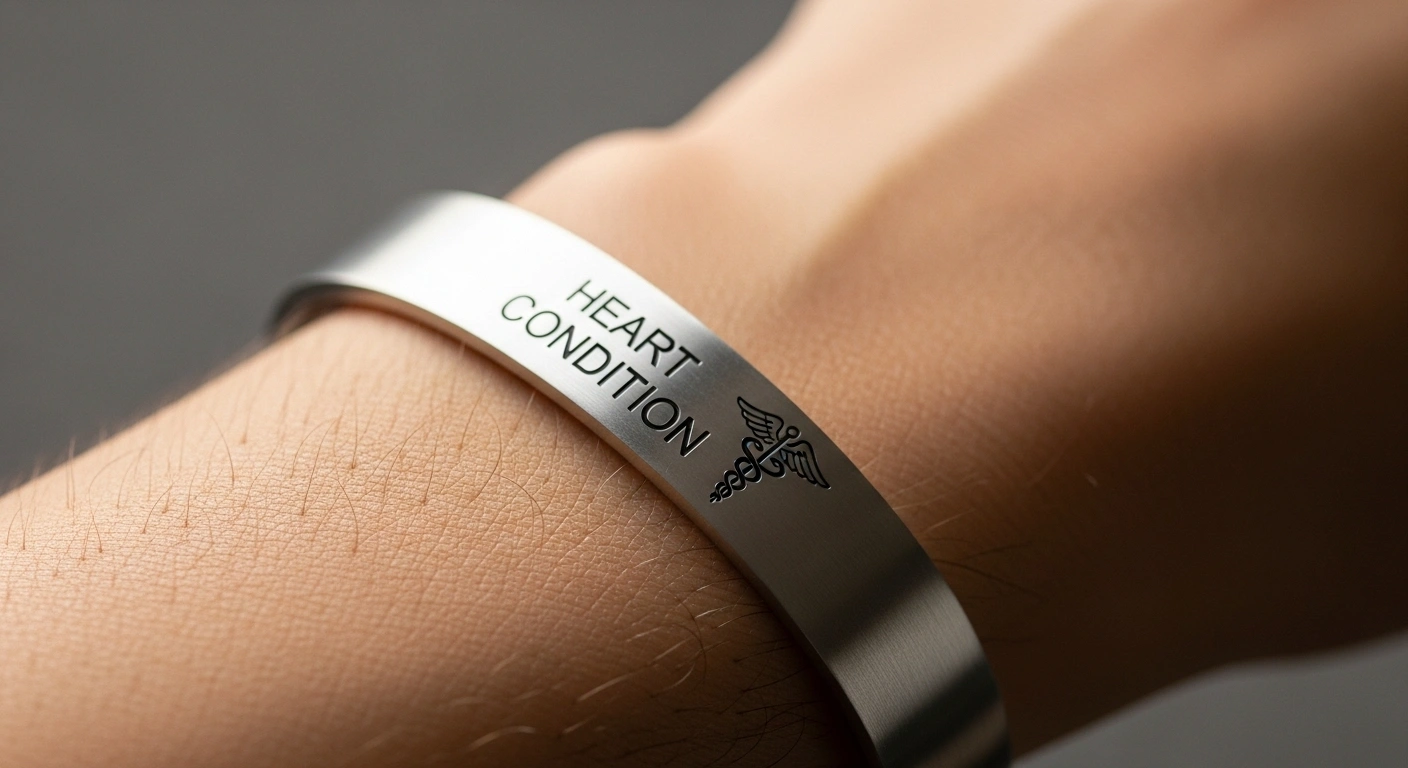
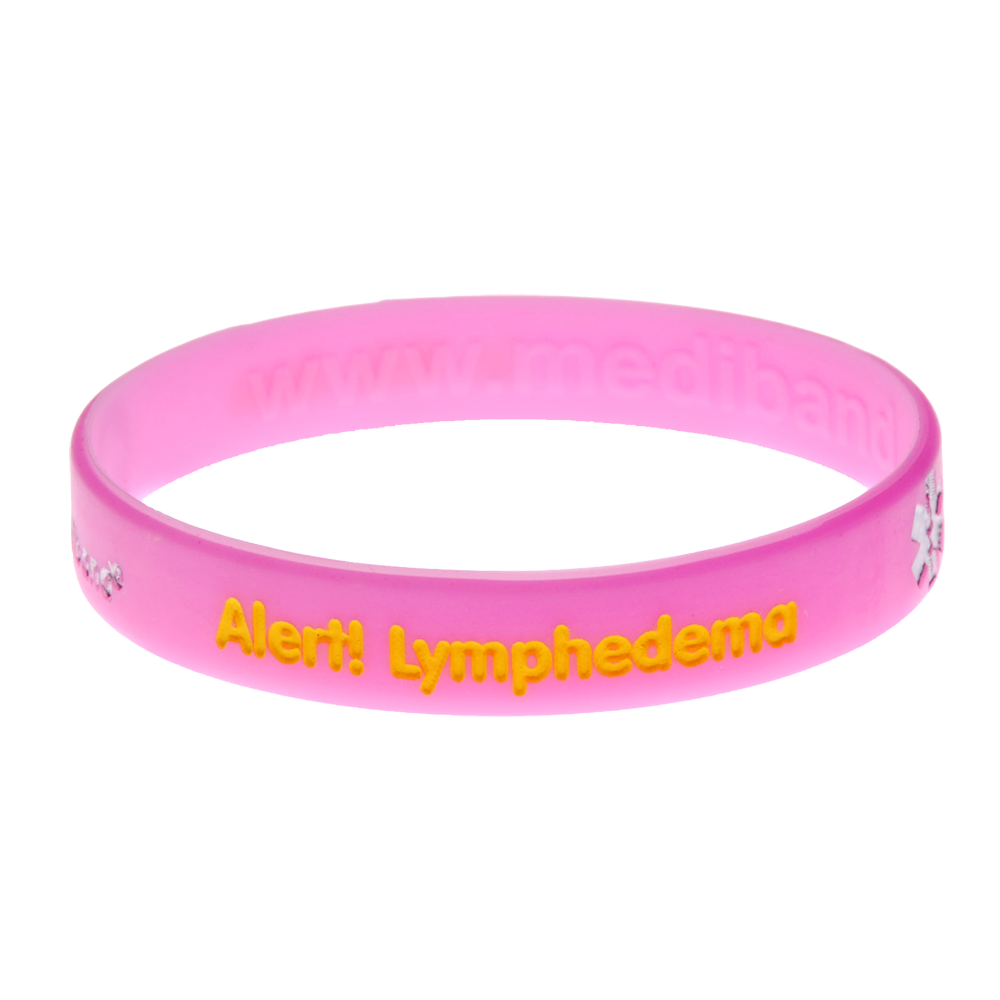
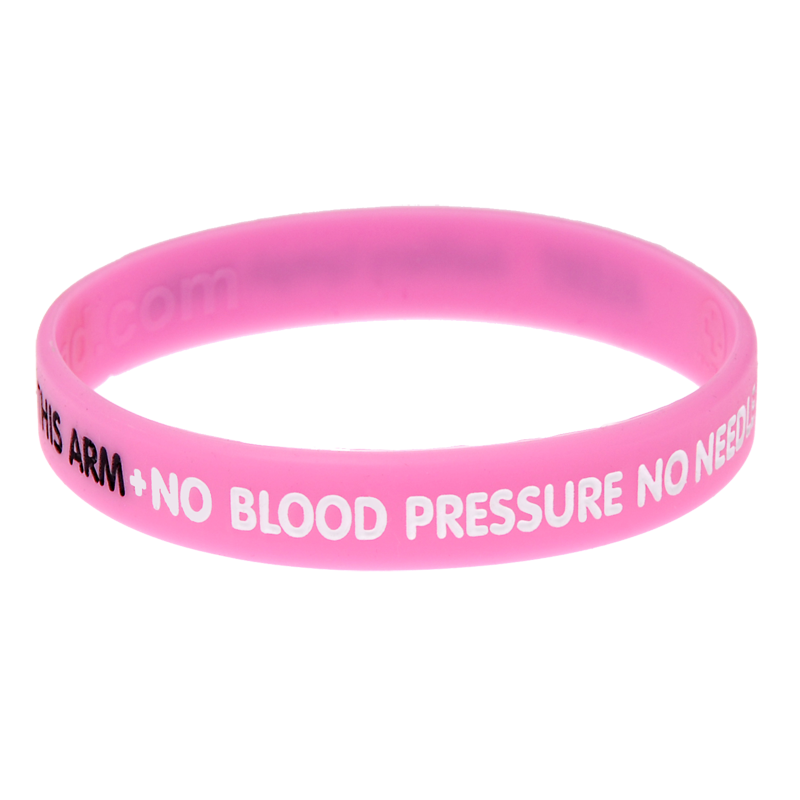
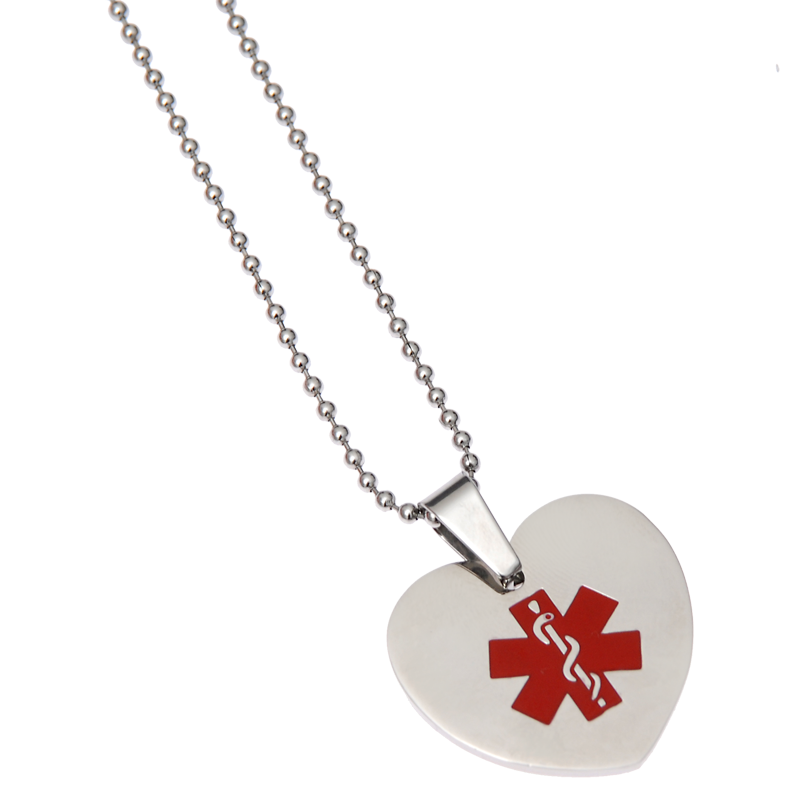
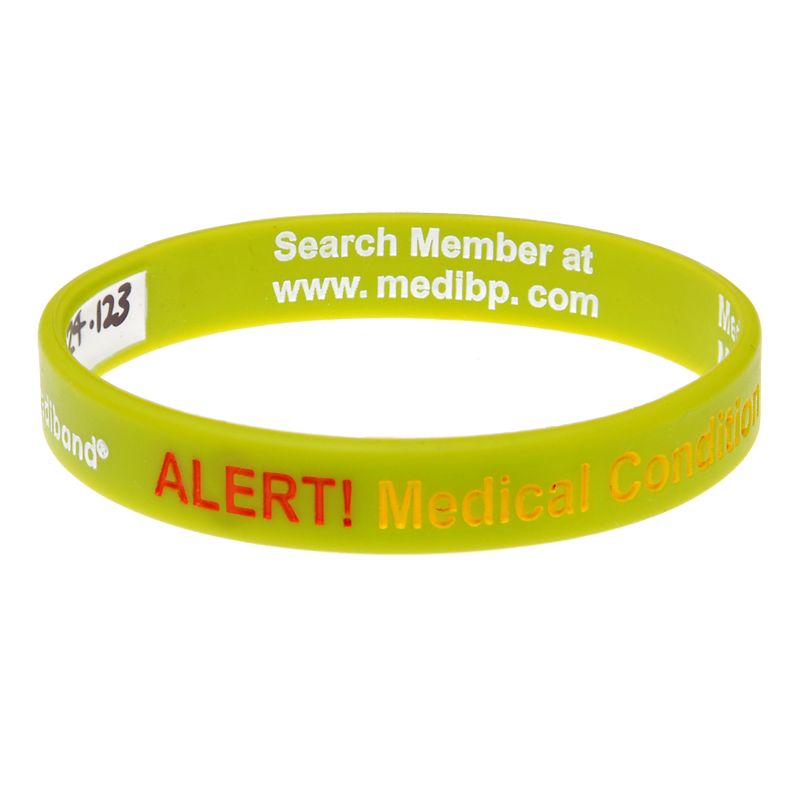
People living with lymphoedema need specific precautions to protect the affected limb and prevent complications. This is one reason why a lymphoedema medical alert bracelet is important — it warns medical staff not to take blood pressure, draw blood, or place IV lines in the affected arm, as these procedures can worsen lymphatic damage.
When to See a Doctor for Swollen Lymph Nodes
Most swollen lymph nodes resolve on their own within two to four weeks as the underlying cause (usually an infection) clears. However, certain features should prompt a visit to a healthcare provider:
- Nodes that are larger than 1.5 cm in diameter
- Nodes that have been present for more than four weeks without a clear cause
- Painless, firm, or rubbery nodes (as opposed to tender and soft, which are more typical of infection)
- Nodes in unusual locations — particularly above the collarbone (supraclavicular), which is rarely associated with benign causes
- Accompanying symptoms such as unexplained weight loss, night sweats, persistent fever, or extreme fatigue
- Nodes that continue to enlarge rather than improve over two to four weeks
These features — collectively described as "B symptoms" when they accompany unexplained lymphadenopathy — warrant investigation to exclude lymphoma and other serious causes.
Diagnosing Swollen Lymph Nodes
A doctor assessing swollen lymph nodes will consider the size, location, number, texture, and tenderness of the nodes alongside the full clinical picture — including any recent infections, medications, travel history, and systemic symptoms.
Investigations may include blood tests (full blood count, inflammatory markers, specific infection tests), imaging (ultrasound or CT scan), and in some cases a lymph node biopsy to obtain tissue for pathological examination. The appropriate investigation pathway depends on the clinical suspicion following physical examination.
Managing Lymphoedema: Special Precautions
For those living with lymphoedema, daily management includes compression garments, lymphatic drainage massage, skin care to prevent infections (cellulitis is a common and serious complication in lymphoedematous limbs), and regular monitoring.
One of the most important safety measures for people with arm lymphoedema is ensuring that medical procedures — blood pressure readings, blood draws, IV cannulation — are not performed on the affected arm. This restriction is lifelong and applies even years after cancer treatment. A medical bracelet for axillary lymph node removal ensures that this critical information is communicated clearly in any medical setting, including emergencies where the patient may not be conscious or able to communicate.
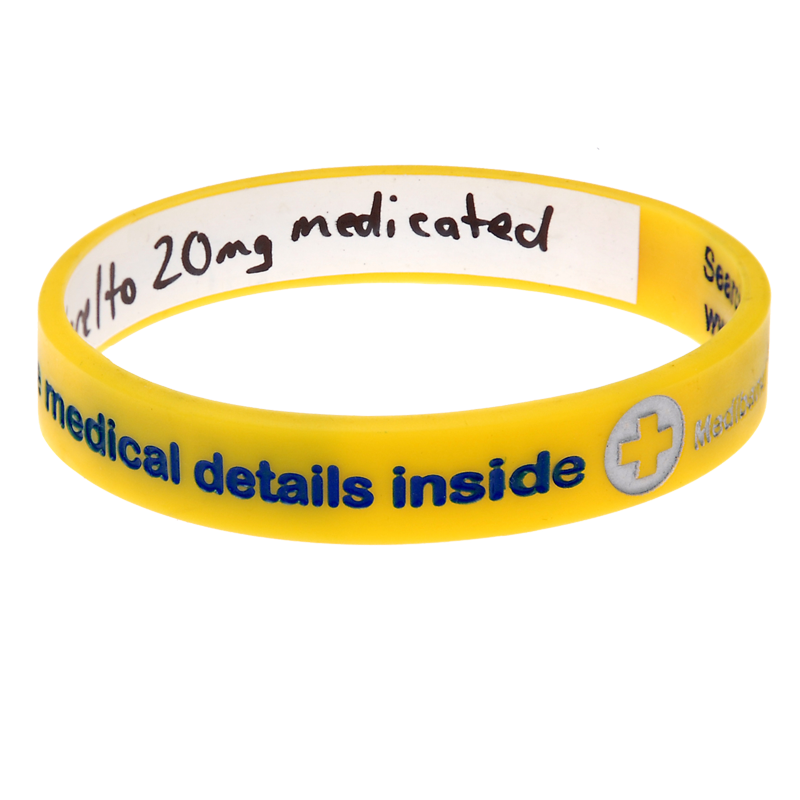
A write-on medical bracelet can also be used to note specific details — such as which arm is affected and the underlying cause of the lymphoedema — for those with complex histories.
Lymph Node Conditions That Benefit from Medical Alert Identification
Several lymphatic and lymph-node-related conditions create specific emergency risks that make medical alert identification particularly important:
- Lymphoedema: Must avoid blood pressure and blood draws on affected limb — critical in emergency settings
- Lymphoma in treatment: May be on immunosuppressive medications or chemotherapy with implications for infection management
- Post-surgical lymph node removal: Persistent precautions needed for remaining lifetime
- Lymphatic filariasis: May have significant limb involvement requiring specific care approaches
In each of these cases, a medical alert bracelet worn on the wrist communicates the most critical information to any person providing care — whether that is a paramedic at the scene of an accident or a nurse in a busy emergency department.
Medical Alert Bracelets for Lymph Conditions
Communicate critical precautions to any care provider, any time.
Living Well with Lymphatic Conditions
A lymphatic condition — whether lymphoedema, lymphoma in remission, or the long-term effects of lymph node surgery — does not have to define your life. Most people with well-managed lymphatic conditions lead full, active lives. The key is consistent self-management, regular follow-up with an appropriate specialist (lymphoedema therapist, haematologist, or oncologist as relevant), and robust emergency preparedness.
Emergency preparedness for lymphatic conditions centres on ensuring that any care provider — in any context — immediately understands the restrictions and precautions associated with your condition. A medical alert bracelet is the most reliable way to achieve this, as it works even when you cannot speak for yourself and does not require the responder to know your medical history.
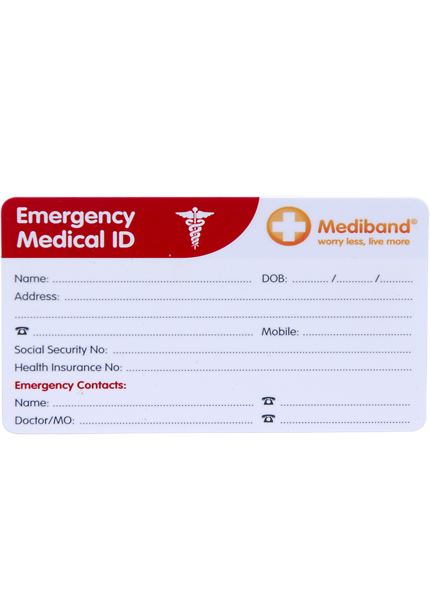
Pair your medical alert bracelet with a medical wallet card listing specific restrictions, your treating specialist's contact details, and any medications you are taking. This combination gives any care provider the information they need to provide safe, appropriate treatment without delay.
Frequently Asked Questions
Are swollen lymph nodes always a sign of cancer?
No. The vast majority of swollen lymph nodes are caused by common infections such as colds, throat infections, or skin infections, and resolve on their own within a few weeks. Cancer-related lymph node swelling is much less common but should be considered when nodes are painless, firm, persistent for more than four weeks, or accompanied by unexplained weight loss, night sweats, or fever.
Why can't blood pressure be taken on an arm with lymphoedema?
Taking blood pressure, drawing blood, or placing an IV in an arm affected by lymphoedema can further damage the already compromised lymphatic vessels and increase the risk of infection (cellulitis). These procedures should always be performed on the unaffected arm. This restriction is lifelong following lymph node removal or damage, which is why a medical alert bracelet communicating this information is so important.
What is the difference between lymphoedema and a swollen lymph node?
A swollen lymph node is the gland itself enlarging — usually in response to an infection or immune activity. Lymphoedema is a different condition in which lymph fluid accumulates in tissues because the lymphatic vessels or nodes are damaged or absent, causing chronic swelling of a limb or body part. Both involve the lymphatic system but are distinct conditions with different causes, presentations, and management.
How long do swollen lymph nodes last?
Swollen lymph nodes caused by an infection typically reduce within two to four weeks as the infection clears. Nodes that remain enlarged beyond four to six weeks without a clear cause should be assessed by a doctor. In conditions such as lymphoma or autoimmune disease, lymph node enlargement may persist until the underlying condition is treated.

Share on Facebook

Share on X

Share on Pinterest
Comment(s)
Recent Posts


The Risk Of Not Wearing An Allergy Medical Alert Bracelet
March 23, 2026