Summer Camp Safety for Kids with Food Allergies: A Parent’s Complete Guide
July 06, 2011
1

Australia has the highest rate of childhood food allergy in the world. According to the Murdoch Children's Research Institute, 1 in 10 Australian babies develops a proven food allergy in their first year of life — and hospital admissions for food-triggered anaphylaxis have increased more than nine-fold over two decades (AIHW). For the 1 in 20 primary school-aged children living with a food allergy, summer camp presents unique risks. But with the right preparation, your child can have a safe, fun, and memorable experience.
Why Food Allergy Safety at Summer Camp Matters So Much
Summer camps involve communal eating, shared cooking areas, and large groups of children — conditions that create real risk for accidental allergen exposure. Unlike a classroom where teachers know your child’s history, camp staff may be meeting your child for the first time. They may be volunteers or casual staff without specialist allergy training.
According to Allergy & Anaphylaxis Australia, the key to a safe camp experience is preparation — both yours and the camp’s. Starting conversations with the camp operator at least two to three weeks before arrival gives both sides enough time to plan appropriately.
It’s also worth knowing that no Australian authority recommends labelling any camp environment as “nut-free” or “allergen-free.” The risk can be reduced, but never eliminated. That’s why your child’s medication, action plan, and medical ID must all travel with them.
Questions to Ask Before Enrolling Your Child
Not all camps are equally equipped to manage food allergies. Before signing up, ask the camp administrator these key questions. Their answers will tell you quickly whether the camp is the right fit for your child.
How Do You Handle Food Allergens in the Kitchen?
Ask specifically about cross-contamination prevention: separate utensils, dedicated prep surfaces, and storage practices for allergen-containing foods. Find out whether kitchen staff have completed allergy training — the National Allergy Council’s “All About Allergens for Camps” program is the recognised Australian standard. Also ask whether the full ingredient lists for all meals are available on request.
What Is Your Emergency Response Plan for Anaphylaxis?
Every camp should have a written anaphylaxis management policy. Ask who is trained to recognise and respond to anaphylaxis, where adrenaline auto-injectors are stored during activities, and how far the nearest ambulance or hospital is. If staff cannot answer these questions clearly, consider a different camp.
Can You Accommodate Children with Multiple Food Allergies?
Children with multiple food allergies require more careful meal planning. Some camps can manage common single allergies (peanut, dairy) but struggle with complex combinations. If the camp cannot confidently accommodate your child’s specific allergies, a day camp where your child brings their own lunch each day may be a safer option.
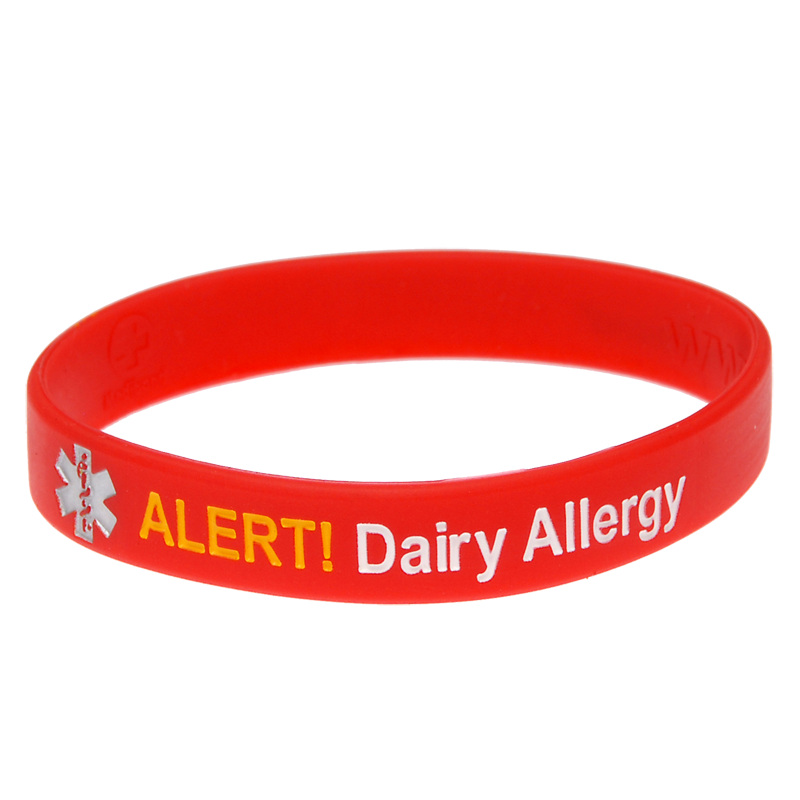
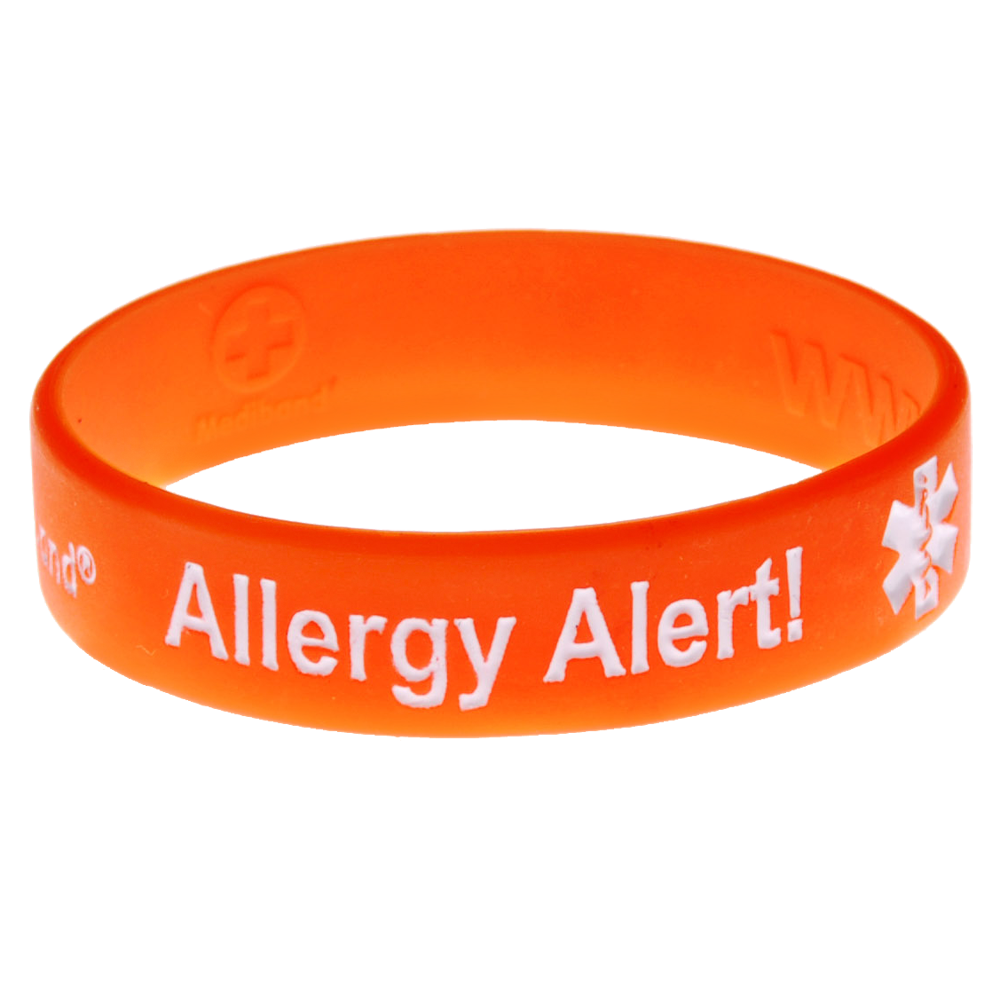
Shop Allergy Medical Alert Bracelets for Kids
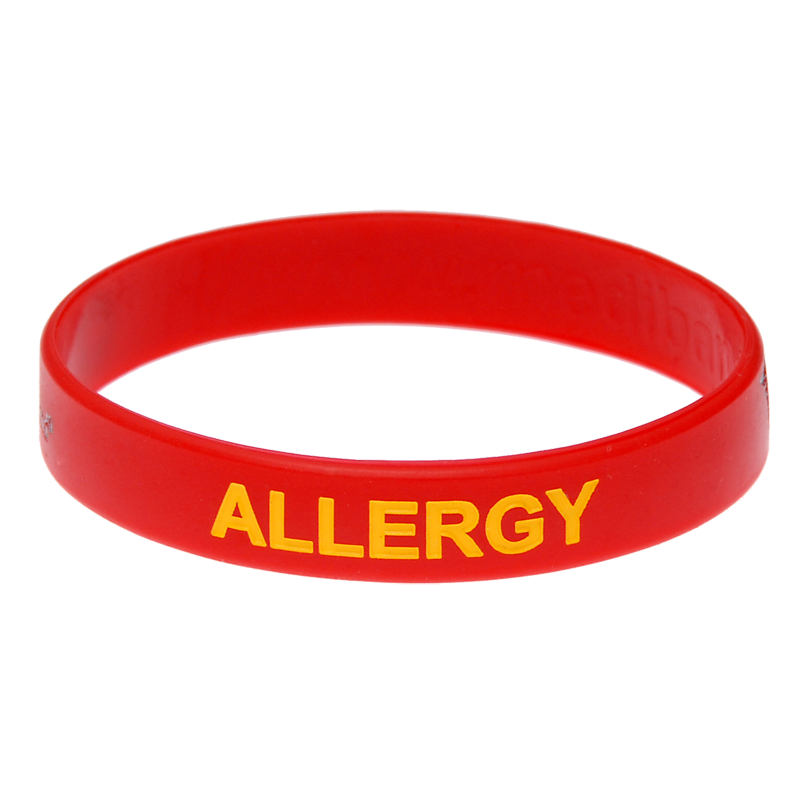
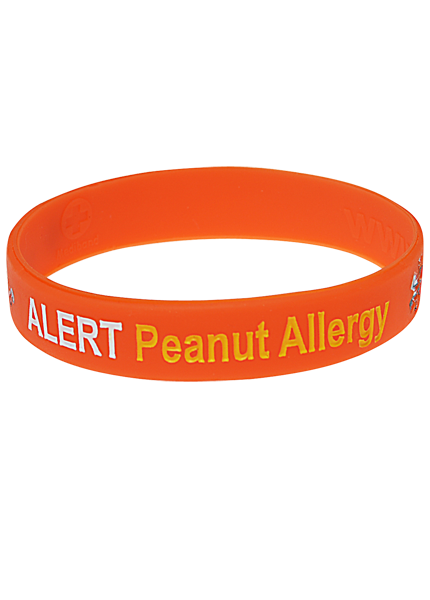
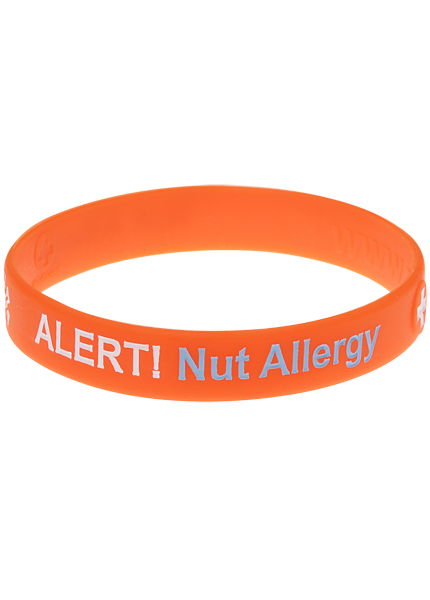
If your child can’t speak for themselves, their bracelet can — give camp staff and paramedics instant information.

How to Prepare Your Child Before Camp Begins
Preparation is the most important thing a parent can do. Completed well in advance, these steps significantly reduce the risk of an incident at camp.
Provide an ASCIA Action Plan at Least Three Weeks Before Arrival
The ASCIA Action Plan for Anaphylaxis is a doctor-completed document that tells camp staff exactly what to do if your child has an allergic reaction. It specifies which medications to give and in what order. Victorian and South Australian Department of Education guidelines recommend this plan be provided to the camp at least three weeks before departure, giving staff time to read, understand, and plan around it. Download blank ASCIA Action Plans from allergy.org.au and have your child’s doctor complete one before each camp season.
Pack Two Adrenaline Auto-Injectors
Australian guidelines recommend children at risk of anaphylaxis always carry two unexpired adrenaline auto-injectors (EpiPen or Anapen). The first is administered immediately; the second is a backup if the reaction continues before the ambulance arrives. Both should be clearly labelled with your child’s name and go directly to the camp nurse or responsible staff member on arrival — not left in a bag or cabin.
Communicate Clearly with Camp Staff on Arrival Day
On the first day, personally meet the staff member responsible for your child’s care. Walk them through the ASCIA Action Plan, show them where the EpiPens are stored, and confirm they know the signs of a reaction. Leave your contact number and a backup emergency contact. Don’t assume paperwork has been read — a face-to-face conversation dramatically increases the chance it will be acted on correctly.
Teaching Your Child to Stay Safe at Camp
Children who understand their own allergy are their own best advocates. If your child is old enough, prepare them with practical, specific rules they can apply themselves throughout the camp experience.
Never Accept or Trade Food from Other Campers
Trading snacks is one of the most common ways accidental exposures happen at camp. Explain to your child that foods can contain allergens under names they won’t recognise — peanuts can be listed as groundnuts, arachis oil, or monkey nuts. The only safe rule is: if it didn’t come from home or from a camp staff member who knows your allergy, don’t eat it. Pack familiar, safe snacks from home so your child has appealing alternatives to offer when friends share food.
Know Exactly Where Their EpiPen Is at All Times
Your child should know the name of the staff member looking after their EpiPen, where it is stored (e.g., the camp office, a bum bag they carry), and what to do if they feel a reaction starting. Practise with them: “If my lips feel tingly or my throat feels tight, I tell [staff member name] immediately.” Early recognition and early use of adrenaline saves lives.
Why a Medical Alert Bracelet Is Essential at Camp
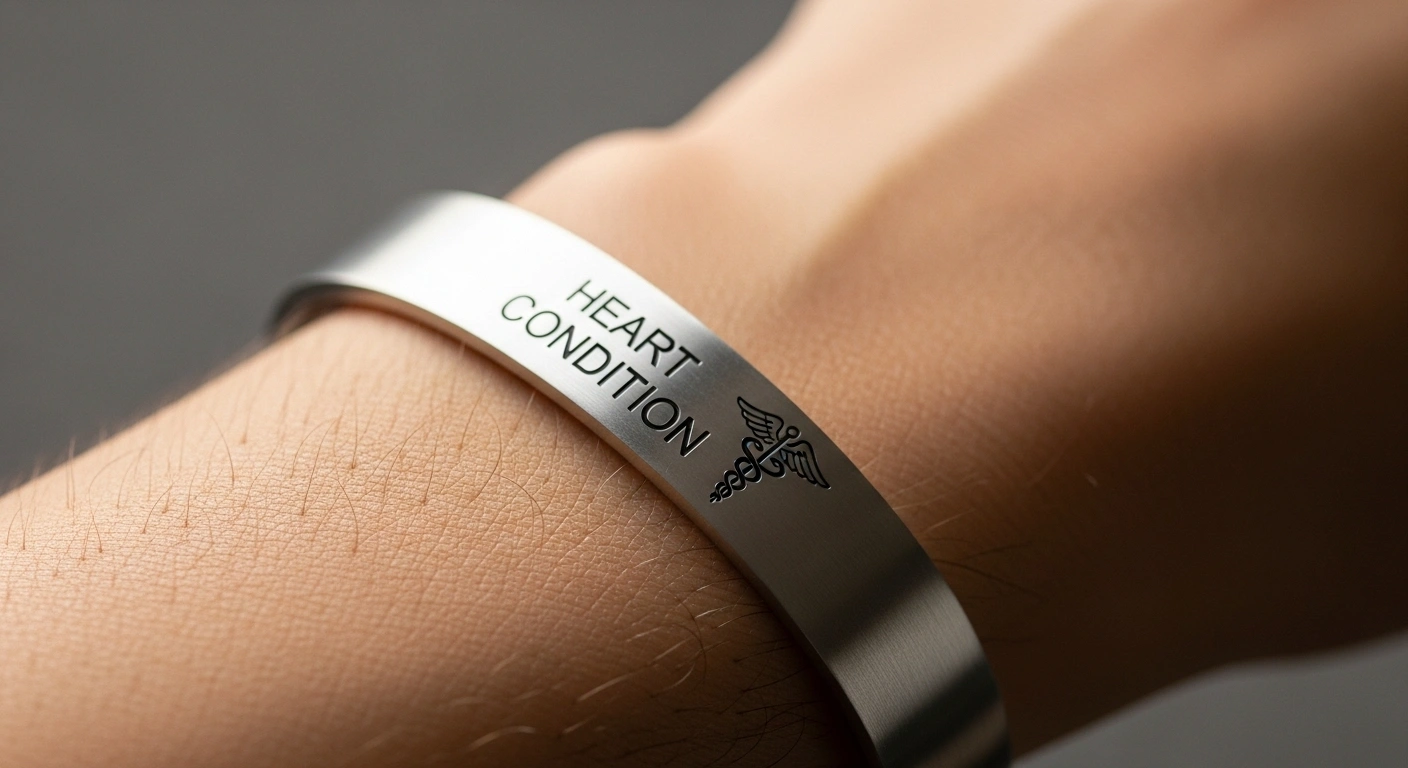
Even the best-prepared camp can face a situation where a child cannot communicate — they may lose consciousness, be in the middle of a severe reaction, or simply be with a staff member who doesn’t yet know their history. A food allergy medical alert bracelet solves this in an instant. Emergency responders are trained to check the wrist in the first 30 seconds of any patient assessment.
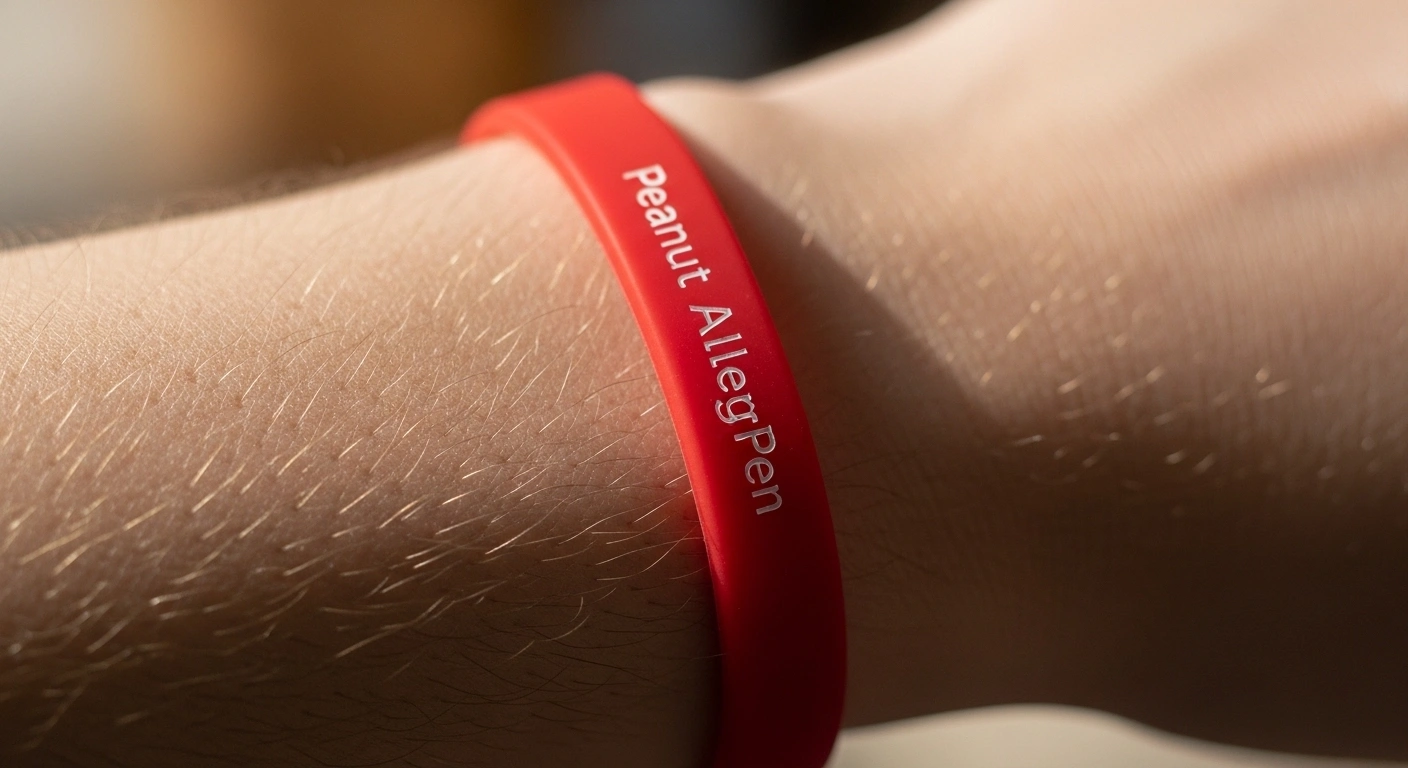
Mediband’s silicone bracelets come in children’s sizes, are waterproof, and are safe for swimming, sport, and everyday camp activity. For children at risk of anaphylaxis, a bracelet that reads “Anaphylaxis — Use EpiPen” or “Peanut Allergy” gives first responders and camp staff the information they need to act immediately and correctly. Pair it with a Mediband wallet card for a full list of your child’s allergies if they have multiple triggers.
Frequently Asked Questions
Does my child need an ASCIA Action Plan for summer camp?
Yes. The ASCIA Action Plan for Anaphylaxis is a doctor-completed document that tells camp staff exactly what medications to give and in what order during an allergic reaction. Provide it to the camp at least three weeks before arrival. Download blank plans from allergy.org.au and have your GP or specialist complete one each season.
Should my child wear a medical alert bracelet at camp?
Absolutely. If your child has a severe reaction and cannot communicate, a medical alert bracelet is the fastest way for camp staff and paramedics to identify the allergy and respond correctly. Mediband silicone bracelets are waterproof, available in children’s sizes, and designed to be worn safely during all camp activities including swimming and sport.
How do I know if a camp can safely manage my child’s food allergy?
Ask directly: Can staff describe their anaphylaxis response procedure? Have kitchen staff completed allergy training (e.g., National Allergy Council’s “All About Allergens for Camps”)? How far is the nearest hospital? If the camp cannot answer these questions clearly and confidently, choose a different camp or opt for a day camp where your child brings their own food.
Can a summer camp in Australia be guaranteed nut-free?
No. No Australian health authority recommends declaring any environment “nut-free” or “allergen-free,” because accidental exposure can never be completely eliminated. Risk-reduction strategies — staff training, careful food sourcing, separate utensils, and your child’s ASCIA Action Plan — are the right approach. Never rely on an allergen-free claim as a substitute for proper preparation.
What should I pack in my child’s allergy emergency kit for camp?
Pack two unexpired adrenaline auto-injectors (EpiPen or Anapen), an antihistamine approved by your doctor, a copy of the completed ASCIA Action Plan, a list of your child’s specific allergens with brand names and hidden ingredient names, your contact details and a backup emergency contact, and a medical alert bracelet clearly identifying the allergy. Give the medication and plan directly to the responsible staff member on arrival day.

Share on Facebook

Share on X

Share on Pinterest
1 Comment(s)
James Morrow
Jul 23, 2021 10:32
Very much appreciated. Thank you for this excellent article. Keep posting!
Recent Posts
The Risk Of Not Wearing An Allergy Medical Alert Bracelet
March 23, 2026