How to Stay Healthy in a Modern World: A Practical Guide for Every Australian
April 04, 2012

Why Staying Healthy Is Harder Than Ever — and What You Can Do About It
Modern life comes with extraordinary conveniences — but also extraordinary health challenges. According to the Australian Institute of Health and Welfare (AIHW, 2024), nearly half of all Australians live with at least one chronic condition, and lifestyle-related diseases like type 2 diabetes, heart disease, and obesity are rising faster than ever.
The good news is that small, evidence-based changes to your daily routine can dramatically reduce your risk. Whether you're managing an existing condition, supporting a family member's health, or simply trying to build better habits, this guide covers the practical steps that matter most — from nutrition and exercise to mental health and medical preparedness.
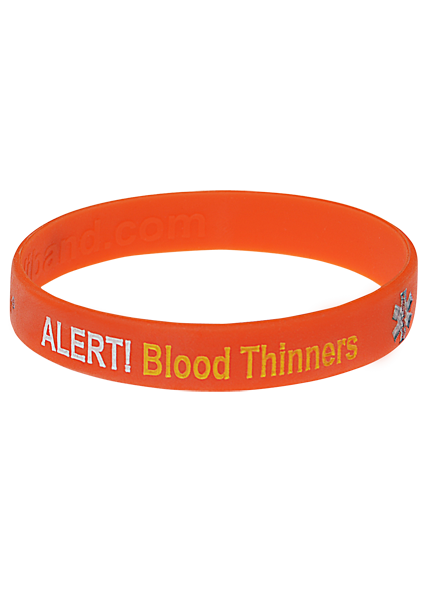
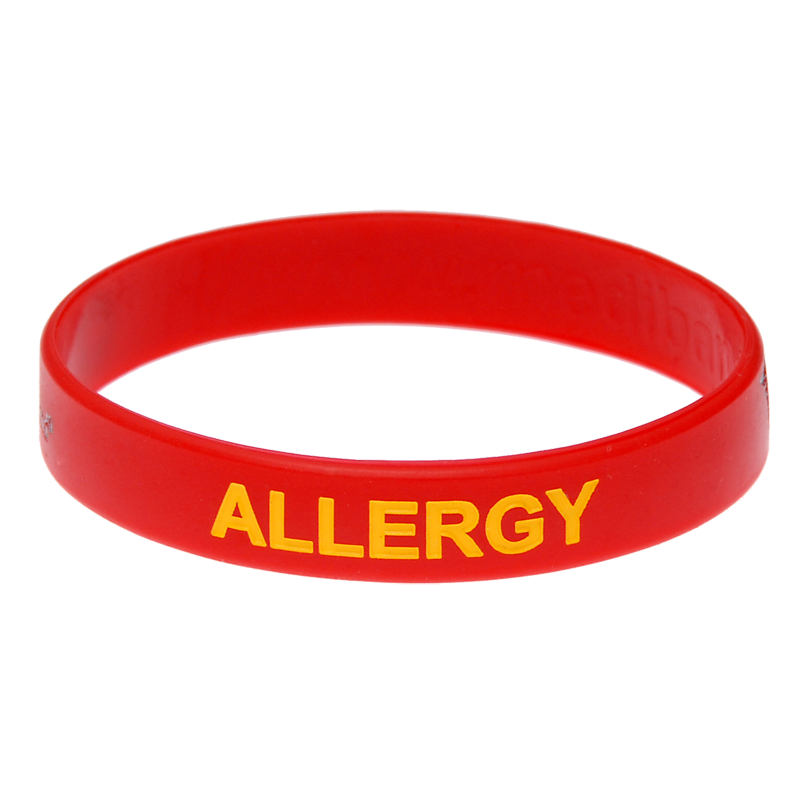
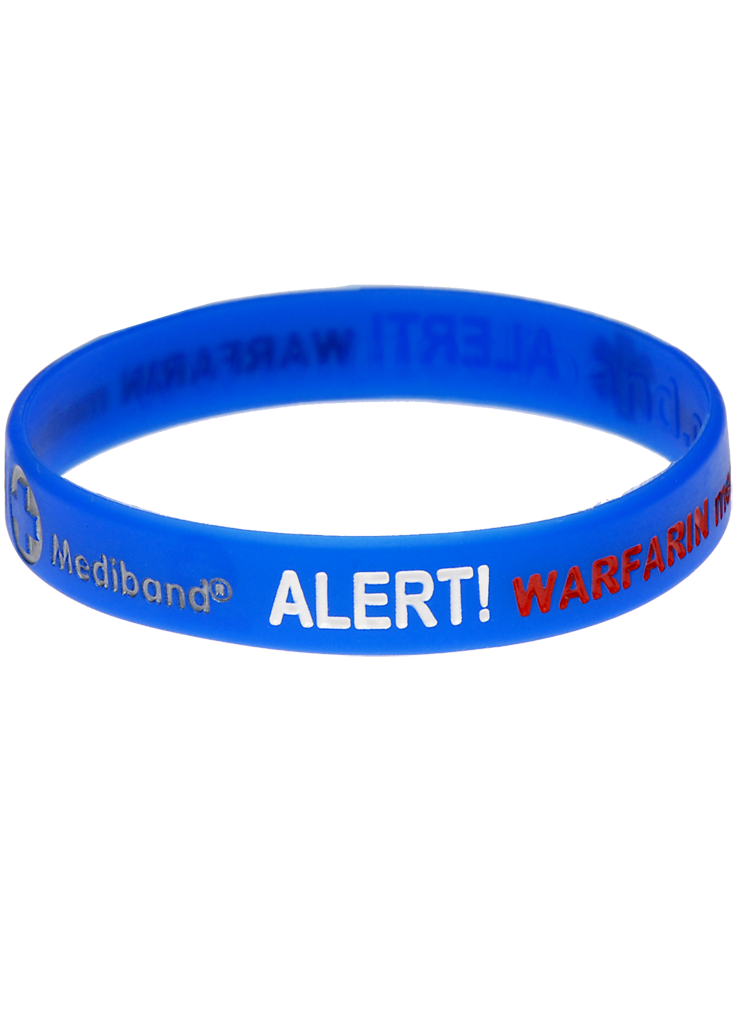
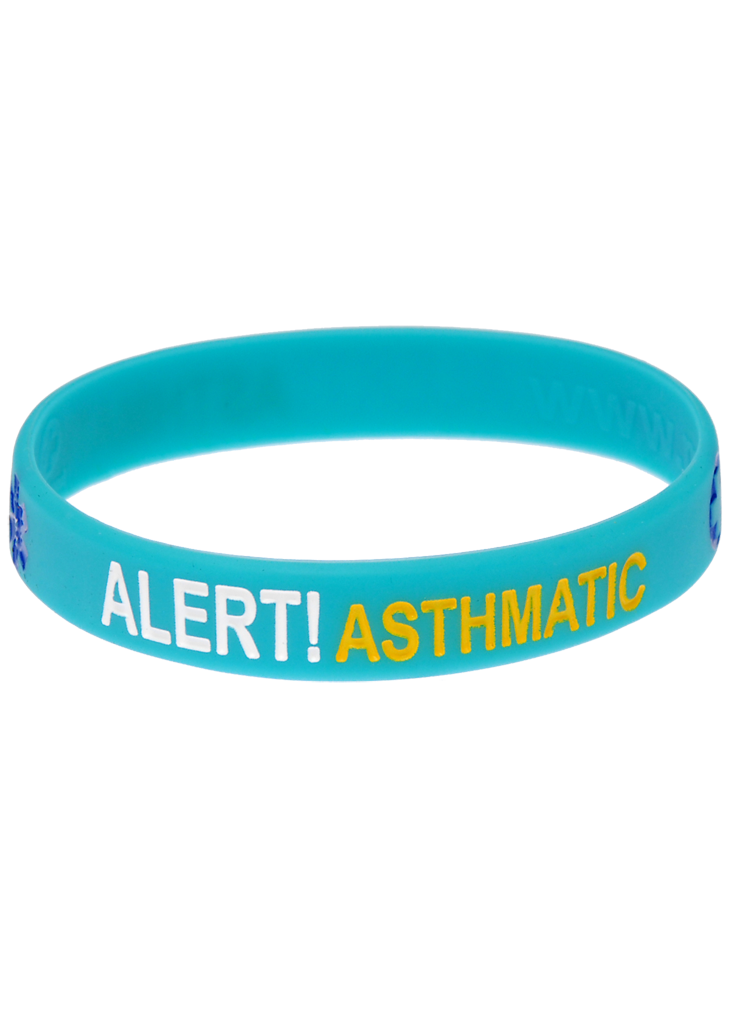
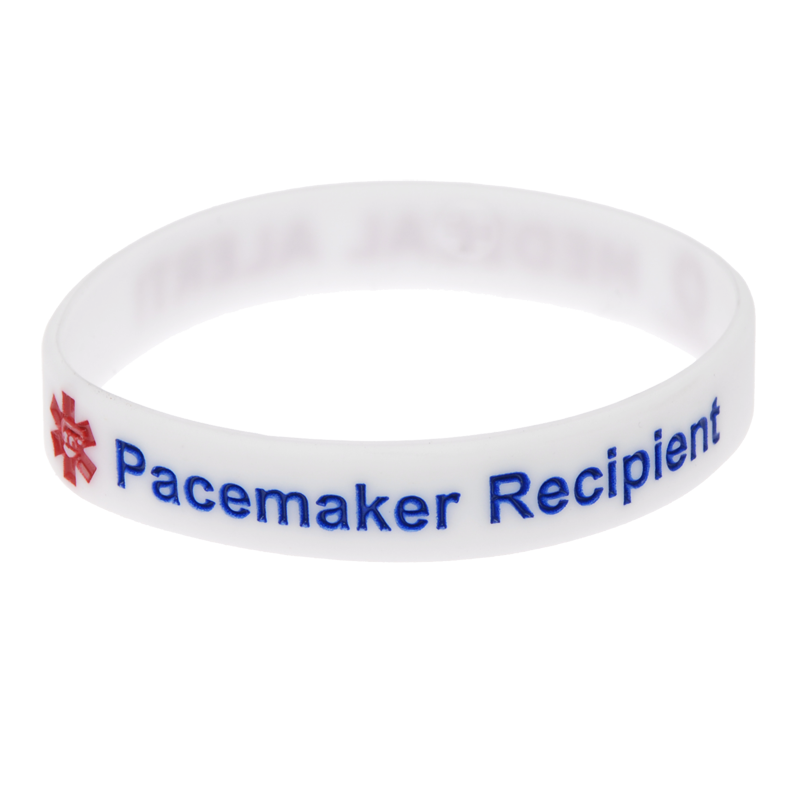
Protect Yourself with a Medical Alert Bracelet
If you live with a chronic condition, a medical ID gives emergency responders the information they need — fast.
Eat Smarter: Nutrition That Actually Works for Modern Life
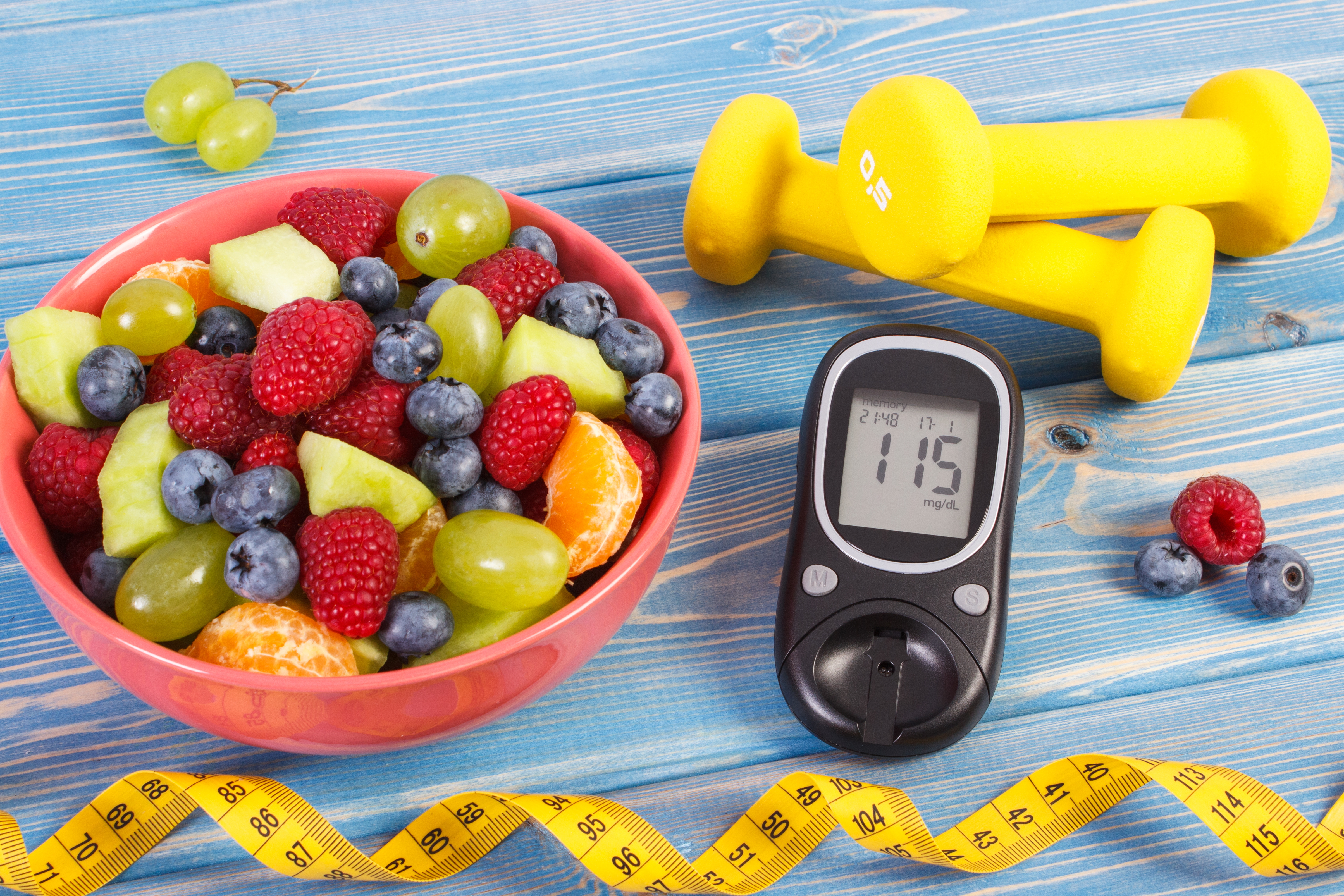
Despite having more food choices than any generation before us, Australians are eating worse. The ABS National Health Survey (2023) found that fewer than 4% of adults meet the recommended daily intake of both fruit and vegetables. Ultra-processed foods now account for over 40% of the average Australian diet — linked to higher rates of obesity, type 2 diabetes, and heart disease.
The solution isn't a radical diet overhaul. It's small, sustainable swaps that add up over time.
Simple Nutrition Wins
- Add, don't subtract: Instead of cutting out foods, focus on adding more whole foods — an extra serve of vegetables at dinner, a handful of nuts as a snack, fruit instead of biscuits with tea.
- Increase fibre: Most Australians get only 20g of fibre daily, well below the recommended 25–30g. Add half an avocado to a smoothie, swap white bread for wholegrain, or stir lentils into soups and stews.
- Watch the mercury: If you eat fish regularly (and you should — it's rich in omega-3), stick to smaller species like salmon, sardines, and prawns. Larger predatory fish like swordfish and shark accumulate more mercury (Food Standards Australia New Zealand, 2024).
Essential Nutrients for Plant-Based Diets
Around 12% of Australians now follow a vegetarian or vegan diet (Roy Morgan Research, 2024). If you've reduced or eliminated animal products, pay attention to these key nutrients:
- Vitamin B12: Found almost exclusively in animal products. Supplement daily or eat fortified foods like soy milk, nutritional yeast, and fortified cereals.
- Iron: Plant-based iron (non-heme) is less easily absorbed. Eat beans, lentils, tofu, spinach, and sundried tomatoes — and pair with vitamin C (citrus, capsicum) to boost absorption.
- Calcium: Without dairy, get calcium from fortified plant milks, tofu set with calcium, broccoli, kale, and figs.
- Omega-3 fatty acids: Flaxseed oil, chia seeds, walnuts, and hemp seeds provide ALA. Consider an algae-based DHA supplement for the most bioavailable form.
Move More: Why Physical Activity Is Non-Negotiable
The Australian Physical Activity Guidelines recommend at least 150 minutes of moderate-intensity exercise per week for adults — that's just 30 minutes a day, five days a week. Yet the AIHW (2024) reports that over 55% of Australian adults don't meet this target.
Physical inactivity is now the fourth leading risk factor for death globally (WHO, 2024). Even modest increases in daily movement — taking the stairs, walking during lunch, stretching every hour at your desk — reduce your risk of heart disease, type 2 diabetes, certain cancers, and depression.
Practical Ways to Move More
- Break up sitting time: Stand up and move for at least 2 minutes every 30 minutes of sitting. Set a timer if you need to — prolonged sitting is an independent risk factor for cardiovascular disease, even if you exercise regularly.
- Walk after meals: A 10–15 minute walk after eating significantly improves blood sugar regulation — particularly important for people with or at risk of diabetes.
- Make it social: Walk with a friend, join a local sports club, or sign up for a community fitness class. Social exercise improves adherence and mental health simultaneously.
- If you have a chronic condition: Talk to your GP about an exercise plan tailored to your needs. If you have a medical condition that requires emergency awareness, wearing a medical alert bracelet during exercise ensures anyone nearby can help effectively if something goes wrong.

Protect Your Heart: Stroke Awareness and Prevention
Stroke is one of the leading causes of death and disability in Australia — around 27,000 Australians experience a stroke each year, and it kills more women than breast cancer (Stroke Foundation Australia, 2024). Yet up to 80% of strokes are preventable through lifestyle changes.
Key Risk Factors You Can Control
- High blood pressure: The single biggest risk factor. Have yours checked at least every two years (annually if over 45 or if you have other risk factors).
- Smoking: Doubles your stroke risk. Quitting at any age significantly reduces it.
- Inactivity and poor diet: See the nutrition and exercise sections above — the same habits that protect against diabetes and obesity also protect against stroke.
- Atrial fibrillation (irregular heartbeat): Increases stroke risk fivefold. If diagnosed, follow your treatment plan and wear a blood thinners medical bracelet if you're on anticoagulants like warfarin.
After a Stroke: Watch for Depression
Up to 70% of stroke survivors experience depression, yet many don't receive adequate treatment (Stroke Foundation Australia, 2024). Depression after stroke isn't just feeling sad — it can slow physical recovery, reduce motivation for rehabilitation, and increase the risk of a second stroke.
If you or a family member has had a stroke, watch for these signs: persistent sadness, loss of interest in previously enjoyable activities, sleep disturbances, fatigue, difficulty concentrating, or withdrawal from social activities. Talk to your GP early — treatment is effective and can significantly improve recovery outcomes.
Prioritise Mental Health: The Foundation Everything Else Depends On
One in five Australians experiences a mental health condition in any given year (Australian Bureau of Statistics, 2023). Chronic stress, anxiety, and depression don't just affect how you feel — they increase your risk of heart disease, weaken your immune system, and make it harder to maintain healthy habits like exercise and good nutrition.
Evidence-Based Mental Health Habits
- Sleep 7–9 hours per night: Sleep deprivation is linked to anxiety, depression, impaired immune function, and increased risk of chronic disease. Maintain a consistent bedtime, limit screens an hour before bed, and keep your bedroom cool and dark.
- Stay socially connected: Loneliness and social isolation are as harmful to health as smoking 15 cigarettes a day (Holt-Lunstad, 2023). Make time for friends, family, and community activities — even a weekly phone call makes a difference.
- Limit alcohol: The updated Australian guidelines (2024) recommend no more than 10 standard drinks per week and no more than 4 on any single occasion. Even moderate drinking increases the risk of several cancers.
- Seek help early: If you're struggling, contact your GP, call Beyond Blue (1300 22 4636), or visit beyondblue.org.au. Early intervention leads to better outcomes.

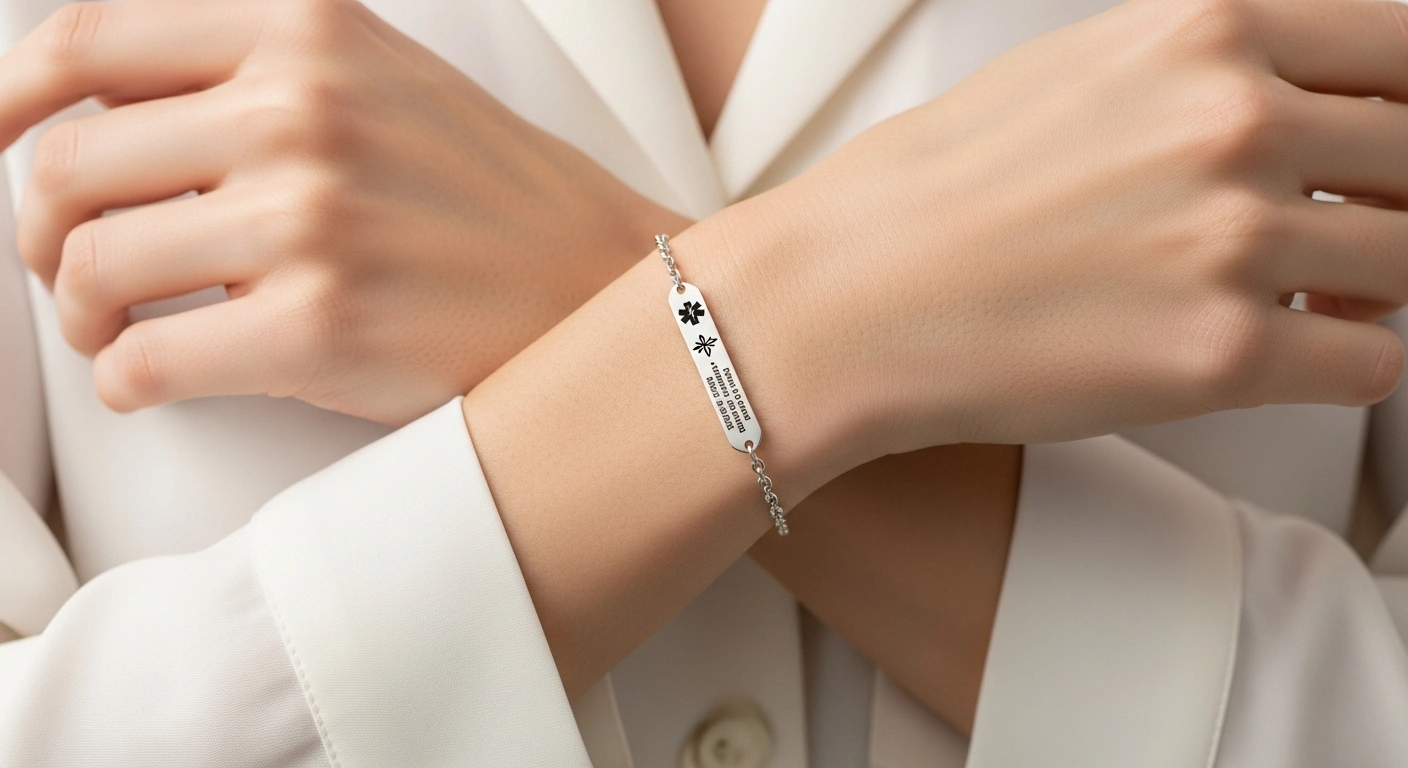
Be Prepared: Why a Medical Alert Bracelet Could Save Your Life
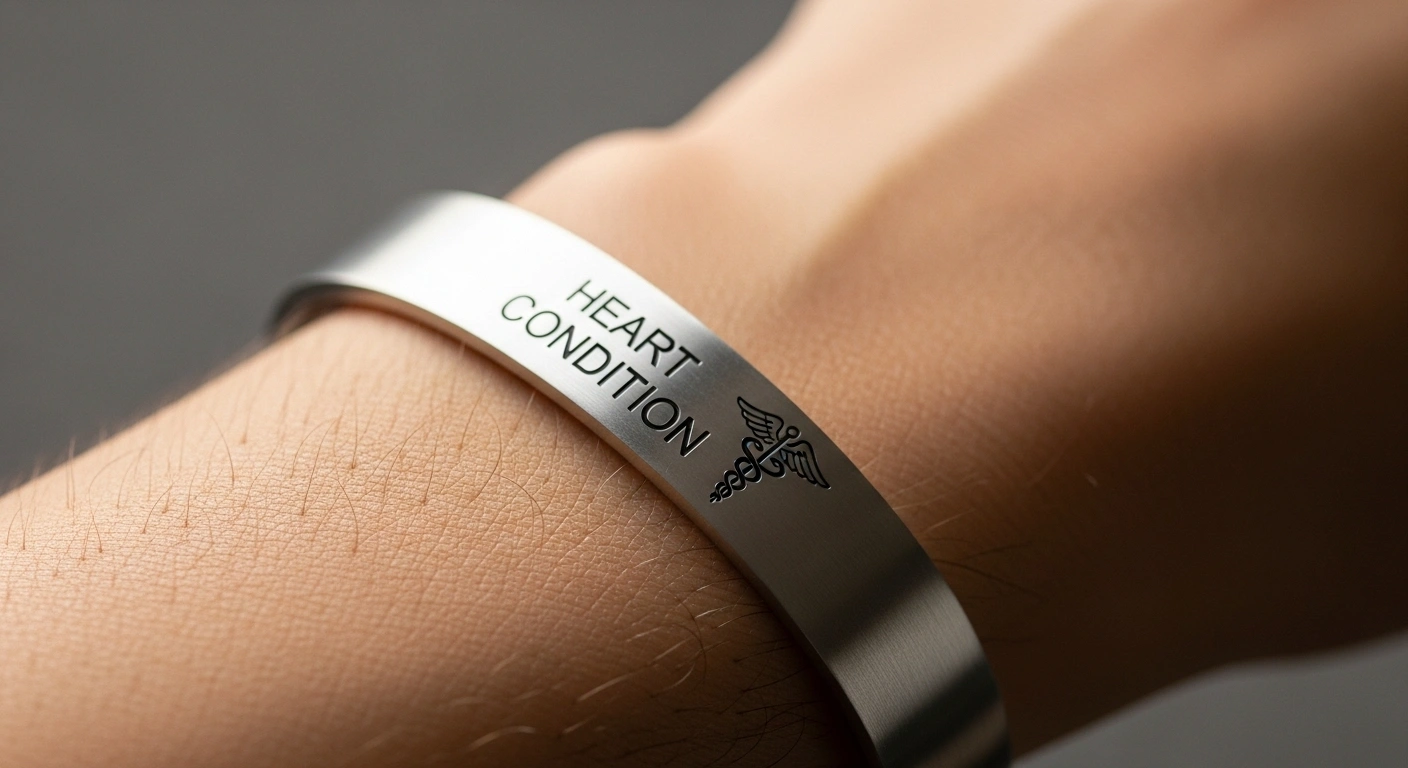
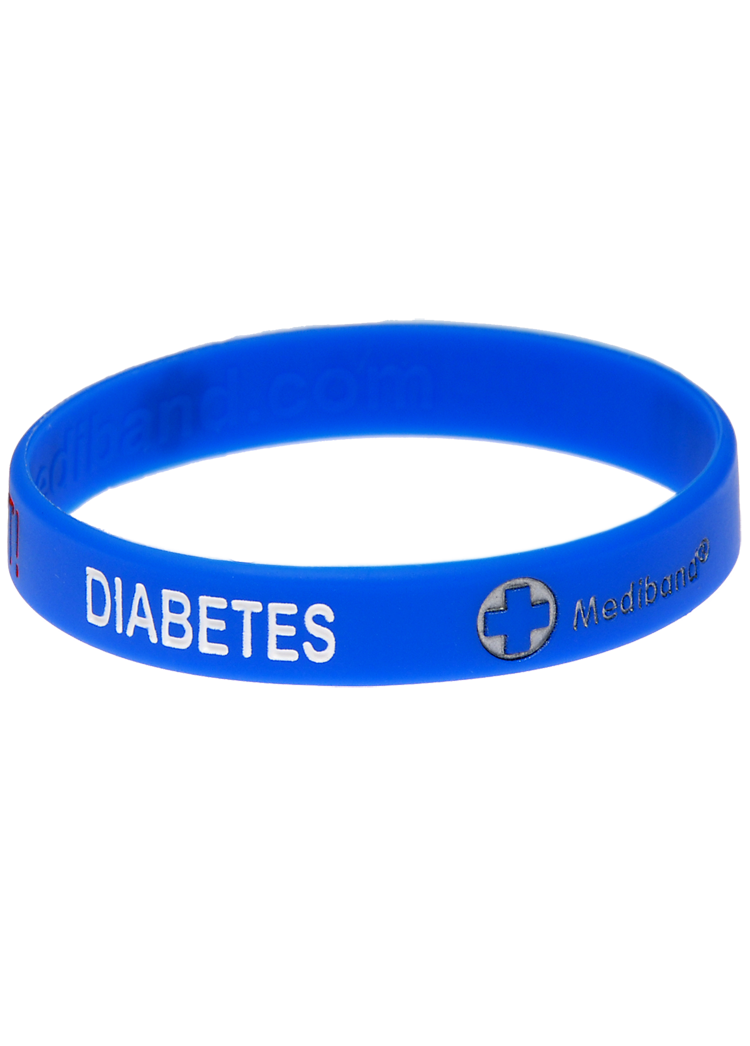
If you live with a chronic condition — diabetes, epilepsy, a heart condition, severe allergies, or if you take medications like blood thinners or insulin — a medical emergency can happen without warning. In those critical first minutes, paramedics and bystanders need to know your medical history immediately.
Research shows that 95% of emergency responders check for a medical alert bracelet within the first 30 seconds of treating a patient. A visible medical ID can prevent dangerous drug interactions, ensure correct treatment, and genuinely save your life.
Who Should Wear a Medical Alert Bracelet?
- Anyone with diabetes (type 1 or type 2)
- People taking blood thinners like warfarin
- Anyone with severe allergies or anaphylaxis
- People with epilepsy, asthma, or heart conditions
- Pacemaker or implant recipients
- Anyone on multiple medications or with complex medical needs
Frequently Asked Questions
How much fibre should I eat each day?
Adults should aim for 25–30 grams of fibre daily. Most Australians only get around 20g. Good sources include wholegrain bread, oats, lentils, beans, vegetables, fruit, and nuts. Increase your intake gradually and drink plenty of water to avoid digestive discomfort.
Is it safe to eat fish if I'm worried about mercury?
Yes — most commonly eaten fish like salmon, sardines, prawns, and canned tuna are low in mercury and rich in beneficial omega-3 fatty acids. Limit intake of larger predatory fish like swordfish, shark (flake), and marlin to no more than one serve per week, especially if you're pregnant or breastfeeding (FSANZ, 2024).
What nutrients do I need to supplement on a vegan diet?
The most critical nutrient to supplement on a vegan diet is vitamin B12, which is found almost exclusively in animal products. You should also monitor iron, calcium, omega-3 fatty acids, and zinc. A blood test through your GP can identify any deficiencies, and a dietitian can help plan a balanced plant-based diet.
How do I know if I should wear a medical alert bracelet?
If you have any condition that could cause a medical emergency — diabetes, epilepsy, severe allergies, a heart condition, or if you take medications like blood thinners, insulin, or immunosuppressants — a medical alert bracelet is strongly recommended. It ensures first responders can treat you correctly even if you can't communicate.
What are the warning signs of a stroke?
Use the FAST test: Face drooping, Arm weakness, Speech difficulty, Time to call 000. Other signs include sudden severe headache, vision problems, dizziness, and confusion. Stroke is a medical emergency — every minute counts. Call 000 immediately if you suspect a stroke.

Share on Facebook

Share on X

Share on Pinterest
Comment(s)
Recent Posts

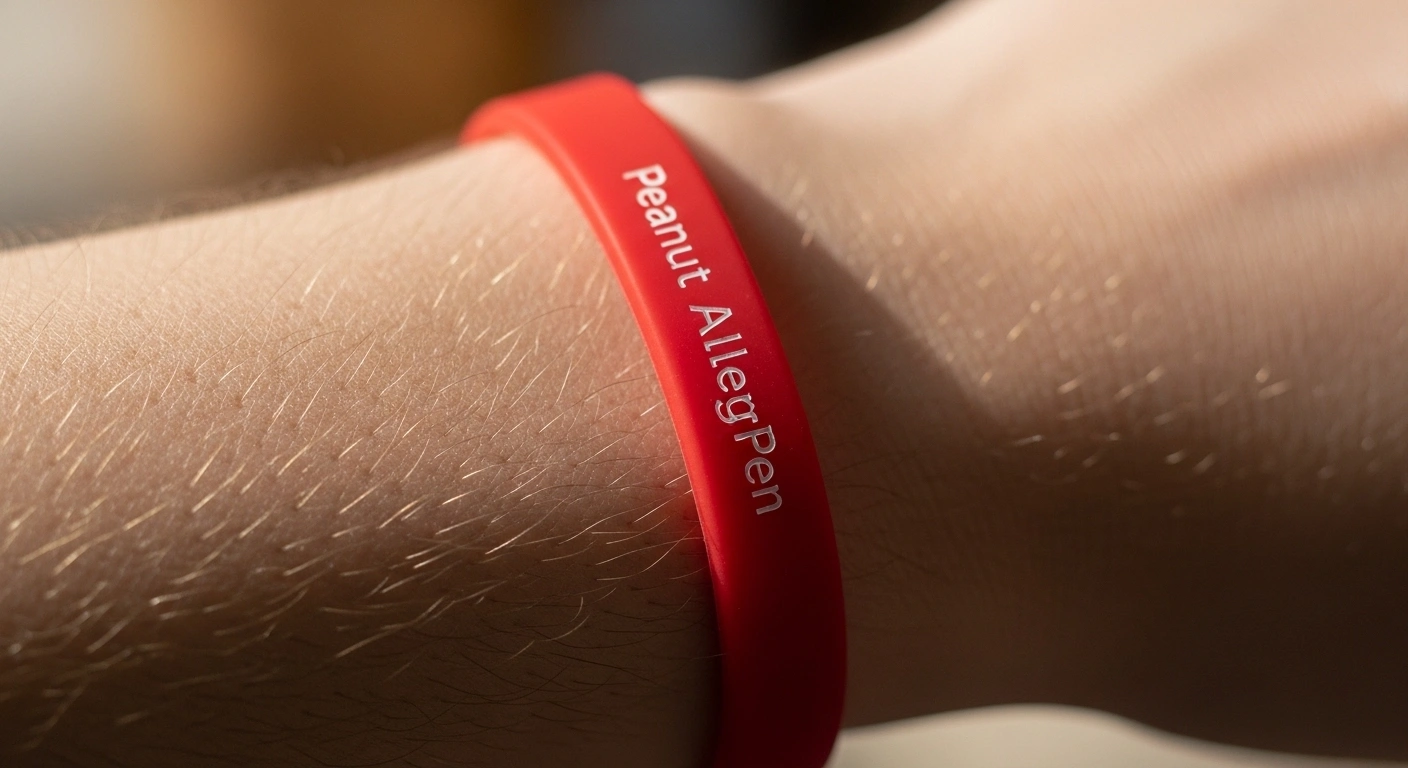
The Risk Of Not Wearing An Allergy Medical Alert Bracelet
March 23, 2026