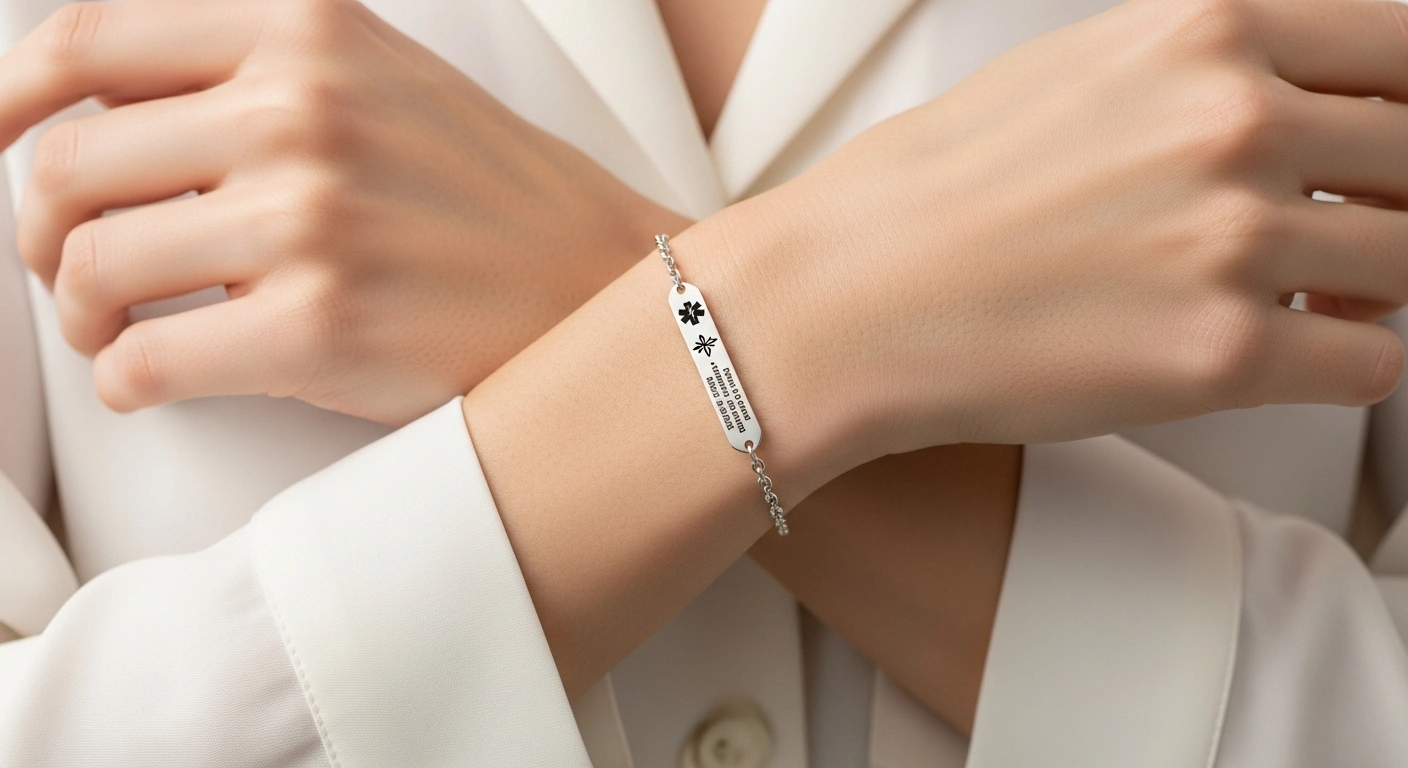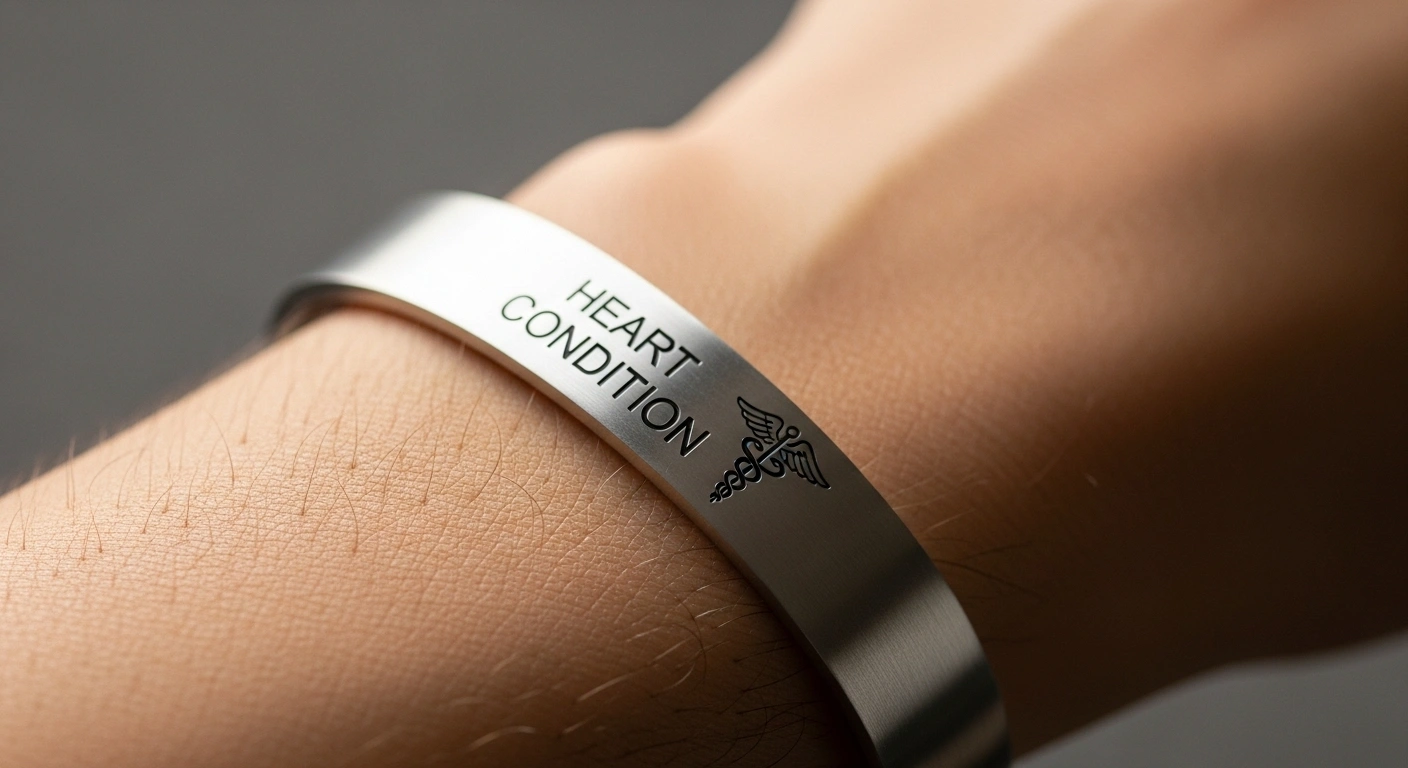
New Year Health Checklist for Australians: Start the Year by Saving Your Life
January 29, 2012
The start of a new year is the moment most Australians think seriously about their health — gym memberships, better eating habits, less stress. But one of the most impactful health steps you can take takes less than five minutes and costs less than a gym session: making sure your medical information is accurate, accessible, and available to emergency responders the moment they need it. According to the Australian Institute of Health and Welfare (AIHW, 2023), 3 in 5 Australians live with at least one chronic condition. For every one of them, this checklist could be life-saving.
Why the New Year Is the Right Time to Review Your Medical Safety
Medical information changes. Medications are adjusted. Diagnoses are added. Emergency contacts move or change numbers. A medical alert bracelet or wallet card that was accurate 12 months ago may now be outdated — and outdated information in an emergency is not just unhelpful, it can direct responders toward the wrong treatment.
The new year is also when Australians are most motivated to make lasting changes. Rather than resolutions that fade by February, the steps in this checklist are one-time or annual actions that create ongoing safety — for you and for everyone who cares about you.
Paramedics and emergency responders across Australia check the wrist and neck for medical ID within the first 30 seconds of attending an unresponsive patient. A medical alert bracelet is the fastest, most reliable way to ensure your critical health information is found — no phone, no signal, no unlocking required.
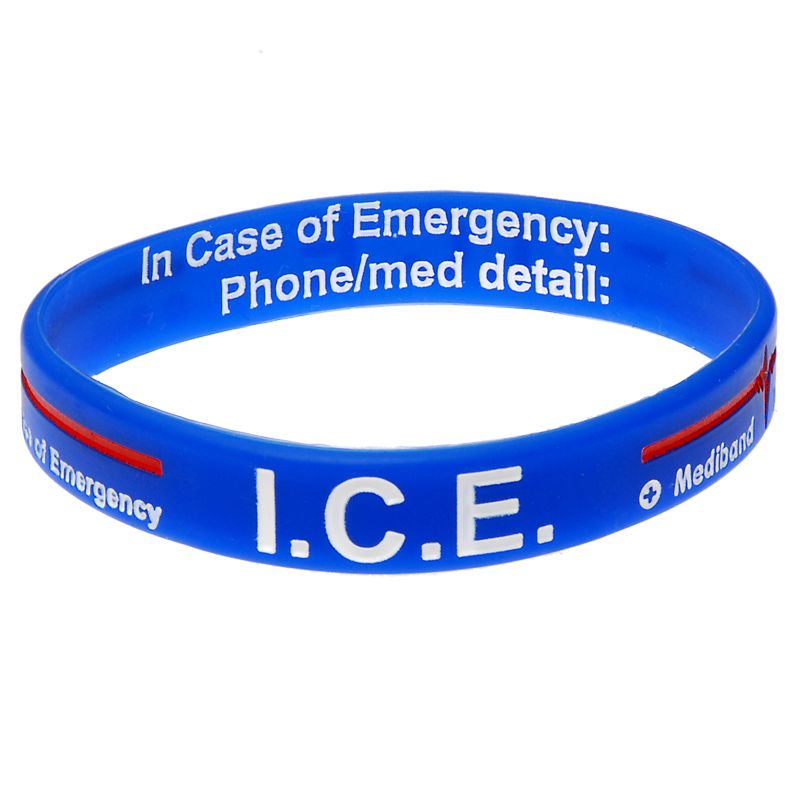
Start the Year with a Medical Alert Bracelet
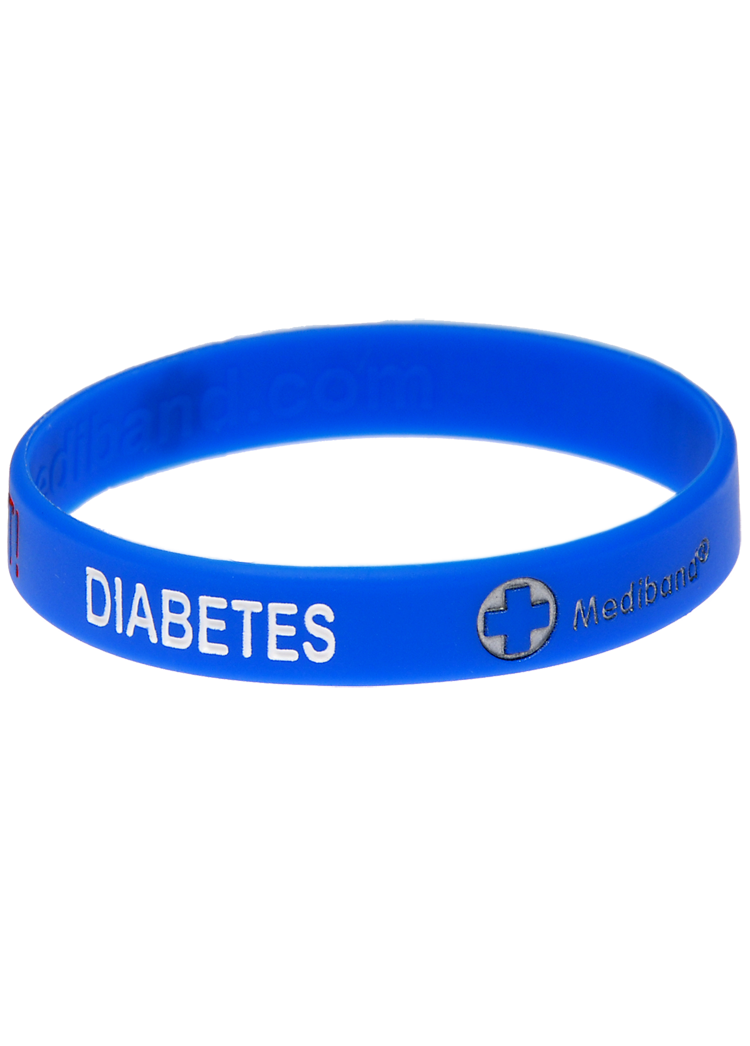
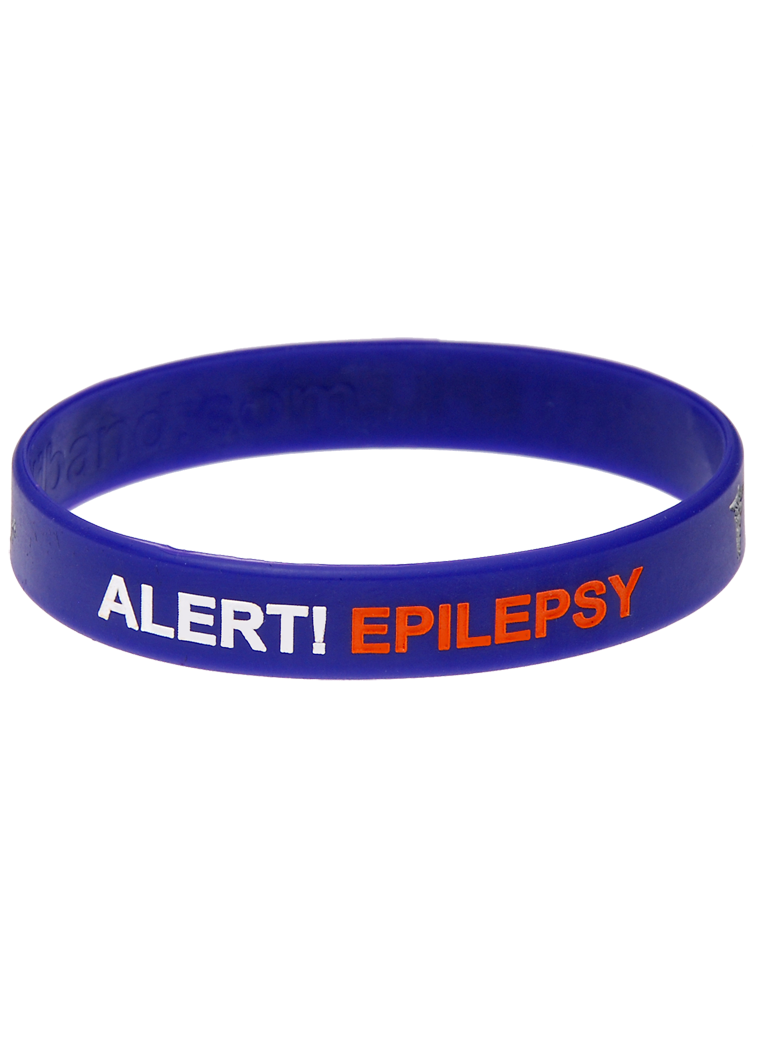
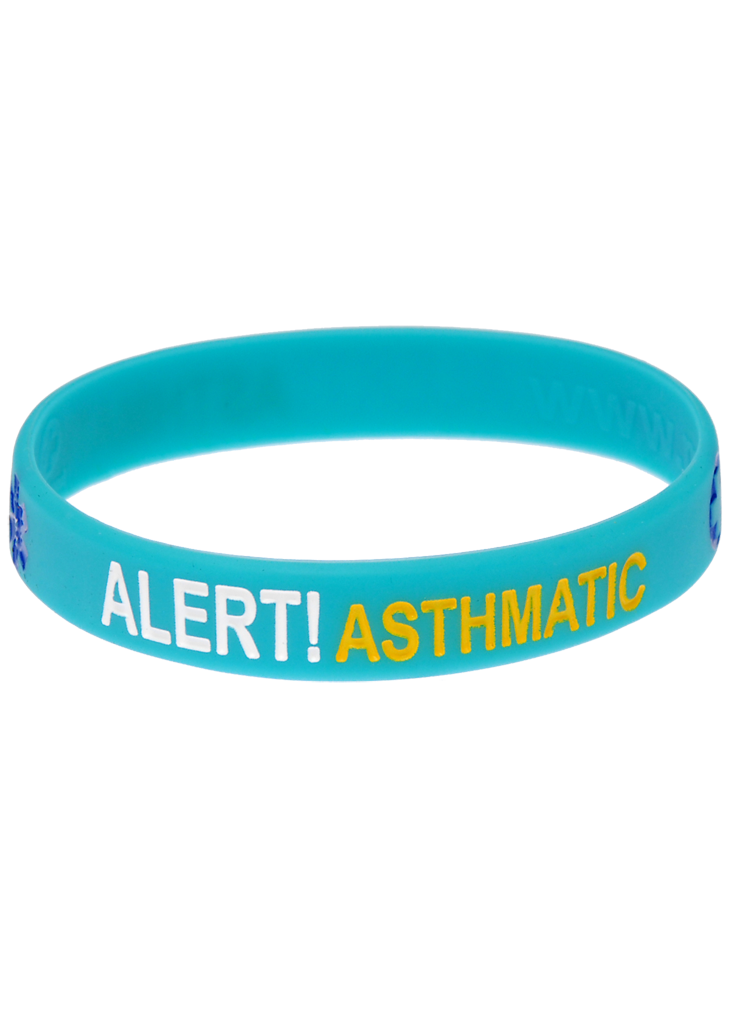
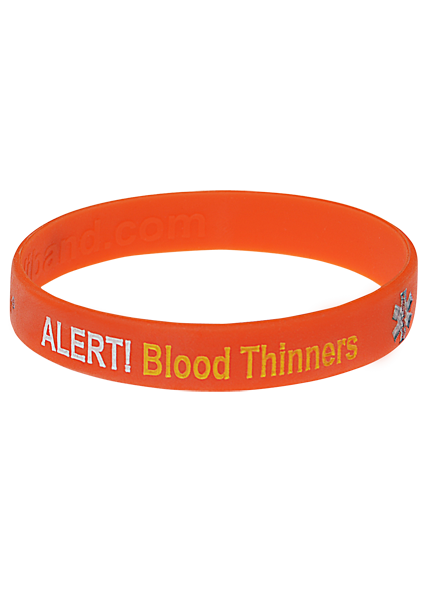
The single most important health safety step for anyone with a chronic condition — worn 24/7, water-resistant, and designed for everyday Australian life.
Step 1 — Review and Update Your Medical Information
If you already wear a medical alert bracelet or carry a wallet card, the first step is reviewing whether the information it carries is still accurate. Key things to check:
What Your Medical ID Should Currently Show
- Primary medical condition — has your diagnosis changed or expanded? E.g. a new diagnosis of atrial fibrillation added to existing diabetes
- Current medications — particularly blood thinners, insulin, anticoagulants, or any drug that affects emergency treatment. Have dosages or medications changed?
- Drug allergies — especially any antibiotic allergies like penicillin that could affect what a hospital administers in an emergency
- Emergency contact — is the name and phone number still current? A disconnected number in an emergency is as useful as no number
When to Replace Your Medical Alert Bracelet
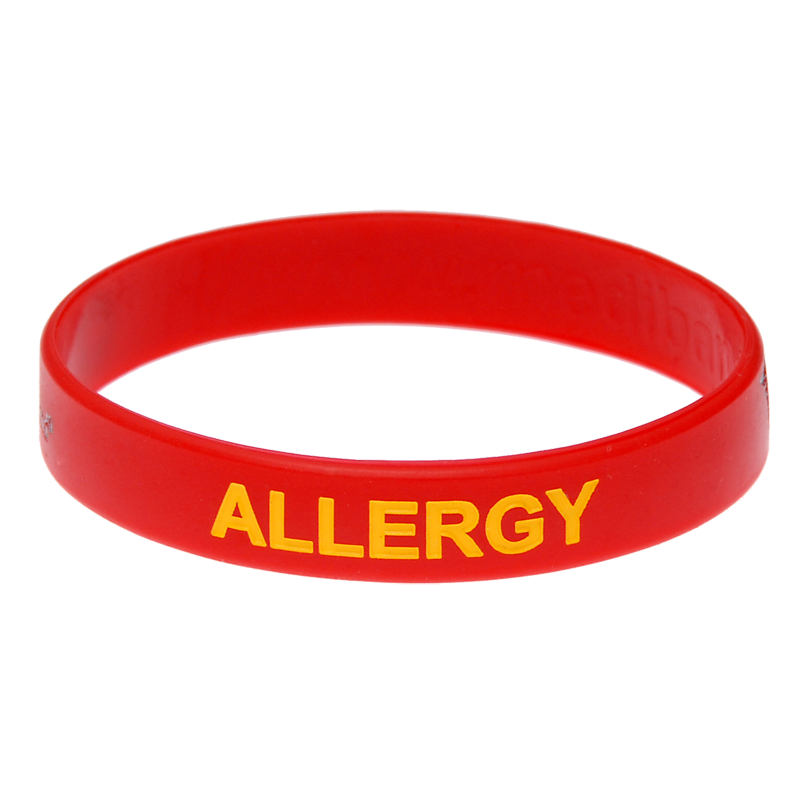
Mediband silicone bracelets are designed for daily wear and typically last 12 to 24 months before the print begins to fade. If any of the information has changed, or the bracelet is no longer clearly readable, replace it immediately — do not wait. A bracelet that cannot be read quickly under pressure provides no safety benefit.
See our full guide: What to Engrave on a Medical Alert ID Bracelet.

Step 2 — Get a Medical Alert Bracelet If You Do Not Have One Yet
If you have a chronic condition and do not yet wear a medical alert bracelet, the new year is the right time to start. This is not a product for severely unwell people only — it is for anyone whose health status could affect the emergency treatment they receive.
Who Should Wear a Medical Alert Bracelet?
The list is broader than most people assume. A bracelet is recommended for anyone with:
- Diabetes — particularly insulin-dependent, where a hypoglycaemic episode can mimic intoxication or stroke
- Epilepsy or any seizure disorder — over 250,000 Australians live with epilepsy (Epilepsy Action Australia)
- Severe allergies or anaphylaxis risk — including drug allergies like penicillin that affect hospital treatment
- Asthma requiring specific emergency medications
- Heart conditions, pacemakers, anticoagulants, or blood-thinning medications
- Dementia, autism, or any cognitive condition that affects communication under stress
- Children attending school, sport, or activities without a parent
How to Choose the Right Medical Alert Bracelet
Mediband's silicone range is the most popular starting point — comfortable, water-resistant, available in dozens of condition-specific designs, and priced accessibly. For those who prefer a more jewellery-like appearance, the reversible designer range carries the medical information on the reverse face, looking like a standard bracelet from the outside. Read our guide: Who Should Wear a Medical Alert Bracelet?

Step 3 — Book Your Annual Health Checks
January and February are the ideal time to book health checks before the year fills up. The Australian Government's Medicare Benefits Schedule covers a range of health assessments at no cost or reduced cost for eligible Australians. Key checks to book at the start of the year include:
- Blood pressure — hypertension affects 1 in 3 adult Australians (Heart Foundation, 2023) and is a key risk factor for stroke and heart attack
- Fasting blood glucose — type 2 diabetes affects over 1.3 million Australians and an estimated 2 million are in the pre-diabetes range without knowing it
- Cholesterol — high LDL cholesterol increases heart disease risk significantly and is entirely symptomless
- Cancer screening — bowel cancer screening (50+), breast screen (50–74), and cervical screening (25–74) are all Medicare-covered and time-critical
If you have an existing chronic condition, your GP can also review your management plan and adjust any medications that have changed over the past year.
Step 4 — Update Your Emergency Plan and ICE Contacts
ICE Contacts on Your Phone
ICE — "In Case of Emergency" — contacts are saved on your phone with the prefix "ICE" so emergency responders can identify who to call without unlocking your device. Both iPhone (Medical ID in Health app) and Android (Emergency Information in settings) have dedicated emergency info screens that display on the lock screen without a passcode.
At the start of each year, check that your ICE contacts are still current — correct name, active phone number, and awareness of your medical history. This takes two minutes and is one of the easiest emergency prep steps available.
First Aid Kit at Home
The Australian Red Cross recommends that every Australian household maintain a basic first aid kit. Check yours at the start of each year: replace any expired items, restock used supplies, and make sure every adult in the household knows where the kit is kept. If you have a condition requiring specific emergency medication — such as an EpiPen for anaphylaxis or glucagon for severe hypoglycaemia — check expiry dates and replace if necessary.
Step 5 — Tell the People Around You
A medical alert bracelet is the first line of emergency communication — but it should not be the only one. The people in your daily life should know:
- What your condition is and what an emergency looks like
- Where your emergency medications are kept (EpiPen, glucagon, reliever inhaler)
- What to do — and critically, what not to do — if something goes wrong
- Who to call (beyond emergency services) if you are incapacitated
This is especially important for children with medical conditions returning to school after the summer break. Teachers, coaches, and school nurses should be updated at the start of every school year. Many Australian schools now require an updated medical action plan (asthma, anaphylaxis, or diabetes) annually — confirm with your school's administration that yours is current.

Frequently Asked Questions
How often should I update my medical alert bracelet?
Review your medical alert bracelet information at least once a year — the start of the new year is a good trigger. Update it immediately if your condition, medications, drug allergies, or emergency contact details change. Mediband silicone bracelets typically last 12 to 24 months of daily wear before the print fades and a replacement is needed.
What is the best new year health resolution for someone with a chronic condition?
Getting or updating a medical alert bracelet is one of the highest-impact, lowest-effort health steps available. It takes minutes, costs very little, and could make a critical difference if you ever experience a medical emergency. Pair it with booking your annual health checks and updating your ICE phone contacts for a complete start-of-year health safety review.
Do paramedics check medical alert bracelets in Australia?
Yes. Emergency responders across Australia are trained to check the wrist and neck for medical ID within the first 30 seconds of attending an unresponsive patient. A clearly labelled medical alert bracelet communicates your condition, critical medications, allergies, and emergency contact — without requiring any technology, power, or cooperation from the patient.
What health checks should Australians book at the start of the year?
Priority checks include blood pressure, fasting blood glucose, and cholesterol — all key silent risk factors. Eligible Australians should also book cancer screenings (bowel, breast, cervical) according to their age and screening schedule. People with existing chronic conditions should book a GP management plan review to ensure medications and referrals are up to date. Many of these are covered under Medicare at no cost.
What information should I update on my medical alert bracelet each year?
Check whether your primary medical condition, current medications, critical drug allergies, and emergency contact number are still accurate. If anything has changed — a new diagnosis, an adjusted medication, a different emergency contact — order a replacement bracelet immediately. Outdated information on a medical ID is potentially as dangerous as no ID at all.
The new year is full of health intentions — and most of them are abandoned by the time the summer is over. The steps in this checklist are different: they take minutes to complete, they require no ongoing commitment, and they create genuine safety for you and everyone who loves you. Browse the full Mediband range and start the year with the health step that could actually save your life.

Share on Facebook

Share on X

Share on Pinterest
Comment(s)
Recent Posts
The Risk Of Not Wearing An Allergy Medical Alert Bracelet
March 23, 2026