Standing up from desks helps avoid diabetes
February 29, 2012
Over 1.9 million Australians are living with diabetes — and millions more are on a path toward it without knowing it. According to Better Health Victoria, sedentary behaviour accounts for 27% of diabetes cases in Australia. Meanwhile, nearly half of all employed Australians (49%) describe their workday as mostly sitting. The connection is direct: the more we sit, the higher our risk. But Australian research has shown that a surprisingly simple habit can make a real difference.
The Research: Breaking Up Sitting Time Cuts Blood Glucose by 30%
Groundbreaking research from Associate Professor David Dunstan at the Baker IDI Heart and Diabetes Institute, published in Diabetes Care (the journal of the American Diabetes Association), found that interrupting prolonged sitting with short bouts of light activity can lower blood glucose and insulin levels by as much as 30 per cent.
The study asked participants to stand up and walk at a light pace for just two minutes every 20 minutes throughout the day. The results were significant — and the most encouraging finding was that light-intensity activity was just as effective as moderate-intensity exercise.
"What this study is showing is that people who sit for long periods — like office workers, call centre staff, and drivers — could improve their health by simply breaking up their sitting time with frequent activity breaks," Professor Dunstan said.
"If people regularly break it up, they're actually producing a more favourable blood glucose profile. So throughout the day if you get up and move about and contract those muscles, you're going to help your body clear that glucose."
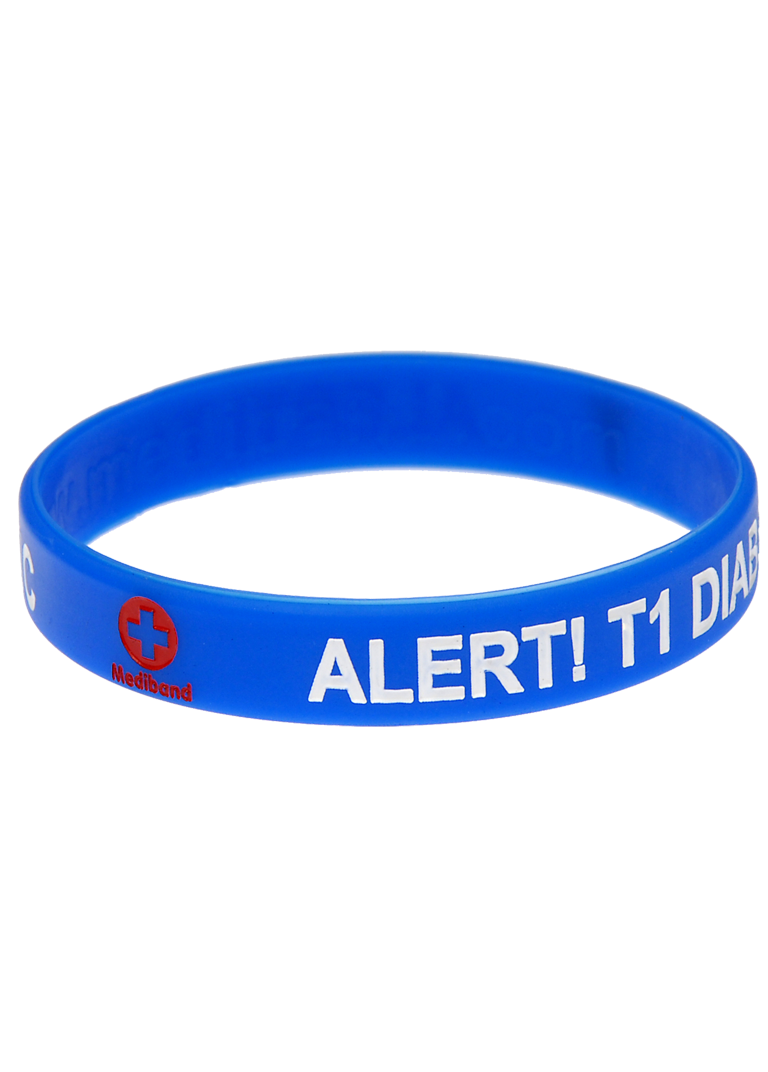
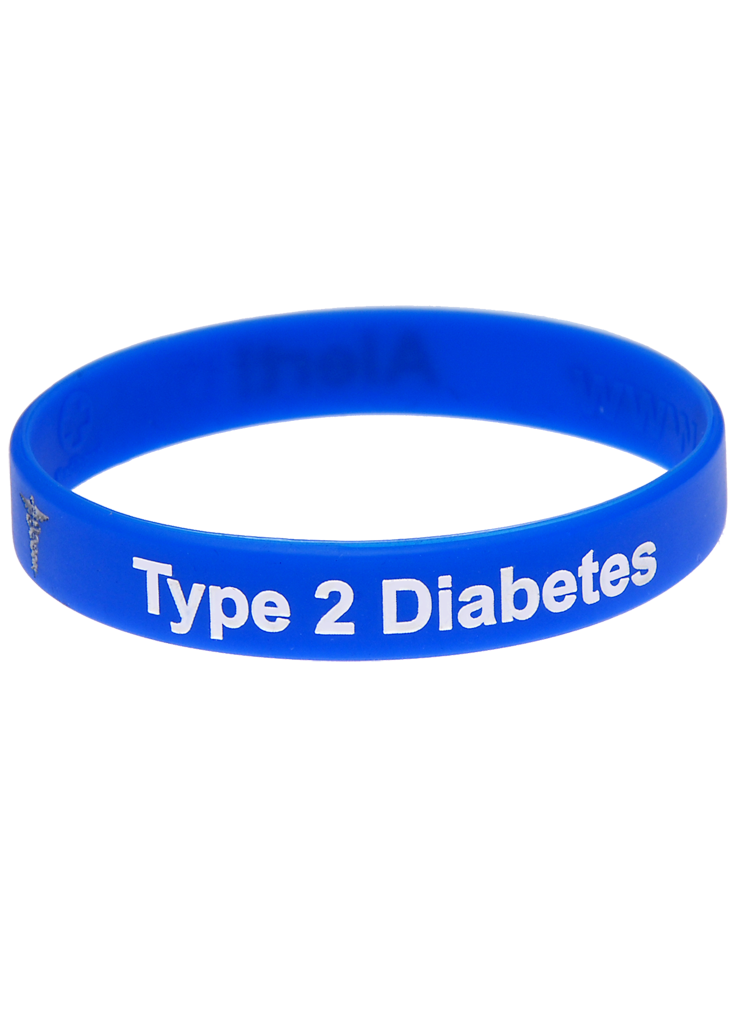
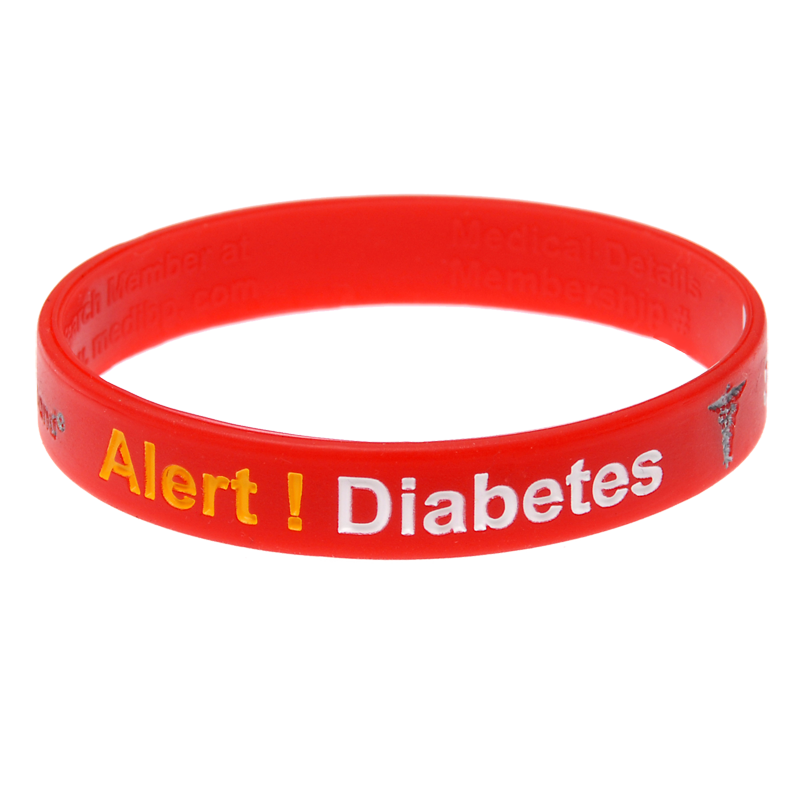
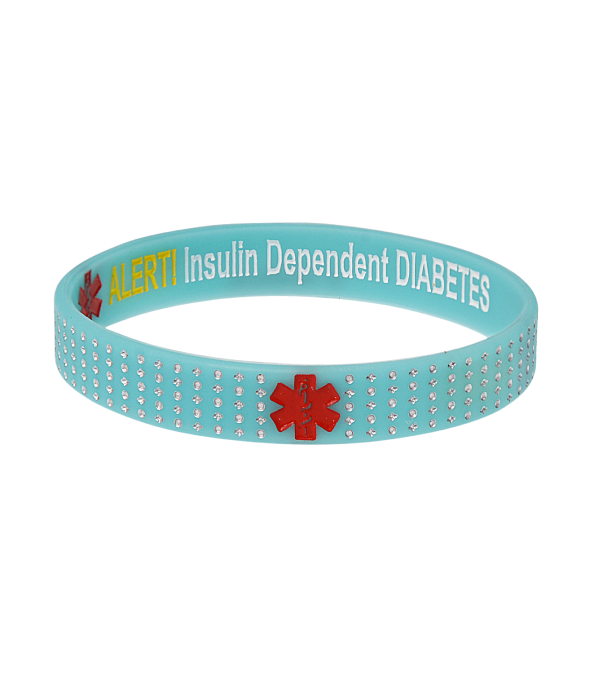
Shop Diabetes Medical Alert Bracelets
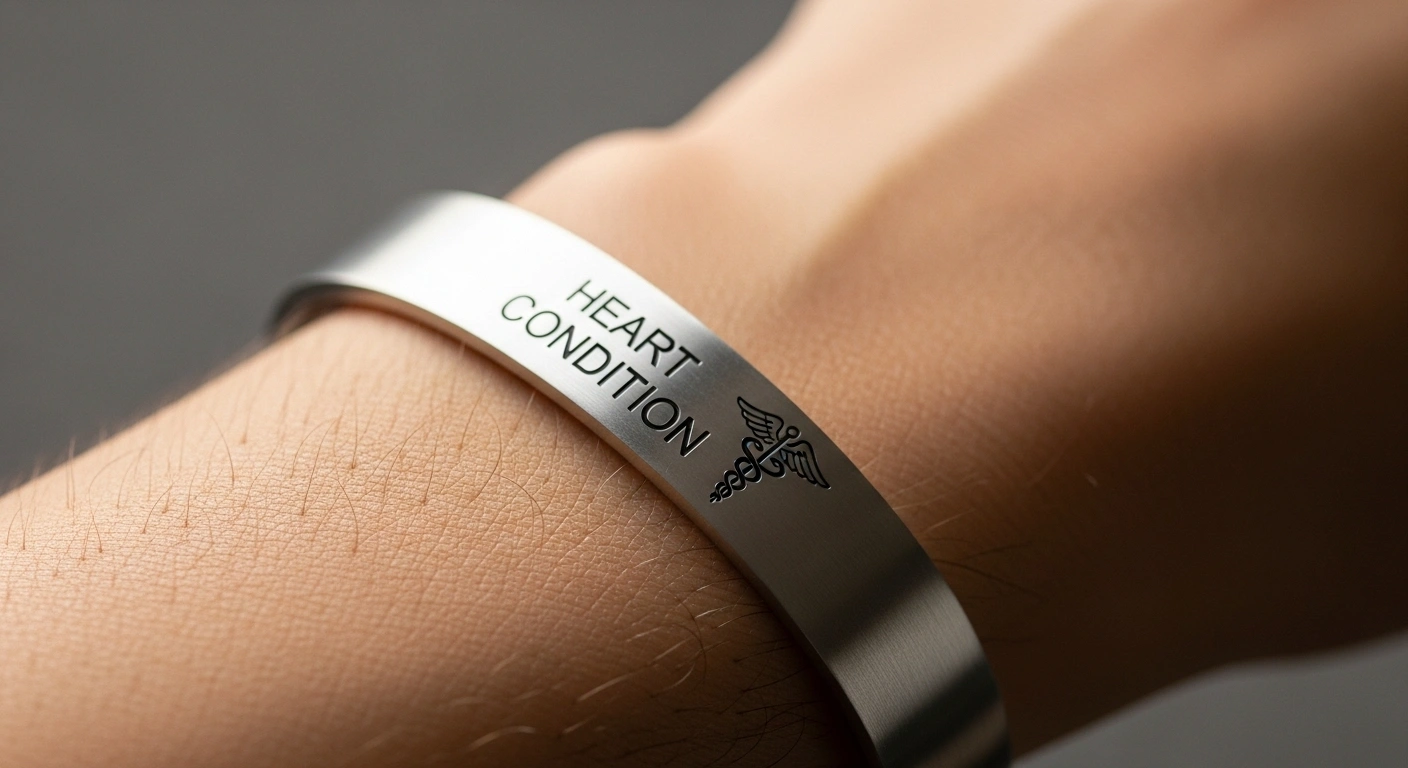
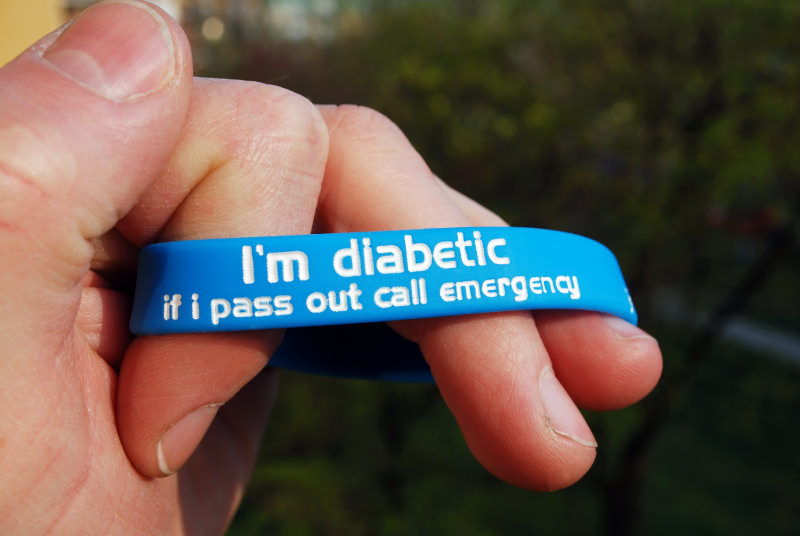
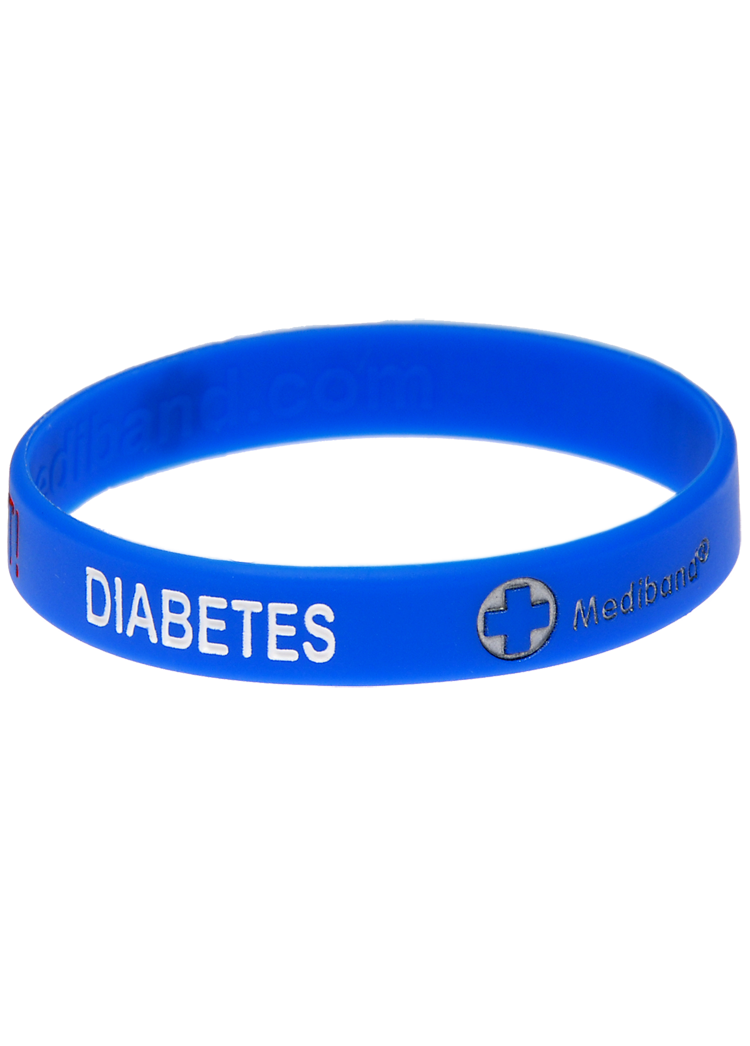
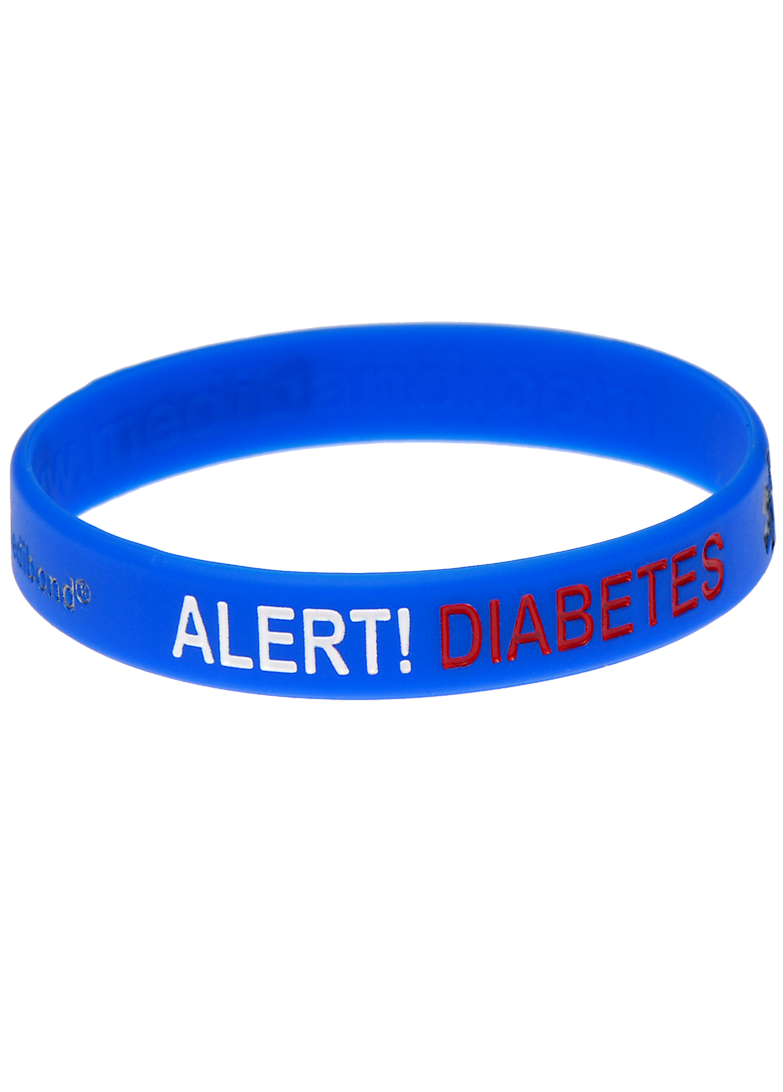
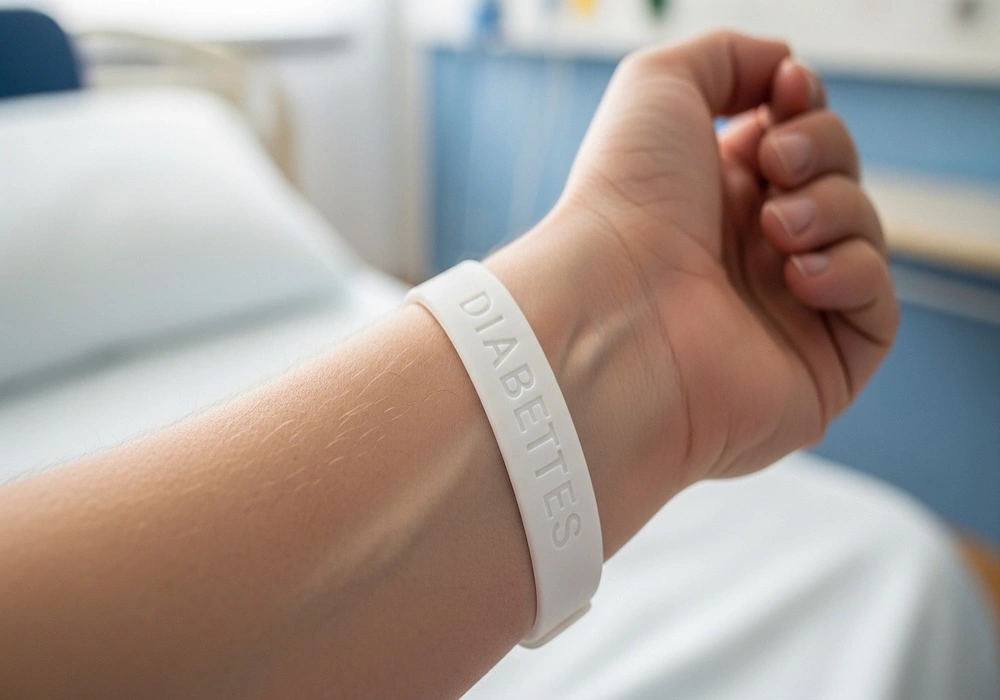
If you or someone you know has diabetes, a medical alert bracelet is one of the most important things to wear every day.
Why Office Workers Face a Higher Risk of Type 2 Diabetes
The Numbers Are Significant
Australia's workforce is increasingly sedentary. Desk-based jobs, remote work, long commutes, and screen time outside work hours mean many Australians spend the majority of their waking hours seated. According to the Better Health Channel, prolonged sitting is associated with a significantly increased risk of type 2 diabetes, cardiovascular disease, and premature death — independent of how much exercise a person does outside work hours.
That last point is critical: exercising for 30 minutes in the morning does not undo the damage of 8 hours of sitting. Regular movement throughout the day is what the body needs.
It Is Not Just About Weight
Many people assume diabetes risk is primarily about being overweight. While excess weight is a contributing factor — with approximately 60% of Australians classified as overweight or obese — sedentary behaviour affects blood glucose regulation independently of body weight. Even healthy-weight people who sit for extended periods show impaired glucose metabolism. The muscles are simply not contracting, and glucose is not being cleared from the bloodstream efficiently.
How Often Should You Stand Up at Your Desk?
The 20 to 30 Minute Rule
Professor Dunstan's research points to a practical target: stand up and move for at least two minutes every 20 to 30 minutes. This is already consistent with recommendations from occupational health and safety literature to take a break from screens every 30 minutes to reduce eye strain — now there is an additional reason to make that break an active one.
"I guess what this study is further adding to that is that we need to do some physical movement during those breaks," Professor Dunstan said.
Practical ways to build movement into your workday:
- Stand up and walk to a colleague rather than sending an email or instant message
- Take phone calls standing or walking
- Set a timer or use a posture reminder app to prompt movement every 20–30 minutes
- Use a sit-stand desk and alternate between positions throughout the day
- Take the stairs instead of the lift when moving between floors
- Walk during your lunch break — even 10 minutes makes a measurable difference
Light Activity Is Just as Effective as Moderate Exercise
One of the most practical findings from Professor Dunstan's research is that you do not need to break a sweat to get the benefit. Light-intensity activity — equivalent to a gentle stroll — produced the same 30% reduction in blood glucose as moderate-pace walking.
"In this study we actually compared walking at a light pace — so that's just equivalent to strolling — and on a subsequent experimental day we got the people to walk at a moderate pace. If we introduced the activity breaks it lowered the glucose levels by about 30 per cent. The important thing is the light was equivalent to moderate intensity activity," Professor Dunstan explained.
This means there is no excuse. You do not need a gym, special equipment, or even comfortable shoes. Simply standing up and moving around the office for two minutes is enough to trigger a meaningful improvement in glucose metabolism.
Are Standing Desks Enough?
Standing desks have become popular in Australian offices, but 2024 research from Australia and reported by health authorities cautions against seeing them as a complete solution. Prolonged standing — like prolonged sitting — carries its own risks, including cardiovascular strain and musculoskeletal discomfort.
The key message from the research is consistent: movement matters more than posture. Whether you are sitting or standing, staying static for long periods is the problem. Regular, brief movement breaks remain the most effective and practical strategy for managing blood glucose and reducing diabetes risk throughout the workday.
If You Already Have Diabetes: Stay Safe at Work
For the 1.9 million Australians already living with diabetes, workplace wellness is even more important — and so is being prepared for a medical emergency. Hypoglycaemia (low blood sugar) can strike without warning, particularly for insulin-dependent diabetics. Symptoms can include confusion, dizziness, and loss of consciousness — conditions that can be mistaken for other causes by untrained colleagues or emergency responders.
A diabetes medical alert bracelet is one of the simplest and most important things a person with diabetes can wear at work. It instantly communicates your condition to a first aider, colleague, or paramedic if you are unable to speak for yourself. Learn more in our guide on managing a new type 2 diabetes diagnosis.
Frequently Asked Questions
How often should I stand up at my desk to reduce diabetes risk?
Research from the Baker IDI Heart and Diabetes Institute recommends standing up and moving for at least two minutes every 20 to 30 minutes. This was shown to lower blood glucose and insulin levels by up to 30%. You don't need intense exercise — a gentle walk around the office is sufficient.
Does sitting at a desk cause diabetes?
Prolonged sitting doesn't directly cause diabetes, but it is a significant contributing risk factor. Sedentary behaviour impairs the body's ability to clear glucose from the bloodstream, increasing insulin resistance over time. According to Better Health Victoria, sedentary behaviour accounts for approximately 27% of diabetes cases in Australia.
Is a standing desk enough to prevent diabetes?
Not on its own. While standing desks reduce sitting time, prolonged standing is not significantly better than prolonged sitting for blood glucose management. Regular movement — standing up and walking briefly every 20 to 30 minutes — is far more effective than simply switching from a sitting to a standing position.
Should people with diabetes wear a medical alert bracelet at work?
Yes. People with diabetes — especially those who are insulin-dependent — are at risk of hypoglycaemic episodes that can cause confusion or loss of consciousness without warning. A diabetes medical alert bracelet ensures that colleagues, first aiders, and emergency responders immediately know your condition and can provide the correct assistance.
What should I put on a diabetes medical alert bracelet?
Include your condition (e.g. "Type 1 Diabetic" or "Insulin Dependent Diabetic"), any critical medications, and an emergency contact number. If you carry an insulin pump or EpiPen, include that too. Keep it brief — first responders need to read it quickly in an emergency.
Not sure which diabetes medical alert bracelet is right for you? Browse our full range or contact our team — we're here to help you find the right fit.

Share on Facebook

Share on X

Share on Pinterest
Comment(s)
Recent Posts

The Risk Of Not Wearing An Allergy Medical Alert Bracelet
March 23, 2026