How Stainless Steel Medical Alert Bracelets Support Emergency Care
March 13, 2026
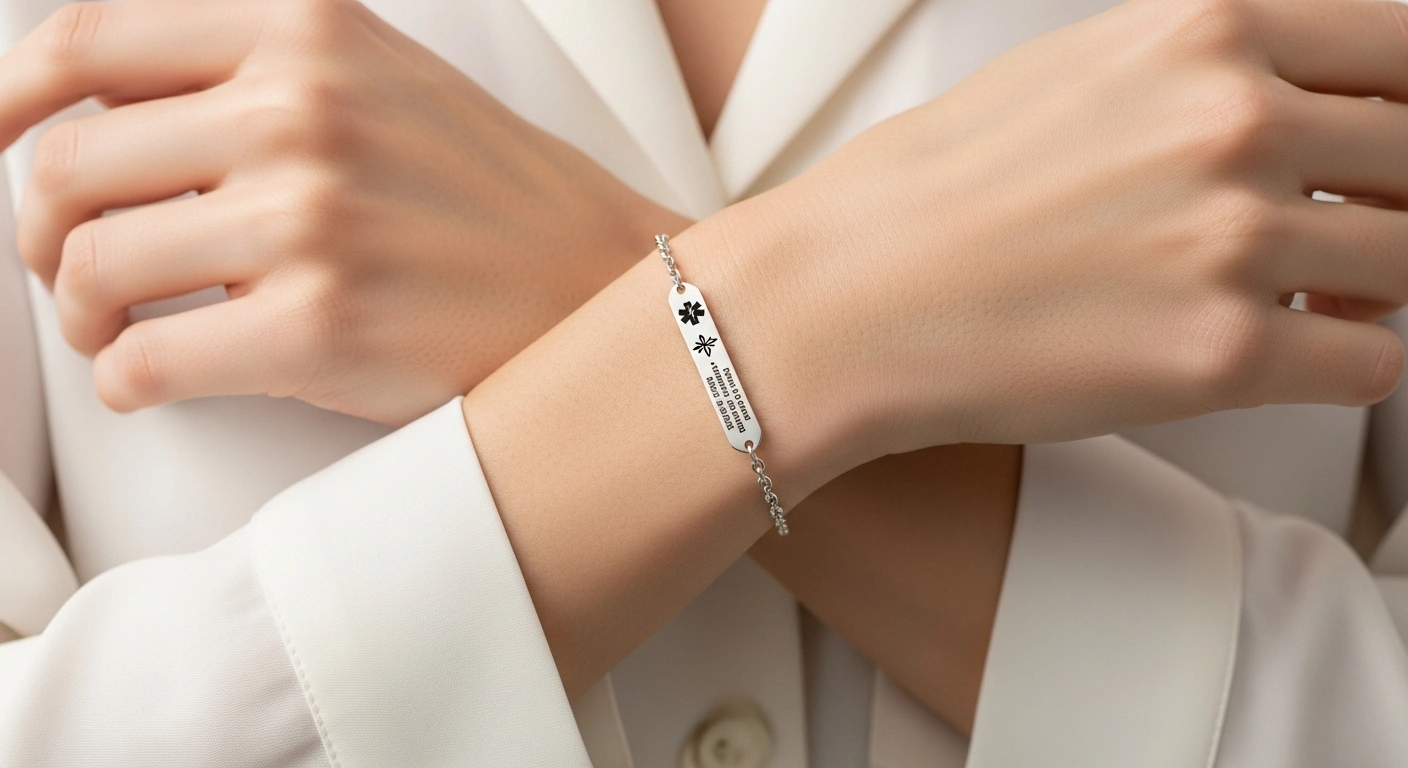
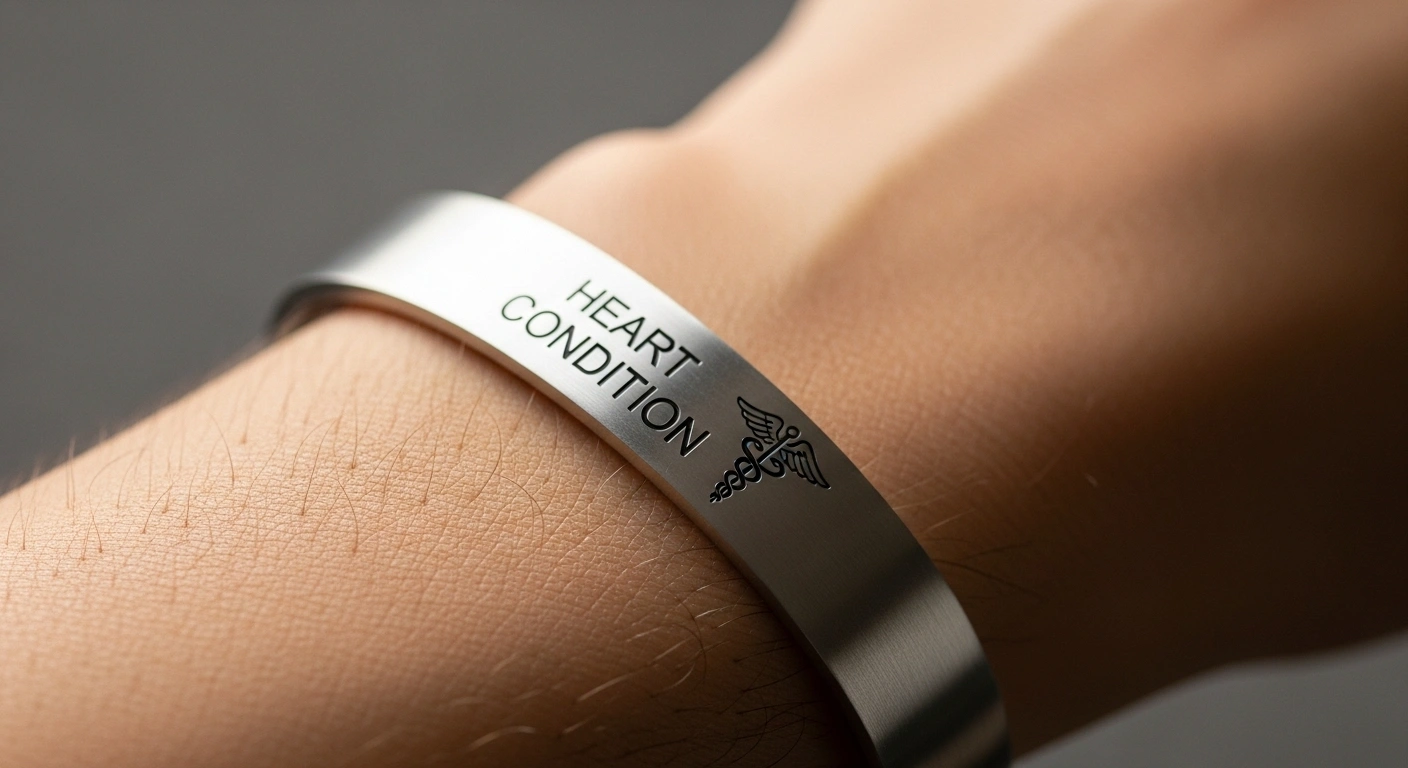
When someone collapses and cannot speak for themselves, stainless steel medical alert bracelets do the talking. Worn on the wrist and engraved with critical health details, they give paramedics immediate access to information that could otherwise take minutes to track down - minutes that genuinely matter.
Medical emergencies rarely give anyone time to prepare. A person with epilepsy may have a seizure in a grocery store; a diabetic may collapse during a morning run. In each case, the minutes between the incident and proper treatment are the most critical. Any delay caused by uncertainty about a diagnosis or unknown drug allergy can lead to treatment errors that worsen outcomes.
This article breaks down exactly how stainless steel medical alert bracelets support faster and safer emergency care - from the moment a patient loses the ability to communicate, all the way through decisions made in the emergency room.
What Happens In The First Minutes Of An Emergency
The first few minutes after a medical emergency are when outcomes are most often decided. The faster first responders can build an accurate picture of who they are treating and what their medical history is, the more targeted and effective their response will be.
When someone is unresponsive or unable to communicate, paramedics follow a structured assessment. Part of that process involves checking the wrists and neck for medical identification. New York State’s Basic Life Support protocols, for example, explicitly instruct responders to check for medical alert tags as part of their physical examination. This means wearing a bracelet is not a passive gesture — it actively becomes part of the standard workflow in emergency care.
At this stage, identification does more than confirm a name. It provides immediate clinical context. A bracelet engraved with “Type 1 Diabetes” on an unconscious patient instantly shifts the responder’s focus toward checking blood glucose levels. Without that information, valuable time is spent ruling out multiple possible causes before arriving at the correct one.
In many emergencies, verbal communication is not possible. Conditions such as seizures, anaphylactic shock, severe hypoglycemia, strokes, and cardiac arrest often prevent a person from speaking. Even when someone remains conscious, confusion, pain, or cognitive impairment can make it difficult to communicate accurate medical information. Bystanders may try to help, but under pressure, their knowledge is often incomplete or uncertain. A medical alert bracelet removes that uncertainty by providing clear, reliable information immediately.
Medical alert bracelets are designed to fill a critical gap in emergency response — the period before a patient’s full medical record can be accessed. While hospitals rely on electronic records, these systems take time and require identity confirmation. A bracelet, worn on the wrist, delivers essential information instantly at the point of first contact — before any database is accessed, before any calls are made, and before any assumptions have to be formed.
Shop Stainless Steel Medical Alert Bracelets
Durable, hypoallergenic stainless steel — built to last and keep you safe.



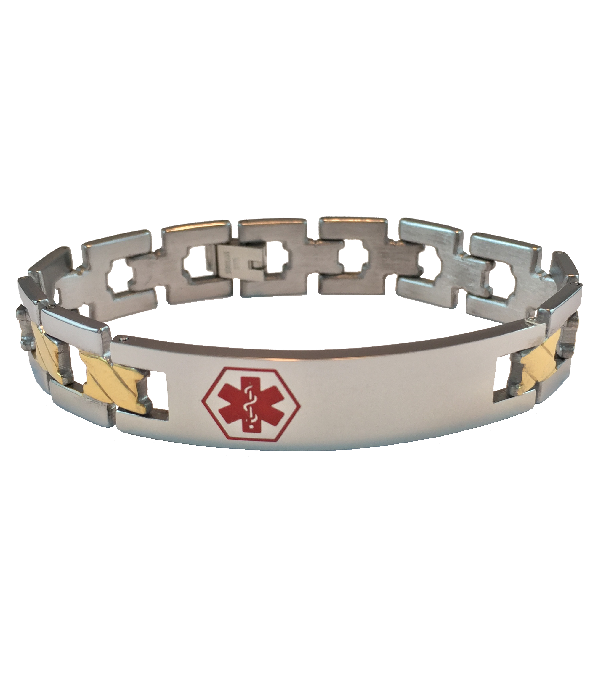
How Stainless Steel Medical Alert Bracelets Improve Response Time
Speed in emergency medicine is not just about how fast a vehicle arrives. It's about how quickly the right treatment starts. A paramedic who knows a patient has a penicillin allergy won't waste time administering it. Each piece of visible information cuts diagnostic time and narrows the treatment path.
Instant Visibility For First Responders
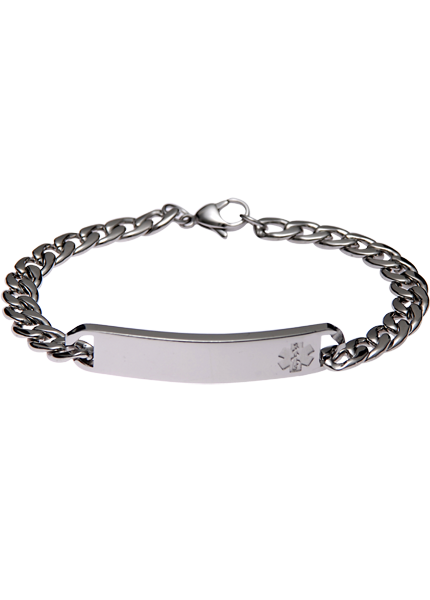
Stainless steel medical alert bracelets typically feature the internationally recognized Star of Life symbol - the same emblem seen on ambulances - which signals to any trained medical professional that relevant health information is present. The National Highway Traffic Safety Administration registered this symbol in 1977 and remains the universal cue for emergency personnel to examine the bracelet before proceeding with treatment.
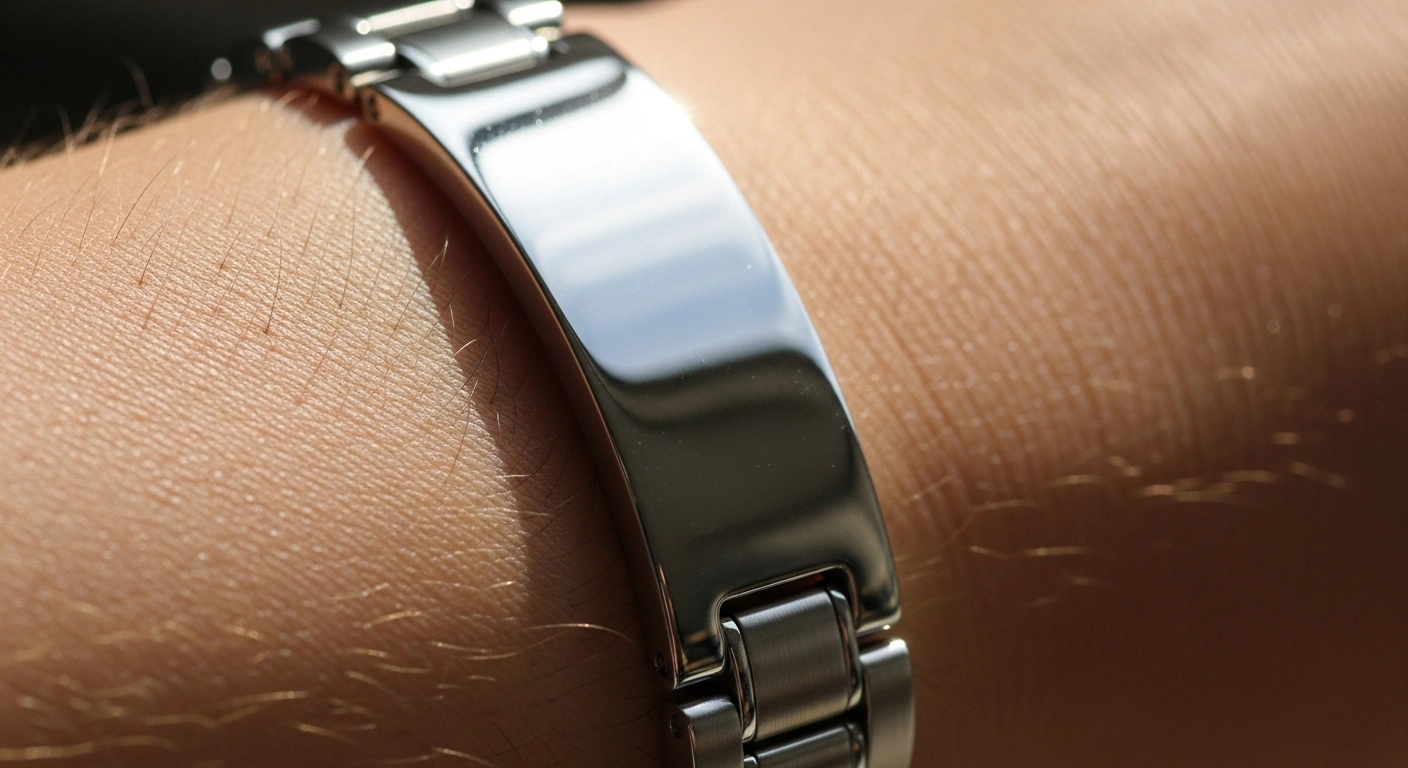
The physical properties of stainless steel contribute directly to visibility. A well-engraved stainless bracelet retains clear, contrast-rich lettering even after years of regular wear. Unlike silicone or fabric bands, where printed text fades, deep-cut metal engraving holds its form across the life of the product. When a paramedic glances at a patient's wrist in poor lighting during a roadside emergency, legibility is not optional.
Eliminating Delays In Diagnosis
One of the most dangerous gaps in emergency care is the window between arrival and confident diagnosis. Without patient history, clinicians default to broader, slower workups. A stainless steel medical alert bracelet can collapse that gap significantly. A bracelet reading "Epilepsy - Do Not Restrain" tells a responder to avoid actions that could cause injury during a seizure. A bracelet noting "Adrenal Insufficiency - Needs Hydrocortisone In Emergency" could prevent death by guiding the immediate administration of a drug the patient cannot produce naturally.
A survey by American Medical ID, which polled paramedics and first responders, found that more than 95% of respondents check for a medical ID during emergencies, and more than 75% do so immediately upon assessing the patient. A worn bracelet will almost certainly be seen and acted upon.
Supporting Faster Decision-Making
Decision-making in emergency medicine operates on probabilities. Clinicians move through a rapid checklist: what is most likely causing this presentation, and what treatment carries the least risk of harm? Medical alert bracelets shift those calculations by providing verified baseline information that reduces uncertainty. When guesswork is reduced, decisions are made faster - and the patient receives appropriate care sooner.
Why Material Matters In Emergency Situations
Not all medical ID bracelets are created equal. The material determines how long it remains reliable, whether it survives daily wear, and whether its engraving stays readable over the years. Stainless steel consistently outperforms other materials across these categories, which is why it has remained the dominant choice since the MedicAlert Foundation introduced the first stainless steel medical bracelet in 1956.
Durability Under Extreme Conditions
A patient involved in a car accident, a fall, or a physical altercation subjects every item on their body to stress. Stainless steel medical alert bracelets resist crushing, bending, and impact in ways that silicone, fabric, or plastic alternatives simply cannot match.
Surgical-grade stainless steel - labeled 316L - is the same material used in medical instruments and implants. It doesn't corrode under exposure to water, sweat, blood, or the cleaning agents used in clinical settings. A material that holds its structural integrity under stress ensures critical information stays on the patient's wrist.
Long-Term Legibility Of Engraving
Engraving on stainless steel is not a surface treatment - it is a removal of material, cutting text directly into the metal. There is no ink to fade, no coating to peel, and no printing to wear off. A stainless steel medical alert bracelet engraved five years ago displays the same information with the same clarity as the day it was made. For people with chronic conditions who wear their bracelet daily for years, this long-term legibility is not a minor consideration - it is the whole point.
Reliability During Continuous Wear
Medical alert bracelets are only effective when they are on the wrist. Stainless steel is water-resistant and does not rust under normal conditions, making it suitable for showering, exercising, and most daily activities. Its weight and finish give it the aesthetic quality of standard jewelry, which reduces the social friction some people feel about wearing medical identification. A bracelet that feels like an accessory rather than a medical device is one that is more likely to stay on.
The table below compares stainless steel against silicone and plastic alternatives across the properties that matter most in emergencies:
| Feature | Stainless Steel | Silicone / Plastic |
| Engraving durability | Permanent - cut into metal | Fades or peels over time |
| Water/sweat resistance | High - rustproof | Moderate |
| Impact resistance | High - surgical-grade | Low to moderate |
| Legibility after years of wear | Unchanged | Often degraded |
| Suitable for daily 24/7 wear | Yes | Yes, but less durable |
Critical Information That Should Be Included
The physical durability of a stainless steel medic alert bracelet is only as valuable as the accuracy and completeness of what is engraved on it. The American College of Emergency Physicians advises people to carry emergency medical identification if they have a health condition, an allergy, an implanted device, or are taking medications that could be life-threatening. What goes on that bracelet should reflect this priority order.
Primary Medical Conditions
The most important information on any stainless steel medical alert bracelet is the primary medical condition - written in clear, commonly understood clinical language, not personal shorthand. The following are conditions for which wearing a medical ID bracelet is most strongly recommended:
- Epilepsy and seizure disorders
- Type 1 or Type 2 Diabetes requiring insulin
- Adrenal insufficiency or other hormone-dependent conditions
- Severe allergies, including drug and food anaphylaxis
- Cardiac conditions, including pacemaker or defibrillator implants
Medications And Treatment Dependencies
Drug interactions are among the most common sources of preventable harm in emergency care. A patient on blood thinners who is given a conflicting medication can suffer serious complications. A patient allergic to penicillin who receives a penicillin-based antibiotic faces a life-threatening reaction.
A stainless steel medic alert bracelet listing current medications and known drug allergies prevents both scenarios. Prioritize the medications that carry the highest risk: anticoagulants, immunosuppressants, insulin, corticosteroids, and any drug with a known severe allergy. The recommended format is straightforward - "On Warfarin" or "Allergy: Penicillin."
Emergency Instructions And Contacts
Beyond conditions and medications, a well-designed stainless steel medical alert bracelet should include at least one emergency contact and, where applicable, specific treatment instructions. ICE (In Case of Emergency) followed by a phone number, is widely recognized by emergency personnel and takes up minimal space. Specific treatment instructions are especially valuable for conditions that require non-standard responses:
- "Adrenal Crisis: Give 100mg Hydrocortisone IM" - guides administration of a potentially life-saving injection
- "Pacemaker Implanted - No MRI" - prevents a diagnostic error that could be fatal
- "Autism - Non-verbal, Do Not Separate From Caregiver" - provides context that prevents distress escalation
What The Research Shows
A peer-reviewed review published in the journal Anaesthesia (Rahman, Walker & Sultan, 2017) examined 74 studies on medical identification jewellery and found that these devices can convey vital information to emergency responders - but that accuracy depends entirely on whether the patient's information is current and correctly worded.
The review analyzed commercial availability across 32 websites and found that, at the time, no provider required physician input into the wording before bracelets were issued. That makes accuracy the patient's own responsibility. The authors called for national guidance on specific indications for use, regular information review, and clearer standards around physician involvement.
The takeaway is straightforward: the stainless steel endures, but the information needs to be reviewed and updated alongside any change in diagnosis, medication, or treatment plan. A bracelet that reflects outdated information can misdirect care as surely as no bracelet at all.

Share on Facebook

Share on X

Share on Pinterest
Comment(s)
Recent Posts
The Risk Of Not Wearing An Allergy Medical Alert Bracelet
March 23, 2026