Positive Daily Habits for Better Health: Resources and Tips That Actually Work
July 14, 2020

Why Daily Habits Matter More Than Occasional Effort
When it comes to health and wellbeing, we are not what we do occasionally — we are what we do consistently. This is the central insight behind the science of habit formation, and it has profound implications for anyone who wants to improve their physical health, manage a chronic condition, or simply feel better each day.
A landmark study published in the European Journal of Social Psychology found that on average, it takes 66 days for a new behaviour to become automatic — meaning that the initial friction of a new habit significantly decreases after sustained practice. This is both encouraging and realistic: building health-supporting habits does take time and deliberate effort, but the payoff is a lifestyle that supports your wellbeing without requiring constant willpower.
For people managing chronic health conditions — whether diabetes, heart disease, respiratory conditions, arthritis, or mental health challenges — daily habits are particularly high-stakes. The management of most chronic conditions is fundamentally about what happens not during medical appointments but between them: the hundreds of small decisions about movement, food, sleep, stress, and medication that accumulate over weeks, months, and years into health outcomes. Building positive daily habits is not a wellness luxury — for many people, it is a core part of disease management.
The Science of Habit Formation: Making It Stick
Understanding how habits form makes it much easier to build them deliberately. Habit researchers describe a "habit loop" consisting of three elements: a cue (a trigger that initiates the behaviour), a routine (the behaviour itself), and a reward (the positive outcome that reinforces the loop). By designing these elements intentionally, you can make new health behaviours more likely to become automatic.
Practical applications: anchor a new habit to an existing one (after morning coffee, take a 10-minute walk); make the desired behaviour the path of least resistance (prepare workout clothes the night before); and identify a genuine reward that follows the behaviour (not as a bribe, but as a positive association that strengthens the neural pathway). Starting smaller than feels necessary is almost always the right approach — a habit that is actually done consistently beats a more ambitious habit that is rarely completed.
The Role of Sleep in Daily Health Habits
No discussion of positive daily habits is complete without addressing sleep — the foundation on which all other health behaviours rest. Chronic sleep deprivation impairs glucose metabolism, immune function, cardiovascular health, mood regulation, and cognitive performance. Research from the National Sleep Foundation consistently links less than seven hours of sleep per night with elevated risk across a wide range of health conditions.
Prioritising sleep is not passive — it requires active habits: a consistent sleep and wake time (even on weekends), a bedroom environment optimised for darkness and cool temperature, a wind-down routine that reduces screen use in the hour before bed, and limiting caffeine in the afternoon. These habits are not complicated, but they are profoundly impactful for anyone who takes their health seriously.
Morning Routines That Set the Day Up for Success
The first hour of the day has outsized influence on the hours that follow. A deliberately structured morning routine anchors positive habits before the demands of the day begin to compete for attention and energy.
Movement First
Morning physical activity — even a 10 to 15 minute walk — activates the cardiovascular system, improves insulin sensitivity, boosts mood through endorphin release, and (importantly for people managing chronic conditions) makes the probability of more exercise later in the day significantly higher. Research published in Medicine and Science in Sports and Exercise found that people who exercised in the morning were more likely to meet daily physical activity recommendations than those who planned to exercise later.
For people with diabetes, a morning walk has the additional benefit of helping to regulate fasting blood glucose — particularly useful if morning glucose levels are consistently elevated. For people with mental health conditions, the combination of exercise and light exposure in the morning is one of the most evidence-supported interventions for improving mood and reducing depressive symptoms.
Medication and Medical Identification as Daily Habits
For anyone managing a chronic medical condition, taking medications as prescribed is the most critical daily habit — yet adherence rates across all chronic conditions are consistently poor. Research published in the Annals of Internal Medicine suggests that approximately 50 percent of medications for chronic diseases are not taken as prescribed, contributing significantly to preventable hospital admissions and disease progression.
Building medication adherence as a consistent habit requires the same principles as any other habit: anchor it to an existing routine (medications with morning coffee or at a fixed mealtime), remove barriers (use a pill organiser, set phone reminders), and eliminate the need for daily decision-making (keep medications where you will see them at the right time).
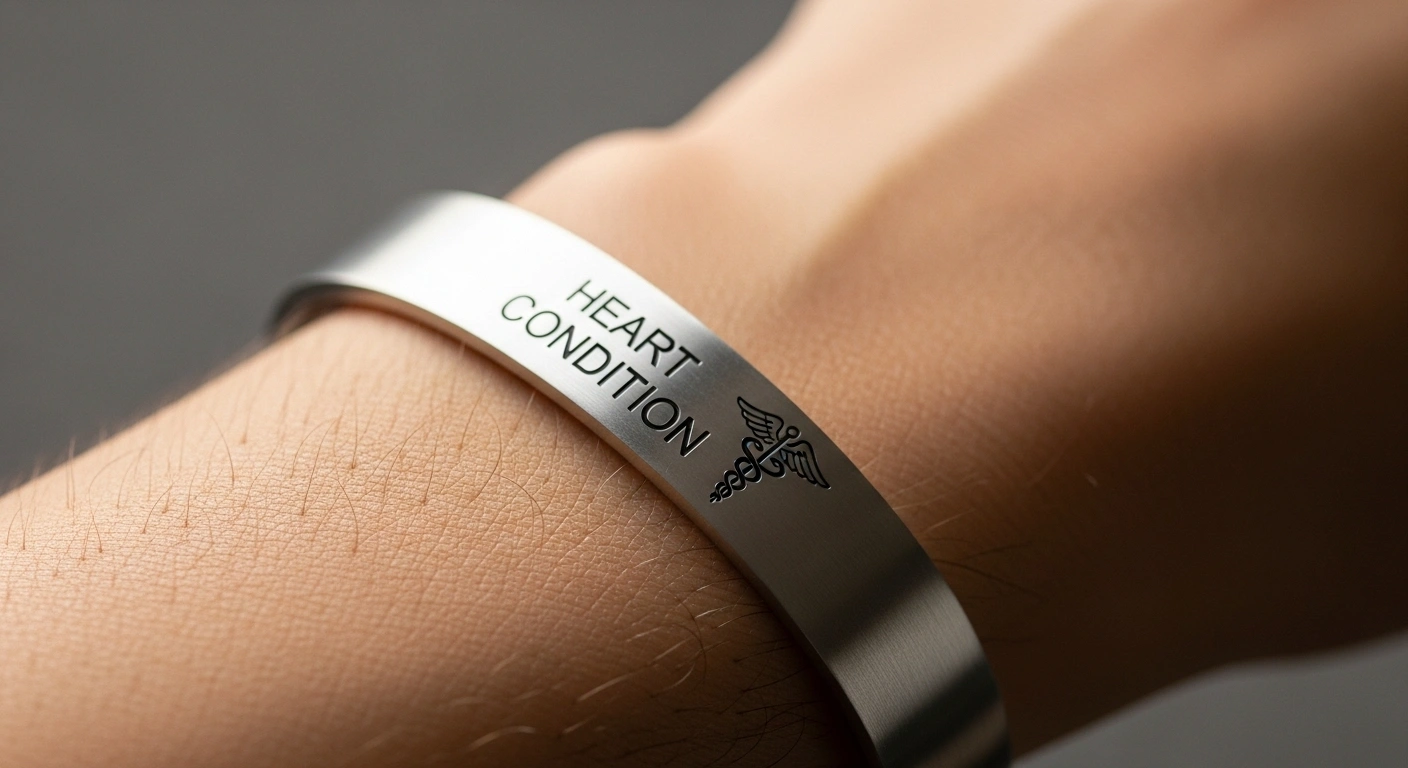
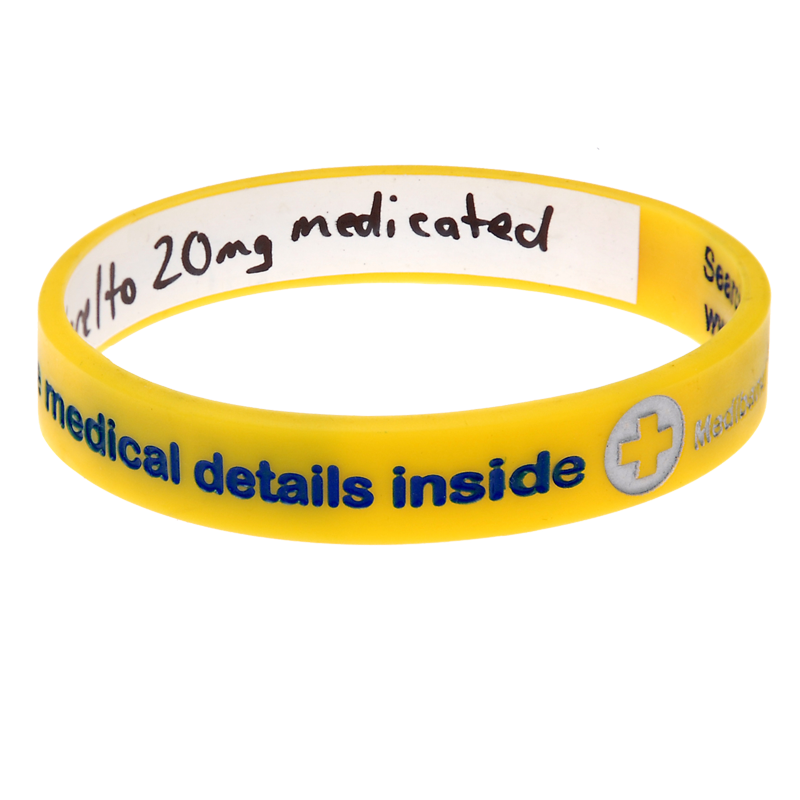
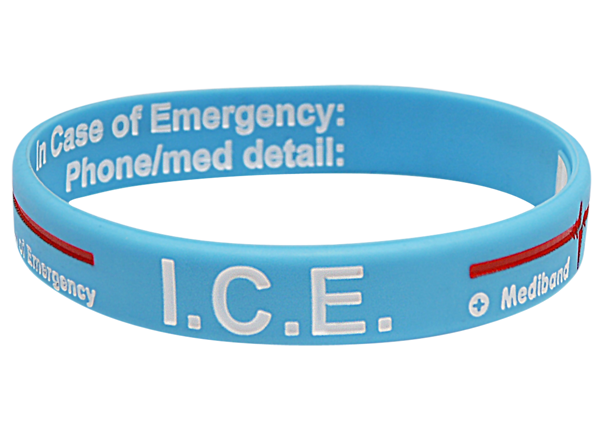
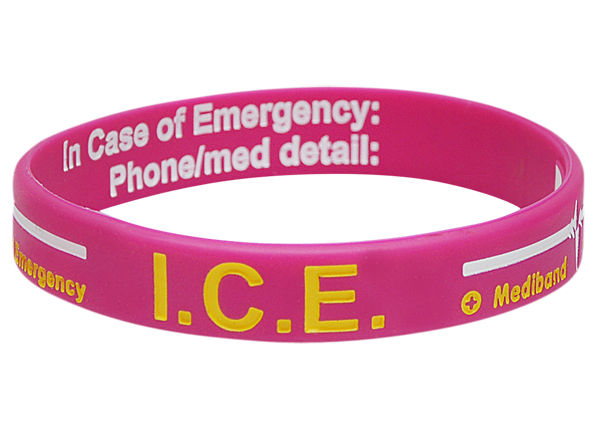
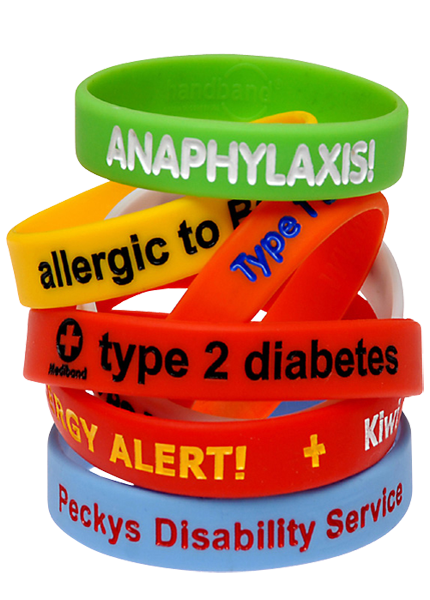
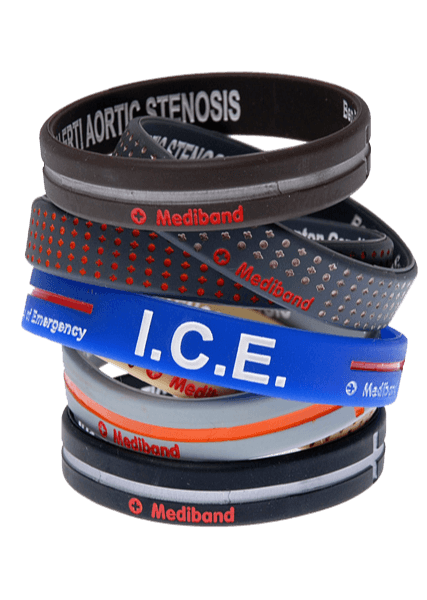
Similarly, wearing a medical alert bracelet every day should become as automatic as putting on other items of clothing. A medical ID bracelet that is worn consistently provides protection every single day — including on the days you feel well and don't anticipate needing it. Put it on with your watch and keys, and the habit quickly becomes effortless.
Make Your Medical ID a Daily Habit
The simplest daily habit that could save your life — wear it every day.

Nutrition Habits for Sustained Wellbeing
Nutrition is perhaps the area where the gap between knowledge and behaviour is widest. Most people have a reasonable understanding of healthy eating principles; the challenge is building eating patterns that are sustainable, practical, and enjoyable enough to maintain long-term.
The most evidence-based approach to building positive nutrition habits is additive rather than restrictive: focus on adding nutritious foods rather than only removing less healthy ones. This means: adding more vegetables to meals that already exist; including a protein source at every meal to support satiety; choosing wholegrains over refined grains where they fit naturally into existing meals; and ensuring consistent access to healthy snacks so that impulse choices under hunger are better defaults.
Meal preparation — even a modest amount of advance preparation on one or two days per week — dramatically reduces the daily friction of healthy eating. Having pre-cut vegetables, cooked wholegrains, marinated proteins, or portioned snacks ready means that healthy choices are the easy choices during busy days. This principle — reducing friction for desired behaviours — is one of the most consistently effective strategies in behavioural health research.
Mindfulness and Stress Management as Daily Practice
Chronic stress is a significant driver of poor health outcomes across virtually every condition category. It disrupts sleep, impairs immune function, raises blood pressure and inflammatory markers, and undermines the motivation needed to maintain positive habits. Building a daily stress management practice is therefore not a luxury for the already-well — it is particularly important for people managing health conditions where stress is a known trigger or aggravating factor.
Mindfulness-based practices have the strongest evidence base among stress management approaches. A meta-analysis published in JAMA Internal Medicine found that mindfulness meditation programmes produced moderate evidence of improved anxiety, depression, and pain outcomes — without the side effects associated with pharmacological approaches. Daily mindfulness practice does not require a long time commitment: consistent, brief practices (10 to 15 minutes daily) produce measurable benefits with sustained practice over weeks.
For people who find formal meditation difficult, other evidence-supported stress management habits include: regular physical activity; time in natural environments; social connection; creative activities (music, art, writing); and progressive muscle relaxation. The key is consistency — any of these approaches requires regular practice to produce the stress-buffering benefits that accumulate over time.
Explore Mediband's range of resources for people managing chronic health conditions, including our guide to medical alert bracelets that support safe daily living and the peace of mind that comes from knowing you are identified and protected every day.
Resources That Support Positive Daily Habits
Building and sustaining positive daily habits is significantly easier with the right resources and support structures. Evidence-based resources worth knowing include:
The NHS Health Apps Library (apps.nhsx.nhs.uk) and similar repositories in other countries provide vetted, evidence-based digital tools for a wide range of health habit areas, from physical activity tracking to mindfulness practice to medication reminders. These represent a significant step up from the vast majority of commercially available health apps, which often lack any clinical evidence base.
For people managing chronic conditions specifically, condition-specific organisations — Diabetes UK, the Epilepsy Foundation, the Arthritis Foundation, and equivalent organisations in your country — typically offer free education programmes, peer support, and practical resources specifically designed for condition management. These resources exist because self-management is recognised as the most important determinant of outcomes in chronic disease — and they are almost universally underutilised.
For broader lifestyle habit support, Atomic Habits by James Clear is the most widely cited practical guide to habit formation and is directly applicable to health behaviour change. It translates behaviour science into immediately actionable strategies.
Finally, wearing a medical alert bracelet is itself one of the most important daily health habits for anyone with a condition that could affect emergency treatment decisions. Browse Mediband's full reversible write-on bracelet range or explore our designer medical ID collection for something you will enjoy wearing every day.
Frequently Asked Questions
How long does it take to build a new health habit?
Research suggests the average time for a new behaviour to become automatic is around 66 days, though this varies considerably depending on the person and the complexity of the behaviour. Simple habits (taking a daily walk after a specific meal) tend to become automatic more quickly than complex, multi-step behaviours. The most important insight is that early practice is hardest — after several weeks of consistent repetition, the friction reduces substantially, and the habit begins to feel like a natural part of the daily routine rather than an effort.
What is the most important daily habit for someone with a chronic condition?
Medication adherence is consistently identified as the highest-impact daily habit for people managing chronic conditions — and also one of the most commonly failed. Taking prescribed medications correctly and consistently has a greater impact on most chronic condition outcomes than any other single lifestyle factor. Beyond medication, the most important habits vary by condition: blood glucose monitoring for diabetes, peak flow monitoring for asthma, regular weight and blood pressure checks for cardiovascular conditions. Ask your care team which specific monitoring habits are most important for your condition.
How can wearing a medical alert bracelet become a daily habit?
The key is to make putting on the bracelet require no decision — it goes on automatically as part of getting dressed each morning, alongside watch, keys, and phone. Keep the bracelet in a visible location where you dress or prepare for the day. Choose a bracelet you find comfortable and, ideally, one you find aesthetically pleasing or at least unobtrusive — the more you like wearing it, the more consistently you will. A medical ID bracelet worn daily provides 365 days of protection per year; one worn sporadically is far less effective as a safety tool.
What are the best resources for building healthy daily habits?
Evidence-based resources include: condition-specific organisations (diabetes associations, epilepsy foundations, heart foundations) for condition management guidance; NHS-approved or equivalent clinically vetted health apps for tracking and reminders; registered dietitians and exercise physiologists for personalised nutrition and activity guidance; and evidence-based self-help resources such as 'Atomic Habits' by James Clear for general habit formation strategies. Peer support — from others who are successfully managing similar conditions — is one of the most consistently underrated resources available.
Is it better to build one habit at a time or several simultaneously?
Research on habit formation strongly supports building habits one at a time, particularly for people who are new to deliberate habit-building. Each new habit requires cognitive effort and willpower during the early establishment phase — attempting multiple new habits simultaneously depletes these resources and increases the likelihood that none of them stick. Once a habit has become sufficiently automatic (typically after four to eight weeks of consistent practice), it requires less conscious effort, freeing capacity to begin building the next one.

Share on Facebook

Share on X

Share on Pinterest
Comment(s)
Recent Posts


The Risk Of Not Wearing An Allergy Medical Alert Bracelet
March 23, 2026