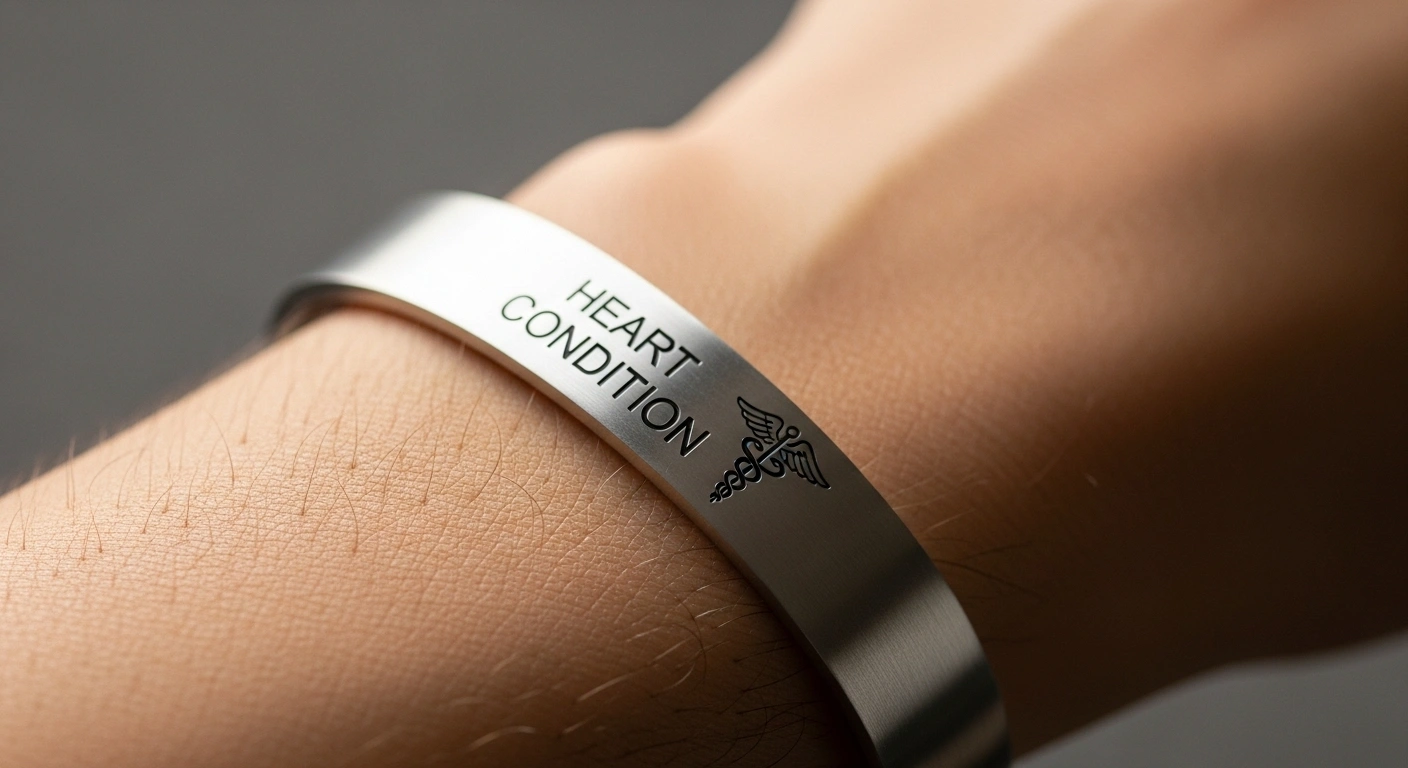
Bowel Cancer Awareness: Symptoms, Screening, and How a Medical Alert Bracelet Can Help
December 21, 2021

Bowel cancer is the third most commonly diagnosed cancer in the world, with approximately 1.9 million new cases recorded globally each year, according to the World Health Organization (2022). Despite its prevalence, it remains one of the most under-discussed cancers — and that silence costs lives. Early detection of bowel cancer dramatically improves survival outcomes: when caught at Stage 1, the five-year survival rate exceeds 90%. When caught at Stage 4, it falls below 15%. Raising awareness, understanding symptoms, and getting screened are not just medical recommendations — they are life-saving actions.
This guide covers bowel cancer symptoms, screening options, treatment, and how tools like a medical alert bracelet can support people living with bowel cancer and related conditions.
What Is Bowel Cancer? Understanding Colorectal Cancer
Bowel cancer — also called colorectal cancer — is cancer that develops in the lining of the large bowel (colon) or rectum. It typically begins as a small growth called a polyp, which over time may become cancerous. Most polyps don’t cause symptoms, which is why screening is so critical for early detection before symptoms appear.
Bowel cancer is not a single disease — it includes colon cancer (which develops in the colon) and rectal cancer (which develops in the rectum, the final section of the large intestine). The causes are multifactorial, including genetic predisposition, diet, lifestyle, and age.
Who Is at Risk of Bowel Cancer?
While bowel cancer can affect anyone, certain factors increase risk:
- Age: Risk increases significantly after 50, though rates in younger adults are rising
- Family history: A first-degree relative with bowel cancer roughly doubles your risk
- Personal history: Previous bowel polyps or inflammatory bowel disease (Crohn’s or ulcerative colitis)
- Diet: High intake of red and processed meat; low fibre intake
- Lifestyle factors: Smoking, heavy alcohol consumption, physical inactivity, and obesity
- Inherited syndromes: Lynch syndrome and familial adenomatous polyposis (FAP) significantly elevate risk
Early Warning Signs: Bowel Cancer Symptoms Not to Ignore
A significant challenge in bowel cancer is that early-stage disease often causes no symptoms at all. When symptoms do appear, they can be subtle and easy to dismiss. Knowing what to watch for is essential.
Symptoms that should prompt a visit to a doctor include:
- Persistent changes in bowel habits — diarrhoea, constipation, or narrower stools lasting more than a few weeks
- Blood in the stool (bright red or very dark) or rectal bleeding
- Ongoing abdominal pain, cramping, or bloating
- Feeling that the bowel hasn’t emptied fully after a bowel movement
- Unexplained weight loss
- Unexplained fatigue or weakness
Many of these symptoms can be caused by other, far less serious conditions. But they should always be investigated, especially if they persist for more than four to six weeks or are new. Don’t self-diagnose or dismiss — get checked.
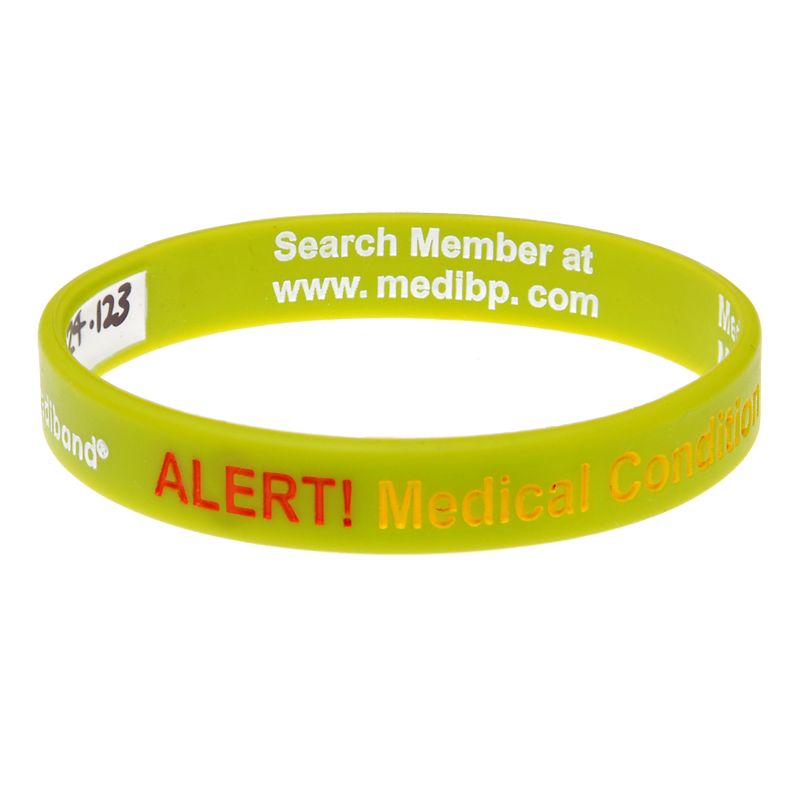
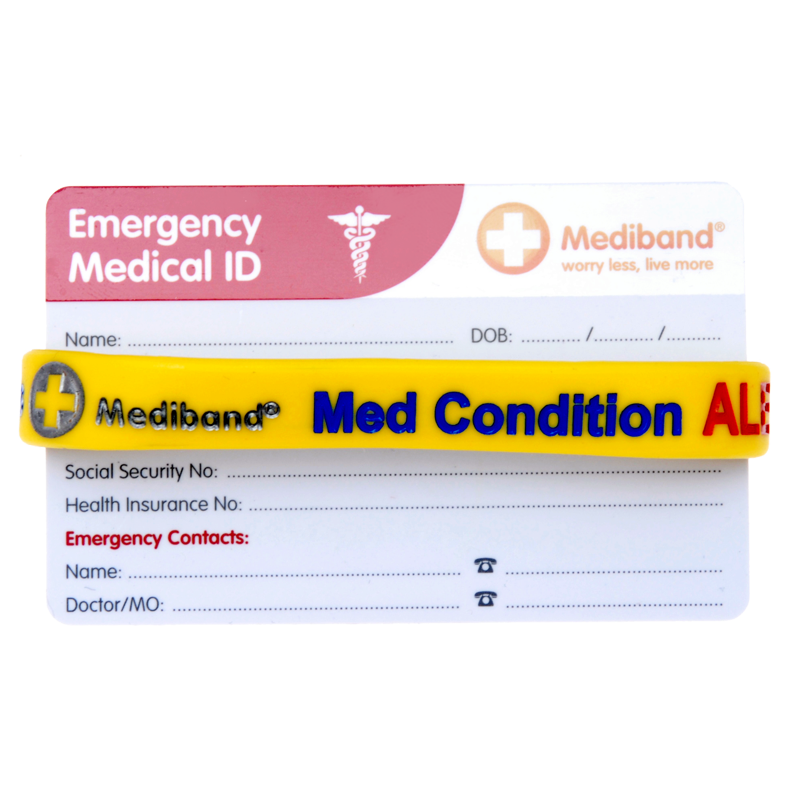
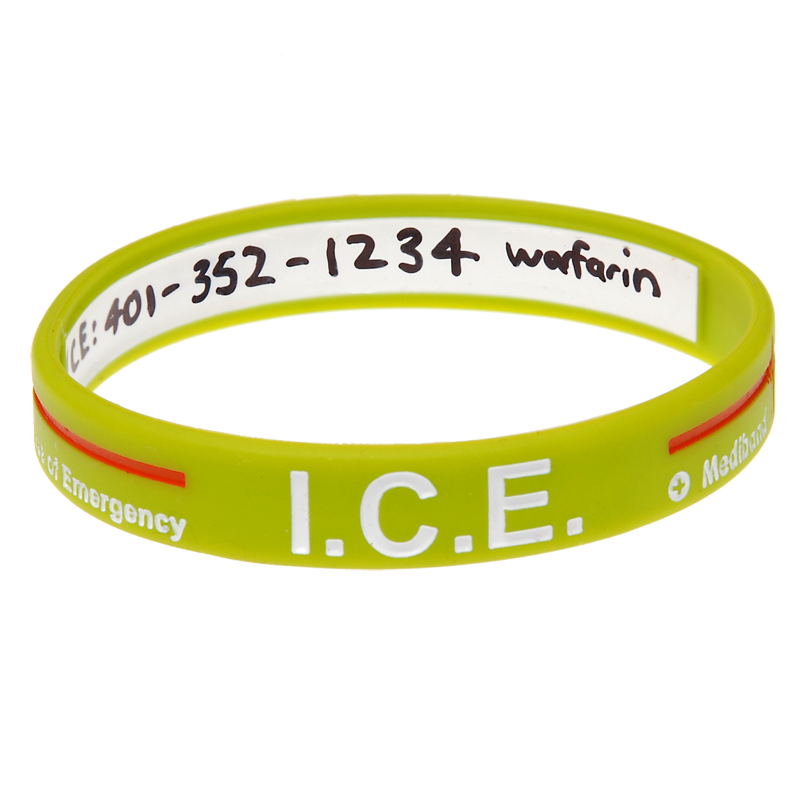
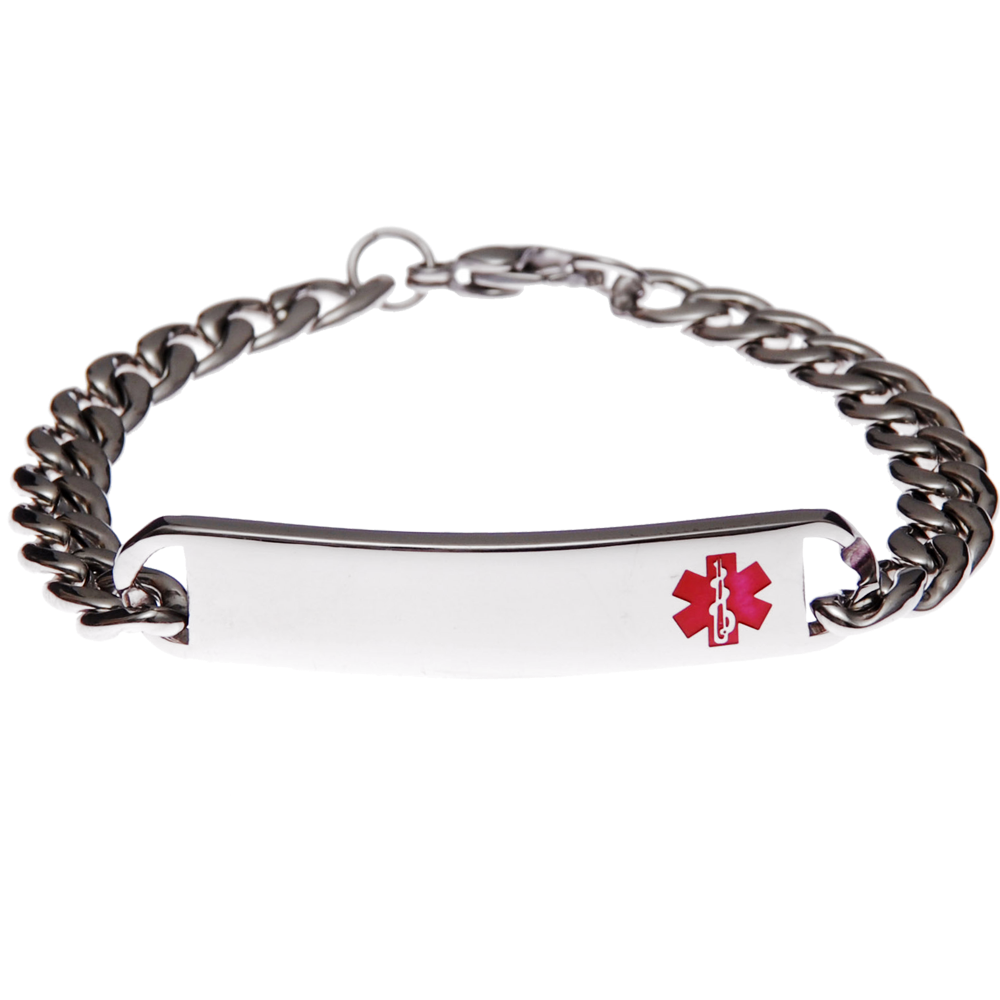
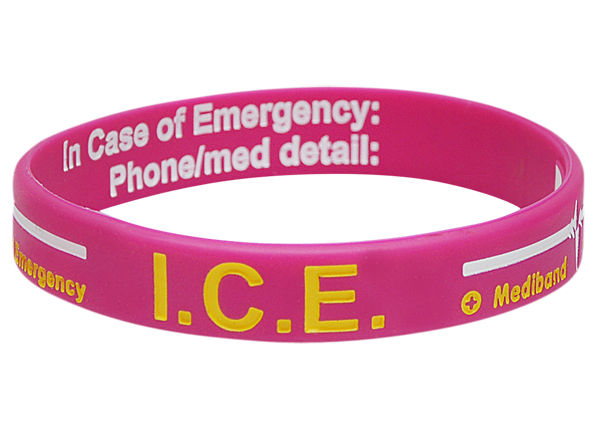
Medical Alert Bracelets for Cancer Patients
Communicate your condition, medications, and needs — especially when undergoing treatment or surgery.
Bowel Cancer Screening: Why Early Detection Saves Lives
Bowel cancer screening finds cancer at an early, treatable stage — or identifies polyps before they become cancer. Screening programmes vary by country, but the most common tests include:
- Faecal Occult Blood Test (FOBT) or Faecal Immunochemical Test (FIT): A simple home test that detects hidden blood in the stool. Usually the first-line screening test, recommended for adults from age 50 in many countries.
- Colonoscopy: A camera examination of the entire colon, performed under sedation. The most comprehensive test — polyps can be removed during the procedure.
- Sigmoidoscopy: Similar to colonoscopy but examines only the lower colon.
- CT Colonography (virtual colonoscopy): A CT scan that produces detailed images of the colon, useful for people who cannot undergo conventional colonoscopy.
If you are over 50, or have a family history of bowel cancer, speak to your doctor about the appropriate screening for your situation. Don’t wait for symptoms. The Lancet (2023) published data confirming that regular colonoscopy screening reduces bowel cancer mortality by up to 50% in screened populations.
How a Medical Alert Bracelet Supports Bowel Cancer Patients
People undergoing or recovering from bowel cancer treatment often have complex medical needs that emergency responders must be aware of. These include:
- Stoma: After certain bowel surgeries, a stoma (an opening in the abdomen for waste elimination) may be created. First responders need to know this to avoid incorrect abdominal examination or treatment approaches.
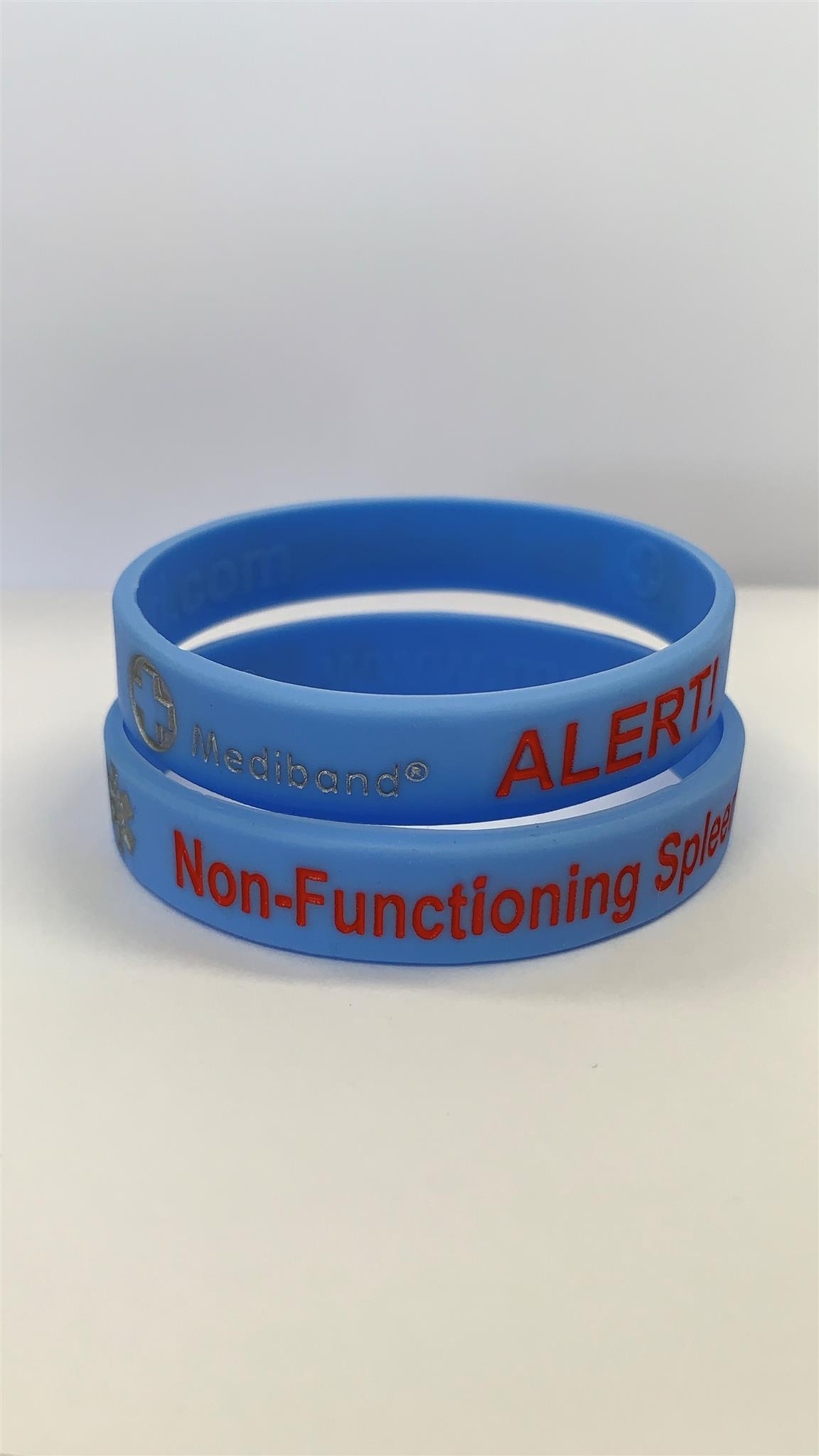
- Non-functioning spleen: Splenectomy is sometimes performed during bowel cancer treatment. A non-functioning or absent spleen significantly affects immune function and requires specific antibiotic protocols in emergencies — a medical alert bracelet can communicate this critical information.
- Blood clotting medications: Many cancer patients take anticoagulants. Emergency staff need to know this before administering certain treatments.
- Chemotherapy side effects: Nausea, low immunity, and altered responses to medications during active treatment.
A medical alert bracelet that communicates key aspects of a person’s cancer status — such as “Bowel Cancer — Anticoagulant Therapy” or “Non-Functioning Spleen” — can prevent harmful treatment errors and guide appropriate care in an emergency.
Bowel Cancer Treatment: What to Expect
Treatment depends on the stage, location, and individual patient factors, but typically includes:
- Surgery: The primary treatment for bowel cancer, involving removal of the affected section of bowel. Keyhole (laparoscopic) surgery is now common, reducing recovery time.
- Chemotherapy: Used before surgery to shrink tumours, or after surgery to reduce recurrence risk. Also used as primary treatment in metastatic cases.
- Radiotherapy: More commonly used in rectal cancer to shrink tumours before surgery.
- Targeted therapies and immunotherapy: Newer treatments available for advanced or metastatic disease with specific genetic markers.
How You Can Raise Awareness of Bowel Cancer in Your Community
Bowel cancer kills tens of thousands of people globally each year who could have survived with earlier diagnosis. Awareness saves lives — by reducing stigma around discussing bowel health, encouraging screening, and helping people recognise symptoms worth investigating.
Simple actions make a difference: share bowel cancer awareness resources, talk openly about screening (normalising the conversation removes stigma), support awareness campaigns, donate to bowel cancer charities, and encourage family members to get screened if they have risk factors.
If you or someone you love is living with bowel cancer, explore the full range of medical ID bracelets at Mediband to find the right way to communicate your medical needs safely and stylishly.
Frequently Asked Questions
What are the most common early signs of bowel cancer?
The most common early warning signs of bowel cancer include persistent changes in bowel habits (diarrhoea, constipation, or narrower stools), blood in the stool, ongoing abdominal pain or bloating, a feeling of incomplete bowel emptying after going to the toilet, unexplained weight loss, and unusual fatigue. Many of these can have benign causes, but any that persist for four or more weeks should be investigated by a doctor.
At what age should I have bowel cancer screening?
Most international guidelines recommend bowel cancer screening beginning at age 50 for people of average risk. If you have a family history of bowel cancer, inflammatory bowel disease, or an inherited syndrome like Lynch syndrome, your doctor may recommend starting earlier — often from age 40 or even younger. Ask your GP what is appropriate for your specific situation.
Should bowel cancer patients wear a medical alert bracelet?
Yes, particularly those with post-surgical complications, non-functioning spleen, stoma, or who are on anticoagulant or immunosuppressive therapy. A medical alert bracelet communicates critical medical facts to first responders instantly — especially important in emergencies when the patient cannot speak for themselves. This can prevent dangerous treatment errors and ensure appropriate care.
Is bowel cancer hereditary?
Having a first-degree relative (parent, sibling, or child) with bowel cancer roughly doubles your lifetime risk. About 5-10% of bowel cancers are linked to an inherited syndrome such as Lynch syndrome or familial adenomatous polyposis (FAP). If multiple family members have been diagnosed, or diagnoses occurred before age 50, genetic testing and counselling may be recommended. Speak to your doctor about your family history.

Share on Facebook

Share on X

Share on Pinterest
Comment(s)
Recent Posts

The Risk Of Not Wearing An Allergy Medical Alert Bracelet
March 23, 2026