Ovarian Cancer Awareness: Symptoms, Treatment, and How to Raise Awareness
March 01, 2022

Ovarian cancer is one of the most serious cancers affecting Australian women. According to Cancer Australia, an estimated 1,929 Australian women will be diagnosed with ovarian cancer in 2025, and tragically, around 1,061 will lose their lives to the disease. With a five-year survival rate of just 49 per cent, early detection and awareness are more critical than ever.
Unlike breast cancer, there is no routine screening test for ovarian cancer. This means knowing the symptoms and risk factors is the single most important thing you can do. February is Ovarian Cancer Awareness Month in Australia — but the message needs to be shared year-round.
What Is Ovarian Cancer?
Ovarian cancer occurs when abnormal cells grow in or near the ovaries. The ovaries are two small organs located on either side of the uterus that produce eggs and the hormones oestrogen and progesterone.
There are several types of ovarian cancer, but the most common is epithelial ovarian cancer, which originates in the cells on the outer surface of the ovary. It accounts for approximately 90 per cent of all cases.
Ovarian cancer is often called the "silent killer" because its symptoms are vague and easily mistaken for other conditions, meaning it is frequently diagnosed at an advanced stage when treatment is more difficult.
Ovarian Cancer Symptoms Every Woman Should Know
The symptoms of ovarian cancer can be subtle, but they tend to be persistent — occurring most days for two weeks or more. Be alert if you experience:
- Abdominal bloating — persistent swelling that does not come and go
- Pelvic or abdominal pain
- Feeling full quickly or difficulty eating
- Needing to urinate urgently or frequently
- Changes in bowel habits — constipation or diarrhoea
- Unexplained weight loss or gain
- Fatigue
- Back pain
- Bleeding between periods or after menopause
- Pain during sex
These symptoms can be caused by many other conditions — but if they are new, persistent and unusual for you, see your doctor promptly. Early detection significantly improves outcomes.
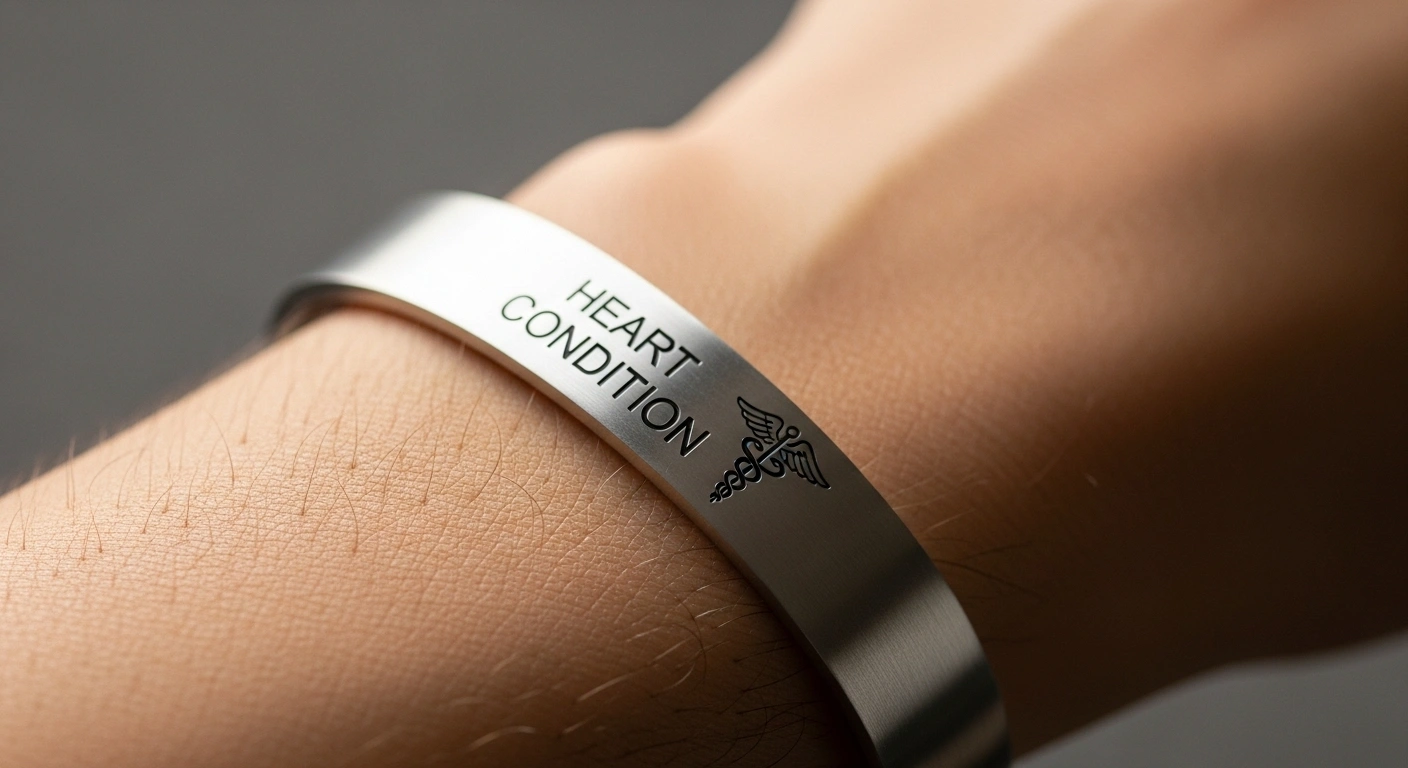
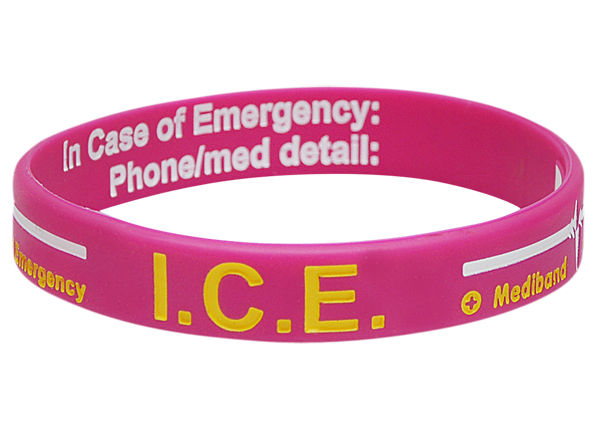
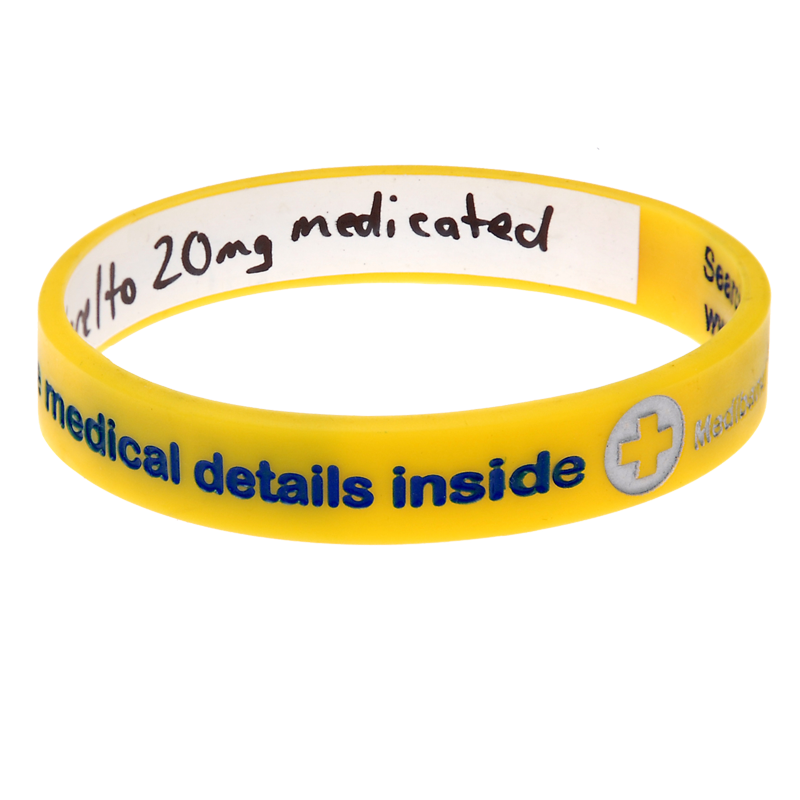
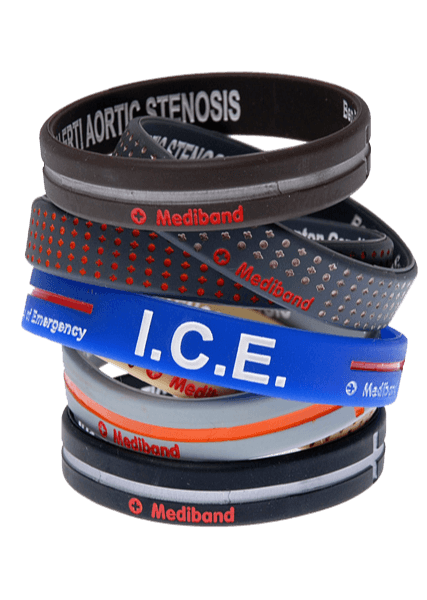
Show Your Support with a Medical Alert Bracelet
Raise cancer awareness and carry your emergency details — a bracelet that makes a difference.

Who Is at Risk of Ovarian Cancer?
While ovarian cancer can affect any woman, certain factors increase your risk:
Higher Risk Factors
- Age — risk increases after 50, with most cases diagnosed in women over 60
- Family history — a close relative (mother, sister, daughter) with ovarian, breast or bowel cancer
- BRCA1 or BRCA2 gene mutations — significantly increase lifetime ovarian cancer risk
- Ashkenazi Jewish heritage — higher prevalence of BRCA mutations
- Early menstruation (before 12) or late menopause
- Never having been pregnant or first pregnancy after 35
- Oestrogen-only hormone replacement therapy
- Endometriosis
Factors That May Lower Your Risk
- Using the oral contraceptive pill for several years
- Having children before age 35
- Breastfeeding
- Having your fallopian tubes removed or tied
Ovarian Cancer Treatment Options
Treatment depends on the stage and type of cancer, as well as your overall health. The main treatments are:
- Surgery — the primary treatment, usually involving removal of both ovaries, fallopian tubes, uterus and omentum (a layer of fatty tissue in the abdomen)
- Chemotherapy — often given after surgery to kill remaining cancer cells, or before surgery to shrink tumours
- Targeted therapy — newer drugs that block specific pathways cancer cells use to grow
- Radiotherapy — sometimes used for specific types or to relieve symptoms
If you or a loved one is diagnosed with ovarian cancer and undergoing treatment, wearing a medical alert bracelet with your treatment details ensures hospital staff and emergency responders have your critical information at all times.
How to Raise Ovarian Cancer Awareness
Since there is no screening test, awareness is our most powerful tool. Here is how you can help:
- Learn and share the symptoms — tell your friends, sisters, mothers and daughters
- Wear teal — the colour of ovarian cancer awareness. The last Wednesday in February is Teal Ribbon Day
- Donate — organisations like Ovarian Cancer Australia rely on donations to fund research and support services
- Host an event — a morning tea, bake sale or workplace fundraiser can raise both funds and awareness
- Wear an awareness bracelet — a visible conversation starter that keeps the message front of mind
Frequently Asked Questions
What are the early signs of ovarian cancer?
Early signs include persistent abdominal bloating, pelvic pain, feeling full quickly, and needing to urinate urgently or frequently. These symptoms are often vague, but if they are new and persist for two weeks or more, see your doctor promptly.
Is there a screening test for ovarian cancer?
No. Unlike breast and cervical cancer, there is currently no reliable screening test for ovarian cancer. This is why knowing the symptoms is so important. If you have a strong family history or BRCA gene mutation, discuss risk-reduction options with your doctor.
How many Australian women are diagnosed with ovarian cancer each year?
In 2025, an estimated 1,929 Australian women will be diagnosed with ovarian cancer. It is the eighth most common cancer in women, and a woman has a 1 in 83 risk of being diagnosed by age 85.
What is Teal Ribbon Day?
Teal Ribbon Day is held on the last Wednesday of February each year to raise awareness of ovarian cancer. Australians wear teal — the official colour of ovarian cancer awareness — to show support and start conversations about the disease.

Share on Facebook

Share on X

Share on Pinterest
Comment(s)
Recent Posts

The Risk Of Not Wearing An Allergy Medical Alert Bracelet
March 23, 2026