Raise awareness this Food Allergy Week
May 15, 2023

Food Allergy Week Australia takes place from 21 to 27 May and is the perfect opportunity to raise awareness of what food allergy means.

It’s a topic that is relevant to many of us since according to Allergy & Anaphylaxis Australia, around 2% of adults and 10% of children up to 12 months of age have a food allergy.
As well as raising awareness this Food Allergy Week 2023, you can also find out more about how allergies can be treated and managed in day-to-day life, so let’s take a look at these topics in our latest article.
What is a food allergy?
An allergy is when your body’s immune system overacts to a substance that is normally not a problem. These substances are called allergens.
Common food allergens include:
- Eggs
- Milk
- Peanuts
- Tree nuts
- Fish
- Crustaceans (for example, crab, lobster, shrimp)
- Molluscs (for example, mussels, squid, octopus)
- Soy
- Sesame
- Wheat
- Lupin (a legume related to peanut and soya)
Symptoms of food allergy include:
- Itchiness in the mouth, ears or throat
- An itchy red rash, also known as urticaria or hives
- Swelling of the face, lips, tongue, roof of mouth or eyes
- Vomiting
In the most severe cases, someone who is allergic to certain food may experience anaphylaxis, which develops and worsens quickly and can be life-threatening. Symptoms of anaphylaxis include:
- Difficulty breathing
- Wheezing
- Rapid heartbeat
- Clammy skin
- Feeling faint
- Confusion
- Loss of consciousness
If you suspect someone is experiencing anaphylaxis, you should call triple zero (000) for an ambulance.
What treatment for food allergies is out there?
If you have food allergy symptoms, the first step is to discuss these with your doctor. They can arrange for tests to find out exactly what you are allergic to.
There are two main types of treatment available for food allergy:
Antihistamine medication blocks histamines, the compounds which are responsible for the allergy symptoms you experience.
If you suffer from severe reactions or anaphylaxis, you may be given an adrenaline autoinjector (which are commonly known by their brand names, such as EpiPen) to use in an emergency.
How can I manage food allergies?

If you have a food allergy, you can still live a full and active life. Here are some simple steps you can take to give you confidence and help you manage your food allergies:
- Wash your hands before preparing food and eating.
- When preparing food, make sure your work surfaces and utensils are clean. You may want to allocate kitchen and dining equipment that can only be used by the person in your household who has a food allergy.
- Make sure your friends and family are aware of your food allergy.
- If you go out to eat, tell the restaurant staff about your food allergy.
- Avoid buffets that have a higher risk of cross-contamination.
- Get into the habit of reading food labels so you understand what exactly is in the products you are buying.
- Stock up on antihistamines so you have them available when needed.
- If you use an adrenaline autoinjector, make sure you are confident using it and that family, friends and colleagues know how to use it too. Keep it with you at all times.
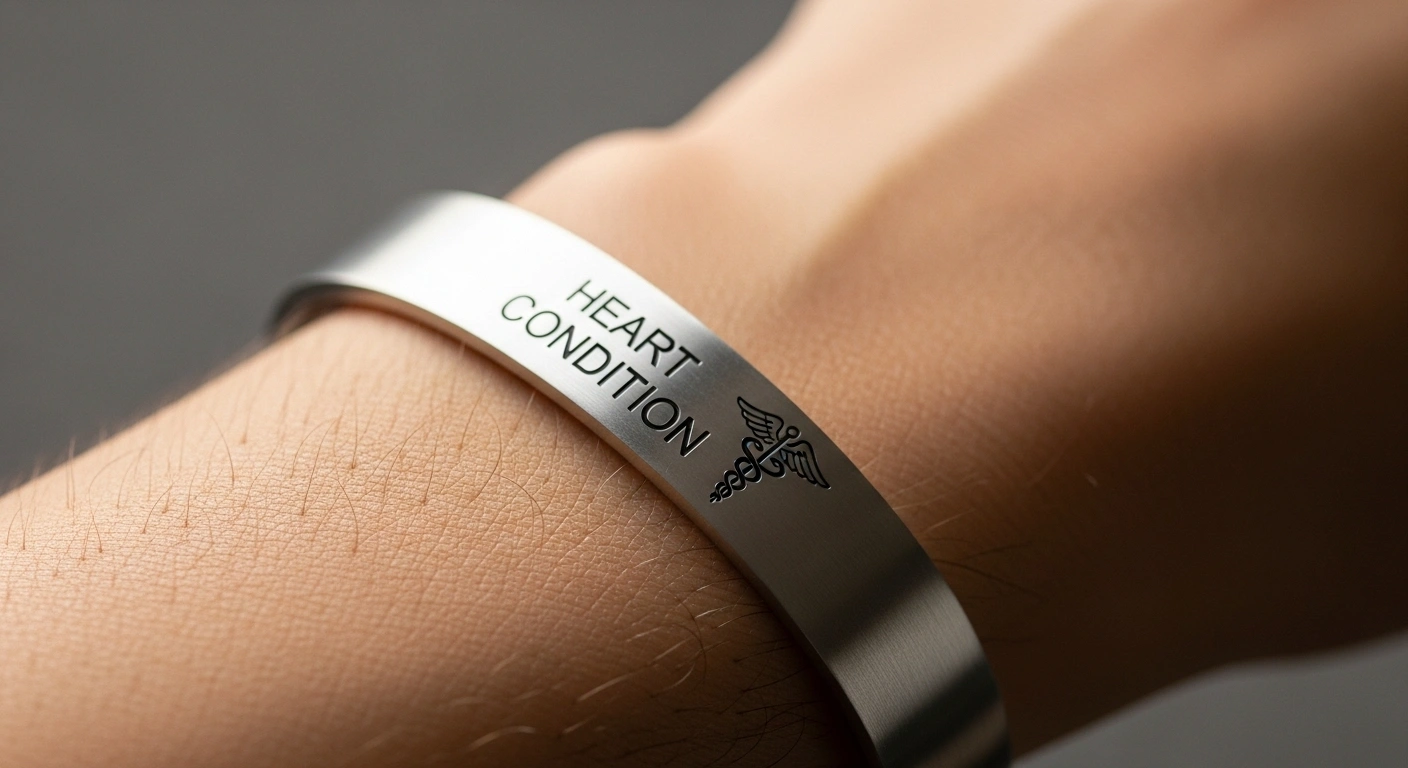
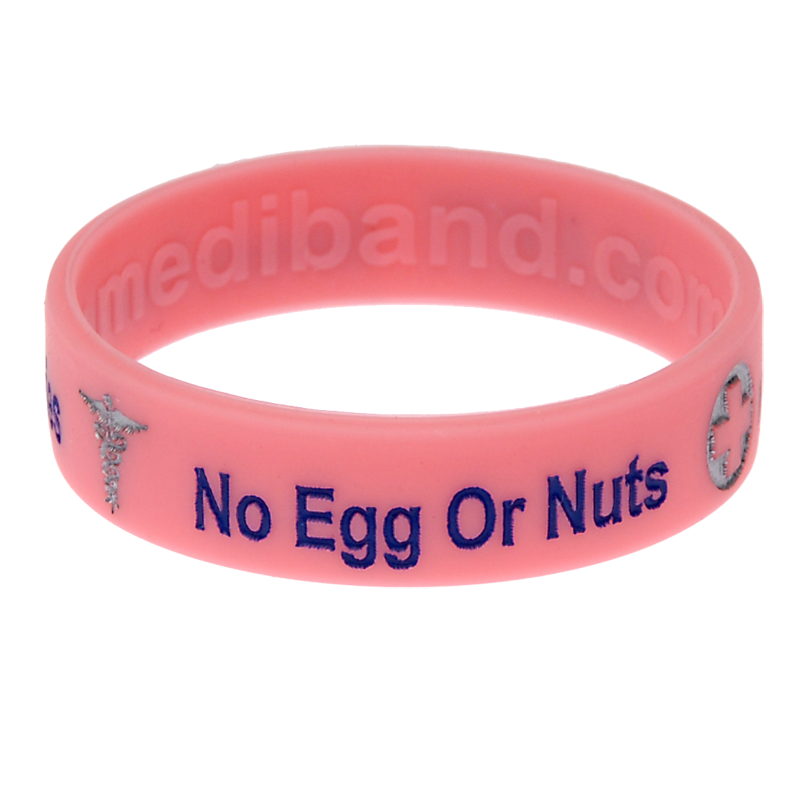
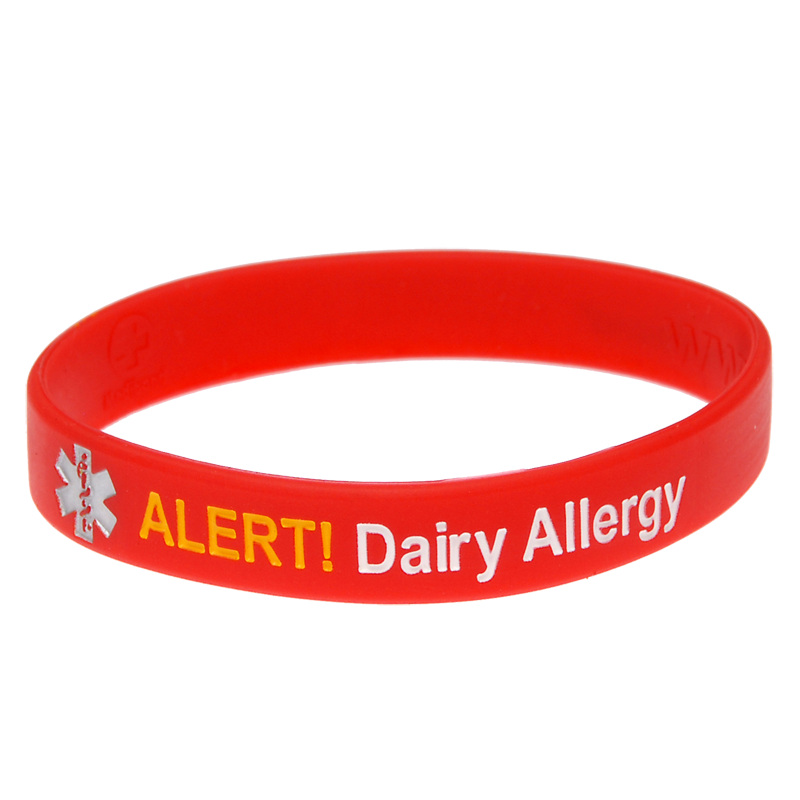
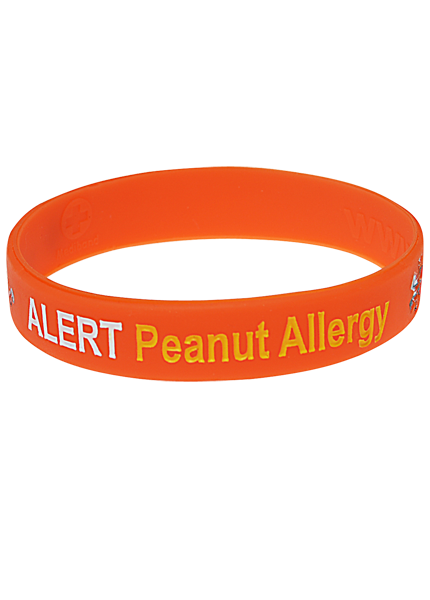
- Get yourself a medical ID that contains details of your food allergy. You can choose from comfortable silicone bracelets, wallet cards, or necklaces that can specify your particular food allergy and any medication you are taking. This means that you can get the right treatment in the event of a medical emergency. Know that the Mediband range of med alerts and bracelets can be customised with your personal information, so you can add in other details like a contact number too — it’s up to you how much or how little info you include on your medical alert!
Shop Food Allergy Medical Alert Bracelets
Food allergies can be life-threatening — a medical alert bracelet ensures responders know your allergens instantly.
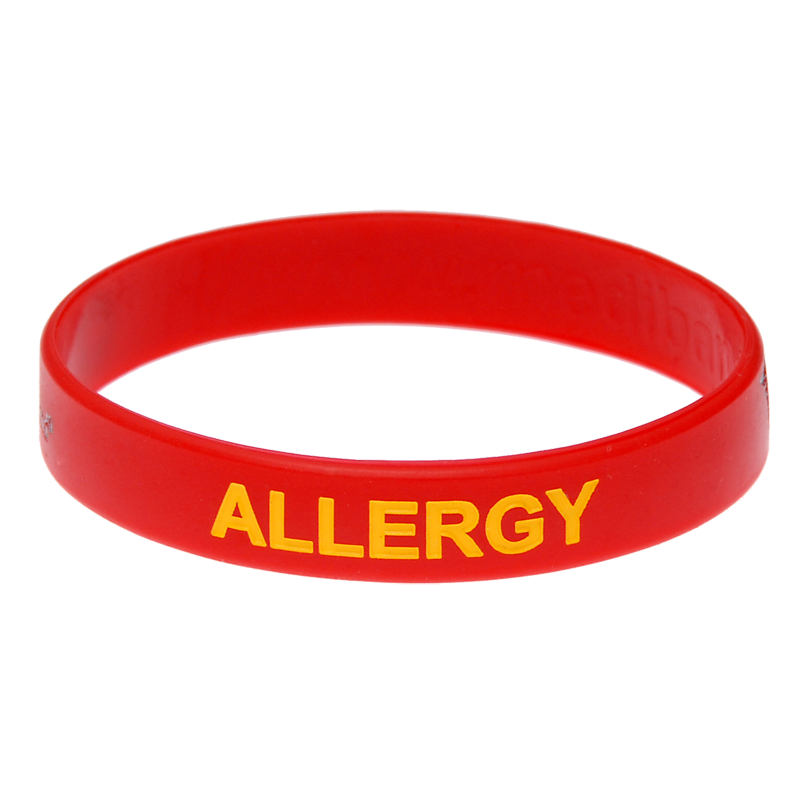
Be aware this Food Allergy Week
Food allergies are common, which is why it’s a great idea to find out more about them this Food Allergy Week — even if you don’t have one, you’ll be sure to have a family member, friend or colleague who does.
And if you or a loved one has been diagnosed with a food allergy, don’t despair. There are lots of simple lifestyle changes you can make to help you live your life with confidence.
Choose a medic alert from the Mediband range and know that if you ever need help, you can get the right treatment at the right time!
Browse our range of medical IDs and other health and wellbeing items this Food Allergy Week and treat yourself, a friend, or a family member to the gift of confidence!
Frequently Asked Questions
What is Food Allergy Week?
Food Allergy Week is held annually in May by Allergy and Anaphylaxis Australia. It raises awareness about food allergies, promotes understanding of anaphylaxis, and encourages safer food practices in schools, workplaces, and the community. The campaign provides educational resources for parents, teachers, and food service workers.
How common are food allergies in Australia?
Australia has one of the highest food allergy rates in the world. According to ASCIA, food allergy affects approximately 10 percent of infants, 4 to 8 percent of children, and 2 percent of adults. The most common food allergens in Australia are peanuts, tree nuts, cow milk, egg, wheat, soy, fish, and shellfish.
What are the signs of anaphylaxis?
Anaphylaxis symptoms include difficulty breathing, swelling of the tongue or throat, hoarse voice, wheezing, persistent dizziness, and collapse. In children, pale skin and floppiness are key signs. Anaphylaxis can progress rapidly and be fatal within minutes. If you suspect anaphylaxis, administer an EpiPen immediately and call 000.
Why is a medical alert bracelet important for food allergies?
During severe anaphylaxis, a person may lose consciousness, swell, or be unable to speak. A medical alert bracelet tells bystanders and paramedics the exact allergen, whether the person carries an EpiPen, and emergency contact details — enabling immediate, correct treatment that could save their life.
What is an ASCIA Action Plan for Anaphylaxis?
An ASCIA Action Plan for Anaphylaxis is a medical document completed by your doctor that provides step-by-step instructions for treating an allergic reaction, including when and how to use an EpiPen. Every person at risk of anaphylaxis should have a current plan. Download blank forms at allergy.org.au and have your doctor complete one.

Share on Facebook

Share on X

Share on Pinterest
Comment(s)
Recent Posts

The Risk Of Not Wearing An Allergy Medical Alert Bracelet
March 23, 2026