How Stress Affects Your Heart Health: What the Research Says — and What to Do About It
May 02, 2012
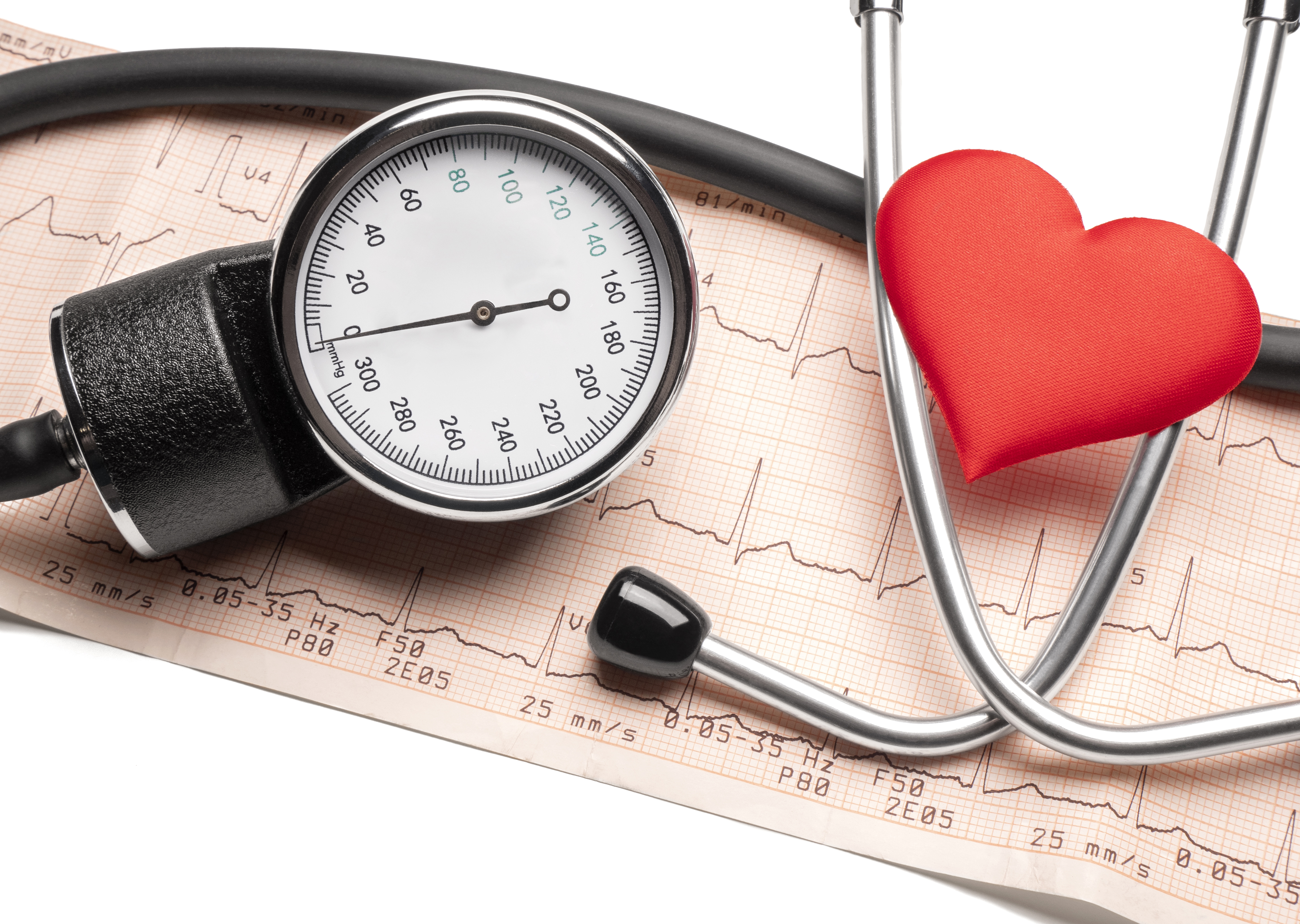
Mental stress is more than just a headache. Research consistently shows that psychological stress has a direct, measurable impact on the cardiovascular system — raising blood pressure, triggering inflammation, and increasing the risk of serious cardiac events. For people already living with a heart condition, understanding this connection is critical for long-term safety and wellbeing.
A study comparing cardiovascular responses in men and women found a striking difference: while men's heart rates elevated noticeably during mental stress, women's often didn't — yet women were found to be at greater risk of reduced blood flow to the heart as a result. This so-called "silent" cardiovascular stress response may be one reason heart disease in women is frequently underdiagnosed and undertreated.
How Mental Stress Affects the Heart
When you experience stress, your body activates the "fight or flight" response — releasing adrenaline and cortisol that cause your heart to beat faster, your blood pressure to rise, and your blood vessels to constrict. In short bursts, this is normal and harmless. The problem is chronic stress, which keeps these systems activated long-term.
The Cardiovascular Effects of Chronic Stress
Persistent psychological stress contributes to cardiovascular disease through several mechanisms:
- Sustained high blood pressure — a leading risk factor for heart attack and stroke
- Increased inflammation — chronic inflammation accelerates arterial plaque build-up
- Cortisol-driven metabolic changes — elevated cortisol promotes abdominal fat accumulation, which is directly linked to cardiovascular risk
- Unhealthy coping behaviours — stress is a major driver of poor diet, physical inactivity, smoking, and excessive alcohol consumption, all of which compound cardiac risk
- Sleep disruption — chronic stress impairs sleep quality, and poor sleep is independently associated with increased heart disease risk
Why Women's Risk Is Different
Research suggests women experience a different cardiovascular response to mental stress compared to men. Studies have found that mental stress can provoke a reduction in blood flow to the heart muscle (myocardial ischaemia) in women even without the dramatic heart rate increase that typically signals a problem. This "silent" response means women with high-stress lives may be accumulating cardiovascular damage that isn't being detected by standard monitoring. Healthcare providers are increasingly aware of the need to screen women for stress-related cardiac risk more proactively.

Lifestyle Habits That Protect Your Heart from Stress
The good news is that the cardiovascular effects of stress are largely preventable and reversible through sustained lifestyle changes. These evidence-based habits have been shown to protect heart health even under conditions of high stress.
Regular Physical Activity
Exercise is one of the most effective stress-management tools available. It lowers resting heart rate and blood pressure, improves sleep quality, reduces cortisol levels over time, and directly strengthens the heart muscle. Even moderate activity — 30 minutes of brisk walking most days of the week — produces measurable cardiovascular benefits. People who exercise regularly also report lower perceived stress and better emotional resilience.
Berries and an Anti-Inflammatory Diet
Research involving over 160,000 women in the Nurses' Health Study found that women who added berries — raspberries, blackberries, strawberries, and blueberries — to their diet regularly showed improved brain function as they aged. Berries are rich in flavonoids, compounds with anti-inflammatory and antioxidant properties that are also protective for the cardiovascular system. Eating just one or two servings of berries per week was associated with meaningful benefit. More broadly, a diet rich in vegetables, whole grains, nuts, olive oil, and fatty fish (the "Mediterranean" pattern) is consistently associated with lower cardiovascular risk.
Quality Sleep
Chronic sleep deprivation keeps cortisol levels elevated, impairs blood pressure regulation, and directly increases the risk of heart disease. Adults who sleep fewer than 6 hours per night have significantly higher rates of hypertension, coronary artery disease, and stroke. Improving sleep hygiene — consistent bedtimes, limiting screens before bed, managing caffeine — is a direct intervention for cardiovascular health.
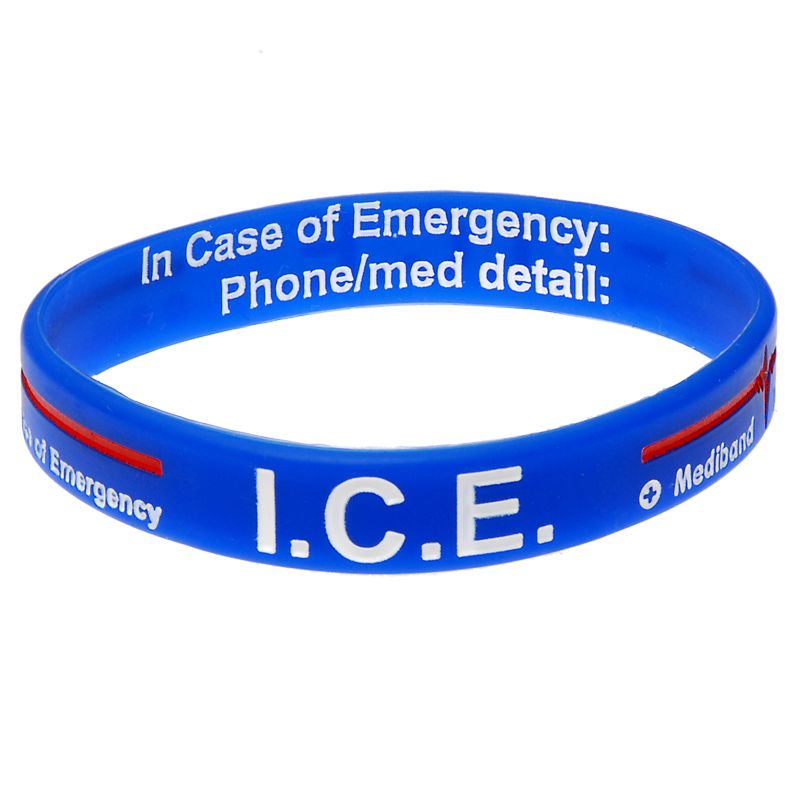
Shop Medical Alert Bracelets for Heart Conditions
If you live with a heart condition, make sure first responders have the information they need — every time.
Recognising Warning Signs of Stress-Related Heart Problems
Chronic stress can manifest as cardiovascular symptoms that are sometimes dismissed as anxiety or tiredness. Knowing the warning signs means you can seek help before a minor problem becomes a major one.
See a doctor if you experience any of the following, especially during or after periods of intense stress:
- Chest tightness, pressure, or pain — particularly during exertion or stress
- Shortness of breath at rest or with minimal activity
- Heart palpitations or irregular heartbeat
- Persistent fatigue that doesn't improve with rest
- Dizziness or light-headedness, especially when standing
- Jaw, neck, shoulder, or arm pain without obvious physical cause
In women, symptoms of heart attack and cardiac stress are often "atypical" — presenting as fatigue, nausea, or upper back pain rather than the classic crushing chest pain associated with men. This is one reason cardiovascular disease in women is historically under-recognised.
Medical Safety for People Living with Heart Conditions
If you or someone you know has been diagnosed with a heart condition — whether that's coronary artery disease, a previous heart attack, cardiac stents, a pacemaker, or atrial fibrillation — wearing a medical alert bracelet is one of the most important steps you can take for everyday safety.
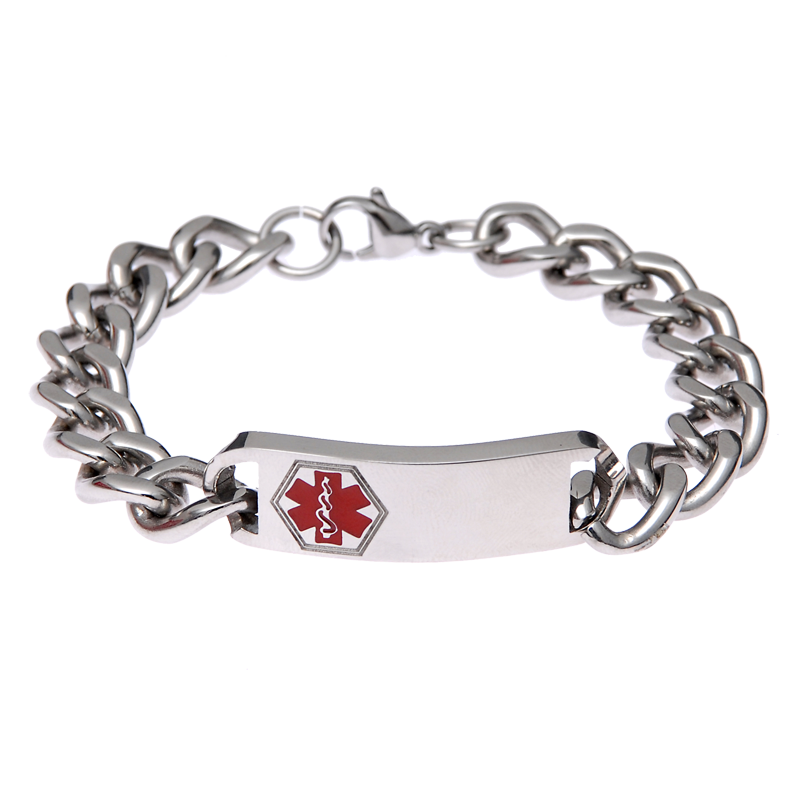
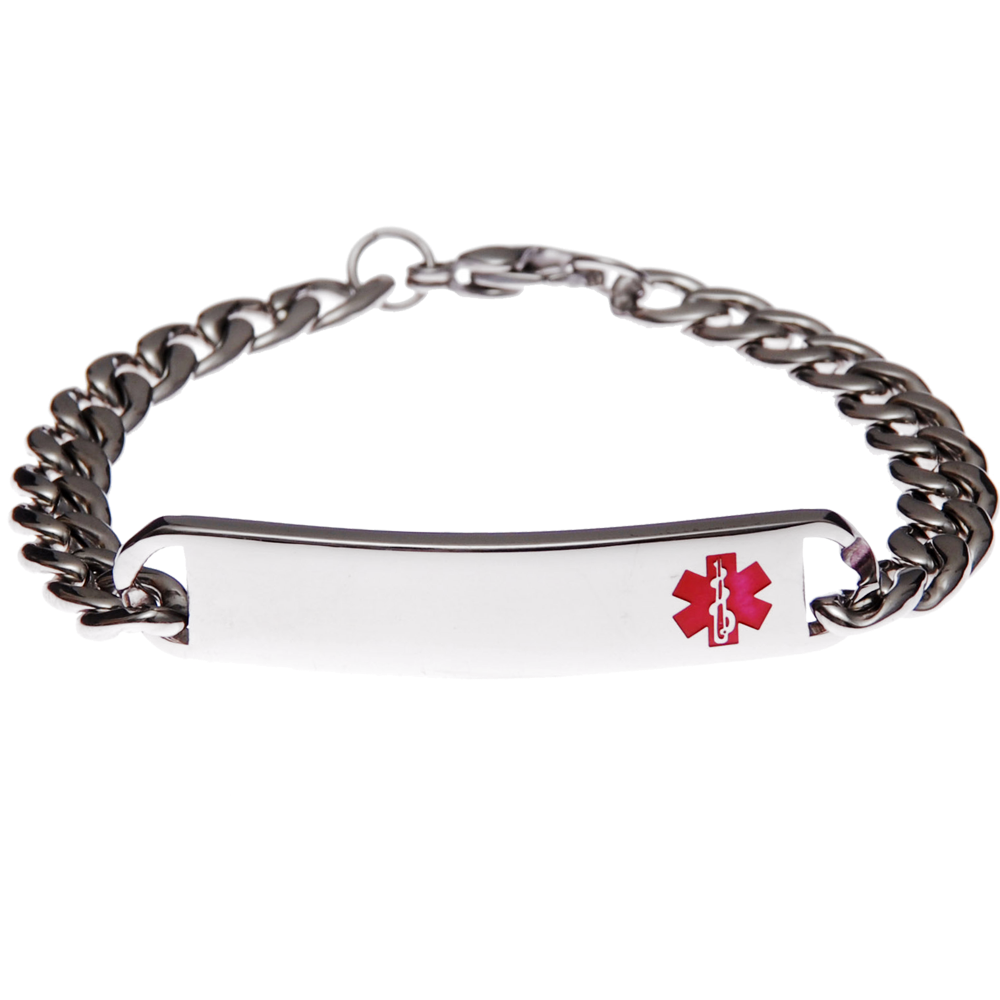
In a cardiac emergency, first responders need to know your condition within seconds. Is the patient on blood thinners? Do they have a pacemaker that rules out defibrillation? Have they had bypass surgery? This information changes how emergency care is delivered — and getting it wrong can be fatal. A medical alert bracelet provides that information instantly, even if the patient is unconscious or unable to speak.

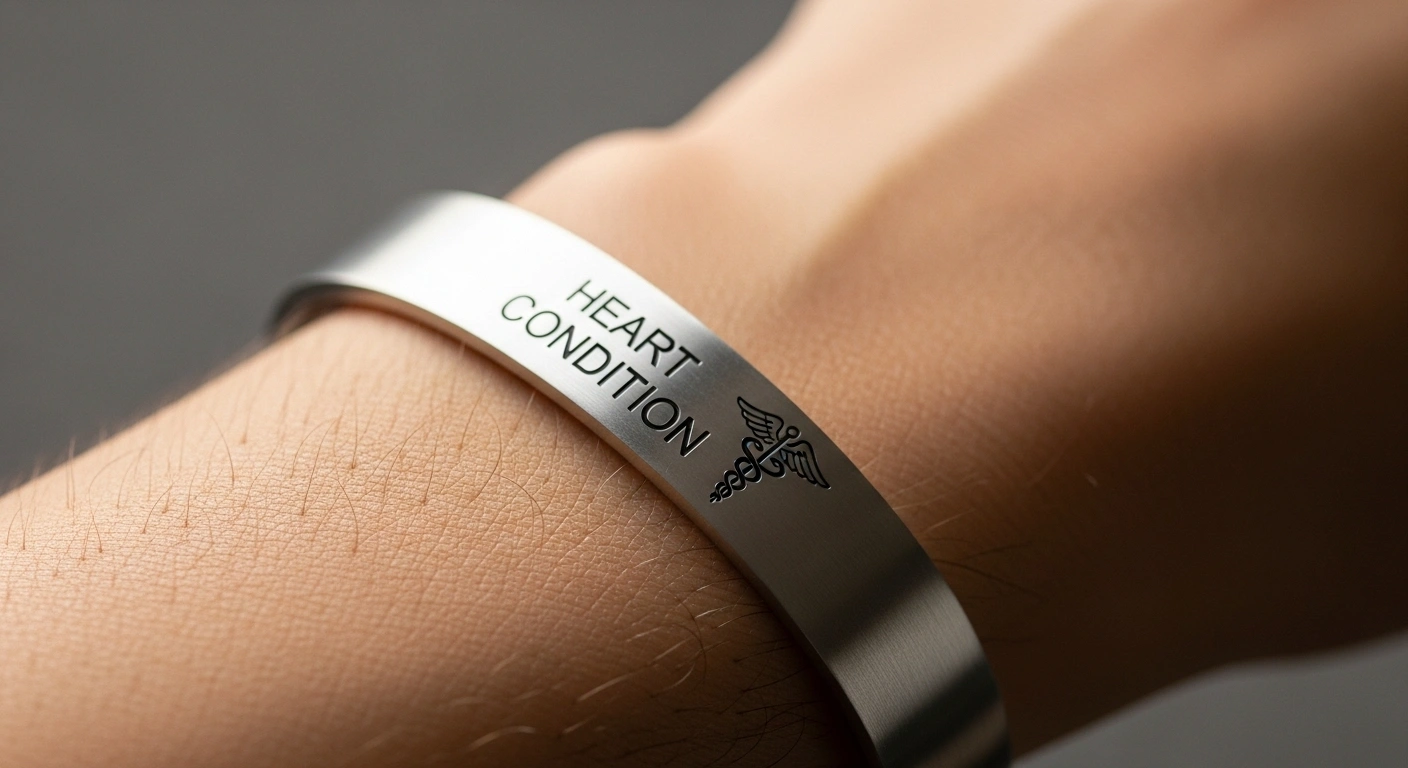
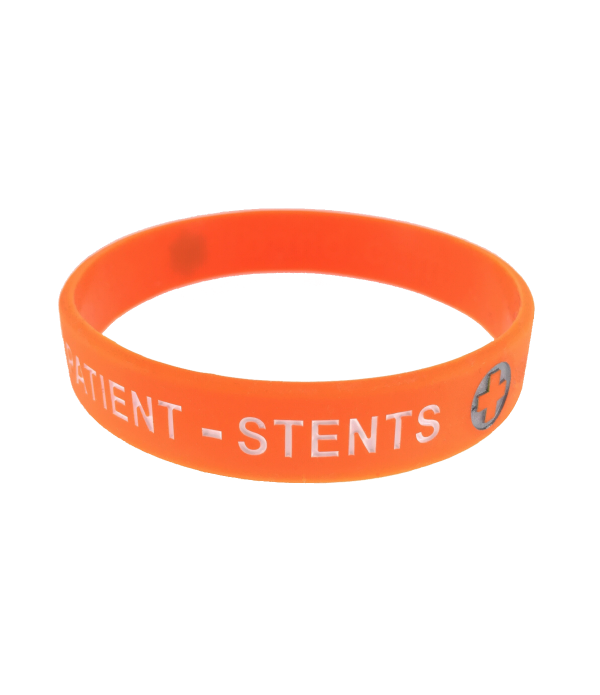
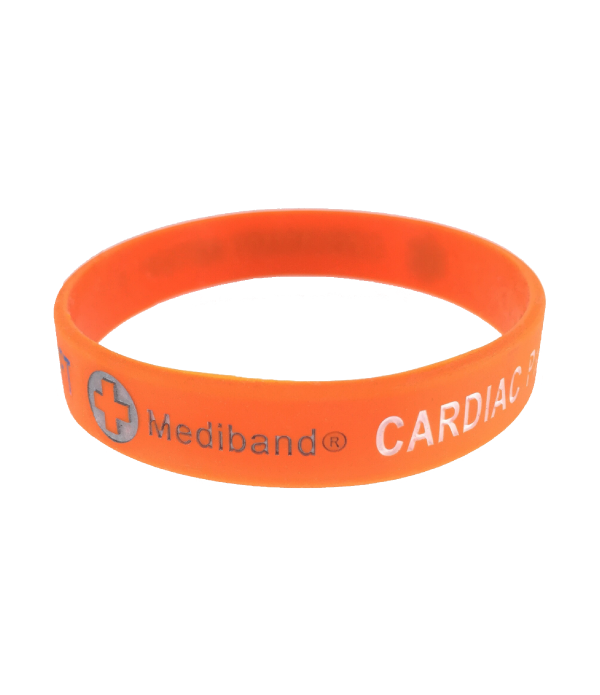
Mediband's cardiac and heart condition bracelets are designed to communicate the most critical information clearly — pacemaker recipient, coronary bypass, cardiac stents — in a durable, wearable format that first responders are trained to check immediately on arrival.
Frequently Asked Questions
Can stress cause a heart attack?
Chronic stress is a recognised risk factor for cardiovascular disease, including heart attack. Acute severe stress (such as grief or a sudden shock) can also trigger a cardiac event in people with underlying heart conditions — a phenomenon sometimes called "broken heart syndrome" (Takotsubo cardiomyopathy). Managing long-term stress through exercise, sleep, and relaxation techniques meaningfully reduces cardiovascular risk.
Why is heart disease harder to detect in women?
Women often experience different heart attack and cardiac stress symptoms compared to men — nausea, fatigue, jaw pain, or upper back pain instead of classic chest pain. Research also shows that women's hearts can be under reduced blood flow during mental stress without the elevated heart rate that typically alerts clinicians. Awareness of these differences is improving, but women with risk factors should advocate for thorough cardiac screening.
What should a medical alert bracelet say for a heart condition?
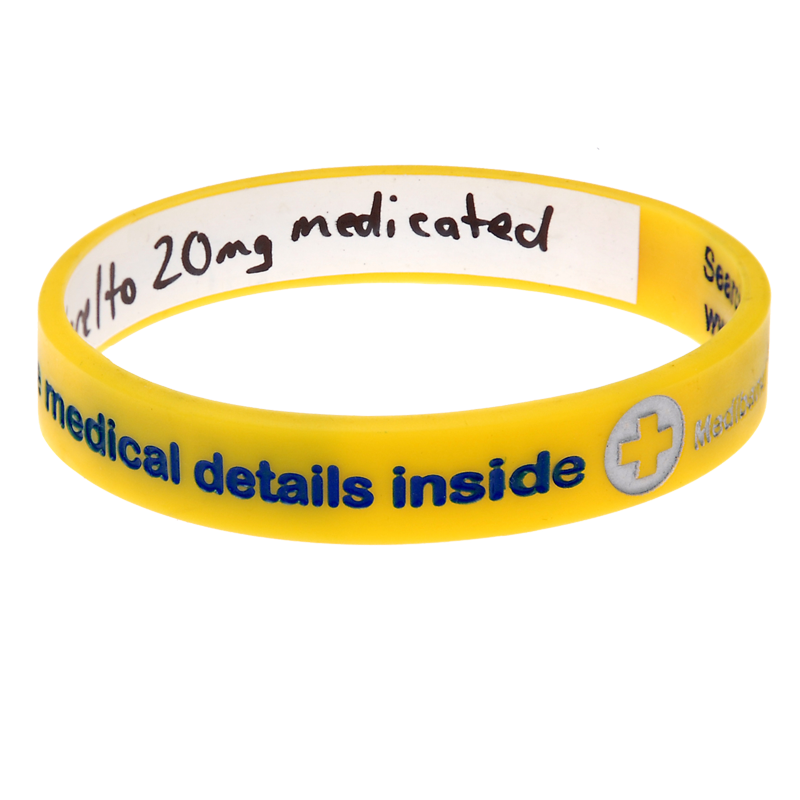
Include your specific condition first (e.g. "PACEMAKER", "CARDIAC STENTS", "ATRIAL FIBRILLATION"), then any critical medication information (e.g. "ON WARFARIN", "BLOOD THINNER"), and an emergency contact number. If you have a pacemaker or defibrillator, note this clearly as it affects how paramedics can treat you. Keep the text concise — it needs to be read in seconds.
Do berries really help heart health?
Yes — the evidence is consistent. Berries are rich in flavonoids and antioxidants shown to reduce inflammation, lower blood pressure, and improve arterial function. Research from the Nurses' Health Study (160,000+ women) found regular berry consumption was associated with improved cognitive function and cardiovascular outcomes. Eating berries two or more times per week is a simple, evidence-backed habit for heart health.
Should people with heart conditions wear a medical alert bracelet?
Yes — strongly recommended. In a cardiac emergency, first responders need to know your history before they treat you: whether you have a pacemaker, whether you're on blood thinners, whether you've had bypass surgery. This information can be life-saving. A medical alert bracelet worn on the wrist is the fastest and most reliable way to communicate it in an emergency.

Share on Facebook

Share on X

Share on Pinterest
Comment(s)
Recent Posts

The Risk Of Not Wearing An Allergy Medical Alert Bracelet
March 23, 2026