5 Everyday Health Habits That Could Add Years to Your Life
April 02, 2012
Why Small Daily Choices Have the Biggest Impact on Your Health
According to the Australian Institute of Health and Welfare (AIHW, 2024), chronic diseases — including heart disease, type 2 diabetes, and certain cancers — account for nearly 90% of all deaths in Australia. Yet research consistently shows that the majority of these conditions are preventable through everyday lifestyle choices.
You don't need a radical life overhaul. The habits that matter most are deceptively simple: move more, sit less, eat real food, and be prepared for emergencies if you live with a medical condition. Here are five evidence-based health habits that can genuinely extend your life — and how to make them stick.
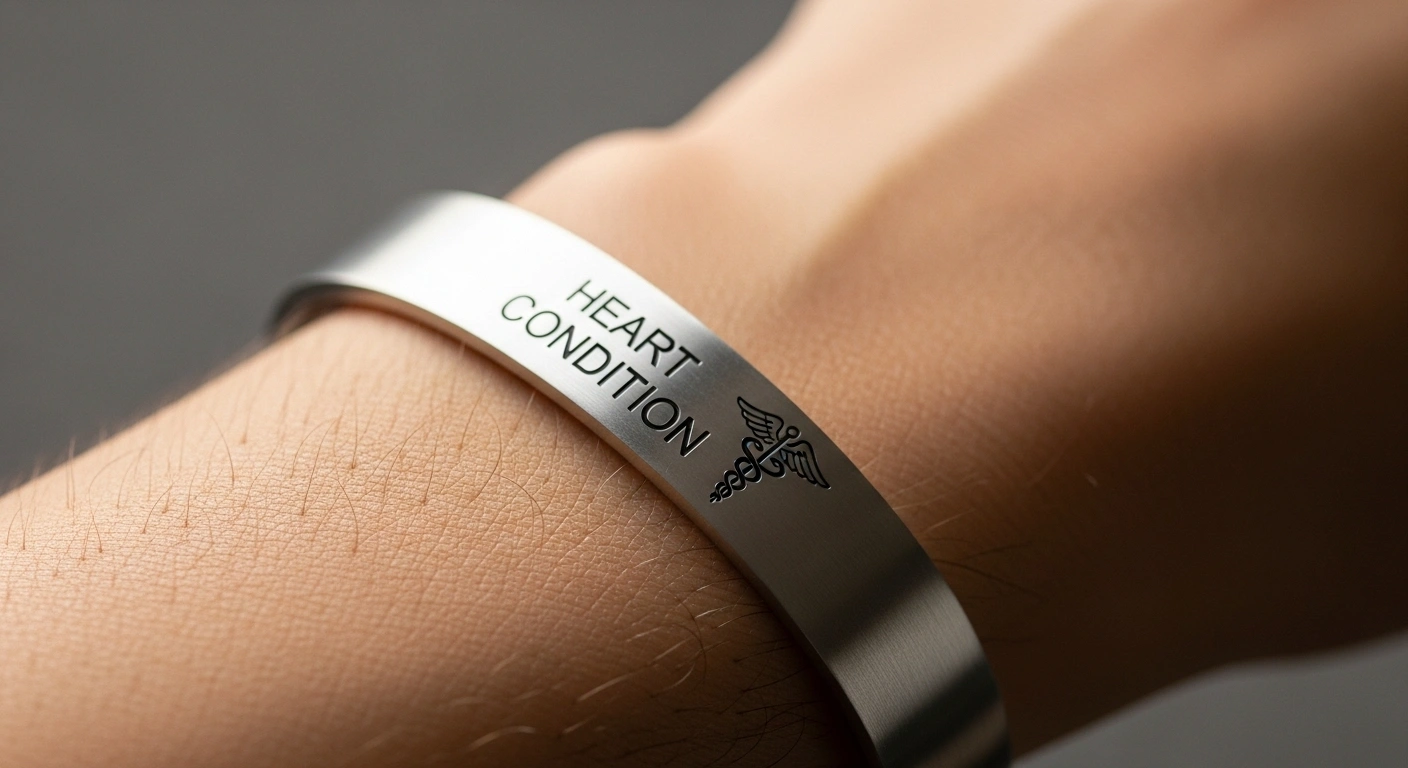
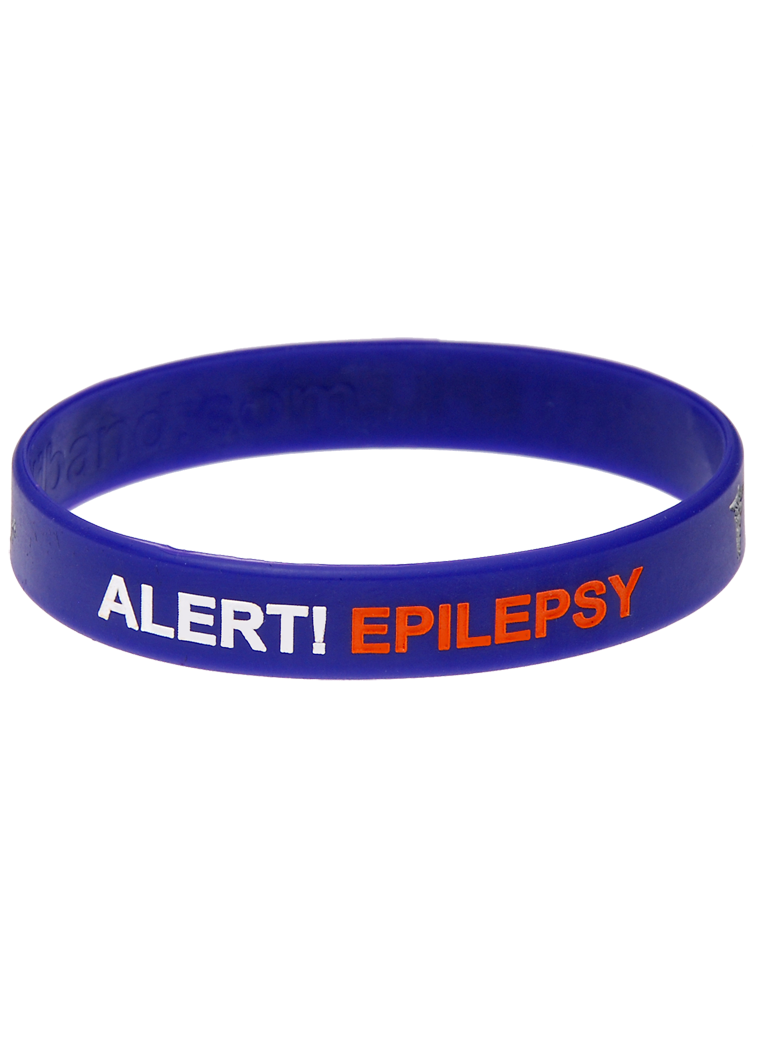
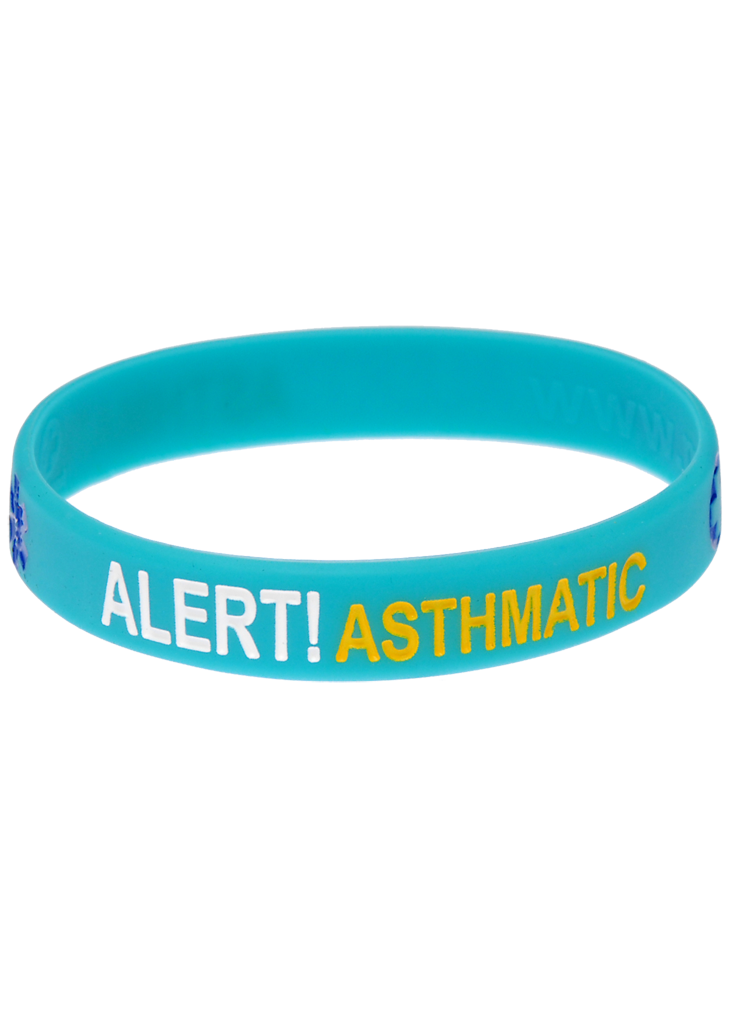
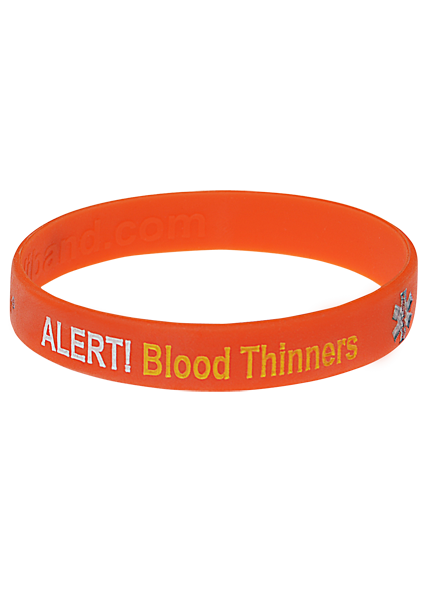
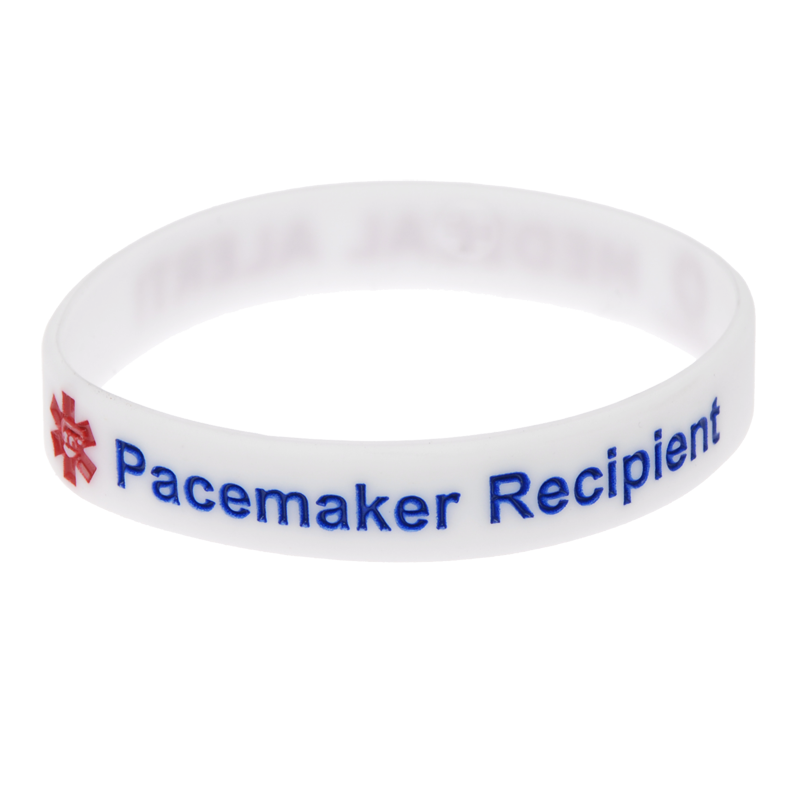
Live with a Medical Condition? A Bracelet Could Save Your Life
95% of emergency responders check for a medical ID in the first 30 seconds. Make sure yours is visible.
1. Sit Less, Live Longer: The Dangers of a Sedentary Lifestyle
A landmark Australian study published in the Archives of Internal Medicine tracked over 222,000 adults aged 45 and over. The results were striking: people who sat for 11 or more hours a day had a 40% higher risk of dying during the study period compared to those who sat for fewer than four hours (van der Ploeg et al., updated meta-analysis 2023).
What makes this finding so important is that excessive sitting is harmful even if you exercise regularly. Sitting for prolonged periods slows your metabolism, reduces blood flow, and increases your risk of heart disease, type 2 diabetes, and certain cancers — regardless of how active you are outside of those sitting hours.
How to Break the Sitting Cycle
- Set a timer: Stand up and move for at least 2 minutes every 30 minutes. Walk to the kitchen, stretch, or do a few squats — anything that gets your blood flowing.
- Take walking meetings: If you work in an office, suggest walking meetings for one-on-one conversations. You'll think more clearly and burn calories simultaneously.
- Stand while you can: Stand on public transport, use a standing desk for part of your workday, or stand while talking on the phone.
- Walk after dinner: A 15-minute post-meal walk improves digestion, regulates blood sugar, and adds up to over 90 minutes of extra movement per week.
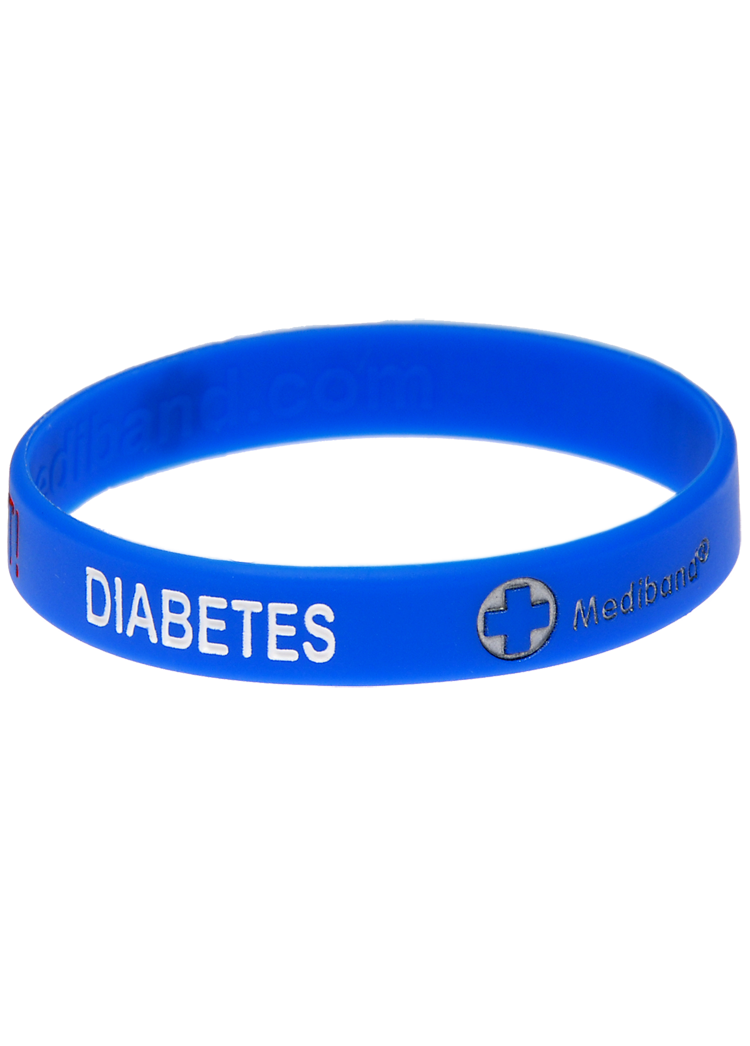
If you have a chronic condition like diabetes or heart disease that puts you at higher risk during physical activity, wearing a medical alert bracelet ensures that anyone nearby can respond correctly if you need help.

2. Eat Real Food: Cut Processed, Boost Nutrients
Ultra-processed foods now make up over 40% of the average Australian diet (CSIRO, 2024). These products — including sugary cereals, ready-made pasta sauces, packaged snack cakes, and flavoured yoghurts — are engineered to be hyper-palatable, making them easy to overconsume. They're typically high in sugar, sodium, unhealthy fats, and artificial additives, while being low in fibre, vitamins, and minerals.
A 2024 study published in The BMJ found that higher consumption of ultra-processed foods was associated with a 12% increased risk of type 2 diabetes, a 10% increased risk of cardiovascular disease, and a 6% increased risk of all-cause mortality.
Processed Foods to Watch Out For
- Sugary breakfast cereals: Especially clusters or granola held together with honey or syrup — often containing more sugar per serve than a chocolate bar.
- Ready-made sauces: Jarred pasta sauces, tartare sauce, and salad dressings often contain hidden sugars, sodium, and preservatives. Make a simple tomato sauce from tinned tomatoes, garlic, and olive oil instead.
- Packaged snack cakes and biscuits: Loaded with trans fats, refined sugar, and artificial colours. Swap for fruit, nuts, or dark chocolate.
- Flavoured yoghurts: Can contain as much sugar as a soft drink. Choose plain Greek yoghurt and add your own fruit and a drizzle of honey.
Nutrients That Boost Your Metabolism Naturally
Rather than chasing metabolism-boosting supplements, focus on getting these key nutrients from whole foods:
- Iron: Carries oxygen to your muscles, supporting energy production and metabolism. Found in lean red meat, shellfish, beans, spinach, and tofu. Pair plant-based iron sources with vitamin C (citrus, capsicum) to boost absorption.
- Vitamin D: Essential for bone health, immune function, and metabolic regulation. Get it from salmon, eggs, fortified milk, and — most importantly — safe sun exposure (10–15 minutes of midday sun several times a week, depending on your skin type and location).
- Calcium: Critical for bone density and metabolic function. Found in dairy, fortified plant milks, sardines (with bones), broccoli, and kale. A lack of calcium has been linked to a slower metabolism in several studies.
3. Understand Autism: What Every Family Should Know
Autism spectrum disorder (ASD) affects approximately 1 in 36 children worldwide — significantly higher than the 1 in 88 figure estimated just a decade ago (CDC, 2024). In Australia, over 205,000 people have a formal autism diagnosis, though experts believe the true number is considerably higher due to underdiagnosis in women, adults, and culturally diverse communities (Australian Bureau of Statistics, 2024).
The increase in diagnosis rates doesn't necessarily mean autism is becoming more common — it reflects improved awareness, broader diagnostic criteria, and better access to assessment, particularly for girls and adults who were previously overlooked.
Signs That May Indicate Autism in Children
- Delayed speech or language development, or unusual speech patterns
- Difficulty with social interactions — not making eye contact, preferring to play alone, or not responding to their name
- Repetitive behaviours — hand flapping, rocking, or insistence on routines
- Intense focus on specific interests or topics
- Sensitivity to sensory input — lights, sounds, textures, or tastes
What to Do If You're Concerned
- Talk to your GP: Request a referral for a developmental assessment. Early intervention (before age 5) leads to significantly better outcomes.
- Contact Autism Australia: Visit autismspectrum.org.au for resources, support groups, and information about assessment pathways.
- Consider a medical ID: For children and adults with autism who may have difficulty communicating during an emergency, a medical alert bracelet provides first responders with critical information about the person's condition and communication needs.

4. Dark Chocolate: A Health Food in Disguise
Here's some good news: dark chocolate is genuinely good for you — when eaten in moderation. A comprehensive review published in the European Journal of Preventive Cardiology (2023) found that regular consumption of dark chocolate (70% cocoa or higher) is associated with reduced blood pressure, improved cholesterol ratios, better insulin sensitivity, and lower risk of cardiovascular events.
The health benefits come from flavanols — powerful antioxidant compounds found naturally in cocoa. Flavanols improve blood vessel function, reduce inflammation, and support healthy blood flow to the brain and heart.
How to Get the Benefits Without the Downsides
- Choose 70% cocoa or higher: Milk chocolate and white chocolate contain far fewer flavanols and much more sugar. The darker, the better.
- Stick to 20–30g per day: That's about 2–3 squares. Enough to get the cardiovascular benefits without excess calories.
- Check the ingredients: The best dark chocolate lists cocoa mass or cocoa liquor as the first ingredient, not sugar. Avoid bars with vegetable oils, artificial flavours, or excessive additives.
- Pair with fruit or nuts: Dark chocolate with almonds, walnuts, or berries makes a satisfying, heart-healthy snack.
5. Be Prepared: Why a Medical Alert Bracelet Matters More Than You Think
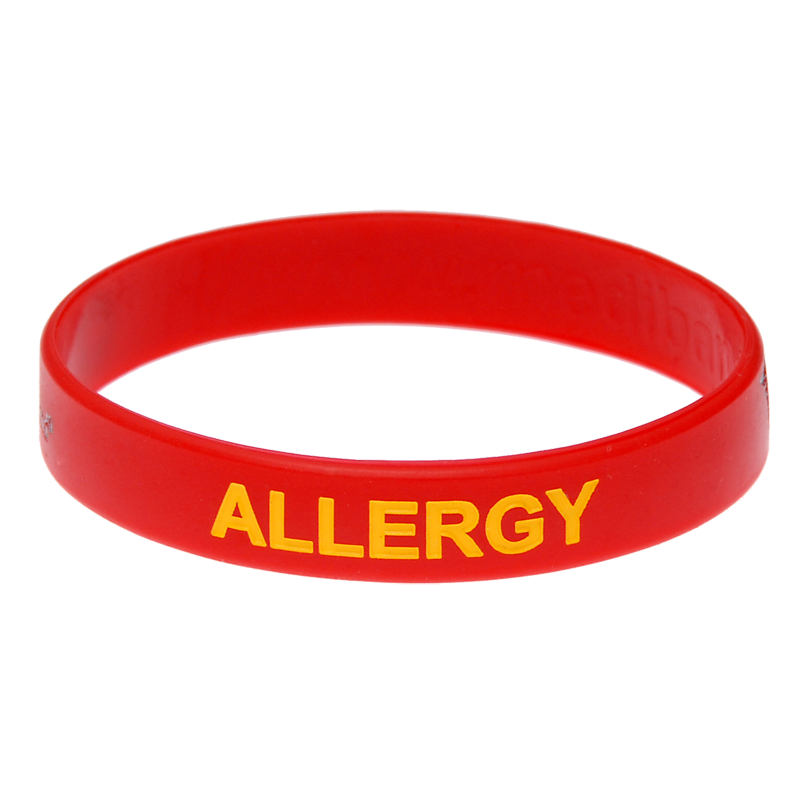
All of the habits above — eating well, moving more, understanding your family's health needs — are about prevention. But emergencies don't always give you time to explain your medical history. If you live with diabetes, epilepsy, a heart condition, severe allergies, autism, or if you take medications like blood thinners or insulin, a medical alert bracelet could be the single most important thing you wear.
In the first critical minutes of a medical emergency, paramedics check for a medical ID before anything else. A visible bracelet can prevent dangerous drug interactions, ensure the right treatment is administered, and communicate conditions like autism or epilepsy when you may not be able to speak for yourself.
What to Include on Your Medical Alert Bracelet
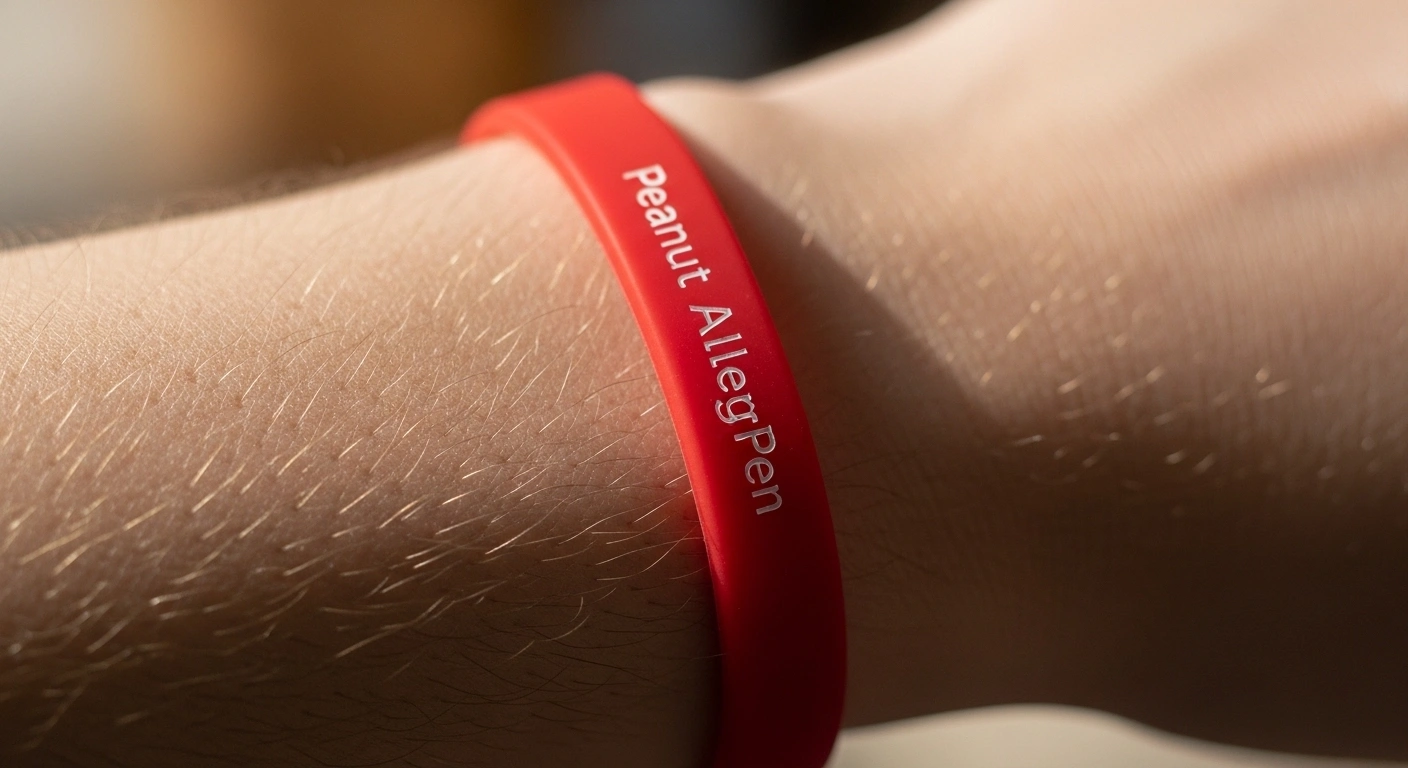
- Primary medical condition: e.g. "Type 2 Diabetic", "Epilepsy", "Peanut Allergy — Anaphylaxis"
- Critical medications: e.g. "On Warfarin", "Carries EpiPen", "Insulin Dependent"
- Emergency contact number
- Keep it concise — emergency responders need to read it in seconds, not minutes
Browse the full range of medical alert bracelets — engraved, silicone, and write-on options designed for everyday wear.
Frequently Asked Questions
How many hours of sitting per day is considered dangerous?
Research shows that sitting for more than 8 hours a day without regular movement breaks significantly increases your risk of heart disease, type 2 diabetes, and premature death. People who sit for 11 or more hours a day face a 40% higher mortality risk. Break up sitting time with 2 minutes of movement every 30 minutes.
Is dark chocolate really good for your heart?
Yes. Multiple studies confirm that dark chocolate with 70% cocoa or higher can reduce blood pressure, improve cholesterol levels, and lower cardiovascular risk. The key is moderation — 20 to 30 grams per day (about 2–3 squares). Milk chocolate and white chocolate do not provide the same benefits.
What are the early signs of autism in children?
Early signs include delayed speech, difficulty with social interaction (not making eye contact, preferring to play alone), repetitive behaviours (hand flapping, insistence on routines), intense focus on specific interests, and unusual sensitivity to sounds, lights, or textures. If you're concerned, speak to your GP about a developmental assessment.
Which processed foods should I avoid for better health?
The worst offenders are sugary breakfast cereals, packaged snack cakes, ready-made sauces with hidden sugar and sodium, flavoured yoghurts, soft drinks, and deep-fried frozen foods. Focus on whole foods — vegetables, fruit, lean proteins, whole grains, nuts, and legumes — and cook from scratch when possible.
Who should wear a medical alert bracelet?
Anyone with a condition that could cause a medical emergency — including diabetes, epilepsy, severe allergies, heart conditions, autism, or if you take medications like blood thinners or insulin. A medical alert bracelet ensures first responders can treat you correctly even if you can't communicate during an emergency.

Share on Facebook

Share on X

Share on Pinterest
Comment(s)
Recent Posts

The Risk Of Not Wearing An Allergy Medical Alert Bracelet
March 23, 2026