Autism Diagnosis in Children: How Parents Can Help and Keep Their Child Safe
July 30, 2021

Understanding an Autism Diagnosis: What Parents Need to Know First
Receiving an autism diagnosis for your child is a moment that changes everything — and yet changes nothing about who your child is. The child you love, with all their unique qualities, interests, and ways of seeing the world, is the same child they were before the diagnosis. What changes is that you now have a framework — a starting point for understanding their needs and finding the right support.
Autism spectrum disorder (ASD) is a neurodevelopmental condition that affects communication, social interaction, and behaviour. The term "spectrum" reflects the enormous diversity within autism: some autistic individuals are highly verbal and academically successful; others are non-speaking and require significant daily support. Most fall somewhere in between, and every autistic person's profile is unique.
According to the World Health Organization, approximately 1 in 100 children worldwide is diagnosed with autism spectrum disorder. Early diagnosis and appropriate support have been consistently shown to improve long-term outcomes, making the diagnosis not a closed door but a key that opens access to the right resources and strategies.
What the Diagnosis Means — and What It Does Not
An autism diagnosis describes a pattern of differences in how a child processes and responds to the world. It does not define their potential, predict their future, or limit what they can achieve with the right support. Many autistic people go on to lead rich, independent, and fulfilling lives. The diagnosis is a tool for understanding — not a ceiling.
In the weeks after diagnosis, it is normal to feel a mix of emotions: relief at having an explanation, grief for expectations that may need to shift, uncertainty about what comes next, and hope. All of these feelings are valid, and many parents find it helpful to connect with others who have walked the same path.
Getting the Right Professional Support
Following a diagnosis, your child's paediatrician, psychologist, or developmental specialist should provide referrals to appropriate support services. These may include speech and language therapy (particularly important for communication differences), occupational therapy (for sensory processing, fine motor skills, and daily living skills), and applied behaviour support from a registered behaviour analyst or equivalent professional.
Early intervention programmes — especially those that begin before age five — have the strongest evidence base for improving communication, social, and adaptive skills in autistic children. If you are on a waiting list for public services, ask about what can be done in the meantime, and look into parent-training programmes that equip you to support your child's development at home.
Practical Strategies to Help Your Autistic Child at Home
The home environment plays a crucial role in an autistic child's wellbeing. Small changes can make a significant difference to comfort, communication, and daily functioning.
Creating Predictable Routines
Many autistic children thrive on routine and predictability. Knowing what to expect reduces anxiety and provides a sense of safety. Visual schedules — using pictures or symbols to represent the sequence of daily activities — are a widely used and effective tool. They allow children who struggle with verbal communication to understand what is coming next without relying on language alone.
When changes to routine are unavoidable — a school excursion, a medical appointment, a family holiday — prepare your child in advance. Use social stories (simple narratives that describe what will happen in a new situation) to reduce the surprise factor and build familiarity before the event occurs.
Sensory Considerations
Many autistic children experience sensory processing differences — some are hypersensitive (easily overwhelmed by sound, light, texture, or smell) while others are hyposensitive (seeking additional sensory input). Identifying your child's sensory profile, ideally with the help of an occupational therapist, allows you to create environments that support rather than overwhelm them.
Practical adjustments might include: removing clothing tags, using soft lighting instead of fluorescent bulbs, providing noise-cancelling headphones for overwhelming environments, and creating a designated calm-down space at home where your child can decompress when overstimulated.
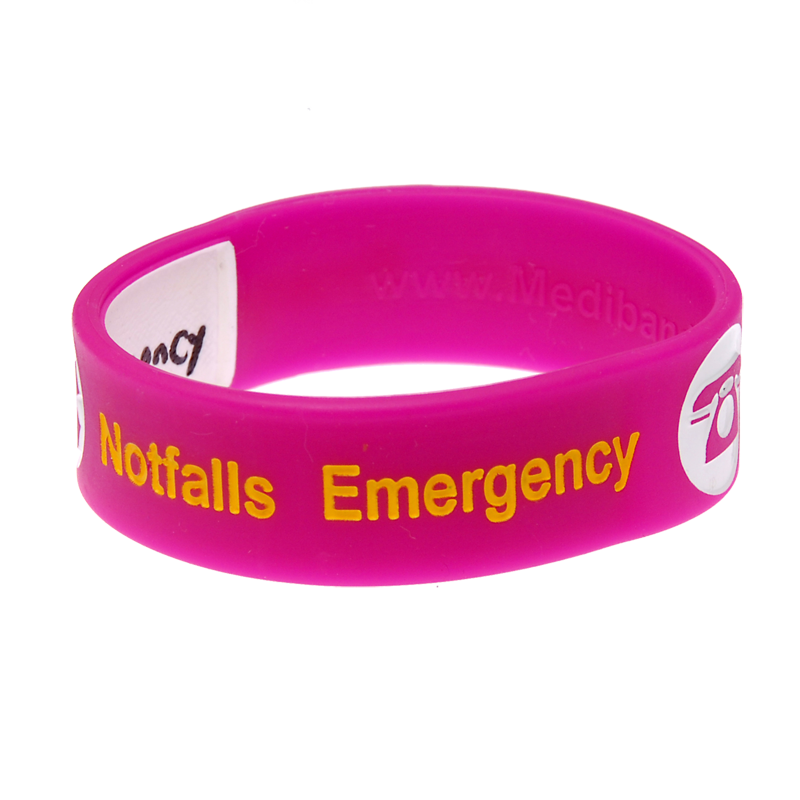
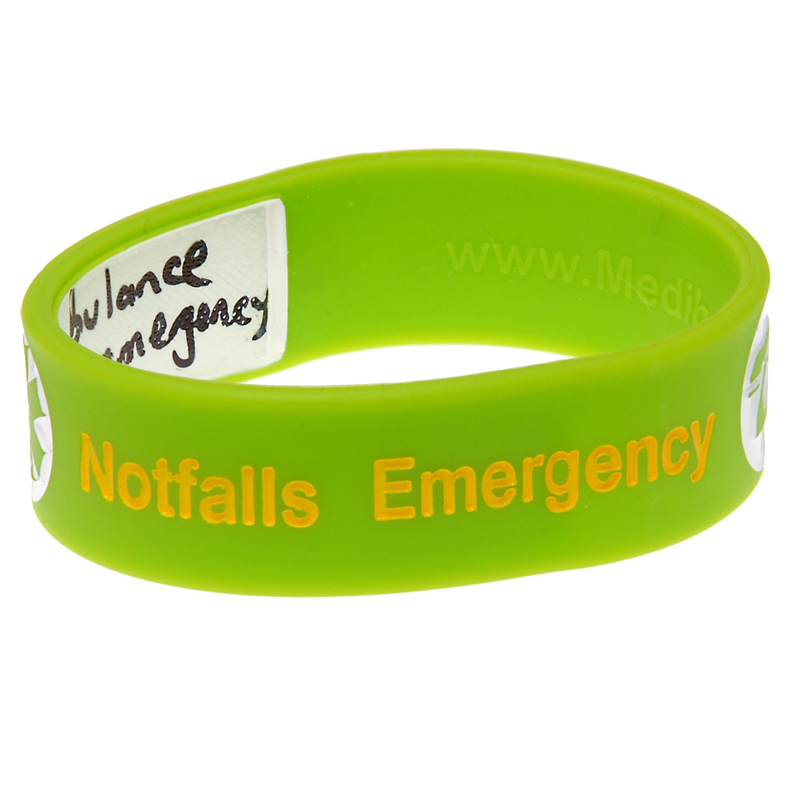
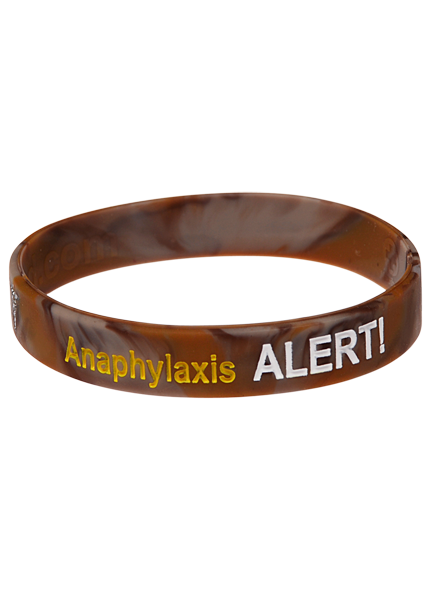
Medical ID Bracelets for Children with Autism
Keep your child identifiable and safe — every day, everywhere they go.

Communication: Meeting Your Child Where They Are
Communication differences are central to autism, but "communication" encompasses far more than spoken language. Autistic children may communicate through gestures, pointing, facial expressions, behaviour, and — increasingly — through augmentative and alternative communication (AAC) tools such as picture exchange systems (PECS), speech-generating devices, or tablet-based communication apps.
If your child is non-speaking or has limited verbal communication, AAC is not a barrier to speech — research consistently shows that it supports, rather than replaces, the development of verbal language. Follow the guidance of your child's speech and language therapist to find the most appropriate communication tools and strategies.
For all autistic children, key communication principles include: speaking calmly and simply, giving extra processing time after asking a question, using visual supports alongside words, and focusing on the child's communication attempts rather than the form they take. A child who points, pulls, or uses a communication device to make a request is communicating effectively — the goal is always to support and expand communication, not to demand a specific form of it.
School, Community, and Social Support
Navigating the school system after an autism diagnosis can feel overwhelming, but knowing your rights and advocating effectively for your child makes a significant difference. In most countries, children with autism diagnoses are entitled to educational adjustments and support — this may include additional aide hours, modified curriculum, sensory accommodations, and individualised education plans (IEPs or equivalent).
Building a positive relationship with your child's school team is invaluable. Share information about your child's needs, triggers, and communication style. Arrange regular check-ins with the class teacher and support staff, and don't hesitate to escalate concerns if your child's needs are not being met.
Community connections also matter. Look for autism-specific playgroups, sport and social programs designed for neurodivergent children, and sibling support groups if you have other children in the family. Reducing isolation — for your child and for yourself — is a priority, not a luxury.
For a broader overview of managing a child's medical needs day-to-day, explore Mediband's resources on children's health and safety.
Safety Planning for Autistic Children: The Role of Medical ID Bracelets
Autism introduces specific safety considerations that parents must plan for. Wandering — also called elopement — is one of the most significant. Research published in Pediatrics found that approximately 49% of children with autism attempt to elope from safe environments, and among those who do, 35% make it to water, creating a serious drowning risk.
For non-verbal or minimally verbal children, the challenge of wandering is compounded by the difficulty of communication if found by a stranger or emergency responder. A child who cannot tell an adult their name, address, or parent's phone number is in a significantly more vulnerable position.
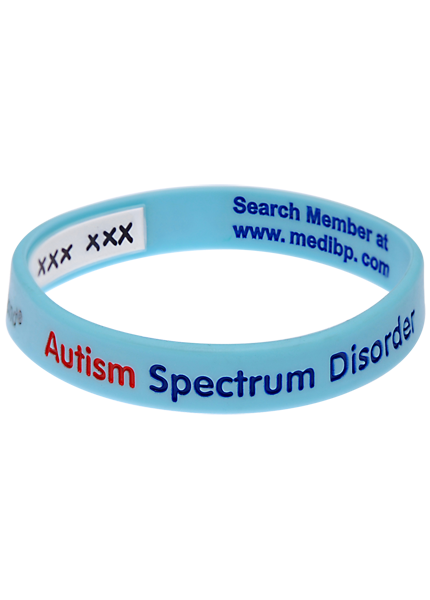
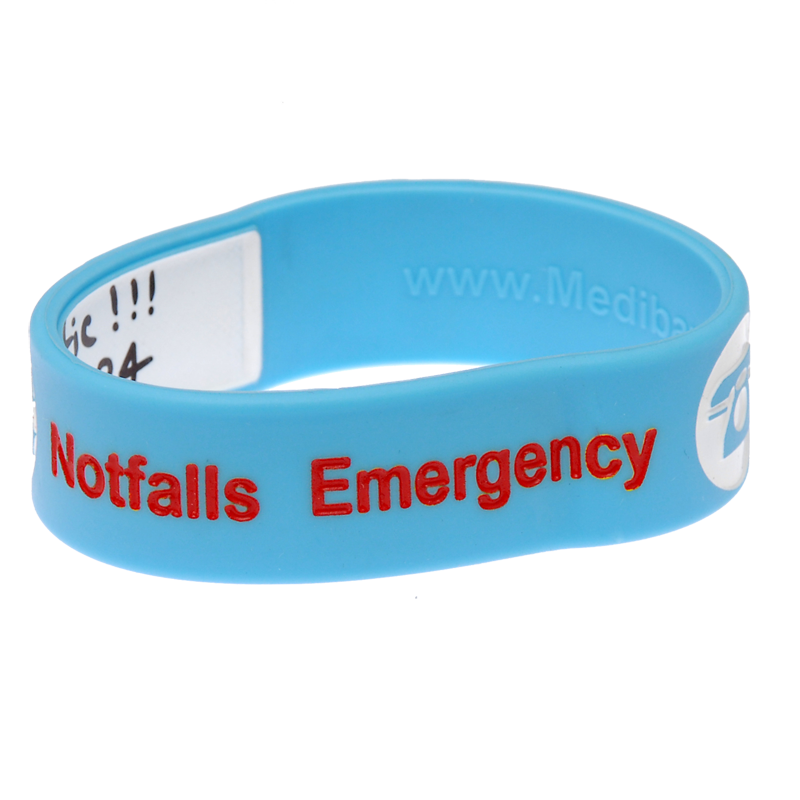
A medical ID bracelet specifically designed for children with autism can make an enormous difference in these situations. Key information to include: the child's name, the word "Autism" or "Non-verbal — autism," at least one emergency contact number, and any relevant medical information (such as allergies or medications). For children who are sensitive to sensory input, a soft silicone write-on bracelet is often more tolerable than metal alternatives.
Mediband's range of autism medical alert bracelets and children's ID bracelets are designed for comfortable daily wear, with both pre-engraved and customisable write-on options to suit your child's specific needs.
Taking Care of Yourself as an Autism Parent
Parenting an autistic child is one of the most rewarding and demanding experiences a person can face. The demands on time, energy, emotional resources, and finances are real and significant. Parental burnout is not a sign of weakness — it is a predictable consequence of sustained high demands without adequate support.
Prioritise your own wellbeing alongside your child's. This means accepting help when offered, connecting with other parents of autistic children (through local support groups or online communities such as the Autism Society or similar organisations in your country), seeking respite care when needed, and maintaining at least some activities that restore your own energy and sense of identity.
Research from the Autism Science Foundation suggests that parent mental health is one of the strongest predictors of positive outcomes for autistic children — making self-care not selfish but strategically important for your whole family.
Frequently Asked Questions
What should I do immediately after my child receives an autism diagnosis?
First, take time to process your own emotions — there is no need to act on everything at once. Then, ask your diagnosing clinician for referrals to key supports: a speech and language therapist, an occupational therapist, and an applied behaviour analyst if appropriate. Request an assessment from your child's school for educational support. Connect with a parent support group so you don't navigate this alone. Early intervention is important, but so is making sustainable decisions rather than rushing into every available programme simultaneously.
How can I help my non-verbal autistic child communicate?
Augmentative and alternative communication (AAC) tools are the most evidence-based approach for non-verbal autistic children. These range from low-tech picture exchange systems to high-tech speech-generating devices and tablet apps. Work with a speech and language therapist to find the right fit for your child. Research consistently shows that AAC supports, rather than suppresses, the development of verbal language — so using these tools is not giving up on speech.
Is wandering common in autistic children, and how can I prevent it?
Yes — research suggests around half of autistic children attempt to wander or elope from safe environments at some point. Prevention strategies include door and window alarms, GPS tracking devices, swimming lessons (as water is a significant drowning risk), and ensuring your child wears a medical ID bracelet with their name and emergency contact. Inform your neighbours, local police, and your child's school of the wandering risk so they can assist quickly if needed.
What should I put on my autistic child's medical alert bracelet?
Include your child's first name, the word 'Autism' (and 'Non-verbal' if applicable), at least one parent or guardian emergency contact number, and any relevant medical information such as allergies or medications. For children with sensory sensitivities, choose a soft silicone bracelet they are likely to tolerate. A write-on bracelet allows you to update information as your child grows and their needs change.
How do I talk to my autistic child about their diagnosis?
Many autism experts and autistic adults advocate for early, honest, and positive disclosure — telling your child about their diagnosis in an age-appropriate way that emphasises differences rather than deficits. Use language that normalises neurodiversity: 'Your brain works differently, and that is not a bad thing.' Books such as 'The Reason I Jump' and 'Different — Not Less' can support these conversations. An autistic child who understands themselves is better equipped to advocate for their own needs as they grow.

Share on Facebook

Share on X

Share on Pinterest
Comment(s)
Recent Posts

The Risk Of Not Wearing An Allergy Medical Alert Bracelet
March 23, 2026