Managing your diagnosis of a long-term condition
April 01, 2024

If you’ve recently had a diagnosis of a long-term condition, you are bound to experience a mix of emotions that may change from day to day.

Know that this is a completely normal part of the process of coming to terms with the news.
For this post, we’ve put together some tips and strategies to help you along the way. Once you follow them, you’ll be able to manage your diagnosis with confidence.
1. Allow yourself to experience emotions
If you’ve had a diagnosis with a serious or life-changing condition, you can expect to feel many emotions. These may range from anxiety when you first learn of your diagnosis all the way to acceptance at a later stage.
You can try some simple techniques to deal with a spectrum of changing feelings. Try checking in with yourself at an appointed time in the day to see how you are feeling. Simply naming the emotion you are experiencing can help you accept it and take some of the anxiety away.
You may also wish to get counselling to help you work through your thoughts and feelings. You can search for a registered counsellor on the ACA (Australian Counselling Association) website.
2. Gather information
Finding out as much as you can about your condition can help you feel more in control. Seek out information from trusted sources such as the Healthdirect website, which offers advice on a wide range of medical issues.
You can also try websites dedicated to your specific condition — for example, Cancer Council, Diabetes Australia or Epilepsy Action Australia.
Write down any questions you have about your condition so you can ask your doctor, nurse or other healthcare professional at your next appointment. Take a notebook and pen so you can jot down the answers. It’s also a good idea to take a friend or family member with you, who can ask on your behalf if needed.
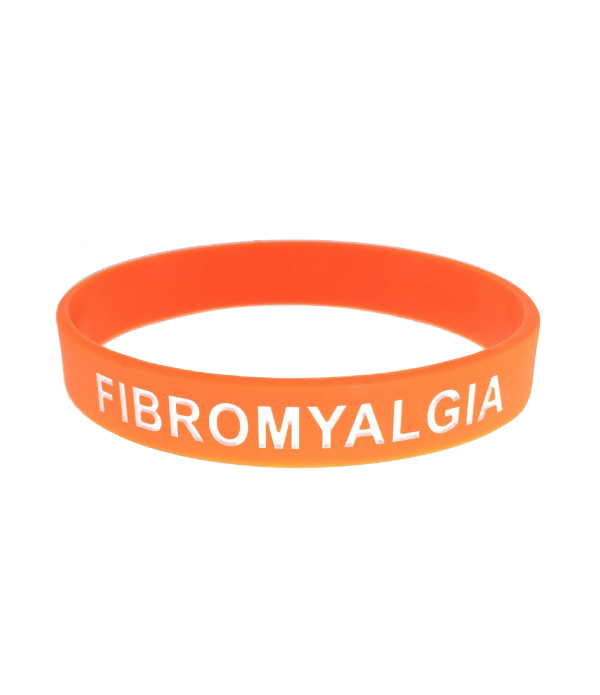
Shop Medical Alert Bracelets for Chronic Conditions
A new diagnosis is overwhelming — wearing a medical alert bracelet is one simple step that immediately improves your safety.
3. Communicate your condition
Telling other people about your condition can help you feel supported. But remember, it’s up to you who you tell, when you offer this information and how much detail you go into.

When you are ready, find a quiet time and place to explain your news. You might want to think through answers to questions you may be asked. You can also think of ways the other person could help you, such as by coming with you to hospital appointments or doing shopping for you.
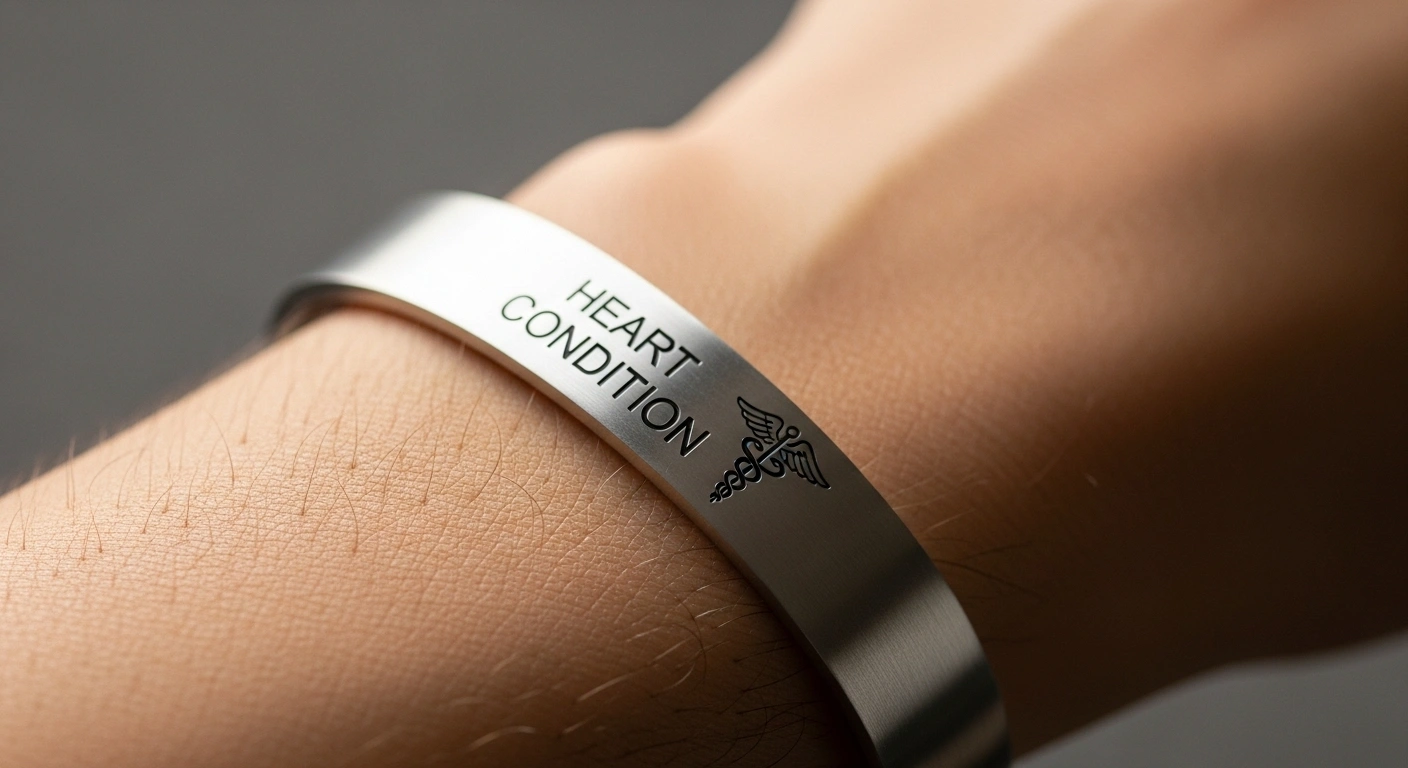
Many people with long-term conditions choose to wear a medical ID bracelet or necklace. This can be a conversation starter if you want to open up about your condition. It is also a valuable resource if you have a health emergency and are not able to communicate your needs. It means your caregivers can understand your medical status, so they can give you the appropriate treatment.
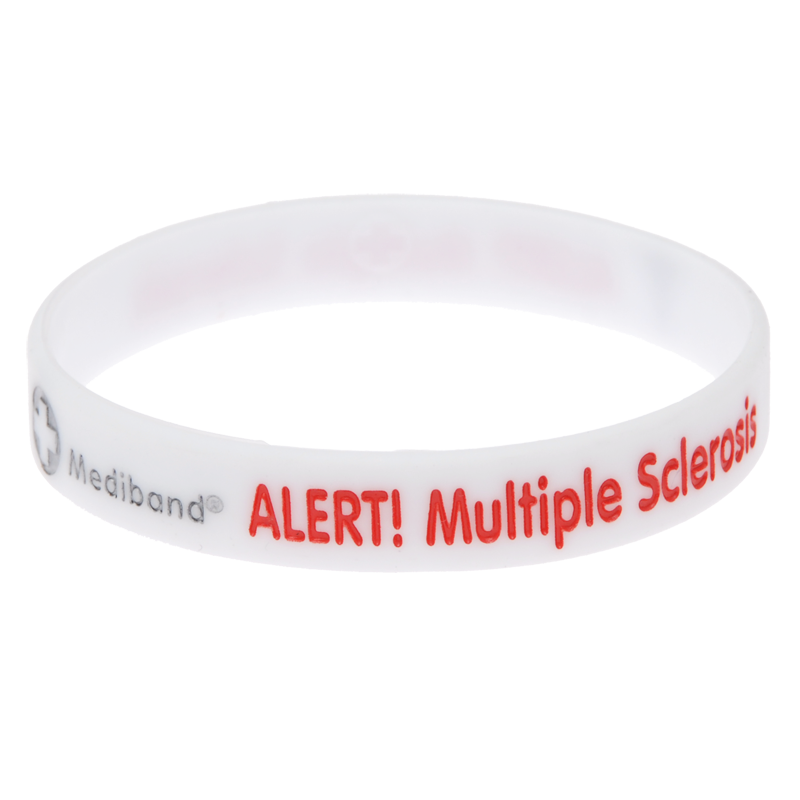
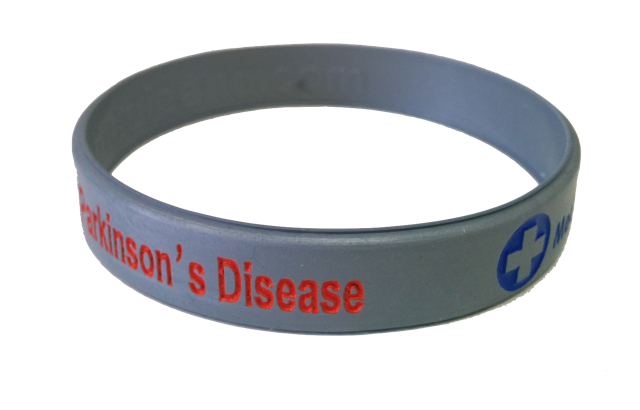
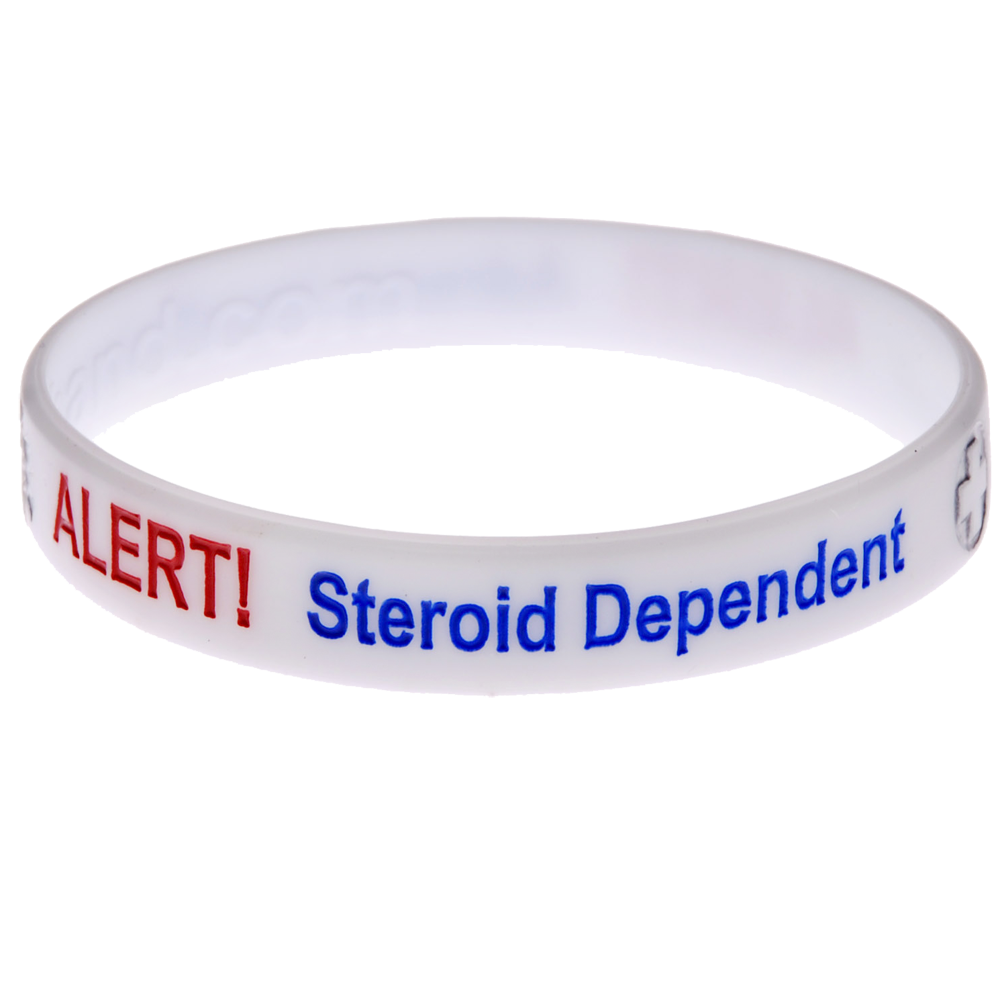
Know that you’ll find a wide range of pre-printed medical ID products in the Mediband online shop. You’ll see wristbands for conditions like diabetes and epilepsy. You can also have your medical wristband customised with the details of your choice. Your wristband will help give you the confidence to live life as fully as possible with a long-term health condition.
4. Take time out
Being diagnosed with a health condition is a stressful time, with a mix of emotions to deal with. This can leave you feeling tired and drained, so make sure you schedule some time out for yourself to relax.
Do whatever makes you feel happy and fulfilled. This could be as simple as enjoying a coffee with a friend or watching your favourite TV show. Or you may wish to take up a creative hobby, such as journalling, which can help you process your emotions.
You may also find comfort in linking with people who are going through a similar experience to you. Your doctor or nurse should be able to help you find a local support group for your condition, or you can join an online forum. Many people find these networks positive and uplifting.
Small steps that mean a lot
Taking even the smallest of actions can help you build positivity and confidence around your diagnosis. Taking time for yourself or sharing your worries with a friend can help you relax and reframe your mindset around your health.
You may also wish to order a medical wristband from our extensive collection — it’s a small step that can mean a lot. It can give you confidence and peace of mind as you go about your everyday life, knowing that information about your condition is available in an emergency.
Feel free to reach out to us if you have any questions about our products — we’re here for you.
Frequently Asked Questions
What should I do first after being diagnosed with a chronic condition?
Allow yourself time to process the news emotionally, then start gathering reliable information from your doctor and trusted health organisations. Join a support group — either online or in person — to connect with others who understand. And consider wearing a medical alert bracelet so first responders know about your condition in any emergency.
How do I tell family and friends about my diagnosis?
Choose a quiet, comfortable setting and be honest about what you know so far. You do not need to have all the answers. Share what the condition means for your daily life and what kind of support would help most. Many people find that being open reduces anxiety and strengthens their support network over time.
Should I wear a medical alert bracelet after a new diagnosis?
Yes. A medical alert bracelet is one of the most practical steps you can take immediately after diagnosis. It ensures that if you have a medical emergency — even before you fully understand your condition — paramedics and first responders will know what they are dealing with and can provide the correct treatment.
How can I manage the emotional impact of a chronic illness diagnosis?
Acknowledge your feelings without judgement — grief, anger, and fear are all normal responses. Seek professional support from a psychologist or counsellor experienced in chronic illness. Establish a routine, stay connected to friends and family, and focus on what you can control rather than what you cannot. Beyond Blue offers free support on 1300 22 4636.
What resources are available for people with chronic conditions in Australia?
Australia offers extensive support including the National Disability Insurance Scheme (NDIS), chronic disease management plans through Medicare (allowing five allied health visits per year), condition-specific organisations like Diabetes Australia, Epilepsy Action, and the Heart Foundation, and mental health support through Beyond Blue and Lifeline.

Share on Facebook

Share on X

Share on Pinterest
Comment(s)
Recent Posts

The Risk Of Not Wearing An Allergy Medical Alert Bracelet
March 23, 2026