Listen to your heart in awareness week
April 30, 2024

Heart Week takes place in May every year, giving Australians the chance to talk about their heart health and take action to reduce their risk of disease.

Heart Week Australia 2024 runs from 6 to 12 May, which means it’s time to get ready to talk about heart issues.
Read our latest post to find out more about this awareness week and what you can do to improve the health of your heart.
Why is Heart Week important?
According to the HRI (Heart Research Institute), cardiovascular disease (CVD) is the principal cause of death in Australia, with one Australian dying from CVD every 12 minutes.
What’s more, one in six Australians are currently living with CVD — that’s a total of 4 million people.
Cardiovascular disease is an umbrella term that covers a range of conditions that affect the heart or blood vessels, including:
- Coronary heart disease
- Heart failure
- Heart attack
- Stroke
- Atrial fibrillation
- Aortic disease
- Deep vein thrombosis (DVT)
Heart Week seeks to raise awareness of issues around heart health and encourage all Australians to talk about them and take steps to lower their risk of CVD.
To honour Heart Week, you can:
- Make an appointment with your GP for a Heart Health Check. This is a 20-minute assessment to find out your risk of having a heart attack or stroke in the next five years. You can find out more about Heart Health Checks and book one here. You can also download a free Heart Health Check brochure to find out more.
- Use the Heart Health Calculator to find your estimated heart age. If your heart age comes out as higher than your real age, you are at increased risk of having a stroke or heart attack and should consult your doctor.
- Check out the Heart Foundation’s recipe book for inspiration for heart-healthy meals, or explore their Personal Walking Plans to help you get more active in just six weeks.
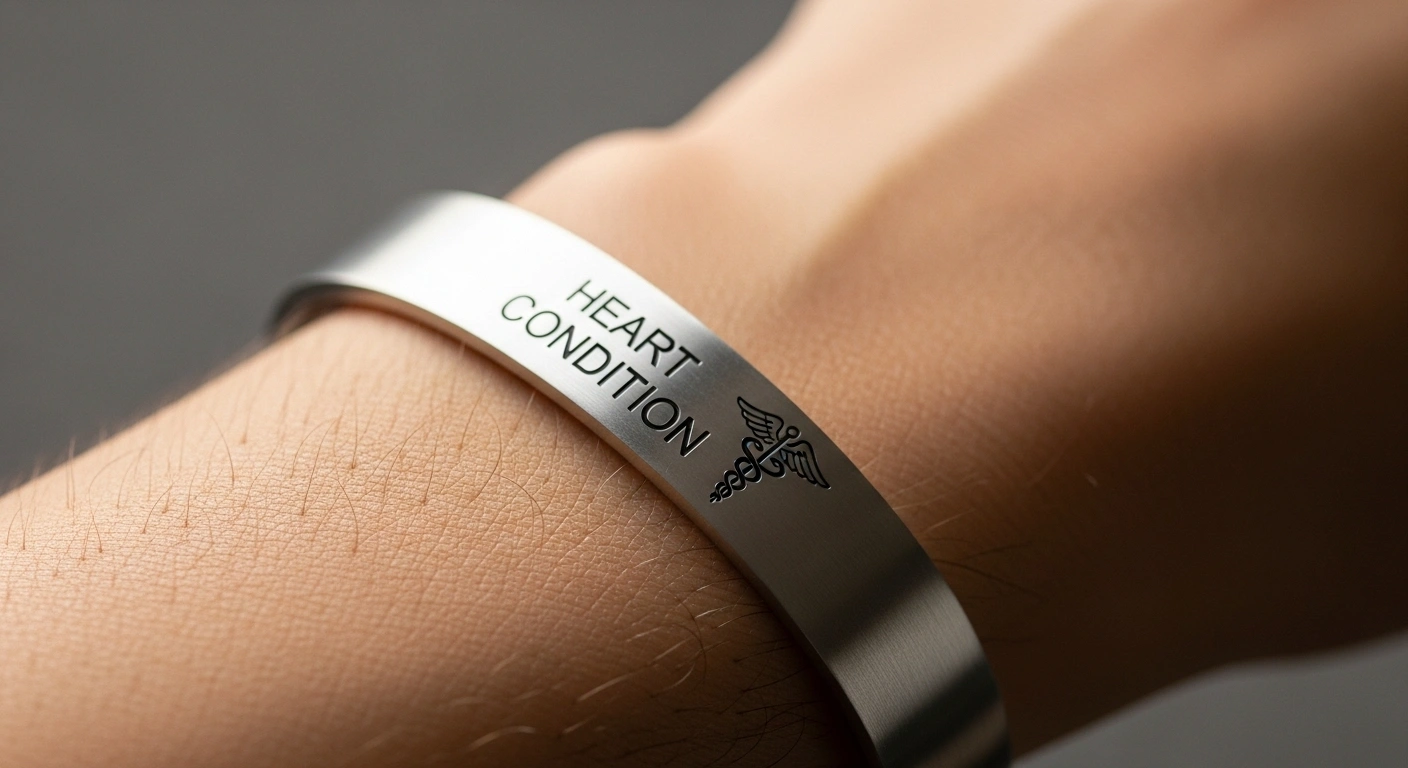
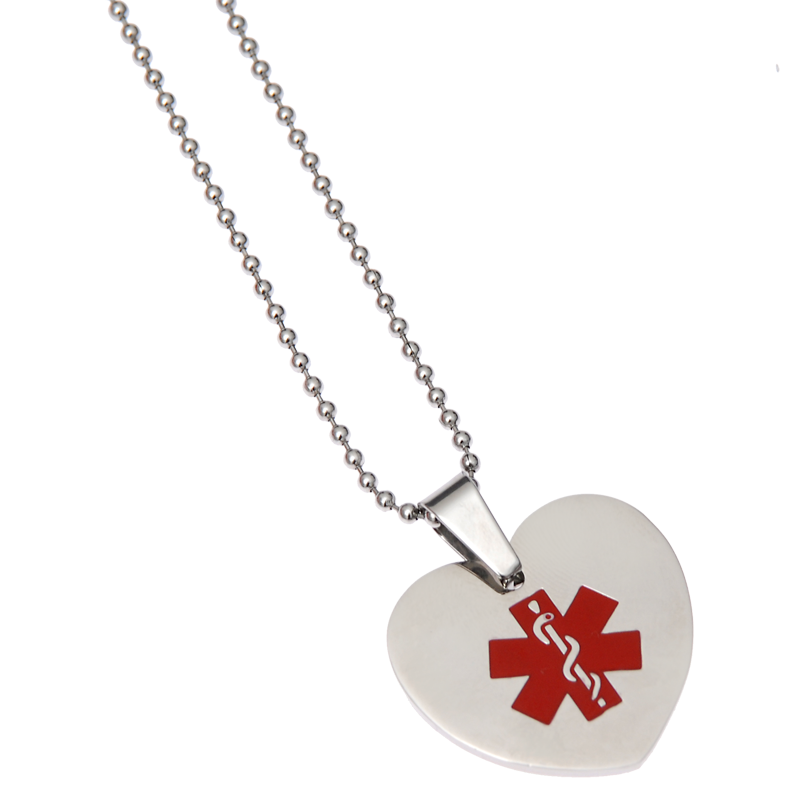
- If you or a loved one is living with CVD, get a medical wristband to help keep you safe in a medical emergency. Mediband medical alert bracelet.com/au/medical-alert-bracelets/">Medical ID bracelets contain information about your condition so that healthcare professionals can offer the right treatment if you are unable to speak for yourself. You can choose a pre-printed medical ID, have one printed with your unique details or even opt for a write-on medical wristband so you can add the information yourself.
What else can I do to keep my heart healthy?

The good news is that there are lots of things you can do to keep your heart healthy. Check out our selection:
The Heart Foundation says that smokers are three times more likely to die from heart disease than non-smokers. Their risk of heart attack and stroke is two times higher, and their risk of peripheral arterial disease is five times higher. These are good reasons to stop smoking. Visit the Quit website to get the support you need.
Regular physical activity can help reduce your risk of heart disease. Aim for 30 to 60 minutes every day. If you haven’t exercised for a while, start with small bursts of activity and build them up as you gain fitness and stamina — know that every little effort counts!
Follow a heart-friendly diet full of fruits, vegetables, legumes, lean meat and fish and whole grains. Avoid food high in salt and sugar and highly processed food, such as meat. Limit your consumption of alcohol too.
It’s important to manage your emotional as well as your physical well-being. High stress levels can push up your blood pressure and increase your risk of heart disease, so it’s important to find ways to manage stress in your life. You may find a physical outlet, like playing a sport or practising yoga, helpful. Or you may find relief in creative activities like art or music. It doesn’t matter what you choose to do, only that you take time out from the stresses and strains of everyday life.
Shop Heart Condition Medical Alert Bracelets
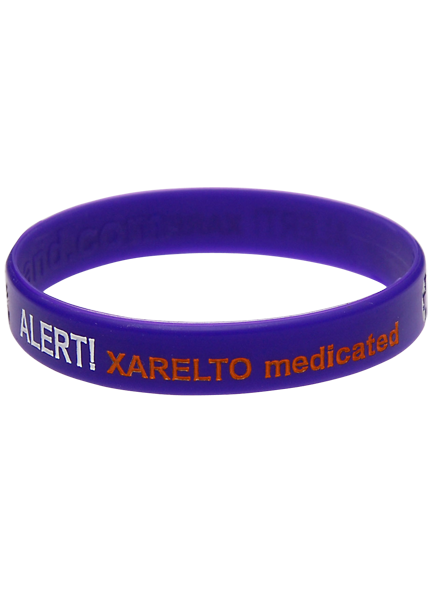
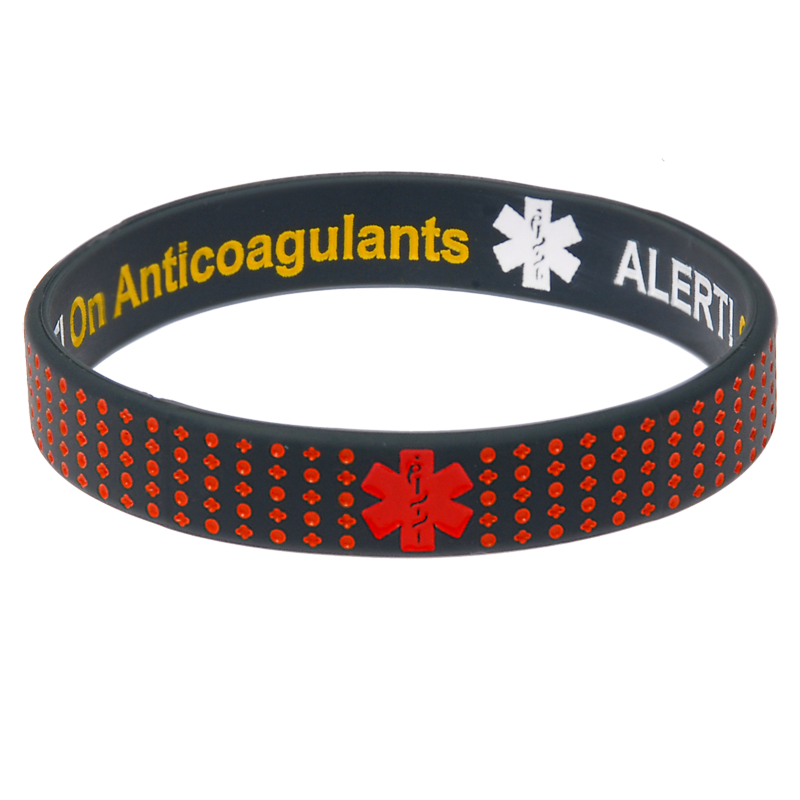
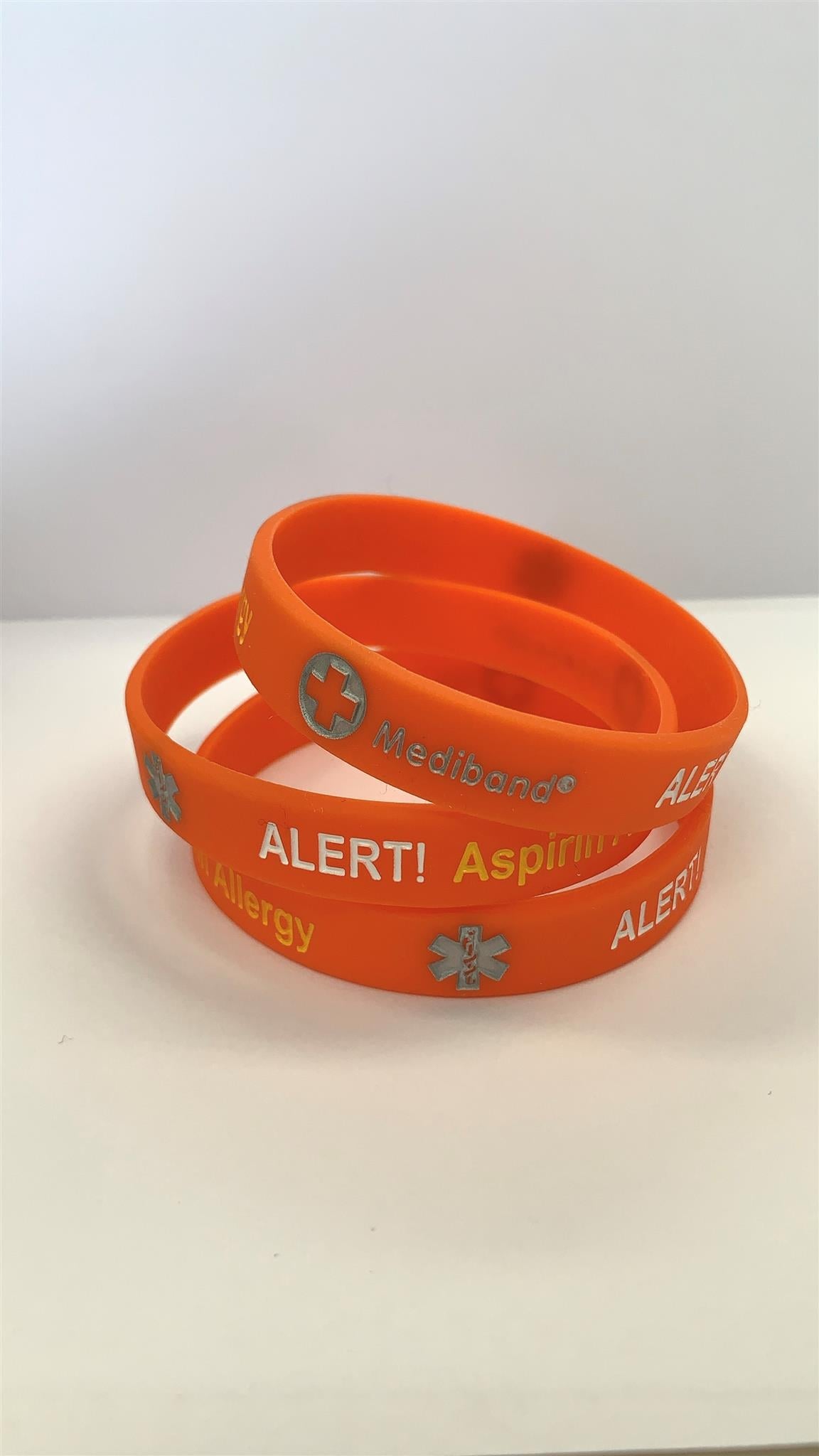
If you live with a heart condition or take blood thinners, a medical alert bracelet could save your life in an emergency.
Take action with Mediband
Heart Week is a great opportunity to have conversations with your loved ones and your doctor about your heart health. Use it as an excuse to get a Heart Health Check or start a new, heart-friendly habit.
If you or a loved one is living with CVD, one simple action you can take is to order a medical wristband from the Mediband collection. Wearing a medical ID with details of your heart condition can help you get the right care if you are ever in an emergency situation. This means peace of mind for both you and your loved ones.
And if you need a hand choosing which medical wristband is right for you, don’t hesitate to reach out to us. Our friendly team can help and advise you on a unique and personalised medical ID to make the perfect gift for yourself or someone special this Heart Week.
Frequently Asked Questions
Why should people with heart conditions wear a medical alert bracelet?
Heart conditions can cause sudden emergencies like cardiac arrest, arrhythmia, or stroke where you may be unable to communicate. A medical alert bracelet tells paramedics about your condition, medications (especially blood thinners like warfarin or Xarelto), and any implanted devices like pacemakers or stents — directly influencing the treatment they provide.
What is Heart Week in Australia?
Heart Week is an annual awareness campaign run by the Heart Foundation Australia, typically held in May. It raises awareness about cardiovascular disease — the leading cause of death in Australia, claiming one life every 12 minutes. The campaign encourages Australians to understand their heart health risk factors and take action.
What are the main risk factors for heart disease in Australia?
According to the Heart Foundation, the main risk factors include high blood pressure, high cholesterol, smoking, diabetes, physical inactivity, unhealthy diet, obesity, and excessive alcohol consumption. Family history also plays a significant role. The good news is that most risk factors are modifiable through lifestyle changes and medical management.
What information should I put on a heart condition medical bracelet?
Include your specific condition (e.g. Atrial Fibrillation, Heart Failure), any blood thinners or anticoagulants you take (e.g. Warfarin, Xarelto, Aspirin), whether you have a pacemaker or stents, and an emergency contact number. This information helps paramedics avoid dangerous drug interactions and choose the right treatment.
How common is heart disease in Australia?
Cardiovascular disease affects approximately 4.2 million Australians and is responsible for over 40,000 deaths per year, according to the Australian Institute of Health and Welfare. One in six Australians has cardiovascular disease, making it the single leading cause of death nationally — more than any type of cancer.

Share on Facebook

Share on X

Share on Pinterest
Comment(s)
Recent Posts

The Risk Of Not Wearing An Allergy Medical Alert Bracelet
March 23, 2026