Breast Cancer Awareness: Early Detection, Treatment, and Why a Medical Alert Bracelet Matters
October 26, 2022

Breast Cancer: Understanding the Most Common Cancer in Women Worldwide
Breast cancer affects approximately 2.3 million women each year, making it the most commonly diagnosed cancer globally, according to the World Health Organization (2023). It is also the leading cause of cancer death in women in over 100 countries. Yet the outlook has never been more hopeful — survival rates have improved dramatically over the past three decades thanks to earlier detection, better treatments, and increased awareness.
Breast Cancer Awareness Month, observed every October, plays a vital role in educating people about risk factors, the importance of screening, and the realities of life after diagnosis. This guide covers what every person should know about breast cancer — from early detection to treatment and recovery — including why a medical alert bracelet is an essential part of post-treatment life for many survivors.
Early Detection: Your Most Powerful Tool Against Breast Cancer
Know the Warning Signs
Breast cancer does not always announce itself with obvious symptoms. Being familiar with how your breasts normally look and feel allows you to recognise changes early. Warning signs include:
- A new lump or thickening in the breast or armpit area
- Changes in breast size or shape: Unexplained swelling, shrinkage, or asymmetry
- Skin changes: Dimpling, puckering, redness, or thickening of the breast skin
- Nipple changes: Inversion, discharge (especially bloody), or a rash around the nipple
- Persistent pain: In the breast or armpit that does not relate to your menstrual cycle
It is important to note that not all lumps are cancerous — most breast lumps are benign cysts or fibroadenomas. However, any new lump or change should always be checked by a healthcare professional promptly.
Screening Saves Lives
Mammography remains the gold standard for breast cancer screening. Research consistently shows that regular mammographic screening reduces breast cancer mortality by 20-40% in screened populations. Most health systems recommend:
- Women aged 50-74: Mammogram every two years
- Women aged 40-49: Discuss with your doctor based on personal risk factors
- High-risk women: Annual mammograms and potentially MRI screening from an earlier age
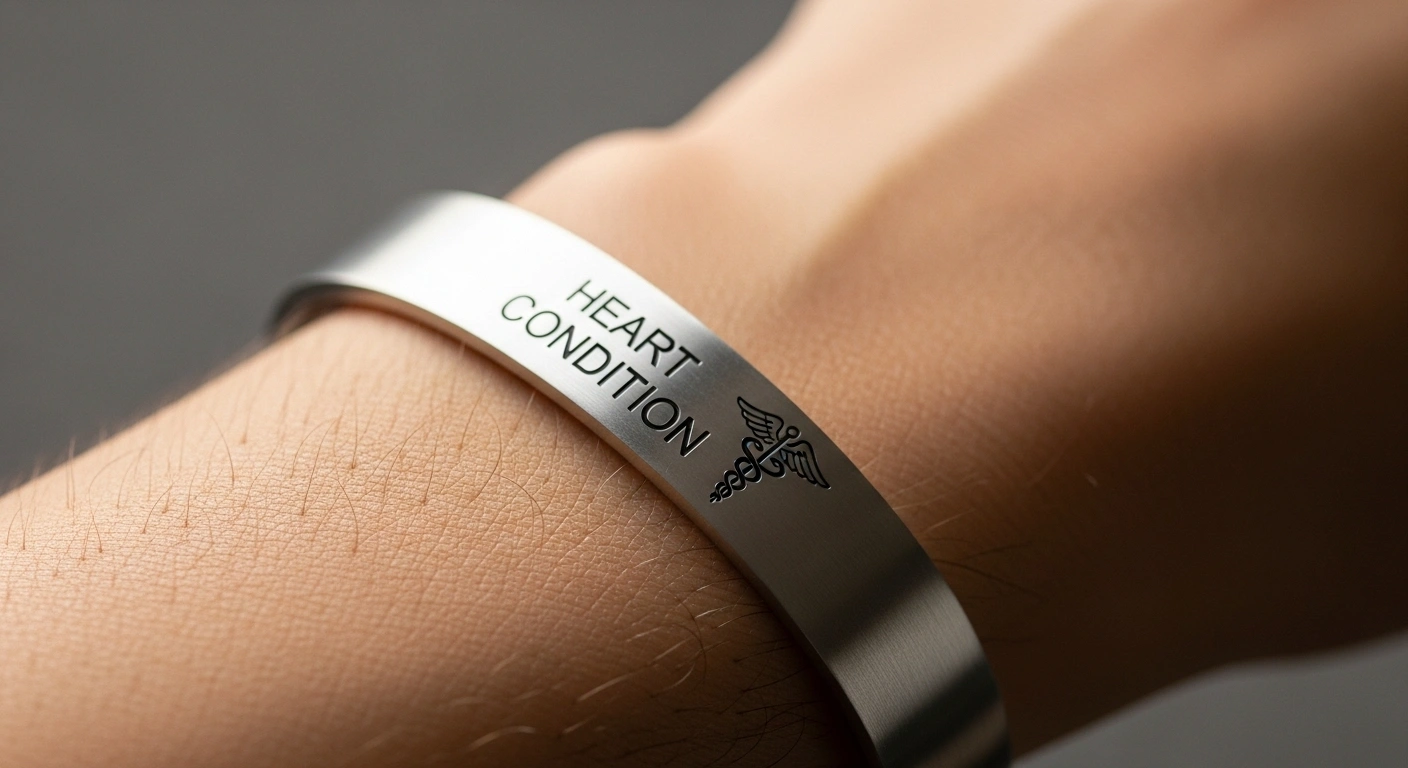
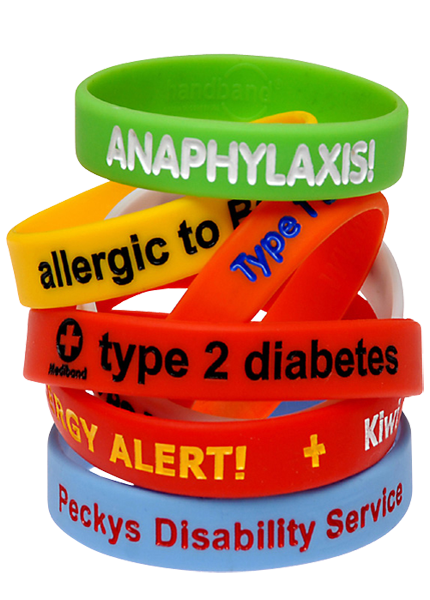
Medical Alert Bracelets for Breast Cancer Survivors
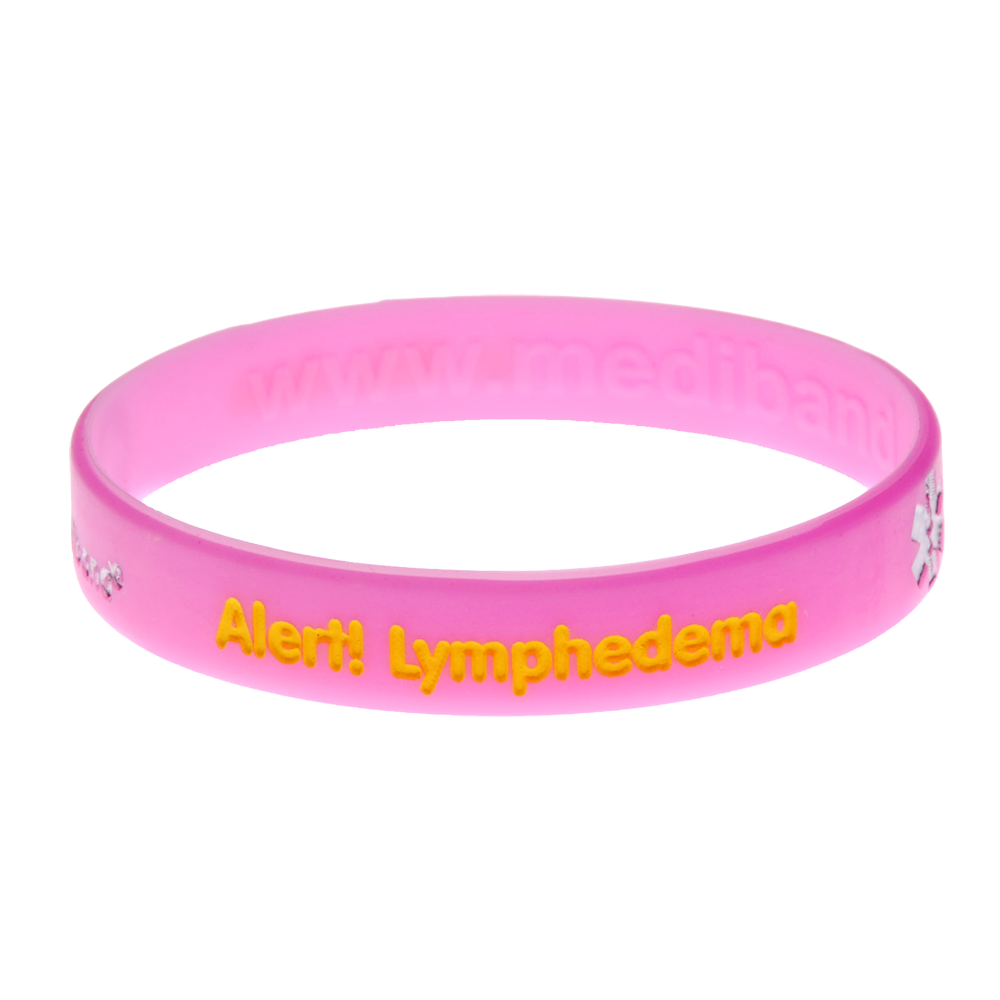
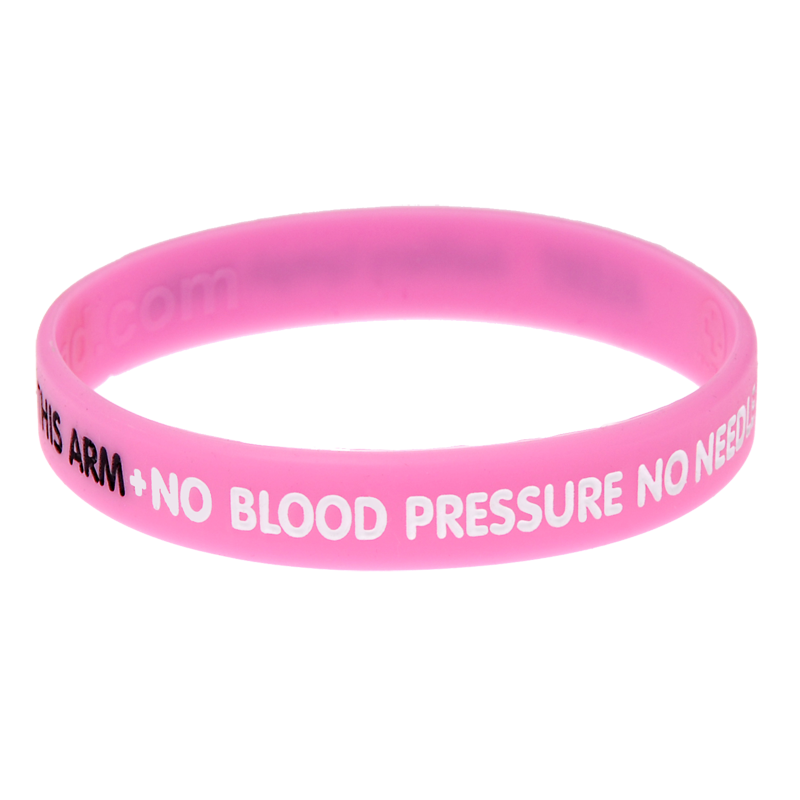
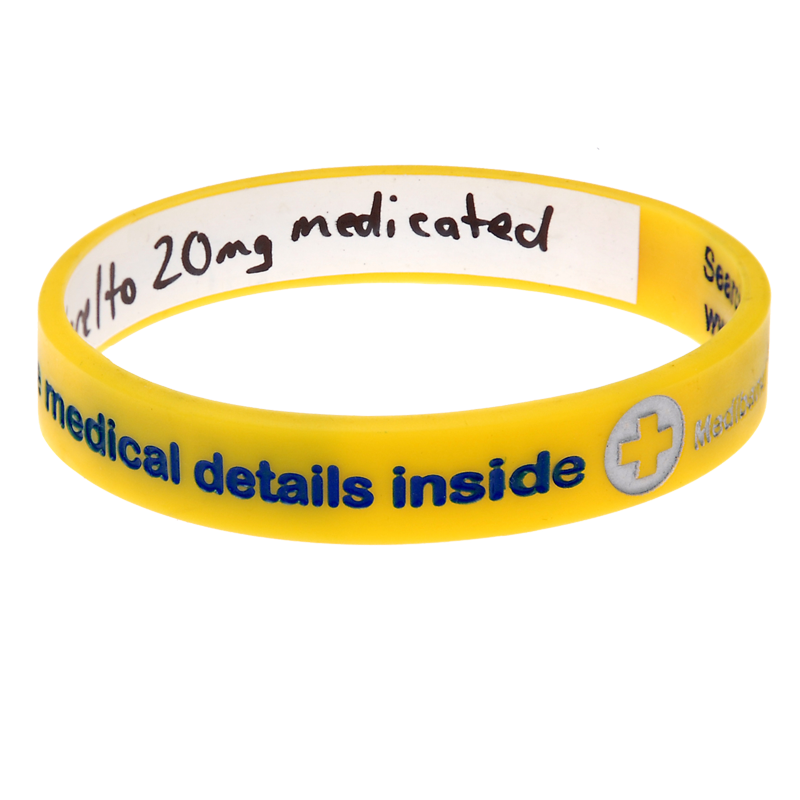
Protect your arm after surgery — alert medics to avoid needles, BP, and IV on the affected side.

Treatment Options: What to Expect After Diagnosis
Surgical Treatments
Surgery is typically the first treatment for early-stage breast cancer. Options include:
- Lumpectomy (breast-conserving surgery): Removes the tumour and a margin of surrounding healthy tissue while preserving the breast
- Mastectomy: Removes the entire breast. This may be recommended for larger tumours, multiple tumour sites, or as a preventive measure in very high-risk individuals
- Sentinel lymph node biopsy: Removes the first few lymph nodes where cancer is most likely to spread to check for metastasis
- Axillary lymph node dissection: Removes multiple lymph nodes from the armpit when cancer has spread to the lymphatic system
Additional Treatments
Depending on the type and stage of breast cancer, treatment may also include:
- Radiation therapy: Usually follows lumpectomy to destroy remaining cancer cells
- Chemotherapy: Systemic treatment that kills rapidly dividing cells throughout the body
- Hormone therapy: For hormone receptor-positive cancers, blocking oestrogen can prevent recurrence for 5-10 years
- Targeted therapy: Drugs like trastuzumab (Herceptin) target specific proteins on cancer cells
- Immunotherapy: Newer treatments that help the immune system recognise and attack cancer cells
Lymphoedema After Breast Cancer: The Hidden Long-Term Risk
Understanding the Connection
One of the most significant and often under-discussed complications following breast cancer treatment is lymphoedema — chronic swelling that develops when lymph fluid cannot drain properly from the arm on the treated side. Up to 40% of women who undergo axillary lymph node removal develop lymphoedema, and the risk persists for life.
Lymphoedema can develop weeks, months, or even years after surgery. It causes swelling, heaviness, tightness, and reduced range of motion in the affected arm. Without proper management, it can progress and significantly impact quality of life.
Why a Medical Alert Bracelet Is Essential After Breast Cancer Surgery
If you have had lymph nodes removed from your armpit, you need a lymphoedema medical alert bracelet or an axillary lymph nodes bracelet. Here is why:
- Blood pressure cuffs on the affected arm can trigger or worsen lymphoedema
- Blood draws and IV insertions create puncture wounds that increase infection risk (cellulitis) and can cause lymphoedema flare-ups
- In an emergency, when you may be unconscious or unable to communicate, medical staff will default to using the most accessible arm. A visible bracelet warns them immediately.
A study published in the European Journal of Cancer Care (2020) found that nearly one in four breast cancer survivors had medical procedures performed on their at-risk arm during hospital visits because healthcare providers were unaware of their surgical history. A simple bracelet prevents this entirely.
Supporting Someone Through Breast Cancer
If someone you love is going through breast cancer, here are meaningful ways to offer support:
- Be present: Sometimes the most powerful support is simply being there — sitting with them during chemotherapy, driving them to appointments, or just listening
- Offer practical help: Meal preparation, childcare, housework, and grocery shopping become enormous tasks during treatment. Specific offers ("I will bring dinner on Thursday") are more helpful than vague ones ("Let me know if you need anything")
- Educate yourself: Understanding their diagnosis and treatment helps you provide informed, empathetic support
- Respect their wishes: Some people want to talk about their cancer openly; others prefer distraction and normality. Follow their lead
- Give a medical alert bracelet: If they have had lymph node surgery, a medical alert bracelet is one of the most practical and caring gifts you can give
Breast cancer awareness is not just about wearing pink ribbons — it is about understanding the disease, supporting those affected, and taking proactive steps to protect yourself and the people you love. Whether through regular screening, supporting a loved one through treatment, or ensuring a survivor wears a life-saving medical alert bracelet, every action counts.
Frequently Asked Questions
How common is breast cancer worldwide?
Breast cancer is the most commonly diagnosed cancer globally, affecting approximately 2.3 million women each year according to the World Health Organization. It is the leading cause of cancer death in women across more than 100 countries. However, survival rates have improved dramatically with early detection and modern treatments.
What are the early warning signs of breast cancer?
Warning signs include a new lump or thickening in the breast or armpit, changes in breast size or shape, skin dimpling or puckering, nipple inversion or discharge, and persistent breast pain unrelated to menstrual cycles. Most lumps are benign, but any new change should be checked by a healthcare professional promptly for peace of mind.
What is lymphoedema and how does it relate to breast cancer?
Lymphoedema is chronic swelling caused by damaged lymphatic drainage, most commonly in the arm after breast cancer surgery involving lymph node removal. Up to 40% of women who undergo axillary lymph node dissection develop this condition. It can appear weeks, months, or even years after surgery and requires lifelong management.
Why do breast cancer survivors need a medical alert bracelet?
After lymph node removal, blood pressure cuffs, IV lines, and blood draws on the affected arm can trigger or worsen lymphoedema. In emergencies, medical staff may use the most accessible arm unless warned otherwise. Research shows nearly one in four breast cancer survivors had procedures performed on their at-risk arm because staff were unaware of their surgical history.
How often should women be screened for breast cancer?
Most health guidelines recommend mammograms every two years for women aged 50-74. Women aged 40-49 should discuss screening with their doctor based on personal risk factors. Those at high risk due to family history, genetic mutations like BRCA1/BRCA2, or previous chest radiation may need annual mammograms and MRI screening from an earlier age.

Share on Facebook

Share on X

Share on Pinterest
Comment(s)
Recent Posts

The Risk Of Not Wearing An Allergy Medical Alert Bracelet
March 23, 2026