Men's Health Awareness: Why Every Man Needs a Medical Alert Bracelet
November 17, 2021

Men are statistically less likely to visit a doctor, less likely to discuss health concerns openly, and more likely to die earlier from preventable conditions than women. According to the World Health Organization, men’s life expectancy is approximately five years shorter than women’s in most countries — a gap driven largely by preventable causes. Prostate cancer alone affects more than 1.4 million men globally each year, making it the second most common cancer in men worldwide (Global Cancer Observatory, 2022). Awareness months like Movember exist because silence kills — and breaking that silence starts with a conversation.
This guide explores the key men’s health issues you should know about, the simple actions that make a measurable difference, and why a medical alert bracelet is one of the most overlooked yet practical tools in men’s health management.
The Men’s Health Gap: Why Men Die Earlier and What Can Be Done
The men’s health gap is well-documented and persistent. Men are more likely to smoke, drink heavily, take physical risks, and delay seeking medical help. They are less likely to attend preventive health screenings or discuss mental health. In most countries, men account for roughly 75-80% of suicide deaths. Heart disease kills more men than any other condition.
These statistics are not inevitable. They reflect patterns of behaviour that can change with awareness, destigmatisation, and access to support. Awareness months like Movember (November), Men’s Health Week (June), and prostate cancer awareness campaigns are specifically designed to create space for these conversations and encourage action.
The Role of Masculinity Norms in Health Avoidance
Research consistently identifies traditional masculinity norms — the idea that men should be stoic, self-sufficient, and never appear vulnerable — as a significant barrier to men seeking healthcare. A 2019 study in Preventive Medicine found that men who strongly adhered to traditional masculinity norms were significantly less likely to attend preventive health screenings or seek help for mental health issues.
Changing this requires cultural shifts that take time — but individual men can make different choices right now. And the people who love them can help create the conditions for those choices.
Key Men’s Health Conditions Every Man Should Know About
Prostate Cancer
Prostate cancer is the most commonly diagnosed cancer in men in many countries. Most cases grow slowly and, when caught early, are highly treatable. Risk increases with age (mainly over 50), family history, and certain ethnic backgrounds. A PSA (Prostate-Specific Antigen) blood test can detect abnormalities early. Discuss prostate cancer screening with your doctor from age 50, or earlier if you have risk factors.
Testicular Cancer
Testicular cancer is the most common cancer in men aged 15-35. It is highly treatable when caught early — the five-year survival rate exceeds 95% for localised disease. Monthly self-examination takes less than a minute. Any new lump, hardness, or change in size or shape should be assessed by a doctor promptly.
Cardiovascular Disease
Heart disease is the leading cause of death in men globally. Risk factors include high blood pressure, high cholesterol, diabetes, smoking, obesity, physical inactivity, and family history. Many of these are modifiable with lifestyle changes and, where necessary, medication. Regular blood pressure and cholesterol checks are simple, quick, and potentially life-saving.
Mental Health
Mental health challenges are at least as common in men as in women, but far less frequently diagnosed or treated. Men are more likely to use alcohol or risk-taking behaviours as coping mechanisms rather than seeking professional help. Movember’s research shows that social connection — the simple act of talking to someone you trust — is one of the most effective protective factors against male mental health crises.
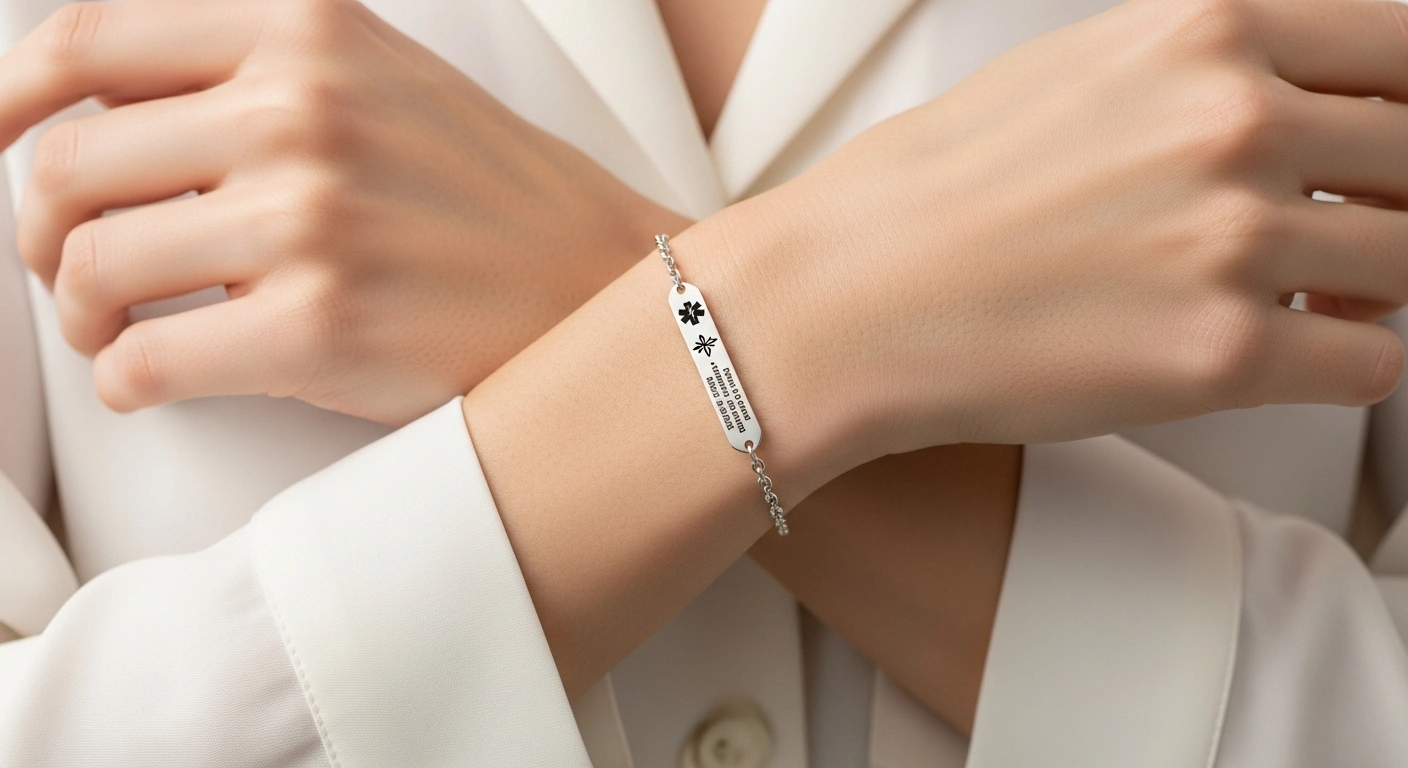
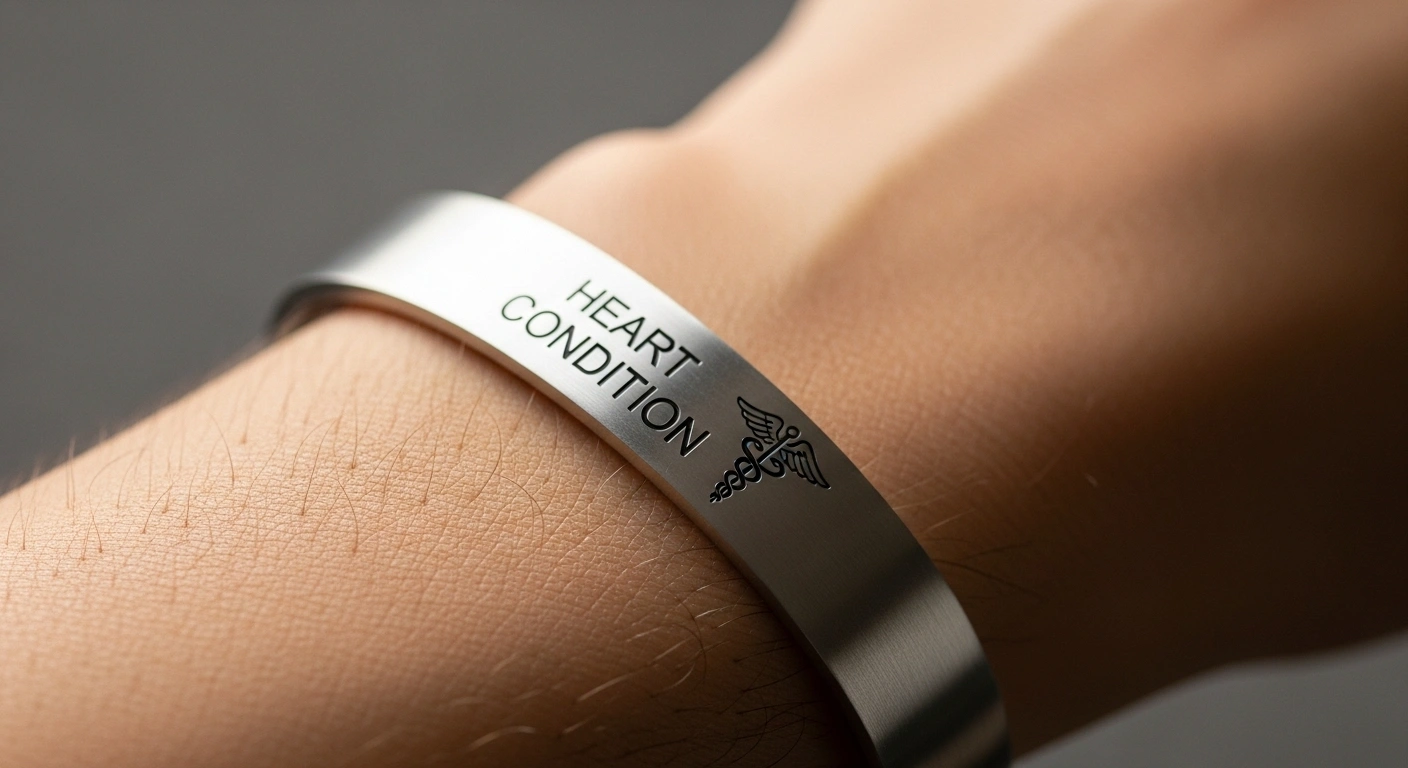
Medical Alert Bracelets Designed for Men
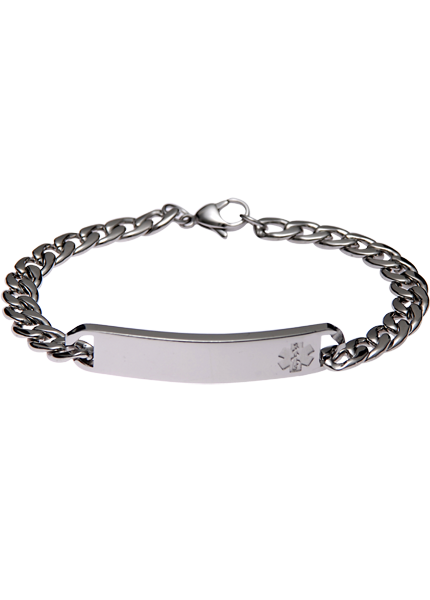
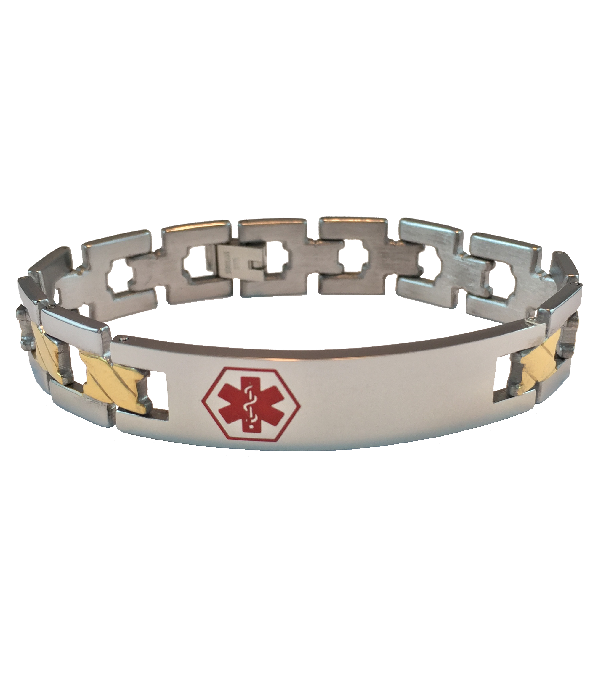
Sleek, masculine, and life-saving — stainless steel medical ID bracelets built for real life.

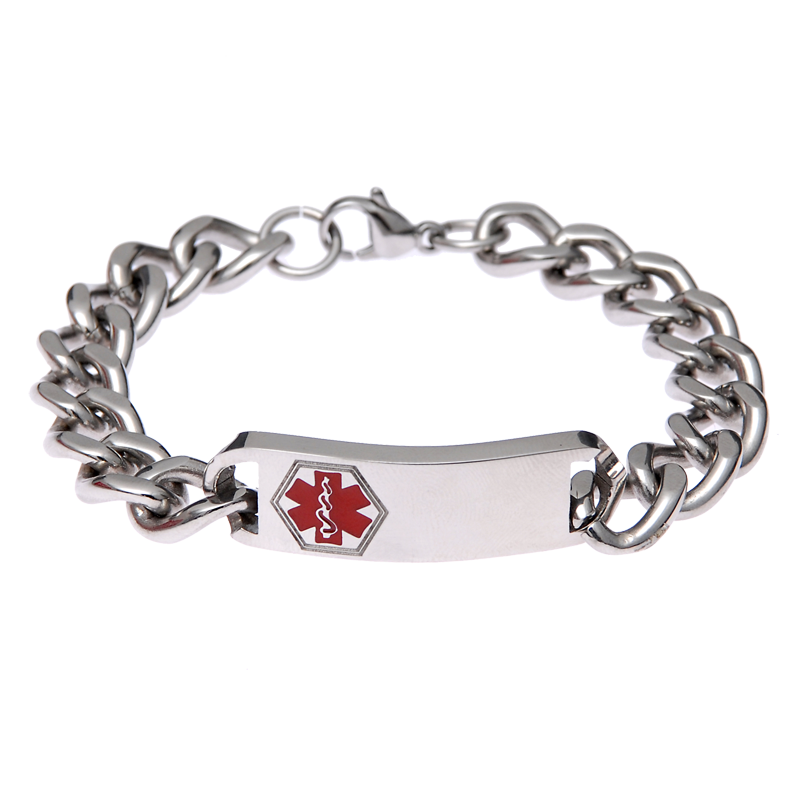


Why Every Man with a Medical Condition Needs a Medical Alert Bracelet
Men with conditions including heart disease, diabetes, epilepsy, severe allergies, blood clotting disorders, or other complex medical histories face a specific and serious risk: if they collapse, have an accident, or experience a medical emergency when alone or among strangers, no one will know their medical history. First responders will have to make educated guesses rather than informed decisions.
A medical alert bracelet eliminates that information gap. It is checked by emergency responders within the first 60 seconds of an emergency and provides critical data: condition, medications, allergies, and emergency contact. This can prevent dangerous treatment errors and save lives.
Men are often reluctant to wear medical ID for the same reasons they resist discussing health generally — it feels like an acknowledgment of vulnerability. But consider reframing it: a medical alert bracelet is something an active, capable man wears precisely because he has a full life and wants to get on with it safely. It’s not a sign of weakness. It’s forward planning.
Browse men’s medical alert bracelets at Mediband — including sleek stainless steel designs, slim-profile options, and rugged dog tag styles that suit every lifestyle.
Simple Men’s Health Actions You Can Take This Month
Awareness is only meaningful if it leads to action. Here are concrete steps any man can take to improve their health outcomes:
- Book a health check: See your GP for a comprehensive health check including blood pressure, cholesterol, blood glucose, and BMI. If you haven’t had one in over two years, book one now.
- Check your skin: Melanoma is more common in men over 50. Have any suspicious moles or skin changes assessed promptly.
- Discuss prostate screening with your doctor: Especially if you are over 50, have a family history, or are in a higher-risk group.
- Move your body: The WHO recommends 150 minutes of moderate aerobic activity weekly. Even a 30-minute walk five days a week dramatically reduces cardiovascular risk.
- Talk to someone: If you’re struggling mentally, speak to a friend, a GP, or a mental health service. Talking is not weakness — it’s the most effective thing you can do.
- Wear your medical ID: If you have a medical condition, wear a medical alert bracelet every day.
Supporting the Men in Your Life
If you’re reading this as a partner, parent, sibling, or friend of a man who avoids health conversations — you have real power to make a difference. Research shows that social pressure and support from people we care about are the most effective motivators for men to seek healthcare.
Practical things you can do:
- Gently but persistently encourage regular GP visits — offer to book the appointment for them
- Have open, non-judgmental conversations about health — starting with your own vulnerabilities often creates space for theirs
- Gift a stainless steel or dog tag medical alert bracelet if they have a relevant condition — something stylish that doesn’t feel clinical
- Participate in Movember or other health awareness activities together
Men’s health awareness isn’t just for November. But awareness months provide a culturally sanctioned moment to have conversations that might otherwise be avoided. Use it.
Frequently Asked Questions
What is Movember and why is men's health awareness important?
Movember is a global health awareness campaign held each November, focused primarily on prostate cancer, testicular cancer, and men's mental health. It raises funds for research and creates cultural permission for men to discuss health openly. Men's health awareness is important because men are significantly less likely than women to seek preventive care, leading to avoidable illness and death from conditions that are highly treatable when caught early.
Should men with chronic conditions wear a medical alert bracelet?
Absolutely. Men with diabetes, heart conditions, epilepsy, severe allergies, blood clotting disorders, or other complex medical histories should wear a medical alert bracelet at all times. In an emergency, this bracelet communicates critical information to first responders when the person cannot do so themselves. Men often resist medical ID for the same reasons they avoid healthcare — but a bracelet is forward planning, not weakness. Sleek stainless steel and dog tag styles are designed specifically to suit male aesthetics.
How often should men have a health check?
As a minimum, adult men should have a comprehensive health check every two years, and annually over age 45. This should include blood pressure, cholesterol, blood glucose, and a discussion about cancer screening appropriate to age and family history. Between formal checks, monthly testicular self-examination and annual skin checks (particularly for men with sun exposure history) are important additional steps.
What are the most common health risks for men?
The leading health risks for men globally include cardiovascular disease (heart attack, stroke), prostate cancer, lung cancer, colorectal cancer, testicular cancer, type 2 diabetes, and mental health conditions including depression and anxiety. Lifestyle factors — smoking, alcohol, physical inactivity, obesity, and avoidance of medical care — significantly amplify these risks and are largely modifiable with the right support.

Share on Facebook

Share on X

Share on Pinterest
Comment(s)
Recent Posts

The Risk Of Not Wearing An Allergy Medical Alert Bracelet
March 23, 2026