Thyroid Disease and Medical Alert Bracelets: What Every Australian Should Know
May 30, 2022

Your thyroid is a small, butterfly-shaped gland in your neck — but it controls some of the most important functions in your body. According to the Australian Thyroid Foundation, thyroid disorders affect roughly 1 in 20 Australians, with women up to eight times more likely to be affected than men.
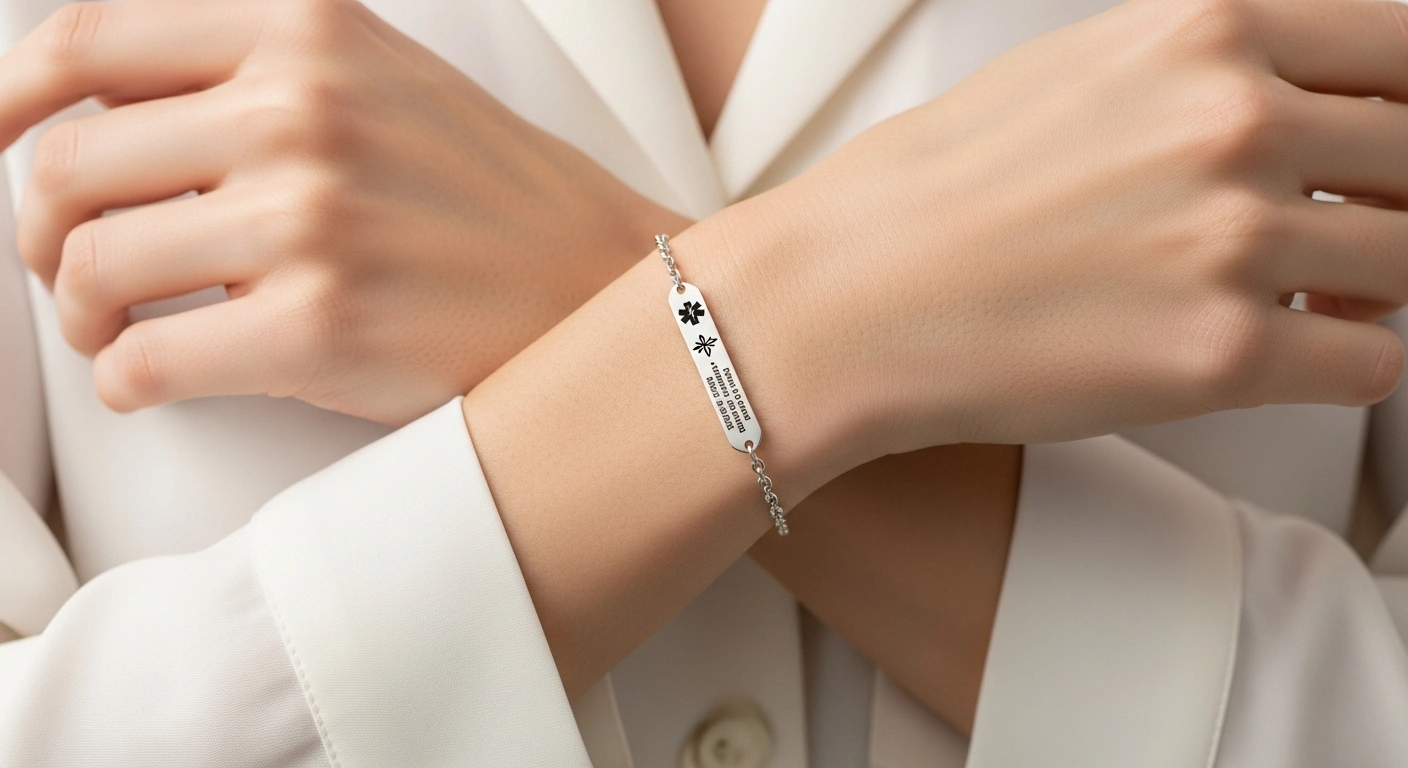
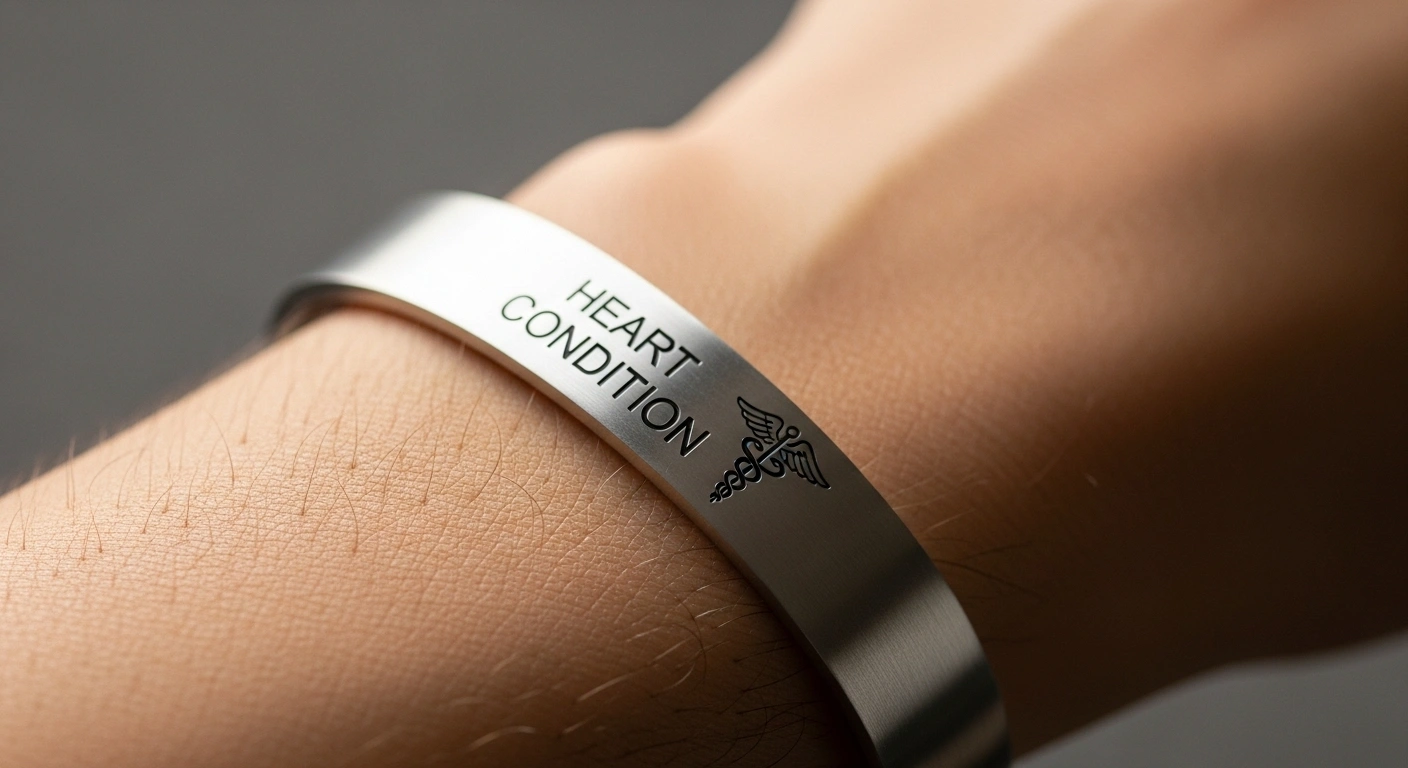
Despite being one of the most common endocrine conditions, thyroid disease is often invisible. Symptoms develop gradually and can be mistaken for stress, ageing or depression. In an emergency, if you have a thyroid condition and cannot communicate, a medical alert bracelet ensures paramedics know about your condition and the medications you take — preventing dangerous drug interactions and ensuring correct treatment.
What Does the Thyroid Do?
The thyroid gland produces hormones that regulate your metabolism — the process by which your body converts food and oxygen into energy. These hormones influence virtually every organ in your body, including your heart rate, body temperature, weight, mood and energy levels.
The two main thyroid hormones are T3 (triiodothyronine) and T4 (thyroxine). Their production is controlled by TSH (thyroid-stimulating hormone), which is released by the pituitary gland in your brain. When this delicate system falls out of balance, thyroid disease results.
Types of Thyroid Disease and Their Symptoms
Hypothyroidism (Underactive Thyroid)
When your thyroid produces too few hormones, your metabolism slows down. Symptoms include:
- Fatigue and low energy
- Unexplained weight gain
- Feeling cold when others are comfortable
- Dry skin and hair loss
- Constipation
- Depression and difficulty concentrating
- Irregular or heavy menstrual periods
The most common cause of hypothyroidism is Hashimoto's disease, an autoimmune condition where your immune system attacks the thyroid. It is more common in women aged 30 to 50.
Hyperthyroidism (Overactive Thyroid)
When your thyroid produces too many hormones, your metabolism speeds up. Symptoms include:
- Unexplained weight loss despite increased appetite
- Rapid or irregular heartbeat
- Anxiety, irritability and tremors
- Heat intolerance and excessive sweating
- Insomnia
- Frequent bowel movements
- Bulging eyes (in Graves' disease)
The most common cause is Graves' disease, another autoimmune condition that typically affects women under 40.
Shop Medical Alert Bracelets for Thyroid Conditions
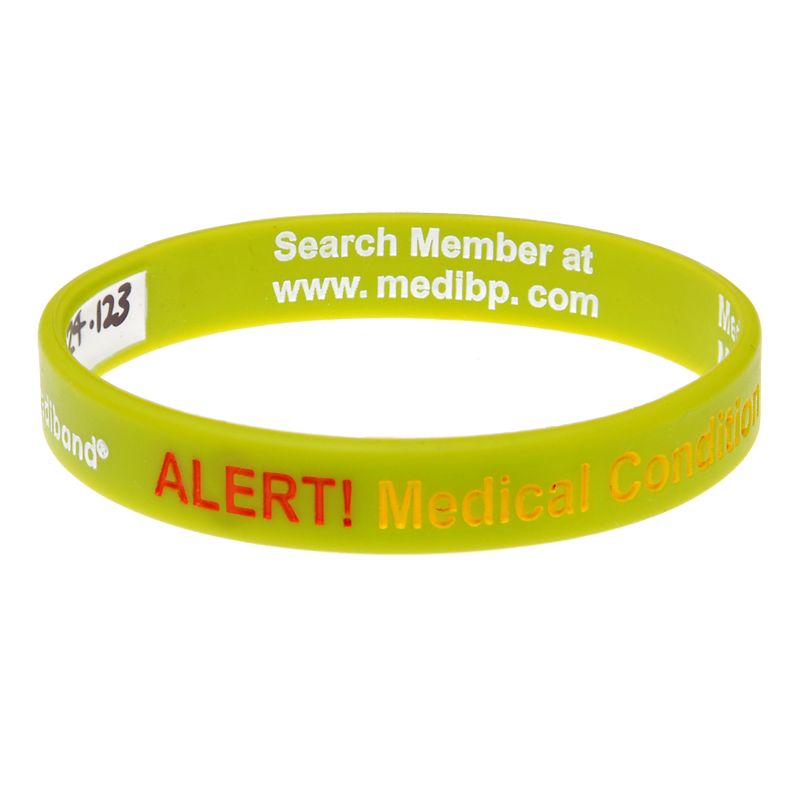
Alert emergency responders to your thyroid condition and medications — keep yourself safe.
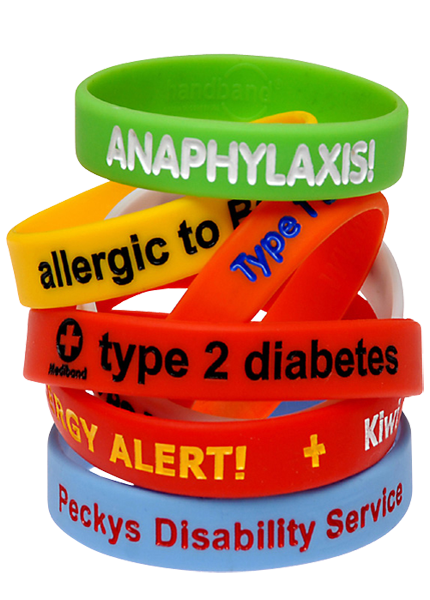
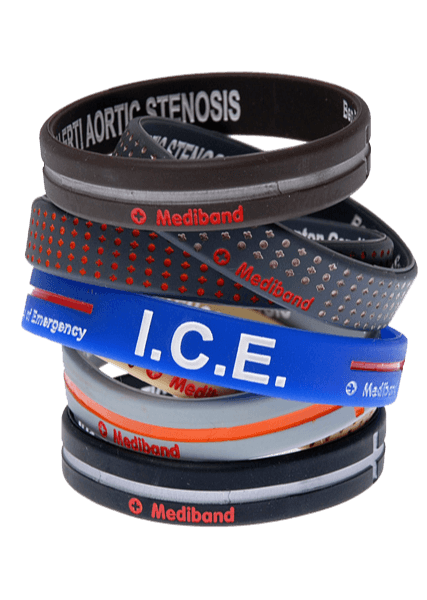
Why People with Thyroid Disease Need a Medical Alert Bracelet
Thyroid disease is largely invisible — you cannot tell someone has it just by looking at them. But in a medical emergency, your thyroid condition and the medication you take can significantly affect how you should be treated:
- Thyroid storm — a rare but life-threatening complication of hyperthyroidism that causes dangerously high heart rate and fever. Paramedics need to know you have a thyroid condition to diagnose and treat this quickly.
- Myxoedema coma — a severe complication of untreated hypothyroidism that causes confusion, hypothermia and organ failure. Without knowing your thyroid history, this can be misdiagnosed.
- Drug interactions — thyroid medications like levothyroxine interact with many common drugs. Emergency staff need to know what you are taking before administering any medication.
- Anaesthesia risks — thyroid conditions can affect how your body responds to anaesthesia during emergency surgery.
How to Manage Your Thyroid Health
Take Your Medication Consistently
If you have been prescribed thyroid medication (most commonly levothyroxine for hypothyroidism), take it at the same time every day — ideally on an empty stomach, 30 to 60 minutes before breakfast. Consistency is key to maintaining stable hormone levels.
Get Regular Blood Tests
Your doctor will monitor your TSH, T3 and T4 levels through regular blood tests. These determine whether your medication dose needs adjusting. Most people need testing every 6 to 12 months once their levels are stable.
Maintain a Thyroid-Friendly Diet
Ensure adequate iodine intake (found in seafood, dairy and iodised salt). If you have Hashimoto's disease, discuss with your doctor whether you should limit goitrogenic foods such as raw cruciferous vegetables, soy and millet.
Frequently Asked Questions
Do I need a medical alert bracelet for hypothyroidism?
Yes. A medical alert bracelet for hypothyroidism tells emergency responders about your condition and medication, preventing dangerous drug interactions and ensuring correct treatment — especially if you are unconscious or unable to communicate.
How common is thyroid disease in Australia?
Thyroid disorders affect roughly 1 in 20 Australians. Women are up to eight times more likely to develop thyroid disease than men. Many cases remain undiagnosed because symptoms develop gradually and mimic other conditions.
What is the difference between hypothyroidism and hyperthyroidism?
Hypothyroidism means your thyroid produces too few hormones, causing fatigue, weight gain and cold sensitivity. Hyperthyroidism means it produces too many hormones, causing weight loss, rapid heartbeat and anxiety. Both require ongoing treatment and monitoring.
What should I engrave on a thyroid medical alert bracelet?
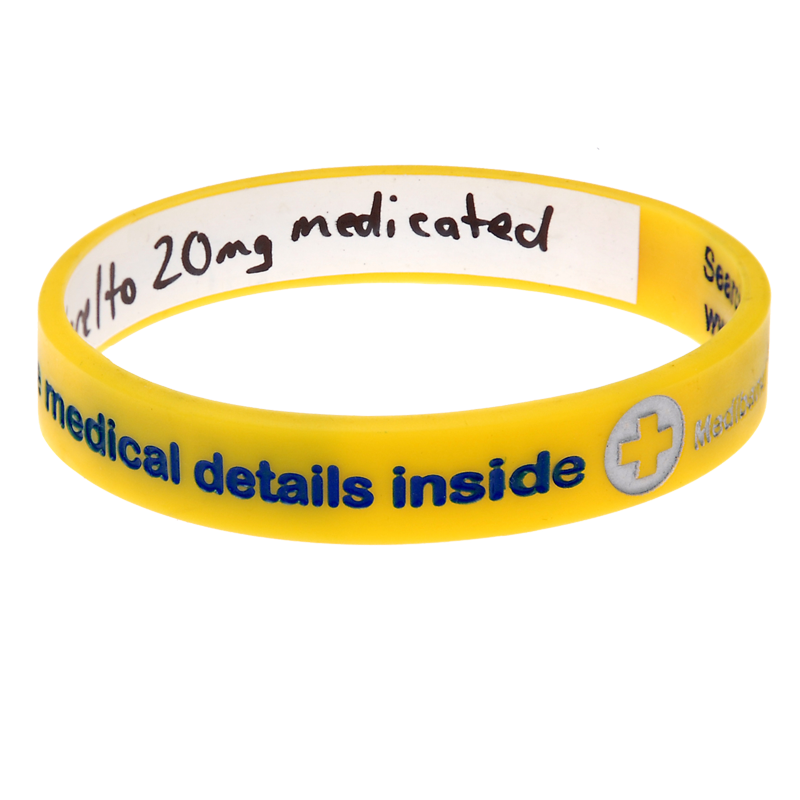
Include your specific thyroid condition (e.g. hypothyroidism or Graves' disease), the medication you take (e.g. levothyroxine 100mcg), any allergies, and an emergency contact number.

Share on Facebook

Share on X

Share on Pinterest
Comment(s)
Recent Posts
The Risk Of Not Wearing An Allergy Medical Alert Bracelet
March 23, 2026