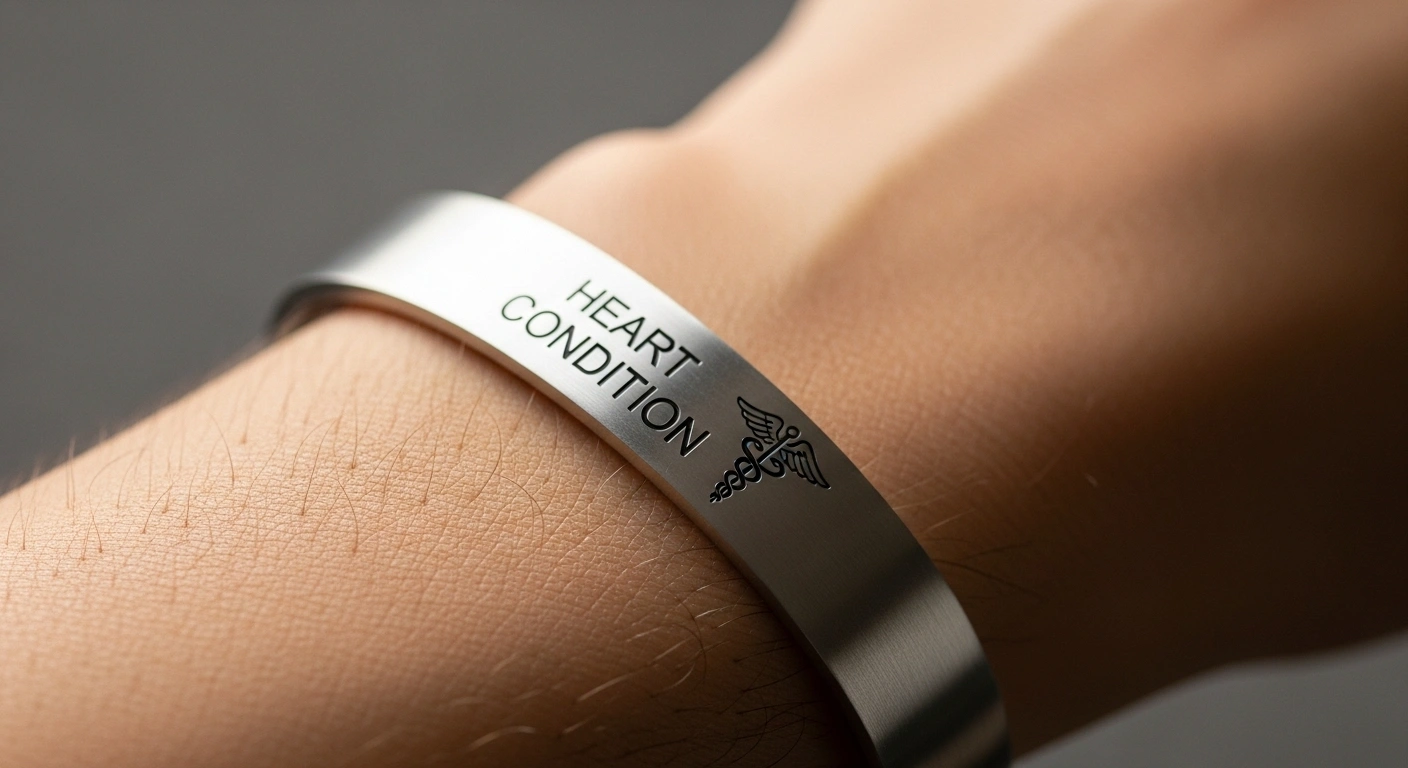
Heart Disease and Medical Alert Bracelets: What Every Cardiac Patient Should Know
February 15, 2023

Heart disease is the leading cause of death globally, affecting an estimated 523 million people worldwide (World Heart Federation, 2024). For the millions living with a cardiac condition — whether it's coronary heart disease, arrhythmia, or a fitted pacemaker — a medical emergency can happen without warning. In those critical moments, a cardiac medical alert bracelet could be the difference between receiving the right treatment and a potentially fatal mistake.
In this guide, we explore the types of heart disease, why medical alert bracelets are essential for cardiac patients, and what information to include on your medical ID.
What Types of Heart Disease Require a Medical Alert Bracelet?
Heart disease is a broad term covering many conditions. The following are the most common reasons cardiac patients wear medical alert bracelets:
Coronary Heart Disease
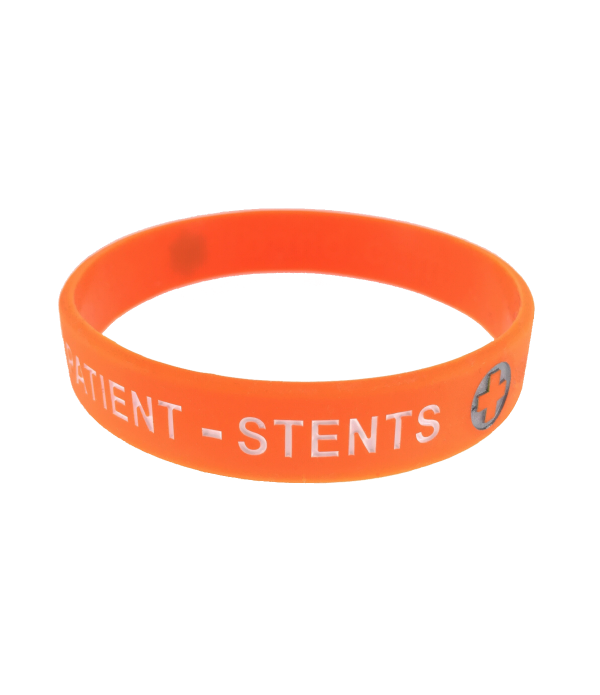
Coronary heart disease occurs when cholesterol deposits build up in the arteries, restricting blood flow to the heart. This can lead to angina (chest pain), heart attack, or stroke. Patients who have had coronary bypass surgery or cardiac stents fitted need a medical ID to alert responders to their surgical history and blood-thinning medications.
Arrhythmia and Atrial Fibrillation
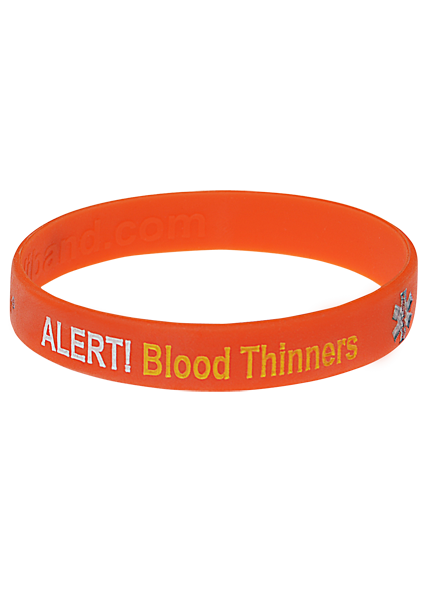
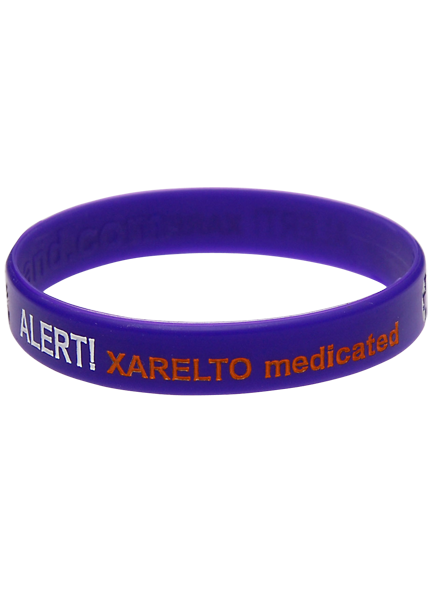
An arrhythmia is an abnormality of the heart's rhythm. Atrial fibrillation (AFib) is the most common type, affecting over 480,000 people in Australia (Heart Foundation, 2024). Patients with arrhythmia often take blood thinners such as warfarin or Xarelto, which must be known to emergency responders.
Pacemakers and Implanted Devices
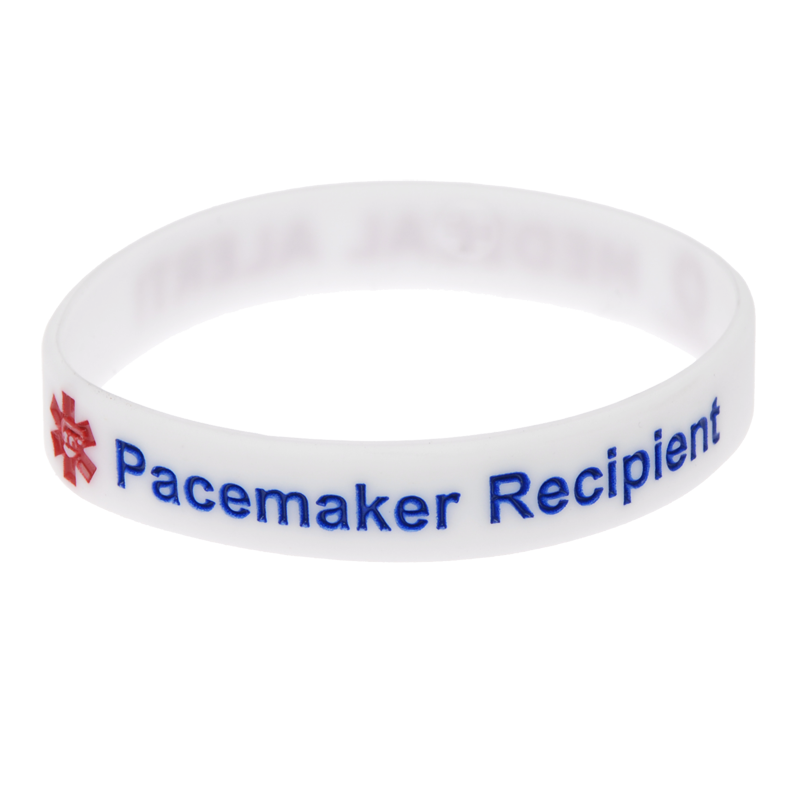
If you have a pacemaker or implanted defibrillator (ICD), medical professionals need to know before performing certain procedures — including MRI scans, defibrillation, or surgery. A medical alert bracelet communicates this instantly.
Heart Failure and Cardiomyopathy
Heart failure doesn't mean the heart has stopped — it means the heart can't pump blood as effectively as it should. Patients typically take multiple medications and may have devices fitted. A medical ID ensures all critical information is available in an emergency.
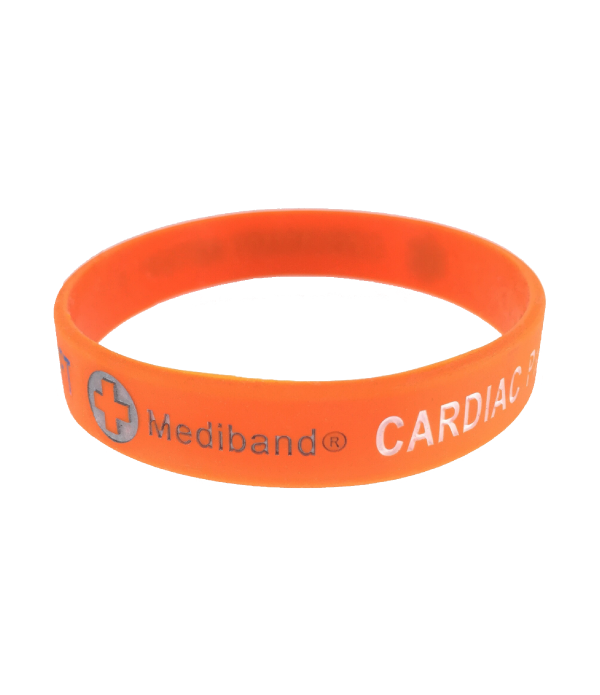
Shop Heart Condition Medical Alert Bracelets
Ensure first responders know your cardiac history — every second counts in a heart emergency.
Why Do Cardiac Patients Need a Medical Alert Bracelet?
Heart disease is often invisible — you can't tell by looking at someone that they have a pacemaker, take blood thinners, or have had bypass surgery. In an emergency, this invisible information becomes critical:
- Blood thinners change emergency treatment: If you take warfarin, Xarelto, or aspirin, paramedics need to know immediately. These medications increase bleeding risk during trauma and affect which treatments can be safely administered
- Pacemakers and defibrillators affect procedures: MRI scans, electrosurgery, and certain cardiac interventions must be modified for patients with implanted devices
- Drug interactions can be fatal: Cardiac medications interact with many common emergency drugs. Without knowing what you take, responders may inadvertently cause harm
- You may be unconscious: During a heart attack or cardiac arrest, you cannot speak for yourself. A bracelet communicates instantly

What Should a Heart Patient Engrave on a Medical Alert Bracelet?
The information on your medical ID should be concise and immediately useful to emergency responders:
Essential Information
- Your primary cardiac condition (e.g. "Atrial Fibrillation", "Cardiac Stents", "Pacemaker Fitted")
- Blood-thinning medications (e.g. "On Warfarin", "Takes Xarelto")
- Other critical medications or drug allergies
- Emergency contact number
Optional but Useful
- Doctor's name and phone number
- Additional conditions (e.g. diabetes, kidney disease)
- Blood type (especially for surgical patients)
Mediband offers pre-printed bracelets for specific cardiac conditions — including aspirin alert, pacemaker, and blood thinners — as well as customisable write-on bracelets where you can add your exact details.
4 Simple Steps to Protect Your Heart Health
Whether you've been diagnosed with a heart condition or want to reduce your risk, these evidence-based steps can help:
Move Every Day
The Heart Foundation recommends at least 150 minutes of moderate-intensity physical activity per week. Walking, swimming, and cycling are excellent options for cardiac patients — always consult your doctor before starting a new exercise programme.
Eat Heart-Healthy Foods
Focus on fruits, vegetables, wholegrains, lean proteins, and healthy fats. Limit sodium, processed foods, and saturated fats. The Mediterranean diet has been shown to reduce heart disease risk by up to 30% (European Society of Cardiology, 2023).
Know Your Numbers
Regular health checks are essential. Know your blood pressure, cholesterol levels, and blood glucose. High blood pressure alone increases heart attack risk by 3–4 times.
Manage Stress
Chronic stress contributes to heart disease through elevated cortisol and blood pressure. Practise mindfulness, meditation, or deep breathing exercises daily. Even 10 minutes can make a measurable difference.
Frequently Asked Questions
Do I need a medical alert bracelet if I only take aspirin for my heart?
Yes. Even low-dose aspirin significantly increases bleeding risk during trauma or surgery. Emergency responders need to know you take aspirin before administering other blood-thinning medications or performing procedures. A simple aspirin alert bracelet could prevent dangerous drug interactions.
What is the best medical alert bracelet for a pacemaker?
Look for a bracelet that clearly states "Pacemaker Fitted" or "Pacemaker Recipient" on the front. Silicone bracelets are comfortable for daily wear and waterproof. Mediband's pacemaker bracelet is pre-printed and designed to be immediately visible to paramedics and hospital staff.
Can I wear a medical alert bracelet in the shower or while swimming?
Yes. Mediband's silicone medical alert bracelets are waterproof and designed for 24/7 wear. They won't degrade in water, making them ideal for cardiac patients who need their medical information accessible at all times — including during exercise, swimming, or bathing.
What heart conditions qualify for wearing a medical alert bracelet?
Any heart condition that affects emergency treatment qualifies. This includes coronary heart disease, atrial fibrillation, heart failure, fitted pacemakers or defibrillators, cardiac stents, coronary bypass grafts, and taking blood-thinning medications like warfarin, Xarelto, or aspirin.
Should I wear a medical alert bracelet after a heart attack?
Absolutely. After a heart attack, you're likely taking multiple medications (blood thinners, beta-blockers, statins) and may have stents or other devices fitted. A medical alert bracelet ensures responders have this critical information if you experience another cardiac event.

Share on Facebook

Share on X

Share on Pinterest
Comment(s)
Recent Posts

The Risk Of Not Wearing An Allergy Medical Alert Bracelet
March 23, 2026