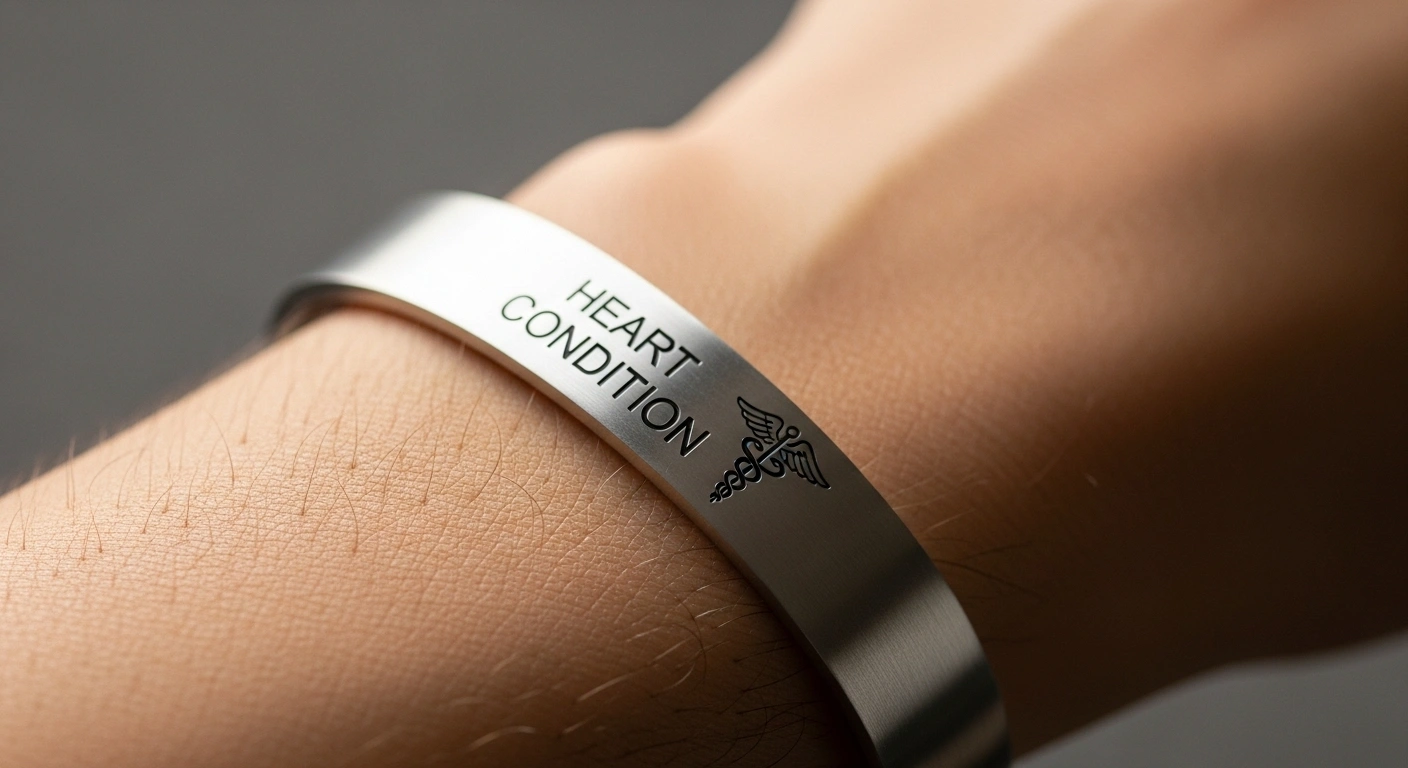
Newly Diagnosed with Type 2 Diabetes: Your Complete Self-Care Guide
May 30, 2021

What Does a Type 2 Diabetes Diagnosis Actually Mean?
Hearing "you have type 2 diabetes" for the first time can feel overwhelming — even frightening. The condition carries a weight of associations, many of them outdated or inaccurate, and a diagnosis can prompt questions that seem to cascade faster than any healthcare provider can answer in a single appointment: What can I eat? Will I need insulin? Can this be reversed? What happens if I don't manage it properly?
Type 2 diabetes is a chronic metabolic condition in which the body either does not produce enough insulin or does not use it effectively — a phenomenon called insulin resistance. Over time, elevated blood glucose levels can damage blood vessels and nerves, contributing to complications including heart disease, kidney disease, nerve damage, and vision problems. The critical and encouraging truth is that type 2 diabetes, more than almost any other chronic condition, responds dramatically to lifestyle choices. With the right approach, many people achieve excellent blood glucose control and significantly reduce their risk of complications.
According to the International Diabetes Federation, approximately 537 million adults worldwide live with diabetes, of whom the overwhelming majority have type 2. The condition's global prevalence has nearly tripled over the last 30 years — making education and self-management more important than ever.
Type 1 vs Type 2: Understanding the Difference
Type 1 and type 2 diabetes are distinct conditions with different causes, though they share the common feature of impaired blood glucose regulation. Type 1 diabetes is an autoimmune condition in which the immune system destroys the insulin-producing cells of the pancreas; people with type 1 require insulin replacement to survive. Type 2 diabetes develops over time through a combination of genetic predisposition and lifestyle factors; the pancreas still produces insulin, but not enough, or the body's cells do not respond to it properly.
This distinction matters clinically because it affects treatment choices. Many people newly diagnosed with type 2 diabetes will initially manage their condition through lifestyle changes alone, or with oral medication such as metformin. Over time, some people with type 2 diabetes do require insulin — but this is not inevitable, and it does not mean the person has "failed" in managing their condition.
Your Newly Diagnosed Appointment: What to Ask
Your initial appointments with your GP and diabetes care team are crucial. Come prepared with questions: What is my HbA1c level, and what is the target? What lifestyle changes are most important for my specific situation? Which medications am I being prescribed, how do they work, and what are the side effects? Do I need to monitor my blood glucose at home, and if so, what levels should I aim for? What are the signs of hypoglycaemia (low blood sugar) and how should I respond? Who is in my care team, and how do I contact them with concerns?
Nutrition: What to Eat (and What the Myths Get Wrong)
Nutrition is arguably the most discussed — and most misunderstood — aspect of type 2 diabetes management. The good news is that a diabetes-friendly diet is not a deprivation diet. It is a healthy diet that benefits everyone, characterised by balance, variety, and attention to carbohydrate quality rather than elimination.
Understanding Carbohydrates and Blood Sugar
Carbohydrates directly affect blood glucose levels because the body breaks them down into glucose. This does not mean carbohydrates are the enemy — it means that carbohydrate type and quantity matter. Choose carbohydrates with a lower glycaemic index: wholegrains, legumes, most fruits, and non-starchy vegetables. Reduce refined carbohydrates such as white bread, white rice, sugary drinks, and processed snack foods, which cause rapid blood glucose spikes.
Portion size matters as much as food type. Working with a registered dietitian who specialises in diabetes can help you develop a personalised eating plan that accounts for your food preferences, cultural background, schedule, and specific glucose response patterns. A one-size-fits-all approach rarely works — the goal is a sustainable pattern you can maintain long-term, not a perfect but impossible diet.
The Role of Fibre, Protein, and Healthy Fats
Fibre slows glucose absorption and improves post-meal blood glucose levels — prioritise vegetables, legumes, nuts, seeds, and wholegrains. Adequate protein helps with satiety and muscle maintenance; choose sources such as fish, poultry, eggs, legumes, and low-fat dairy. Healthy fats — olive oil, avocado, nuts — support cardiovascular health, which is particularly important given the elevated cardiovascular risk associated with type 2 diabetes.
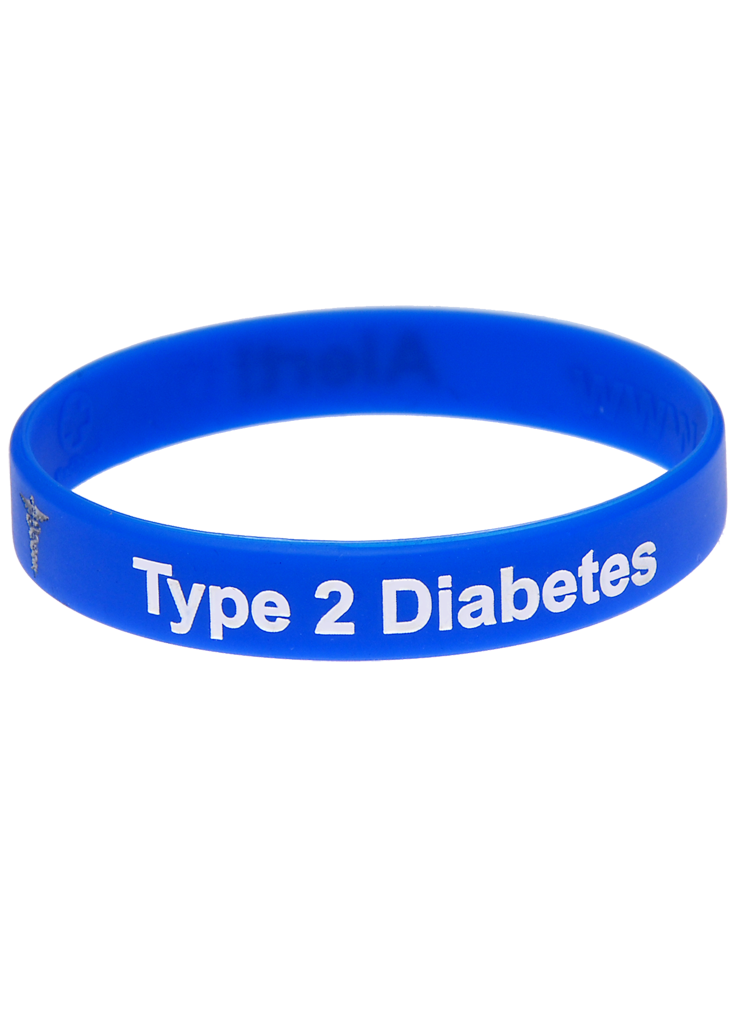
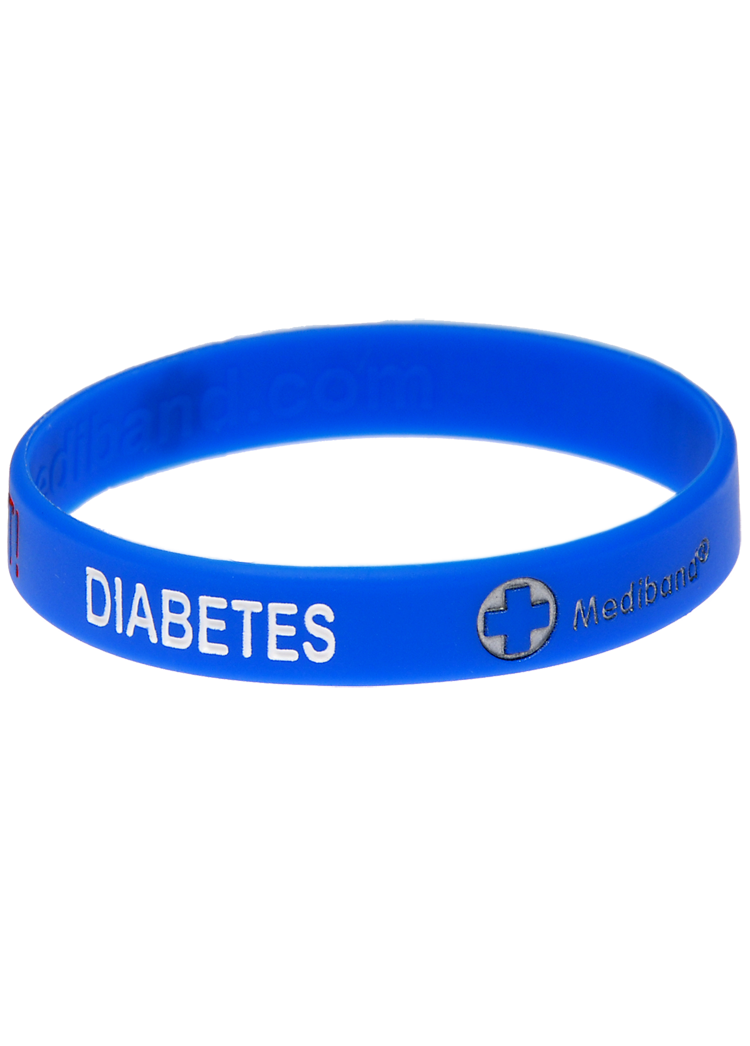
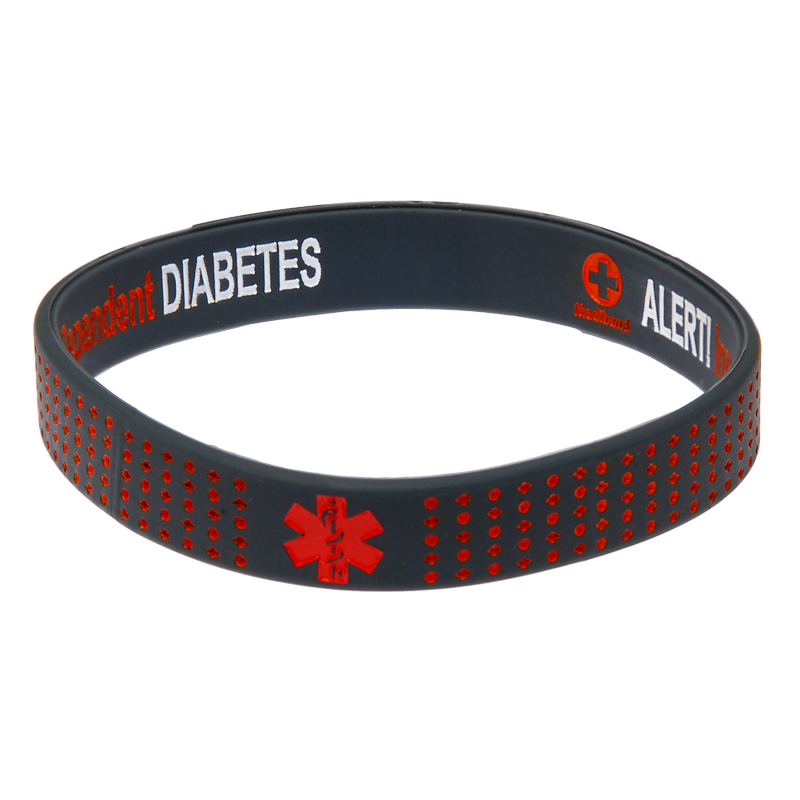
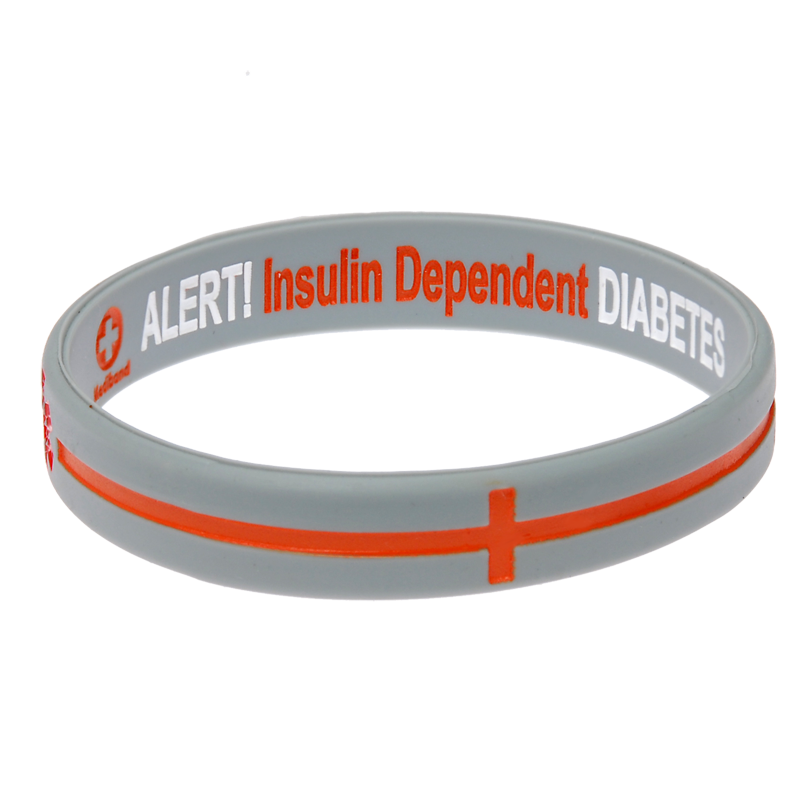
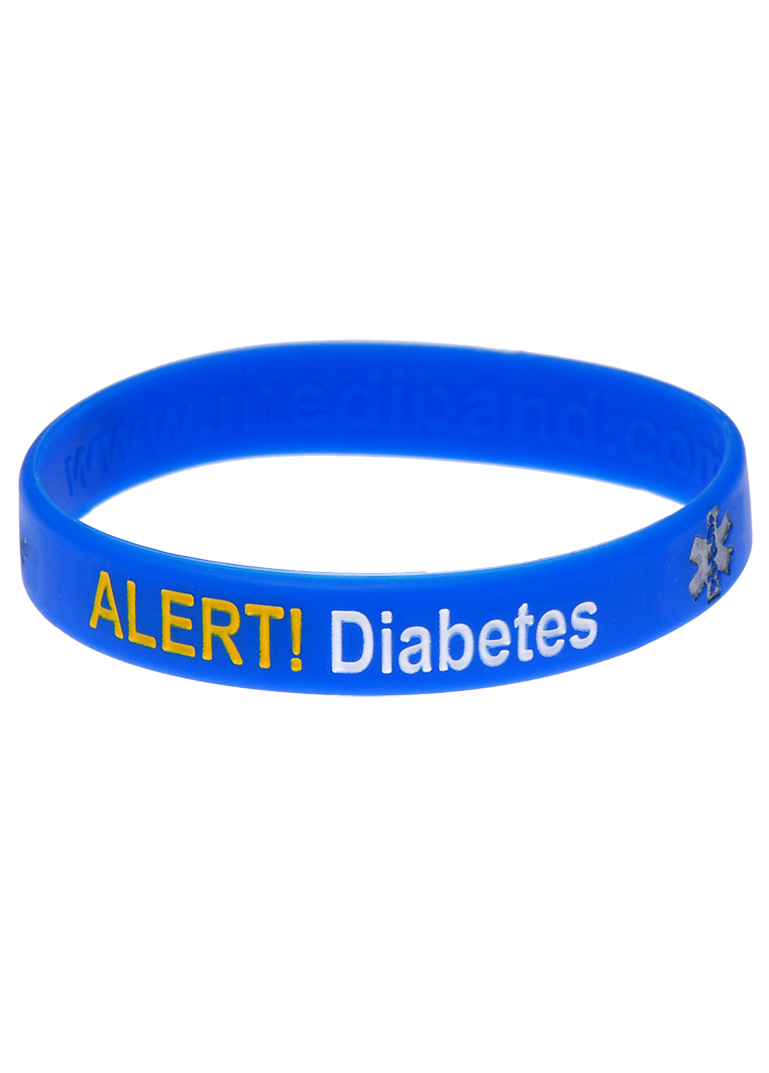
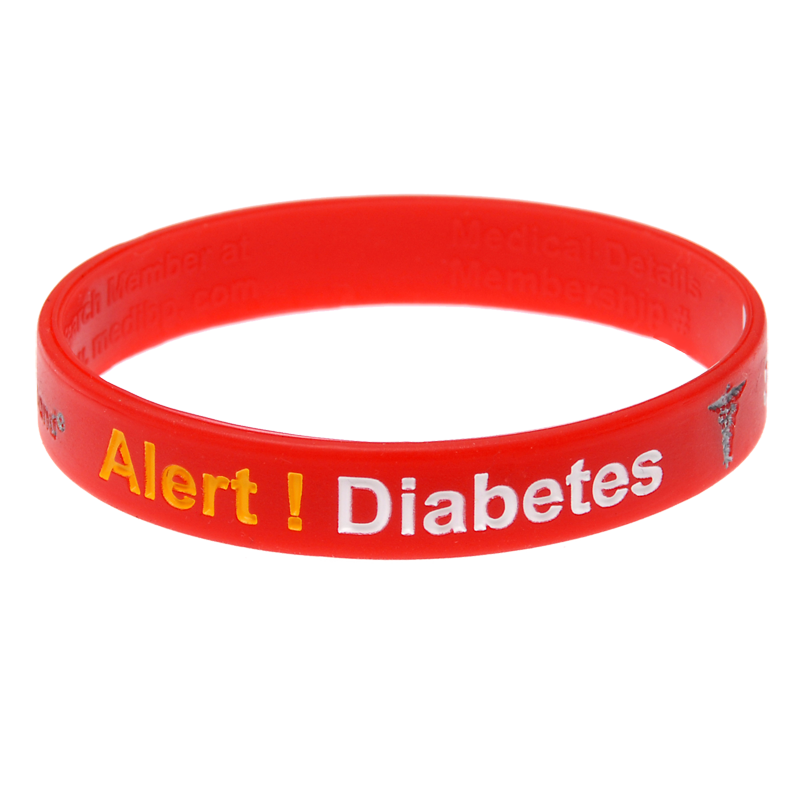
Diabetes Medical Alert Bracelets
Your diagnosis, always visible. Your safety, always protected.
Exercise: The Most Underused Diabetes Medicine
Physical activity is one of the most powerful tools for managing type 2 diabetes, and one that is consistently underutilised. Exercise increases insulin sensitivity — meaning the body's cells become more responsive to insulin — and directly lowers blood glucose by increasing glucose uptake into muscles during and after activity. These effects are significant, measurable, and begin from the very first session.
Current guidelines from diabetes organisations worldwide recommend a combination of aerobic exercise (such as brisk walking, cycling, swimming, or dancing — at least 150 minutes per week) and resistance or strength training (at least two sessions per week). If this sounds daunting, start where you are: even a 15-minute walk after meals has been shown to reduce post-meal blood glucose spikes in people with type 2 diabetes.
Before significantly increasing your activity level, speak with your diabetes care team — particularly if you are taking medications that can cause hypoglycaemia, or if you have existing complications such as neuropathy or cardiovascular disease. A medically cleared, personalised exercise plan is the safest starting point.
For anyone with diabetes who exercises, a medical alert bracelet is essential safety equipment. If you experience hypoglycaemia during exercise — a real risk for people taking certain diabetes medications or insulin — and are unable to communicate, a bracelet identifying you as diabetic guides responders to check blood glucose and provide appropriate treatment immediately rather than losing critical time searching for information.
Medications for Type 2 Diabetes: What You Need to Know
Many people with newly diagnosed type 2 diabetes are prescribed medication alongside lifestyle changes. The most commonly prescribed first-line medication is metformin, which works by reducing the liver's glucose output and improving insulin sensitivity. It is generally well-tolerated, has a strong safety record, and may have benefits beyond blood glucose control including cardiovascular protection.
Other classes of medication — including SGLT2 inhibitors, GLP-1 receptor agonists, DPP-4 inhibitors, sulfonylureas, and, where necessary, insulin — may be added if initial medication and lifestyle measures do not achieve adequate glucose control. Each class works differently, has different side effects, and is appropriate for different patient profiles. Understanding your medication — why it has been prescribed, how it works, and what to watch for — is a key part of self-management.
If you experience side effects, do not simply stop taking medication — speak with your prescribing doctor. Many medication issues can be managed by adjusting the dose, timing, or choice of medication. Stopping medication without medical guidance can cause blood glucose to rise rapidly, particularly in people who have been on treatment for some time.
Monitoring, Targets, and Long-Term Diabetes Management
Regular monitoring is fundamental to understanding how your lifestyle choices and medications are affecting your blood glucose control. For most people with type 2 diabetes, the key monitoring tool is the HbA1c test — a blood test that reflects average blood glucose levels over the previous two to three months. Most guidelines suggest an HbA1c target of below 53 mmol/mol (7%), though individual targets vary based on age, other health conditions, and risk of hypoglycaemia.
Home blood glucose monitoring using a fingerprick test or continuous glucose monitor may be recommended, particularly for people taking insulin or medications that can cause hypoglycaemia. Your care team will advise on the appropriate monitoring frequency and your individual blood glucose targets.
Annual review appointments are an important part of long-term diabetes management. These typically include HbA1c measurement, blood pressure check, kidney function testing, cholesterol assessment, foot examination, and eye screening — all aimed at detecting complications early, when they are most treatable.
Explore Mediband's range of diabetes medical alert bracelets, including options specifically for type 2 diabetes, and browse our write-on bracelets that let you add your specific medication details alongside your diagnosis.
Why Every Person with Diabetes Needs a Medical Alert Bracelet
A medical alert bracelet is not merely a precaution for people with severe or advanced diabetes — it is a fundamental safety tool for anyone managing the condition. Hypoglycaemia (dangerously low blood sugar) is the most common acute complication of diabetes treatment, and it can cause confusion, loss of consciousness, and seizure-like symptoms that are easily mistaken for intoxication, drug use, or neurological emergencies. Without a medical ID, a person experiencing a hypoglycaemic episode may receive delayed or incorrect treatment while responders try to determine what is happening.
A bracelet that clearly states "Diabetes" — and ideally specifies whether insulin-dependent or non-insulin-dependent — allows first responders to immediately check blood glucose and administer glucose if appropriate. This single piece of information can prevent a hypoglycaemic episode from becoming a life-threatening emergency. For people newly diagnosed with type 2 diabetes, this is one of the first and most important safety investments to make.
Frequently Asked Questions
Can type 2 diabetes be reversed?
The term 'remission' is now preferred over 'reversal' by most diabetes organisations, but yes — it is possible for some people with type 2 diabetes to achieve normal blood glucose levels without medication, particularly through significant weight loss and dietary change in the earlier stages of the condition. Remission does not mean cure: the underlying predisposition remains, and blood glucose must continue to be monitored. Discuss this goal with your diabetes care team, who can advise whether it is realistic for your specific situation.
What is hypoglycaemia and how do I recognise it?
Hypoglycaemia (low blood sugar) occurs when blood glucose drops below normal levels — typically below 4 mmol/L (70 mg/dL). Symptoms include shakiness, sweating, rapid heartbeat, confusion, irritability, hunger, and in severe cases, loss of consciousness. Not everyone with type 2 diabetes is at risk of hypoglycaemia — it is more common in people taking insulin or certain oral medications such as sulfonylureas. Your care team will advise on your personal risk and the appropriate response, which typically involves consuming fast-acting carbohydrate.
Why do I need a medical alert bracelet if I have type 2 diabetes?
A medical alert bracelet for type 2 diabetes ensures that in any emergency — whether a hypoglycaemic episode, an accident, or a sudden illness — first responders know your diagnosis immediately. This guides appropriate treatment from the start. For people taking diabetes medications that can cause hypoglycaemia, a bracelet can be genuinely life-saving: it tells responders to check blood glucose rather than assuming another cause for confusion or loss of consciousness.
How often should I see my doctor after a type 2 diabetes diagnosis?
In the first year after diagnosis, more frequent appointments are typical — often every three months — to assess how your blood glucose is responding to lifestyle changes and medication, and to adjust the management plan as needed. Once stabilised, most people with well-controlled type 2 diabetes see their diabetes care team every six months for HbA1c testing and medication review, and annually for a comprehensive review that includes kidney function, eye screening, foot examination, and cardiovascular risk assessment.
What foods should I avoid with type 2 diabetes?
Rather than rigid avoidance, the goal is to significantly reduce high-glycaemic foods that cause rapid blood glucose spikes: sugary drinks, confectionery, white bread, white rice, and processed snack foods. These foods offer little nutritional value and have a disproportionate impact on blood glucose. Work with a dietitian to develop a sustainable eating plan — extreme restriction is rarely maintainable, and a moderate, balanced approach that you can sustain long-term will produce better outcomes than a perfect but short-lived diet.

Share on Facebook

Share on X

Share on Pinterest
Comment(s)
Recent Posts

The Risk Of Not Wearing An Allergy Medical Alert Bracelet
March 23, 2026