Diabetic Foot Care: Essential Tips Every Person with Diabetes Should Know
November 30, 2022

Why Diabetic Foot Care Is a Critical Part of Diabetes Management
Diabetes affects over 537 million adults worldwide, and that number is projected to reach 783 million by 2045, according to the International Diabetes Federation (2021). While most people associate diabetes with blood sugar monitoring and insulin, one of the most overlooked complications involves the feet. Diabetic foot problems account for more hospital admissions than any other diabetes complication, and every 20 seconds, someone in the world loses a limb to diabetes-related foot disease.
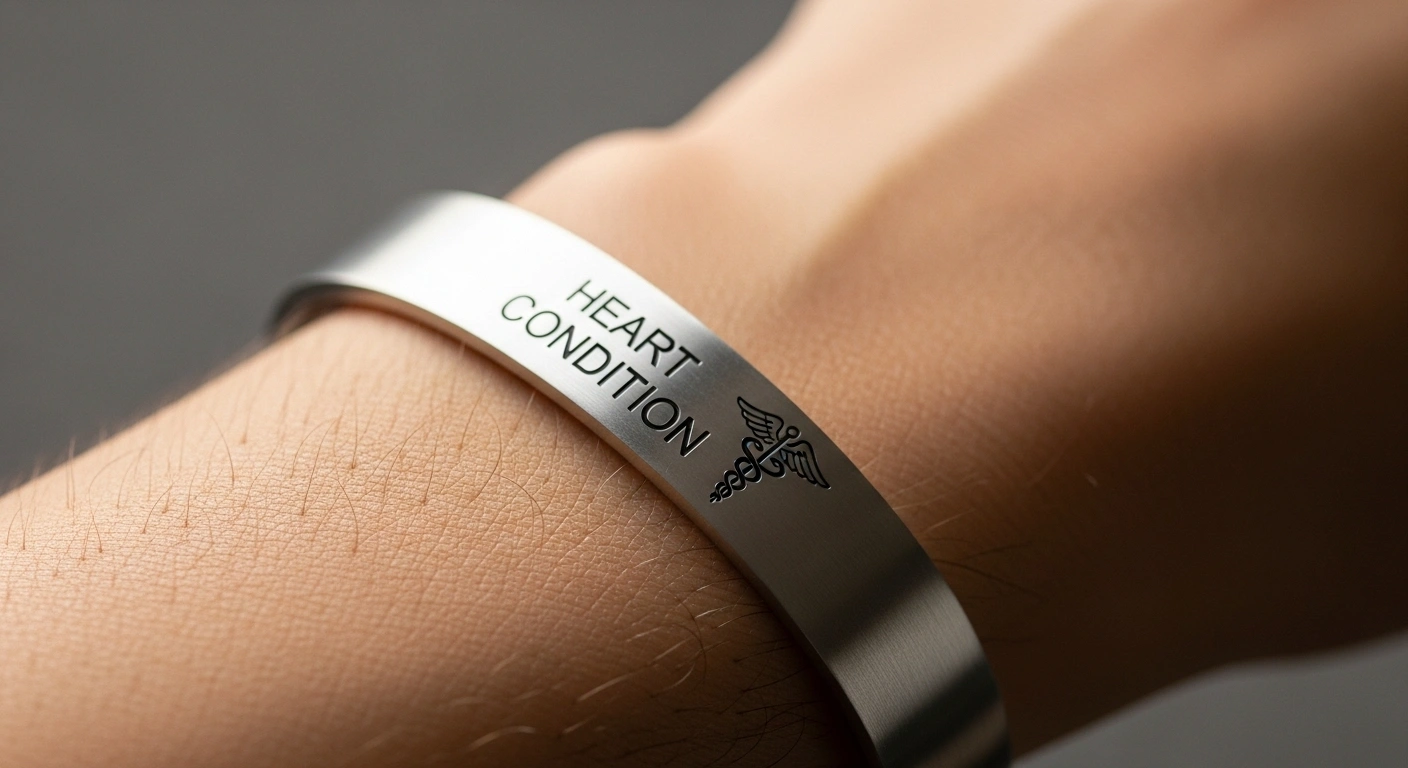
Understanding how to care for your feet when you have diabetes is not optional — it is essential. This comprehensive guide covers everything you need to know about diabetic foot care, from daily checks to recognising warning signs, and explains why wearing a diabetes medical alert bracelet adds a crucial layer of protection.
How Diabetes Affects Your Feet
Diabetic Neuropathy: The Silent Danger
High blood sugar levels over time can damage the nerves in your feet — a condition known as diabetic peripheral neuropathy. According to the National Institute of Diabetes and Digestive and Kidney Diseases (NIDDK), up to 50% of people with diabetes will develop some form of neuropathy during their lifetime.
Neuropathy causes:
- Loss of sensation: You may not feel cuts, blisters, or sores on your feet
- Tingling or burning: Uncomfortable sensations, especially at night
- Numbness: Complete loss of feeling in parts of the foot
- Muscle weakness: Changes in foot shape that create pressure points
When you cannot feel pain, a small wound can go unnoticed for days or weeks, allowing infection to develop and potentially leading to serious complications including amputation.
Poor Circulation and Peripheral Arterial Disease
Diabetes also damages blood vessels, reducing blood flow to the extremities. Poor circulation means wounds heal more slowly, infections are harder to fight, and tissue is more vulnerable to breakdown. Peripheral arterial disease (PAD) is two to four times more common in people with diabetes than in the general population.
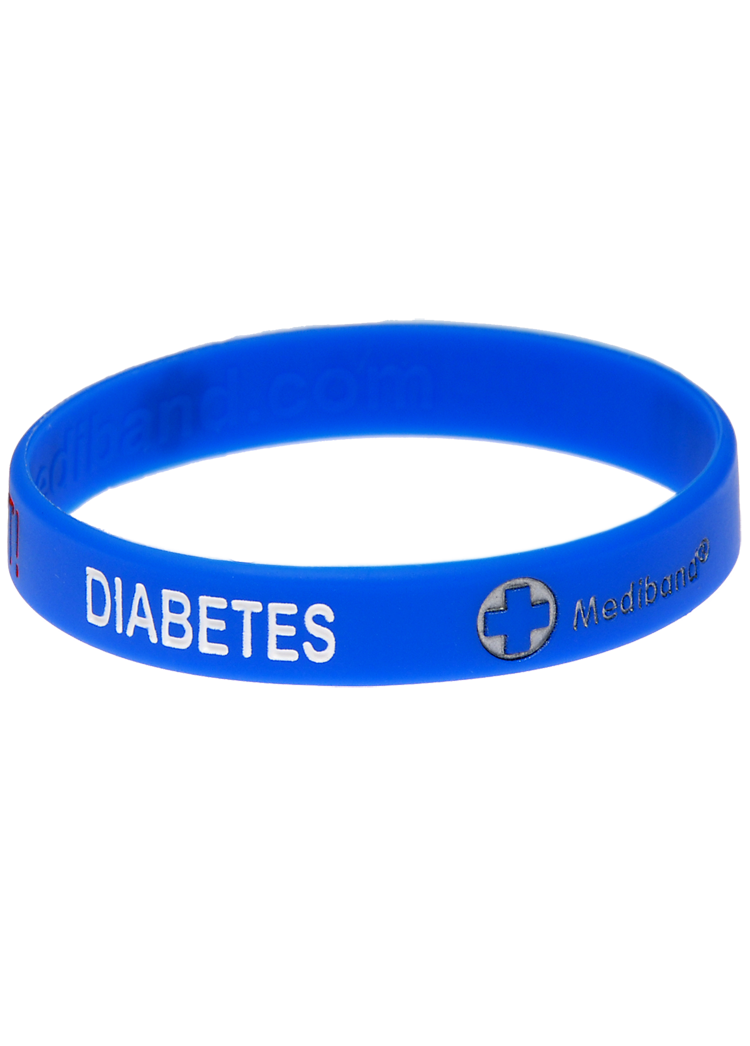
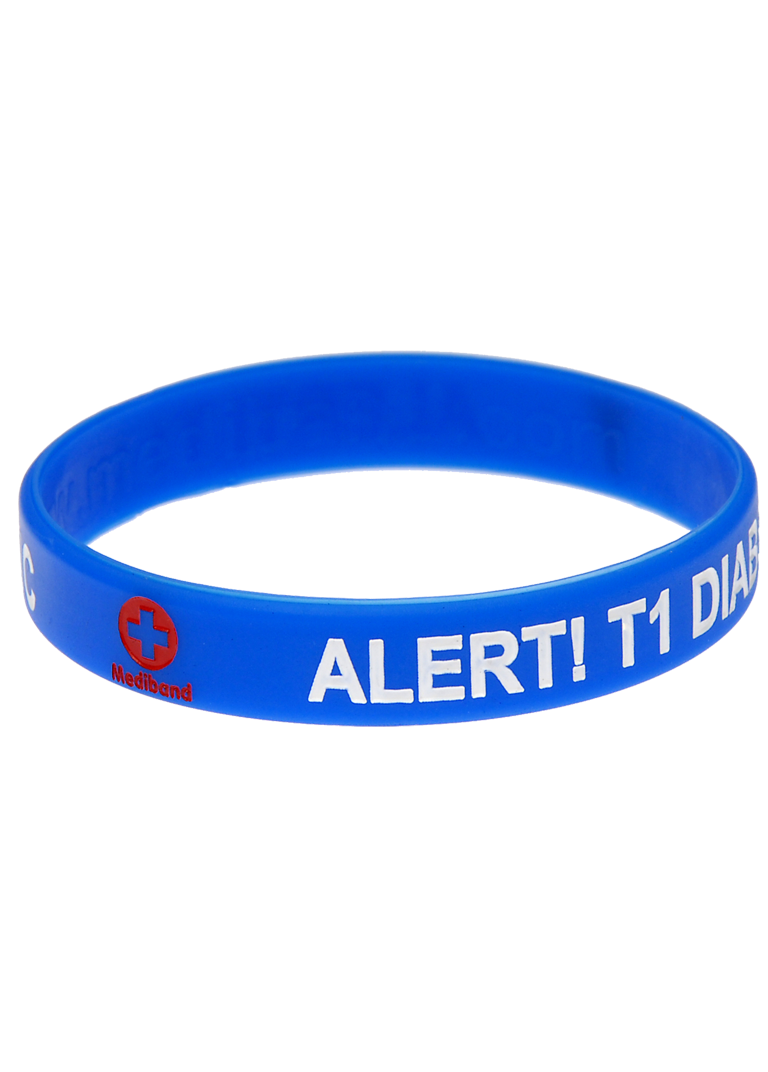
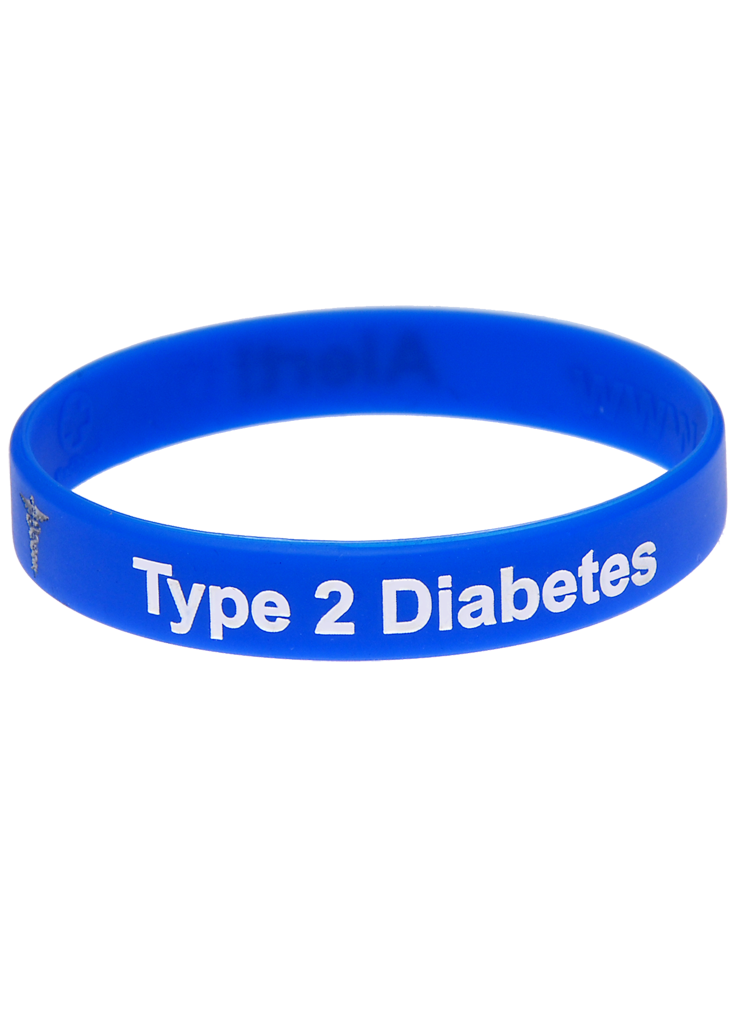
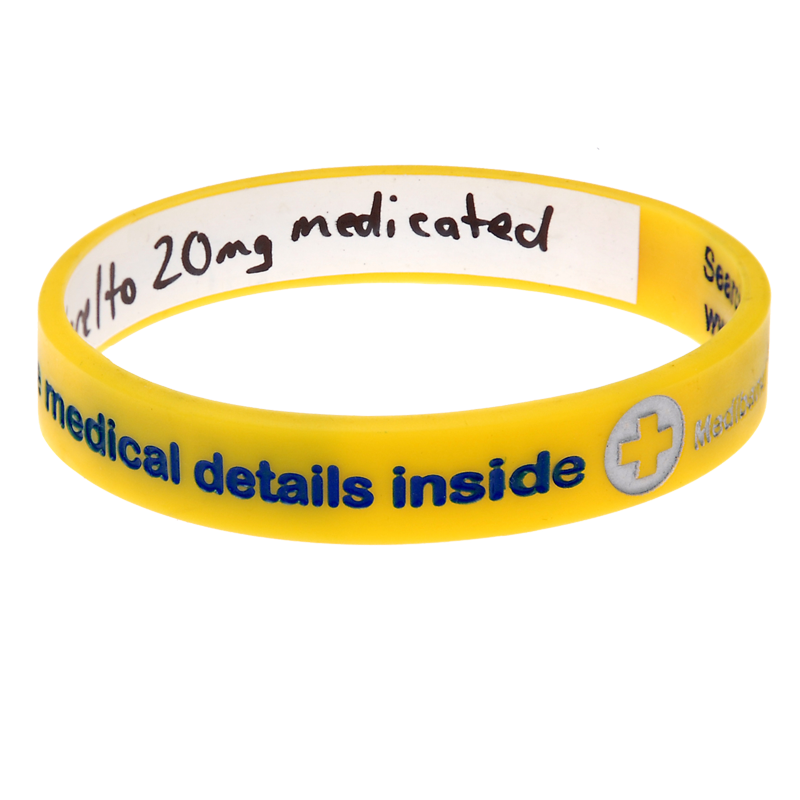
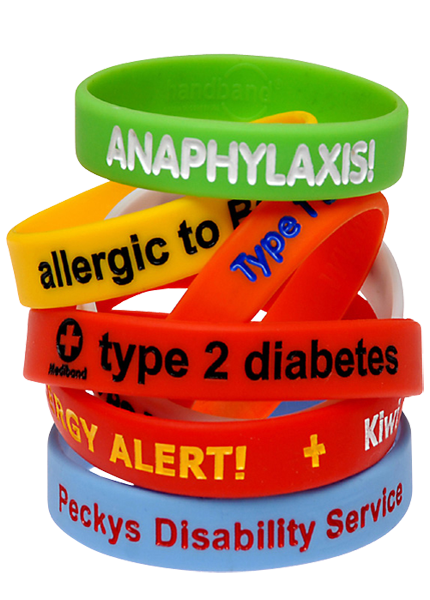
Protect Yourself with a Diabetes Medical Alert Bracelet
Ensure first responders know about your diabetes in any emergency.
Essential Daily Foot Care Routine for Diabetes
Step 1: Inspect Your Feet Every Day
Make foot inspection a non-negotiable daily habit. Check the tops, bottoms, sides, heels, and between each toe. Look for:
- Cuts, scratches, or blisters
- Redness, swelling, or warm spots
- Dry, cracked skin (especially on the heels)
- Calluses or corns
- Changes in colour or temperature
- Ingrown toenails or fungal infections
If you have difficulty seeing the bottom of your feet, use a mirror or ask a family member for help. Even a minor cut that looks harmless can become a serious ulcer if left untreated.
Step 2: Wash and Dry Thoroughly
Wash your feet daily with lukewarm water (never hot — neuropathy may prevent you from judging temperature accurately). Use a mild soap and a soft cloth. After washing, dry your feet thoroughly, paying particular attention to the spaces between your toes, where moisture can encourage fungal growth.
Step 3: Moisturise — But Not Between the Toes
Apply a fragrance-free moisturiser to the tops and bottoms of your feet to prevent dry, cracked skin. Avoid applying moisturiser between the toes, as excess moisture in these areas can lead to fungal infections.
Step 4: Trim Toenails Carefully
Cut toenails straight across and file any sharp edges with an emery board. Never cut into the corners, as this can cause ingrown toenails. If you have difficulty trimming your own nails or have thickened nails, see a podiatrist regularly.
Step 5: Choose the Right Footwear
Proper footwear is your first line of defence against foot injuries:
- Always wear shoes: Never walk barefoot, even indoors — a small piece of glass or a sharp edge you cannot feel could cause a wound
- Check shoes before wearing: Run your hand inside each shoe before putting it on to check for pebbles, rough seams, or foreign objects
- Choose well-fitting shoes: Avoid pointed toes, high heels, and shoes that pinch. Look for breathable materials with adequate toe room
- Wear clean, dry socks: Choose moisture-wicking socks without tight elastic bands. Change socks daily
Recognising Warning Signs: When to Seek Medical Help
Contact your healthcare provider immediately if you notice any of the following:
- A wound that does not heal within a few days
- Redness, warmth, or swelling that spreads around a wound
- Pus or unusual discharge from a cut or blister
- A foul odour coming from a wound
- Fever or chills alongside a foot wound
- Blackened skin on any part of the foot
- New numbness or tingling that was not present before
Early intervention is the single most important factor in preventing diabetic foot complications from escalating. A study published in The Lancet (2020) found that structured diabetic foot care programmes reduced amputation rates by up to 40-60%.
Why a Diabetes Medical Alert Bracelet Is Essential for Foot Care Patients
If you have diabetes and are at risk of foot complications, wearing a diabetes medical alert bracelet is one of the simplest yet most effective safety measures you can take. Here is why:
- Emergency identification: If you experience a severe hypoglycaemic episode and collapse, first responders need to know you have diabetes immediately. A medical alert bracelet provides this information without you needing to speak.
- Medication awareness: If you take insulin, metformin, or blood thinners alongside your diabetes medication, your bracelet ensures emergency teams know about potential drug interactions.
- Surgical considerations: If diabetic foot complications require emergency surgery, your medical ID alerts the surgical team to your diabetes, which affects anaesthesia decisions, wound healing protocols, and post-operative care.
- Travel safety: When travelling, a medical alert bracelet transcends language barriers. The universal medical alert symbol is recognised by healthcare professionals worldwide.
Professional Foot Care: Building Your Healthcare Team
Regular Podiatrist Visits
The American Diabetes Association recommends that all people with diabetes have a comprehensive foot examination at least once a year, and more frequently if you have risk factors such as neuropathy, PAD, or a history of foot ulcers. A podiatrist can:
- Assess nerve function and blood flow in your feet
- Identify early signs of complications
- Treat calluses, corns, and nail problems safely
- Recommend custom orthotics or therapeutic footwear
- Develop a personalised foot care plan
Working with Your Diabetes Care Team
Good foot health starts with good blood sugar control. Work closely with your endocrinologist or diabetes educator to maintain your HbA1c within target range. The closer your blood sugar stays to normal levels, the lower your risk of developing neuropathy and vascular complications that lead to foot problems.
Maintaining a healthy lifestyle with regular moderate exercise (walking, swimming, cycling), a balanced diet, maintaining a healthy weight, and not smoking all significantly reduce your risk of diabetic foot complications. Smoking, in particular, constricts blood vessels and dramatically worsens circulation — making foot problems far more likely and harder to heal.
Your feet carry you through every day of your life. When you live with diabetes, giving them the attention and care they deserve is one of the most important investments you can make in your long-term health and mobility.
Frequently Asked Questions
Why is foot care so important for people with diabetes?
Diabetes can cause nerve damage (neuropathy) and poor blood circulation in the feet. Neuropathy means you may not feel cuts, blisters, or sores, while poor circulation slows healing. Together, these factors can turn minor injuries into serious infections that may lead to amputation. Up to 50% of people with diabetes develop neuropathy, making daily foot care essential.
How often should a person with diabetes check their feet?
You should inspect your feet every single day without exception. Check the tops, bottoms, sides, heels, and between all toes for cuts, blisters, redness, swelling, colour changes, or temperature differences. Use a mirror to see the soles if needed. Early detection of even small wounds can prevent serious complications from developing.
What type of shoes should someone with diabetes wear?
Choose well-fitting shoes with breathable materials, adequate toe room, and no pointed toes or high heels. Never walk barefoot, even indoors. Always check inside shoes before wearing them for foreign objects or rough seams. Moisture-wicking socks without tight elastic bands help keep feet dry and reduce infection risk.
Should people with diabetes wear a medical alert bracelet?
Yes. A diabetes medical alert bracelet ensures first responders can identify your condition immediately during emergencies such as hypoglycaemic episodes when you may be unable to speak. It also alerts medical teams to your medications and diabetes status before surgery, which affects anaesthesia choices and wound healing protocols.
When should someone with diabetes see a doctor about their feet?
Seek immediate medical attention for any wound that does not heal within a few days, spreading redness or warmth around a wound, pus or unusual discharge, foul odours, fever alongside a foot wound, blackened skin, or new numbness. Early intervention through structured diabetic foot care has been shown to reduce amputation rates by 40-60%.

Share on Facebook

Share on X

Share on Pinterest
Comment(s)
Recent Posts

The Risk Of Not Wearing An Allergy Medical Alert Bracelet
March 23, 2026