Peanut Allergy Management for All Ages: Prevention, Safety, and Emergency Response
July 14, 2020

Peanut Allergy: Why It Demands Serious Lifelong Management
Peanut allergy is one of the most common and most dangerous food allergies worldwide. A 2021 review in The Lancet estimated that peanut allergy affects approximately 1-2% of the population in Western countries and is responsible for the majority of fatal food-induced anaphylaxis events. Unlike many childhood food allergies, peanut allergy persists into adulthood in around 80% of cases. For families managing this condition across different age groups — from toddlers to teenagers to adults — understanding prevention, label reading, cross-contamination, and emergency response is essential.
Understanding Peanut Allergy: Severity and Reactions
Peanut allergy reactions vary from mild (hives, itching, runny nose) to severe (anaphylaxis). The unpredictable nature of peanut allergy is one of its most dangerous characteristics: a person who previously experienced a mild reaction may have a life-threatening one next time, especially if they consume a larger amount or are also ill or exercising.
Signs of a Severe Peanut Reaction
- Throat tightening or difficulty swallowing
- Wheezing or difficulty breathing
- Sudden drop in blood pressure (dizziness, collapse)
- Rapid or weak pulse
- Loss of consciousness
Any of these signs require immediate administration of an adrenaline auto-injector (EpiPen) and a call to emergency services — even if symptoms begin to improve after the injection.
Managing Peanut Allergy in Children
Children with peanut allergy spend large amounts of time in environments outside parental control: school canteens, birthday parties, sports events, and play dates. Managing risk in these settings requires a multi-layered approach.
School and Childcare Strategies
- Provide the school with a written Anaphylaxis Action Plan signed by a doctor
- Ensure two EpiPens are stored at school in an accessible, labelled location
- Request allergen awareness training for key staff each year
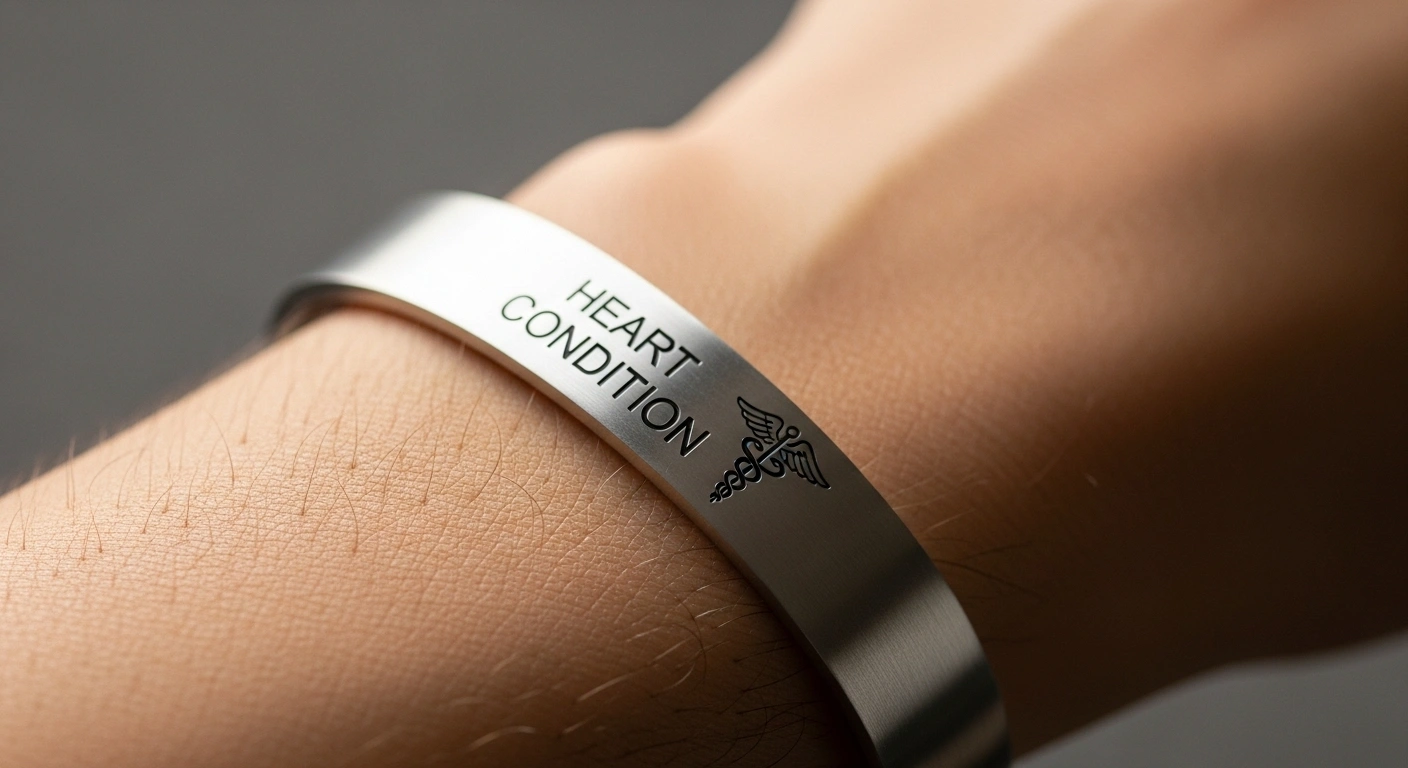
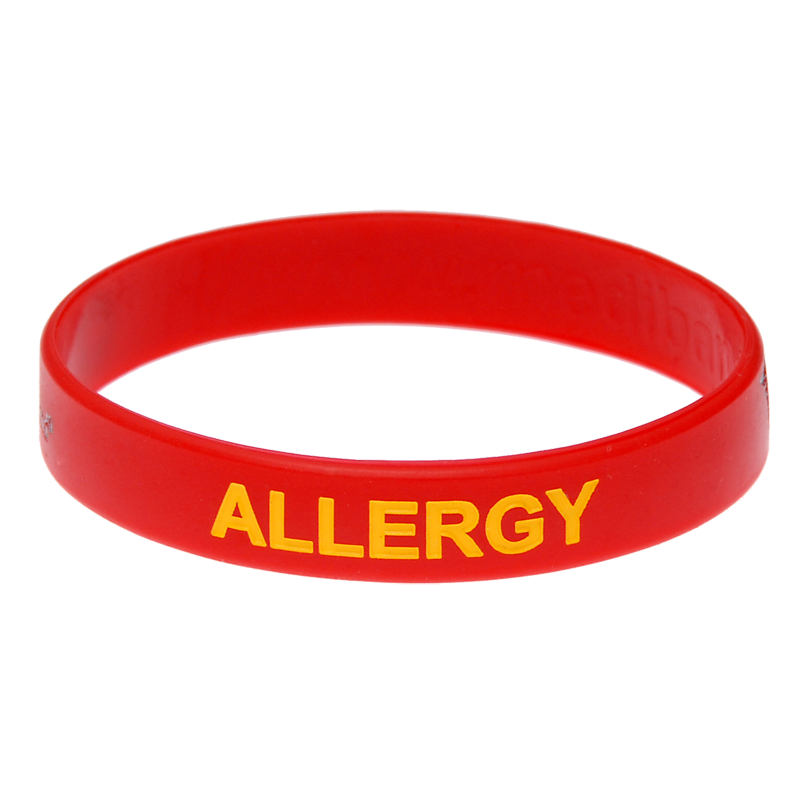
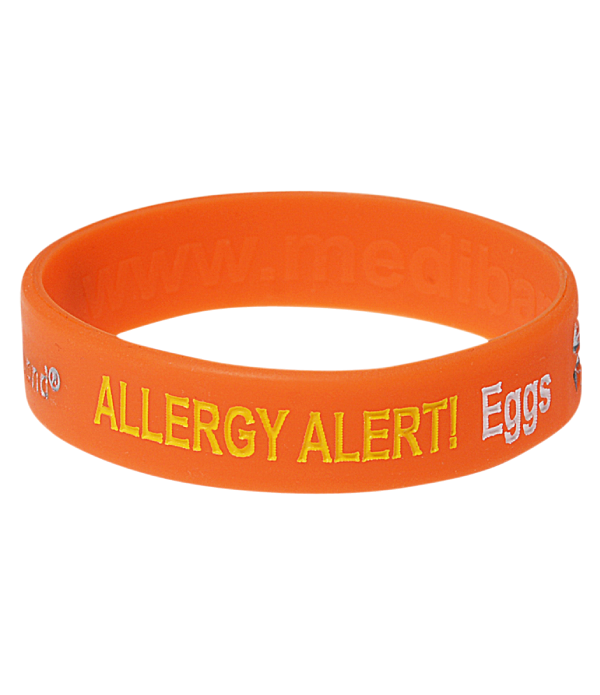
- Ensure your child always wears a peanut allergy medical alert bracelet — it alerts any adult quickly if a reaction occurs when parents are not present
Teach children, as early as age three or four, that they must never accept food from others without checking with a parent or teacher. As they grow, involve them progressively in reading labels and making safe food choices.
Managing Peanut Allergy as a Teenager
Adolescence is the highest-risk period for peanut allergy fatalities. Research published in the Journal of Allergy and Clinical Immunology (2017) found that teenagers are disproportionately represented in anaphylaxis fatalities, largely due to risk-taking behaviour, failing to carry EpiPens, and social pressure to eat food of unknown origin.
Key strategies for this age group:
- Insist on carrying two EpiPens at all times — in a bag that goes everywhere, not left in a locker
- Always wear a visible medical alert bracelet, regardless of social concerns about appearance
- Never eat food at restaurants or social events without checking ingredients with staff
- Never rely on antihistamines alone for anaphylaxis — use the EpiPen first
Managing Peanut Allergy as an Adult
Adults managing long-term peanut allergy face different challenges: travel, workplace catering, international cuisine, and social dining. A structured approach to risk management makes the condition manageable without severely restricting quality of life.
- Eating out: Communicate your allergy clearly to restaurant staff, ask about shared cooking equipment, and avoid cuisines where peanut is a common hidden ingredient (Thai, Indonesian, West African, some Mexican)
- Travel: Carry an allergy translation card in the local language and extra EpiPens (with a letter from your doctor for customs if flying)
- Label reading: Mandatory allergen labelling laws in most countries now require peanuts to be listed clearly on packaged foods — check every product every time, as formulations change
Never leave home without your EpiPen and your allergy medical alert bracelet. These two items are your primary safety net in any environment.
Cross-Contamination: The Hidden Risk
Cross-contamination occurs when peanut residue transfers to a peanut-free food through shared equipment, surfaces, or hands. Even trace amounts can trigger anaphylaxis in highly sensitive individuals. Key cross-contamination risks include:
- Shared cooking oils and deep fryers
- Bulk bins in grocery stores
- Shared cutting boards or utensils not properly washed between uses
- “May contain traces” products — depending on sensitivity, these may or may not be safe; discuss with your allergist
Emergency Response: What to Do During a Reaction
Act on the first sign of anaphylaxis — do not wait to see if the reaction worsens:
- Administer EpiPen to the outer mid-thigh (through clothing if needed)
- Call emergency services immediately
- Lay the person flat with legs raised (unless breathing is difficult — sit them upright)
- A second EpiPen can be given after 5 minutes if the first has not taken effect
- Do not give antihistamines as a primary treatment — they are not fast enough for anaphylaxis
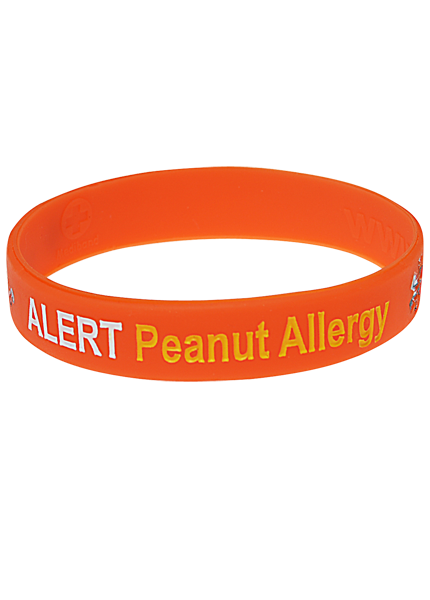
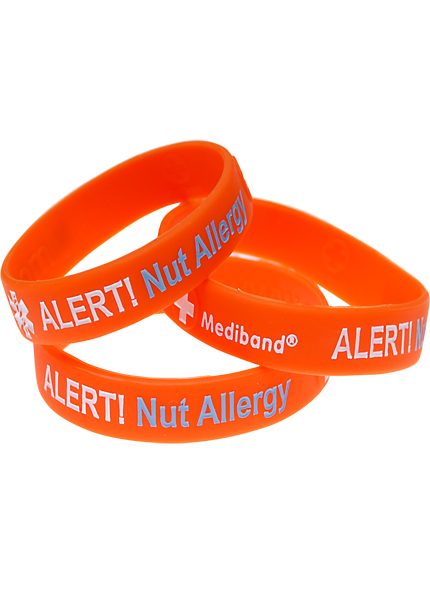
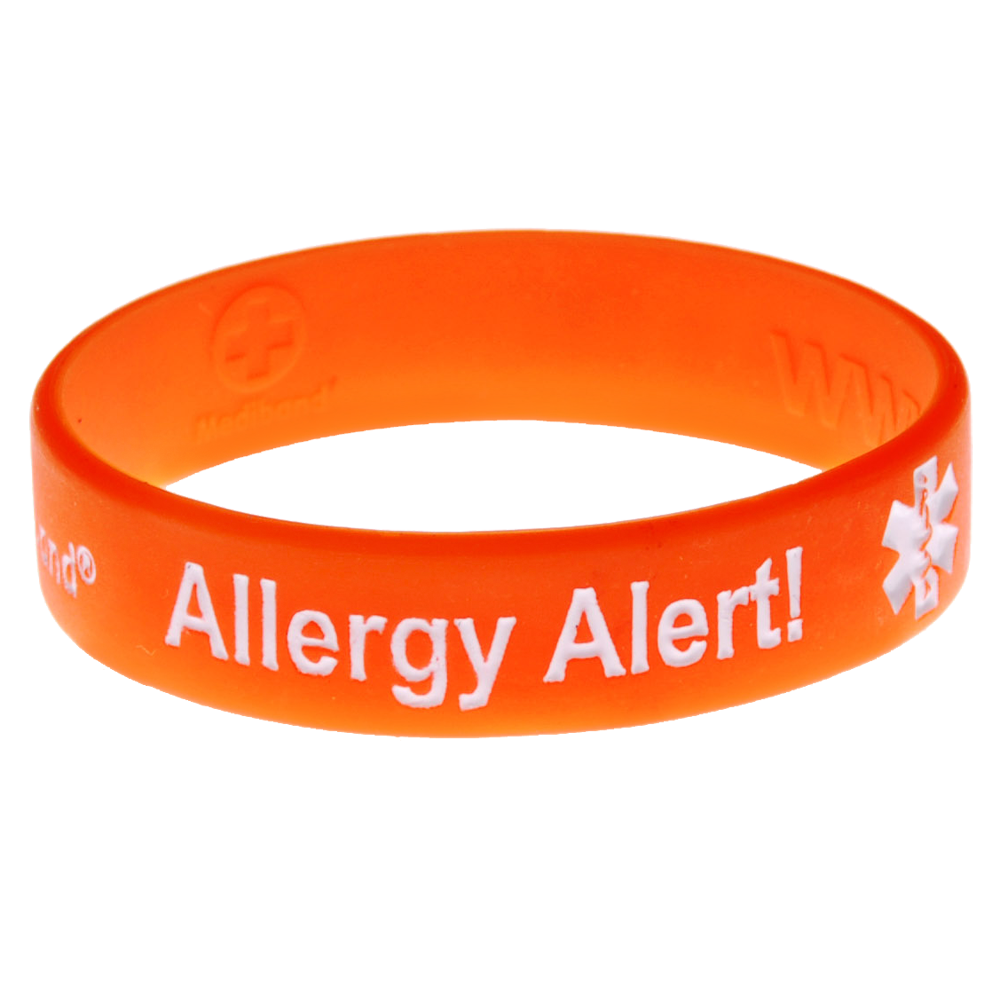
Peanut Allergy ID Bracelets — Alert Responders Instantly
Worn 24/7, seen immediately. Essential for every age.

Peanut Allergy Is Manageable with the Right Systems
Living with a peanut allergy at any age requires vigilance, but it does not have to mean constant anxiety. With a clear emergency plan, consistent EpiPen habits, label-reading skills, and a visible medical alert bracelet, most people with peanut allergy live full, active lives with minimal restriction.
Browse our allergy medical alert bracelets, including our dedicated peanut allergy bracelet and our complete nut allergy kit.
Frequently Asked Questions
Can people with peanut allergy eat tree nuts?
Peanuts are legumes, not true tree nuts. However, up to 40% of people with peanut allergy are also allergic to one or more tree nuts (such as cashews, almonds, or walnuts) — a condition called co-sensitisation. Your allergist can test for tree nut allergies separately. Do not assume you are safe with tree nuts simply because they are botanically different from peanuts.
How should I store EpiPens to keep them effective?
Store EpiPens at room temperature (between 15-30 degrees Celsius) away from direct sunlight and extreme heat or cold. Avoid storing them in a glove compartment in summer. Check the expiry date every six months and replace before expiry. Always carry two EpiPens — one may be defective or a second dose may be needed while waiting for emergency services.
Is peanut allergy hereditary?
There is a genetic component to food allergy. Children with one parent who has a food allergy are two to four times more likely to develop a food allergy themselves. If both parents have food allergies, the risk is higher. However, a child can develop peanut allergy with no family history, and having a peanut-allergic parent does not guarantee the child will be allergic.
Can adults develop peanut allergy for the first time?
Yes, although it is less common than childhood onset. Adult-onset food allergies, including peanut allergy, can develop without any prior reaction. This can occur after years of tolerating peanuts. If you experience allergic symptoms after eating peanuts for the first time as an adult, see an allergist for testing. Do not attempt to self-diagnose or self-treat.

Share on Facebook

Share on X

Share on Pinterest
Comment(s)
Recent Posts

The Risk Of Not Wearing An Allergy Medical Alert Bracelet
March 23, 2026