How to Drink More Water Every Day: 12 Practical Tips for Better Health
July 14, 2020
2

Why Most People Are Chronically Dehydrated Without Knowing It
A review published in Nutrients (2019) found that up to 75% of adults in developed countries are chronically mildly dehydrated — meaning they regularly drink less fluid than their bodies need to function optimally. The consequences go beyond thirst: dehydration impairs cognitive function, worsens kidney function, increases kidney stone risk, and exacerbates chronic conditions including diabetes, asthma, and chronic kidney disease.
The good news is that drinking more water is one of the simplest health improvements you can make. These 12 practical tips will help you build the habit reliably.
1. Start with a Full Glass Before Anything Else
Your body loses water overnight through respiration and perspiration. Starting the day with 400–500ml of water before coffee, tea, or food rehydrates you quickly and establishes a positive first habit. Keep a full glass on your bedside table so it is the first thing you see in the morning.
2. Anchor Water to Existing Habits
Habit stacking is one of the most effective behaviour change techniques. Pair a glass of water with something you already do consistently:
- One glass before each meal
- One glass when you take medication
- One glass each time you sit down at your desk
- One glass when you brush your teeth
For people with conditions that require consistent medication schedules — like diabetes or epilepsy — pairing water with medication is especially easy to remember.
3. Use a Measured Bottle to Track Intake
Guessing whether you’ve drunk enough is unreliable. A measured water bottle — 1 litre or 1.5 litres — lets you set a concrete daily target and track progress visually. Research from the Journal of Human Nutrition and Dietetics (2016) found that people who tracked fluid intake drank measurably more than those who relied on thirst alone.
4. Flavour Your Water Naturally
Plain water can feel bland, especially for people transitioning away from sweet drinks. Adding natural flavour makes it far more appealing without adding sugar:
- Sliced cucumber and mint
- Lemon or lime slices
- Fresh berries or watermelon chunks
- Herbal teas (hot or cold)
For people managing diabetes, flavoured water is also a practical substitute for high-sugar drinks that spike blood glucose.
5. Eat More Water-Rich Foods
Around 20% of daily water intake comes from food. Fruits and vegetables with high water content contribute significantly to overall hydration:
- Cucumbers (96% water)
- Watermelon (92%)
- Strawberries (91%)
- Lettuce (95%)
- Celery (95%)
These foods also provide fibre, vitamins, and electrolytes, making them valuable for people managing chronic conditions through diet.
6. Set Phone Reminders Until the Habit Sticks
During the first few weeks of building any new habit, external reminders are essential. Set three to four phone alerts throughout the day with a simple message: “Drink water.” After four to six weeks of consistent behaviour, the habit will feel automatic and you can remove the reminders.
Hydration apps like WaterMinder or Plant Nanny gamify the process and can also help, particularly for people who are visually motivated.
7. Drink Before, During, and After Exercise
Physical activity increases fluid losses substantially. The American College of Sports Medicine recommends drinking 400–600ml of water two hours before exercise, sipping regularly during activity, and replacing fluid losses afterwards. For people with diabetes or asthma, dehydration during exercise carries additional risks — including blood sugar spikes and increased airway irritation.
8. Carry Water Everywhere You Go
Availability drives behaviour. If water is within reach, you will drink it. If it is not, you will default to whatever is available — often a sugary drink or coffee. Keep a reusable bottle in your bag, your car, your desk, and your bedside table. Removing the barrier to access is one of the most powerful changes you can make.
9. Monitor the Colour of Your Urine
Urine colour is one of the most reliable real-time hydration indicators. Pale straw yellow indicates good hydration. Dark amber indicates significant dehydration. This simple check takes zero effort and provides immediate, actionable feedback — no tracking app required.
10. Adjust for Heat, Humidity, and Illness
The standard 2-litre guideline applies to average conditions. Hot weather, physical exertion, fever, vomiting, and diarrhoea all increase fluid requirements significantly. For people with kidney conditions, heart failure, or conditions that affect fluid balance, consult your doctor about specific hydration targets.
11. Reduce Dehydrating Beverages Gradually
Coffee, alcohol, and sugary drinks all contribute to dehydration. You do not need to eliminate them entirely, but replacing one coffee or one soft drink per day with water creates a meaningful net improvement in hydration over time. For every caffeinated drink you consume, matching it with a glass of water largely offsets the diuretic effect.
12. Make Water the Default, Not the Exception
The most effective long-term strategy is environmental design: make water the easiest, most visible, and most accessible drink in your home and workplace. Fill a large jug at the start of each day and leave it on the kitchen bench. Order water automatically at restaurants before looking at the menu. Over time, these small environmental cues reshape your defaults.
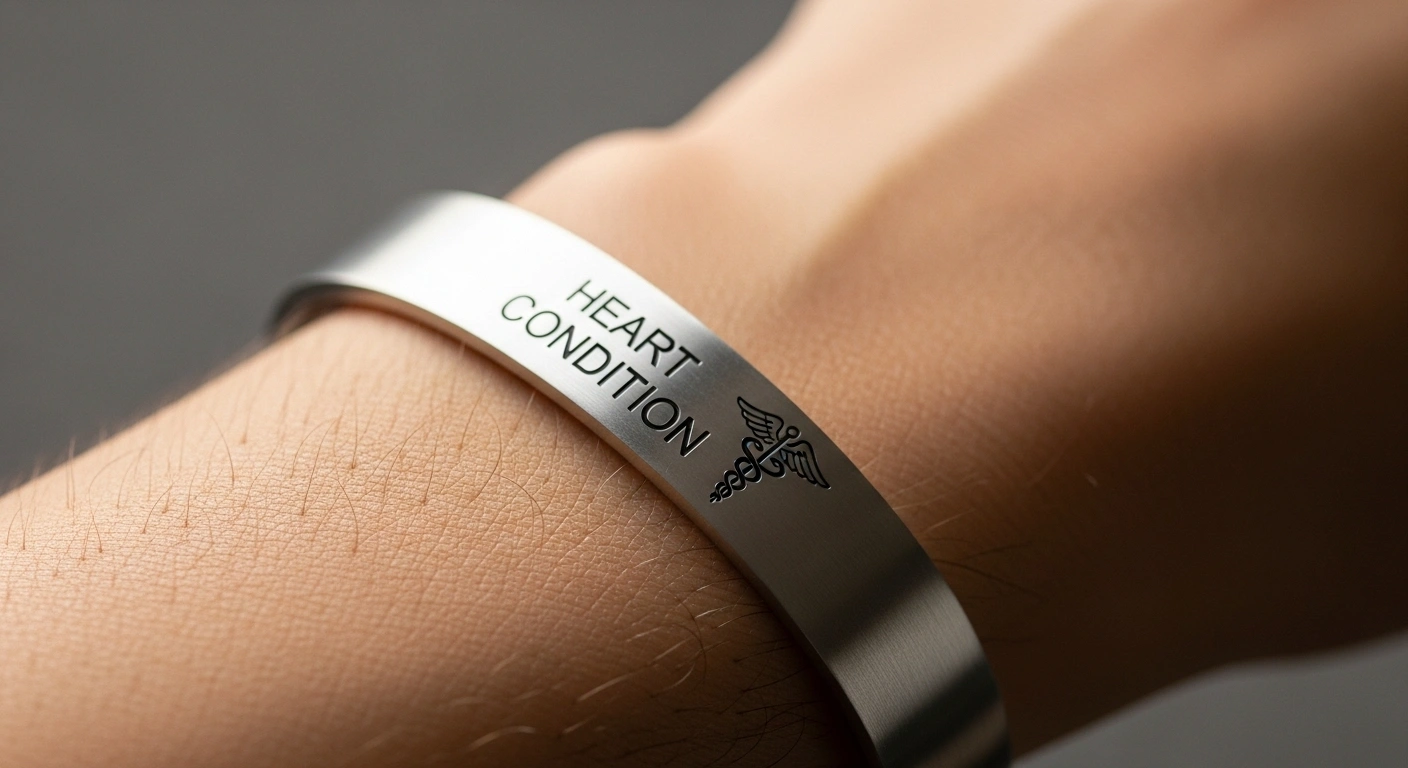
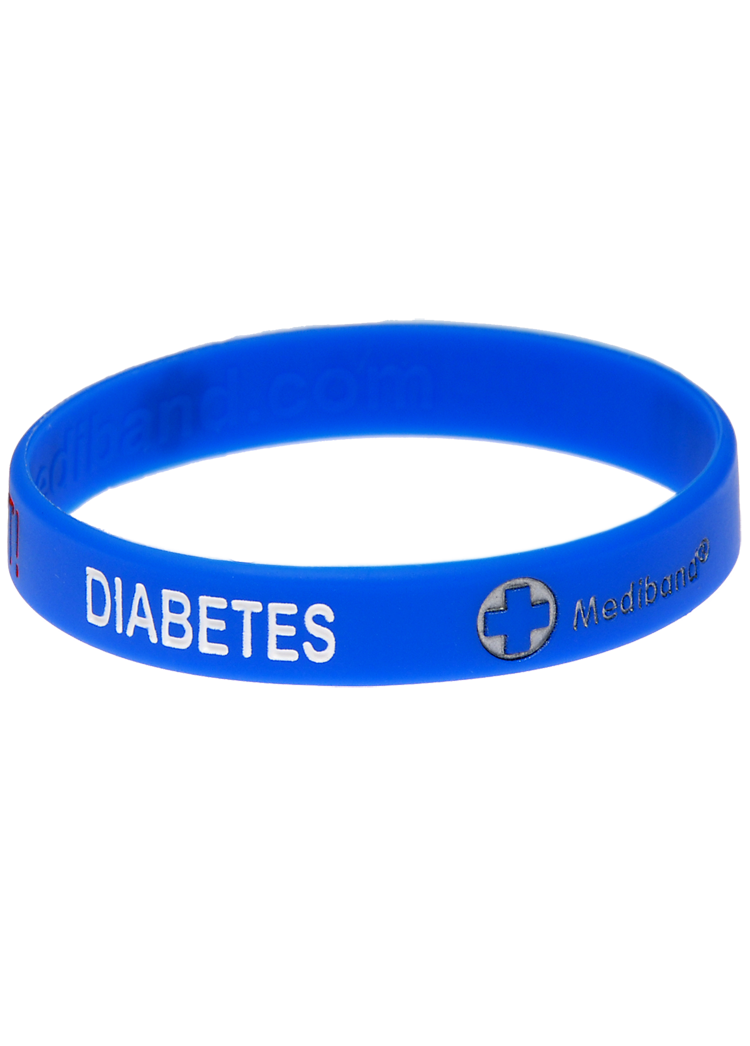
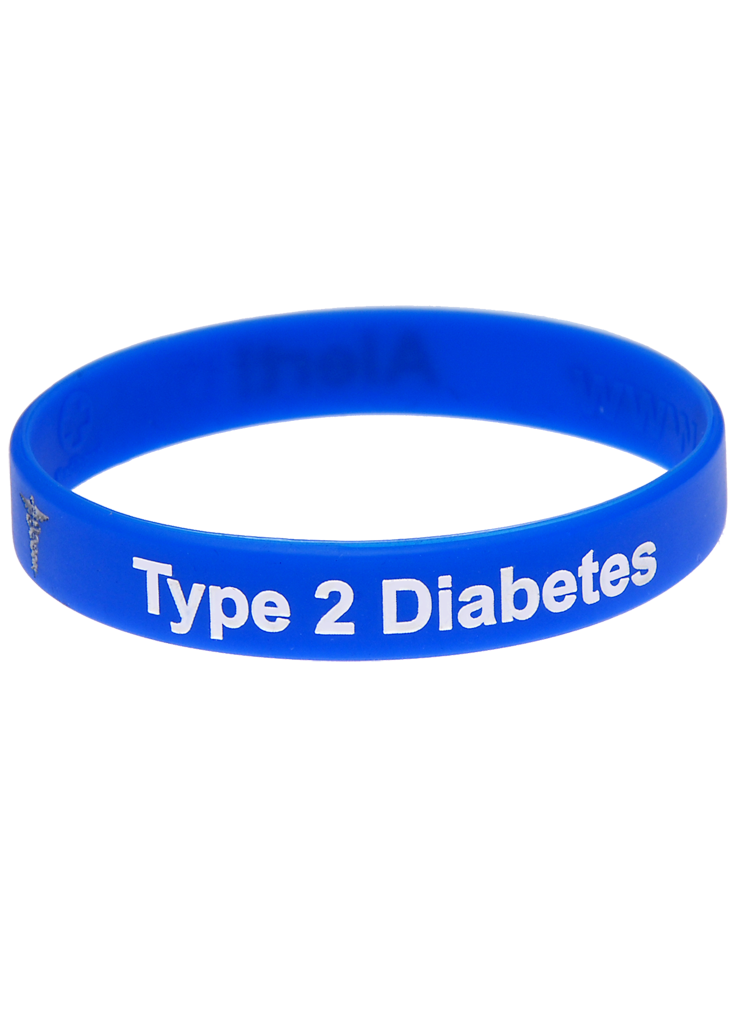
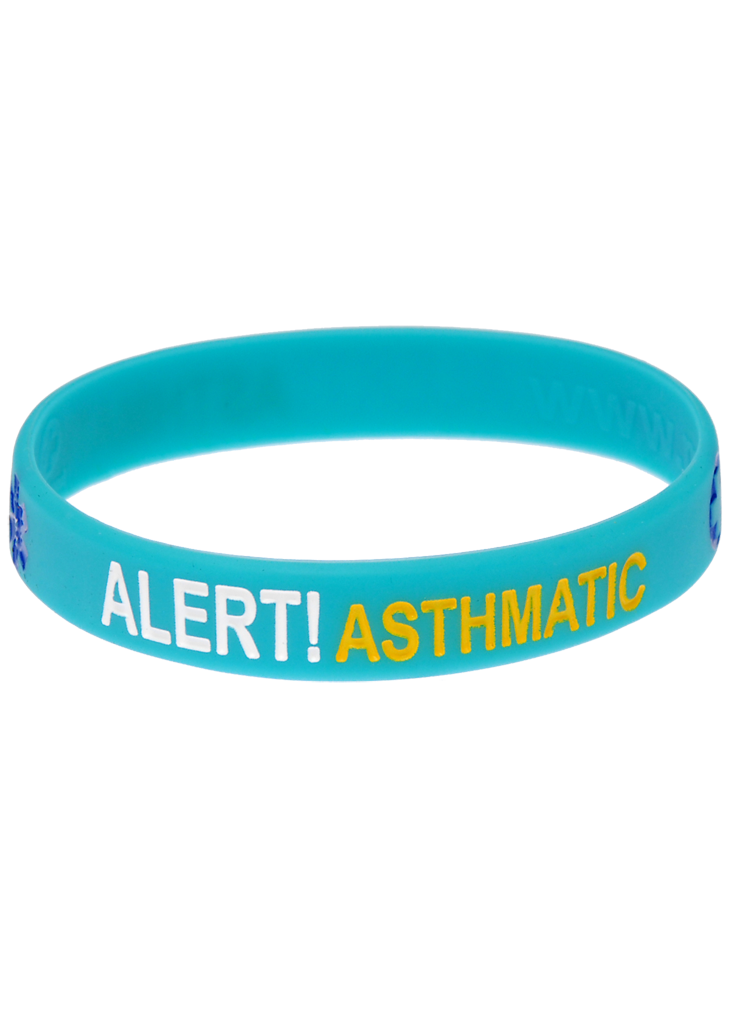
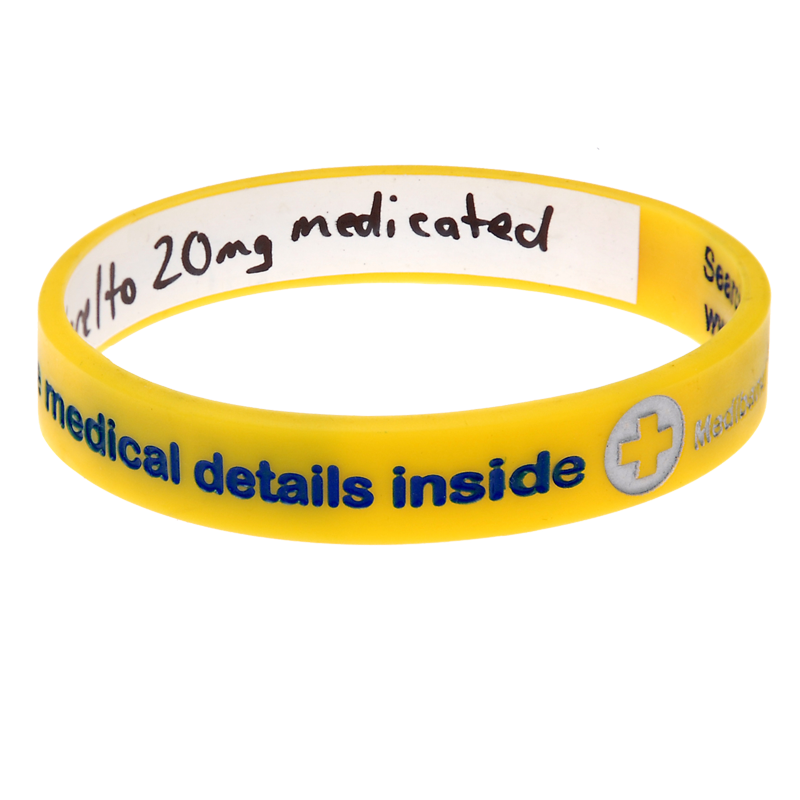
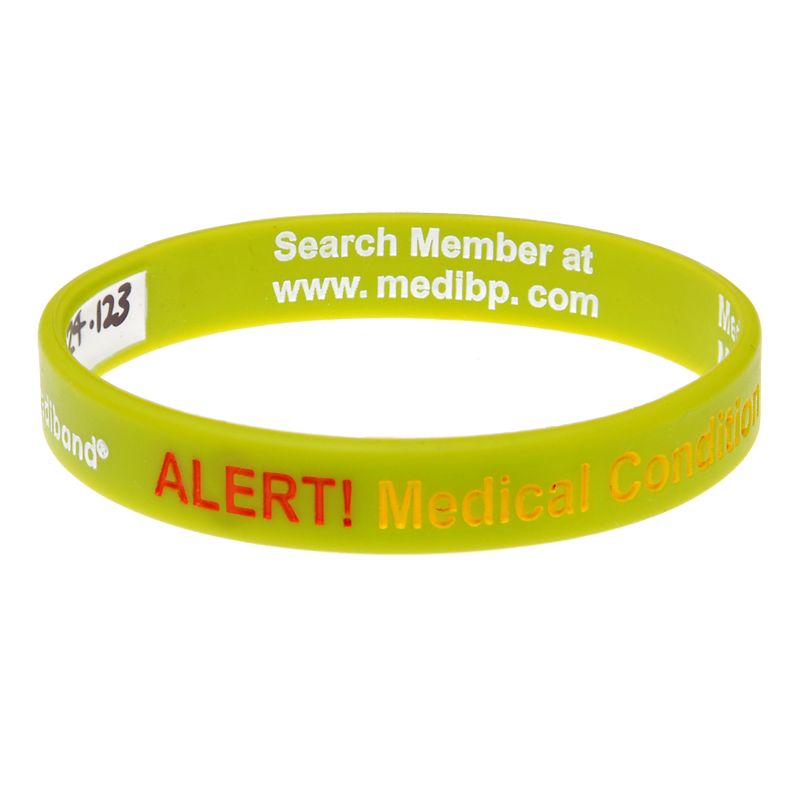
For people managing chronic conditions, consistent hydration is one of the simplest, lowest-cost interventions available. Pair it with regular monitoring, your prescribed treatment plan, and a medical alert bracelet for comprehensive daily self-care.
Manage Your Condition Better Every Day
Hydration, exercise, and a visible medical ID are the simplest safety habits.

Small Habits, Significant Health Impact
Drinking more water consistently is one of the most impactful low-effort health habits you can build. It supports kidney function, improves cognitive performance, helps manage chronic conditions, and reduces fatigue — all without medication or specialist intervention. Start with two or three of these tips and build from there.
And while you’re building healthy habits, make sure your medical ID is part of your daily routine too. Browse our medical alert bracelets for everyday wearable safety.
Frequently Asked Questions
How much water should I drink each day?
General guidelines suggest around 2 litres (8 cups) per day for adults, but individual needs vary based on body size, activity level, climate, and health conditions. People with diabetes, kidney conditions, or heart disease may have specific targets set by their doctor. A practical real-time measure is urine colour: pale straw yellow indicates adequate hydration.
Does coffee count towards my daily water intake?
Yes, to some extent. Despite its mild diuretic effect, coffee still contributes net fluid to your body. A study in PLOS ONE (2014) found that moderate coffee consumption (three to four cups per day) contributes similarly to water for overall hydration in habitual coffee drinkers. However, at high intakes, the diuretic effect becomes more significant. Water remains the optimal choice.
Can drinking more water help manage diabetes?
Yes. Staying well hydrated helps kidneys flush excess glucose from the bloodstream via urine. Dehydration can cause blood glucose to concentrate, worsening glycaemic control. The American Diabetes Association recommends water as the primary beverage for people with diabetes. Some research also links higher water intake with a reduced risk of developing type 2 diabetes.
Is it possible to drink too much water?
Yes, though it is rare in healthy adults under normal conditions. Hyponatraemia (low blood sodium caused by excessive water intake) can occur during extreme endurance events or in people with certain conditions like heart failure or kidney disease that impair fluid regulation. If your doctor has advised fluid restrictions, follow those targets rather than general guidelines.

Share on Facebook

Share on X

Share on Pinterest
2 Comment(s)
Ram prasad
Jul 28, 2021 09:02
Thank you for sharing this blog, these tips are very helpful for drinking more water everyday.
David Walker
Jan 27, 2021 19:14
It's great to learn that you should have your water bottle next to your desk to be more hydrated. My wife is wanting to be healthier at work and she was wondering what she could do to stay more hydrated at her job. I'll be sure to tell her that she should put a water bottle next to her desk to easily stay hydrated.
Recent Posts

The Risk Of Not Wearing An Allergy Medical Alert Bracelet
March 23, 2026