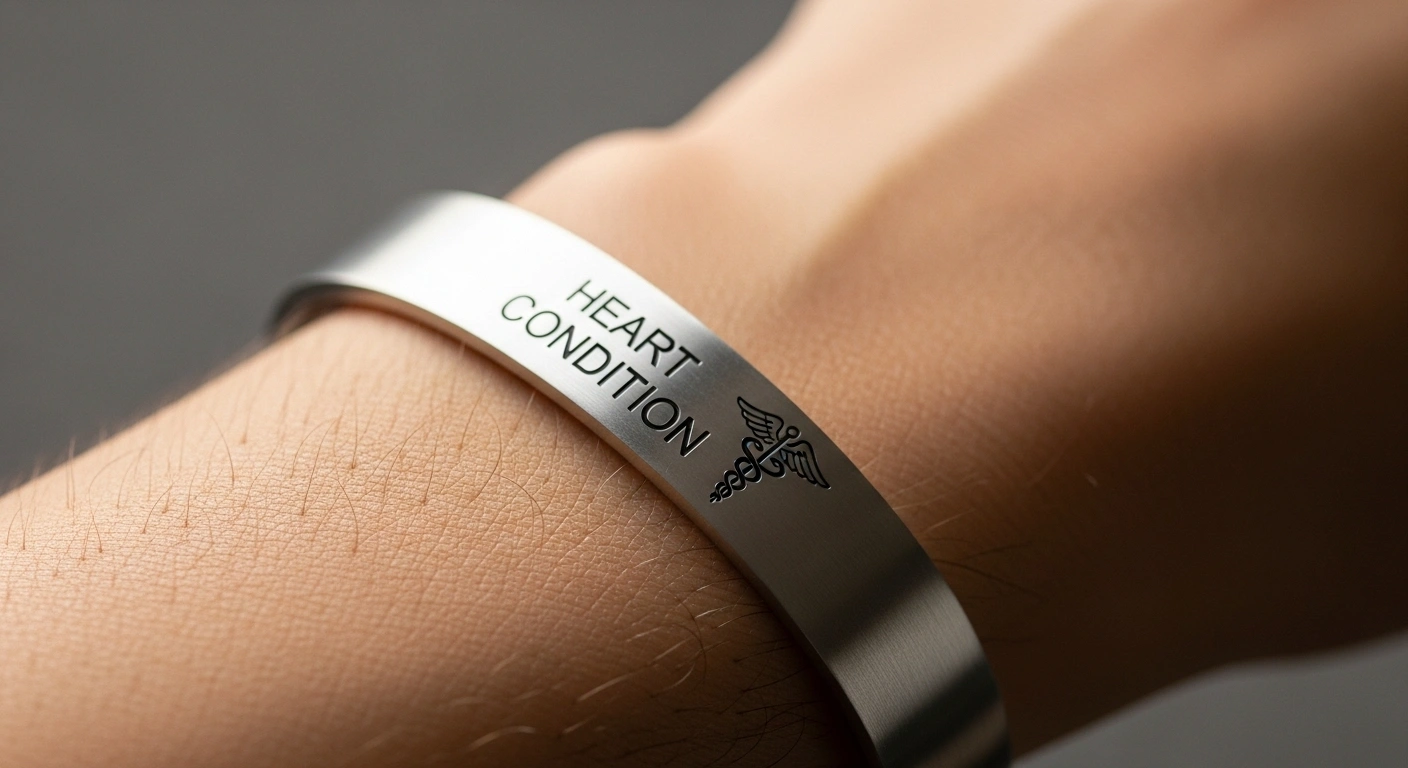
Stress Management for People with Chronic Illness: A Practical Coping Guide
July 14, 2020

Why Stress Is Especially Dangerous When You Have a Chronic Condition
Stress is not merely an emotional state — it is a full-body physiological response with measurable consequences for physical health. For people who are already managing a chronic illness, the health impacts of unmanaged stress are compounded: stress can directly worsen disease symptoms, undermine medication effectiveness, disrupt sleep, impair immune function, and erode the motivation and capacity needed to maintain healthy behaviours.
The physiological stress response — the release of cortisol and adrenaline through the hypothalamic-pituitary-adrenal axis — evolved to handle acute threats. In short bursts, it is protective. But when activated chronically, these same hormones drive inflammation, insulin resistance, blood pressure elevation, and immune dysregulation. For someone managing diabetes, heart disease, an autoimmune condition, or a respiratory illness, these effects can accelerate disease progression and complicate management in ways that are both measurable and significant.
A 2020 review published in Psychosomatic Medicine found that psychological stress significantly worsened clinical outcomes across a wide range of chronic conditions, including rheumatoid arthritis, inflammatory bowel disease, type 2 diabetes, and cardiovascular disease. Understanding stress not as a soft issue but as a genuine clinical concern is the starting point for managing it effectively.
Recognising Your Stress Signals
Stress presents differently in different people, and recognising your personal pattern of stress signals is the first step in managing it proactively rather than reactively. Common physical signals include: muscle tension, particularly in the neck, shoulders, and jaw; headaches; disrupted sleep; digestive disturbance; increased heart rate; and changes in appetite. Emotional signals include: persistent worry, irritability, difficulty concentrating, feeling overwhelmed, and reduced enjoyment of activities that are normally pleasurable.
For people with chronic conditions, stress can also manifest as a worsening of condition-specific symptoms — higher blood glucose levels in diabetes, more frequent asthma flares, increased joint inflammation in arthritis, or more frequent migraine attacks. Tracking these patterns in a symptom diary helps identify the link between stress periods and symptom escalation, making the case for prioritising stress management as part of overall health management.
The Difference Between Stress and Anxiety
Stress and anxiety are related but distinct experiences. Stress is typically a response to an identifiable external pressure — a deadline, a difficult conversation, a health concern, a financial problem. When the stressor is resolved, stress typically eases. Anxiety persists even in the absence of an identifiable threat, often driven by worry about future possibilities rather than present circumstances.
Both are common among people with chronic illness — and both respond well to the coping strategies described in this guide. However, if anxiety is severe, persistent, or significantly interfering with daily functioning, professional support from a psychologist or mental health professional is appropriate and important. There is no hierarchy of suffering: anxiety and mental health challenges in the context of chronic illness are as real and as deserving of treatment as any other symptom.
Evidence-Based Stress Reduction Techniques That Work
A significant body of research supports specific stress reduction approaches for people with chronic health conditions. These are not generic wellness recommendations — they are techniques with clinical evidence for both stress reduction and improved physical health outcomes.
Mindfulness-Based Stress Reduction (MBSR)
Mindfulness-based stress reduction, developed by Jon Kabat-Zinn at the University of Massachusetts, is one of the most extensively researched psychological interventions in existence. A meta-analysis of 39 randomised controlled trials published in the Journal of Consulting and Clinical Psychology found that MBSR produced significant reductions in psychological distress, anxiety, and depression — with effects maintained at follow-up. It has also demonstrated specific benefits for people with chronic pain, cancer, cardiovascular disease, and diabetes.
MBSR involves developing moment-to-moment awareness of thoughts, feelings, and bodily sensations without judgement. This sounds simple — and the practice itself is accessible — but the benefits are substantial and clinically meaningful. Formal MBSR programmes run over eight weeks; many are available in online formats and through healthcare providers. The core practices of breath awareness and body scan meditation can also be self-taught through evidence-based apps such as Headspace or Calm.
Cognitive Behavioural Therapy for Chronic Illness
Cognitive behavioural therapy (CBT) is the gold standard psychological intervention for a wide range of mental health conditions, and has been specifically adapted for people with chronic physical health conditions (sometimes called CBT-CI or illness-specific CBT). It works by identifying and challenging unhelpful thought patterns and behaviours that maintain or amplify distress, and developing more adaptive responses.
For people with chronic illness, common CBT targets include: catastrophic thinking about symptoms and prognosis; activity avoidance driven by fear of symptom escalation; all-or-nothing thinking about health management; and grief-related thoughts about loss of pre-illness capacities. CBT delivered by a qualified psychologist typically runs over 8 to 12 sessions; online versions are increasingly available for people with limited access to in-person services.
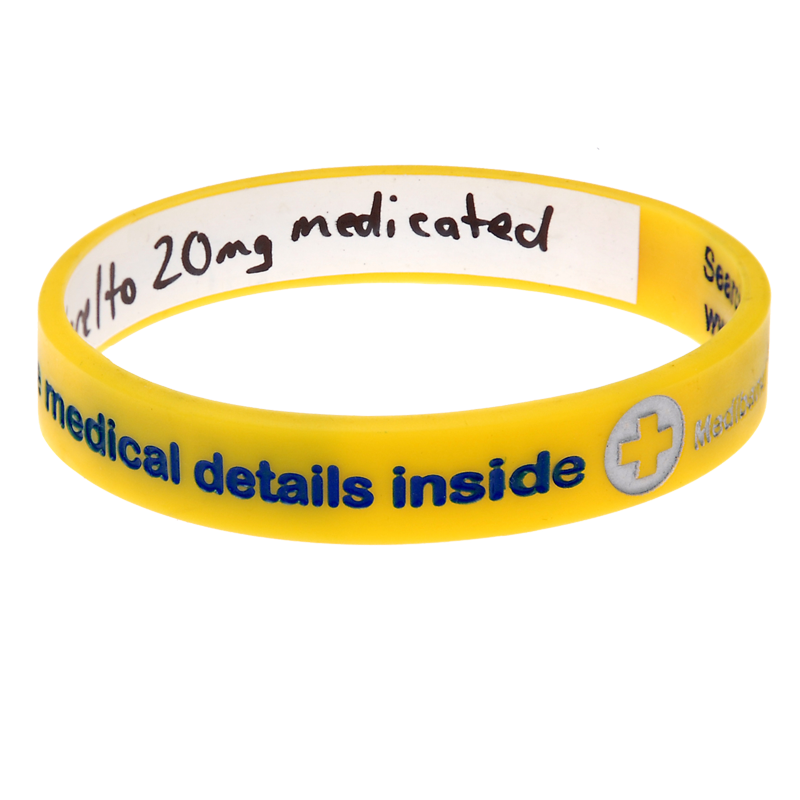
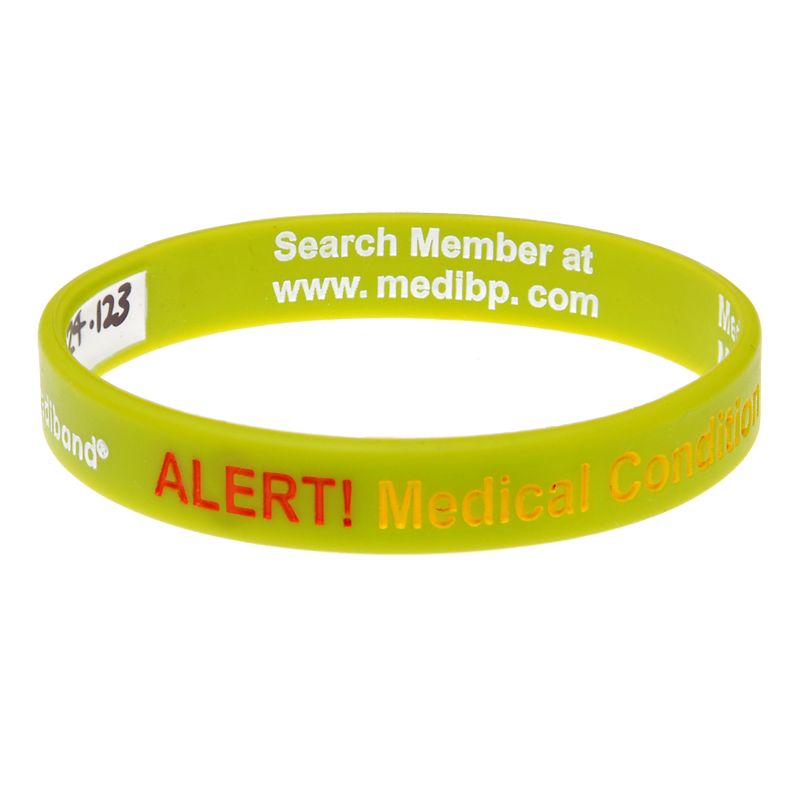
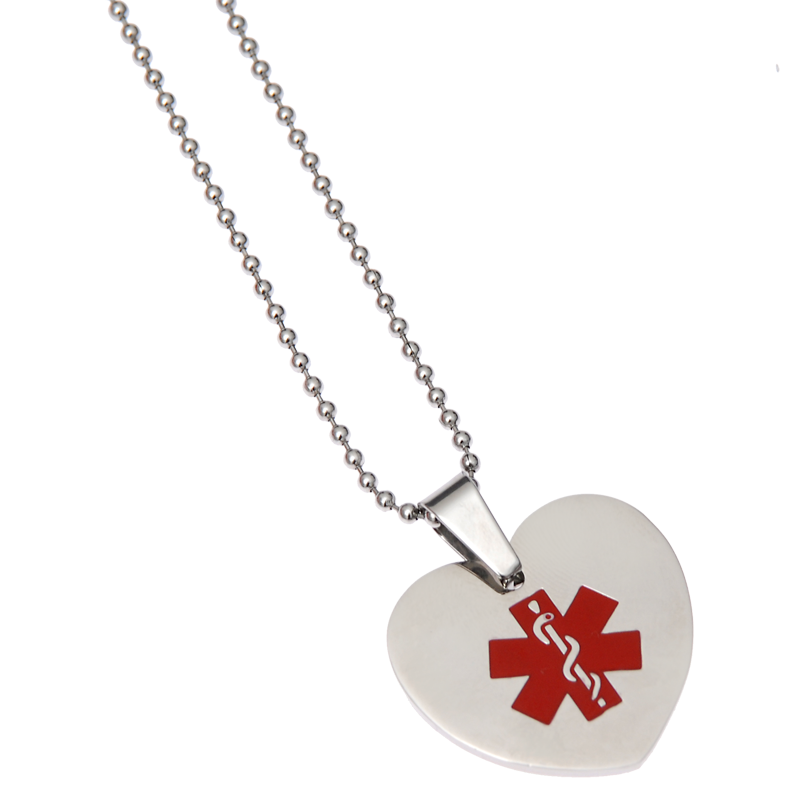
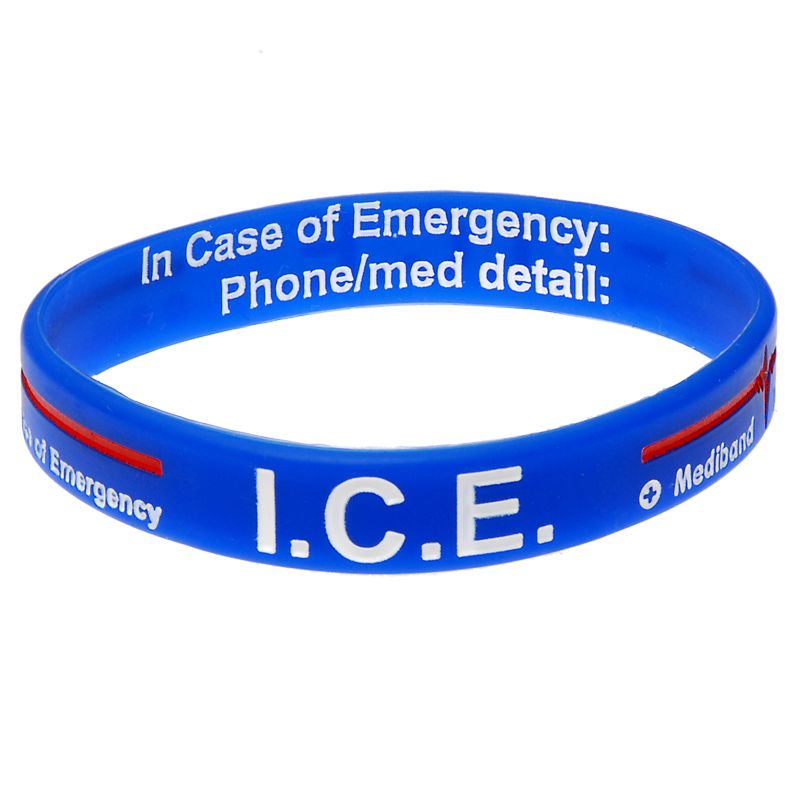
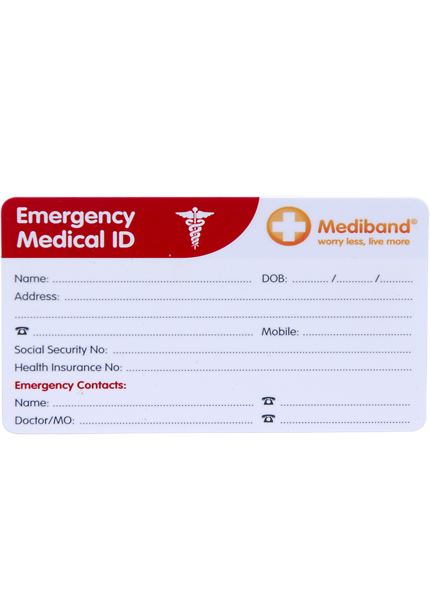
Medical ID Options for People with Chronic Conditions
Manage your condition with confidence — your safety, always on your wrist.

Building a Personalised Stress Management Plan
Knowing that stress management techniques exist is not the same as having a plan that works for you personally. Building a personalised stress management plan involves three steps: identifying your primary stress sources; identifying your personal stress signals (so you catch stress early rather than when it is overwhelming); and selecting a set of strategies that you will actually use consistently.
A useful framework is to have strategies across three timeframes: immediate coping strategies for acute stress moments (slow breathing, brief mindfulness, physical movement); medium-term strategies for managing sustained stressors (regular exercise, social connection, therapy); and longer-term structural changes that reduce ongoing stress sources (boundary-setting, workload management, relationship changes).
Write your plan down. Research on implementation intentions — "when X happens, I will do Y" — consistently shows that having a specific, written plan significantly increases the probability that the intended behaviour occurs. Vague intentions ("I'll manage stress better") are far less effective than specific plans ("When I notice my shoulders tensing, I will take three slow breaths and then send a short message to a friend").
Review and adjust your plan regularly. What works well during a relatively stable period may not be sufficient during an acute stress peak, and vice versa. Treating your stress management plan as a living document — subject to regular review — makes it more likely to remain effective across changing circumstances.
The Role of Social Connection in Managing Stress and Chronic Illness
Social isolation is both a consequence and a cause of stress in people with chronic illness. When managing a condition that limits energy, mobility, or social participation, social connections can erode — and this erosion removes one of the most powerful protective factors against both stress and poor health outcomes.
Research published in PLOS Medicine found that social isolation is associated with a 29 percent increased risk of heart disease and a 32 percent increased risk of stroke — effects comparable in magnitude to well-established physical risk factors. For people already managing cardiovascular conditions, this underscores the importance of maintaining social connection as a genuine health priority.
Practical strategies for maintaining social connection when chronic illness creates barriers include: identifying low-energy social activities that can be maintained even during flares (video calls, text-based communication, short coffee catch-ups); being honest with trusted people about your limitations while communicating what you can offer; joining condition-specific peer support groups (in person or online) where social connection and practical support overlap; and recognising that quality of connection matters more than quantity or format.
For more guidance on living well with a medical condition, explore Mediband's resources on medical ID bracelets and customisable write-on bracelets that help you manage your condition safely and confidently every day.
Physical Activity as a Stress Management Tool
Regular physical activity is one of the most evidence-supported interventions for stress and mental health, and its benefits are dose-dependent — meaning that even small amounts are beneficial, with effects increasing with greater regularity and duration. The mechanisms are multiple: exercise reduces cortisol levels, increases endorphin release, improves sleep quality, and provides a reliable source of self-efficacy and mastery that buffers against the helplessness that chronic stress and illness can create.
For people with chronic conditions, the key is finding activities that are adapted to current capacity and that can be maintained consistently without triggering flares or injury. Walking, gentle swimming, yoga, tai chi, and low-impact resistance training are frequently appropriate for a wide range of conditions — but individual guidance from a physiotherapist or exercise physiologist is valuable for developing a programme that is both safe and effective for your specific situation.
Wearing a medical alert bracelet during physical activity ensures that your health information is always on you — providing peace of mind that is itself stress-reducing. Knowing that in any situation, anyone who finds you will immediately have your critical health information removes a layer of background worry that many people with chronic conditions carry about exercising away from familiar environments. Browse Mediband's full range of medical ID options and find one that becomes part of your daily health routine.
Frequently Asked Questions
How does stress worsen chronic illness symptoms?
Chronic stress activates the body's stress response — releasing cortisol and adrenaline — which drives inflammation, raises blood pressure, disrupts glucose metabolism, and impairs immune function. For people with chronic conditions, these physiological effects directly interact with disease processes: stress can raise blood glucose in diabetes, trigger asthma flares, increase inflammatory activity in autoimmune conditions, and worsen pain perception in conditions such as fibromyalgia or arthritis. Managing stress is therefore not separate from managing the illness — it is a direct component of disease management.
What is the most effective stress management technique for people with chronic illness?
The most effective approach is personalised — different people respond to different techniques, and the best technique is one that will actually be used consistently. That said, the strongest clinical evidence exists for mindfulness-based stress reduction (MBSR) and cognitive behavioural therapy (CBT) adapted for chronic illness. Regular physical activity, social connection, and adequate sleep also have substantial evidence as stress management tools. A combination approach that includes both a regular practice (such as mindfulness or exercise) and professional support during difficult periods is typically most effective.
Should I see a psychologist if I have chronic illness-related anxiety or depression?
Yes — absolutely. Anxiety and depression are common and treatable co-conditions in people with chronic illness, and addressing them improves both quality of life and physical health outcomes. A psychologist experienced in chronic illness can provide tailored therapy that accounts for the specific challenges of managing a health condition. Mental health treatment in the context of chronic illness is not a luxury or an indication of weakness — it is a clinically important component of comprehensive care. Speak with your GP about a referral.
How can I manage stress when my chronic illness itself is the main stressor?
When the illness itself is the primary source of stress, the most helpful approaches address both the practical and the emotional dimensions simultaneously. Practically: build the best possible management plan with your healthcare team, as feeling that your condition is well-managed significantly reduces illness-related anxiety. Emotionally: process grief about the impact of the illness through therapy, journalling, or peer support; build acceptance of uncertainty alongside active management; and identify aspects of life that the illness does not affect as sources of identity, meaning, and pleasure. Acceptance and Commitment Therapy (ACT) is particularly well-suited to managing stress when the stressor cannot be eliminated.
Can wearing a medical alert bracelet reduce stress from chronic illness?
Yes — for many people, wearing a medical alert bracelet reduces the background anxiety associated with managing a chronic condition away from home, during exercise, or in unfamiliar environments. Knowing that critical health information is always on your wrist — readable by anyone who finds you — removes a layer of 'what if someone doesn't know' worry. This is particularly significant for people with conditions that can cause sudden loss of consciousness or communication difficulties, such as epilepsy, severe allergies, or cardiac conditions.

Share on Facebook

Share on X

Share on Pinterest
Comment(s)
Recent Posts

The Risk Of Not Wearing An Allergy Medical Alert Bracelet
March 23, 2026