Living with an Invisible Disability: How to Cope, Communicate, and Stay Safe
August 19, 2021

What Is an Invisible Disability — and Why Does It Matter?
More than one billion people worldwide live with some form of disability, and the World Health Organization estimates that a significant proportion of these are conditions that are not immediately visible to others. An invisible disability — sometimes called a hidden disability — is any physical, mental, or neurological condition that limits a person's movements, senses, or activities, but is not outwardly apparent to those around them.
Conditions such as chronic pain, fibromyalgia, lupus, Crohn's disease, epilepsy, autism spectrum disorder, anxiety, depression, multiple sclerosis, and hearing loss all fall under this broad umbrella. Because these conditions are not visible, many people who live with them face a unique and exhausting challenge: their struggles are real, but others cannot see them. This can lead to scepticism, unhelpful advice, and a painful sense of isolation.
Understanding what an invisible disability actually is — and why awareness matters — is the first step towards building empathy, improving support systems, and helping those affected live fuller, safer lives.
The Spectrum of Hidden Conditions
Invisible disabilities exist on a wide spectrum. Some people experience occasional flare-ups that temporarily limit their capacity; others live with constant symptoms that shape every decision of every day. Some conditions are well-known — diabetes, epilepsy, asthma — while others, such as POTS (postural orthostatic tachycardia syndrome) or MCAS (mast cell activation syndrome), remain poorly understood even in medical circles.
What unites all of these experiences is the gap between how a person looks and how a person feels. A young person who appears healthy may be fighting waves of chronic pain. A person who declines a social invitation may be managing crippling fatigue, not a lack of interest. Recognising this gap is essential for anyone who wants to support someone with a hidden condition.
Why "But You Don't Look Sick" Can Be Deeply Harmful
The phrase "but you don't look sick" is one of the most commonly reported painful comments for people with invisible disabilities. While often said with good intentions, it can feel like a dismissal of genuine suffering. It places the burden of proof on the person who is already struggling, implying that visible suffering is somehow more legitimate than invisible suffering.
Research published in the journal Disability and Rehabilitation found that social invalidation — the experience of having one's disability disbelieved or minimised — is associated with higher rates of depression and anxiety among people with chronic conditions. Building awareness and choosing words carefully are small acts that carry enormous weight.
Everyday Coping Strategies That Actually Help
Coping with an invisible disability is not a single strategy but a collection of daily practices, mindset shifts, and practical tools. What works for one person may not work for another, but there are several evidence-informed approaches that many people find genuinely helpful.
Pacing and Energy Management
For many people with conditions such as chronic fatigue syndrome, fibromyalgia, or autoimmune diseases, energy is a finite resource that must be carefully allocated. The concept of "pacing" — spreading activity across the day and week to avoid overexertion — is widely recommended by occupational therapists and physiotherapists who work with chronic illness.
Practical pacing strategies include breaking tasks into smaller segments, scheduling rest before reaching the point of exhaustion, and tracking energy levels in a journal or app to identify patterns. The goal is not to do less but to do more sustainably over time.
Building a Support Network
Isolation is one of the greatest risks for people with invisible disabilities. Building and maintaining a support network — even a small one — can significantly buffer the emotional impact of chronic illness. This might include trusted friends and family, a therapist or counsellor who understands chronic illness, online communities of people with similar conditions, and healthcare professionals who take a whole-person approach.
Support groups, both in person and online, can be particularly valuable. Connecting with others who genuinely understand the experience of living with a hidden condition reduces the sense of being alone and provides practical tips from people who have navigated the same challenges.
Practising Self-Advocacy
Self-advocacy means confidently communicating your needs to employers, healthcare providers, friends, and family. For many people with invisible disabilities, this does not come naturally — especially when they have previously been dismissed or disbelieved. Building self-advocacy skills takes time and practice, but it is one of the most powerful tools available.
Start with small steps: prepare a written summary of your condition and needs before medical appointments; have a clear, rehearsed explanation ready for workplaces; and set boundaries with people who consistently invalidate your experience.
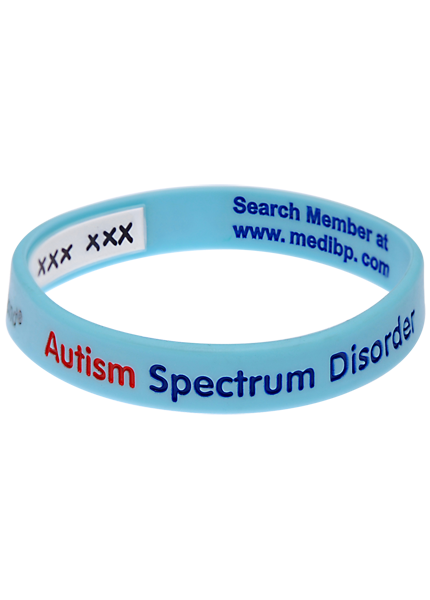
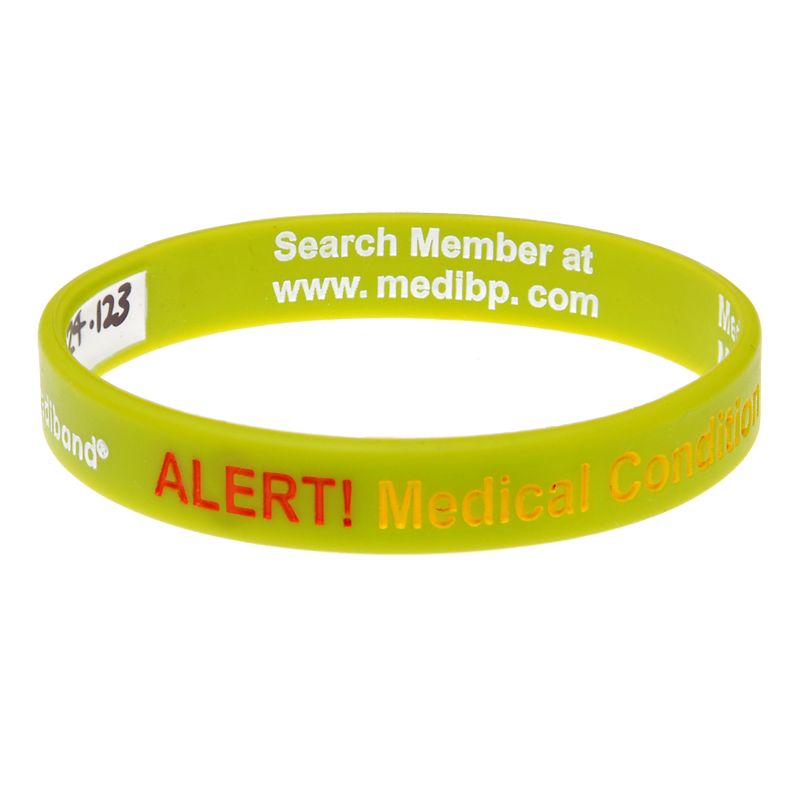
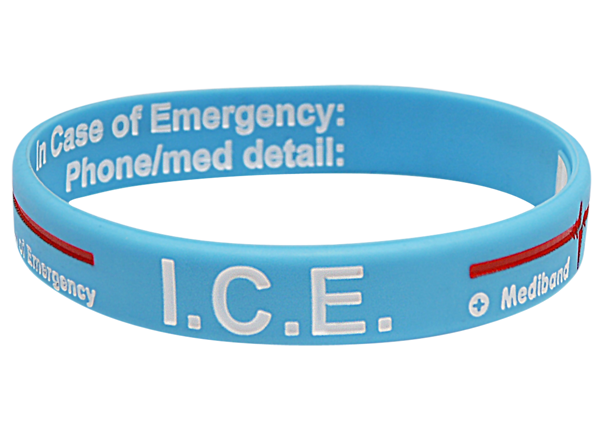
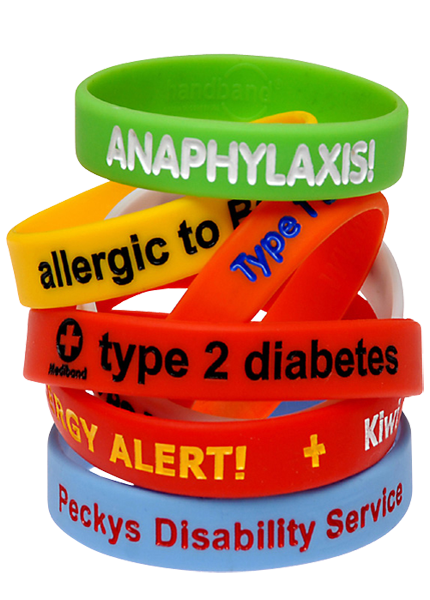
Medical Alert Bracelets for Invisible Disabilities
Wear your condition with confidence. Every bracelet communicates what others cannot see.


How to Communicate Your Condition to Others
Deciding whether, when, and how to disclose an invisible disability is a deeply personal decision. There is no single right answer. Some people choose open disclosure at work and in social settings; others prefer to keep their condition private except with close confidants. Both approaches are valid, and the right choice depends on the individual's circumstances, relationships, and personal comfort.
When disclosure feels appropriate or necessary, having a simple, clear explanation ready can reduce anxiety. Focus on what the condition means in practical terms rather than medical detail. For example: "I have a condition that affects my energy levels, which means I sometimes need to take short breaks" is often more effective than a full medical explanation.
The hidden disabilities sunflower — a green lanyard with sunflower print — is a widely recognised symbol used in airports, hospitals, and public spaces to discreetly signal that the wearer has a non-visible condition. Wearing one can prompt staff and others to offer appropriate support without requiring the wearer to explain their condition in detail.
Communicating with Healthcare Providers
One of the most important communication relationships for anyone with an invisible disability is with their healthcare team. If you feel your symptoms are not being taken seriously, it is appropriate — and important — to seek a second opinion, ask for referrals to specialists, and bring written records of your symptoms to appointments.
Keep a symptom diary in the weeks before appointments. Note frequency, severity, triggers, and the impact on daily activities. Specific, documented evidence is far more persuasive than a general description of "not feeling well."
Safety Planning: Why a Medical ID Is Essential for Hidden Conditions
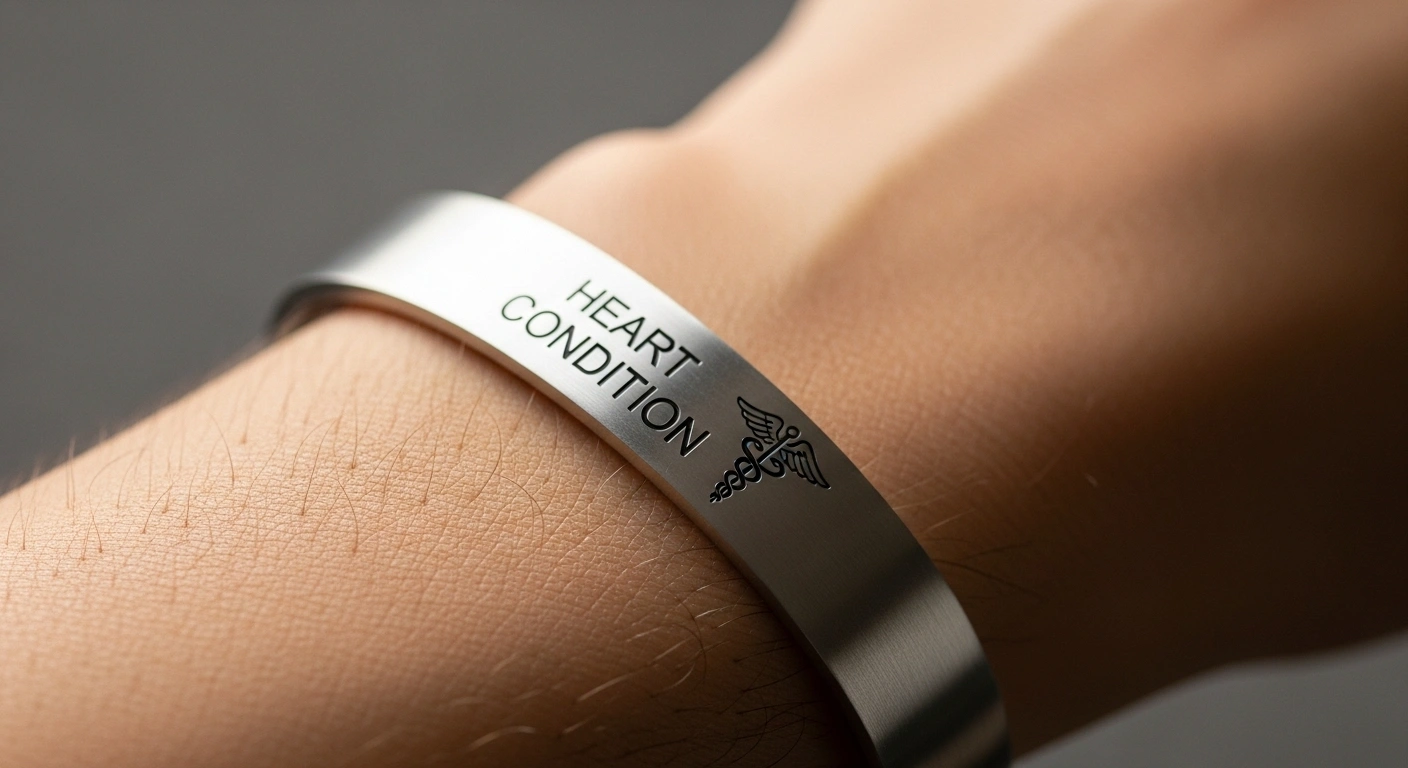
One of the most practical and potentially life-saving steps for anyone with an invisible disability is wearing a medical ID bracelet. In an emergency — whether a seizure, anaphylactic reaction, diabetic episode, or cardiac event — first responders need to act quickly. If a person cannot communicate their medical history in that moment, a medical ID bracelet on their wrist provides the critical information that guides treatment decisions.
According to the American College of Emergency Physicians, medical ID bracelets are checked by emergency responders as one of the first steps when a patient is unable to communicate. A bracelet that clearly states the person's condition, key allergies, and emergency contact information can directly influence the speed and appropriateness of treatment.
For invisible disabilities in particular, a medical alert bracelet serves an additional purpose: it makes the invisible visible. It communicates, without words, that this person has a condition that responders need to know about. This is especially important for conditions such as epilepsy, diabetes, autism spectrum disorder, severe allergies, and heart conditions — where incorrect treatment in an emergency can be dangerous.
Mediband offers a wide range of medical alert bracelets designed for daily wear, including reversible write-on options that allow wearers to record their specific condition, medications, and ICE (In Case of Emergency) contact details. Explore the full range at https://www.mediband.com/nz/"medical-id-bracelets/"/ to find the right style for your lifestyle.
What to Include on Your Medical ID
The most useful medical IDs include: the primary condition or diagnosis, any critical allergies, key medications (especially those with significant interactions), and at least one emergency contact number. For reversible write-on bracelets, both sides can be used — condition information on one side and ICE details on the other.
For conditions such as autism spectrum disorder, it may also be helpful to include a note such as "Non-verbal — may not respond to questions" or "Autism — please speak calmly and slowly." This helps first responders adapt their approach immediately.
Mental Health and the Emotional Toll of Living Invisibly Ill
The emotional weight of living with an invisible disability is significant and should not be underestimated. Chronic pain, fatigue, and unpredictable symptoms create a constant background stress that accumulates over time. Add to this the experience of being disbelieved, the grief of lost abilities, and the isolation that often accompanies chronic illness, and it becomes clear why rates of anxiety and depression are substantially higher among people with invisible disabilities than in the general population.
A 2021 meta-analysis published in PLOS ONE found that adults with chronic physical health conditions were more than twice as likely to experience depression as those without such conditions. Addressing mental health is not a luxury for people with invisible disabilities — it is a core component of overall health management.
Approaches that many people find helpful include: cognitive behavioural therapy adapted for chronic illness (CBT-CI), acceptance and commitment therapy (ACT), mindfulness-based stress reduction (MBSR), and peer support programmes. It is also worth speaking with a GP or specialist about whether the condition itself — or medications used to treat it — may be contributing to low mood or anxiety.
Practical Tools and Resources to Help You Thrive
Living well with an invisible disability often requires building a toolkit of strategies, resources, and physical aids that support daily functioning. Beyond pacing strategies and support networks, a number of practical tools can make a meaningful difference.
Assistive technology — from voice-to-text software to noise-cancelling headphones for sensory sensitivities — can reduce the burden of daily tasks. Workplace accommodations, such as flexible hours, remote working, or ergonomic equipment, can make continued employment possible for many people who might otherwise struggle to maintain a career.
For carers and family members, education is one of the most powerful tools. Reading reliable resources about a loved one's condition, attending medical appointments (with permission), and joining carer support groups all build the understanding needed to provide genuinely helpful support — rather than well-meaning advice that misses the mark.
Many organisations offer resources specifically for people with hidden conditions. The Invisible Disabilities Association (invisibleDisabilities.org) is one such resource, providing educational materials, community connections, and advocacy guidance for individuals and families navigating life with a non-visible condition.
If you are managing multiple conditions or need to communicate complex medical information, consider the range of Mediband's reversible write-on bracelets that offer space for detailed information on both sides, or explore our full medical ID collection for options that suit every lifestyle and aesthetic preference.
Frequently Asked Questions
What counts as an invisible disability?
An invisible disability is any condition that significantly affects daily life but is not immediately apparent to others. This includes chronic pain, fatigue conditions, neurological disorders such as epilepsy and autism, autoimmune diseases, mental health conditions, diabetes, hearing loss, and many more. The defining characteristic is the gap between outward appearance and internal experience — the person may look well but be managing significant challenges every day.
Should I disclose my invisible disability at work?
Disclosure is a personal decision. Many workplaces have legal obligations to provide reasonable adjustments for employees with disabilities, but you generally need to disclose to access these. It can help to speak with a trusted HR contact or an occupational health professional first. You are not obligated to share your full medical history — disclosing what your employer needs to know to support you is sufficient.
How can a medical alert bracelet help with an invisible disability?
A medical alert bracelet makes a hidden condition visible in an emergency. First responders check for medical IDs when a patient cannot communicate. For conditions such as epilepsy, diabetes, severe allergies, or autism — where incorrect treatment or approach could cause harm — a bracelet that clearly states the condition and key details can significantly improve emergency outcomes and guide appropriate care from the outset.
What is the hidden disabilities sunflower?
The hidden disabilities sunflower is a green lanyard with a sunflower pattern used internationally as a discreet signal that the wearer has a non-visible condition. Many airports, supermarkets, hospitals, and public venues recognise it and train staff to offer assistance proactively. Wearing the sunflower allows people with invisible disabilities to access support without having to explain their condition in full every time they need help.
How do I cope with others not believing my invisible disability?
Social invalidation is one of the hardest aspects of living with an invisible disability. Building a circle of genuinely supportive people, connecting with others who share your condition, and working with a therapist experienced in chronic illness can all help. Having clear, confident language ready to explain your condition — and being willing to educate without over-explaining — can also reduce the frequency and impact of dismissive responses.

Share on Facebook

Share on X

Share on Pinterest
Comment(s)
Recent Posts

The Risk Of Not Wearing An Allergy Medical Alert Bracelet
March 23, 2026