How to Check Your Breasts for Lumps: A Step-by-Step Self-Exam Guide
July 14, 2020

Knowing how to check your breasts for lumps is one of the most important steps you can take for your long-term health. According to the World Health Organisation, breast cancer is the most commonly diagnosed cancer worldwide, affecting more than 2.3 million women each year. When detected early, survival rates improve dramatically — and a simple monthly self-exam can make all the difference.
This guide walks you through a clear, step-by-step breast self-examination technique you can do at home, explains what to look for, and covers when to seek medical advice.
Why Regular Self-Examination Matters
Many breast changes — including lumps, skin dimpling, or nipple changes — are first noticed by individuals themselves, not during routine medical checks. The earlier a change is detected, the more treatment options are available. Health authorities recommend performing a self-exam at least once a month.
Self-examination is not a replacement for clinical breast exams or mammograms, but it is a vital complement to professional screening. It is especially important for people with a family history of breast cancer (WHO) or known genetic risk factors.
How to Check Your Breasts: Step-by-Step
Step 1 — Visual Inspection in the Mirror
Stand undressed in front of a mirror with good lighting. Look at both breasts with your arms at your sides, then raised above your head, then with your hands pressed on your hips. Watch for: changes in size or shape, skin puckering or dimpling, redness, rash or swelling, nipple inversion or discharge.
Step 2 — Feel While Standing or in the Shower
Use the pads of your three middle fingers — not the fingertips — to feel each breast. Use small, circular motions and apply light, medium, and firm pressure to check different tissue depths. Work in a grid pattern (top to bottom, side to side) or in circles radiating outward from the nipple. Cover the entire breast, from your collarbone down to the top of your abdomen, and from your armpit to your breastbone.
Step 3 — Feel While Lying Down
Lie flat with a pillow under your right shoulder and your right arm behind your head. Use your left hand to examine your right breast using the same circular technique. Repeat on the other side. This position allows breast tissue to spread evenly, making it easier to feel subtle changes.
Step 4 — Check the Armpit Area
The axillary lymph nodes — located in the armpit — can swell when there is an infection or abnormality. Gently feel each armpit for any lumps or swollen areas.
What to Look For
Not every lump is cancerous. Many are cysts, fibroadenomas, or hormonal changes. However, always consult a doctor if you notice: a new lump or thickening that feels different from the surrounding tissue, a lump that does not move freely, skin that looks like orange peel (peau d'orange), unexplained pain in one spot, changes to the nipple, or unusual discharge.
Who Is at Higher Risk?
Certain factors increase breast cancer risk: being over 50, a family history of breast or ovarian cancer, carrying the BRCA1 or BRCA2 gene, previous breast cancer, dense breast tissue, long-term use of hormone replacement therapy, or a history of radiation therapy to the chest. If any of these apply to you, speak to your doctor about a tailored screening schedule.
After Treatment: Ongoing Monitoring and Medical ID
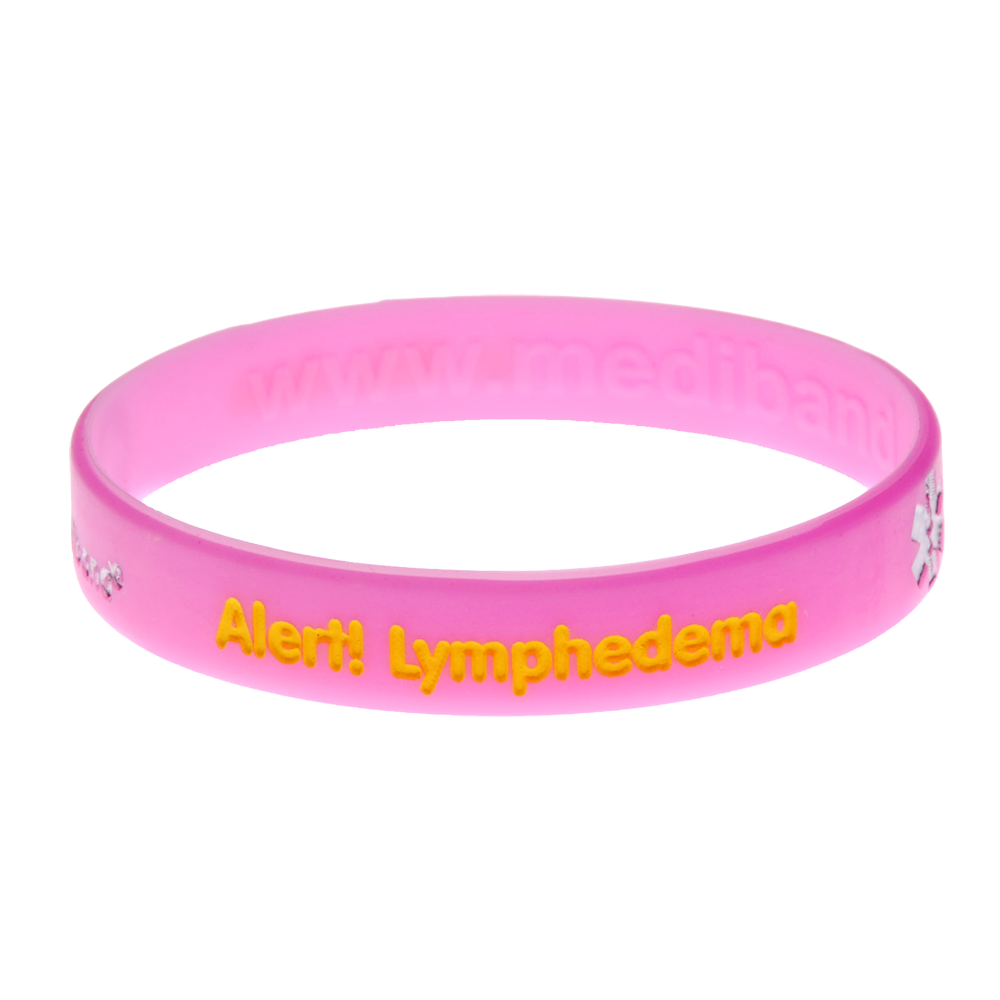
For those who have undergone breast surgery, chemotherapy, or radiation, ongoing self-examination remains essential. Surgical procedures such as lymph node removal can increase the risk of lymphoedema — a condition where fluid builds up in tissues causing swelling.
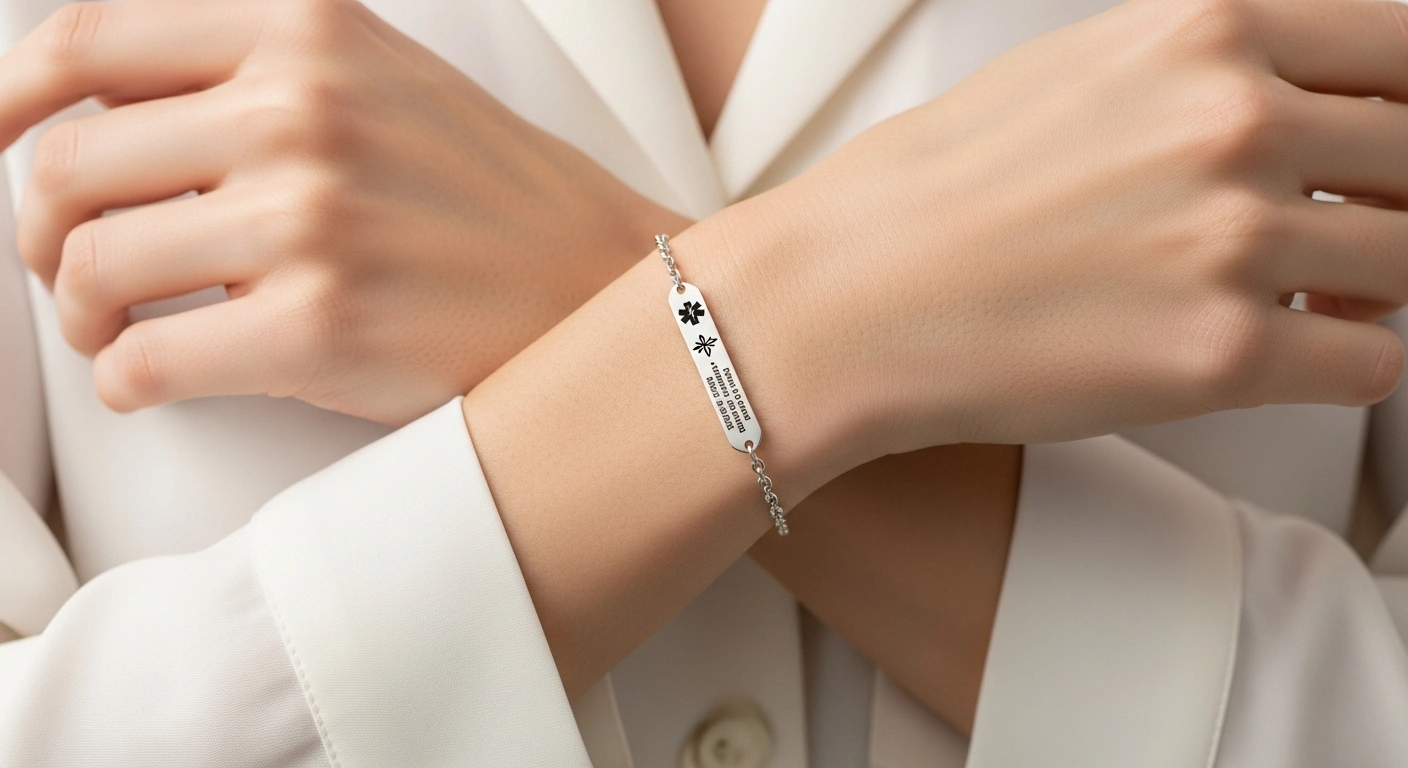
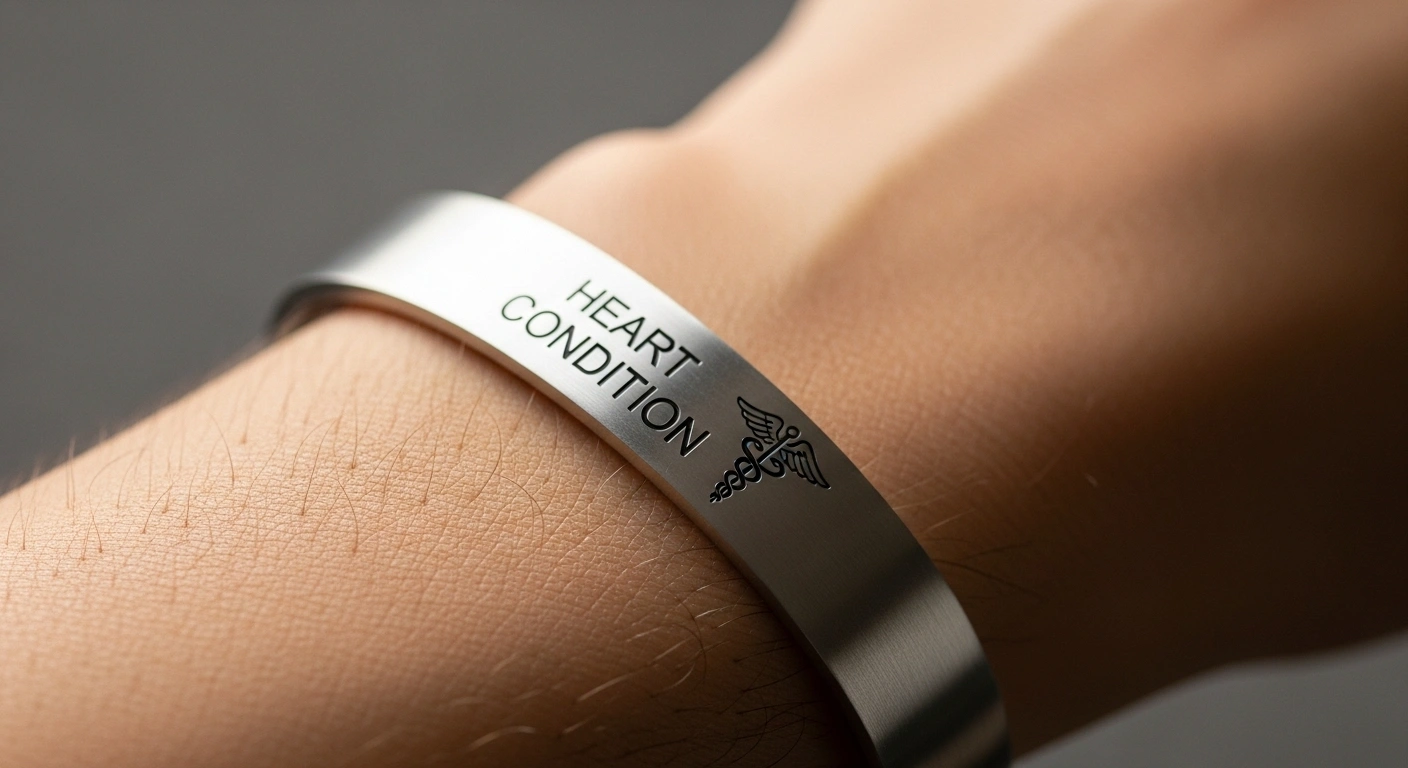
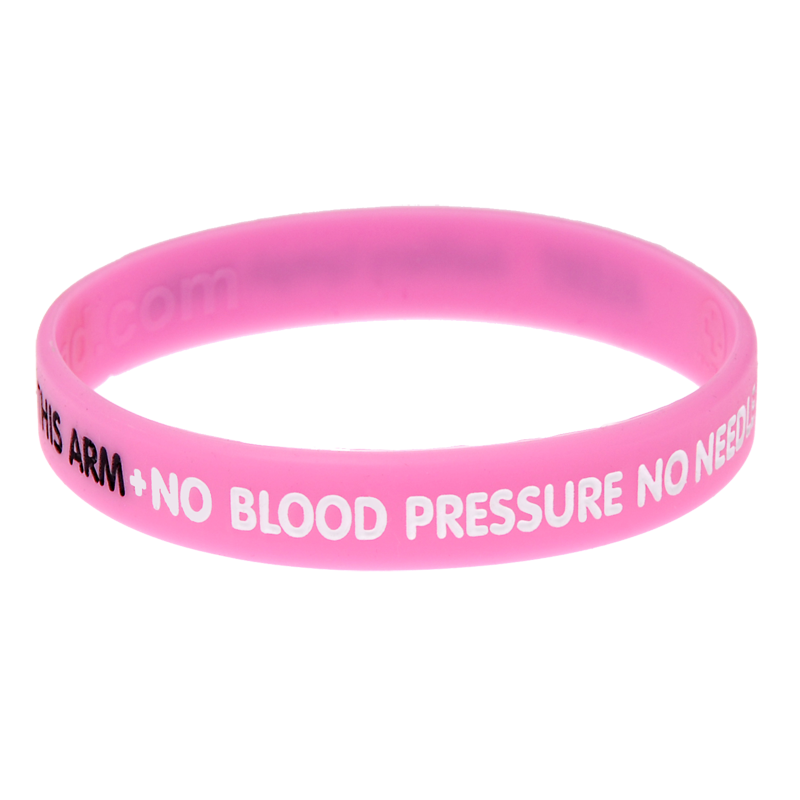
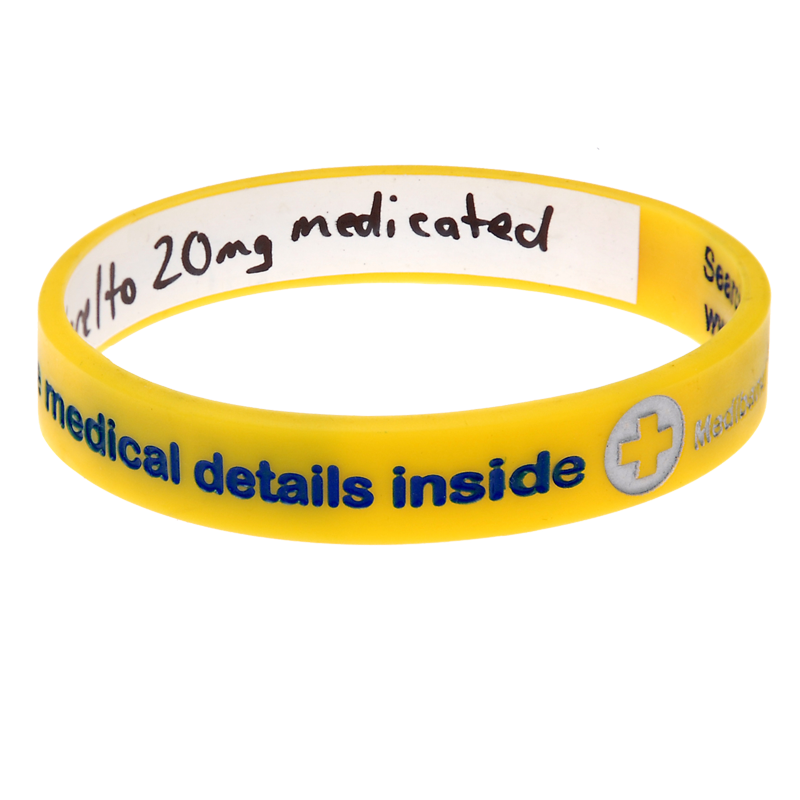
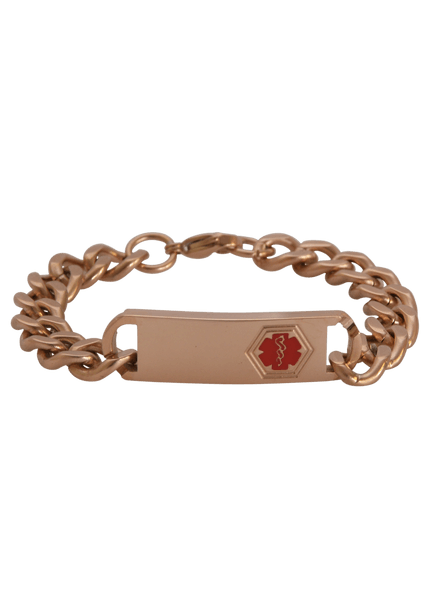
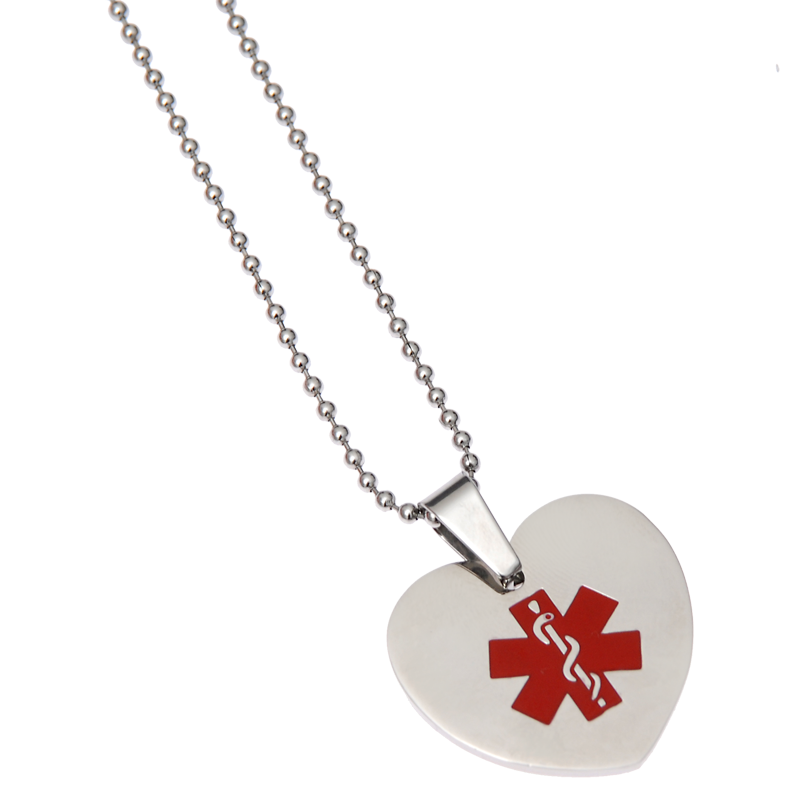
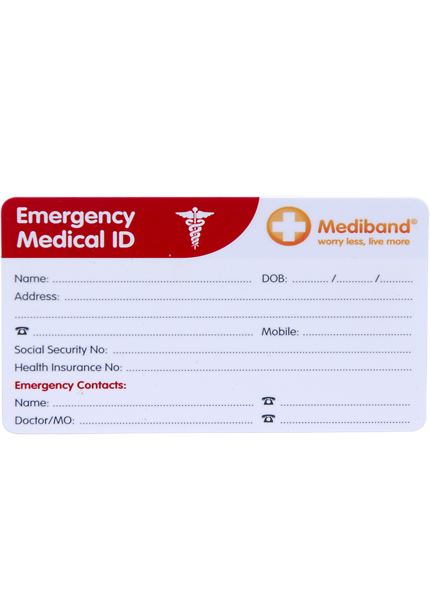
Wearing a medical alert bracelet ensures first responders are aware of your treatment history and any contraindications — such as avoiding blood pressure cuffs or injections in an affected arm. An emergency information wallet card provides additional space for detailed medical notes.
When to See a Doctor
See your GP or a breast specialist promptly if you find anything unusual during self-examination. Most changes will have benign explanations, but early investigation is always the right course of action. Do not wait for your next scheduled appointment if something feels wrong.
Medical Alert Products for Breast Cancer Survivors
Ensure first responders know your treatment history and needs.
Breast self-examination is a simple, private, and powerful habit. Combined with regular professional screenings and a healthy lifestyle, it gives you the best chance of detecting any changes early. Make it part of your monthly routine — and encourage others to do the same.
Frequently Asked Questions
How often should I check my breasts for lumps?
Most health organisations recommend performing a breast self-exam once a month. A consistent routine helps you learn what is normal for your body so you can notice any changes quickly.
What does a cancerous breast lump feel like?
Cancerous lumps are often hard, irregularly shaped, and do not move freely. However, appearances vary — any new or unusual lump should be assessed by a doctor regardless of how it feels.
Can men get breast cancer?
Yes. Although rare, men can develop breast cancer. Men should also check for unusual lumps or skin changes in the chest area and seek medical advice if anything changes.
Why should breast cancer survivors wear a medical alert bracelet?
After surgery or treatment, certain medical procedures — such as blood pressure cuffs or IV lines in an affected arm — can be harmful. A medical alert bracelet alerts emergency responders to these contraindications instantly.

Share on Facebook

Share on X

Share on Pinterest
Comment(s)
Recent Posts
The Risk Of Not Wearing An Allergy Medical Alert Bracelet
March 23, 2026