How Medical Alert Bracelets Help in Real Health Emergencies: 6 Life-Saving Scenarios
September 28, 2020
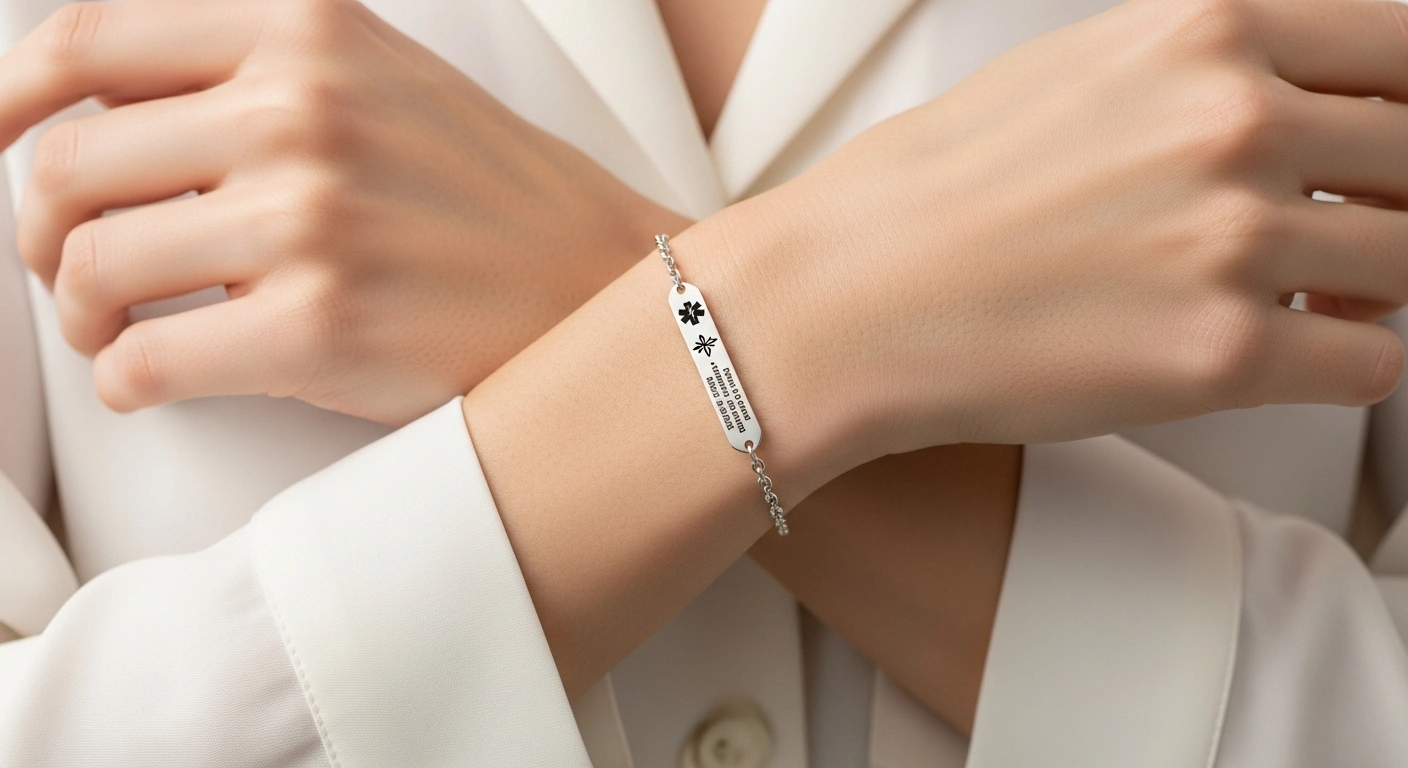
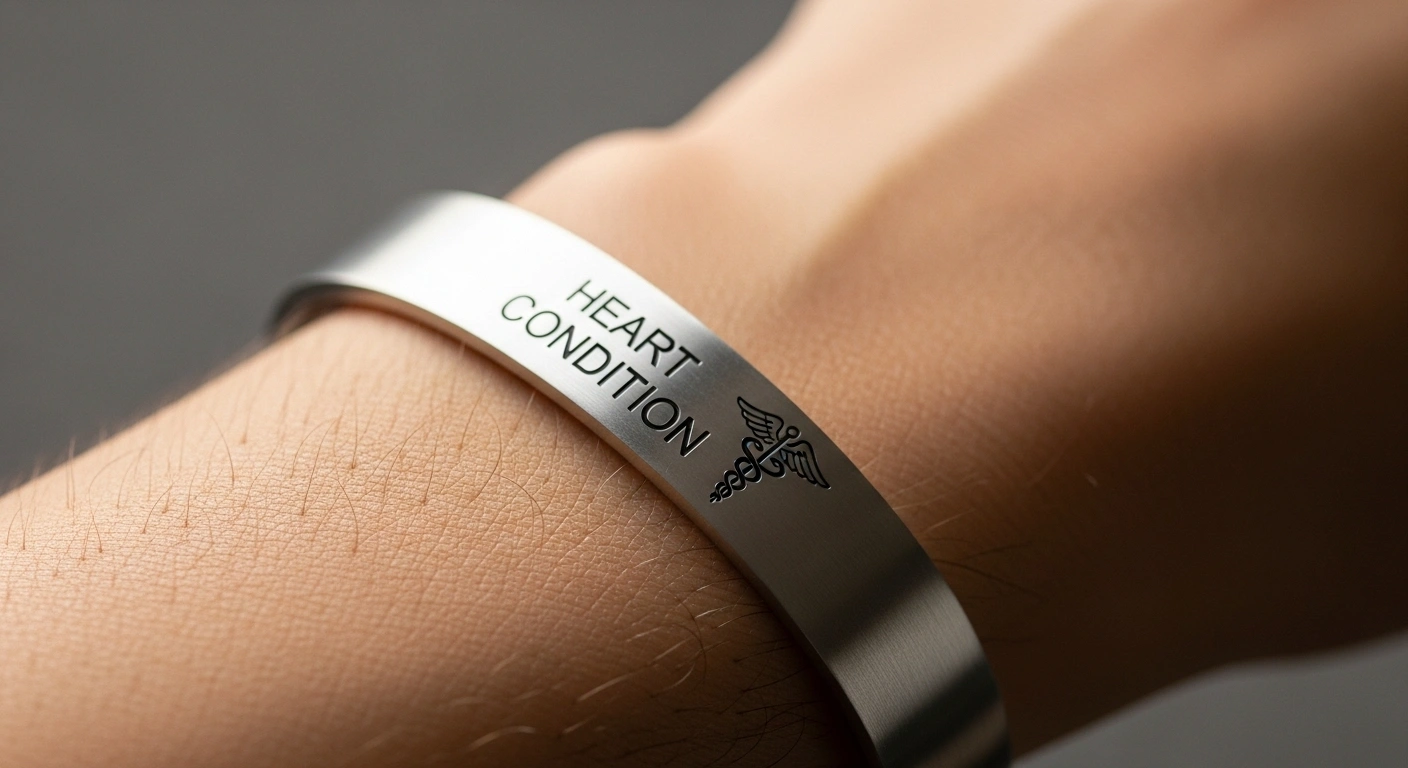
A medical alert bracelet is a simple object — a band on the wrist with text on it. Yet in the right moment, that text can change the entire course of a medical emergency. For people with chronic or serious health conditions, the difference between optimal and incorrect emergency treatment can be measured in minutes. And those minutes can determine outcomes.
This guide explores six real-world scenarios in which a medical alert bracelet directly influences emergency response — changing treatment decisions, preventing dangerous errors, and in some cases, saving lives.
Why First Responders Look for Medical Alert Identification
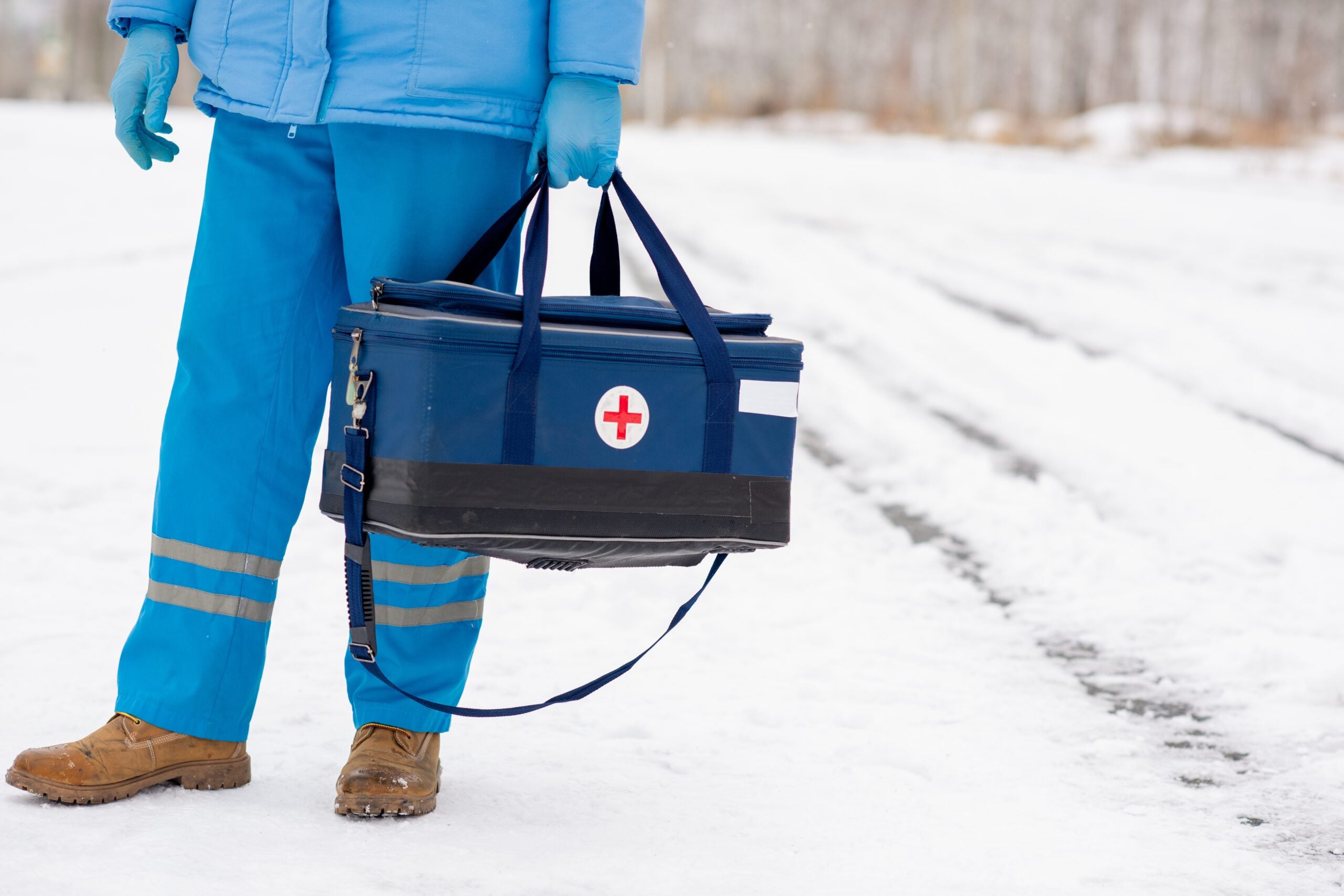
Emergency medical training worldwide includes a systematic approach to patient assessment. One component of this — checking for medical identification — is specifically designed to gather critical health information from patients who cannot communicate. Paramedics, emergency room nurses, and first responders are trained to look at wrists, check wallets for medical cards, and query bystanders for health information before making treatment decisions.
The International Federation of Red Cross and Red Crescent Societies identifies medical identification as part of standard emergency care protocols globally. When a patient is wearing a medical alert bracelet, this check takes seconds and provides immediately actionable information. When no identification is present, responders must rely on bystander information, medical history retrieval, and clinical signs alone — which takes longer and is less reliable.
Scenario 1: Severe Allergic Reaction at a Restaurant
The situation: A person collapses at a restaurant table. Within minutes, they develop hives across their body, their lips swell, and their breathing becomes laboured. They are losing consciousness and cannot speak.
Without a medical alert bracelet: Bystanders call an ambulance. Paramedics arrive, assess the patient, and suspect anaphylaxis — but do not know whether the patient has been prescribed an EpiPen, where it is, or if there are contraindications to adrenaline administration. Precious minutes are spent searching the patient's belongings.
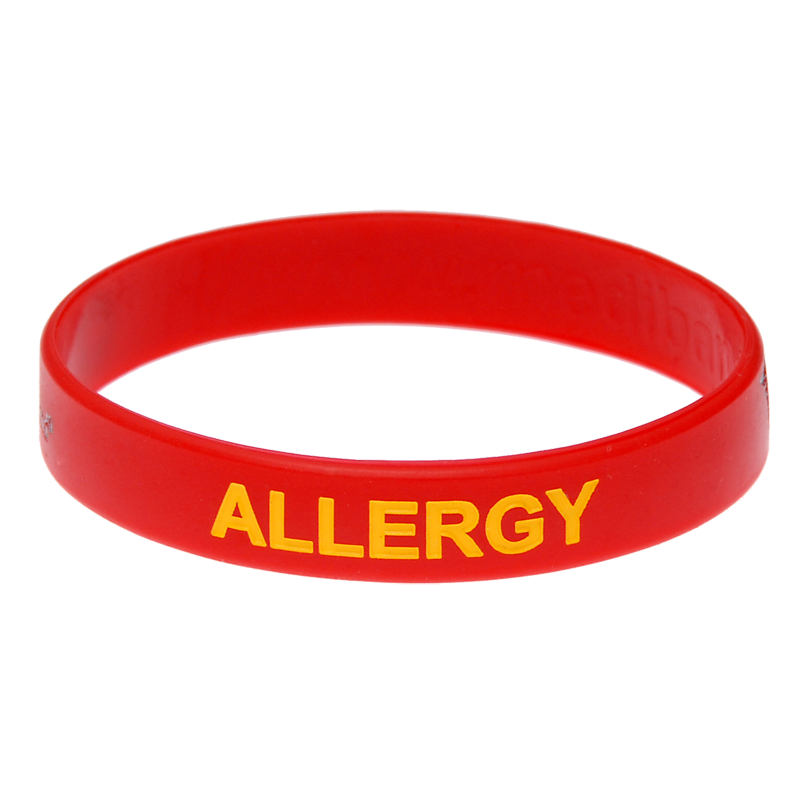
With a medical alert bracelet: The allergy alert bracelet reads "Severe Allergy — Carries EpiPen." A staff member immediately locates the EpiPen in the patient's bag and hands it to the paramedic. Adrenaline is administered within the first minute after paramedic arrival. The patient is stabilised and transported with a clear understanding of the diagnosis.
Anaphylaxis progresses rapidly. Minutes matter. A bracelet that communicates "carries EpiPen" can compress the response time for the single most critical intervention in anaphylaxis.
Scenario 2: Hypoglycaemic Collapse During Exercise
The situation: A person exercising at a park becomes confused, stumbles, and then collapses. Bystanders call emergency services. The person is sweating, pale, and cannot respond to questions coherently.
Without a medical alert bracelet: Paramedics consider multiple possibilities — heat stroke, cardiac event, head injury, drug intoxication. Blood glucose testing occurs, but after a full initial assessment that takes several minutes. Treatment of hypoglycaemia is delayed.
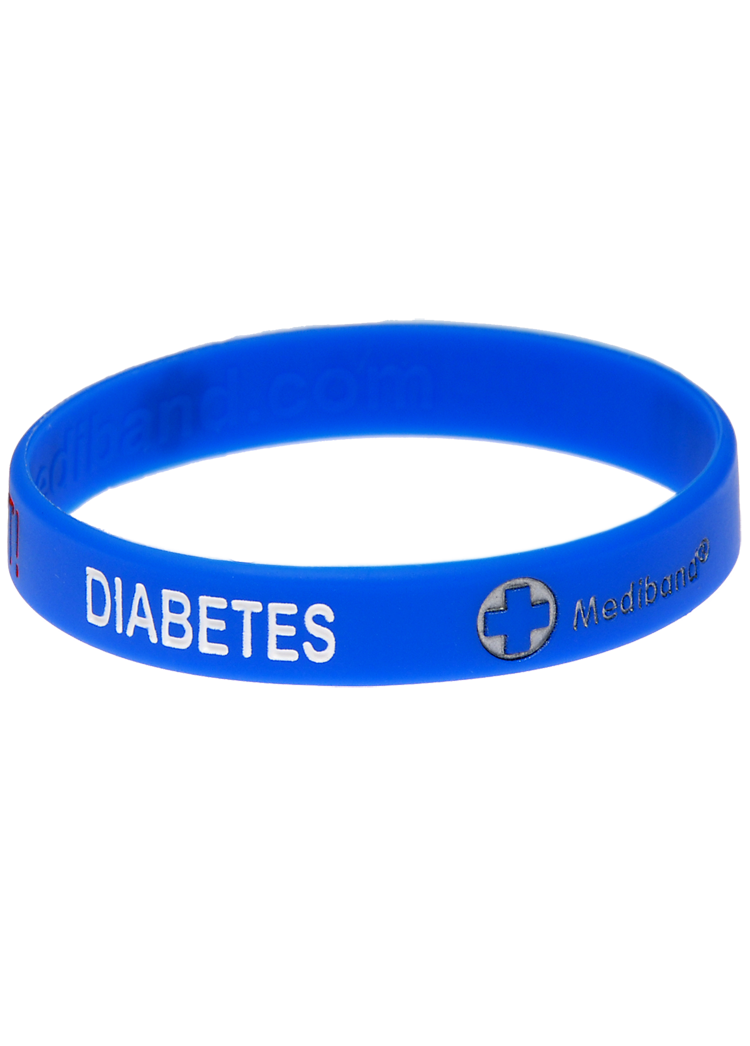
With a medical alert bracelet: The diabetes alert bracelet is visible immediately on the wrist. Paramedics immediately perform a blood glucose test, confirm severe hypoglycaemia, and administer intravenous glucose. The patient regains consciousness rapidly and is assessed without the delays of differential diagnosis.
Prolonged hypoglycaemia causes brain damage. In the time saved by immediate identification, neural injury may be prevented entirely.
Scenario 3: Seizure in a Shopping Centre
The situation: A person has a tonic-clonic seizure in a busy shopping centre. They fall, convulse for approximately two minutes, and then remain unconscious.
Without a medical alert bracelet: Security staff immediately call an ambulance. Well-meaning bystanders try to hold the person still. Some attempt to place objects in the mouth. When paramedics arrive, they assess for first seizure versus known epilepsy, consider potential causes including head trauma, hypoglycaemia, cardiac arrhythmia, or status epilepticus, and plan imaging and admission accordingly.
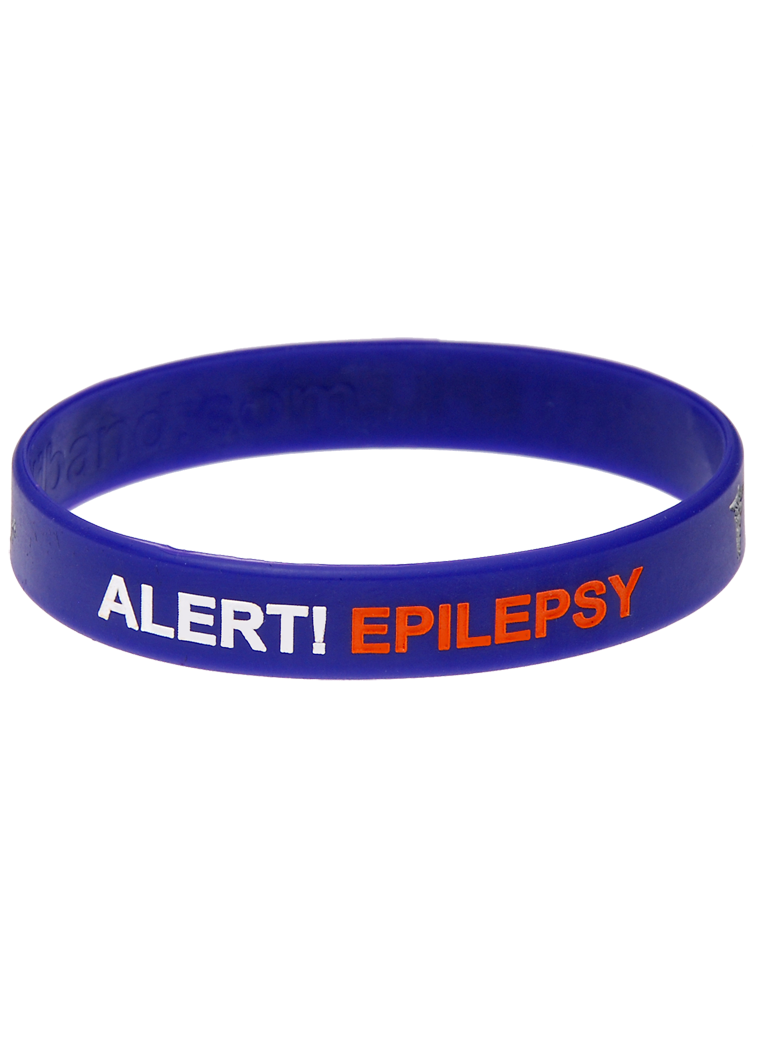
With a medical alert bracelet: The epilepsy alert bracelet guides bystanders — they know not to restrain the person, to time the seizure, and to call for help if it exceeds five minutes. Paramedics identify this as a known condition, assess for status epilepticus (which has not occurred), and manage the post-ictal recovery without initiating the full first-seizure investigation pathway.
Appropriate bystander and responder behaviour during a seizure prevents injury and ensures appropriate — rather than excessive — emergency intervention.
Scenario 4: Injury Following a Fall While on Blood Thinners
The situation: An older person falls down several stairs and sustains a significant head injury. They are conscious but confused. There is visible bleeding from a scalp wound.
Without a medical alert bracelet: Paramedics treat the wound and transport the patient. At the emergency department, anticoagulant status is not known. A standard CT scan is ordered but the team is not initially aware that this patient's risk of intracranial haemorrhage is significantly elevated. The anticoagulant is not identified and reversal is delayed.
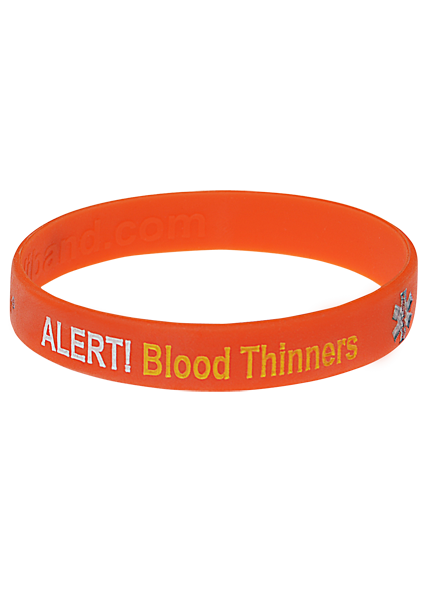
With a medical alert bracelet: The blood thinners alert bracelet immediately identifies the anticoagulation status. The emergency team places this patient on a high-priority head injury pathway, orders urgent CT, and prepares reversal agents even before the scan result is known. Treatment is tailored from the moment of arrival.
Anticoagulant-related intracranial haemorrhage has a high mortality rate without rapid intervention. Immediate identification of anticoagulation status is a direct patient safety measure.
Scenario 5: Cardiac Arrest with Unknown Medical History
The situation: A person collapses in a workplace and cardiac arrest is confirmed. Bystanders begin CPR and an AED is brought. Emergency services are called. The patient has no obvious identification visible.
Without a medical alert bracelet: Paramedics resuscitate without knowledge of the patient's cardiac history, implanted devices, or current medications. They may apply an AED shock without knowing an implantable cardioverter-defibrillator (ICD) is already in place. Medication choices in the resuscitation phase are made without knowing what the patient takes regularly.
With a medical alert bracelet: A bracelet noting "Pacemaker — Do Not Defibrillate Unless Standard Protocols Apply" or "On Warfarin" immediately modifies the resuscitation approach. Pharmaceutical choices in advanced cardiac life support may be adjusted based on known medications. The emergency team has critical information from the moment they arrive.
In cardiac emergencies, treatment decisions happen in seconds. Medical identification that modifies those decisions appropriately is genuinely life-saving.
Scenario 6: Anaphylaxis from a Bee Sting While Hiking Alone
The situation: A person is stung by a bee while hiking in a remote area. They have a known bee sting allergy and always carry an EpiPen. However, they rapidly develop throat swelling and breathing difficulty, and collapse before a hiking companion can reach them.
Without a medical alert bracelet: The companion calls emergency services but cannot immediately explain what has happened. They are not sure whether to use the EpiPen. Responders take several minutes of questioning before understanding the clinical picture.
With a medical alert bracelet: The anaphylaxis alert bracelet reads "Bee Sting Anaphylaxis — Use EpiPen." The companion immediately recognises the crisis, locates the EpiPen, and administers it correctly while waiting for emergency services. The bracelet makes the action clear and removes doubt.
In remote locations where responder arrival may be delayed, a bracelet that empowers bystanders to take the right action can be the difference between survival and a catastrophic outcome.
The Common Thread: Information at the Right Moment
Each of these scenarios illustrates the same principle: the right information, available at the right moment, changes outcomes. Medical alert bracelets exist precisely to ensure that critical health information is never missing at the moment it is needed most.
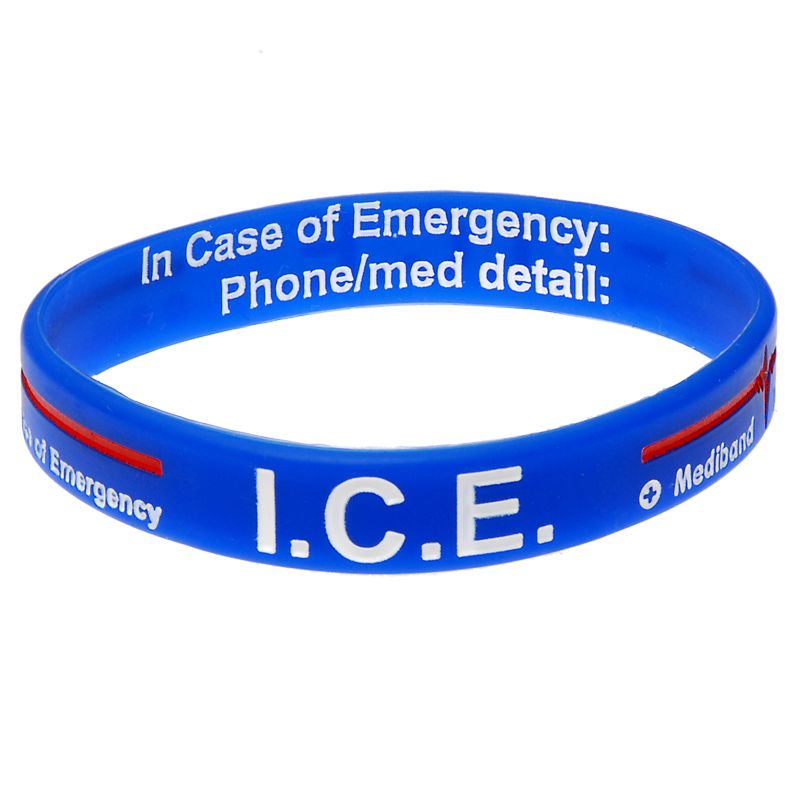
The technology is simple. The information is small — a condition name, a medication, an instruction. But the impact in a medical emergency is profound. An ICE bracelet provides a contact. A condition-specific bracelet provides a diagnosis. A write-on bracelet provides whatever combination of information the wearer needs. Together, they form a communication system that works when every other form of communication has failed.
Medical Alert Bracelets for Health Emergencies
Be ready for any scenario — choose the bracelet that matches your condition.

Choosing the Right Medical Alert Bracelet for Your Scenario
The scenarios above demonstrate that different conditions require different types of identification. A person with a single well-defined condition is best served by a pre-engraved bracelet specific to that condition — clear, professional, and unambiguous. Someone with multiple conditions may need a write-on bracelet that can accommodate more information, or a combination of a bracelet and a medical wallet card.
The most important quality in any medical alert bracelet is that it will be worn. A bracelet that is uncomfortable, unattractive, or inconvenient will end up in a drawer. Choose a style and material you are happy wearing every day, in every situation — because the protection it offers depends entirely on it being there when the emergency happens.
For anyone living with a condition that could create an emergency — which describes millions of people worldwide — a medical alert bracelet is not a luxury or an afterthought. It is an essential piece of safety equipment, as important as a seatbelt or a fire alarm. And like a seatbelt, it only works if you use it.
Frequently Asked Questions
Do paramedics actually check for medical alert bracelets?
Yes. Emergency medical training worldwide includes checking for medical identification as part of the patient assessment process. Paramedics, emergency nurses, and first responders are specifically trained to look at wrists and check for medical alert bracelets on patients who cannot communicate. Wearing a bracelet on the dominant wrist makes it visible and accessible during assessment.
What information is most important to include on a medical alert bracelet?
Prioritise the information that would most change emergency treatment decisions. For most people this is: the primary medical condition (especially if it affects consciousness or behaviour), current medications that affect emergency care (anticoagulants, insulin, anti-seizure medications), known drug allergies, and an emergency contact. A companion medical wallet card can provide additional detail beyond what fits on a bracelet.
Can a medical alert bracelet help bystanders as well as paramedics?
Absolutely. In many emergencies — particularly anaphylaxis, seizures, and hypoglycaemia — the first response comes from bystanders, not paramedics. A bracelet that says "Bee Sting Anaphylaxis — Use EpiPen" empowers a bystander to take the right action immediately. A seizure bracelet tells bystanders not to restrain the person or put anything in the mouth. Bystander action in the first minutes of an emergency often matters as much as the paramedic response.
How do I know which type of medical alert bracelet is right for me?
Consider your primary condition and what a responder needs to know about it. If you have one clear primary condition, a pre-engraved condition-specific bracelet provides professional, permanent identification. If you have multiple conditions, changing medications, or need flexibility, a write-on bracelet allows you to include and update more information. For those who want both style and function, designer reversible bracelets offer condition identification in a more personalised format.

Share on Facebook

Share on X

Share on Pinterest
Comment(s)
Recent Posts
The Risk Of Not Wearing An Allergy Medical Alert Bracelet
March 23, 2026