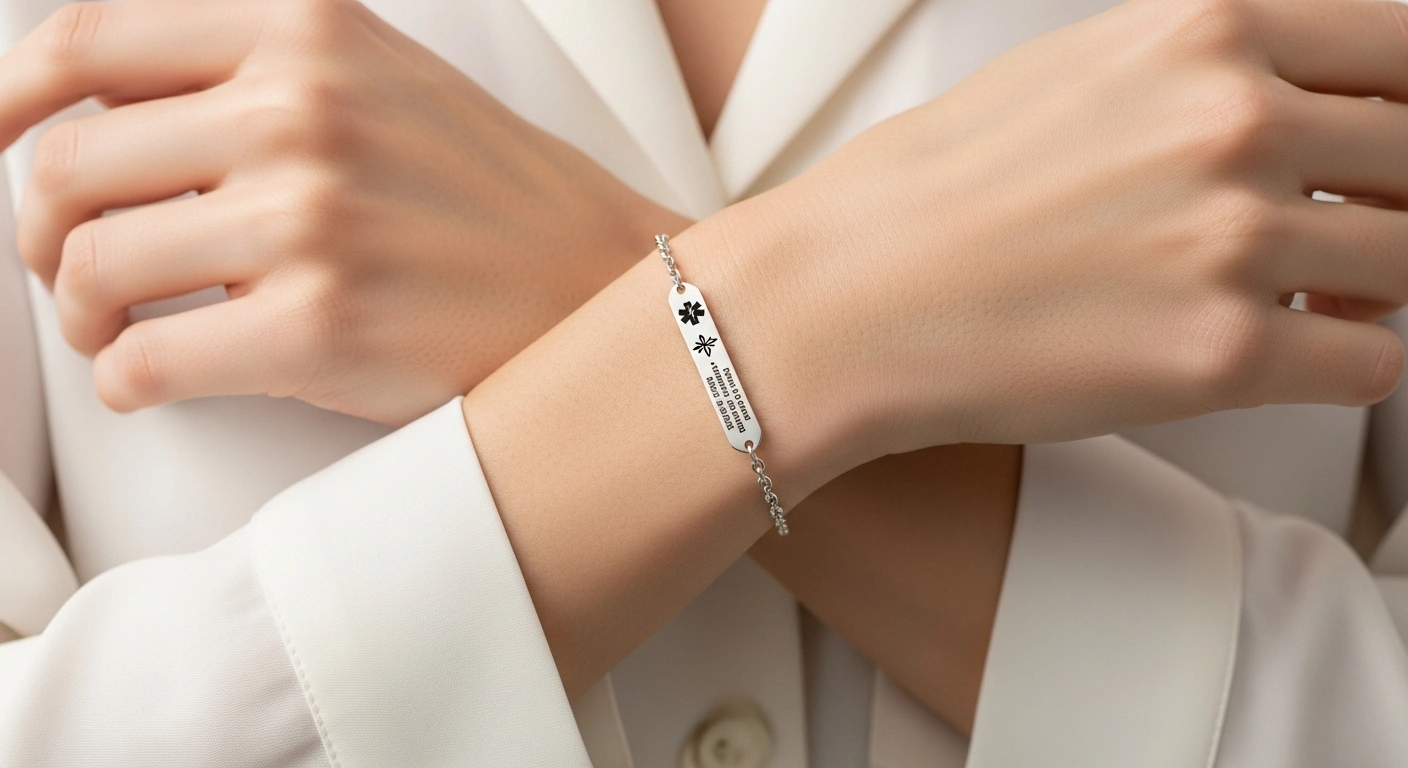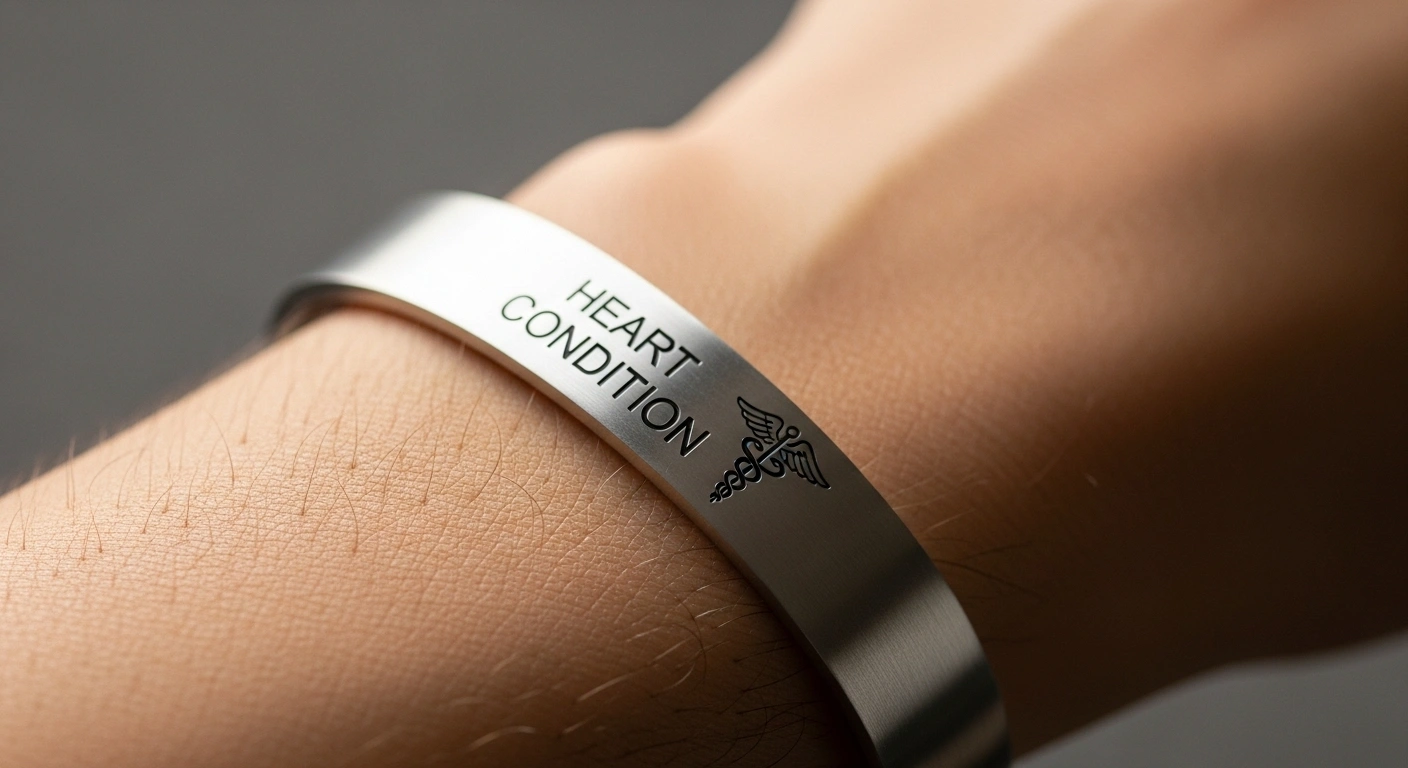
How to Convince a Loved One to Wear a Medical ID Bracelet: A Caring Guide
January 10, 2022

You know they should wear one. They resist. It’s one of the most common and frustrating situations in families navigating a loved one’s medical condition: you understand the very real danger of an unidentified emergency, and they see the bracelet as a badge of illness they’d rather not advertise. According to a study by the American College of Emergency Physicians, medical ID tags are checked by first responders in the first 60 seconds of an emergency — and yet many people with serious conditions still don’t wear them. Here’s how to have the conversation and actually change their mind.
Why People Resist Wearing a Medical Alert Bracelet — and Why It Matters
Resistance to wearing medical ID comes from understandable places. Most people with chronic conditions have worked hard to build an identity that isn’t defined by their diagnosis. A medical bracelet can feel like a public announcement of vulnerability — something that signals “I am sick” to everyone who looks.
Common objections include:
- “It looks ugly and clinical.”
- “It draws attention to my condition.”
- “I don’t need it — I’m always with someone.”
- “I’ll deal with it if something happens.”
- “It won’t fit my lifestyle/job/sport.”
- “I don’t want to think about worst-case scenarios.”
Each of these objections has a respectful, evidence-based answer. The goal isn’t to win an argument — it’s to help them see that wearing a medical alert bracelet is an act of agency and self-care, not a surrender to their diagnosis.
Understand Their Specific Objection First
Before making your case, ask them directly: “What bothers you most about wearing one?” Listen without immediately countering. Understanding the root of their resistance helps you address the actual barrier rather than the surface-level objection.
The Life-Saving Case: What Happens Without Medical ID in an Emergency
Sometimes the most effective approach is simply sharing what emergency scenarios actually look like when medical ID isn’t present. Without a medical alert bracelet, first responders have to treat a patient as “unknown” — making conservative, general decisions while trying to obtain information.
This can mean:
- Administering medications they’re allergic to, because the allergy wasn’t known
- Treating a diabetic low as intoxication, delaying life-saving glucose administration
- Applying defibrillator protocols to someone with a pacemaker, potentially causing harm
- Delaying treatment while trying to contact next of kin or access records
A 2019 review in Emergency Medicine Journal found that delayed identification of patient medical history in emergency settings was a significant factor in adverse outcomes. A medical alert bracelet eliminates that delay.
Share a Specific Story
Real stories are more persuasive than statistics. Search for first-hand accounts from people whose medical ID bracelet made a difference — paramedics who found a life-saving allergy listed, or diabetics who were correctly identified and treated quickly because of their bracelet. These are widely documented and accessible. Sometimes one story lands where months of general concern hasn’t.
Medical Bracelets They'll Actually Want to Wear
Stylish, subtle, and safe — medical alert bracelets designed for real life, not just emergencies.
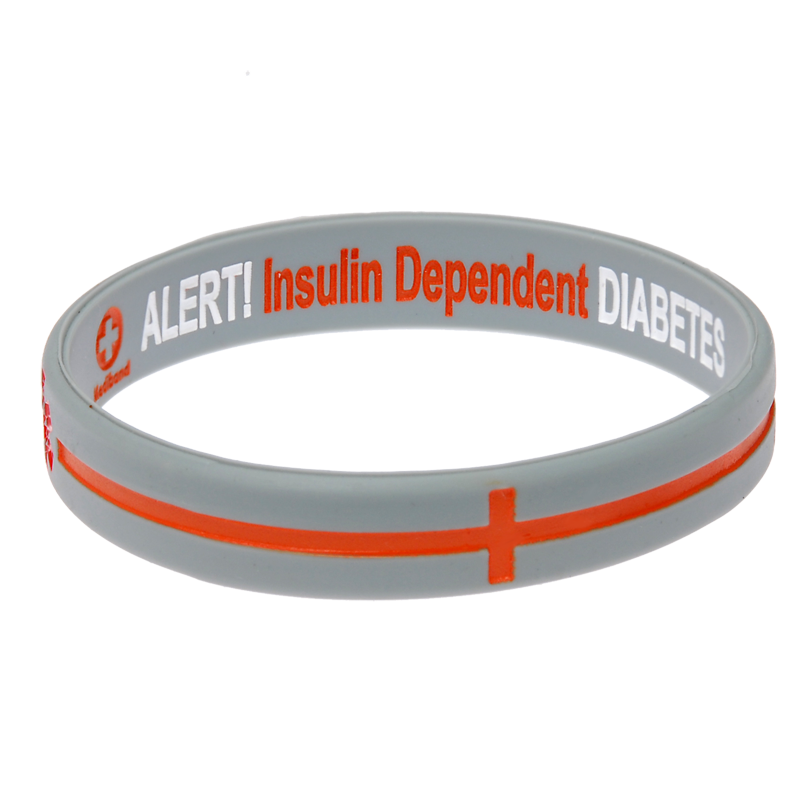


The Style Objection: Modern Medical Alert Bracelets Are Actually Attractive
The single most common reason people refuse to wear a medical alert bracelet is that they think it will look ugly. This objection was much more valid twenty years ago, when medical IDs were essentially clinical-grade stainless steel tags. Today, that argument simply doesn’t hold.
Modern medical alert bracelets come in dozens of styles to suit every personality:
- Stainless steel and rose gold: Sleek, jewellery-grade designs that look like a premium accessory
- Reversible coloured bands: Vibrant, sporty styles that can match their wardrobe or favourite team colours
- Slim profiles: Low-profile designs that sit close to the wrist and don’t feel bulky
- Custom designer options: Personalised designs with their choice of colours and finishes
Try this approach: browse the full Mediband range together with your loved one and let them pick a design they actually like. When someone has chosen their own bracelet — one that reflects their taste — the resistance to wearing it drops dramatically.
Addressing the “I Don’t Need It” Objection
Many people believe that because they’re usually with someone who knows their history, they don’t need a medical ID. The flaw in this logic: emergencies are, by definition, unpredictable. Your loved one might be alone at the gym. They might be driving solo. The person they’re with might be incapacitated in the same incident.
A key question to ask: “Does the person who would call an ambulance for you know every medication you take and every condition you have?” Most people pause at this. Even close partners are often unaware of the full list of medications or the specific details that emergency responders need.
A medical alert bracelet doesn’t replace a companion — it works alongside one, and works alone when needed.
Practical Strategies That Actually Work
Make It a Gift
Giving a medical alert bracelet as a gift — on a birthday, holiday, or “just because” — removes the clinical transaction from the equation. When it arrives beautifully packaged with a heartfelt note, it’s received as an act of love rather than a safety lecture. Choose a style you know they’ll love. The stainless steel or rose gold options look and feel like quality jewellery.
Start Small: Ask Them to Wear It for a Week
Rather than asking for an open-ended commitment, ask them to try wearing it for just one week. People often find that after a few days, they barely notice it. The comfort-level builds, and what felt like an intrusion becomes a natural part of their daily routine.
Ask the Doctor to Recommend It
Sometimes a recommendation from a trusted medical professional lands better than one from a family member. If your loved one’s GP or specialist mentions a medical alert bracelet, the response is often entirely different. Ask their doctor at the next appointment if they could discuss medical ID as part of their condition management plan.
Show Them How It Protects Their Dignity in an Emergency
Frame it as preserving agency, not surrendering it. A person with diabetes who has a hypoglycaemic episode in public risks being misidentified as intoxicated — a deeply undignified experience. A medical alert bracelet ensures that in any emergency, they are treated as the specific individual they are, with the specific care they need. That’s not a badge of illness — that’s a declaration of self-advocacy.
The Conversation Worth Having — Again If Needed
This may not be a one-conversation solution. Your loved one may need time, or a near-miss event, or a changed perspective before they’re ready to wear a medical ID. Keep the conversation gentle and non-confrontational. Return to it periodically. And when the time comes, make sure you know exactly where to find the right bracelet for them — one they’ll genuinely wear. Explore the full range of medical alert bracelets at Mediband, including stainless steel and designer custom options.
Frequently Asked Questions
How do I convince someone to wear a medical alert bracelet?
Start by understanding their specific objection — whether it's aesthetics, reluctance to draw attention to their condition, or a belief that they don't need one. Then address that objection directly: show them modern stylish designs, share real emergency scenarios where medical ID made a difference, and offer to let them choose a design they like. Giving it as a gift often works well, removing the clinical feel from the decision.
Are medical alert bracelets stylish enough to wear every day?
Absolutely. Modern medical alert bracelets look nothing like the clinical tags of past decades. Mediband offers sleek stainless steel designs, elegant rose gold options, vibrant reversible coloured bands, and custom designer styles. Many people wear them as everyday jewellery and receive compliments, with no one realising they're a medical ID unless they look closely.
Can a medical alert bracelet be worn during sport or at work?
Yes. Many medical alert bracelets are designed for active wear — silicone bands are comfortable, waterproof, and durable for sport. Stainless steel options are professional enough for work environments. If your loved one has lifestyle-specific concerns, choosing a design matched to their activities makes it much easier for them to keep it on throughout the day.
Why do first responders check for medical alert bracelets?
Emergency responders are trained to check for medical ID within the first 60 seconds of attending a patient. The bracelet provides critical information — medical conditions, key medications, and allergies — that can directly change the treatment given. Without this information, paramedics must make general decisions that may be wrong for that individual, potentially causing harm.

Share on Facebook

Share on X

Share on Pinterest
Comment(s)
Recent Posts
The Risk Of Not Wearing An Allergy Medical Alert Bracelet
March 23, 2026