How to Help an Elderly Relative Stay Independent: A Practical Guide
January 31, 2022

Watching a parent or elderly relative slow down is one of the most emotionally complex experiences in adult life. You want to help — but you also want to respect their independence, their pride, and their right to make their own choices. According to the World Health Organization, the global population aged 60 and over will reach 2.1 billion by 2050, meaning the challenge of supporting elderly loved ones while preserving their autonomy is one every family will face. The good news: with the right strategies, tools, and conversations, you can help an elderly relative live safely and independently for much longer than you might think.
This practical guide covers everything from home safety modifications and technology to the often-overlooked role of medical identification in emergency preparedness for older adults.
Why Independence Matters So Much to Elderly People — and Why You Should Protect It
For most older adults, independence isn’t just a preference — it’s central to their sense of dignity, purpose, and wellbeing. Research published in The Gerontologist (2021) consistently shows that elderly people who maintain control over their daily routines report significantly higher quality of life than those who feel their autonomy has been removed, even when the latter receive more practical care.
This means that how you support an elderly relative matters as much as what support you provide. Framing safety measures as tools for independence — rather than admissions of decline — makes them far easier for older adults to accept and use.
Start with a Respectful Conversation
Before making any changes to your relative’s home or routine, have an honest conversation. Ask what concerns them about their own safety. Ask what activities they most want to continue. Listen more than you speak. This conversation plants the seeds for cooperation rather than resistance.
Involve Them in Every Decision
Even when you’re the one researching options, bring those options to your relative and let them choose. Whether it’s selecting a grab rail style or choosing a medical alert bracelet design, involvement preserves agency and increases the likelihood they’ll actually use what you set up.
Home Safety Modifications That Enable Independence
Falls are the leading cause of injury-related hospitalisation in older adults, with the WHO estimating that approximately 684,000 people die from falls globally each year. Most falls in elderly people occur at home, and many are preventable with simple modifications.
Priority Areas to Address
- Bathroom: Install grab rails near the toilet and inside the shower/bath. Use a shower chair and non-slip mat. Replace round door handles with lever-style handles.
- Hallways and stairs: Ensure handrails are secure on both sides of stairs. Remove trip hazards like loose rugs. Ensure good lighting, especially at night.
- Kitchen: Frequently used items at waist height. Non-slip mats in front of the sink. Easy-open lever taps. A high stool for preparation tasks.
- Bedroom: Bed rail to assist getting up. Bedside lamp and phone within reach. Clear path to bathroom with nightlight.
Medical Alert Bracelets for Elderly Safety
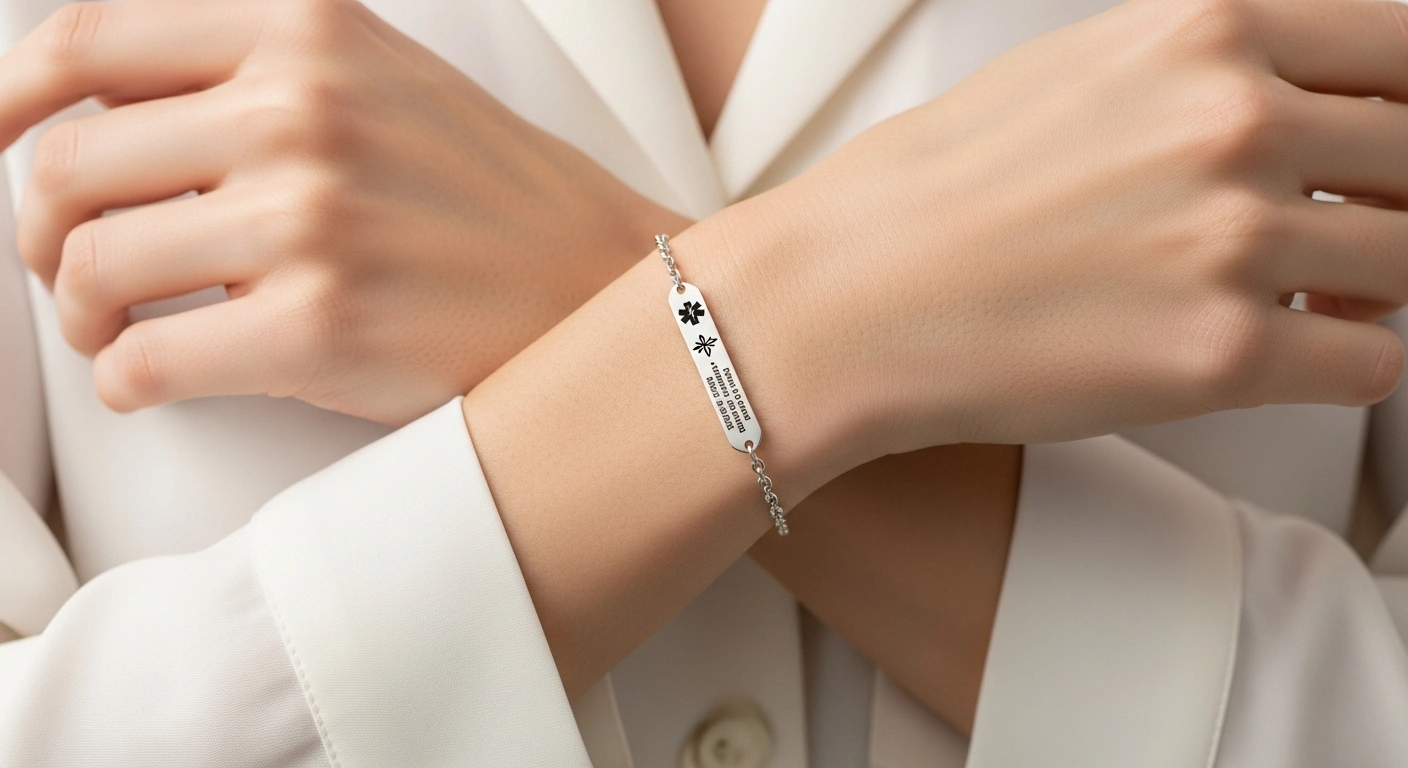
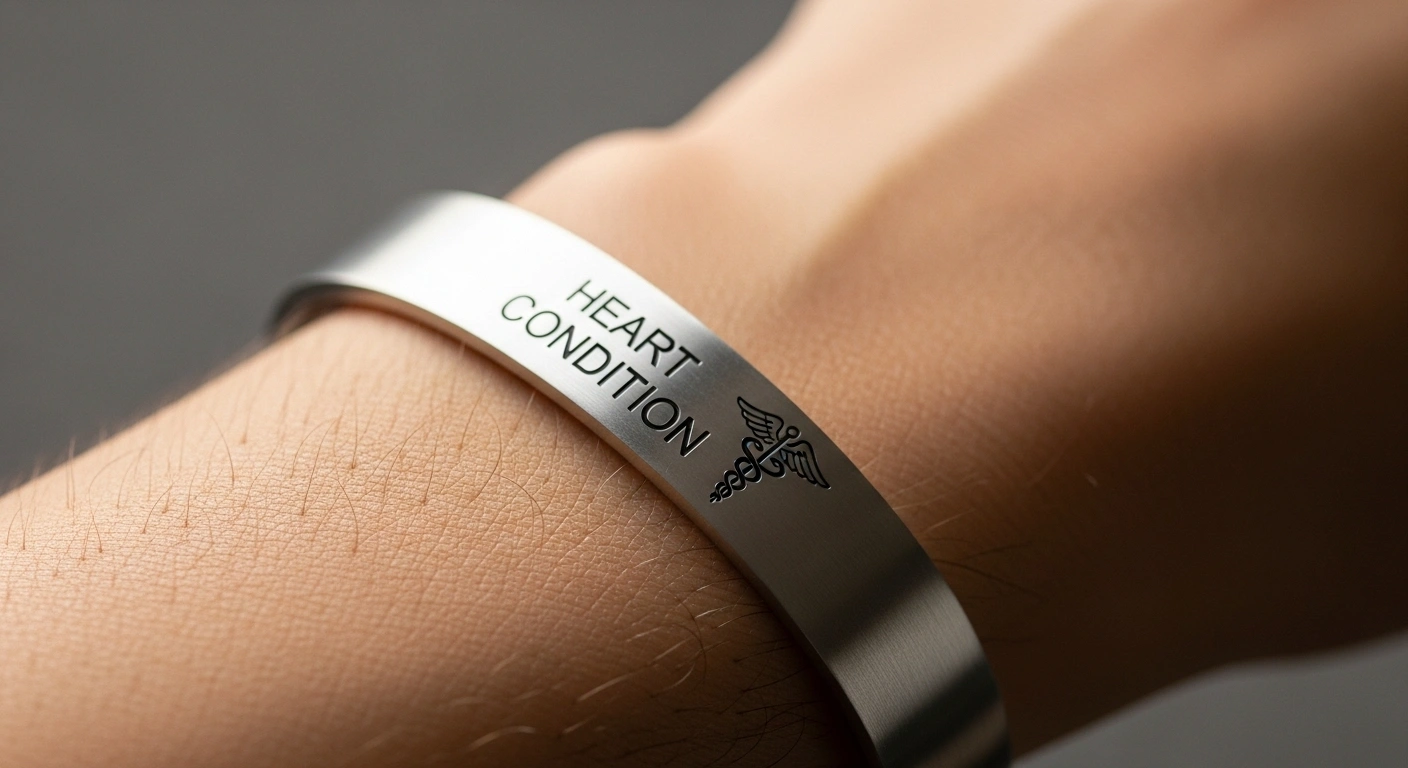
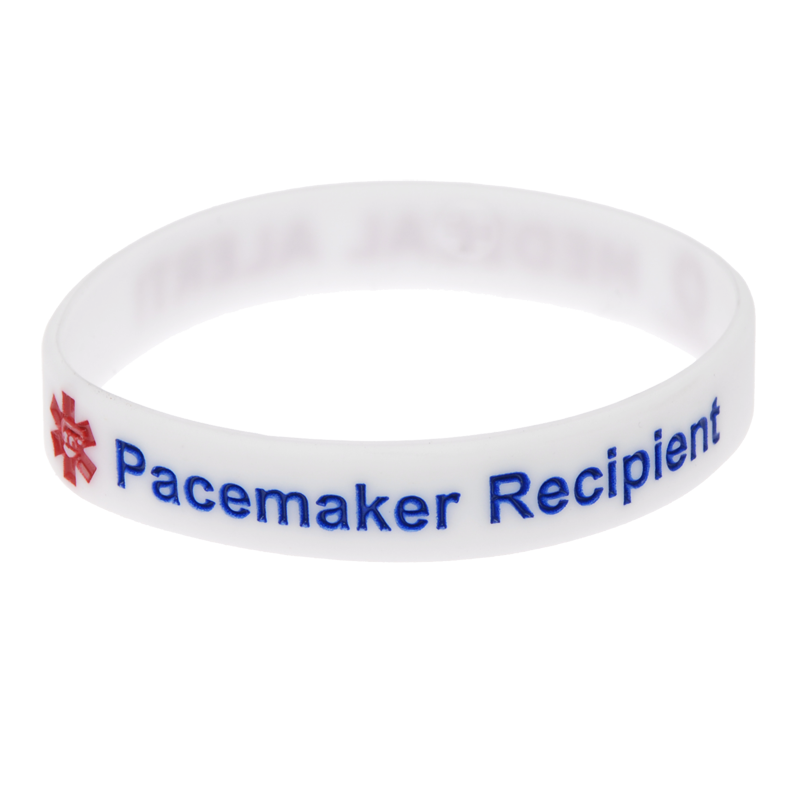
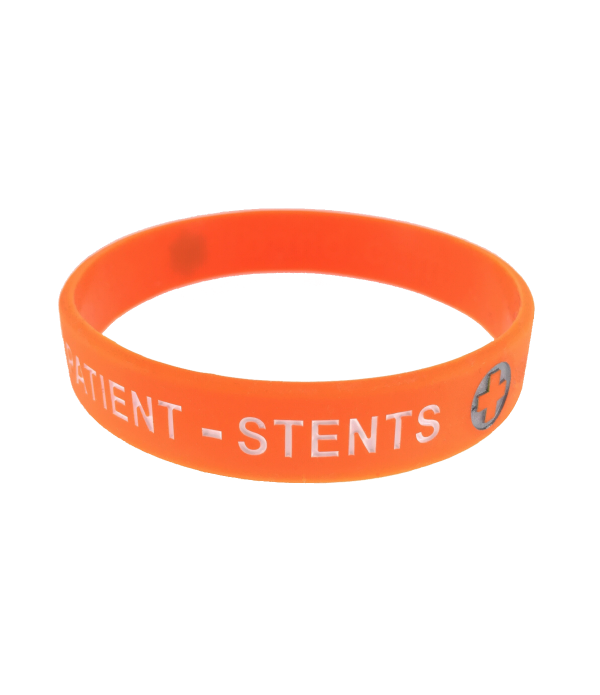
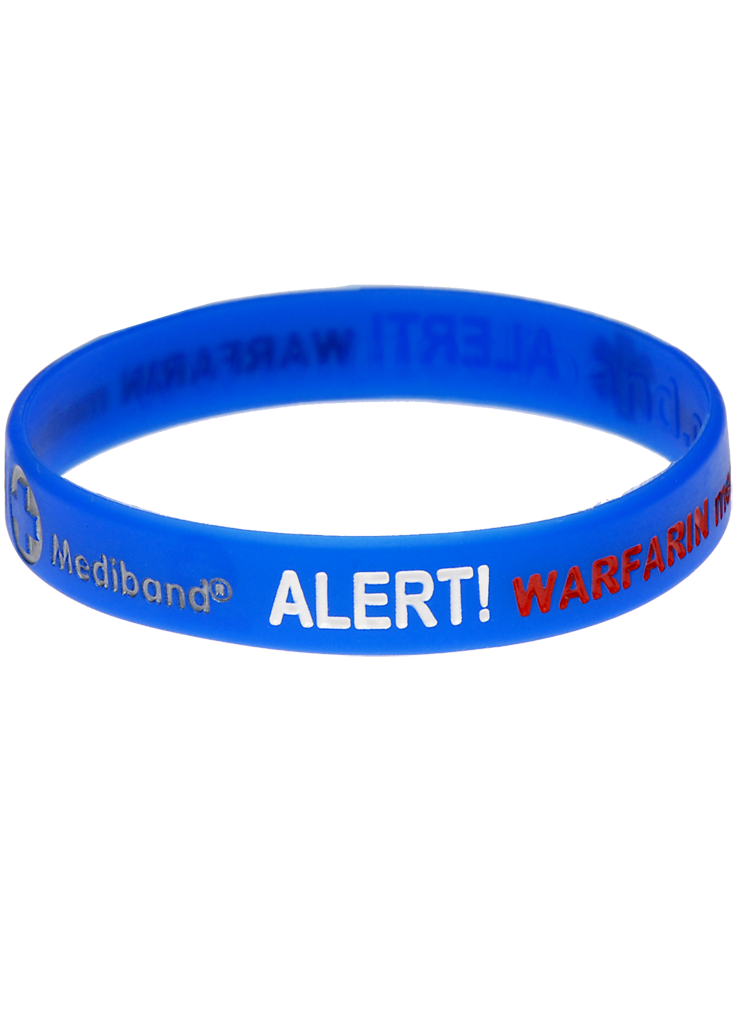
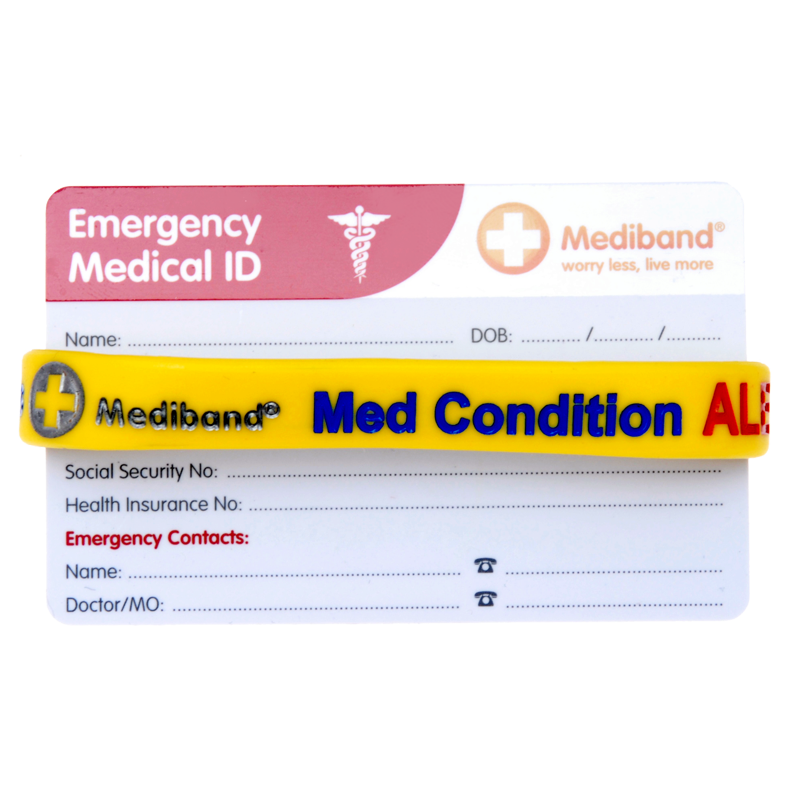
In an emergency, a medical ID bracelet tells first responders everything they need to know — instantly.
The Role of Medical Alert Bracelets in Elderly Safety
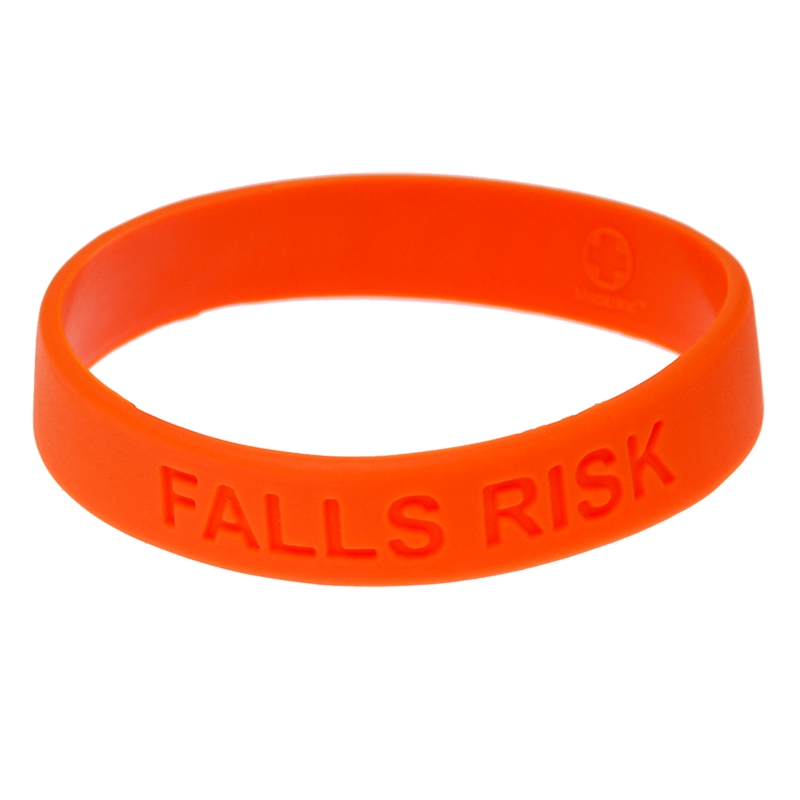
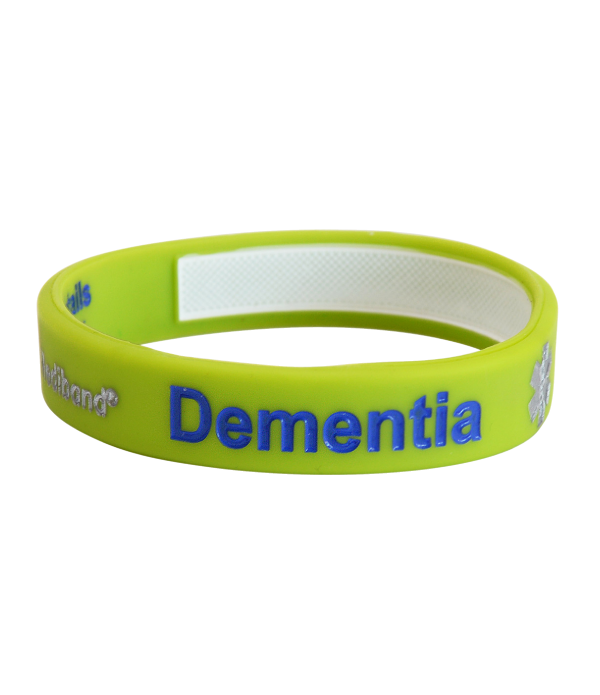
One of the most impactful — and often overlooked — tools for elderly safety is a medical alert bracelet. As people age, they are increasingly likely to be living with conditions such as heart disease, diabetes, dementia, or pacemakers that emergency responders need to know about immediately. A medical alert bracelet communicates this information even if your relative is unconscious, confused, or unable to speak.
Consider these specific scenarios where a medical ID bracelet is critical for an elderly person:
- A fall with a head injury: If they take blood-thinning medication, paramedics need to know immediately to adjust treatment.
- A cardiac event: A pacemaker bracelet tells first responders to avoid certain defibrillator protocols that could interfere with the device.
- A dementia episode away from home: A medical ID with their name and an emergency contact number helps them be identified and safely returned home.
Many older adults resist the idea at first, seeing it as an admission of frailty. Frame it differently: a medical ID bracelet is something active, capable people wear precisely because they live full lives and want to be safe while doing so. Browse Mediband’s full range of medical alert bracelets — stylish, comfortable designs that don’t look clinical.
Technology That Supports Elderly Independence
A growing range of technology is available to help elderly people live more safely and independently, without requiring constant family supervision.
- Personal alarm systems: Wearable devices or home-based buttons that alert a monitoring centre or family member if your relative needs help. Particularly valuable for people who live alone.
- Smart home assistants: Voice-activated devices (like Amazon Echo or Google Home) allow elderly people to make calls, set medication reminders, and control lights without needing to navigate a phone or get up unnecessarily.
- Medication dispensers: Automatic pill dispensers that beep at medication times and dispense the correct dose can prevent both missed medications and dangerous double-dosing.
- Video calling: Regular video calls maintain connection and let you observe your relative’s condition without being intrusive. Devices with large buttons and simple interfaces work best.
- GPS trackers: For relatives with dementia who may wander, a discreet GPS tracker provides enormous peace of mind for the whole family.
Supporting Mental and Social Wellbeing
Physical safety is only part of the picture. Social isolation is one of the most significant health risks facing older adults. A 2020 report by the National Academies of Sciences, Engineering, and Medicine found that social isolation is associated with a 50% increased risk of dementia, a 29% increased risk of heart disease, and a 32% increased risk of stroke in older people.
Supporting your elderly relative’s social life is therefore a health imperative, not a luxury. Consider:
- Connecting them with local senior social groups or community centres
- Arranging regular visits from family members on a rotating schedule
- Encouraging existing friendships and facilitating transportation when driving is no longer possible
- Exploring volunteer or part-time activities that give them purpose and routine
When It’s Time to Consider Additional Support
Despite the best home modifications and technology, there may come a time when your elderly relative needs more structured support. Signs that additional help is needed include: repeated falls, significant memory changes, difficulty managing medications, trouble with self-care, or expressed loneliness or anxiety.
Home care services, respite care, or assisted living facilities are not admissions of failure — they are expansions of the support network. Involve your relative in these conversations at every stage, and move at their pace where safely possible.
Wherever your relative is in this journey, a medical alert bracelet from Mediband remains one of the most consistently useful safety tools they can have. It requires no charging, no Wi-Fi, and no app — it simply works, every moment of every day.
Frequently Asked Questions
How can I help my elderly parent stay independent without offending them?
Start with a respectful conversation about their concerns and goals, not yours. Frame safety tools as enabling independence — not limiting it. Involve them in every decision, from choosing grab rail styles to selecting a medical alert bracelet design. When they feel in control of the changes, resistance drops significantly. Follow their pace and prioritise changes they agree are needed.
At what age should an elderly person get a medical alert bracelet?
Age is less relevant than health status. Anyone living with a condition that could affect how they should be treated in an emergency — including diabetes, heart conditions, dementia, pacemakers, blood thinners, or severe allergies — should wear a medical alert bracelet at any age. For elderly people who may be at greater risk of falls or medical events, a medical ID is particularly important.
What should an elderly person have on their medical alert bracelet?
Include their most critical medical conditions, key medications (especially blood thinners or insulin), severe allergies, and an emergency contact name and phone number. If they have dementia or cognitive impairment, their own name and address can also be valuable. Keep the information concise and prioritise what first responders most urgently need to know.
How do I make my elderly relative's home safer without major renovations?
Many effective changes are simple and low-cost: remove loose rugs, ensure good lighting throughout the home, install a rubber non-slip mat in the shower, add a grab rail beside the toilet, place frequently needed items at accessible heights, and ensure a clear path between the bedroom and bathroom at night. These modifications significantly reduce fall risk without requiring structural changes.

Share on Facebook

Share on X

Share on Pinterest
Comment(s)
Recent Posts
The Risk Of Not Wearing An Allergy Medical Alert Bracelet
March 23, 2026