
Living with a Compromised Immune System: Essential Safety Tips and Medical ID Guide
December 15, 2020
1

Living with a compromised immune system requires a level of daily vigilance that most people never have to consider. Whether your immunosuppression is caused by an autoimmune disease, cancer treatment, organ transplantation, or a primary immunodeficiency disorder, the risks of everyday infections are amplified — and so is the importance of clear medical identification.
According to the World Health Organisation, immunocompromised individuals are among the highest-risk groups for severe outcomes from infections that healthy individuals manage without difficulty. Understanding your risk and communicating it effectively is essential.
What Does Immunocompromised Mean?
An immunocompromised or immunosuppressed person has a weakened immune system that is less able to fight off infections, viruses, and bacteria. This can be caused by: HIV/AIDS, cancer and chemotherapy, organ or stem cell transplantation, long-term corticosteroid or immunosuppressive medication use, autoimmune conditions such as lupus or rheumatoid arthritis, diabetes, malnutrition, and primary immunodeficiency disorders (genetic conditions that affect immune function from birth).
Daily Safety Strategies
Infection Control at Home
Frequent, thorough handwashing is the single most effective measure for preventing infections. Wash hands before eating, after using the bathroom, after contact with animals, and when returning home from public places. Keep commonly touched surfaces clean, and use your own utensils and towels when possible.
Food Safety
Immunocompromised individuals should follow food safety guidelines carefully: avoid raw or undercooked meats and fish, unpasteurised dairy, raw sprouts, and soft cheeses made from unpasteurised milk. Wash all fruit and vegetables thoroughly. Follow "best before" and "use by" dates strictly.
Vaccination Considerations
Some vaccines are safe and recommended for immunocompromised individuals; others (live attenuated vaccines) may be contraindicated. Always consult your specialist before any vaccination. Ensure that family members and close contacts are up to date with their own vaccinations to reduce your exposure risk.
Avoiding Known Triggers
Identify and avoid situations with known exposure risks where possible. This may include crowded indoor spaces during high infection seasons, contact with sick individuals, and environments with poor ventilation.
Managing Medications
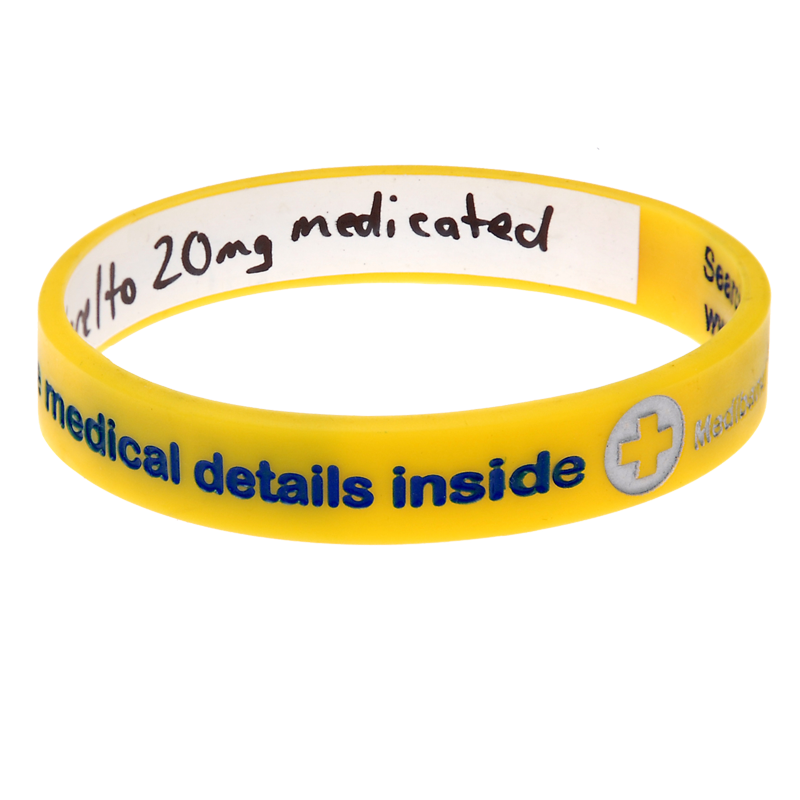
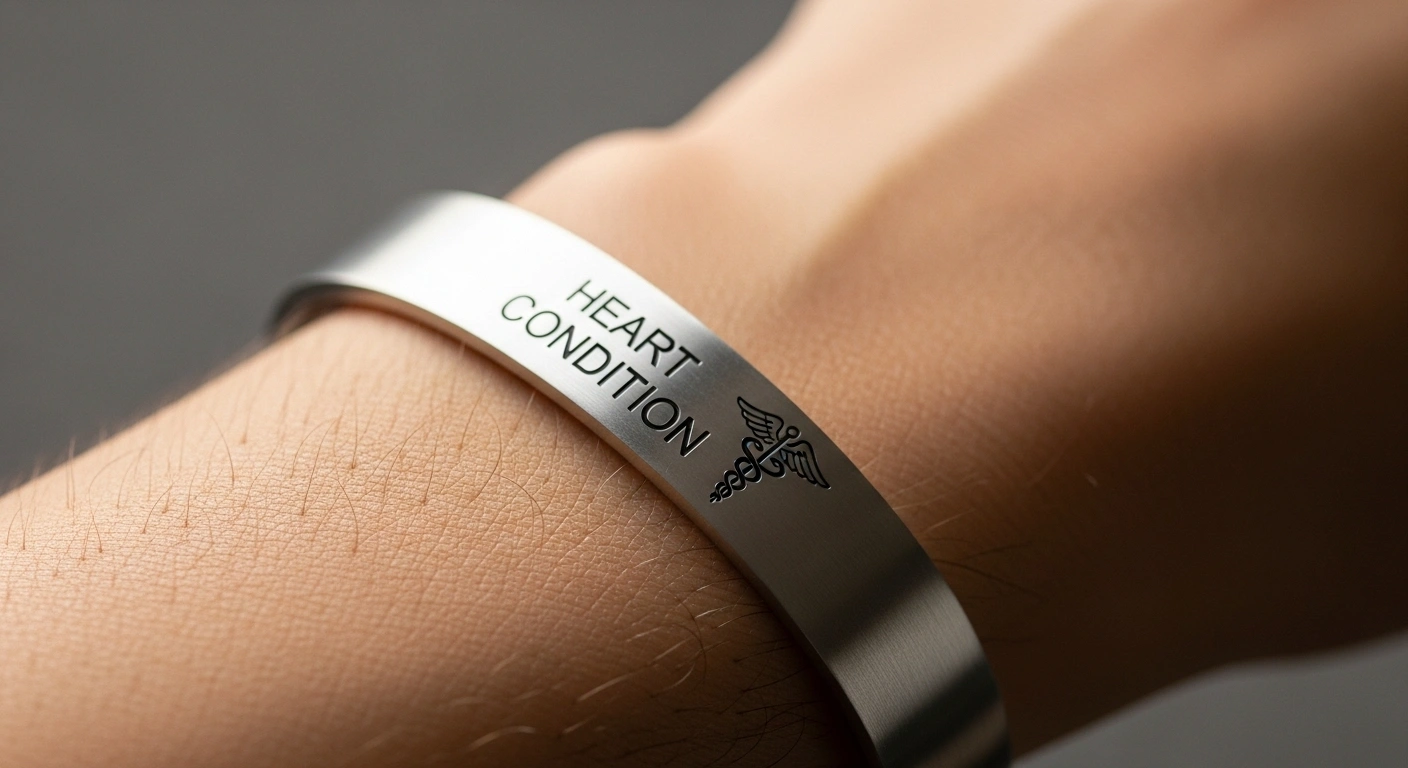
Many immunocompromised individuals take multiple medications that interact in complex ways. A reversible write-on medical bracelet allows you to note your primary condition and key medications — especially corticosteroids, which require special emergency dosing protocols.
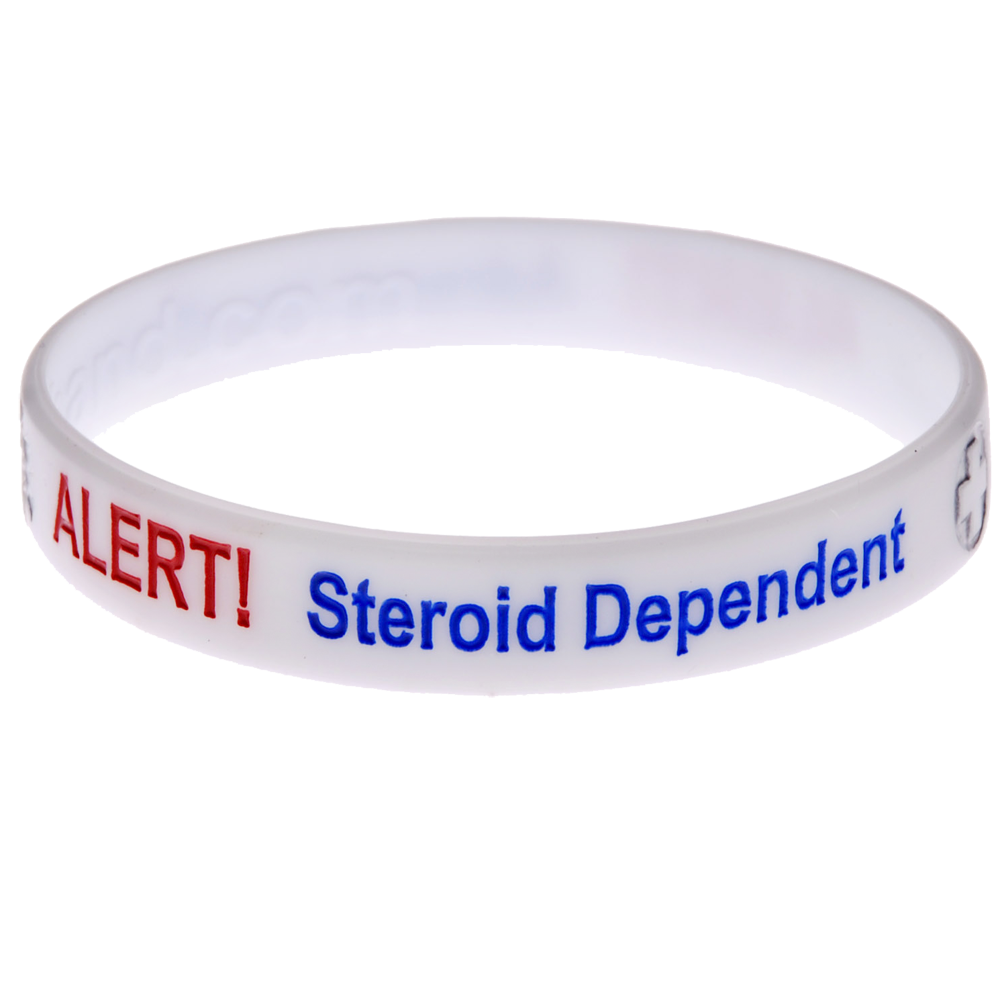
For those with steroid dependency, an adrenal insufficiency/steroid dependent medical bracelet is critical: abrupt steroid withdrawal or missed doses during a medical crisis can cause adrenal crisis — a life-threatening emergency. First responders who see this bracelet know to prioritise steroid replacement.
Drug Allergies and Contraindications
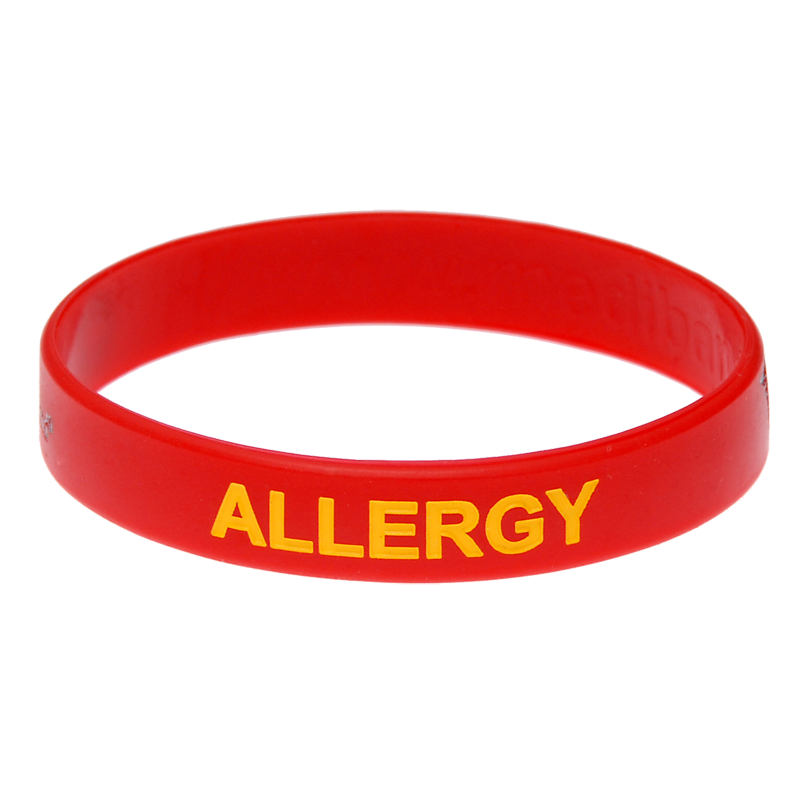
Immunocompromised individuals are often prescribed specific antibiotics that may differ from standard empirical treatment. If you are allergic to common antibiotics such as penicillin, a penicillin allergy bracelet ensures this is never overlooked in an emergency. A general drug allergy alert bracelet alerts staff that your medication profile needs to be checked carefully before treatment.
Emergency Identification: What Responders Need to Know
In any medical emergency, first responders make rapid decisions about treatment. For an immunocompromised person, these decisions have additional layers of complexity: standard medications may be contraindicated, your immune response to treatment may differ, you may require isolation protocols, and your steroid medication may need emergency dosing.
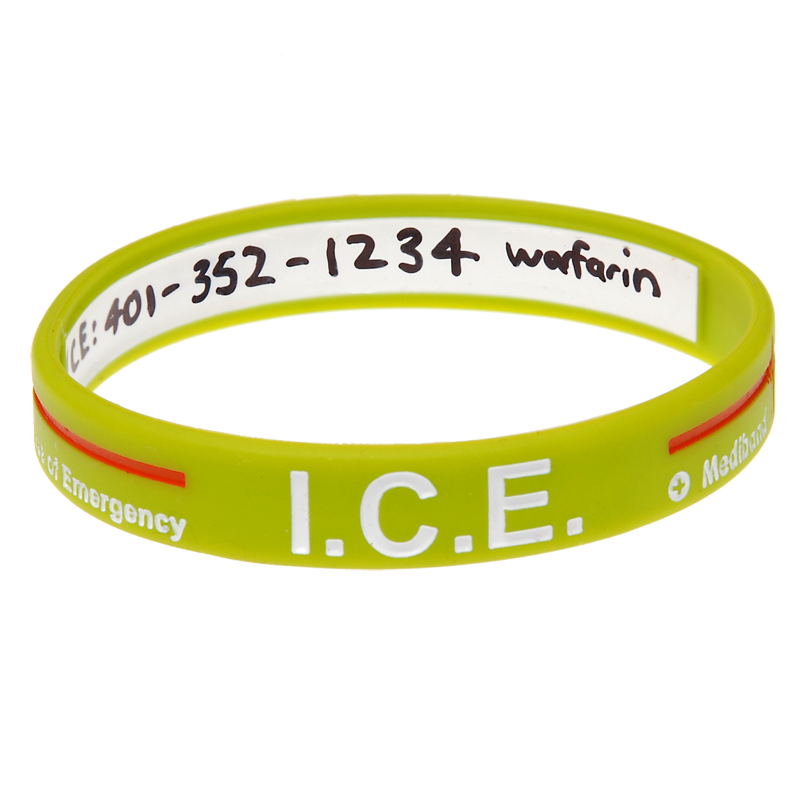
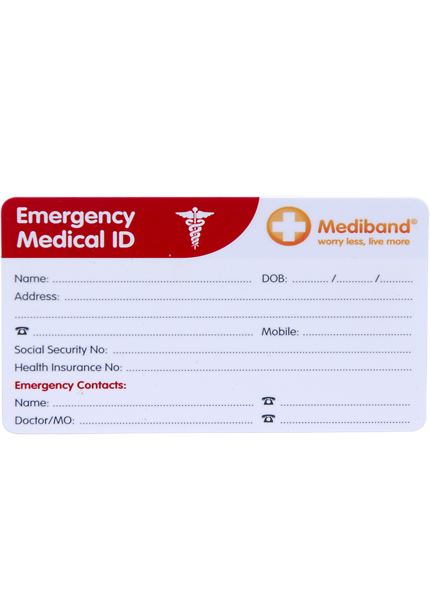
A neon ICE bracelet is highly visible and gets noticed immediately. Combined with an emergency information wallet card, it provides a complete emergency communication system that any first responder can act on.
Mental Health and Wellbeing
Living with ongoing health vigilance takes a psychological toll. The anxiety of infection risk, the restrictions on social life, and the uncertainty of a condition that can flare without warning are real challenges. Seek support from a psychologist familiar with chronic illness, connect with support communities for your specific condition, and communicate openly with your medical team about mental health concerns. Your wellbeing encompasses far more than physical health alone.
Medical Alert Products for Immunocompromised Individuals
Ensure every medical encounter is informed and safe.

A compromised immune system demands extra care — but with the right strategies, the right medical team, and the right identification, you can live safely and fully. Take control of what you can prepare, and make sure that in any emergency, the people helping you have everything they need to do so correctly.
Frequently Asked Questions
What does immunocompromised mean?
Immunocompromised means having a weakened immune system that is less able to fight off infections. It can result from medical conditions such as HIV/AIDS, cancer treatment, organ transplantation, autoimmune disease, or long-term use of immunosuppressive medications.
Why is handwashing so important for immunocompromised people?
For people with weakened immune systems, infections that are minor for healthy individuals can become severe or life-threatening. Thorough, frequent handwashing is the most effective single measure for reducing infection risk in daily life.
Should immunocompromised people get vaccinated?
Some vaccines are safe and recommended; others — particularly live attenuated vaccines — may be contraindicated depending on the specific condition and level of immunosuppression. Always consult your specialist before any vaccination.
Why is a medical alert bracelet important for immunocompromised individuals?
In a medical emergency, standard treatments may be contraindicated, specific antibiotic choices may differ, and steroid-dependent individuals need emergency dosing that differs from standard protocols. A medical alert bracelet ensures first responders immediately understand the complexity of your situation.

Share on Facebook

Share on X

Share on Pinterest
Recent Posts
The Risk Of Not Wearing An Allergy Medical Alert Bracelet
March 23, 2026

A lot of people are still not taking this serious enough they do not realise just how dangerous this is not just to me but to a lot of other people