How to Share Your Medical Information Discreetly: Best Options for Australians
February 10, 2012

Every year, thousands of Australians are treated in emergency settings while unconscious, confused, or unable to communicate. In those moments, the medical information stored in your phone, on a form at your GP, or in your head is completely inaccessible. Sharing your medical information discreetly — in a way that is always visible, always readable, and requires no technology — is one of the most important things a person with a chronic condition can do. This guide covers the best methods available to Australians in 2025, ranked by reliability.
Why Sharing Your Medical Information Discreetly Could Save Your Life
According to the Australian Institute of Health and Welfare (AIHW, 2023), 3 in 5 Australians live with at least one chronic condition. For many of these people — those with diabetes, epilepsy, severe allergies, heart conditions, or medications like blood thinners — incorrect emergency treatment is not just unhelpful, it can be fatal.
Paramedics and emergency responders across Australia are trained to check the wrist and neck for medical identification within the first 30 seconds of attending an unresponsive patient. If no information is available, they proceed with standard protocols — which may be entirely wrong for your condition. The right medical information, shared in the right way, removes that guesswork entirely.
The challenge for many people is finding a method that is discreet enough to wear or carry every day, reliable enough to be found in an emergency, and informative enough to be genuinely useful. Here is how the main options compare.
Shop Discreet Medical Alert Bracelets
Comfortable, water-resistant, and designed for everyday wear — the most reliable way to share your medical information discreetly.
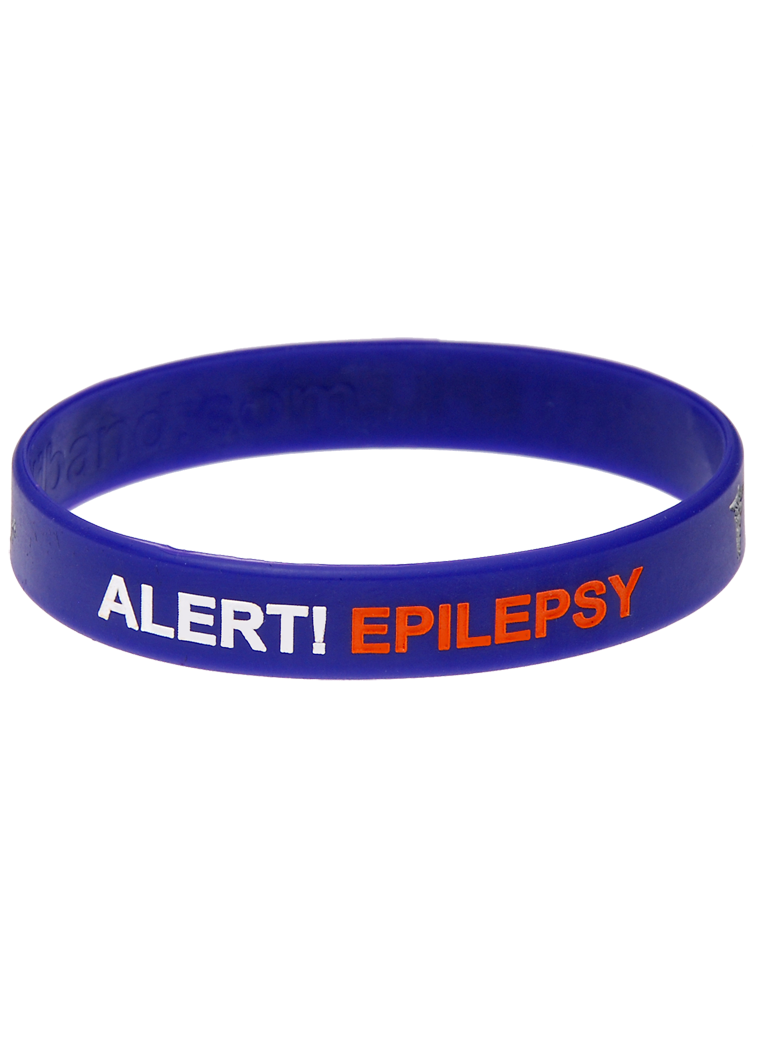
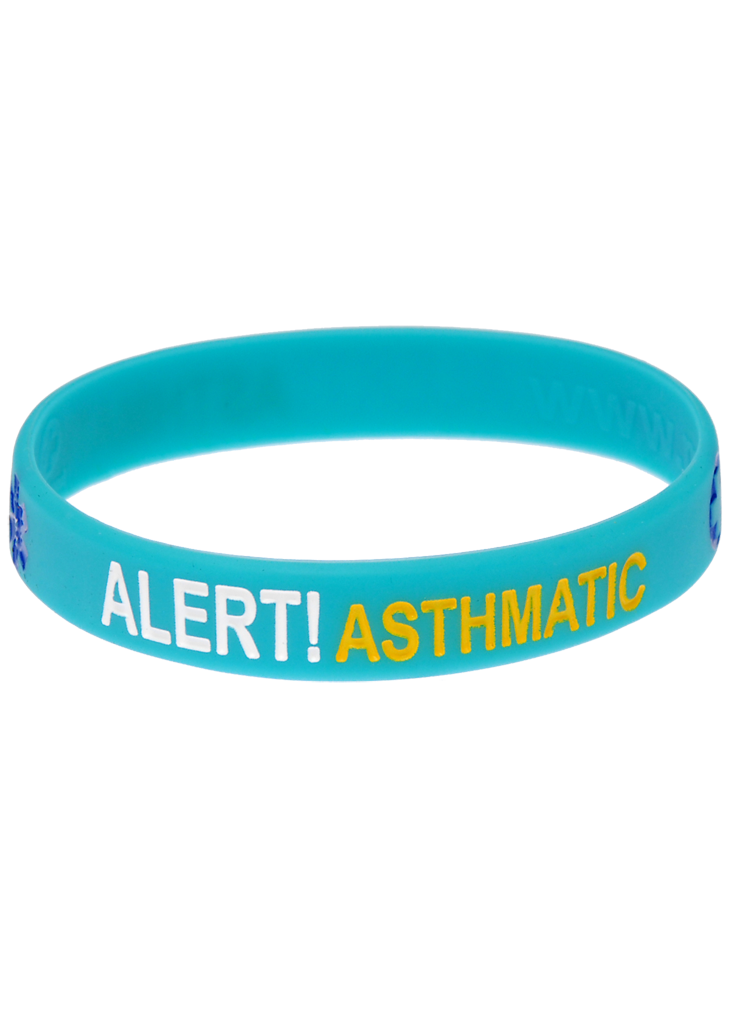

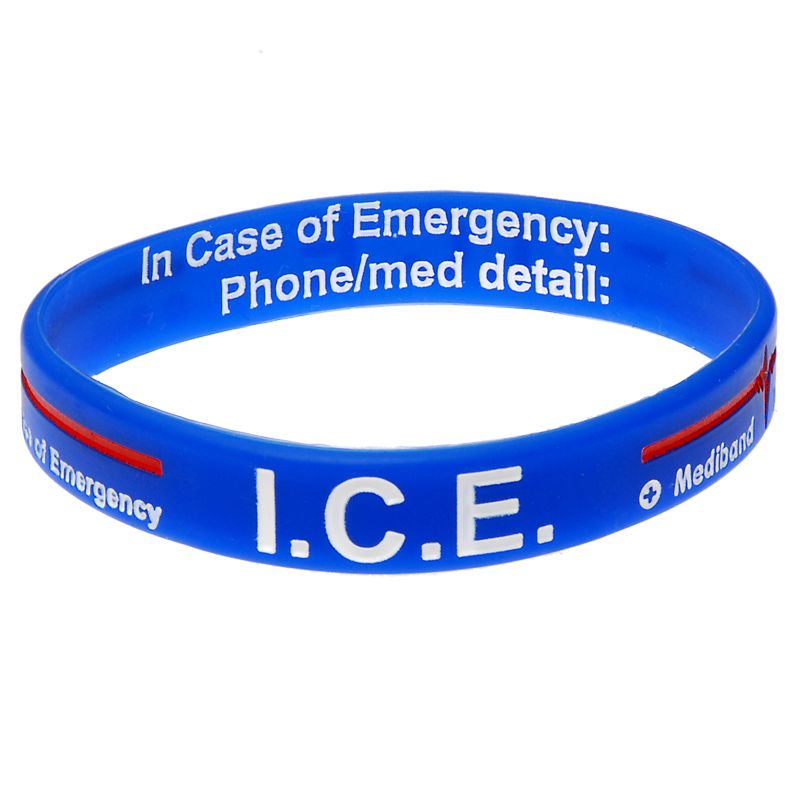
Option 1 — Medical Alert Bracelets: The Most Reliable Method
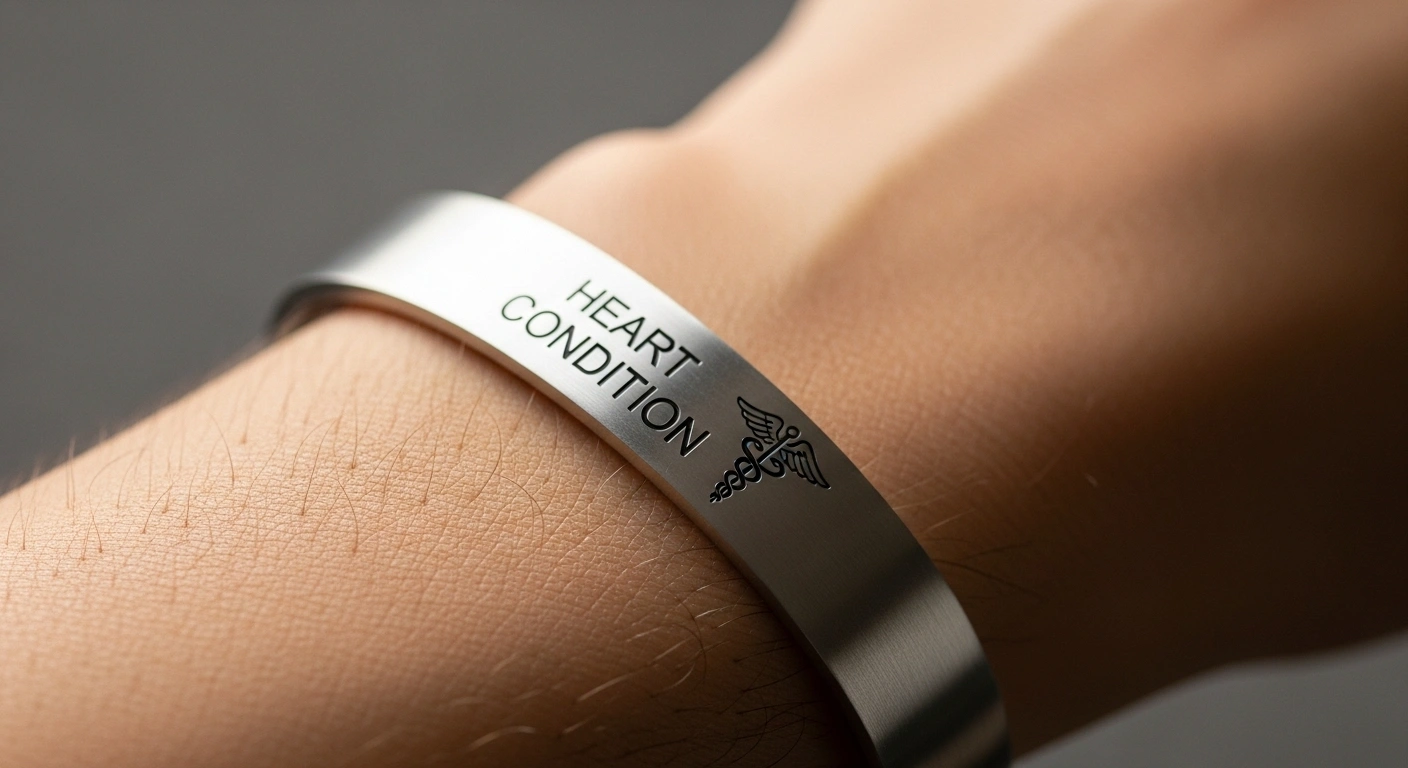
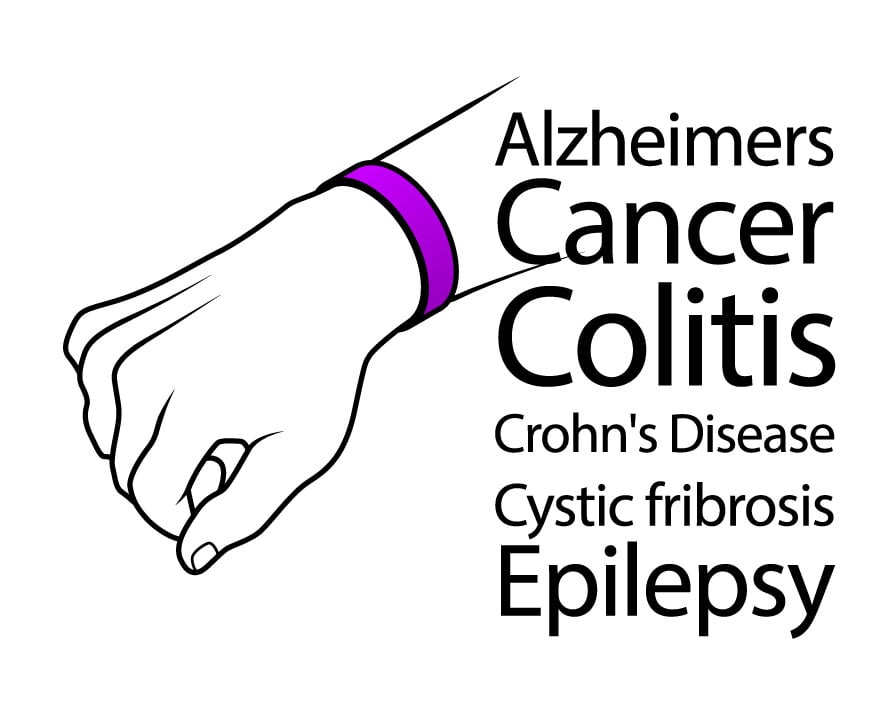
A medical alert bracelet is universally recognised as the gold standard for sharing medical information discreetly. It is the first place trained emergency responders look, it requires no power or signal to read, and it is visible even if you are unconscious, alone, or unable to communicate in any way.
What a Medical Alert Bracelet Communicates
A well-chosen medical alert bracelet communicates your most critical information in seconds:
- Your primary medical condition — e.g. "Type 1 Diabetic", "Epilepsy", "Anaphylaxis Risk"
- Critical drug allergies — particularly penicillin, ibuprofen, latex, or any antibiotic that could affect emergency treatment
- Key medications — e.g. "On Warfarin", "Insulin Dependent", "Uses EpiPen"
- An emergency contact number — someone who knows your full medical history
This is all the information a paramedic or emergency nurse needs in the first critical minutes. Everything else — your full medication list, your GP's details, your allergies to non-emergency substances — can be carried on a wallet card or accessed later.
Are Medical Alert Bracelets Discreet?
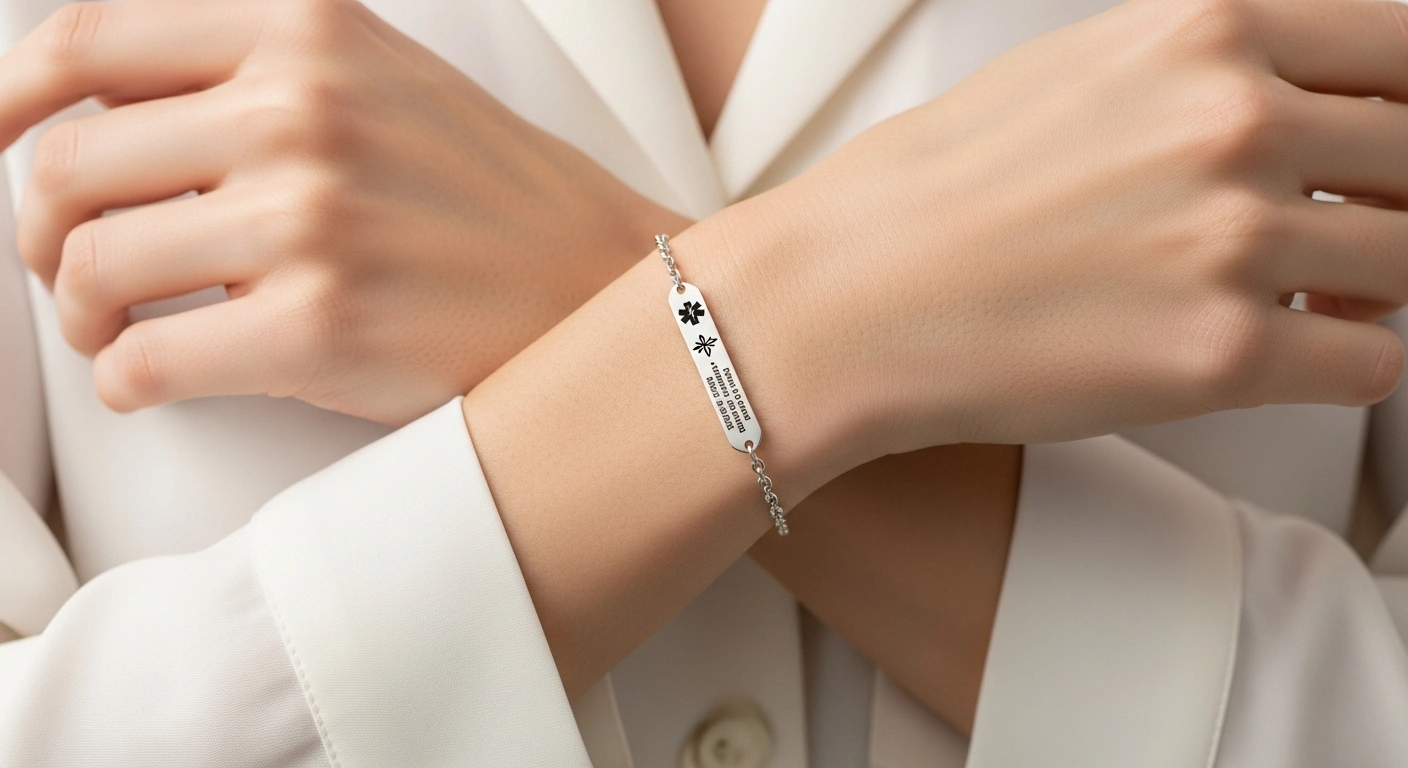
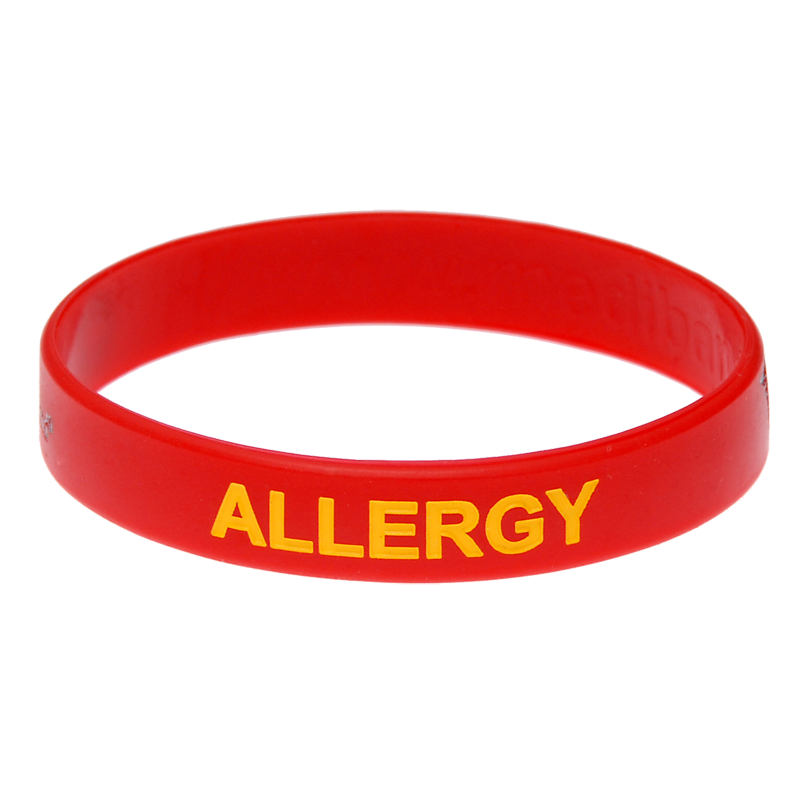
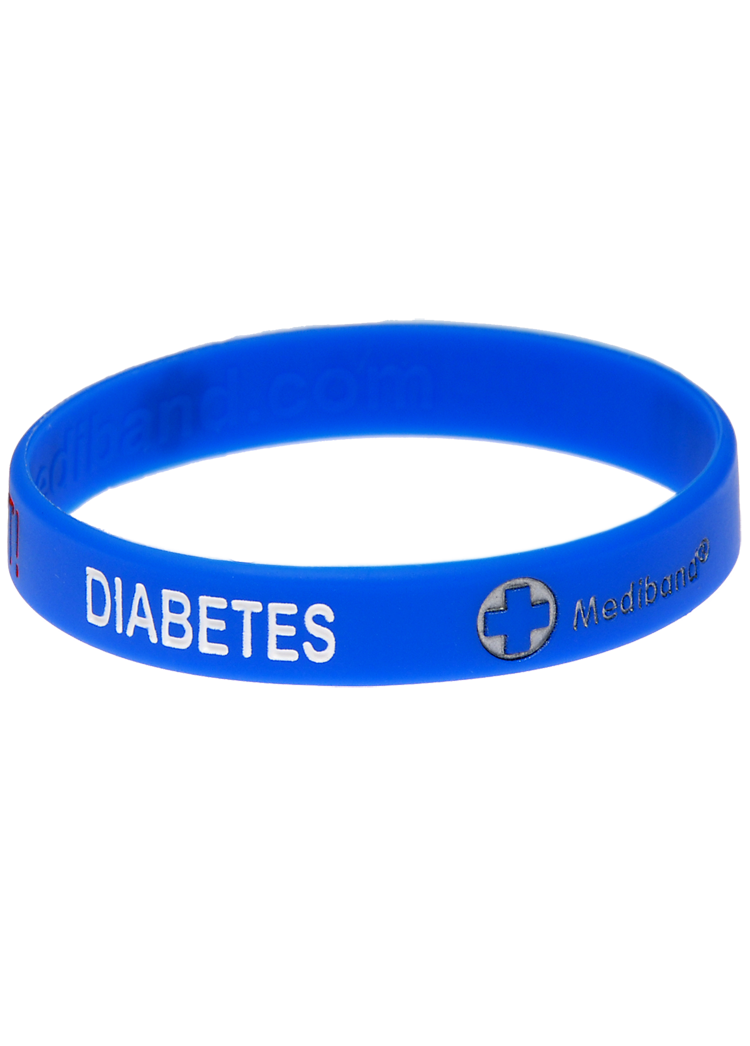
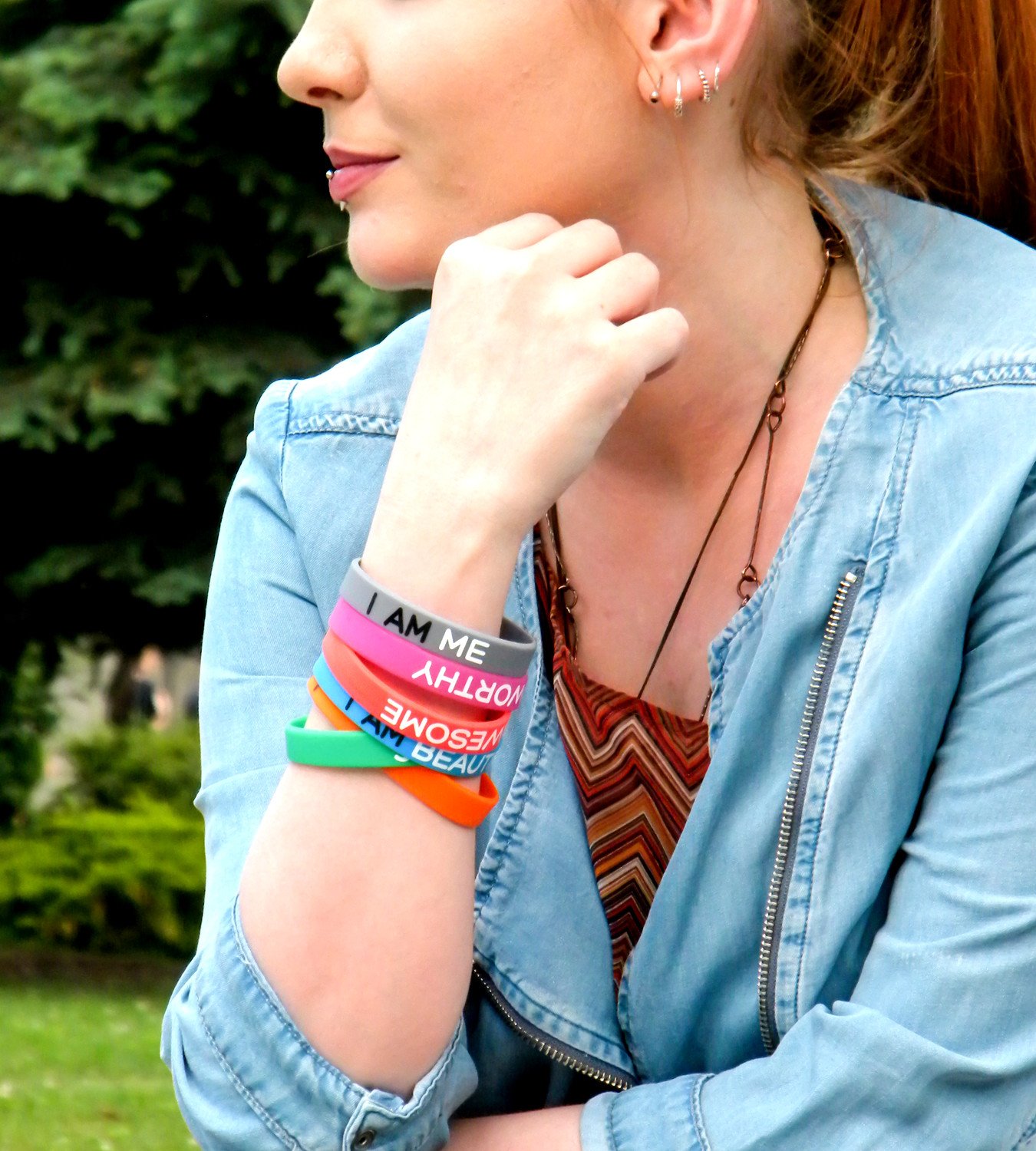
Yes — far more so than most people expect. Mediband's silicone range looks similar to a standard fitness or sports band. Available in a wide range of colours, they blend naturally into everyday wear. The medical information is printed clearly on the band itself — readable to a trained responder in seconds, unremarkable to anyone else who glances at your wrist.
For those who want even more discretion, Mediband's reversible designer range looks like a standard patterned bracelet from the outside, with the medical information on the reverse side — only visible when deliberately turned over.
Option 2 — Medical Wallet Cards: Portable Backup Detail
A medical wallet card is a credit-card-sized card kept in your wallet or purse that carries a more complete picture of your medical history — medications, conditions, allergies, GP details, emergency contacts, and blood type. It is an excellent complement to a medical alert bracelet rather than a replacement.
Wallet cards work well for people with complex medical histories that cannot fit on a bracelet, or for anyone who wants to carry fuller detail without relying on a phone. They are found by emergency responders when checking pockets and wallets — a standard part of patient assessment for unconscious individuals. However, a wallet card alone is less reliable than a bracelet: it may not be found as quickly, and wallets are sometimes lost or left behind.
Mediband produces wallet cards that pair with most of their bracelet products, giving you both an instant wrist-level alert and a more detailed backup.
Option 3 — ICE Contacts on Your Phone
ICE — "In Case of Emergency" — is a contact naming convention used on mobile phones. Adding an "ICE" prefix to a trusted contact's name (e.g. "ICE — John Smith") allows emergency responders to identify who to call without unlocking your phone, provided the lock screen displays contact names.
Most modern Android and iOS phones also have a dedicated Medical ID or Emergency Info feature in settings that displays key medical information on the lock screen. According to St John Ambulance Australia, emergency responders are increasingly trained to check phones for ICE contacts and Medical ID data — though this varies by state and service.
ICE contacts are a useful secondary layer but should never be your only method. A locked phone, a dead battery, or a damaged screen makes this option unavailable exactly when it is needed most.

What Medical Information Should You Share — and How Much?
The Essential Three
Every method of medical identification should include at minimum:
- Your primary medical condition — the one most likely to affect emergency treatment
- Critical allergies or medications — particularly anything that could cause harm if administered incorrectly
- An emergency contact — name and phone number
What to Leave Off Your Bracelet
Keep your bracelet brief. Emergency responders have seconds to read it, not minutes. Avoid listing non-critical supplements, past surgeries that do not affect current treatment, or anything that requires context to interpret. Think of the bracelet as a triage tool — it triggers the right immediate response. Your wallet card or ICE contact handles the fuller picture.
For more detail on what to include, see our guide: What to Engrave on a Medical Alert ID Bracelet.
Who Should Be Sharing Their Medical Information Discreetly?
In short: anyone whose health status could affect the treatment they receive in an emergency. This is a larger group than most people realise. According to Better Health Victoria, medical ID is recommended for anyone with:
- Diabetes — particularly insulin-dependent, where hypoglycaemia can mimic intoxication
- Epilepsy or seizure disorders — where responders need to know about existing medications
- Severe allergies or anaphylaxis risk — including penicillin and antibiotic allergies
- Heart conditions, pacemakers, or blood-thinning medications
- Asthma requiring specific medications or emergency protocols
- Dementia, autism, or any cognitive condition affecting communication under stress
- Children attending school, sport, or camp without a parent present
A medical alert bracelet is discreet precisely because it looks like normal jewellery or a fitness band. The stigma around wearing one is far smaller than the risk of not wearing one.
Frequently Asked Questions
What is the most discreet way to share my medical information?
A silicone medical alert bracelet is the most discreet and reliable option. It resembles a standard fitness or sports band, is water-resistant, and is comfortable for all-day wear. Emergency responders check the wrist within the first 30 seconds of attending an unresponsive patient — making it both discreet in daily life and highly visible in an emergency.
Do paramedics check phones for medical information?
Some do, particularly for ICE contacts and the Medical ID feature on iPhones and Android devices. However, this is not standardised across all Australian ambulance services and depends on whether the phone is accessible and the screen is intact. A medical alert bracelet is a more reliable primary method — it requires no unlocking, no power, and no special training to find.
What should I put on a medical alert bracelet to keep it discreet?
Include only your primary condition, critical drug allergies, essential medications, and an emergency contact number. Keeping the information concise means a smaller, less conspicuous band is sufficient. If you have a complex medical history, pair a brief bracelet with a medical wallet card for fuller detail.
Are medical alert bracelets covered by Medicare or private health insurance?
Medical alert bracelets from Mediband are not covered by Medicare, but some private health insurers include medical accessories under extras cover. NDIS participants may be eligible to claim medical ID bracelets as a low-cost assistive technology item — check with your plan manager. Prices start from a few dollars for a basic silicone band.
Can children wear medical alert bracelets?
Yes. Mediband offers medical alert bracelets in children's sizes and they are strongly recommended for children with food allergies, epilepsy, asthma, or diabetes. A bracelet means teachers, coaches, and paramedics can respond correctly — even if a child is frightened or too young to explain their condition clearly.
Sharing your medical information discreetly does not require complicated technology or major lifestyle changes. A medical alert bracelet on your wrist — chosen to match your style and condition — is the simplest, most reliable solution available. It is always there, always readable, and could make all the difference in the moments that matter most. Browse the full Mediband range and find the right fit for your condition today.

Share on Facebook

Share on X

Share on Pinterest
Comment(s)
Recent Posts
The Risk Of Not Wearing An Allergy Medical Alert Bracelet
March 23, 2026