Have you got an emergency plan?
October 31, 2023

Did you know that approximately one in three Australians will undergo an emergency or the threat of an emergency in their lifetime?

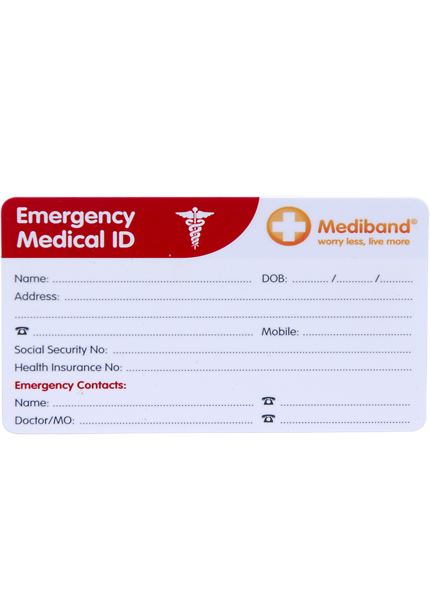
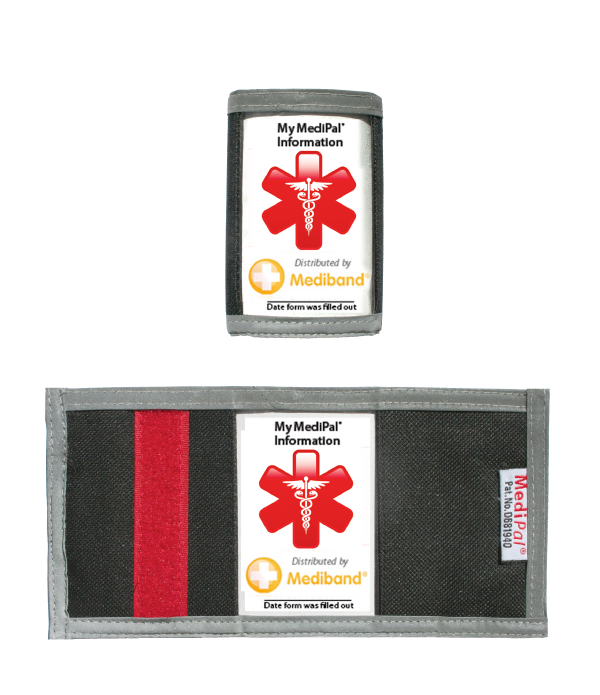
This means that everyone needs an emergency medical wallet card — a guide to what to do in the event of extreme weather, natural or man-made disaster or even being cut off from electricity or gas.
We’ll explain what you need to know about creating a family emergency plan in our latest post, so you can be prepared if the worst happens.
What is an emergency plan?
An emergency plan is a guide to what to do in circumstances that threaten your home or safety, for example:
- Extreme weather, like storms, heatwaves or cyclones
- Bush fires
- Flooding
- Industrial accident, like a chemical spill
- Electricity or gas outage
It contains a lot of useful information, such as essential phone numbers, details about health conditions and instructions on where to go if you can’t stay at home.
Why do I need an emergency plan?
It’s important to have an emergency plan so everyone in your household knows what to do to keep safe.
Be sure to discuss the contents of your emergency plan with household members so that everyone is confident of the role they need to take and how to keep themselves and others safe.
You can also include people outside your immediate family — for example, neighbours or friends who live alone.
Keep your emergency plan in an accessible place and review it with everyone in your household or support network on a regular basis.
Emergency Preparedness Starts Here
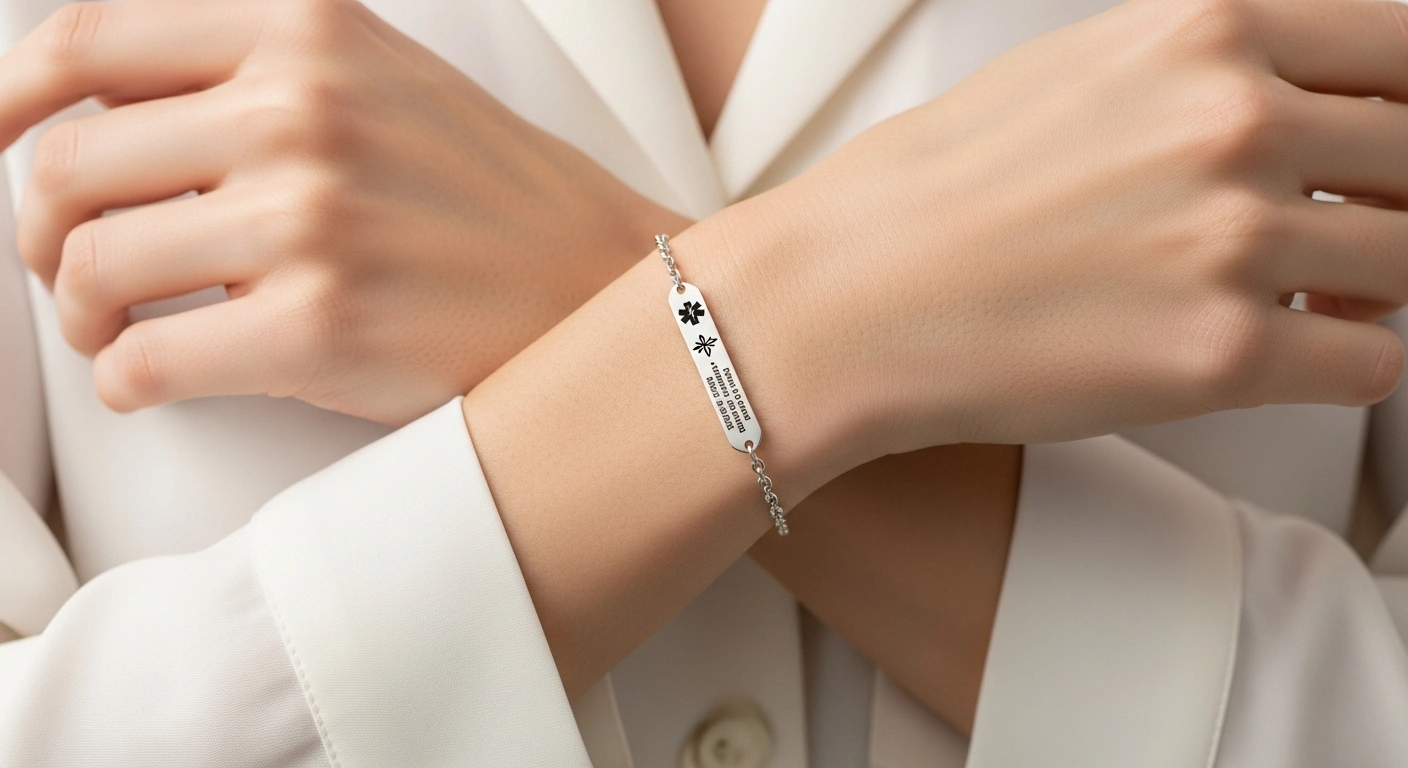
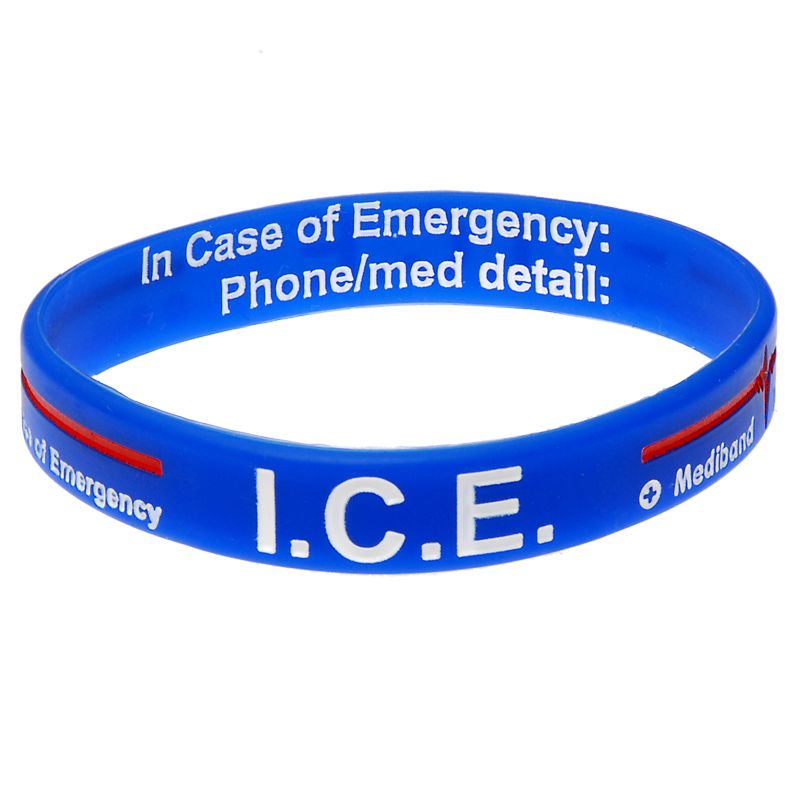
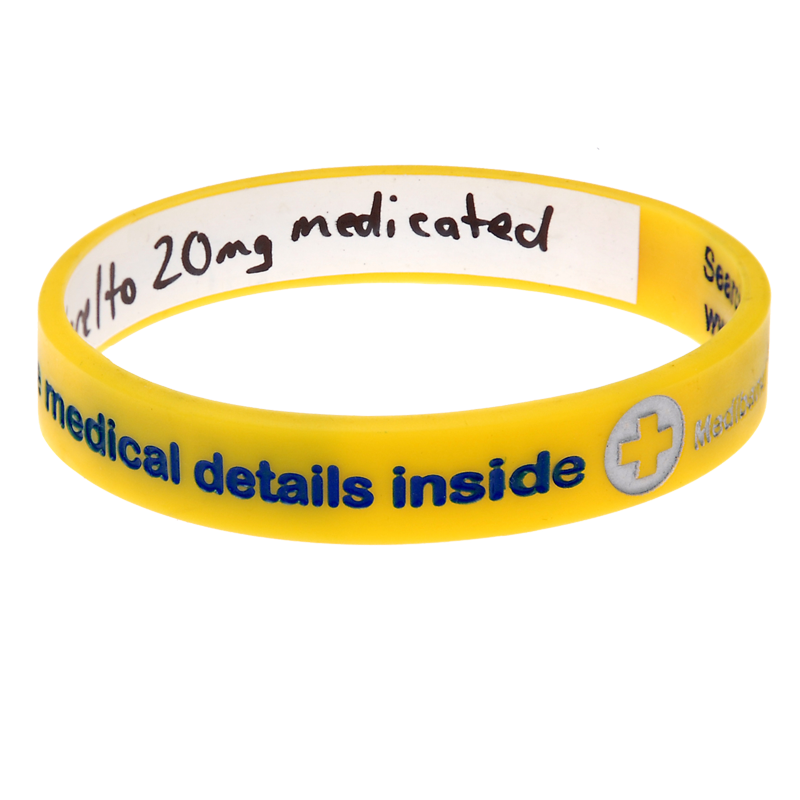
Your emergency plan on paper is great — but a medical ID on your wrist works even when you cannot reach your phone.
How do I write an emergency plan?
If you’re writing an emergency plan, you should start by asking yourself some essential questions to prepare yourself, such as:
- Which emergencies might affect me? For example, do cyclones affect my area?
- Do I know the names of my neighbours? It’s good to know who your neighbours are so you can help each other out in the event of an emergency.
- Have I got insurance to protect my property and income? If you haven’t, now is a good time to get it.
- Is my home disaster-resilient? Speak to your local council and emergency services for advice on how to protect your property.
This list is not exhaustive; you can find more detailed information on the Australian Red Cross website.

Once you have made as many preparations as you can against disaster, you can proceed to writing your emergency plan. You can use an emergency plan template like the one found at the back of the Red Cross Emergency Rediplan.
It will prompt you to include important information, like:
- Contact telephone numbers for emergency services
- Names of everyone in the household
- Contact details for people in your support network
- Everyone’s Centrelink number
- Account details for services like electricity, gas, water, internet and household insurance
- Details of where you can stay in an emergency
- If you have a pet, their vet’s details
What about my medical details?
Your emergency plan should also include details about your health and any medical conditions, for example:
- Your Medicare number
- Contact numbers for your doctor, nearest hospital with 24-hour emergency cover and dentist
- Details of any medical conditions you are living with, such as diabetes, epilepsy or high blood pressure
- Details of any disabilities you may have
- Details of your medication
This information will help caregivers give you the right treatment in an emergency.
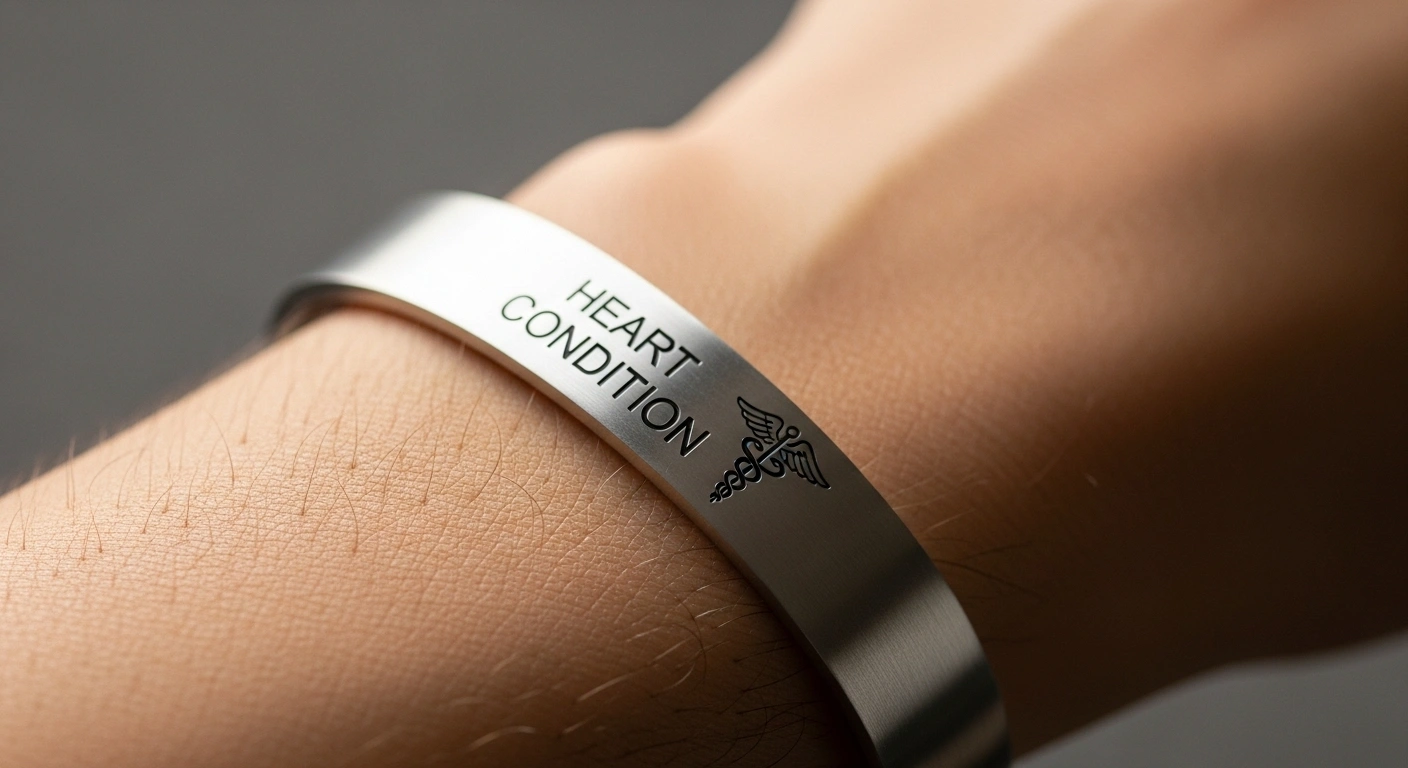
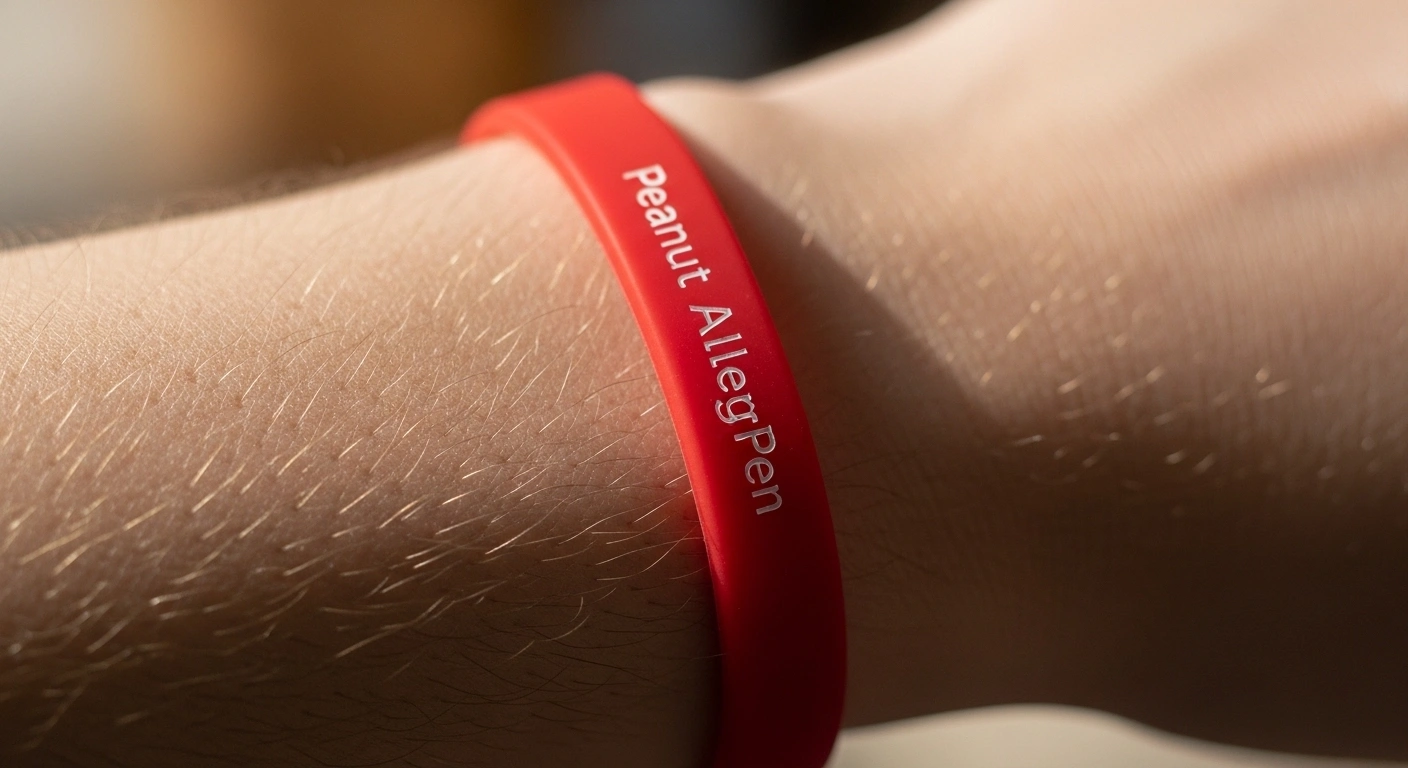
You may wish to complement this information by wearing a medical ID bracelet. This can include details about your medical condition and medication, which can be accessed instantly in an emergency.
You can find pre-printed medical wristbands for well-known conditions like asthma or allergies, or you can opt to have a wristband customised with details of your choice.
While it’s essential to include this information in your emergency plan, wearing a medical wristband gives you extra peace of mind, knowing that your medical needs will be quickly met if you are unable to communicate them.
Essential information at your fingertips
Thinking about emergencies can be scary, but you can take the fear away by exploring potential scenarios and preparing for them as best you can.
Creating an emergency plan is a positive action you can take to ensure that you and your family members and support network know how to keep safe in an emergency.
Make sure you’re as prepared as you can be by writing and sharing your emergency plan and ordering silicone medical wristbands for anyone in your family or support group who needs them.
Having essential medical information at their fingertips will help the emergency services if necessary and give you the confidence to know that you or your loved one will get the right treatment at the right time.
Be sure to check out the complete range of Mediband pre-printed and customised medical wristbands — they’re a must-have part of your emergency plan and kit!
Frequently Asked Questions
What should I include in a medical emergency plan?
A comprehensive medical emergency plan should include your full name and date of birth, all medical conditions, current medications with dosages, known allergies, your GP and specialist names and numbers, emergency contact details, health insurance information, and any advance care directives. Keep copies at home, in your wallet, and with a trusted person.
Who needs a medical emergency plan?
Everyone benefits from an emergency plan, but it is especially important for people with chronic conditions like diabetes, epilepsy, heart disease, severe allergies, and anyone taking regular medications. Parents of children with health conditions, elderly Australians, and people who live alone should prioritise creating and sharing their plan.
How does a medical alert bracelet complement my emergency plan?
Your written emergency plan may be at home when you are not. A medical alert bracelet travels with you everywhere, providing immediate access to your critical medical information. Paramedics check wrists within the first 30 seconds of assessment — your bracelet bridges the gap between your plan and real-time emergency response.
How often should I update my emergency plan?
Review and update your emergency plan every six months, and immediately after any change in medication, diagnosis, surgery, or emergency contacts. Set a calendar reminder for January and July. An outdated plan can be as dangerous as no plan at all if it leads to incorrect treatment decisions.
Where should I keep copies of my emergency plan?
Keep your primary copy at home in an easily accessible location that household members know about. Carry a summarised version on a medical wallet card in your purse or wallet. Share digital copies with your emergency contacts, GP, and any carers. Consider uploading it to your phone health app as an additional backup.

Share on Facebook

Share on X

Share on Pinterest
Comment(s)
Recent Posts
The Risk Of Not Wearing An Allergy Medical Alert Bracelet
March 23, 2026