Healthy Lifestyle Tips for Australians: 7 Evidence-Based Habits to Live Longer (2025)
April 13, 2012

Australia consistently ranks among the world's healthiest nations — yet according to the Australian Institute of Health and Welfare (AIHW), 3 in 5 Australians live with at least one chronic health condition. Heart disease kills one Australian every 12 minutes (Heart Foundation, 2024). Two in three Australian adults are overweight or obese. The gap between how healthy Australians could be and how healthy we actually are is significant — and it comes down to daily habits.
This guide covers 7 evidence-based healthy lifestyle tips for Australians — practical, research-backed steps you can start today. Whether you're managing a condition or simply want to live longer and feel better, these habits will make a measurable difference.
1. Eat a Balanced Diet Based on the Australian Dietary Guidelines
Australia's Dietary Guidelines recommend a diet built around vegetables, legumes, fruit, whole grains, lean meats and dairy (or alternatives) — while limiting discretionary foods high in saturated fat, salt and added sugar. Yet only 5.5% of Australians meet the recommended daily vegetable intake (ABS National Health Survey, 2022).
What Does a Healthy Australian Diet Include?
A balanced plate typically looks like:
- Vegetables and legumes: at least 5 serves per day — leafy greens, carrots, broccoli, beans, lentils
- Fruit: 2 serves per day — fresh is best, limit juice
- Whole grains: oats, brown rice, wholemeal bread over refined white alternatives
- Lean protein: chicken, fish, eggs, tofu, legumes — aim to eat fish at least twice a week
- Healthy fats: avocado, nuts, olive oil — in moderation
- Dairy or alternatives: for calcium and bone health
Simple Swaps to Improve Your Daily Nutrition
You do not need a complete diet overhaul overnight. Research consistently shows that small, sustainable changes are more effective long-term than crash diets. Start with one swap per week: replace white bread with wholegrain, swap soft drinks for sparkling water, or add a handful of leafy greens to your lunch. Within a month, these small changes compound into significantly better nutritional intake.
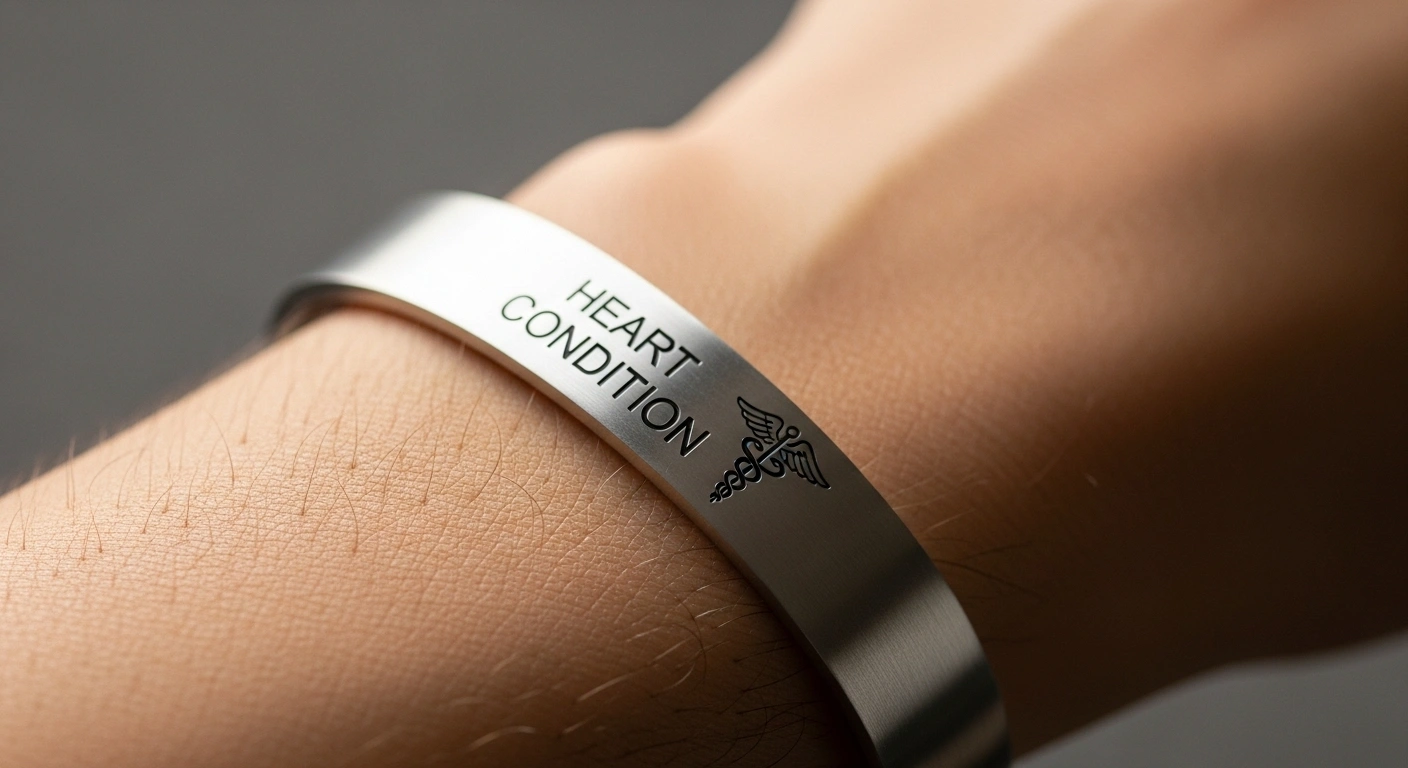
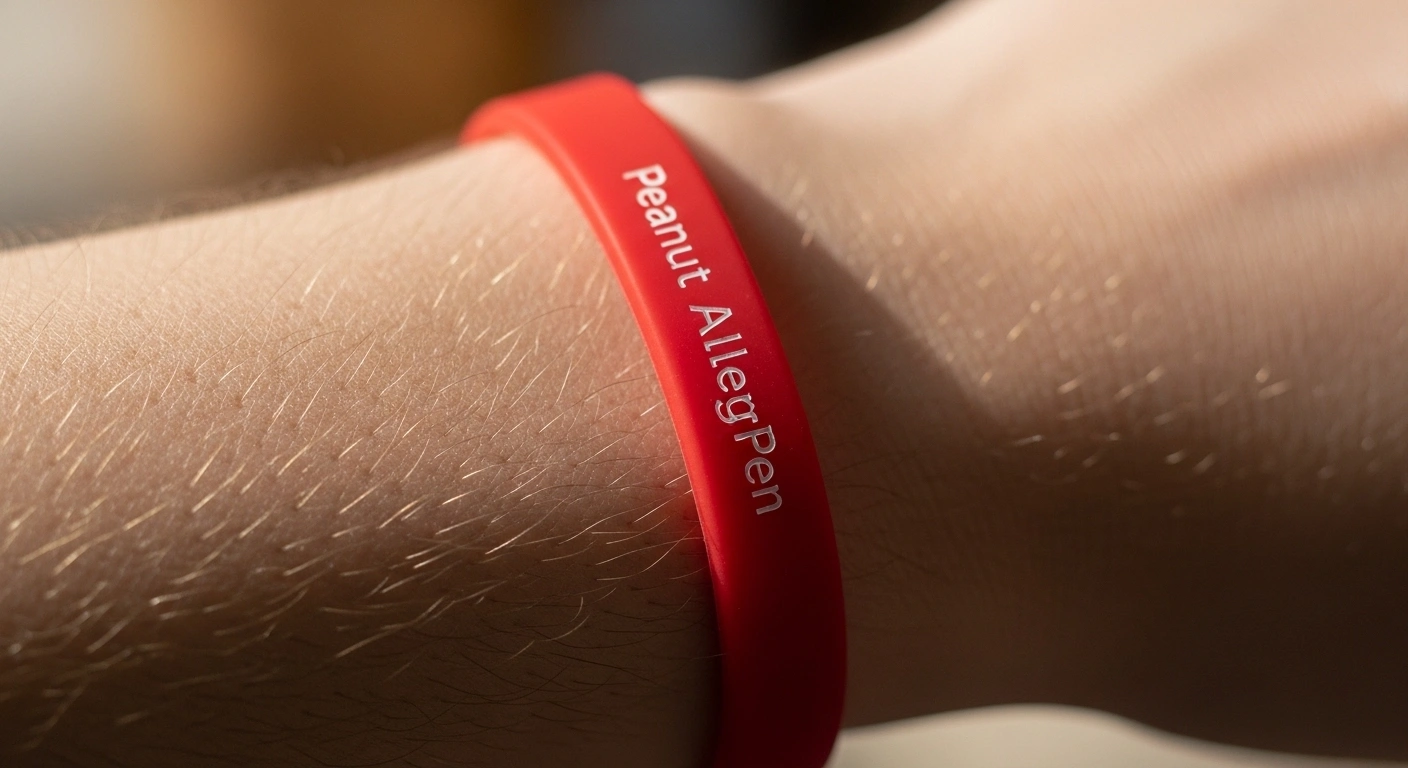
If you have a food allergy or condition such as coeliac disease or diabetes, your diet becomes even more medically important — and so does making sure others know about it. A medical alert bracelet can communicate your dietary restrictions instantly in an emergency.
2. Move Your Body Every Day: Australian Physical Activity Guidelines
Physical inactivity is the fourth leading risk factor for global mortality (WHO). In Australia, fewer than 1 in 4 adults meets the recommended physical activity guidelines (ABS, 2022). Regular exercise reduces risk of heart disease, type 2 diabetes, some cancers, depression, and dementia — making it the single highest-return health investment available to Australians.
How Much Exercise Do Australians Need?
The Australian Department of Health recommends adults aged 18 to 64:
- 150 to 300 minutes of moderate-intensity activity per week (e.g. brisk walking, cycling, swimming), or
- 75 to 150 minutes of vigorous-intensity activity (e.g. running, fast cycling), or a combination
- Muscle-strengthening activities on at least 2 days per week
- Limit sitting time and break up long periods of inactivity
Adults aged 65 and over should also aim for at least 30 minutes of moderate activity on most days, with a particular focus on balance exercises to reduce falls risk.
How to Build Exercise Into a Busy Australian Routine
The most common barrier to exercise is time — but research shows that even 10-minute activity bursts spread throughout the day deliver measurable health benefits. Walk to the station instead of driving. Take the stairs. Do a 10-minute lunchtime walk. Use weekends for longer activities like bush walking, swimming at the beach, or a park run. Australia's climate and geography make it one of the best countries in the world to be active outdoors.
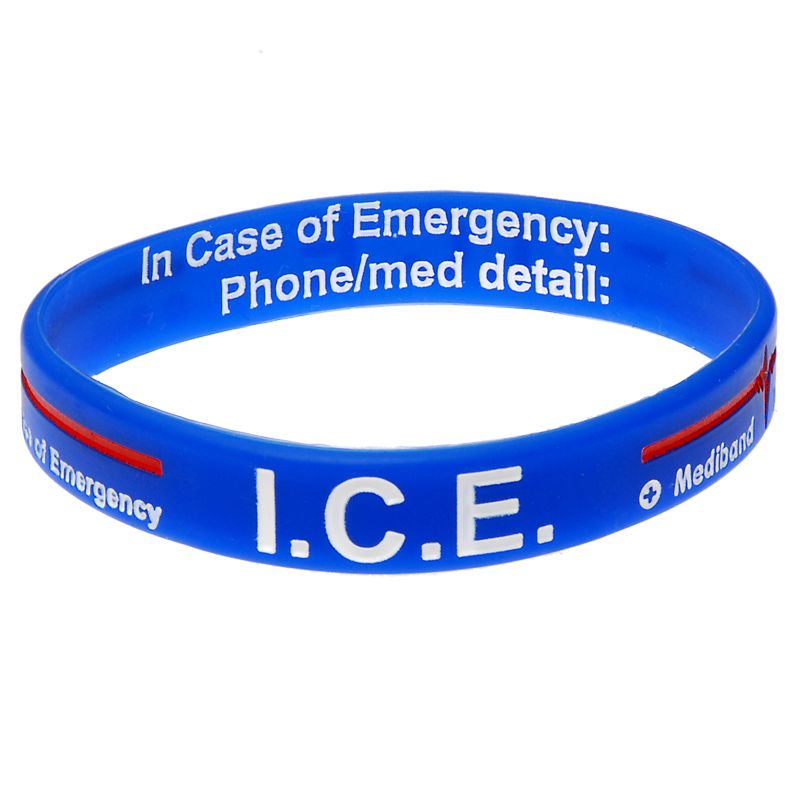
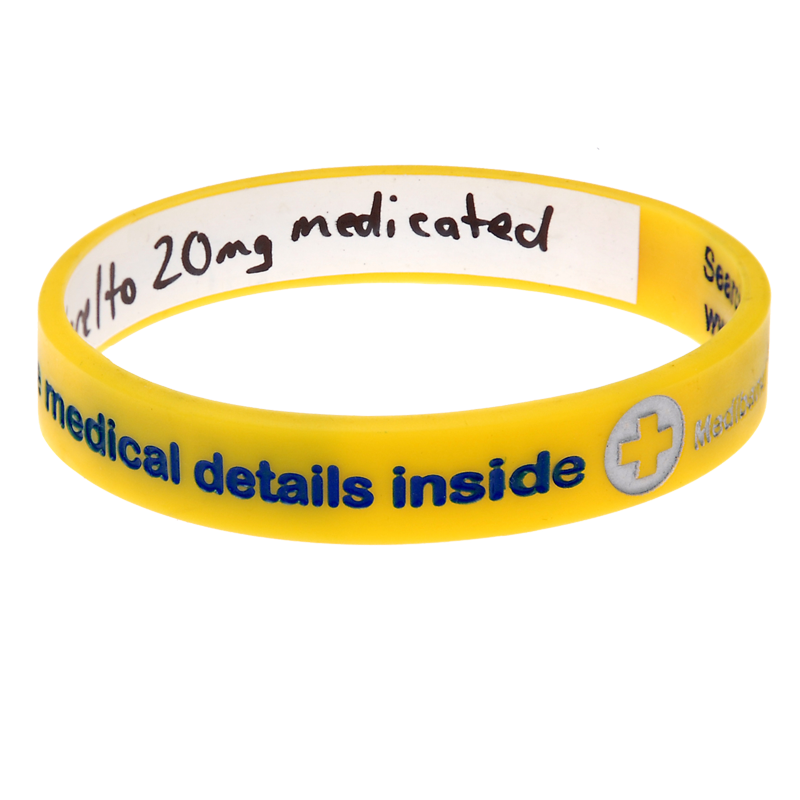
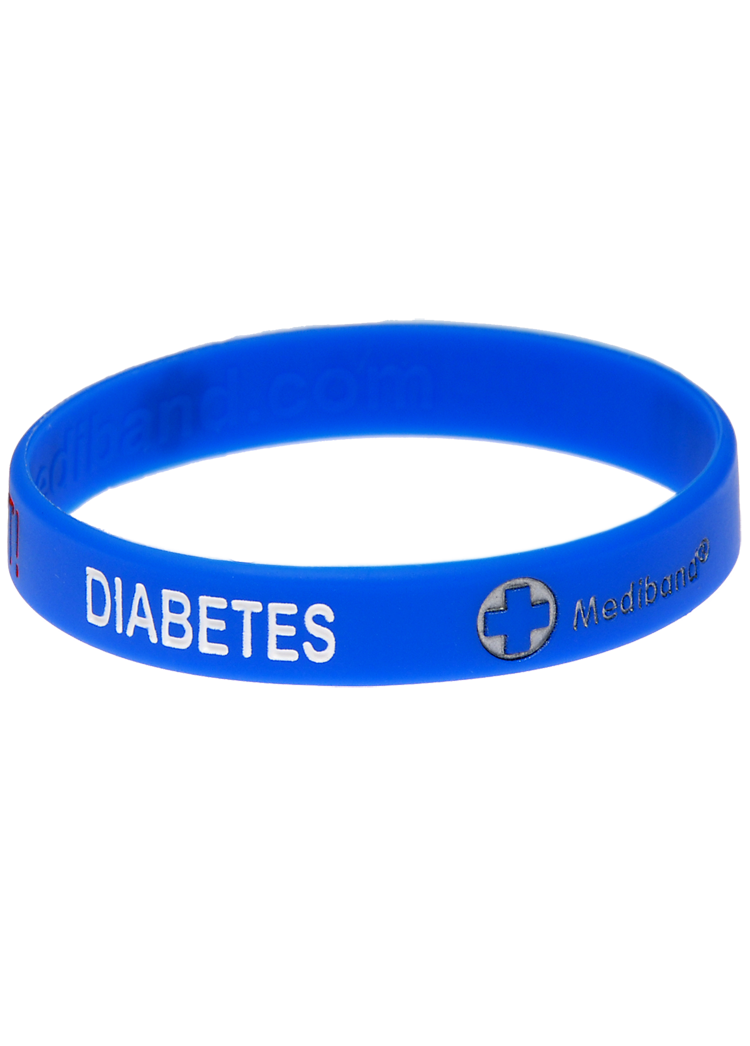
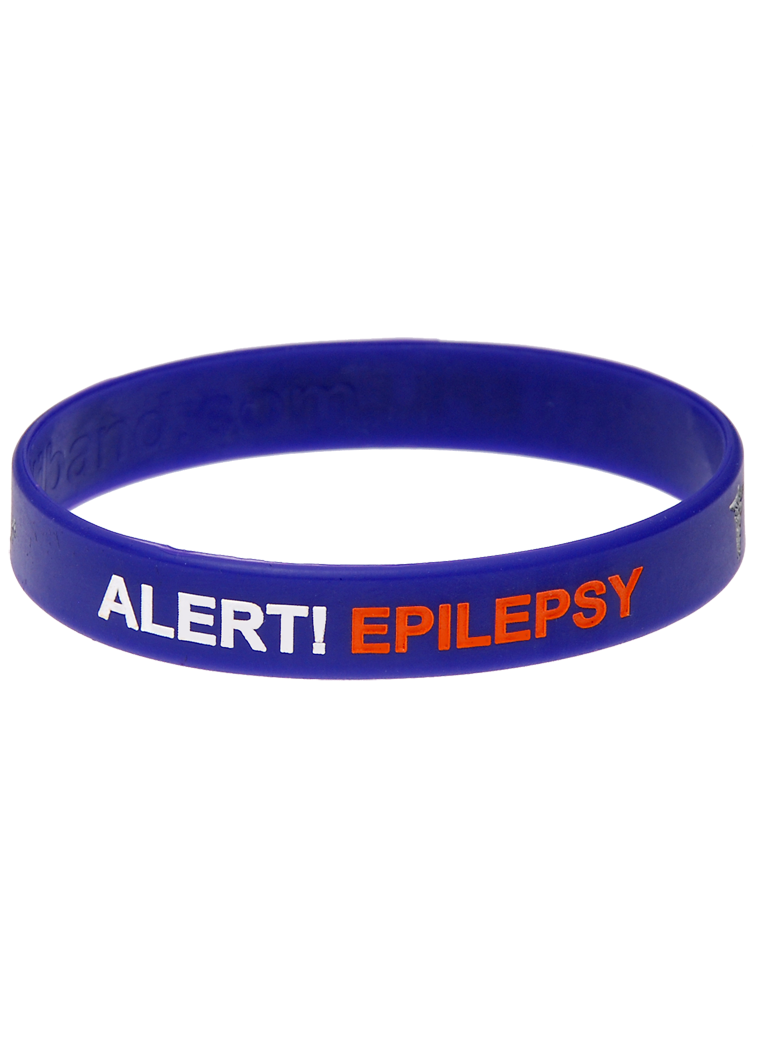
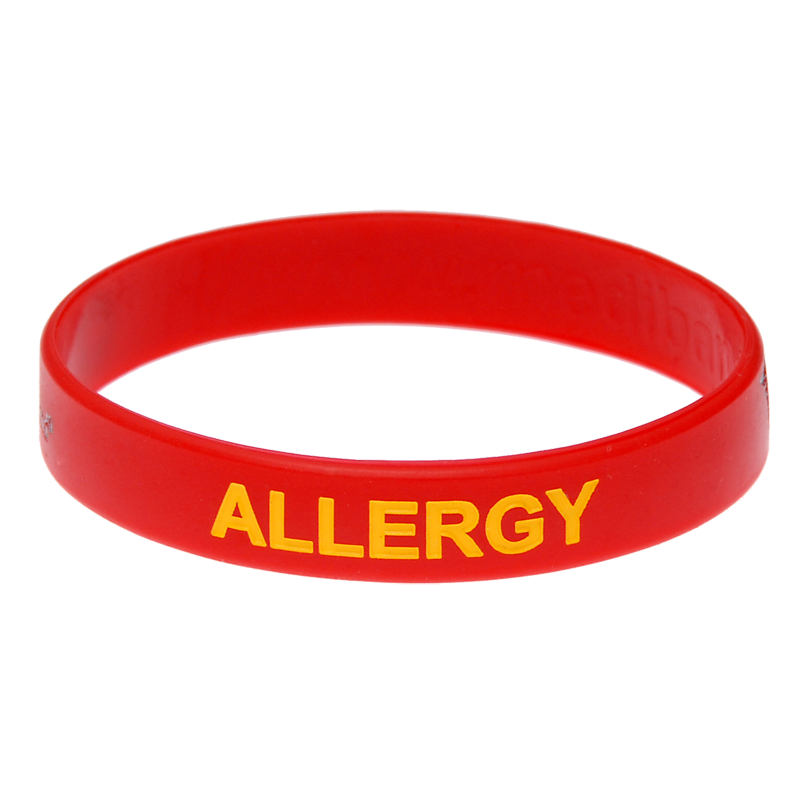
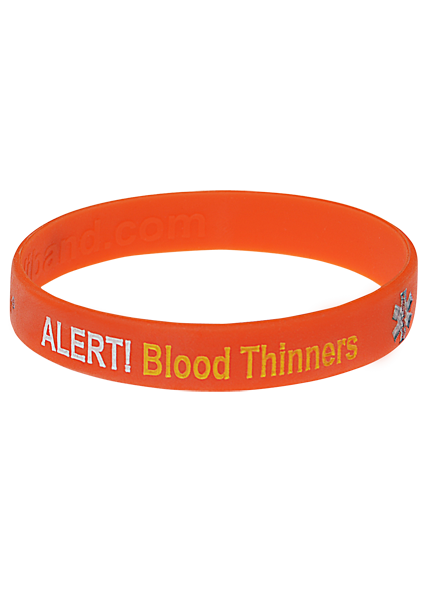
Mediband Medical Alert Bracelets — Worn Every Day, Needed in a Moment

3. Prioritise Sleep: The Overlooked Foundation of Good Health
Sleep is not optional recovery time — it is when the body repairs tissue, consolidates memory, regulates hormones and immune function. The Sleep Health Foundation reports that approximately 40% of Australians regularly experience inadequate sleep, contributing to increased risk of obesity, type 2 diabetes, cardiovascular disease and depression.
How Sleep Affects Long-Term Health in Australia
Adults need 7 to 9 hours of quality sleep per night. Consistently sleeping less than 6 hours is associated with a 48% higher risk of developing heart disease and a 15% higher risk of stroke (European Heart Journal, 2011). For Australians managing chronic conditions — particularly diabetes, epilepsy or hypertension — poor sleep directly worsens condition management and medication effectiveness.
Practical Tips for Better Sleep
- Keep a consistent sleep and wake time — even on weekends
- Avoid screens (phones, tablets, TVs) for at least one hour before bed
- Keep your bedroom cool, dark and quiet
- Limit caffeine after 2pm and alcohol in the evenings
- Get natural light exposure during the day to support your body clock
4. Support Your Mental Health and Emotional Wellbeing
Mental health is health. The AIHW reports that 1 in 5 Australians (aged 16 to 85) experiences a mental illness in any given year. Anxiety disorders and depression are the most common, and both are closely linked to physical health outcomes — people with depression have a 40% higher risk of cardiovascular disease.
The Connection Between Mental and Physical Health
Chronic stress raises cortisol levels, suppresses immune function, disrupts sleep and promotes inflammation — all of which increase risk of physical illness. Conversely, regular exercise, social connection, adequate sleep and a balanced diet each have clinically proven benefits for mental health. The relationship is bidirectional: improving physical health habits improves mental wellbeing, and vice versa.
Mental Health Resources for Australians
If you or someone you know is struggling, free support is available:
- Beyond Blue: 1300 22 4636 — anxiety and depression support
- Lifeline: 13 11 14 — crisis support and suicide prevention
- Headspace: headspace.org.au — mental health for young Australians 12 to 25
- Medicare: a GP mental health plan provides access to subsidised psychology sessions
5. Schedule Regular Preventive Health Checks
Many of Australia's most serious health conditions — including type 2 diabetes, high blood pressure and bowel cancer — develop without obvious symptoms in their early stages. Early detection through preventive screening saves lives. Medicare funds a range of health assessments that many Australians are not using.

Which Health Screenings Do Australians Need?
Key preventive checks by age group:
- All adults: Blood pressure check (every 2 years), cholesterol and blood glucose (every 5 years from age 45, or earlier if at risk), dental check (annually), eye test (every 2 years from 40)
- Women 40–74: Breast screening via BreastScreen Australia (every 2 years)
- Adults 45–74: Bowel cancer screening kit (National Bowel Cancer Screening Program — free via mail)
- Adults 50+: Bone density scan if risk factors present
- All adults 18+: Mental health check-in with your GP annually
Managing Chronic Conditions Proactively
If you have been diagnosed with a chronic condition such as diabetes, epilepsy, heart disease or a severe allergy, proactive management is essential. This includes:
- Regular specialist reviews — not just when symptoms flare
- Keeping an up-to-date medication list accessible to family members
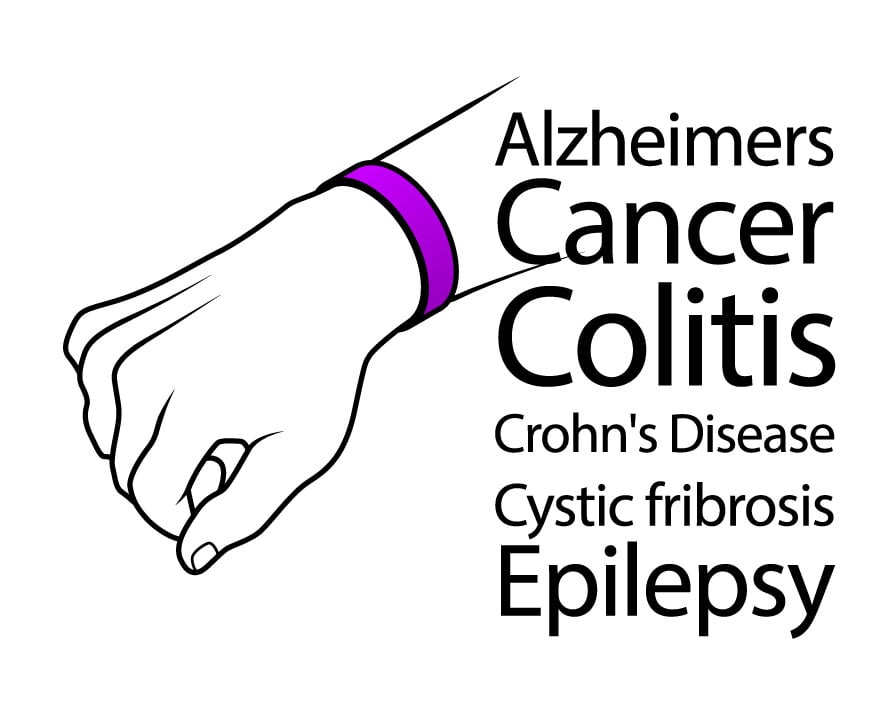
- Wearing a medical alert bracelet so that first responders know your condition immediately in an emergency — even if you are unconscious or unable to communicate
6. Prepare for Medical Emergencies Before They Happen
Most Australians do not think about emergency preparedness until they need it — and by then, it is too late to prepare. Emergency readiness is a core pillar of a genuinely healthy lifestyle, particularly for people managing chronic conditions.
Building a Home Emergency Health Plan
Every Australian household should have:
- A well-stocked first aid kit — check and replenish annually
- Emergency contact numbers posted visibly (GP, specialist, next of kin)
- A list of all medications, doses and conditions kept with the first aid kit
- An up-to-date CPR refresher — St John Ambulance Australia offers community courses nationally
Why a Medical Alert Bracelet Is a Health Essential for Australians
When paramedics arrive at an emergency, the first thing they check — after airway, breathing and circulation — is for any medical ID. According to the Australasian College for Emergency Medicine, an estimated 3 in 5 preventable medication errors in emergency settings occur because critical patient information was unavailable at the time of treatment.
A Mediband medical alert bracelet communicates your condition, allergies and critical medications in seconds — even if you are unconscious. For Australians with diabetes, epilepsy, severe allergies, heart conditions or blood-thinning medications, wearing one is not optional — it is an essential safety measure. Mediband's silicone bracelets are comfortable, waterproof and designed for everyday wear.
7. Limit Alcohol and Avoid Tobacco
Alcohol and tobacco together account for a significant proportion of preventable deaths in Australia. The AIHW estimates that alcohol was responsible for approximately 5,500 deaths in Australia in 2019, while smoking remains the single largest preventable cause of death and disease — responsible for around 20,700 deaths annually.
Updated Australian Alcohol Guidelines (2020)
The National Health and Medical Research Council (NHMRC) updated Australia's alcohol guidelines in 2020:
- No more than 10 standard drinks per week
- No more than 4 standard drinks on any single day
- The less you drink, the lower your risk of alcohol-related harm
- Children, pregnant women and breastfeeding women should drink no alcohol at all
Quitting Smoking: Support for Australians
Quitting smoking is the single most impactful thing most smokers can do for their health. Free support is available:
- Quitline: 13 7848 — telephone-based counselling, open 7 days
- iCanQuit: icanquit.com.au — online program and community
- NRT (Nicotine Replacement Therapy): patches, gum and lozenges are available over the counter at Australian pharmacies
Frequently Asked Questions About Healthy Living in Australia
What is the single most important healthy lifestyle habit for Australians?
Regular physical activity has the widest-reaching health benefits — reducing risk of heart disease, type 2 diabetes, some cancers, depression and cognitive decline. The Australian Department of Health recommends at least 150 to 300 minutes of moderate-intensity activity per week. If you can only change one habit, make it moving your body every day.
How do I know if I have a chronic condition in Australia?
Many chronic conditions — including prediabetes, high blood pressure and elevated cholesterol — have no obvious early symptoms. The best way to detect them is through regular preventive health checks with your GP. Medicare covers a range of health assessments for Australians at different life stages, including a 45-year-old Health Assessment and annual diabetes checks for high-risk patients.
Do I need a medical alert bracelet if I live a healthy lifestyle?
Even the healthiest people can have conditions — allergies, epilepsy, heart conditions, or medications — that affect emergency treatment. A medical alert bracelet ensures critical information is available when you cannot speak for yourself. Mediband bracelets are designed for everyday wear and are comfortable enough that most wearers forget they have them on.
What should I write on a medical alert bracelet?
Include your primary medical condition (e.g. Type 1 Diabetes, Epilepsy, Penicillin Allergy), any critical medications or allergies, and an emergency contact number if space permits. Keep it brief — first responders need to read it in seconds. Mediband bracelets come pre-printed with the most common conditions, making it easy to get the right message across clearly.
How much exercise do Australians need each week?
Australian guidelines recommend adults aged 18 to 64 do 150 to 300 minutes of moderate physical activity per week, plus muscle-strengthening on at least two days. Adults 65 and over should aim for at least 30 minutes of moderate activity on most days. Even short 10-minute bouts spread throughout the day count toward your weekly total.

Share on Facebook

Share on X

Share on Pinterest
Comment(s)
Recent Posts

The Risk Of Not Wearing An Allergy Medical Alert Bracelet
March 23, 2026