Food Allergies in Australia: Symptoms, Triggers, and How to Stay Safe
April 21, 2022

Australia has one of the highest rates of food allergy in the world. According to Allergy & Anaphylaxis Australia, food allergy affects around 10 per cent of infants, 4 to 8 per cent of children, and 2 per cent of adults — with over four million Australians living with some form of allergy. More alarming still, anaphylaxis presentations to Australian emergency departments grew by 51 per cent between 2015 and 2020.
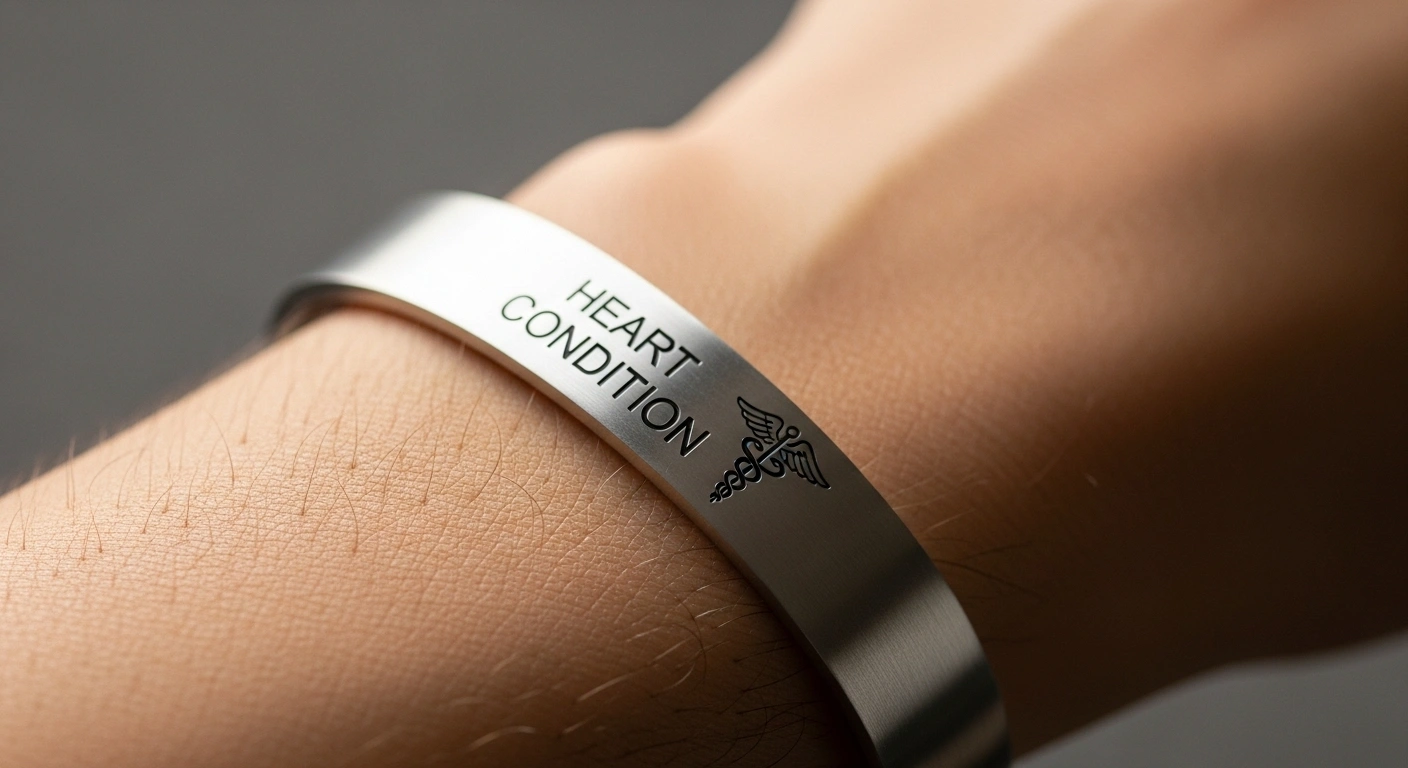
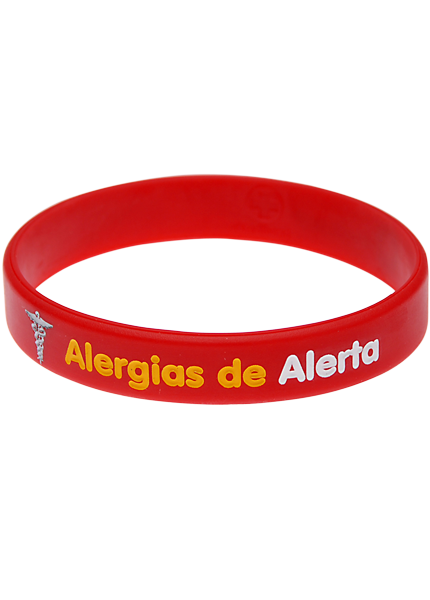
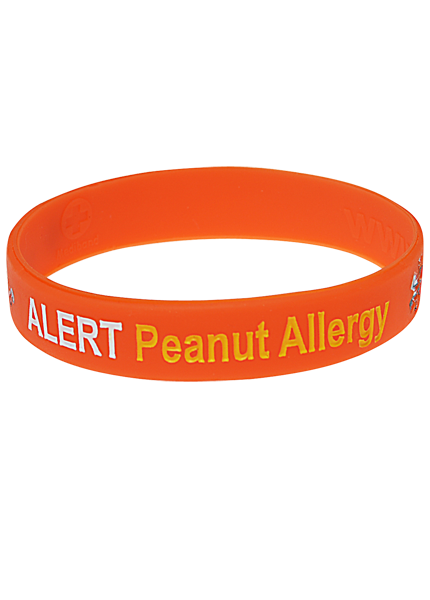
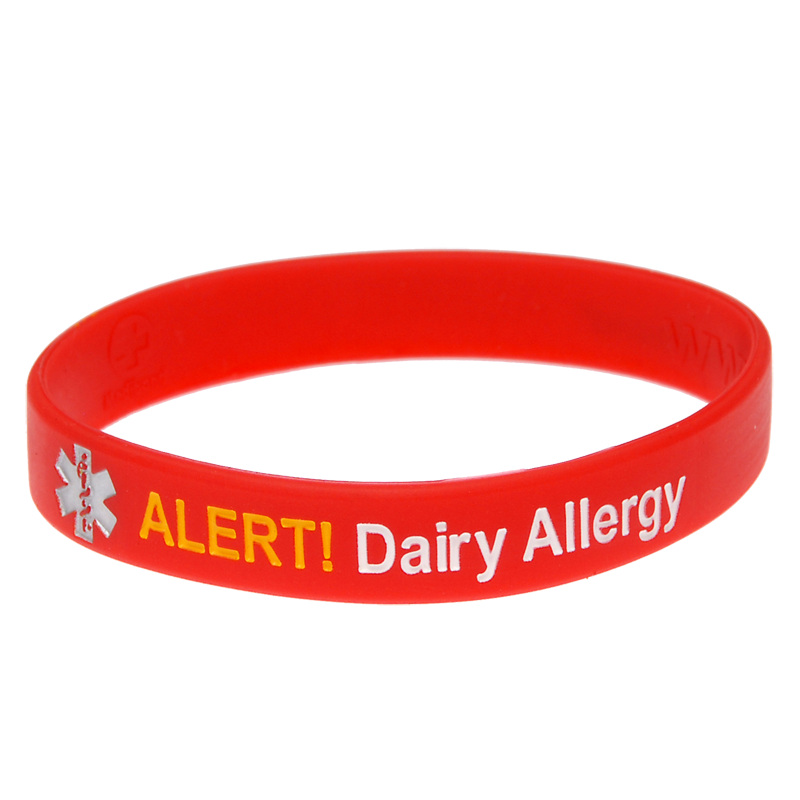
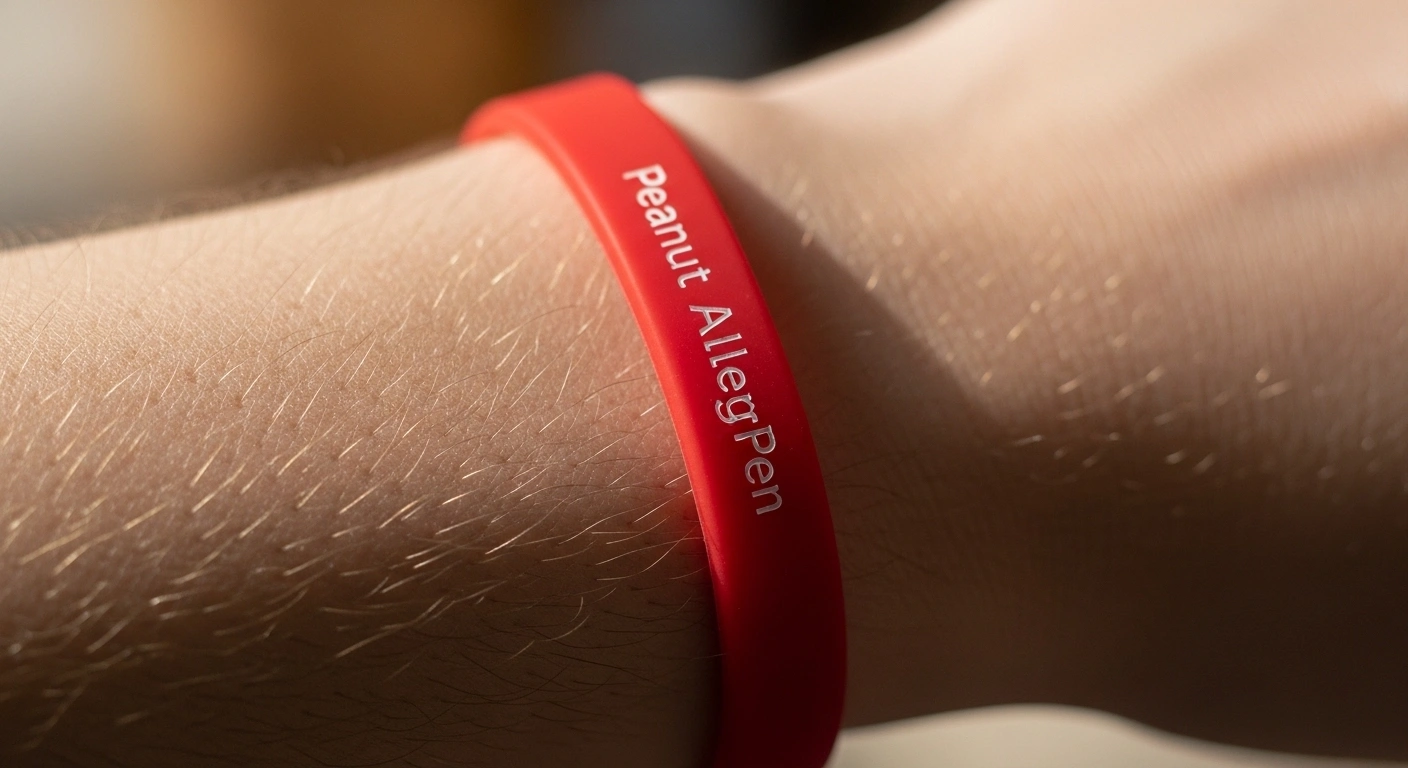
If you or a loved one lives with a food allergy, understanding your triggers, recognising symptoms and being prepared for emergencies is essential. And one of the simplest, most effective safety measures you can take is wearing a food allergy medical alert bracelet.
What Is a Food Allergy and How Is It Different from an Intolerance?
A food allergy occurs when your immune system mistakenly identifies a harmless food protein as a threat and launches an immune response. This can cause symptoms ranging from mild hives to life-threatening anaphylaxis.
A food intolerance does not involve the immune system. It typically causes digestive symptoms (bloating, cramps, diarrhoea) and, while uncomfortable, is not life-threatening. Lactose intolerance and sensitivity to food additives are common examples.
The distinction matters because food allergies can be fatal — and people who carry this risk need to be identifiable in an emergency.
The Most Common Food Allergies in Australia
According to the Australasian Society of Clinical Immunology and Allergy (ASCIA), the most common food allergens in Australia are:
- Cow's milk — affects more than 2 per cent of Australian infants
- Eggs — the most common food allergy in childhood, affecting about 9 per cent of infants
- Peanuts — one of the most common causes of severe allergic reactions
- Tree nuts — almonds, cashews, walnuts, hazelnuts, pistachios and pecans
- Sesame — increasingly recognised as a significant allergen
- Soy
- Fish
- Shellfish — prawns, lobster, crab and oysters
- Wheat
While many children outgrow milk and egg allergies, peanut, tree nut and shellfish allergies tend to persist into adulthood.
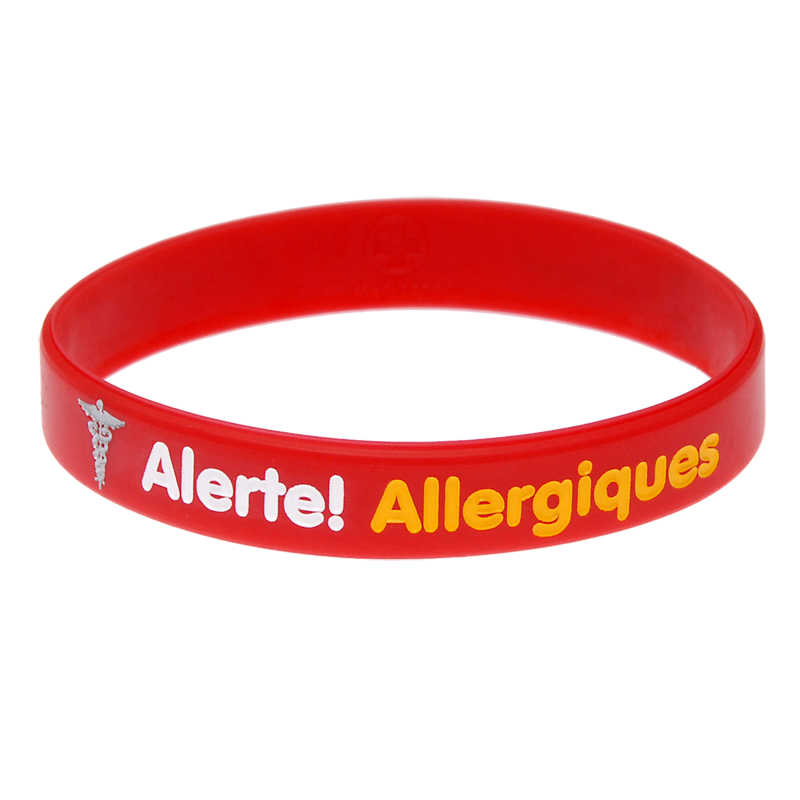
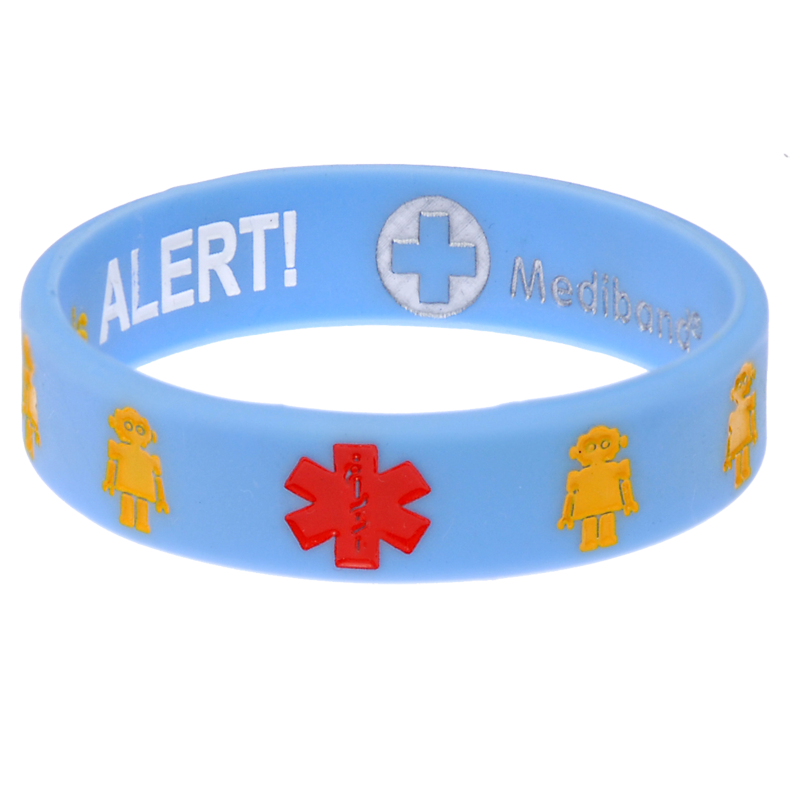
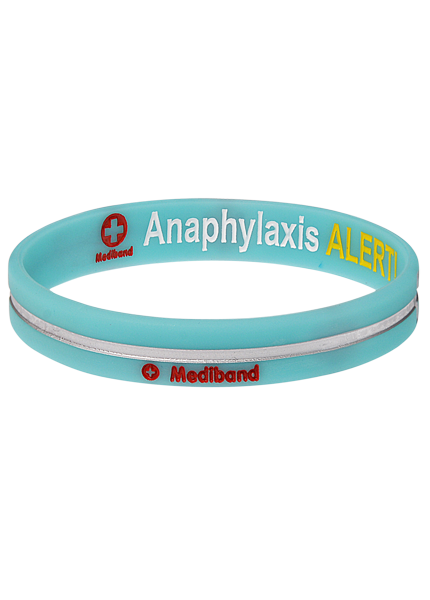
Shop Allergy Medical Alert Bracelets
Give emergency responders instant access to your allergy details — it could save your life.
Recognising Food Allergy Symptoms
Mild to Moderate Symptoms
- Hives, welts or swelling on the skin
- Swelling of the lips, face or eyes
- Tingling mouth
- Abdominal pain, vomiting or diarrhoea
Severe Allergic Reaction (Anaphylaxis)
Anaphylaxis is a life-threatening emergency that requires immediate treatment with adrenaline (epinephrine). Signs include:
- Difficulty breathing, wheezing or persistent cough
- Swelling of the tongue or throat
- Difficulty speaking or hoarse voice
- Dizziness, collapse or loss of consciousness
- Pale and floppy (in young children)
If you see these signs, call 000 immediately and administer an adrenaline autoinjector (EpiPen) if available.
How to Manage Food Allergies Safely
At Home
Read every food label carefully. In Australia, the top allergens must be declared on food packaging by law. Keep your kitchen organised to prevent cross-contamination — use separate cutting boards, utensils and cooking surfaces for allergen-free preparation.
At School and Work
Ensure teachers, colleagues and carers are aware of your allergies and know how to use an adrenaline autoinjector. Schools in Australia are required to have ASCIA Action Plans for students with anaphylaxis.
When Eating Out or Travelling
Always inform restaurant staff about your allergy. When travelling overseas, carry a translated allergy card in the local language. And always wear your allergy medical alert bracelet — it speaks for you when you cannot.
Frequently Asked Questions
What is the most common food allergy in Australia?
Egg allergy is the most common food allergy in Australian children, affecting about 9 per cent of infants. In adults, shellfish and peanut allergies are among the most common. Overall, more than four million Australians live with some form of allergy.
Can you outgrow a food allergy?
Many children outgrow allergies to milk, egg, soy and wheat by school age. However, allergies to peanuts, tree nuts, fish and shellfish tend to persist into adulthood. Your allergist can monitor your allergy through regular testing.
Why should I wear a medical alert bracelet for food allergies?
In an emergency, you may not be able to tell paramedics about your allergy. A medical alert bracelet provides instant identification of your allergens, ensuring you receive safe treatment and that responders administer adrenaline quickly if needed.
What is the difference between a food allergy and food intolerance?
A food allergy involves your immune system and can cause life-threatening anaphylaxis. A food intolerance does not involve the immune system and typically causes digestive discomfort. Allergies require strict avoidance; intolerances can sometimes be managed by limiting portions.

Share on Facebook

Share on X

Share on Pinterest
Comment(s)
Recent Posts

The Risk Of Not Wearing An Allergy Medical Alert Bracelet
March 23, 2026