Fashionable Medical Bracelets Saves Lives
October 07, 2010

Almost 1.9 million Australians manage diabetes daily, and millions more live with epilepsy, severe food allergies, or asthma. For all of them, a medical alert bracelet could be the most important thing they wear. But for years, the biggest barrier wasn't price — it was style. Nobody wants to wear something that looks clinical, bulky, or out of place. That's where fashionable medical alert bracelets change everything.
Why So Many Australians Need a Medical Alert Bracelet
The numbers are significant. According to Diabetes Australia, approximately 1.9 million Australians are living with diabetes — a condition where a hypoglycaemic episode can strike without warning. Meanwhile, Asthma Australia reports that 2.8 million Australians (around 11% of the population) live with asthma, and anaphylaxis emergency presentations have risen by 51% over five years, now exceeding 11,500 per year.
For these Australians — and those living with epilepsy, pacemakers, blood thinning medications, and other life-altering conditions — wearing a medical ID bracelet is not optional. It is a direct communication tool for paramedics, nurses, and emergency responders when the wearer cannot speak for themselves.
In those first critical minutes of an emergency, first responders are trained to look for a medical alert bracelet. The information on it — a diagnosis, a medication, an allergy — can be the difference between the right treatment and a dangerous mistake.
Why Fashionable Medical Bracelets Are the Better Choice
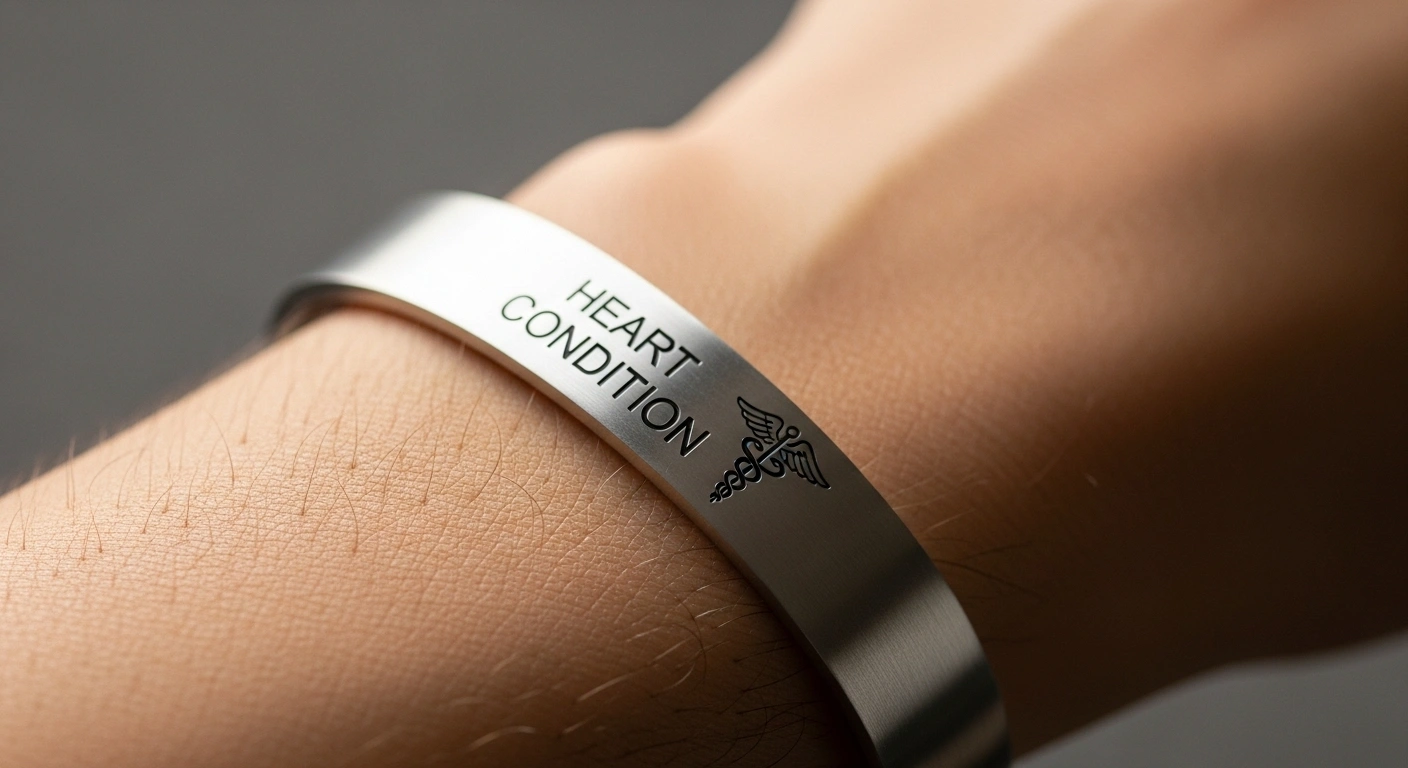
The traditional medical ID bracelet — a plain stainless steel band with a red caduceus symbol — did the job, but not many people wanted to wear it every day. The result? People left them in drawers, forgot them at home, or stopped using them altogether. A bracelet that doesn't get worn offers zero protection.
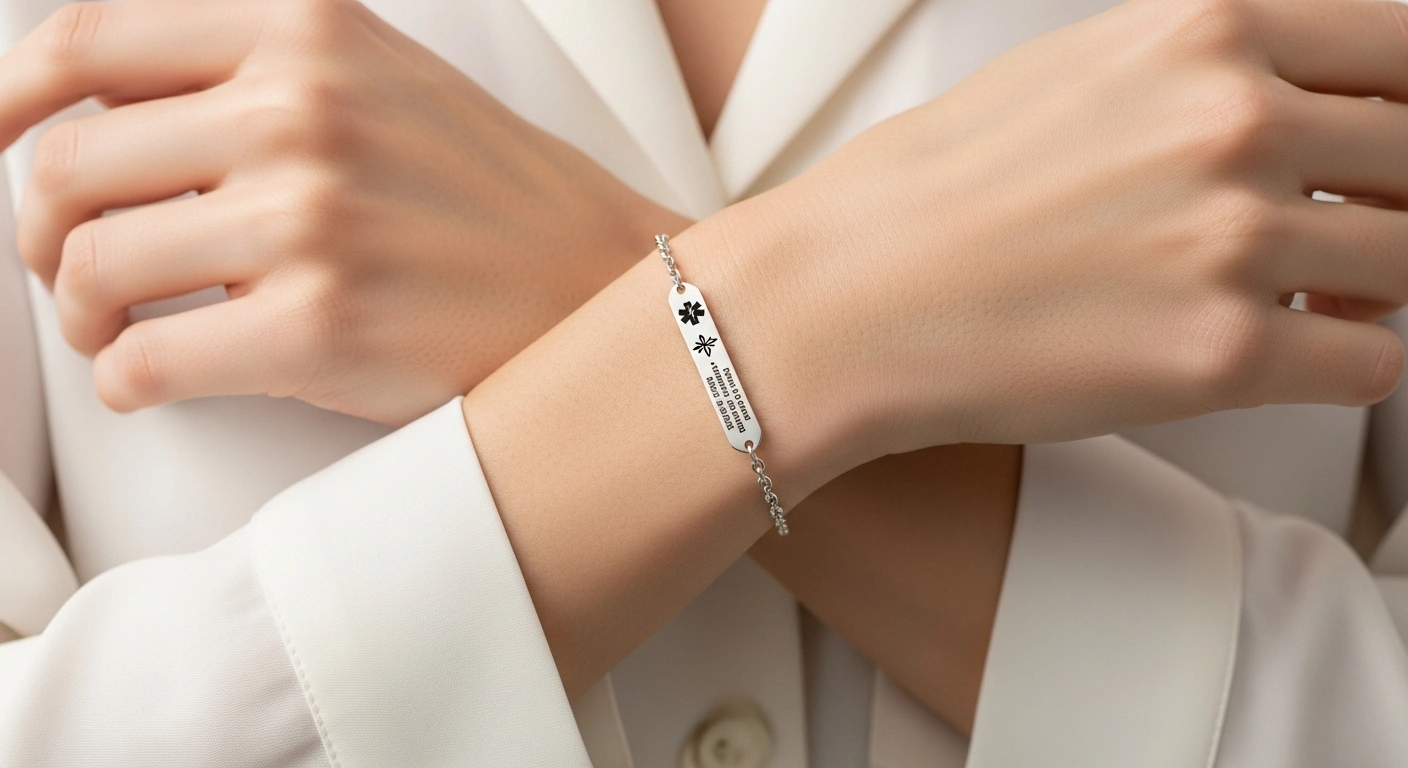
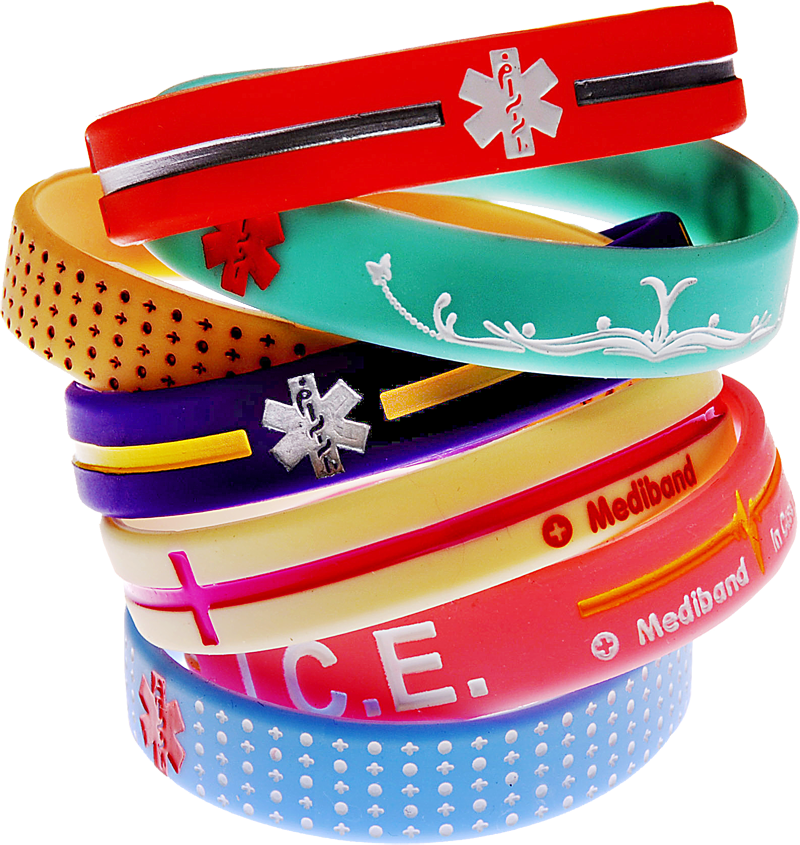
Fashionable medical alert bracelets solve this problem. When a bracelet looks good — when it matches your outfit, suits your personality, and feels comfortable enough to wear all day — you'll actually wear it. Mediband has been helping Australians find stylish medical ID solutions for over a decade, combining practical emergency identification with designs people feel good about wearing.
They Get Worn Every Day
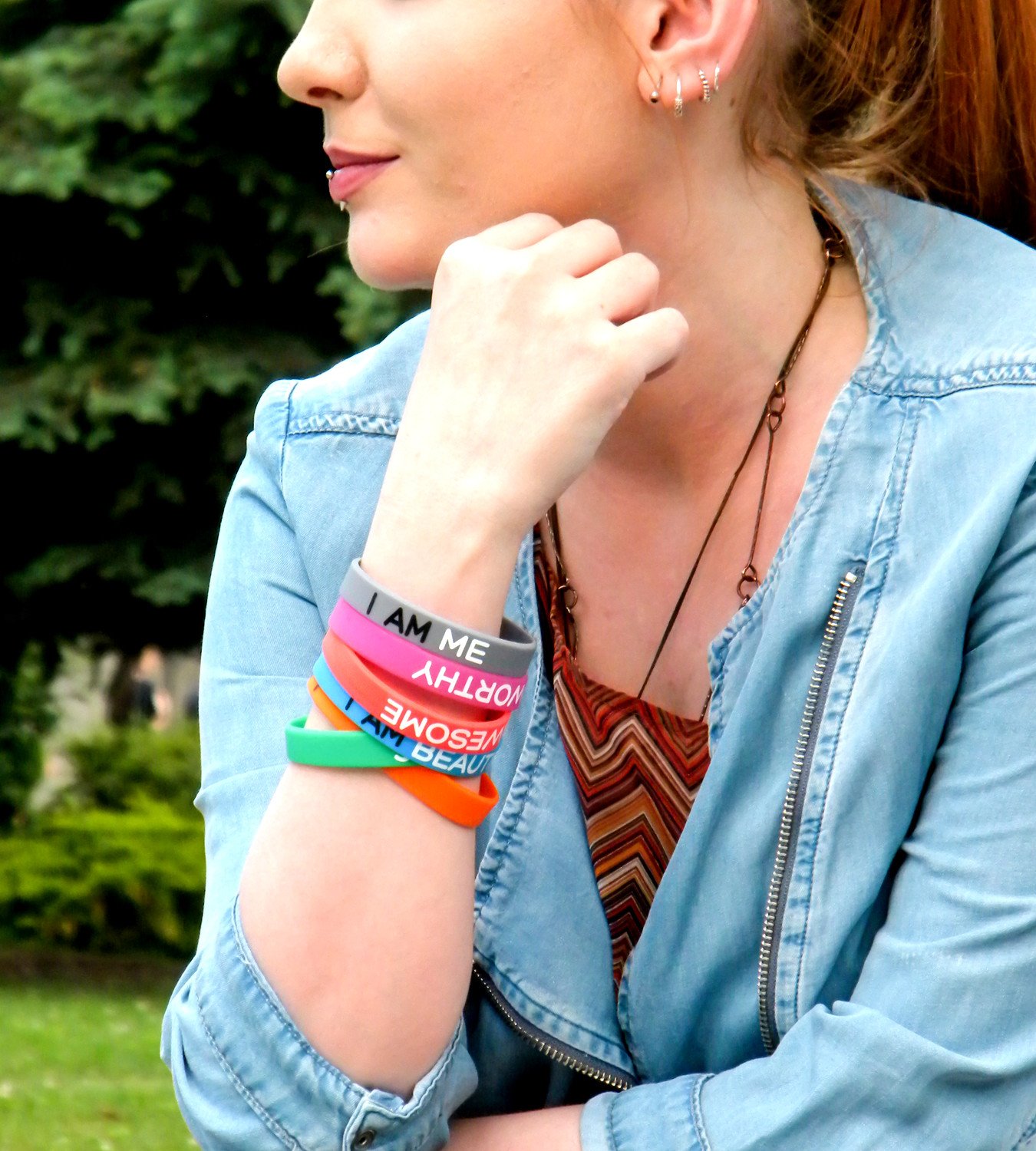
A stylish medical ID bracelet becomes part of your daily routine, just like a watch or a favourite piece of jewellery. Children who resisted plain wristbands will wear colourful, fun designs without complaint. Adults who felt self-conscious about looking "sick" will happily wear a designer reversible band that passes as a fashion accessory at first glance.
They Don't Draw Unwanted Attention
One of the most common concerns — especially for teenagers, young adults, and those with invisible conditions — is that a traditional medical bracelet signals illness too obviously. Modern fashionable medical ID jewellery is designed to look like normal accessories. The medical information is there when it matters, but the design carries the day everywhere else.
They Still Work in Emergencies
A stylish bracelet doesn't compromise function. Emergency responders are trained to check for medical IDs in any form — and a well-labelled, clearly printed Mediband bracelet communicates your condition just as effectively as any clinical-looking alternative. Style and safety are not in conflict.
Shop Fashionable Medical Alert Bracelets
Stylish designs for every condition — made to be worn every single day.

Who Should Wear a Fashionable Medical ID?
Medical alert bracelets are recommended for anyone with a condition that could affect emergency treatment. Here are the groups who benefit most — and why a fashionable design matters for each of them.
Children and Teenagers
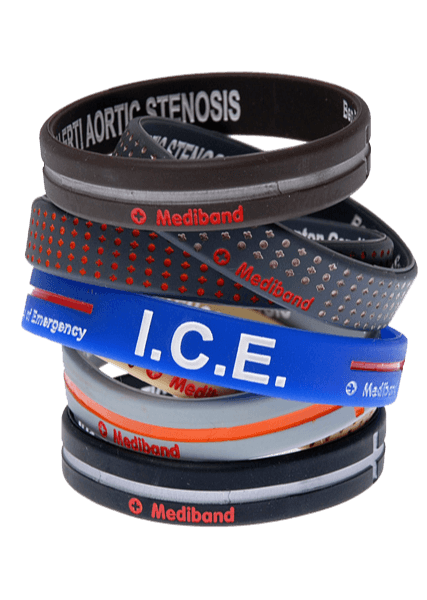
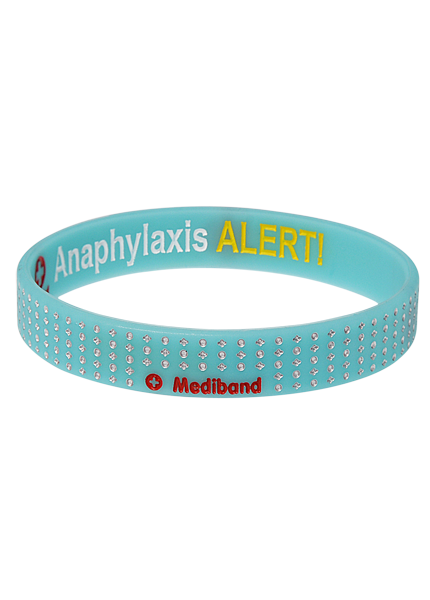
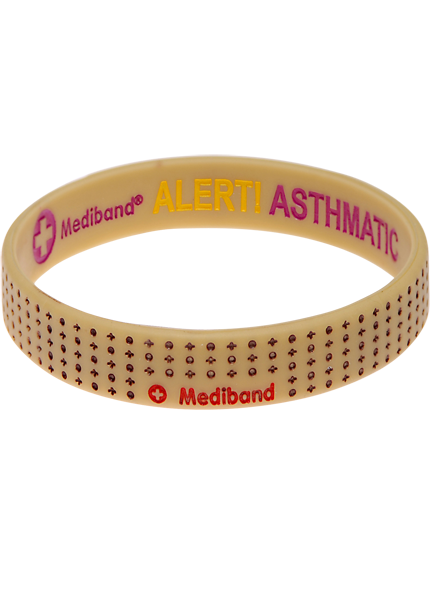
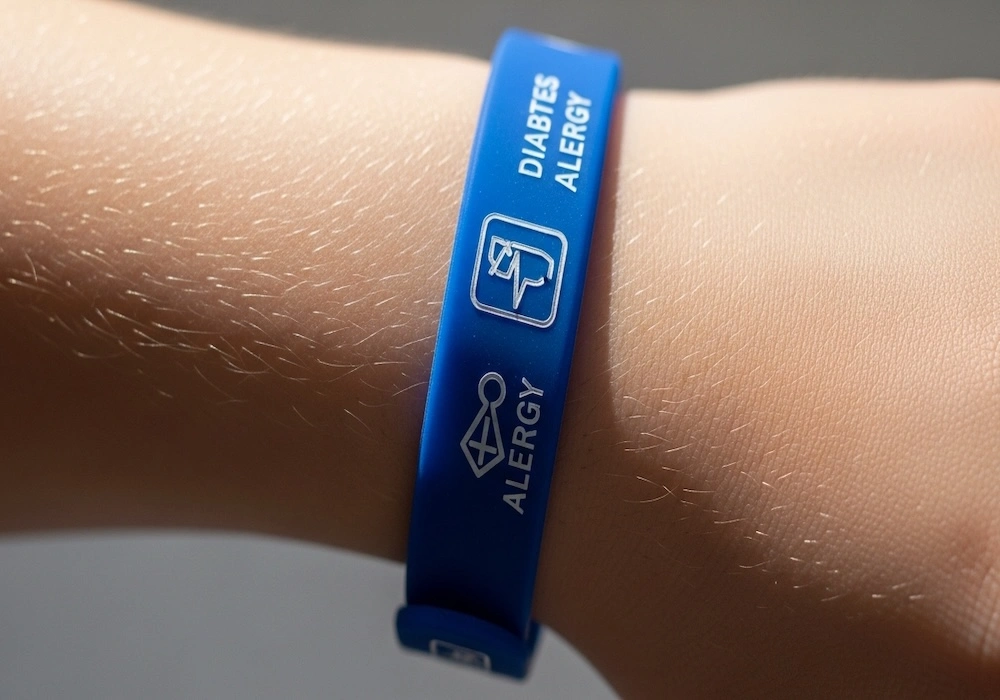
Children with food allergies, asthma, or epilepsy need a medical ID they'll actually keep on at school, at sport, and at sleepovers. A bright, colourful bracelet they feel proud of is far more likely to stay on a child's wrist than a clinical-looking one they find embarrassing. Mediband offers children's sizes in a wide range of colours and condition-specific designs — including anaphylaxis alert bracelets and epilepsy bracelets in purple.
Women Who Want Style Without Compromise
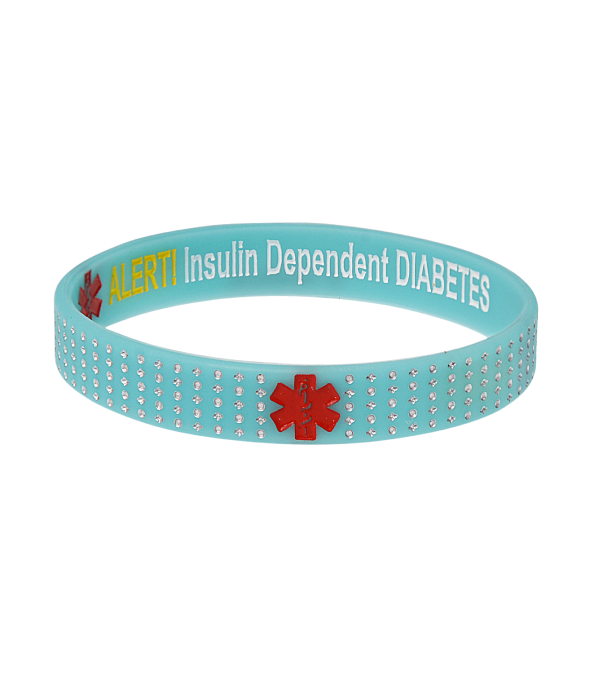
Women make up a significant portion of chronic condition sufferers who report abandoning traditional medical IDs because of how they looked. Fashionable designs — from turquoise dot patterns to stripe reversibles — give women the option to choose a bracelet that feels like personal style rather than a medical requirement. Browse our full range of medical alert bracelets for designs that suit every wardrobe.
Men and Active Adults
Men tend to prefer understated, sporty, or sleek designs. Mediband's classic reversible and camouflage options work for men who want functional medical identification without anything overtly decorative. For those who play sport or work outdoors, silicone-based bands offer durability alongside clear medical messaging.
What to Look for in a Fashionable Medical Alert Bracelet
Not all medical ID bracelets are created equal. Whether you're buying for yourself or a loved one, here's what to look for when choosing a fashionable medical alert bracelet in Australia.
Legibility and Print Quality
The most stylish bracelet in the world is useless in an emergency if the medical information can't be read quickly and clearly. Look for high-contrast text, clear fonts, and durable printing that won't fade with daily wear. Mediband bracelets are designed so that critical information stands out — even in low light or a fast-moving emergency situation.
Comfort, Size and Fit
A medical bracelet must be comfortable enough to wear all day, every day. Consider the width and weight of the band — lightweight silicone or slim reversible designs are ideal for people who find wider bands cumbersome. Mediband offers sizes for children, teenagers, and adults, so there's always a proper fit available.
Design and Personalisation Options
The best fashionable medical alert bracelets give you options. Mediband's Reversible Signature Medical ID – Classic Style and Vivid Style let you choose a design that reflects your personality, while still communicating your medical condition clearly. Designer prints, stripe patterns, and bright colour options are available across most condition categories.

What to Engrave on Your Medical Alert Bracelet
Once you've chosen your fashionable bracelet, the most important decision is what information to include. Emergency responders need to act fast — keep the engraving focused on the essentials:
- Primary medical condition — e.g. "Epilepsy", "Type 1 Diabetic", "Anaphylaxis"
- Critical medications or allergies — e.g. "Penicillin Allergy", "Insulin Dependent", "Carries EpiPen"
- Emergency contact — a phone number for a family member or carer
- Doctor or hospital — optional, but useful for complex conditions
Keep it brief and use standard medical abbreviations where appropriate. Learn more in our guide to common abbreviations for medical ID bracelets.
Frequently Asked Questions
Can a medical alert bracelet look like normal jewellery?
Yes. Modern fashionable medical alert bracelets are designed to look like everyday accessories — with colourful prints, designer patterns, and slim profiles that blend into any outfit. The medical information is clearly printed on the band, but the overall appearance passes as a standard bracelet in most social and professional settings.
Do paramedics and doctors actually check for medical alert bracelets?
Yes. Emergency medical responders and paramedics are trained to check for medical ID bracelets as one of their first steps when assessing an unconscious or non-responsive patient. A bracelet on the wrist is the fastest way to communicate a life-threatening condition when you can't speak for yourself.
What conditions require a medical alert bracelet in Australia?
Any condition that could affect emergency treatment is worth identifying on a bracelet. Common conditions include diabetes (especially insulin-dependent), epilepsy, severe food allergies and anaphylaxis, asthma, blood-thinning medications such as warfarin, pacemakers or defibrillators, penicillin allergy, and dementia. If you're unsure, consult your GP — many recommend medical IDs for any chronic condition.
Are fashionable medical bracelets safe for children to wear?
Yes. Mediband's bracelets are made from safe, hypoallergenic materials available in children's sizes. Lightweight silicone bands and write-on designs are particularly popular for kids — they're comfortable, adjustable, and colourful enough that children are happy to wear them at school, during sport, and at home.
Where can I buy a fashionable medical alert bracelet in Australia?
Mediband offers Australia's widest range of fashionable medical alert bracelets, with designs for dozens of conditions including diabetes, epilepsy, allergies, and more. Orders ship Australia-wide with fast delivery. Browse the full range here.
Not sure which is right for you? Browse our full range of medical alert bracelets or get in touch with our team — we're happy to help you find the right fit.

Share on Facebook

Share on X

Share on Pinterest
Comment(s)
Recent Posts
The Risk Of Not Wearing An Allergy Medical Alert Bracelet
March 23, 2026