Emergency Pendants: A Simple, Yet Life-Saving Solution for Medical Emergencies
January 15, 2026
When seconds matter, having immediate access to help can mean the difference between a minor incident and a life-threatening situation. For millions of people living independently, managing chronic conditions, or simply aging in place, the fear of experiencing a medical crisis alone is very real. What if you fell and couldn't reach your phone? What if a heart condition flared up when no one was around to notice?
This is where emergency pendants step in as a practical, straightforward solution. These small wearable devices connect vulnerable individuals to emergency response teams with just the press of a button. They're not complicated. They're not expensive medical equipment. They're simply a reliable way to ensure that help is always within reach, no matter what happens.
The purpose of this article is to highlight the life-saving potential of emergency pendants, explaining how they work, who benefits from them, and why they are an essential tool for ensuring quick medical assistance in emergencies.
What is an Emergency Pendant?
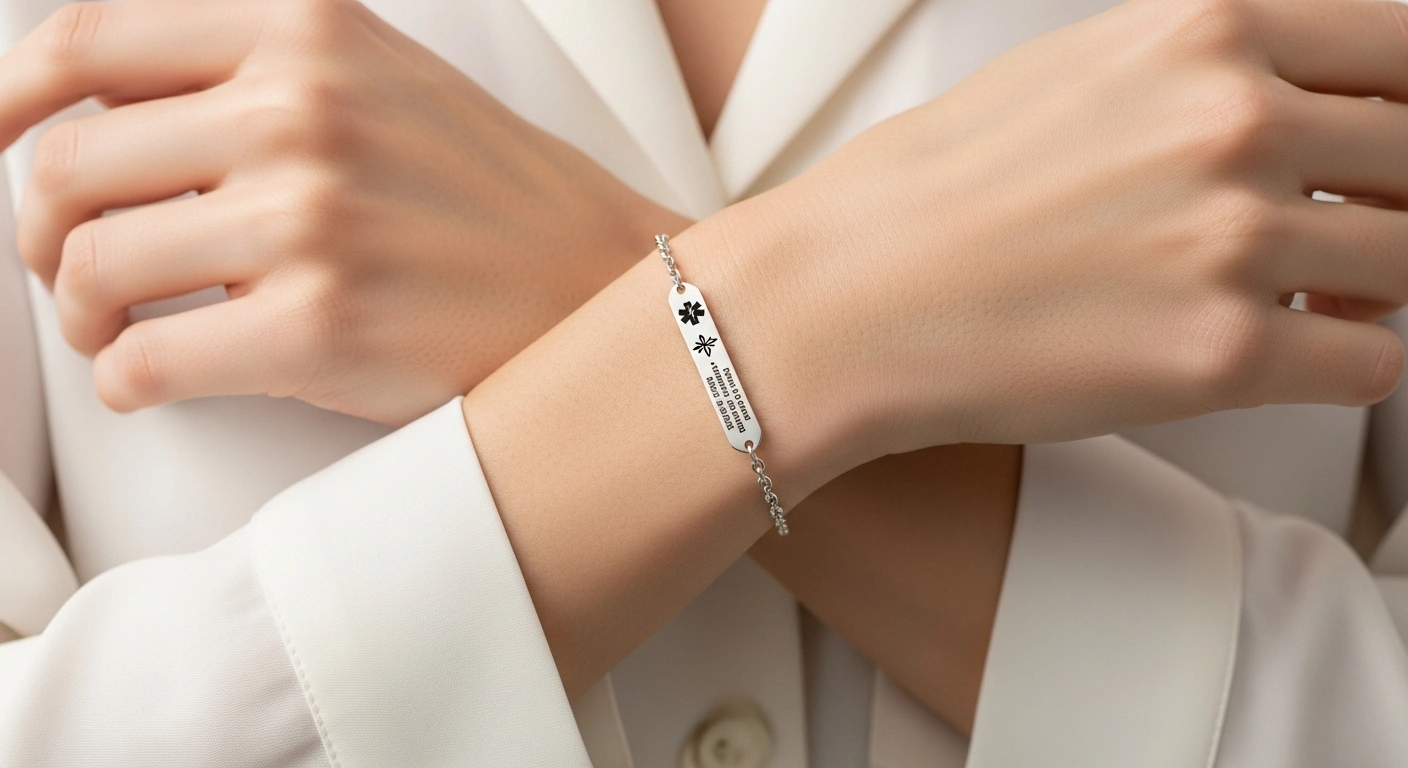
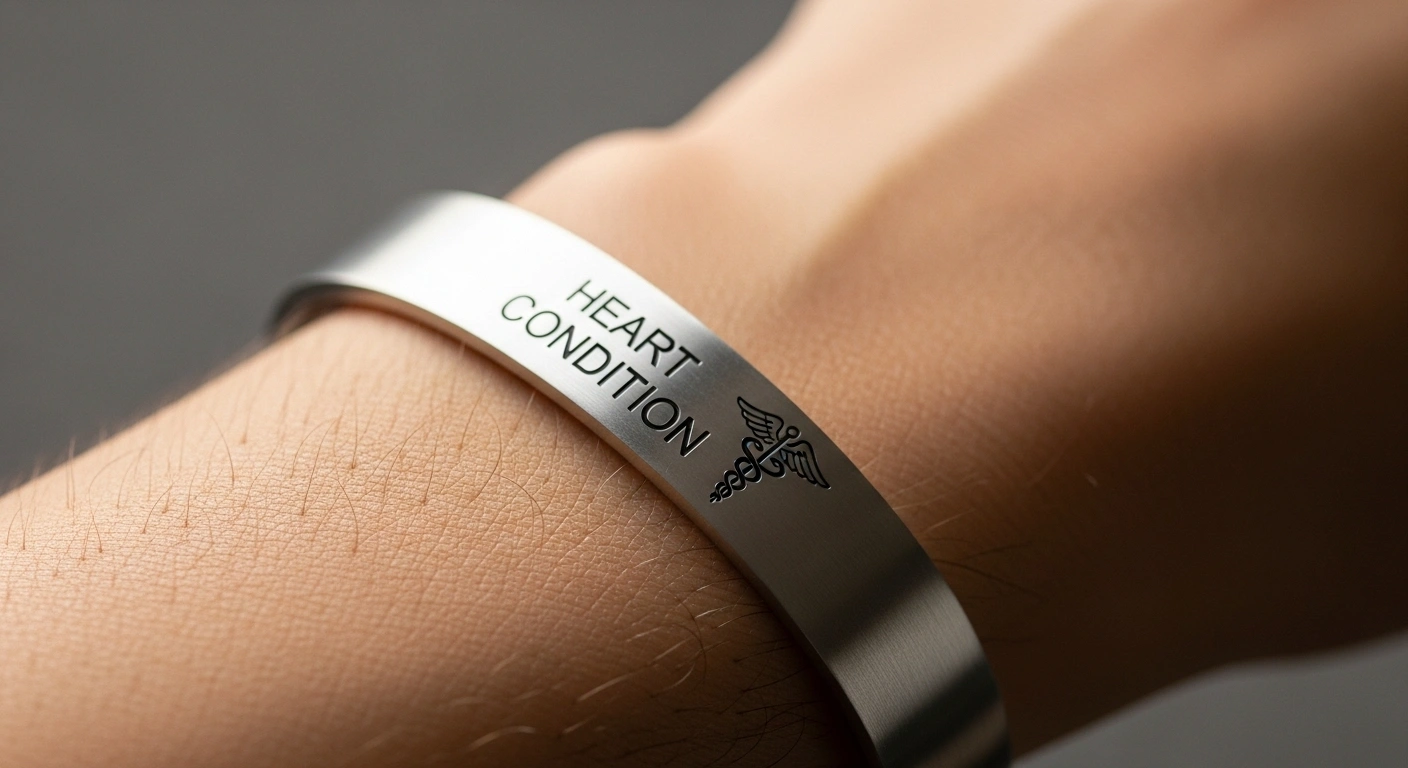
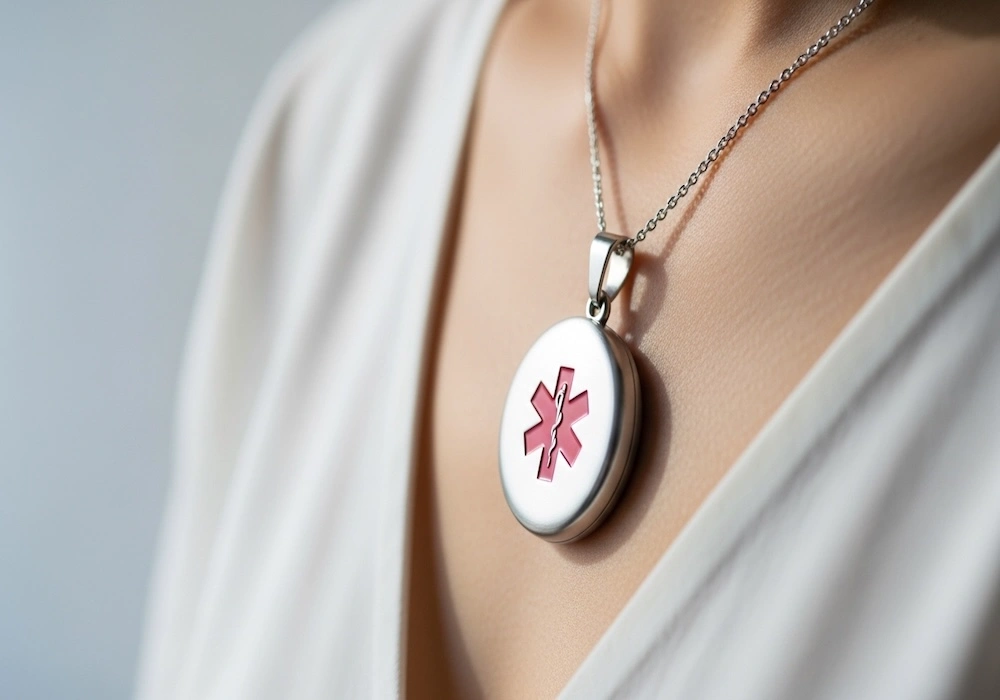
An emergency pendant is a wearable alert device designed to connect users with emergency assistance at the push of a button. These devices typically come in the form of a pendant worn around the neck or a bracelet worn on the wrist, making them accessible at all times.
Definition and Basic Functionality
At its core, an emergency pendant works through a simple mechanism. When the user presses the button on their device, it sends a signal to a monitoring center or directly contacts emergency services. The monitoring center can then communicate with the user through a two-way speaker system, assess the situation, and dispatch appropriate help.
Key features of emergency pendants include:
- One-touch activation that connects directly to monitoring centers
- Two-way communication allows users to speak with operators hands-free
- Automatic fall detection in advanced models that trigger alerts even when unconscious
- Waterproof design for protection during bathing or showering
- Long battery life, ranging from several days to weeks,s depending on the model
Types of Emergency Pendants
Not all emergency pendants are created equal. Traditional home-based systems work within a limited range of a base unit connected to the user's landline or internet. Mobile emergency pendants use cellular technology, allowing users to carry protection wherever they go. Some devices now incorporate GPS tracking, making it easier for emergency responders to locate the user quickly.
How Emergency Pendants Work
The technology behind an emergency pendant alarm is straightforward but effective. When activated, the device sends a distress signal through radio frequency, cellular connection, or Wi-Fi to a designated monitoring center. A trained operator receives the alert and immediately attempts to communicate with the user through the device's built-in speaker and microphone. The entire process typically takes less than a minute from button press to response, which can be critical during a heart attack, stroke, or severe fall.
Why Emergency Pendants Are Crucial for Medical Emergencies
The value of an emergency pendant becomes crystal clear when you consider the real-world scenarios where they save lives. Research published in the Journal of the American Geriatrics Society examined personal emergency response systems and found that these devices were associated with reduced fear of falling and increased confidence in managing daily activities among older adults. The study demonstrated that emergency response technology plays a significant role in supporting independent living while providing crucial safety measures.
Instant Access to Help
The most obvious benefit of emergency pendants is the immediate access they provide to emergency assistance. Unlike a phone that might be in another room or out of reach after a fall, an emergency pendant alarm stays with the user constantly. The hands-free communication feature is particularly important because injured or disoriented individuals may not be able to hold a phone or dial numbers.
Independence and Confidence for Users
Beyond the practical safety benefits, emergency pendants provide something equally valuable: peace of mind. Many older adults and people with health conditions want to maintain their independence and continue living in their own homes. An emergency pendant removes fear, allowing users to go about their daily activities with confidence.
Cost-Effective and Convenient
Compared to other safety options like moving to assisted living facilities or hiring full-time caregivers, emergency pendants represent an affordable alternative. Monthly monitoring fees typically range from reasonable to modest, and many companies offer equipment at no upfront cost. The devices require minimal maintenance—usually just charging the battery every few days or weeks, depending on the model.
Shop Medical Alert Pendants and Bracelets
Elegant, durable, and potentially life-saving — find the perfect medical alert pendant or bracelet for you or a loved one.


Who Can Benefit from Emergency Pendants?
While many people associate emergency pendants primarily with the elderly, the reality is that a much broader range of individuals can benefit from this technology.
Elderly Individuals
Seniors are the most common users of emergency pendants, and for good reason. Age brings increased risk of falls, heart problems, strokes, and other sudden medical events. An emergency pendant ensures that if a senior falls and cannot get up, they won't lie helpless for hours or days waiting for someone to find them.
People with Chronic Health Conditions
Anyone managing a serious ongoing health condition can benefit from wearing an emergency pendant. This includes people with heart disease, diabetes, epilepsy, severe allergies, or respiratory conditions. These health issues can cause sudden emergencies that require immediate medical attention.
Common conditions that warrant an emergency pendant:
- Heart disease with risk of cardiac events or irregular heartbeats
- Diabetes with potential for dangerous blood sugar fluctuations
- Epilepsy, where seizures can occur without warning
- Severe allergies requiring immediate medical intervention
- Respiratory conditions like COPD or severe asthma
- Mobility disorders that increase fall risk
Caregivers and Family Members
Emergency pendants don't just help the person wearing them—they also provide immense relief to family members and caregivers. Adult children who worry about their aging parents living alone can sleep better knowing their loved ones have reliable access to emergency help. The devices often include features that notify family members when an alert is activated, keeping everyone informed about the situation.
Active Individuals and Athletes
Even healthy, active people can find themselves in situations where an emergency pendant proves invaluable. Athletes who train alone, hikers who enjoy solitary trails, or anyone who works alone in potentially hazardous conditions might consider a mobile emergency pendant with GPS tracking.
Choosing the Right Emergency Pendant for Your Needs
With various options available in the market, selecting the right device requires careful consideration of individual circumstances and preferences.
Consider Your Health and Lifestyle Needs
The first step in choosing an emergency pendant is honestly assessing your specific situation. Do you have a condition that puts you at high risk for falls? Then a device with automatic fall detection is essential. Are you active and frequently away from home? A mobile emergency pendant with GPS tracking and cellular connectivity would be more appropriate than a home-based system.
Questions to ask when evaluating your needs:
- How mobile am I? Determine whether you need home-only or mobile coverage
- What are my primary health risks? Identify if fall detection or other specialized features are necessary
- How much time do I spend alone? Assess the urgency and importance of the immediate response capability
- Do I have reliable phone service? Check if you need cellular backup or landline alternatives
- What's my budget? Balance features with monthly costs you can sustain long-term
Compare Available Features and Brands
Once you understand your needs, research different brands and their features. Look at battery life—some devices need daily charging while others last a week or more. Check the range if you're considering a home-based system; you want coverage throughout your house and ideally your yard. Compare monitoring service costs and contracts carefully. Some companies require long-term commitments while others offer month-to-month plans.
Consult with Healthcare Providers
Before making a final decision, discuss emergency pendants with your doctor or healthcare team. They can provide valuable input about which features would be most beneficial for your specific health conditions. Some healthcare providers have partnerships with particular medical alert companies and may be able to offer recommendations or even discounts.
The Life-Saving Value of Emergency Pendants
Emergency pendants represent a simple yet powerful solution for accessing help quickly during medical emergencies. These devices provide instant connection to emergency services, restore independence to vulnerable individuals, and offer peace of mind to worried families.
For elderly individuals, people with chronic conditions, and anyone who spends time alone while facing health risks, an emergency pendant is more than just a device—it's a lifeline. The technology isn't complicated or expensive, but it can literally save lives when seconds count.
Don't wait until after an emergency to consider protection. These devices work best when they're already in place before they're needed, providing the security and confidence that help is always just one button press away.
Frequently Asked Questions
What is an emergency medical alert pendant?
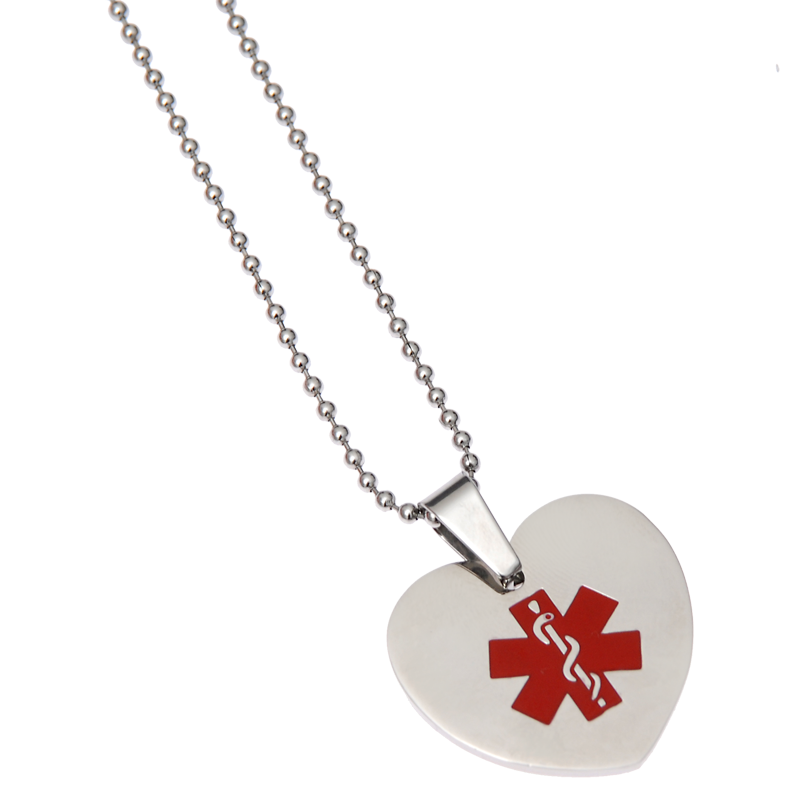
An emergency medical alert pendant is a piece of jewellery — typically a necklace or charm — engraved with your critical medical information such as conditions, allergies, medications, and emergency contacts. It alerts paramedics and first responders to your health needs when you cannot communicate during an emergency.
Who should wear an emergency pendant?
Anyone with a chronic medical condition, severe allergies, or who takes critical medication should consider an emergency pendant. They are especially important for elderly individuals living alone, people with dementia or Alzheimer disease, those with heart conditions, diabetes, epilepsy, or anyone at risk of sudden medical emergencies.
What information should I engrave on a medical alert pendant?
Engrave your primary medical condition first, then list critical allergies and current medications. Include an emergency contact phone number and any instructions for first responders such as insulin dependent or uses EpiPen. Keep the text concise — emergency responders need to read it quickly under pressure.
Are medical alert pendants waterproof?
Most stainless steel medical alert pendants are water-resistant and can withstand daily activities including showering and handwashing. However, prolonged submersion in pools or saltwater may affect the finish over time. Silicone bracelets are fully waterproof. Always check the specific product care instructions for best results.
How is a medical alert pendant different from a medical alert bracelet?
Both serve the same purpose — displaying critical medical information for emergencies. The main difference is wearing preference. Pendants hang around the neck and are easily visible under open collars. Bracelets sit on the wrist where paramedics typically check first. Many people wear both for maximum visibility.

Share on Facebook

Share on X

Share on Pinterest
Comment(s)
Recent Posts
The Risk Of Not Wearing An Allergy Medical Alert Bracelet
March 23, 2026